2027 From Self-Employment to Salaried Management: When Does a BS in Business Administration Make Sense?
Audited and Verified:
Our Editorial and Data Verification Process
Research.com uses government datasets, official education statistics and primary institutional information to support its career and degree guides. Our review process checks factual accuracy, occupational definitions, source dates and the requirements associated with the credentials discussed.
How This Article Was Fact-Checked
Our editorial team verifies salary estimates, employment projections, education requirements and program information against original data providers and official organizations. Salary figures are checked against the relevant occupational definitions and reporting periods. Information about licensure, accreditation and required in-person training is reviewed separately.
Fact-checked and verified on:

Co-Founder and Chief Data Scientist
Running your own business can give you substantial leadership experience, yet employers may not know how to compare it with experience gained inside a larger organization. If you want a salaried management role, a BS in Business Administration might help you meet a degree requirement and fill gaps in finance, operations, or people management. It might also be an expensive detour. This guide shows self-employed professionals how to evaluate target jobs, translate business ownership into hiring evidence, and decide whether a degree, targeted training, or a stepping-stone role offers the better route.
Key Things You Should Know
- A BS in Business Administration makes the strongest case when target employers require a bachelor's degree, your previous credits can apply, and the curriculum addresses skills your business did not develop.
- Self-employment can demonstrate management ability, but employers may still expect evidence of supervising staff, managing budgets, or working within another organization's systems.
- The Bureau of Labor Statistics reports a May 2025 median annual wage of $105,770 for general and operations managers; that occupation-wide figure is not a starting salary or a predicted return on the degree.
What Is a BS in Business Administration, and Who Is It For?
A Bachelor of Science in Business Administration is an undergraduate degree that combines general education with study of business functions such as accounting, finance, marketing, operations, and management. It can suit a business owner who wants a recognized bachelor's credential and broader preparation for work inside an established organization.
The name alone does not tell you how quantitative or management-focused a program is. A BBA or BA in Business may cover similar ground, while a specialized accounting, supply chain, or human resources degree may go deeper in one function. Compare actual requirements rather than assuming one degree title carries a hiring advantage. Listings of leading US colleges for online business study can help you identify programs to investigate, but their degree titles and curricula still need individual review.
For a self-employed applicant, the key distinction is between having managed a business and being ready for a particular salaried role. A solo consultant may have owned pricing and client relationships without supervising employees; a shop owner may have hired staff but not worked with a large employer's budgeting or reporting processes. The useful degree is the one that closes the gaps your target job exposes.
When Does a BS in Business Administration Make Sense for Self-Employed Professionals?
Start with the salaried jobs you would actually apply for, not the broad goal of "moving into management." Read postings from your target employers and separate bachelor's requirements from preferred qualifications and experience requirements. Then compare those requirements with work you can document from your business.
The following comparison shows where the degree is most likely to change your options. It is a decision framework, not a claim that employers treat all self-employment alike.
| Situation | Likely value of the BS | What else matters |
| Target roles routinely require a bachelor's degree, and you do not have one | May remove an application barrier | Evidence that your experience matches the role's scope |
| You want to move from owner-operator work into corporate operations or supervision | Can strengthen knowledge of organizational finance, HR, and processes | Experience collaborating within a larger organization |
| You already have a bachelor's degree and need one specific skill | A second bachelor's may add limited value | A targeted course, certificate, project, or relevant job experience |
| You want a specialized or regulated role | A general business degree may not meet its requirements | A field-specific degree, credential, or license |
To test your fit, write down the staff, budgets, vendors, projects, and decisions you personally managed. Pair each responsibility with evidence you can share without disclosing customer information: a process you designed, an anonymized performance measure, or a reference who can describe your work. If the main obstacle is documenting experience rather than meeting a degree requirement, strengthen that evidence before enrolling.
If you need both a credential and a manageable schedule, investigate economical business administration degrees with quicker study routes. Treat advertised speed as a possibility, not a completion promise: applicable transfer credit and required course availability determine your path.
What Careers Can You Pursue With a BS in Business Administration?
A BS can support applications across business functions, but the best entry point depends on what you did while self-employed. Apply by responsibility rather than title: "founder" tells an employer less than a clear account of purchasing, scheduling, sales analysis, or staff supervision.
These pathways illustrate how prior work can connect to salaried roles without assuming an immediate management appointment.
| Relevant self-employment experience | Roles to investigate | Likely gap to check |
| Scheduling, vendor coordination, and process improvement | Operations or project coordinator; later, operations management | Experience with larger teams, systems, and reporting |
| Customer research, campaigns, and sales reporting | Marketing coordinator or market research support | Analytical methods and evidence of campaign decisions |
| Hiring, onboarding, and staff administration | HR assistant or specialist, subject to employer requirements | Employment practices beyond a small business |
| Purchasing, inventory, and supplier relationships | Procurement or supply chain support | Formal purchasing processes and relevant software |
Management roles typically require demonstrated results and responsibility beyond graduation. If HR is your target, compare general business coursework with the deeper employment-focused preparation described in a human resources degree subject guide. An adjacent coordinator or specialist role may provide a more credible bridge from running your own business to managing within someone else's.
The most useful courses are those that reveal how decisions change when you are accountable to an employer rather than operating independently. Accounting and finance can help you explain budgets and financial statements; operations and analytics can help you evaluate processes; organizational behavior and HR can develop your understanding of supervision, policy, and team dynamics. Communication and ethics matter when decisions affect colleagues, customers, and confidential data.
Review assignments as closely as course titles. A program with supervised projects, case analyses, or a capstone may give you ways to demonstrate skills to employers. Your own business could be a useful project setting, but ask faculty whether it qualifies and obtain any needed permissions before using employee, client, or proprietary information. A classroom project is not proof of an implemented business result.
Choose a concentration only if its required courses address a defined gap. For example, a project-management focus may be more relevant than general management electives if your target role centers on schedules, budgets, and cross-functional delivery. If you are weighing a separate degree in that field, investigate financial assistance for aspiring project management graduates alongside curriculum fit; aid eligibility and awards must be confirmed for your circumstances.
Online study may let you keep serving clients while completing a degree; campus study may make in-person recruiting, faculty contact, and scheduled collaboration easier. Neither format is automatically better for a transition into salaried work. Compare the actual opportunities to build employer contacts and complete relevant projects.
Before choosing an online program, ask about live sessions, fixed deadlines, group meetings, proctored exams, required campus visits, and internship or capstone rules. A self-employed person who controls some work hours may still face client emergencies; "online" does not mean self-paced. Campus programs require a different check: whether required courses and career events occur at times you can attend.
Quick online bachelor's pathways may be worth comparing if you can sustain the course load. Faster terms do not reduce the work required, and an intensive schedule can cost you client income if it displaces billable time.
Requirements vary by institution and by whether you apply as a first-year, transfer, returning, or second-degree student. Schools commonly review prior education and transcripts; some business majors have additional entry or progression requirements. Do not assume that years of business ownership replace academic prerequisites or automatically earn credit.
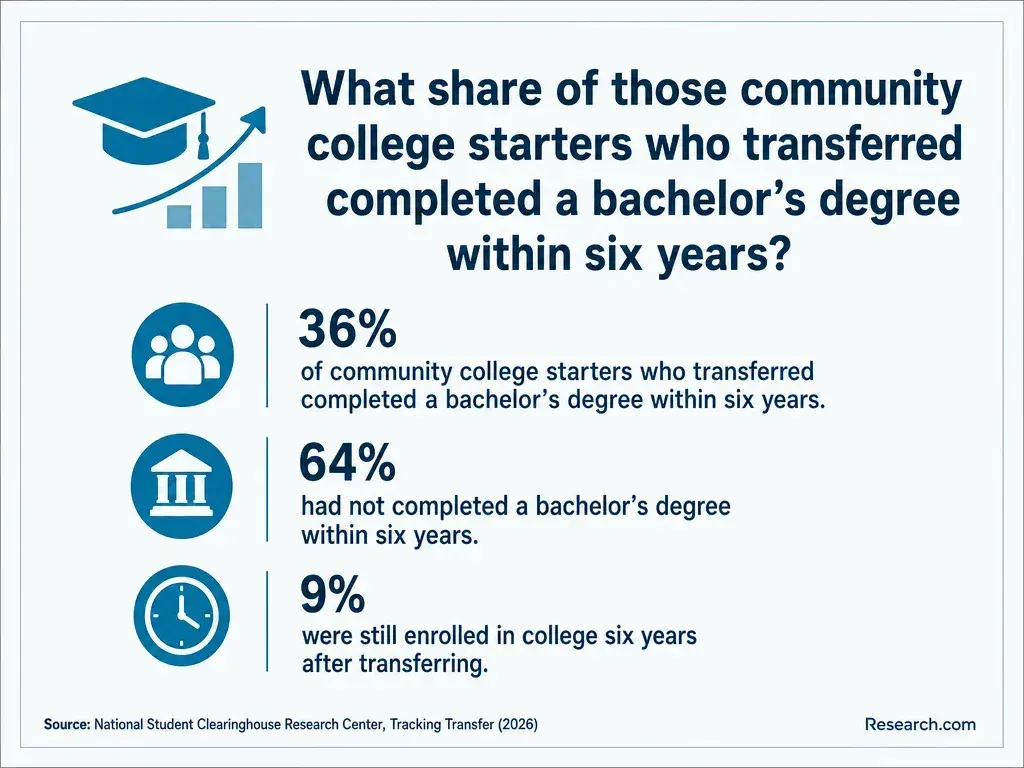
Gather transcripts from every previous college and ask for an official evaluation showing where accepted credits apply: general education, business core, concentration, or electives. Check whether you need particular mathematics, statistics, accounting, or economics courses, and whether the school limits credit from prior study. Admission to a university and completion of its business major are separate decisions.
If you are also considering a specialized project-management bachelor's, compare project management bachelor's credit transfer rules with the business program's rules. The school receiving your credits has final authority over equivalencies and remaining requirements, so request a degree audit before relying on an estimated finish date.
A bachelor's typically represents several years of full-time undergraduate study, but your remaining time depends on applicable prior credits, course sequencing, enrollment pace, and residency requirements. A returning business owner should compare the remaining degree plan, not the advertised length of the full program.
Ask each school for an itemized estimate based on your evaluated credits. The comparison should include tuition, mandatory and technology fees, books or software, any travel or proctoring costs, and the effect of taking fewer clients or working fewer hours. Confirm financial-aid eligibility and timing rather than subtracting an unconfirmed award from the price.
Directories of colleges offering economical online business study can supply candidates for comparison. The lowest published tuition may not be your lowest completion cost if a school applies fewer credits to required courses or offers a needed course infrequently.
No general license is required to earn a BS in Business Administration or to use the degree when applying for ordinary business roles. The degree also does not award a professional certification or authorize regulated work. Requirements attach to particular occupations and activities: accounting licensure, certain financial-services work, and some industry-specific roles have separate rules.
Voluntary credentials can be useful when a target employer asks for them, but check the issuing organization's eligibility requirements before budgeting for one. If you are comparing a general BS with a specialized project-management degree, include exam and training expenses separately from tuition; a guide to project management fees books and aid considerations can help frame that comparison. Neither degree automatically grants a project-management credential.
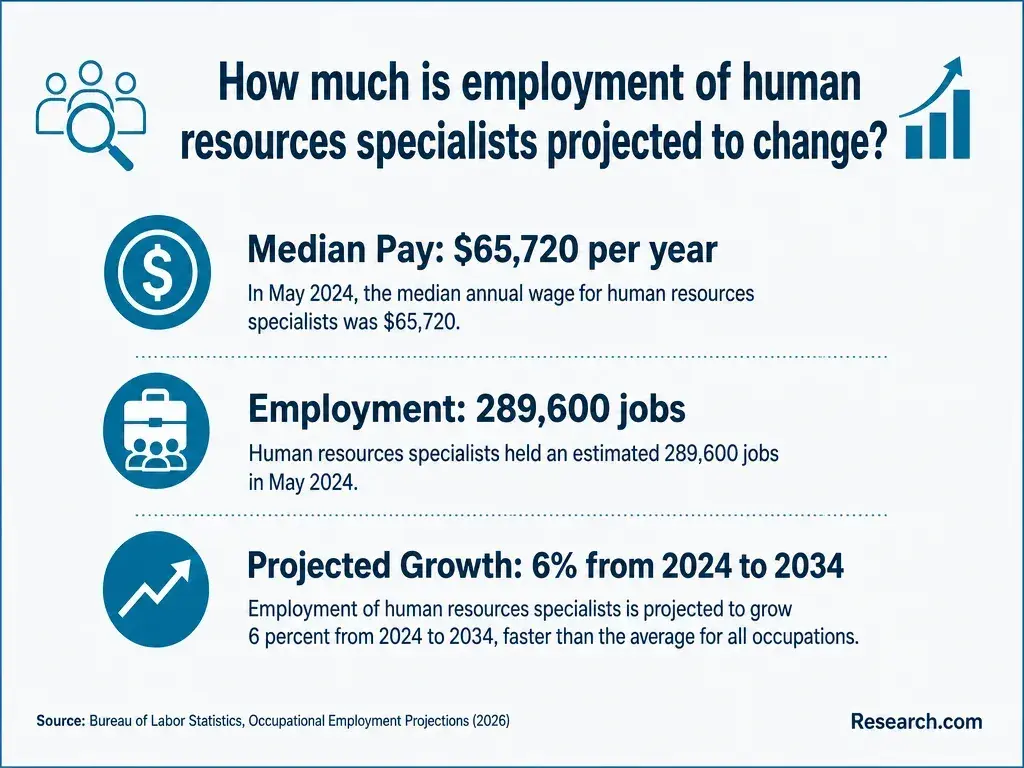
There is no single salary or job-growth rate for BS in Business Administration graduates. The appropriate comparison is the occupation you intend to enter, with its experience requirements. According to the US Bureau of Labor Statistics, general and operations managers had a median annual wage of $105,770 in May 2025, and employment in that occupation is projected to grow 5% from 2025 to 2035. Those figures cover people already working in the occupation at many career stages; they do not estimate a new graduate's offer.
For a realistic earnings decision, compare local postings for roles you could qualify for now with postings for the next role you could plausibly reach after gaining salaried experience. Factor in the compensation you would give up from self-employment, the degree's net cost, and benefits that may differ from your current arrangement. If project work is your main target, comparing online project management degrees with lower tuition may clarify the education-cost side of that choice - but neither program price nor an occupation-wide median establishes your personal return.
How Can You Choose an Accredited Business Administration Program?
First, verify the institution's accreditation with the accreditor or an official US education accreditation database. Then check whether the business school or specific program holds applicable AACSB, ACBSP, or IACBE accreditation; institutional accreditation and business-program accreditation have different scopes. Do not infer coverage from a logo without checking the named program.
Next, request the current catalog, a written transfer evaluation, and a remaining-course plan. Ask which required courses are offered in your intended format, whether self-employment can support an approved project, and what career services are available to students moving into salaried roles. Compare programs against the same target job and your actual weekly capacity. Ranked online business bachelor's completion routes can help create a shortlist, but only the school can confirm your applicable credits, schedule, and graduation requirements.
The best choice may be not to enroll yet. If target postings accept equivalent experience and your gap is a specific tool, credential, or corporate reference, test that narrower route first. If a bachelor's requirement repeatedly blocks otherwise well-matched applications, seek a degree plan you can complete without undermining the business income that supports you.
Other Things You Should Know About Business Administration
Use an accurate title, then describe the responsibilities behind it. State whom you supervised, which decisions you owned, and what results you can substantiate without exposing confidential information.
Often, if they can speak to relevant work such as coordination, judgment, or delivery. Ask permission first and add references who observed your leadership or collaboration when possible.
Not necessarily. Be ready to explain the transition factually, what you learned, and why the salaried role fits your next step. Avoid claiming results you cannot verify.
Not solely to appear committed. Check the prospective employer's conflict-of-interest and outside-work policies, and decide whether ongoing client obligations are compatible with the job's schedule and expectations.
- Employment Tests and Selection Procedures | U.S. Equal Employment Opportunity Commission https://www.eeoc.gov/laws/guidance/employment-tests-and-selection-procedures
- Prior Learning Credit | Cambridge College at Bay Path University https://www.cambridgecollege.edu/admissions/prior-learning-credit
- Human Resource Management | centralpenn.edu https://www.centralpenn.edu/academics/human-resource-management-business-admin-concentration/
- Screening/Evaluating Applications - Staff Human Resources https://shr.ucsc.edu/talent-acquisition/fair_hiring/screening/
- Online Business Administration Degree (BS) | University of Florida Online https://ufonline.ufl.edu/degrees/undergraduate/business-administration-bs/
- Credit for Prior Learning - Get Started at Virginia Western https://www.virginiawestern.edu/get-started/cpl/
- Credit for Prior Learning | Colorado Community College System https://cccs.edu/workforce-development/workforce-programs/credit-for-workforce-experience/
- Business Management vs. Business Administration: Which Degree Is Right for You? | Cal Lutheran https://www.callutheran.edu/programs/articles/business-management-vs-business-administration/
- 11 Types of Business Degrees You Can Pursue in 2026 | University of North Dakota https://und.edu/blog/types-of-business-degrees.html
- 21 Jobs You Can Get With a Business Management Degree | indeed.com https://www.indeed.com/career-advice/career-development/business-management-degree-jobs