2027 Most Valuable Fine Arts Degree Programs Ranking in Houston

Co-Founder and Chief Data Scientist
Choosing the right fine arts degree program can shape your future in exciting ways. Whether you dream of expressing creativity or turning passion into a career, finding a program that fits your goals is essential.
This article presents the 2027 Most Valuable Fine Arts Degree Programs Ranking in Houston created by the Research.com team of data scientists. It's designed to help you make an informed decision by highlighting programs that offer great opportunities and value.
Explore your options and feel confident about your path in the arts world.
Key benefits of getting fine arts degree in Houston
- Graduates with a fine arts degree in Houston can expect rewarding salaries, such as animators earning around $109,630 annually and illustrators making approximately $71,420 per year, reflecting strong financial prospects.
- Fine arts degree holders from Houston colleges often pursue versatile career paths like graphic artists, animators, and art therapists, enjoying creative and fulfilling roles in various industries.
- Online fine arts degrees offer flexibility and personalized pacing, allowing Houston students to balance work and study while still gaining valuable skills and credentials from respected universities.
- 2027 Most Valuable Fine Arts Degree Programs Ranking in Houston
- What can I expect from fine arts degree in Houston?
- Where can I work with fine arts degree in Houston?
What can I expect from fine arts degree in Houston?
When planning for a fine arts degree in Houston, expect to budget approximately $10,794 per year for in-state tuition at top public institutions like the University of Houston. Graduates recall that managing this cost alongside living expenses is feasible when taking advantage of campus resources and local scholarships. Many fine arts students find that this investment aligns well with Houston's vibrant arts ecosystem, which offers real-world opportunities that enhance their education.
For example, graduates often mention internships at the Museum of Fine Arts, Houston, or the Contemporary Arts Museum Houston, which provide invaluable hands-on experience without extra cost. These experiences help offset financial pressures by boosting portfolios and professional networks.
Attending facilities like Texas Southern University also means engaging with comprehensive programs in both traditional and digital arts, often with cost structures competitive among large metropolitan areas. This practical, affordable education equips students for creative careers while keeping expenses manageable.
Where can I work with fine arts degree in Houston?
Graduates from fine arts programs at Houston institutions like the University of Houston and Houston Community College often find themselves working in the city's vibrant museums and galleries. Typical roles include curating exhibits, designing displays, or restoring artworks-positions that use the knowledge and creative skills honed during their studies. One graduate shared how securing an internship at the Museum of Fine Arts, Houston helped build a network that led to a full-time curator assistant role.
Many also transition into education, teaching art in public schools or community colleges, where demand for certified instructors remains steady. Graduates appreciate the rewarding experience of shaping young artists, with some developing continuing education courses through local colleges.
Houston's entertainment and media industries are another reliable option. Fine arts alumni have found opportunities in set design and multimedia production, drawn by Houston's growing $300 million film sector. Several graduates leveraged projects at local design firms to build freelance careers, offering their talents for branding and illustration work.
For those pursuing entrepreneurship, platforms like the Houston Arts Alliance's Art Market help freelance artists directly connect with buyers. Graduates describe this path as both creatively fulfilling and financially practical in Houston's supportive arts community.
Graduates from fine arts programs at Houston institutions like the University of Houston can expect varying earnings depending on their chosen career path. For instance, graphic designers in Houston typically earn a mean salary of around $64,700 annually, making roles in digital and multimedia arts appealing for fine arts students looking to blend creativity with stable income.
Illustrators from these programs report mean wages near $71,420, offering opportunities to collaborate with local galleries or commercial clients in Houston's vibrant arts scene. Graduates who pursue animation, a field with strong local demand, can earn significantly more, with a mean salary reaching $109,630 nationally, reflecting the growing market for digital content in Houston's media and energy sectors.
Art therapists, another path for fine arts graduates, receive around $75,660 annually, combining artistic skills with community wellness roles. Many Houston graduates find success by leveraging their degree with additional skills-such as digital tools or marketing-to increase earning potential in this dynamic city.
Fine arts students from Houston colleges often share the excitement of growing their portfolios through local exhibitions, internships, and university projects, which can lead to these practical, well-paying opportunities in the city's diverse creative industries.
- Fine arts bachelor's degrees in Houston public universities cost between $25,000 and $40,000 for in-state students, with private colleges often exceeding $50,000.
- Entry-level salaries for fine arts graduates in Houston average about $38,000 per year, increasing to approximately $55,000 in mid-career roles.
- Houston offers around 5,000 jobs for artists, designers, and performers, but competition remains strong in the field.
- Many fine arts students gain experience through internships and community projects to build portfolios and professional connections.
- Scholarships and financial aid are available but vary widely by institution, so students should research options carefully.
Completing a fine arts degree in Houston typically fits within clear timeframes depending on your level of study. For example, graduates from popular Houston institutions pursuing an Associate of Fine Arts (AFA) usually finish within two years if enrolled full-time, balancing studio classes and foundational art courses. Those aiming for a Bachelor of Fine Arts (BFA) commonly spend four years, taking advantage of varied programs in painting, sculpture, or digital arts offered by both public and private universities here.
Many graduates recall how immersive studio time at local schools encouraged steady progress, while others successfully leveraged transfer credits or part-time options to fit studies around work or family. For those continuing to a Master of Fine Arts (MFA), expect an additional two to three years focused on advanced practice, exhibitions, and thesis projects, typically at Houston's well-regarded graduate programs.
This structured timeline helps Houston students realistically plan their education, knowing that part-time enrollment or internships might extend these periods, but also enrich learning and professional growth opportunities.
Houston’s Fine Arts degree programs stand out for their robust internship and industry partnership opportunities, which bridge classroom learning with real-world experience. Students can secure placements at renowned institutions like the Museum of Fine Arts, Houston, the Contemporary Arts Museum Houston, and local galleries in the Museum District. Emerging artists often collaborate with Houston’s vibrant theater scene, interning at venues such as Alley Theatre or Theater Under the Stars to develop set design and production skills. Digital art and animation majors benefit from partnerships with local studios like ReelFX and Frameplay, gaining hands-on experience in character design, storyboarding, and post-production workflows. To further enhance digital portfolios, students can also explore animation schools online, blending in-person mentorship with flexible, specialized coursework. Many programs offer credit-bearing internships through formal agreements, ensuring that professional supervisors provide structured feedback and performance evaluations. Annual networking events and guest lectures connect students with industry leaders, while faculty-led projects often involve collaborations with Houston’s Creative Alliance and tech incubators, opening doors to freelance commissions and startup ventures. By integrating these partnerships into the curriculum, Fine Arts programs in Houston equip students with the practical skills, professional contacts, and portfolio pieces necessary to launch successful creative careers.
Choosing between an online and an on-campus fine arts degree in Houston means weighing hands-on experience against flexibility. Graduates from University of Houston often emphasize the energy of working directly in studios, attending in-person critiques, and collaborating spontaneously with peers-activities that fuel creativity and build strong local networks. Being physically present in galleries and workshops helps them refine techniques and connect with Houston's vibrant art community.
On the other hand, online students appreciate the ability to study around their own schedules, a big plus for those balancing work or living outside Houston's metro area. They engage with digital critiques and virtual galleries that, while different, still provide valuable feedback and learning. However, they must stay disciplined to master practical skills without the immediate hands-on guidance available on campus.
Cost-wise, on-campus programs at community colleges and private universities vary widely, impacting supply expenses like art materials. Comparing these factors against online options from Houston-based schools helps tailor the choice to personal needs and goals.
When evaluating Fine Arts degree programs, comparing Houston’s offerings with those available across the state provides unique insights and helps prospective students make a well-rounded decision. Houston’s art scene is renowned for its vibrant cultural community, extensive industry connections, and a blend of academic rigor with real-world experience. This distinct combination often translates into enriched internships, collaborative projects, and networking opportunities that can set graduates apart in the competitive creative industry. Moreover, understanding how Houston’s programs stack up against other options can be crucial for those looking to diversify their educational experience. For instance, while many regions in Texas offer robust Fine Arts curricula, the opportunities for hands-on exposure, local exhibitions, and community engagement in Houston present unique advantages that contribute to both professional growth and artistic exploration. You can also explore other programs by checking out valuable fine arts programs in texas, which provide an excellent comparative perspective on program quality, alumni outcomes, and career trajectories. By considering regional differences and the specific benefits each area offers, students can tailor their educational journey to fit their artistic goals and career ambitions. This comparative approach not only enhances your understanding of Houston's strengths but also broadens your perspective on the diversity of Fine Arts education in Texas.
The average cost of a fine arts degree in Houston typically centers around $22,175 for in-state students, reflecting a balance between public university rates and additional fees. Graduates from well-known programs, such as those at the University of Houston, often share how budgeting for their total expenses helped them manage the financial commitment more confidently. Public institutions in Houston generally offer lower tuition for residents, but out-of-state students can expect fees near $44,211, which aligns with national patterns for fine arts education.
Students pursuing fine arts degrees at private colleges or specialized art schools in Houston should plan for higher tuition, sometimes ranging up to $35,000 annually. Beyond tuition, many graduates recall spending extra on materials: paints, canvases, digital tools, and other supplies essential to their studies. These costs often add $500 to $2,000 each year, an important factor when calculating the full investment. Financial aid opportunities, including merit scholarships and need-based awards, make a notable difference in easing this burden.
When considering your personal budget, compare the Houston fine arts degree tuition and fees with national averages and evaluate how supplemental expenses affect your situation. For prospective students weighing options, programs recognized as the valuable fine arts programs in texas may offer both strong education and worthwhile financial aid packages to maximize your return.
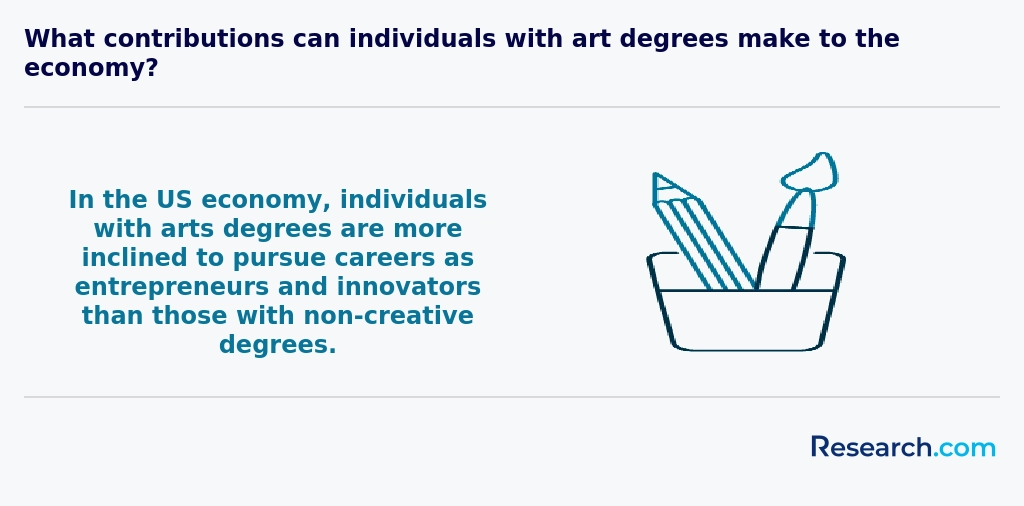
When evaluating Fine Arts degree programs, it’s helpful to benchmark Houston against other major art hubs-most notably Los Angeles. While Houston boasts lower living costs and competitive program fees, Los Angeles offers a vast network of galleries, studios, and industry connections. Here’s how the two cities compare: • Tuition and Living Expenses: On average, Houston’s in-state tuition (≈ $22,609/year) and living costs are roughly 15–20% lower than those in Los Angeles. However, scholarship availability in LA can offset higher sticker prices. • Career Opportunities: Houston’s burgeoning creative scene provides entry-level openings in galleries and design firms, but Los Angeles leads in entertainment and digital media roles. Graduates seeking film, animation, or commercial art careers may find LA’s market more robust. • Program Diversity: Both cities offer specializations from painting and sculpture to digital media and art therapy. Los Angeles institutions often feature cutting-edge experimental labs, while Houston programs excel in community-based art and lower student-to-faculty ratios. • Alumni Networks: Houston alumni frequently secure local gallery exhibitions and regional teaching positions. In LA, the sheer volume of exhibitions and film studios translates to broader national exposure-but also higher competition. • Affordability Ranking: For students prioritizing cost-effective study, explore the Most Affordable Fine Arts Degree Programs Ranking in Los Angeles, CA, which highlights institutions with the best balance of quality and price. Ultimately, your choice hinges on career goals and budget constraints: Houston offers a nurturing, affordable environment with strong community ties, while Los Angeles provides unparalleled industry access for those ready to invest in a high-cost, high-reward setting.
Start by completing the FAFSA to tap into federal financial aid options, which many Houston fine arts students find vital. Grants like the Pell Grant can offer up to $7,000 annually for undergraduates, easing tuition costs at schools such as the University of Houston.
Next, explore Texas-specific assistance, including the Texas Educational Opportunity Grant. If attending a public college like UH's Kathrine G. McGovern College of the Arts, investigate their competitive scholarships awarded for artistic merit and dedication-these have helped many graduates reduce their financial burden significantly.
Don't overlook private scholarships from organizations like the National Foundation for Advancement in the Arts or local Houston arts councils. These awards are competitive but provide crucial funding that students have relied on to cover supplies and living expenses.
Lastly, consider work-study programs or internships within Houston's arts community. Students report gaining valuable experience while earning income by working on campus or collaborating with local galleries and theaters, making this a practical way to fund your education.
Houston’s vibrant arts scene extends well beyond the classroom, offering Fine Arts students an immersive campus experience that fuels their creativity and professional growth. Beyond rigorous academic programs, students are encouraged to get involved in campus clubs, local art exhibitions, and community-based projects that foster networking and collaboration. Many institutions host regular portfolio reviews, artist talks, and collaborative workshops that connect students with local galleries and cultural institutions. These activities not only enrich the educational journey but also help build lasting relationships and professional networks that can be pivotal when transitioning into the creative job market. Moreover, this dynamic campus life plays a crucial role in personal development, as students learn to balance academic challenges with creative pursuits and community engagement. For more details on how to choose programs that best match your creative aspirations, visit valuable fine arts programs in texas.
To enroll in a fine arts degree program in Houston, the first step is to have a high school diploma or an equivalent like a GED. Graduates from popular schools such as the University of Houston often emphasize how crucial this basic requirement was to get their applications considered.
Next, prepare to submit official transcripts showcasing your completed secondary education. Alongside this, crafting a strong portfolio is essential. Many students share how assembling a diverse collection of drawings, paintings, or digital art impressed admissions committees at Houston's art programs.
Depending on the university, submitting SAT or ACT scores might be optional, as fine arts programs frequently waive these to focus on creative talent and academic records. Prospective students should check each institution's policy, especially at local public universities.
Writing a personal statement that explains your passion for fine arts and career goals can make your application stand out. For those aiming for graduate programs in Houston, holding an undergraduate degree and providing letters of recommendation from art professionals often seal the deal.
Houston’s thriving art scene isn’t confined to the classroom-it spills over onto campus and throughout the city, creating an immersive cultural environment that enriches every student’s experience. When you choose a Fine Arts program here, you’re not just enrolling in courses; you’re joining a vibrant community that hosts regular art exhibitions, collaborative projects, and networking events with local galleries and industry professionals. These experiences foster creative growth and provide invaluable opportunities to build relationships that can guide your artistic career long after graduation. Students often remark on the unique blend of academic rigor and spirited campus life, which includes student-run art fairs, live performances, and interactive workshops that spark innovative ideas. Moreover, several institutions have dedicated career services that connect you with internships and real-world projects, ensuring a smooth transition from academic study to professional practice. If you’re exploring the best options, consider reviewing the valuable fine arts programs in texas that not only emphasize technical skills but also a well-rounded campus community, making them an attractive choice for aspiring artists.
If you're planning to study fine arts in Houston, expect a practical curriculum that balances hands-on studio work with theory. Graduates from Houston's top schools often recall starting with foundational courses like Drawing and Painting to sharpen their technical skills and grasp of composition.
Core classes also include Sculpture, where students work with materials such as clay and metal-building spatial awareness vital for 3D design projects. Many students mention how Art History helped them understand the cultural context behind their work, linking ancient to modern movements.
Digital Arts courses are a favorite among tech-savvy students, incorporating graphic design and multimedia, reflecting Houston's growing creative tech scene. Photography classes combine camera techniques and editing software, enabling practical storytelling skills applied in local galleries.
Courses like Art Criticism challenge students to analyze artworks thoughtfully, while Portfolio Development prepares them to confidently showcase their work during exhibitions or job interviews. Alumni from Houston's universities highlight how this course helped them land internships with museums and cultural organizations in the city.
Fine arts degree specializations Houston students pursue often include painting, sculpture, digital media, graphic design, photography, and ceramics. Graduates from popular local universities describe using these focused skills in gallery exhibitions or community art projects, finding the hands-on learning invaluable. For those interested in cutting-edge careers, many programs now emphasize digital media and animation, fields rapidly growing in demand. Students often combine traditional arts with new technologies, expanding their marketability beyond studios to commercial and entertainment industries.
Houston fine arts program concentrations also cover printmaking, drawing, and art education, which prepares students to meet the national demand for qualified art teachers. Several graduates share how classroom experiences and internships offered by Houston colleges helped them transition quickly into teaching roles. Additionally, specialized tracks in art history, curatorial studies, and administration appeal to those targeting museum and gallery careers rather than studio practice. Explore animation-related options further through animation schools online to see how Houston's offerings compare.
Begin by focusing on the reputation and accreditation of fine arts programs in Houston, such as those at the University of Houston or the Glassell School of Art. Graduates from these institutions often praise the valuable mentorship from experienced faculty actively engaged in the art world, which boosts both skills and confidence. Look for programs offering specializations that match your passions, whether it's digital media or traditional sculpture, to ensure your studies align with your career goals.
Consider financial practicality by researching affordable fine arts colleges in Houston and available scholarships tailored for arts students. Local graduates frequently highlight how access to Houston's vibrant arts community, including studios and galleries, enriched their learning and networking. Additionally, explore alumni success stories from these schools to gauge real-world outcomes and job placement rates with Houston's galleries and design firms.
For more detailed comparisons, you might check the Most Affordable Fine Arts Degree Programs Ranking in Los Angeles, CA which can provide useful benchmarks when considering cost-efficiency in Houston fine arts education.
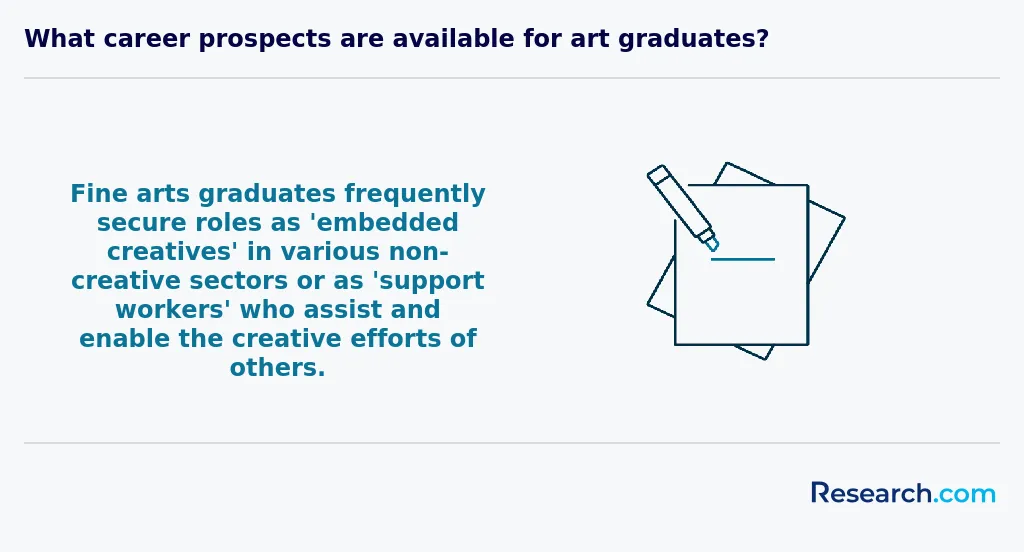
Graduates from Houston's fine arts programs often find diverse career paths tailored to their creative skills and local market demands. Many become professional artists, illustrators, or multimedia designers, taking advantage of Houston's vibrant art scene and spaces like the Museum of Fine Arts for exhibitions and commissions. Others choose to combine their training with education credentials to work as arts educators, fulfilling a steady demand in Houston-area schools where fine arts are valued despite certified teaching requirements.
Houston fine arts degree job prospects also include graphic design, animation, and visual effects roles within the city's thriving media industries. Graduates frequently land positions at advertising agencies or film studios, applying computer-aided design skills developed at popular institutions like the University of Houston or Art Institute of Houston. For those seeking more specialized jobs, museum curation and art conservation offer fulfilling work preserving local culture.
It's wise for prospective students to consider financial investment alongside career goals. Checking out fast adult degree programs online can help balance costs and timelines while maximizing opportunities within Houston's robust creative sectors focused on fine arts career opportunities in Houston.
The fine arts degree job opportunities Houston offers are centered around the city's rich arts community and expanding creative industries. Graduates from universities like the University of Houston often land roles in gallery management or curatorial work at institutions like the Museum of Fine Arts, Houston, combining their artistic skills with practical museum experience. Others find creative positions in advertising and multimedia firms, where they apply both their artistry and growing digital media proficiency.
Early-career salaries in Houston typically range between $30,000 and $40,000, so graduates should be prepared for competitive entry-level conditions. In-state tuition at Houston public universities ranges from $10,000 to $12,000 annually, which makes balancing educational cost and job prospects essential. Many graduates enhance their career prospects by attending local events like FotoFest International, helping to widen their professional networks and connect directly with employers.
Those drawn to fine arts in Houston can explore pathways such as teaching or freelance artistry, capitalizing on the city's vibrant art markets and cultural festivals. For those considering further specialization, checking out options for an easiest masters degree canada abroad might offer flexible alternatives.
The Houston fine arts career prospects are strongest for those who blend traditional artistic talent with business skills and active engagement in the local creative economy, making practical steps vital for long-term success.
2027 Most Valuable Fine Arts Degree Programs Ranking in Houston
Investing in your education is a significant decision that can shape your future, and the Research.com team understands the importance of making informed choices. To assist prospective students, we have meticulously crafted the "2027 Most Valuable Fine Arts Degree Programs Ranking in Houston." Our commitment to quality, credibility, and accuracy is reflected in the extensive research and analysis conducted to compile this ranking.
We utilized the following reputable data sources to ensure a comprehensive evaluation of fine arts programs:
By exploring this ranking, readers will gain valuable insights into the most valuable fine arts degree programs in Houston, enabling them to make well-informed decisions about their education and career paths. For more details on our methodology, please visit our Research.com methodology page.


Frequently Asked Questions About fine arts
Fine arts degree students in Houston can maximize their learning experience by actively engaging with the city's vibrant art community. Houston hosts numerous galleries, museums, and cultural events such as Art Basel and the Houston Fine Art Fair, offering valuable opportunities for networking and real-world exposure. Participating in internships at local studios or museums like the Museum of Fine Arts, Houston, helps students gain practical experience. According to the National Center for Education Statistics, students involved in internships are 20% more likely to find employment after graduation. Additionally, students should leverage Houston's diverse artistic influences and collaborate with peers to enrich their creative skills.
Emerging niches within the fine arts field in Houston reflect the city's growing arts scene and diverse cultural influences. Digital arts and interactive media have become prominent, fueled by Houston's expanding tech and entertainment industries. According to the Houston Arts Alliance, enrollment in digital fine arts programs increased by 15% between 2020 and 2023.
Environmental art is gaining interest as well, with artists focusing on sustainability and community engagement. This aligns with national trends where public art commissions support eco-conscious projects.
Additionally, art therapy programs are expanding, merging creativity with mental health support, a specialty growing in demand across Houston's healthcare sector.
Preparing for the job market after earning a fine arts degree in Houston requires strategic planning and active engagement with the local arts community. Graduates should build a professional portfolio showcasing diverse work, which is essential in Houston's competitive creative sector. Networking with local galleries, art organizations, and cultural institutions like the Houston Museum of Fine Arts can open job opportunities.
Internships and freelance projects in Houston offer practical experience and connections. According to the Greater Houston Partnership, the city's creative economy supports over 42,000 arts-related jobs, indicating a growing market. Developing skills in digital media and business management further enhances employability for fine arts graduates in Houston.
Employers in Houston highly value fine arts graduates who demonstrate strong creative and technical skills. Proficiency in digital media tools, such as Adobe Creative Suite, increasingly enhances job prospects, reflecting industry trends reported by the Texas Workforce Commission.
Communication skills are critical, as artists often collaborate with clients and teams across diverse projects. According to a 2023 survey by the Houston Arts Alliance, 68% of local employers prioritize candidates with effective presentation and interpersonal abilities.
Additionally, adaptability and a solid understanding of art history and contemporary practices help graduates navigate Houston's dynamic cultural scene. Employers seek individuals who can blend traditional artistry with innovative approaches to problem-solving and design.
Finding internships in Houston relevant to a fine arts degree involves connecting with the city's vibrant arts community and educational institutions. Houston hosts many galleries, theaters, and museums such as the Museum of Fine Arts and the Contemporary Arts Museum, which often offer internship programs for students.
University career centers, like those at the University of Houston and Rice University, provide resources and internship listings specific to fine arts students. Additionally, organizations like the Houston Arts Alliance publish opportunities and host networking events that can help students find practical experience.
Online platforms tailored to internships, such as Handshake or LinkedIn, also list fine arts internships in Houston. According to the National Association of Colleges and Employers, internships significantly improve job prospects for fine arts graduates in metropolitan areas like Houston.
A fine arts degree in Houston can significantly enhance career mobility by equipping graduates with versatile creative and critical thinking skills valued across various industries. Houston's vibrant arts scene, including institutions like the Museum of Fine Arts and a growing gallery network, offers graduates multiple avenues for professional growth.
According to the National Center for Education Statistics, fine arts graduates often find opportunities in education, design, and media, where creative expertise supports innovation and leadership roles. Locally, Houston's expanding cultural sector creates demand for skilled professionals, potentially increasing job opportunities and upward mobility.
Moreover, fine arts programs in Houston typically provide networking connections through internships and community projects, which help graduates advance careers faster than peers without formal training.
Studying for a fine arts degree in Houston equips students with versatile skills applicable across multiple disciplines. Houston's universities often integrate collaborative projects, combining visual arts, digital media, and performance. This approach nurtures creativity alongside technical proficiency, valuable in fields like marketing, design, and technology.
Programs emphasize critical thinking and problem-solving, preparing graduates to adapt to diverse work environments. According to the National Endowment for the Arts, Houston's fine arts graduates are increasingly employed in interdisciplinary roles combining art, business, and technology, reflecting employer demand for creative skill sets.
Additionally, Houston's vibrant arts scene offers internships and networking opportunities, fostering cross-sector collaboration that enhances practical experience.
When choosing between a thesis and a non-thesis fine arts degree program in Houston, students should consider their career goals and learning preferences. Thesis programs usually require original research or a significant creative project, preparing students for doctoral study or careers in academia and research. Non-thesis programs tend to focus on practical skills and coursework, appealing to professionals aiming to enhance their artistry or enter the workforce quickly.
In Houston, schools like the University of Houston offer both options, with approximately 60% of fine arts graduates opting for non-thesis tracks, according to recent enrollment data. Understanding your professional direction and reviewing program curricula can help guide this decision.
Students based in Houston who wish to study fine arts abroad have several pathways through U.S. universities with international partnerships. For example, the University of Houston offers study abroad programs in countries like Italy and France, where students can immerse themselves in world-renowned art scenes while earning credits toward their degree. These programs typically last from a few weeks to a full semester.
Additionally, many Houston institutions maintain exchange agreements with European and Asian art schools, allowing students to gain hands-on experience in diverse artistic traditions. According to the Open Doors Report 2023, about 15% of U.S. fine arts undergraduates reported participating in some form of study abroad during their degree.
In Houston, part-time job opportunities that complement a fine arts degree include working as a gallery assistant, where students gain experience in art curation and client interaction. The Houston Museum District employs many interns and assistants, providing valuable exposure to professional art settings. Art supply stores also hire knowledgeable students for retail roles, helping them understand materials and tools integral to their craft.
Additionally, freelance opportunities such as commissioned artwork, graphic design for local businesses, and teaching art classes at community centers can build portfolios and practical skills. According to the Houston Arts Alliance, such roles enhance both creative and business expertise essential for fine arts careers.
Fine arts students in Houston benefit from numerous networking opportunities through local universities like the University of Houston and Houston Community College, which host regular exhibitions and artist talks. These events allow students to connect with peers, faculty, and visiting professionals. The city's vibrant arts scene features organizations such as the Houston Arts Alliance, offering workshops, grants, and networking events specifically tailored for emerging artists.
Houston also hosts annual art fairs, like the Houston Art Car Parade and Bayou City Art Festival, attracting national and international artists and collectors. These events provide platforms for fine arts students to showcase their work and build professional connections. According to the Houston Arts Alliance, over 1,300 art-related businesses operate in the region, enhancing career prospects for graduates.
Alumni networks in Houston offer valuable support to fine arts degree students by providing access to professional connections within the local arts community. These networks often facilitate internships, job placements, and collaborative projects, helping students transition smoothly into their careers.
Houston's vibrant arts scene, including institutions like the Museum of Fine Arts and local galleries, is closely linked with university alumni. According to the Houston Arts Alliance, graduates connected through alumni networks are 30% more likely to secure exhibitions or freelance work in the region.
Moreover, alumni can provide mentorship and advice on navigating the competitive fine arts market, enhancing students' career prospects through shared experiences and opportunities.
In Houston, customizing a fine arts degree to fit your career goals involves selecting specialized courses and practical experiences that align with your interests. Many institutions allow students to focus on areas like painting, sculpture, digital media, or art education. Electives and studio classes can be tailored to develop specific skills, whether you aim to work as a professional artist, educator, or gallery curator.
Houston's vibrant arts scene offers valuable opportunities for internships and networking, especially through partnerships between universities and local galleries or museums. According to the National Center for Education Statistics, interdisciplinary study options are increasingly common, helping students craft unique academic paths.
Advisors and faculty typically guide students in combining fine arts study with related fields such as business or marketing to enhance career readiness in Houston's competitive creative industries.
Fine arts students in Houston often face financial challenges due to the high costs associated with studio supplies, equipment, and materials. According to the National Endowment for the Arts, these expenses can sometimes exceed typical tuition fees, increasing the economic burden on students.
Another common issue is limited access to professional networks and internship opportunities. While Houston has a vibrant arts scene, bridging the gap between academic study and professional practice can be difficult for many students.
Additionally, students may encounter difficulty balancing intensive studio time with academic coursework, impacting both their creative and academic progress.
With a fine arts degree in Houston, graduates can pursue several professional certifications to enhance their careers. One common option is the Certified Graphic Designer (CGD) credential offered by the Graphic Artists Guild, which validates skills in digital and print media. Another relevant certification is the Adobe Certified Expert (ACE), highly respected in creative industries nationwide. For those interested in art education, obtaining a Texas teaching certification in Art K-12 is essential for working in public schools. Additionally, Houston's growing creative sector may encourage certifications in arts management through the National Arts Marketing Project or nonprofit administration.
When applying to fine arts programs in Houston, it is crucial to present a strong portfolio showcasing your best and most diverse work. Houston institutions, such as the University of Houston and the Glassell School of Art, emphasize creativity and technical skill. Admissions committees often require an artist statement explaining your inspiration and process, so be clear and reflective.
Additionally, research each program's specific requirements thoroughly. Some may request letters of recommendation from art professionals or educators. High school transcripts and standardized test scores can also be part of the application, depending on the school. According to the National Center for Education Statistics, Houston has seen a 7% increase in fine arts program enrollment since 2020, indicating growing competition.
Strong communication skills in your statement and interviews help demonstrate commitment. Lastly, stay aware of deadlines and consider attending local Houston art workshops or exhibitions to strengthen your experience and network before applying.
The global perspective on a fine arts career highlights both opportunities and challenges. In the U.S., fine arts graduates face varied job prospects, with a 2022 National Endowment for the Arts report showing about 8% of artists live in Texas, many concentrated in urban centers such as Houston. Houston's dynamic arts scene, supported by numerous galleries and cultural institutions, enriches career opportunities locally and draws international attention.
Internationally, graduates often encounter different valuations of fine arts roles. In some countries, fine arts careers command strong government and private funding, while in the U.S., it typically requires networking and entrepreneurial skills.
Graduates in Houston benefit from access to diverse communities and a growing market for creative work, making it a pivotal place for artists to develop globally aware practices.
Gaining practical experience while pursuing a fine arts degree in Houston involves engaging in various hands-on opportunities offered both on and off campus. Many Houston institutions encourage students to participate in internships at local galleries, museums, and design studios, allowing direct exposure to professional environments.
Projects and exhibitions organized by universities provide platforms to showcase work, build portfolios, and receive critiques from experienced artists. Collaborations with Houston's vibrant art community, including events like the Houston Art Car Parade, support real-world interaction.
Additionally, some programs integrate community service and public art projects, enhancing practical skills and networking.
Choosing the right concentration within a fine arts degree in Houston involves understanding your personal interests alongside local program strengths. Houston offers diverse options such as painting, sculpture, graphic design, and digital media, reflecting the city's rich cultural scene. Students should review course offerings at institutions like the University of Houston and Texas Southern University to find specializations that align with their goals.
Consider the Houston job market, which increasingly demands skills in digital arts and multimedia. According to the Texas Workforce Commission, multimedia artist jobs in Houston have grown 12% over recent years, signaling strong demand. Visiting galleries and speaking with faculty can also clarify which concentration suits your style and career aspirations.
- 2027 Most Valuable Fine Arts Degree Programs Ranking in San Antonio
- 2027 Most Valuable Fine Arts Degree Programs Ranking in Dallas
- 2027 Most Valuable Fine Arts Degree Programs Ranking in Denton
- 2027 Most Valuable Fine Arts Degree Programs Ranking in New Orleans
- 2027 Most Valuable Fine Arts Degree Programs Ranking in Mobile
- 2027 Most Valuable Fine Arts Degree Programs Ranking in Memphis
- 2027 Most Valuable Fine Arts Degree Programs Ranking in Kansas City
- 2027 Most Valuable Fine Arts Degree Programs Ranking in Columbia
- 2027 Most Valuable Fine Arts Degree Programs Ranking in Nashville
- 2027 Most Valuable Fine Arts Degree Programs Ranking in Saint Louis
- fine art teaching and its challenges in the 21st century post ... https://www.sgojahds.com/index.php/SGOJAHDS/article/viewFile/296/320
- Bachelor of Fine Arts, Major in Studio Art 2D Track https://catalog.shsu.edu/undergraduate/colleges-academic-departments/arts-and-media/art/bfa-studio-art-2d-track/
- School of Fine Arts | Houston Christian University https://hc.edu/school-of-fine-arts/
- Master of Fine Arts: Potential Careers https://www.mcad.edu/academics/graduate/master-fine-arts/potential-careers
- Alumni network - ESMA https://www.esma-artistique.com/en/outreach/alumni-network/
- Benefits of Fine Arts Education: Creativity & Confidence Boost https://palcs.org/advantage-fine-arts-education-creativity-confidence/
- Insert/edit link https://www.fineartsassociation.org/scholarships/
- Studio Arts https://catalog.stthom.edu/fine-art-drama-dance/bachelor-of-arts/studio-arts
- Fine Arts https://en.uap.edu.pl/admission/programmes/fine-arts/
- Create a Niche Market for Your Art in a Sea of Artists https://lorimcnee.com/create-a-niche-market-for-your-art-in-a-sea-of-artists/