
2027 Most Valuable Fine Arts Degree Programs Ranking in Nashville

Co-Founder and Chief Data Scientist
Choosing the right fine arts degree program can shape your creative future and open doors to exciting opportunities. This article introduces the 2027 Most Valuable Fine Arts Degree Programs Ranking in Nashville, thoughtfully created by the Research.com team of data scientists.
Designed to help you make smarter choices, the ranking highlights programs that offer strong career prospects and personal growth. Whether you're passionate about painting, sculpture, or digital arts, exploring these options can guide you toward a fulfilling path.
Discover programs that match your dreams and feel confident in your educational journey.
Key benefits of getting fine arts degree in Nashville
- Fine arts graduates in Nashville can earn competitive salaries, such as illustrators making around $71,420 annually and animators earning up to $109,630, offering strong financial potential.
- Career paths include roles like graphic artist, art therapist, and animator, inspired by graduates from local schools like Belmont University who thrive in diverse creative industries.
- Online fine arts degrees from institutions like Vanderbilt University provide flexible learning, allowing students to balance work and study while gaining valuable skills that boost career opportunities.
- 2027 Most Valuable Fine Arts Degree Programs Ranking in Nashville
- What can I expect from fine arts degree in Nashville?
- Where can I work with fine arts degree in Nashville?
What can I expect from fine arts degree in Nashville?
The average cost of a fine arts degree in Nashville varies significantly depending on whether a student attends a public or private institution. For example, graduates from Tennessee State University, a public university, typically face in-state tuition rates around $10,000 per year. In contrast, students at private schools like Belmont University encounter tuition costs closer to $37,000 annually. Such financial differences directly impact student budgeting and access to resources throughout their studies.
Graduates frequently share that despite higher tuition at private universities, the enhanced professional development opportunities and industry connections available at places like Belmont justify the investment. Hands-on experience gained through internships and partnerships with local galleries and theaters bolsters their readiness for competitive creative careers.
Students considering fine arts programs in Nashville are encouraged to research scholarships and grants aimed specifically at fine arts disciplines to offset costs. Combining affordable tuition options with strong community support enhances the overall experience and helps students thrive both creatively and professionally.
Where can I work with fine arts degree in Nashville?
Graduates with fine arts degrees in Nashville find diverse employment opportunities across education, museums, creative industries, and nonprofits. Many secure teaching roles in public and private schools, supported by institutions like Vanderbilt University and Belmont University, which hire graduates for educational and administrative positions within their arts departments. This reflects a growing demand for qualified arts educators locally.
Museums such as the Frist Art Museum and Cheekwood Estate & Gardens regularly employ graduates as curators, exhibition designers, or coordinators, fostering careers closely tied to Nashville's regional art culture. These roles often engage artists passionate about contemporary visual arts and community involvement.
The city's robust music and entertainment industries indirectly benefit fine arts graduates through graphic design, set design, and multimedia projects, supported by Nashville's thriving creative services sector. Freelance and entrepreneurial careers are also prevalent, with graduates successfully working as painters, illustrators, or commercial artists collaborating with local businesses or selling art independently. The Nashville Arts Commission reports a consistent 5% annual growth in creative employment, illustrating expanding prospects.
Nonprofits and community programs provide additional venues, where graduates apply artistic expertise in outreach and cultural programming, offering fulfilling careers that connect deeply with Nashville's diverse communities.
Graduates with fine arts degrees in Nashville typically earn salaries that align with national averages for creative professions, though local industry factors influence earning potential. For example, graphic designers commonly find roles earning a mean annual wage of $64,700, which reflects steady demand within Nashville's thriving music, entertainment, and advertising sectors. Illustrators in the region earn a mean salary around $71,420, offering strong opportunities for graduates with specialized skills from colleges like Watkins College of Art or Tennessee State University.
Art therapy is another growing field, with average annual wages near $75,660. Graduates pursuing animation, a rapidly expanding creative industry in Nashville's digital media companies, report the highest mean annual salaries, approximately $109,630. This can translate to enhanced financial stability for those who develop strong portfolios during their studies.
Many fine arts graduates experience initial salaries near $30,000 to $40,000 but often benefit from career growth as they build local networks and reputations. Alumni from Nashville's arts programs express optimism about income progression when combining freelance work with permanent creative roles.
- Annual tuition for fine arts programs in Nashville ranges from $10,000 to $20,000 for in-state students, with private institutions often charging more.
- Additional costs like supplies, materials, and studio fees can add several hundred to a few thousand dollars each year.
- Entry-level salaries for fine arts graduates typically start between $35,000 and $45,000 annually.
- With experience, salaries can rise to an average of $55,000 to $65,000 after five to ten years in the field.
- Nashville's job market includes roles in galleries, theaters, media companies, and education, with growing opportunities in digital and multimedia art.
Completing a Bachelor of Fine Arts (BFA) degree in Nashville typically requires around four years for full-time students, aligning with national standards. Graduates from institutions like the University of Tennessee at Chattanooga or local private art schools often describe this period as an immersive blend of studio work, art history, and specialized courses such as painting or digital media. Many find the hands-on experience rewarding, reinforcing their passion throughout these foundational years.
For those balancing part-time study alongside jobs or internships-a common situation in Nashville's vibrant art scene-completion can extend to five or six years. These students often share that the flexibility, while lengthening their program, allows valuable professional development without compromising financial stability.
Students pursuing a Master of Fine Arts (MFA) generally expect an additional two to three years beyond the bachelor's degree. Nashville MFA candidates frequently mention the intensity and fulfillment of thesis exhibitions and portfolio development during this time, highlighting the program's role in advancing their artistic careers.
For prospective students prioritizing affordability without sacrificing quality, it’s worth exploring fine arts degree programs in other U.S. cities known for lower tuition and living costs. Cities like Pittsburgh offer competitive program features, hands-on studio access, and strong local arts communities at a fraction of Nashville’s price point. According to the Cheapest Fine Arts Degree Programs Ranking in Pittsburgh, PA, several Pittsburgh institutions provide high-value curricula, smaller class sizes, and robust internship pipelines-elements that mirror top Nashville offerings but with reduced overall expenses. Comparing program outcomes, graduates from Pittsburgh report similar starting salaries and career placements in galleries, design firms, and educational roles. By broadening your search to include these cost-effective alternatives, you can optimize your return on investment while gaining the same caliber of instruction and networking opportunities found in Music City.
On-campus fine arts programs in Nashville, such as those at Tennessee State University and Belmont University, provide immersive experiences with direct access to studios, theaters, and specialized equipment. Graduates often recall the value of immediate instructor feedback and collaborative sessions that sharpened their practical skills. Living and learning on campus allows students to build strong local networks through internships with galleries and creative organizations, which are pivotal for career development in the arts.
In contrast, online fine arts degrees emphasize flexibility, enabling students to balance studies with jobs or personal obligations. These programs rely on digital portfolios and virtual critiques, which can challenge tactile learning but suit theory-based or digital art disciplines. Approximately 14% of fine arts degrees nationwide were completed fully online in 2022, signaling growing acceptance of this modality. Online students in Nashville benefit from lower tuition fees and avoid commuting, yet may face extra costs for art supplies and software.
Technical readiness is crucial for online students, who need reliable internet and familiarity with digital tools to engage fully. Those who thrive in self-paced, remote learning often appreciate these programs, while hands-on learners usually prefer traditional campus environments.
Beyond the classroom, the campus environment plays a pivotal role in shaping your artistic journey. Fine Arts programs in Nashville offer dynamic student communities where creative minds come together to collaborate, share ideas, and participate in enriching extracurricular activities. From student art clubs and on-campus exhibitions to community outreach projects and local gallery events, these programs foster not only technical skills but also lifelong professional networks. Engaging with peers and visiting artists in informal settings can provide insights into industry trends, open doors to collaborative projects, and even lead to internships that showcase your talent to prospective employers. Additionally, many programs integrate dedicated networking events, portfolio review sessions, and mentorship opportunities that help bridge the gap between academic learning and real-world application. If you’re exploring the best options, consider checking out the valuable fine arts programs in tennessee to see how their vibrant campus cultures and industry connections can support your creative and career aspirations.
The average cost of a fine arts degree in Nashville reflects a balance between public and private institution pricing, combined with residency differences. The median total expense for completing a fine arts program is approximately $58,442, while in-state students typically face a median cost closer to $40,572. These figures capture more than tuition alone, factoring in essential materials like studio fees, art supplies, and specialized equipment that graduates from well-known schools such as Tennessee State University and Belmont University commonly recall as significant parts of their financial planning.
Graduates from Nashville's fine arts programs often share how managing these expenses required thoughtful budgeting, especially for costs related to canvases, paints, and digital tools not always covered by tuition. This nuance is important when considering the total expenses for fine arts programs Nashville students encounter, as it shapes the tangible, day-to-day experience of pursuing an arts education here.
For those evaluating investment in a fine arts education, exploring the range of possibilities through resources like the valuable fine arts programs in tennessee can provide a clearer picture. This helps potential students envision the financial commitment alongside the vibrant learning environments available, making the pursuit of a fine arts degree in Nashville both feasible and inspiring.
Fine Arts programs in Nashville place a strong emphasis on portfolio development and exhibition experience, ensuring students graduate with a compelling body of work that resonates with galleries and employers. Here’s how Nashville institutions support your creative journey: 1. Structured Portfolio Courses • Capstone Projects: Many programs require a senior capstone, guiding you through concept development, production, and presentation. • Digital Portfolio Workshops: Dedicated classes teach you how to photograph, edit, and format your work for online and print portfolios. 2. On-Campus and Community Exhibitions • University Galleries: Venues such as Belmont’s Leu Art Gallery and Watkins College’s First Look Gallery host multiple student shows each year. • Citywide Art Events: Participate in Nashville’s First Saturday Art Crawl and the annual HATCH Show Print exhibitions to network with local artists and collectors. 3. Competitions and Residencies • Regional Contests: Enter juried competitions like the Cheekwood Youth Art Festival or the Cumberland Artist Project for cash awards and publication. • Artist Residencies: Apply for short-term residencies at spaces like Fort Houston, gaining studio time and mentorship from visiting artists. 4. Digital Presence and Networking • Online Platforms: Build a personal website or use portfolio sites to reach a global audience. • Social Media Showcases: Leverage Instagram and Behance to attract gallery directors and recruiters. 5. Expanding Skill Sets For students interested in integrating motion graphics and CGI into their reels, exploring specialized digital animation programs can provide advanced training in storytelling, character design, and animation software. By combining rigorous portfolio courses, local exhibition opportunities, and strategic networking-both in person and online-Fine Arts students in Nashville graduate with a dynamic portfolio that stands out in competitive creative industries.
Fine arts students in Nashville typically access federal aid such as Pell Grants and low-interest federal student loans. For example, a graduate from Belmont University recalled how a Pell Grant covering up to $7,395 in the 2023-2024 year significantly offset their tuition costs, which ranged between $20,000 and $35,000 annually.
State aid programs like the Tennessee HOPE Scholarship and HOPE Access Grant also play a crucial role. Students attending Tennessee State University have leveraged these scholarships, maintaining required GPAs to reduce out-of-pocket expenses effectively.
Merit-based scholarships from local arts organizations further ease financial burdens. Graduates often mention receiving awards from groups such as the Arts & Business Council of Greater Nashville, which recognizes artistic talent and academic achievement.
Work-study programs provide valuable opportunities, allowing students to gain field-related experience while earning income. Many find this dual benefit both financially relieving and professionally enriching.
Private scholarships from national arts foundations supplement funding, with students frequently consulting resources like Fastweb to identify awards suited to their fine arts pursuits in Nashville.
Campus life in Nashville extends the fine arts experience well beyond the classroom. Students in these dynamic programs find themselves immersed in a vibrant cultural ecosystem where creativity flourishes on every corner-from state-of-the-art studios to interactive gallery spaces and community art events. The city's rich tapestry of live music, local art fairs, and public exhibitions not only enriches academic learning but also provides invaluable networking opportunities with industry professionals and local artists. Students often praise the balance between rigorous coursework and the stimulating ambiance of Nashville’s arts scene, noting that campus activities, collaborative projects, and local engagements empower them to refine their artistic voices while forging lifelong connections. Moreover, the supportive campus culture and access to real-world art initiatives make day-to-day life in Nashville uniquely rewarding. If you’re eager to join one of the valuable fine arts programs in tennessee, you’ll appreciate how seamlessly the academic and social environments blend to foster creative growth and career readiness.
Enrolling in a fine arts degree in Nashville requires candidates to hold a high school diploma or equivalent, ensuring a baseline academic readiness. Graduates from programs like Watkins College of Art at Belmont University often recall the importance of crafting a portfolio that vividly showcases their creativity-drawings, sculptures, or digital works tailored to their artistic focus. This portfolio serves as a critical audition, reflecting both skill and passion.
While standardized tests such as the SAT or ACT are increasingly optional, some institutions still consider these scores in holistic admissions reviews. Applicants typically also submit letters of recommendation from art instructors and personal statements describing their artistic journey and aspirations-elements that help admissions committees assess motivation and fit.
Financially, students in Nashville face tuition ranging from $20,000 to $40,000 per year, prompting many to seek scholarships or aid. Nashville fine arts students often emphasize that demonstrating genuine enthusiasm and a well-curated portfolio can strongly influence acceptance decisions, making the preparation process both challenging and deeply rewarding.
One of the most exciting aspects of pursuing a Fine Arts degree in Nashville is the immersive campus culture that extends far beyond the studio. Students not only refine their technical skills in classrooms and labs but also engage with vibrant arts communities through campus organizations, gallery exhibitions, and live performance events. Many schools organize regular art walks, collaborative workshops, and creative showcases that provide opportunities to engage with local artists, alumni, and industry professionals. This dynamic environment helps foster creative confidence and network-building that can be just as influential as academic coursework. At institutions known for their strong art programs, campus life is designed to inspire every aspect of a student's creative journey. Modern facilities, open studios, and state-of-the-art equipment blend with supportive mentoring from faculty to create an atmosphere where ideas thrive. This supportive network helps students to explore diverse art forms and build portfolios that appeal to future employers, making it easier to transition into professional roles upon graduation. For prospective students seeking a holistic educational experience, checking out valuable fine arts programs in tennessee can provide additional insights into how campus culture plays a pivotal role in personal and professional development. Whether it's participating in after-class art critiques or getting involved in community-based art projects, the campus community in Nashville offers a creative incubator that nurtures talent both inside and outside the classroom.
Fine arts degree programs in Nashville commonly include a blend of practical studio courses and theoretical classes. Students at institutions like Belmont University or Tennessee State University engage deeply with foundational studio practices such as drawing, painting, and sculpture. These courses train graduates to master essential techniques like figure study to understand anatomy and composition, along with diverse painting methods including acrylic and watercolor.
Graduates often recall how hands-on sculpture projects, working with both traditional clay and modern installation art, fostered creativity and personal expression. Additionally, printmaking courses introduce processes like etching and screen printing, enriching students' technical skills.
Nashville's programs emphasize art history and theory, with a special focus on Southern and American art traditions. This contextual learning equips students with critical perspectives on art's cultural significance and enhances their analytical abilities.
Digital media coursework is integral, covering skills such as Photoshop, video editing, and multimedia art. Many students find this component essential for adapting to today's dynamic creative industries, blending traditional artistry with contemporary digital fluency.
Fine arts degree specializations in Nashville cover a broad spectrum of artistic disciplines, catering to diverse student interests and career goals. Programs typically include Painting and Drawing, where graduates refine skills in color theory and visual composition, and Sculpture, focusing on three-dimensional media like clay and metal. Graphic Design is another key specialization, blending creativity with technology to prepare students for media and advertising roles. Photography courses emphasize both artistic and technical skills such as digital editing and contemporary practices, while Printmaking teaches traditional techniques like etching and screen printing. Art Education offers practical training for those aiming to teach art in schools or community settings. Additionally, Art History and Criticism provides a research-based, analytical approach to understanding art's cultural contexts.
Students at prominent Nashville institutions often benefit from an interdisciplinary curriculum incorporating music and performance arts, enriching traditional fine arts programs. Those interested in expanding their skill set may also explore digital animation programs to augment their creative portfolio. This combination supports graduates in adapting to varied professional environments within the city's vibrant art scene.
Choosing the best fine arts degree programs Nashville offers requires analyzing curriculum relevance, faculty expertise, and financial factors. For example, graduates from Belmont University's Watkins College of Art often highlight the value of immersive studio experience and strong industry connections that boost career prospects. When evaluating affordable fine arts schools in Nashville, consider tuition differences: private institutions average around $25,000 annually, while public universities offer closer to $10,000 for in-state students, making cost a significant factor in decision-making.
Location is vital; Nashville's vibrant arts community provides numerous internship and exhibition opportunities, enriching hands-on training in well-equipped studios and digital labs. Practical insights from current students emphasize the importance of accreditation, low student-to-faculty ratios, and career services tailored specifically for arts careers. For prospective students interested in financial options, exploring scholarships and grants related to arts can greatly reduce expenses.
To compare these variables effectively, refer to comprehensive rankings like the Cheapest Fine Arts Degree Programs Ranking in Pittsburgh, PA, which, while regional, offers useful financial benchmarks.

Graduates holding a fine arts degree in Nashville have access to diverse career paths that align with the city's thriving cultural economy. Many find success as visual artists showcasing work in local galleries or public art projects. Others pursue roles as graphic designers, leveraging Nashville's creative startups to collaborate with businesses on branding and marketing campaigns. Art directors and illustrators also contribute to the advertising and publishing industries, while curators and museum professionals support institutions like the Frist Art Museum in preserving and displaying collections. The availability of these career options highlights the promise of fine arts career opportunities in Nashville tied closely to both traditional and emerging sectors.
Graduates from popular Nashville institutions such as Vanderbilt University and Tennessee State University often describe positive experiences applying their skills in freelance, entrepreneurial, and educational settings. Their success is bolstered by networking opportunities through local arts councils and vibrant events. For those exploring these avenues, understanding the range of options enhances confidence in pursuing Nashville fine arts degree jobs and the pathways afterward. Prospective students may also find it helpful to consult resources on the best college majors to get a job for broader guidance.
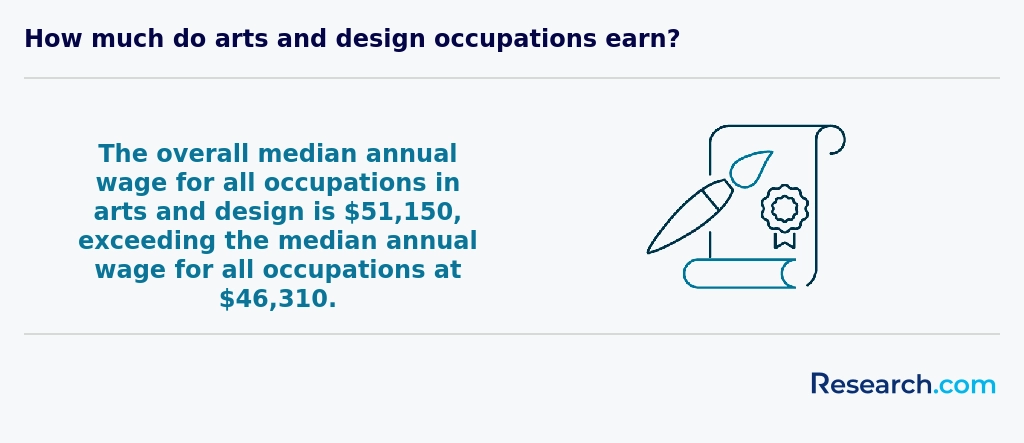
The fine arts degree job market Nashville offers a vibrant yet competitive environment for graduates. Those earning their degrees from well-known institutions like Belmont University or Watkins College of Art often find employment across galleries, design firms, and educational organizations within the city's rich cultural landscape. While the median salaries align with national averages-about $49,120 annually-graduates frequently supplement income through freelance commissions or teaching private lessons in Nashville's active arts communities. This blend of steady jobs and freelance work reflects the diverse opportunities in the local scene for fine arts graduates Nashville values.
Employment opportunities for fine arts graduates Nashville reflect moderate growth, supported by organizations such as the Nashville Symphony and Frist Art Museum. Many graduates feel optimistic about joining this expanding market, even as they balance challenges like modest starting salaries and the cost of education, which ranges from $7,000 to $35,000 annually depending on the institution. Students exploring options might also consider degrees for older adults online as an alternative route to entry into this field.
2027 Most Valuable Fine Arts Degree Programs Ranking in Nashville
Investing in your education is a significant decision that can shape your future, and the Research.com team understands the importance of making informed choices. To assist prospective students in Nashville, we have meticulously crafted the "2027 Most Valuable Fine Arts Degree Programs Ranking in Nashville." Our commitment to quality, credibility, and accuracy is reflected in the extensive research and analysis conducted to compile this ranking. We utilized the following reputable data sources to ensure a comprehensive evaluation of fine arts programs:
By exploring this ranking, readers will gain valuable insights into the most valuable fine arts degree programs in Nashville, empowering them to make well-informed decisions about their educational and career paths. For more details on our methodology, please visit our Research.com methodology page.


Frequently Asked Questions About fine arts
Fine arts degree students in Nashville can maximize their learning by actively engaging with the city's vibrant arts community. Nashville is home to numerous galleries, theaters, and public art spaces, offering real-world exposure beyond the classroom. According to the Tennessee Arts Commission, local arts employment grew by 7.4% between 2019 and 2023, reflecting expanding opportunities.
Internships and networking through organizations like the Nashville Arts Magazine or local arts nonprofits help students build valuable connections. Participating in workshops and exhibitions, such as those hosted by the Frist Art Museum, also enhances practical skills. Utilizing university resources alongside these community experiences promotes a well-rounded education in fine arts.
Emerging niches within the fine arts field in Nashville reflect both technological innovation and cultural trends. Digital arts, including animation and virtual reality, are growing rapidly as institutions integrate new media into their curricula. According to the Tennessee Arts Commission, digital fine arts programs have seen enrollment increases of around 15% in recent years.
Additionally, interdisciplinary fields combining fine arts with technology or business skills are gaining prominence. Areas such as arts management and creative entrepreneurship equip students to navigate Nashville's expanding cultural economy.
Craft and fiber arts are also resurging, driven by local artisan communities and a renewed interest in sustainable practices. This blend of tradition and innovation shapes the city's vibrant arts landscape.
Graduates with fine arts degrees in Nashville should focus on building a strong portfolio that highlights their best work. Employers and galleries often prioritize visual evidence of skills. Networking is crucial; Nashville's vibrant arts scene includes numerous galleries, studios, and festivals offering opportunities to connect with professionals.
Internships and part-time roles can provide practical experience and improve job prospects. According to the Tennessee Department of Labor and Workforce Development, creative occupations in Nashville grew by 5.3% from 2018 to 2023, indicating expanding job opportunities.
Additionally, graduates should consider mastering digital tools used in art creation and promotion, such as Adobe Creative Suite and social media platforms.
Employers hiring fine arts degree graduates in Nashville prioritize strong creative and technical skills. Artistic proficiency, including mastery of various media and digital tools, is essential for success. According to the National Endowment for the Arts, applying innovative thinking to projects is highly valued in creative industries throughout the U.S., including Tennessee.
Communication skills are also critical, as graduates often collaborate with clients and teams. In Nashville's growing arts sector, networking and professionalism help graduates stand out. Employers look for candidates able to manage projects and adapt to diverse art environments, from galleries to digital platforms.
Financial literacy and marketing abilities are increasingly important, enabling artists to promote their work effectively and sustain careers.
Finding internships in Nashville relevant to a fine arts degree involves combining research, networking, and utilizing local resources. Start by exploring opportunities at Nashville's vibrant arts institutions such as the Frist Art Museum and the Nashville Contemporary Art Center, which often offer internship programs for fine arts students.
Universities like Belmont University and Tennessee State University provide career services that connect students with internships, sometimes exclusive to their fine arts programs. Additionally, the Nashville Area Chamber of Commerce and local arts councils regularly post internship openings suited for emerging artists. According to the National Endowment for the Arts, Nashville's arts sector has grown 12% over recent years, indicating increasing internship availability.
Leveraging social media platforms, especially LinkedIn and Instagram, can help identify local artists and galleries offering internships. Attending community art events and exhibitions also aids in building contacts essential to securing these positions.
In Nashville, a fine arts degree can significantly enhance career mobility and advancement, especially given the city's vibrant cultural scene. Graduates often find opportunities in galleries, theaters, and media companies, sectors that have grown by over 5% annually according to the Nashville Area Chamber of Commerce. The specialized skills gained from such degrees-including creative problem-solving and project management-are valued beyond traditional art roles.
Additionally, networking is critical; many programs connect students with local arts organizations, boosting job prospects. According to the National Endowment for the Arts, fine arts degree holders in Tennessee experience a 12% higher employment rate in creative industries than those without such degrees.
Studying for a fine arts degree in Nashville offers a unique gateway to interdisciplinary roles by integrating traditional artistic skills with innovative contemporary practices. Many Nashville institutions combine fine arts curricula with technology, business, and media studies, reflecting the city's robust creative economy. According to the National Center for Education Statistics, over 40% of fine arts graduates engage in careers blending multiple disciplines, such as digital media design or arts management. Local partnerships with music, film, and tech industries provide hands-on projects, enhancing students' adaptability in diverse professional settings. This approach equips graduates to navigate evolving creative fields beyond conventional art roles.
Choosing between a thesis and non-thesis fine arts degree program in Nashville depends largely on your career goals and learning preferences. Thesis programs require comprehensive research and the creation of a substantial project, which can benefit those aiming for academic careers or advanced study.
Non-thesis programs focus more on practical skills and coursework, appealing to students interested in entering the workforce directly, such as local arts organizations or creative industries prevalent in Nashville's vibrant cultural scene. According to the National Center for Education Statistics, about 40% of US fine arts graduate programs offer thesis options, reflecting varied educational paths.
Consider whether you prefer structured research or hands-on practice when deciding which program suits you best.
Students in Nashville interested in studying fine arts abroad have several practical options. Many universities in the U.S. offer study abroad programs specifically tailored for fine arts majors, allowing students to spend a semester or year at partner institutions in countries with rich artistic traditions, such as Italy, France, or Spain.
For example, Belmont University, a significant institution in Nashville, encourages participation in international exchange programs through its art department. These programs often include opportunities to study studio art, art history, or design, giving hands-on exposure to global art scenes.
According to the Institute of International Education's 2023 Open Doors Report, about 10% of U.S. fine arts students engage in study abroad programs, with Europe as the top destination. This international experience can be crucial for developing a global artistic perspective and professional network.
Students pursuing fine arts degrees in Nashville can gain valuable experience through part-time jobs that align with their studies. Local art galleries often seek assistants for curation, installation, and event coordination. This hands-on exposure helps deepen understanding of art presentation and networking with artists.
Additionally, Nashville's growing music and entertainment industry offers opportunities in set design and production, complementing skills learned in visual and performing arts. According to the Nashville Area Chamber of Commerce, the creative sector employs over 30,000 people, providing a robust job market.
Working as a studio assistant or teaching art classes in community centers also enhances practical skills and builds a professional portfolio-key assets for graduate success.
Fine arts students in Nashville benefit from a variety of networking opportunities that connect them with local artists, galleries, and cultural organizations. Institutions such as Vanderbilt University and Tennessee State University frequently host events, workshops, and exhibitions, providing students with platforms to showcase their work and engage with established professionals.
The city's vibrant arts scene, including the monthly First Saturday Art Crawl, allows students to meet local artists and potential mentors in informal settings. Additionally, groups like the Nashville Arts Commission offer internships and collaborations that can be valuable for building industry connections.
According to the Tennessee Arts Commission, about 7,000 arts-related jobs exist in Nashville, emphasizing the importance of networking in securing opportunities. Students are encouraged to participate in local art festivals and join community studios to enhance their professional visibility.
Alumni networks play a crucial role for fine arts degree students in Nashville by offering connections that extend beyond the classroom. Graduates from local institutions such as Belmont University and Tennessee State University often remain active in these networks, providing mentorship and career guidance. According to the National Association of Colleges and Employers, students engaged in alumni programs have a 25% higher chance of securing internships or job placements. In Nashville's competitive arts market, networking through alumni can open doors to gallery exhibitions, collaborative projects, and employment opportunities in a city known for its vibrant creative community.
Customizing a fine arts degree program in Nashville typically involves selecting specialized courses and electives that align with your career goals. Many local institutions offer concentrations in areas like graphic design, painting, sculpture, or digital media, allowing students to tailor their studies.
Internships and partnerships with Nashville's vibrant arts community, including galleries and music venues, provide practical experience crucial for career development. According to the National Center for Education Statistics, approximately 60% of fine arts students benefit from such experiential learning opportunities.
Additionally, some programs allow combining fine arts with business or technology courses, preparing graduates for diverse roles in creative industries. Consulting with academic advisors can help students design a personalized curriculum that fits their aspirations.
Fine arts students in Nashville often face several challenges throughout their academic journey. One common difficulty is managing the high cost of tuition alongside expenses for specialized materials and studio space. Many students must budget carefully since financial aid specifically for fine arts is limited compared to STEM fields, according to the National Endowment for the Arts.
Another challenge is finding career opportunities locally post-graduation. While Nashville is renowned for music, visual and performing arts sectors are less developed, causing competition for internships and exhibitions.
Additionally, balancing creative development with academic requirements can stress students, impacting mental health and academic performance. Access to mentorship is crucial but sometimes scarce.
Holding a fine arts degree in Nashville opens doors to various professional certifications that can enhance your career. Many graduates pursue certification in art education, such as the Tennessee Teaching License, required to teach art in public schools. Nashville's robust arts community supports certifications in museum studies or gallery management, often offered through professional organizations like the American Alliance of Museums.
Additionally, fine arts graduates can seek credentials in graphic design or digital media, reflecting the city's growing tech and creative industries. Certifications like Adobe Certified Expert (ACE) can bolster employment prospects. While these are not state-specific, they complement local opportunities in design and visual arts. Understanding these options helps fine arts professionals align their skills with Nashville's evolving creative economy.
To write a winning application for a fine arts program in Nashville, start with a strong portfolio showcasing a diverse range of your best work. Programs like those at Belmont University and Watkins College value originality and technical skill. Include a well-crafted artist statement that explains your creative process and artistic goals clearly.
Pay attention to application deadlines and requirements specific to each institution; many offer online submission platforms. Letters of recommendation from art instructors or professionals can strengthen your application. According to the National Association of Schools of Art and Design, Nashville's fine arts programs emphasize both practical skills and conceptual development, so balance your portfolio accordingly.
Fine arts careers are increasingly viewed through a global lens, reflecting diverse opportunities and challenges. While Nashville is known for its vibrant arts scene, U.S. graduates must understand international demand and competition. Globally, the creative economy is valued at over $2.25 trillion, according to UNESCO, indicating widespread growth potential.
In the U.S., including Nashville, fine arts graduates often find work in areas such as design, multimedia, and performance arts, which align with creative industries worldwide. However, professional success may require understanding different cultural aesthetics and markets.
Recent data from the National Endowment for the Arts shows that 36 million Americans engage in the arts, reflecting broad support that can help sustain arts careers domestically and abroad.
Gaining practical experience while studying for a fine arts degree in Nashville is crucial for building a successful career. Students often participate in internships at local galleries, theaters, and design studios, providing hands-on work alongside established professionals. Many Nashville institutions encourage involvement in community art projects and exhibitions, which helps develop a professional portfolio.
Universities in Nashville, such as Belmont University and Watkins College of Art, offer cooperative education programs that integrate classroom study with real-world experience. According to the National Association of Schools of Art and Design, over 60% of fine arts students in the U.S. engage in internships before graduation. Nashville's vibrant arts scene offers ample opportunities for networking and skill development during studies.
Choosing the right concentration within a fine arts degree program in Nashville begins with assessing personal interests and career goals. Common concentrations include studio art, graphic design, theater, and music performance, each offering distinct skills and opportunities. Research local industry trends: Nashville's vibrant music and arts scene supports concentrations tied to entertainment and media arts.
Consider program resources and faculty expertise at institutions like Belmont University and Vanderbilt University. According to the National Center for Education Statistics, Tennessee awards over 1,200 fine arts degrees annually, with strong demand in digital and performing arts.
Students should also evaluate internship and networking prospects linked to each concentration to enhance practical experience in Nashville's creative economy.
- 2027 Most Valuable Fine Arts Degree Programs Ranking in Memphis
- 2027 Most Valuable Fine Arts Degree Programs Ranking in Atlanta
- 2027 Most Valuable Fine Arts Degree Programs Ranking in Cincinnati
- 2027 Most Valuable Fine Arts Degree Programs Ranking in Indianapolis
- 2027 Most Valuable Fine Arts Degree Programs Ranking in Saint Louis
- 2027 Most Valuable Fine Arts Degree Programs Ranking in Columbus
- 2027 Most Valuable Fine Arts Degree Programs Ranking in Columbia
- 2027 Most Valuable Fine Arts Degree Programs Ranking in Mobile
- 2027 Most Valuable Fine Arts Degree Programs Ranking in Greensboro
- 2027 Most Valuable Fine Arts Degree Programs Ranking in Chicago
- Opportunities | Metro Arts Nashville https://www.metroartsnashville.gov/opportunities
- 14 art niche ideas and how to determine yours https://www.gelato.com/blog/art-niche-ideas
- Standards & Guidelines » CAA Guidelines https://www.collegeart.org/standards-and-guidelines/guidelines/mfa
- Application writing tips for individual artists https://www.affta.ab.ca/funding/help-and-resources/resources-individual-artists/application-writing-tips-individual-artists
- 404 – Seite nicht gefunden https://www.gostudent.org/en-gb/blog/what-jobs-can-you-get-with-a-fine-arts-degree
- Jobs | Academy of Fine Art https://academy-of-fine-art.com/en/jobs-en/
- Career Services | Visual Art Degrees | %%sitename%% https://nossi.edu/career-services/
- Opportunities Hub https://abcnashville.org/opportunities/
- Know more about thesis vs non- thesis: what is the difference? https://studyfans.com/en/blogs/816
- Careers in Fine Art https://www.artcenter.edu/academics/undergraduate-degrees/fine-art/careers-in-fine-art.html


