
2027 Most Valuable Fine Arts Degree Programs Ranking in Mobile

Co-Founder and Chief Data Scientist
Choosing the right fine arts degree program can shape your creative future and open doors to exciting opportunities. This article presents the 2027 Most Valuable Fine Arts Degree Programs Ranking in Mobile, developed by the Research.com team of data scientists to guide you in making an informed decision.
By exploring this ranking, you'll discover which programs offer the best value for your investment of time and effort. A fine arts degree not only nurtures your talent but also builds a foundation for a rewarding career.
Let this guide inspire your passion and confidence as you take the next step toward your artistic goals.
Key benefits of getting fine arts degree in Mobile
- Fine arts degree graduates in Mobile can earn competitive salaries, such as illustrators averaging $71,420 annually and animators earning up to $109,630, providing strong financial incentives for creative careers.
- Graduates from the University of South Alabama have pursued diverse careers ranging from graphic artists to art therapists, showcasing the flexibility and varied opportunities offered by a fine arts degree.
- Online fine arts graduates from Spring Hill College in Mobile appreciate the convenience and tailored learning pace, allowing them to balance work and study while gaining valuable skills effectively.
- 2027 Most Valuable Fine Arts Degree Programs Ranking in Mobile
- What can I expect from fine arts degree in Mobile?
- Where can I work with fine arts degree in Mobile?
What can I expect from fine arts degree in Mobile?
The average cost of pursuing a fine arts degree in Mobile is notably accessible compared to many private institutions nationwide. Public universities in the region generally charge in-state tuition around $9,000 annually, making higher education in the arts more affordable. Graduates from these programs often reflect on the balance between manageable costs and high-quality instruction that fosters skill development in painting, sculpture, and digital media.
While tuition is competitively priced, students should anticipate additional expenses for specialized art supplies and materials required for studio courses. Many find that financial aid and scholarships offered by local arts organizations and schools play a crucial role in reducing out-of-pocket expenses, allowing them to focus on portfolio growth and exhibition participation without overwhelming financial stress.
Alumni from Mobile's fine arts programs often describe the positive impact of this financial framework, highlighting how the reasonable costs permitted them to fully engage in interdisciplinary projects and cultural activities, enhancing their creative journey and professional networks within the Gulf Coast arts community.
Where can I work with fine arts degree in Mobile?
Graduates with a fine arts degree in Mobile can pursue a variety of rewarding career paths across the local arts and cultural landscape. Many find employment at institutions like the Mobile Museum of Art, taking roles as curators, educators, or exhibition coordinators where they contribute directly to the city's vibrant creative community. Fine arts students from popular local colleges report gaining hands-on experience through internships and part-time positions that prepare them for these roles, fostering a strong connection to Mobile's growing arts scene.
Employment opportunities extend into educational settings, where graduates often work as certified art teachers or program coordinators in public and private schools. This pathway offers the satisfaction of inspiring younger generations while fulfilling certification requirements established by the Alabama State Department of Education.
Additionally, many choose entrepreneurial paths, opening studios or selling commissioned artwork at local festivals like those organized around the Saenger Theatre. Design firms also value graduates' expertise in graphic and multimedia art, offering entry roles in advertising and visual merchandising that align well with the skills developed at Mobile's art colleges.
Graduates with fine arts degrees in Mobile typically find varying income opportunities depending on their chosen career paths and specialization. For instance, those working as graphic artists in Mobile may earn mean annual wages close to the national figure of $64,700, reflecting the demand for creative input in local advertising and marketing sectors. Similarly, illustrators graduate with a promising average salary of approximately $71,420 nationwide, a benchmark often aligned with the opportunities available through local galleries and media firms.
Fine arts graduates pursuing animator roles, though less common locally, can aspire to significantly higher earnings, with mean annual wages around $109,630 nationally. Those involved in art therapy also enjoy solid wages near $75,660 per year, often found through interdisciplinary roles within healthcare or education in the region.
Many students from Mobile's popular fine arts programs report that networking within their colleges and participation in community exhibitions bolster their early career earnings. Graduates from local institutions often start with salaries between $35,000 and $50,000 but experience growth as they gain experience and expand their skillsets into digital and commercial art.
- Fine arts programs in Mobile cover painting, sculpture, photography, and digital media, mainly offered at community colleges and universities.
- Tuition costs average $7,500 per year at public universities for in-state students and about $3,500 annually at community colleges.
- Art supplies and materials add extra expenses beyond tuition fees.
- Entry-level salaries for fine arts graduates start around $30,000 per year, with mid-career earnings between $45,000 and $55,000.
- Job opportunities exist in education, gallery management, design firms, and performing arts organizations within Mobile's cultural scene.
- Mobile's lower cost of living can help reduce financial pressures for new graduates in the fine arts field.
Completing a fine arts degree in Mobile generally takes four years of full-time study, aligning with the standard US higher education system. Graduates from institutions like the University of South Alabama often describe their experience as a balanced journey combining studio practice with art history and theory. This structure enables students to develop both technical skills and creative confidence over the typical timeframe.
Some students choose accelerated programs to finish in three years, embracing a demanding course load and intense schedules. While challenging, these graduates frequently report a strong sense of accomplishment from managing such a pace. Conversely, those pursuing fine arts part-time extend their studies to six years or more, allowing flexibility for work or personal commitments but requiring sustained dedication.
For advanced study, graduate degrees such as the MFA add two to three years beyond the bachelor's degree. In Mobile, students value opportunities for internships and portfolio development, enriching their learning even if it slightly lengthens the time to degree. This practical engagement often enhances career prospects and artistic growth.
Mobile, AL offers a vibrant campus life that goes well beyond classroom learning, providing Fine Arts students with diverse opportunities to immerse themselves in a thriving community. Students not only benefit from state-of-the-art studios and exhibition spaces but also enjoy collaborative environments through clubs, local art festivals, and community projects. These experiences allow for hands-on learning, professional networking, and personal growth-fostering creativity well outside the academic setting. For example, many programs actively partner with local organizations to host art shows and workshops, giving students real-world experience before they graduate. Moreover, staying engaged with campus events and cultural activities is an excellent way for students to build lasting connections and bolster their artistic portfolios. Discover more insights on this topic by exploring the valuable fine arts programs in alabama that emphasize both academic excellence and holistic student experiences.
On-campus fine arts degrees in Mobile provide students with immersive, hands-on experiences that online programs struggle to replicate. Graduates from local institutions often emphasize the value of working directly in art studios, utilizing specialized equipment like 3D printers and professional software, and engaging in live critiques with faculty and peers. This environment cultivates a strong sense of community and immediate feedback, essential for mastering techniques in painting, sculpture, and digital media.
Conversely, online fine arts programs offer flexibility that suits students balancing work or personal responsibilities. Learners appreciate virtual critiques, video demonstrations, and digital project submissions, which allow progress at their own pace. Some Mobile-based schools enhance online options by mailing art supply kits and organizing occasional on-campus workshops, blending convenience with hands-on practice.
Graduates from online paths often value this adaptability but acknowledge that networking and job placement opportunities remain stronger within the traditional campus setting due to frequent career fairs and connections to Mobile's vibrant art scene. Both formats serve distinct student needs, shaped by lifestyle and learning preferences.
Engaging with the local arts ecosystem through internships and partnerships is crucial for Fine Arts students in Mobile, AL. Many institutions collaborate with the Mobile Museum of Art, local galleries, design studios, and production companies to offer hands-on experiences that bridge classroom learning and professional practice. For example, the University of South Alabama’s Fine Arts program maintains formal internships with the Mobile Opera and regional advertising agencies, allowing students to assist in set design, promotional campaigns, and live exhibitions. Spring Hill College partners with community arts centers to place students in public mural projects, while the University of Mobile facilitates summer residencies at nearby arts retreats. These alliances not only bolster portfolios but also expand professional networks-critical for securing post-graduation roles. Interns often gain real-world skills such as project management, client communication, and technical proficiency in studio equipment. Faculty mentors guide placement matching based on each student’s specialization-whether painting, digital media, or sculpture-ensuring that every internship aligns with career goals. Beyond local connections, ambitious students exploring programs in other regions can compare cost and value in our Most Affordable Fine Arts Degree Programs Ranking in Minneapolis, MN. Students report that these partnerships sometimes convert into freelance gigs or full-time positions, as host organizations often recruit standout interns. To maximize these opportunities, applicants should prepare a targeted internship portfolio, secure strong faculty recommendations, and attend networking events hosted by campus career centers. By leveraging industry collaborations, Fine Arts degree candidates in Mobile, AL, gain a competitive edge, real-world insights, and a smoother transition from academic study to creative professions.
The average cost of a fine arts degree in Mobile varies significantly depending on residency status and institution type. For in-state students at popular public universities, the median total cost is approximately $24,054, which reflects tuition, fees, and additional expenses. Out-of-state students face higher financial commitments, with median total costs around $37,710. These figures align with the expectations for students enrolling in well-regarded fine arts programs across Mobile's colleges.
Graduates often recall balancing their budgets to cover not only tuition but also specialized studio fees, supplies, and equipment necessary for their artistic development-expenses that can add a few thousand dollars annually. Many in-state students appreciate the attainable costs compared to their out-of-state peers, enabling them to focus more on refining their craft rather than financial strain.
Prospective students researching the average fine arts degree cost in Mobile should consider that financial aid packages, scholarships, and grants are frequently available and can substantially alleviate expenses. Institutions with respected fine arts departments understand the unique material requirements and frequently tailor financial support to assist students throughout their studies.
A number of graduates from prominent colleges in Mobile emphasize the value of investing in their education, noting how access to quality instructors and facilities outweighed the investment. For personalized cost estimates and detailed program insights, prospective students are encouraged to explore valuable fine arts programs in alabama to plan accordingly for their total expenses for fine arts degree Mobile 2027.
Beyond rigorous academics, student life in Mobile’s Fine Arts programs plays a crucial role in shaping creative talent and fostering professional growth. Students engage in vibrant campus communities through art clubs, student-led exhibitions, and hands-on workshops that bring theory into practice. Institutions like the University of South Alabama host regular gallery shows, collaborative projects with local artists, and community outreach events-experiences that enrich portfolios and build meaningful networks. These activities provide a unique opportunity to immerse oneself in Mobile’s rich cultural scene while developing soft skills such as teamwork, communication, and leadership. Moreover, many schools actively facilitate connections between classroom learning and real-world applications, ensuring graduates are well-prepared to navigate the competitive art industry. For more insights on programs that combine academic prowess with a thriving communal environment, explore valuable fine arts programs in alabama. Embracing a dynamic campus culture not only elevates the student experience but also lays a strong foundation for creative and career success.
Fine arts students in Mobile benefit from a variety of financial aid options designed to ease the burden of tuition and living expenses. Graduates from institutions like the University of South Alabama often recall relying heavily on federal aid, especially the Pell Grant, which can provide up to $7,395 annually without repayment obligations. Completing the FAFSA is a crucial step, unlocking access to Stafford Loans with favorable interest rates and flexible repayment plans, which many students use responsibly to fund their education.
Alabama residents attending public colleges in Mobile frequently secure additional support through the Alabama Student Grant Program, which awards funds based on demonstrated financial need. Many students also highlight the importance of local scholarships from organizations such as the Mobile Arts Council, which recognize artistic talent and community involvement, helping to offset costs significantly.
On-campus work-study programs and departmental scholarships requiring portfolio reviews provide further relief, fostering a sense of accomplishment and real-world experience among fine arts students. These combined resources make pursuing a fine arts degree in Mobile both attainable and rewarding.
Fine Arts students in Mobile, AL benefit immensely from hands-on learning through local internship programs. Many universities partner with institutions like the Mobile Museum of Art, the Mobile Arts Council, and regional design firms to offer semester-long placements. These internships allow students to assist with exhibit installation, curate community events, or support marketing and social media campaigns for galleries. At the University of South Alabama, Fine Arts majors can apply for the Visual Arts Internship, gaining credit while working alongside museum curators and conservators. Spring Hill College collaborates with the Mobile Symphony and local theater companies, offering performance and set-design internships that build both technical and collaborative skills. Bishop State Community College connects students with freelance graphic design projects for small businesses, providing real-world portfolio pieces that showcase problem-solving and client communication. Students interested in integrating art history into their practical experience often pursue dual pathways. For those aiming to deepen their historical research skills, exploring our best masters in history online programs can enrich your understanding of art movements and inform gallery curatorship or academic exhibition planning. Securing an internship also helps students expand professional networks, receive mentorship, and often leads to post-graduation employment. To maximize these opportunities, start portfolio reviews early, attend local arts events, and schedule informational interviews with alumni who have completed similar internships. This proactive approach ensures you graduate not only with technical expertise but with the practical experience and connections essential for a successful Fine Arts career.
Enrolling in a fine arts degree program in Mobile typically requires a high school diploma or equivalent, such as a GED, ensuring applicants possess fundamental skills in reading, writing, and basic math. Many local programs expect a comprehensive portfolio showcasing a range of artistic abilities-such as drawings, paintings, and digital creations-that reflect both technical skill and creativity. Graduates from well-known Mobile institutions often recall how their portfolio was essential in capturing the unique expression their instructors sought.
In addition, applicants usually provide a personal statement detailing their artistic goals and inspirations, offering insight into their passion. Some programs in Mobile may still request standardized test scores like the SAT or ACT, though this is becoming less common. Several candidates also describe the importance of auditions or interviews, which allow faculty to personally connect with prospective students and gauge their dedication.
Competence with digital tools is increasingly valued, mirroring the evolving nature of fine arts education at prominent local colleges.
Mobile’s fine arts institutions not only offer rigorous academic programs but also foster a vibrant campus atmosphere that can profoundly impact your creative journey. When you enroll in a Fine Arts program here, you step into a close-knit community where art isn’t confined to the classroom. Students regularly engage in experiential learning through gallery exhibitions, community art projects, and local cultural events that bring theory to life. Campus art clubs, mentorship initiatives with practicing artists, and student-run exhibitions provide opportunities to refine your skills and collaborate with peers who share your passion. This integrated campus culture supports both academic and personal growth, encouraging students to build portfolios that resonate with local and national art communities. By actively participating in workshops and cultural events, you tap into a network that can guide you toward promising professional and creative opportunities-complementing the curriculum of some of the most valuable fine arts programs in alabama. In Mobile, the campus experience extends well beyond traditional learning, making it an ideal environment for students who value both high-quality education and a dynamic, supportive community.
Fine arts degree programs in Mobile typically offer a comprehensive curriculum that blends foundational courses with specialized studio work. Students at well-regarded local institutions engage deeply with core subjects such as drawing and painting techniques, sculpture, and digital art, nurturing both technical proficiency and imaginative expression. Graduates often recall how courses on color theory and composition provided essential frameworks to develop compelling visual storytelling skills.
Art history classes are integral, guiding students through diverse artistic movements and cultural contexts. This knowledge empowers learners to create work that resonates both historically and contemporarily, enriching their creative voice. Many students appreciate this blend of theory and practice, often participating in gallery exhibitions and workshops offered by their colleges to build professional portfolios.
Additional coursework typically includes printmaking, photography, and art criticism, all designed to equip students with versatile skills applicable to various art careers. Mobile's fine arts education balances tradition and innovation, which graduates find both challenging and rewarding as they prepare for the competitive creative industry.
Fine arts programs in Mobile offer diverse specializations tailored to a wide range of creative interests and career goals. Students typically find concentrations such as Painting and Drawing, Sculpture, Graphic Design, Photography, Art Education, Printmaking, and Ceramics. These options allow learners to explore fundamental skills like color theory and composition or develop technical expertise with media ranging from clay and metal to digital platforms. Graduates from institutions like the University of South Alabama often reflect positively on how these specializations enriched their artistic vision and prepared them for professional opportunities.
Many Mobile fine arts degree concentration options now include emerging fields such as digital arts and animation, aligning with contemporary industry demands. These programs emphasize portfolio building, internships, and community engagement, providing hands-on experiences that resonate with students pursuing careers in galleries, commercial design, or education. Prospective students can gain insight into the varied curriculum by visiting local schools or exploring resources like best masters in history online programs to understand interdisciplinary approaches and career pathways in the arts.
To choose the best fine arts degree in Mobile, evaluate the accreditation and reputation of institutions such as the University of South Alabama, known for its rigorous programs. Graduates often highlight the benefit of learning from faculty who are practicing artists, fostering an inspiring and supportive environment. Consider the resources available, including well-equipped studios and digital media labs, which greatly enhance creative development.
Budgetary concerns are also crucial; many students researching affordable fine arts colleges Mobile Alabama find that balancing tuition costs with available financial aid shapes their decision. Programs that offer flexible curricula allowing exploration of both traditional and contemporary techniques tend to attract students seeking broad artistic growth. Additionally, investigating career support services and local internship partnerships can provide pivotal opportunities for professional advancement within Mobile's artistic community.
For tailored comparisons and cost considerations, prospective students may consult the Most Affordable Fine Arts Degree Programs Ranking in Minneapolis, MN to broaden their understanding of pricing and program diversity.
Graduates of a fine arts degree in Mobile discover diverse career paths that tap into their creativity and technical expertise. Many engage in traditional roles such as painting, sculpture, and printmaking, showcasing their works in local galleries and community exhibitions. Jobs for fine arts graduates in Mobile often extend beyond individual artistry, including opportunities in graphic design, animation, and multimedia production. The city's growing tech sector supports graduates aiming for these digital fields, reflecting a steady job market. Teaching remains a popular and impactful route, with alumni securing positions in public schools or community programs, supported by local institutions renowned for their fine arts education. Additionally, graduates find rewarding roles in art conservation, museum curation, and gallery management, contributing to Mobile's vibrant cultural scene. Some alumni combine artistic talent with entrepreneurship, launching businesses in photography or art therapy. Those seeking accelerated educational pathways might explore a fast track associate's degree online to complement their skills and enter the workforce more swiftly.
The fine arts degree job opportunities in Mobile reflect a dynamic but competitive environment shaped by the city's cultural expansion and economic realities. Graduates from institutions such as the University of South Alabama and Spring Hill College often find rewarding positions in education, museums, and local galleries, where they apply their creative talents in practical settings. However, many fine arts graduates highlight the necessity of adapting their skills to fields like graphic design and multimedia, which are increasingly in demand within Mobile's marketing sectors.
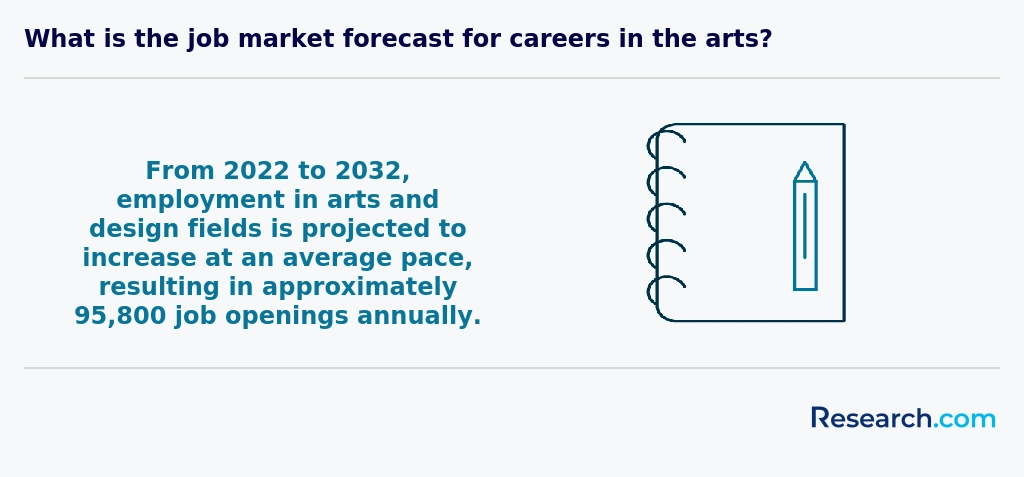
The Mobile fine arts career outlook 2027 remains cautiously optimistic, with employment growth for artists and related workers projected at a modest rate. Graduates emphasize that blending traditional artistry with digital media or education can enhance job prospects. Those pursuing fine arts in Mobile benefit from lower tuition costs than national averages and affordable living expenses, making their educational investment more accessible and sustainable.
For students considering degree options, exploring the easiest online bachelor degrees can complement creative pursuits, helping to diversify career opportunities while maintaining artistic passions.
2027 Most Valuable Fine Arts Degree Programs Ranking in Mobile
Investing in your education is a significant decision that can shape your future, and the Research.com team understands the importance of making informed choices. To assist prospective students in Mobile, we have meticulously crafted the "2027 Most Valuable Fine Arts Degree Programs Ranking in Mobile." Our commitment to quality, credibility, and accuracy is reflected in the extensive research and analysis conducted to compile this ranking.
We utilized the following reputable data sources to ensure a comprehensive evaluation of fine arts degree programs:
By exploring this ranking, readers will gain valuable insights into the most valuable fine arts programs available in Mobile, enabling them to make well-informed decisions about their educational futures. For more details on our methodology, please visit our Research.com methodology page.


Frequently Asked Questions About fine arts
Fine arts degree students in Mobile can maximize their learning experience by actively engaging in local art communities and galleries. Mobile hosts several cultural institutions like the Mobile Museum of Art, offering students opportunities to learn from exhibits and networking events. Participating in internships or assistantships at these venues can provide practical experience alongside academic studies.
Enrolling in collaborative projects and workshops enhances both skills and creative thinking. Many Mobile colleges encourage students to attend regional art festivals, which serve as platforms to showcase their work. Leveraging resources such as digital labs and studios available on campus also supports technical growth in various media types.
According to the National Endowment for the Arts, hands-on practice combined with community involvement significantly improves artistic development, a principle applicable to Mobile's vibrant art scene.
The fine arts field is expanding to include several emerging niches that blend traditional artistry with technology and innovation. In Mobile, Alabama, students increasingly explore digital arts, where skills in graphic design, animation, and interactive media are in demand. According to the National Endowment for the Arts, digital art job openings are expected to grow by 8% nationally through 2029.
Another growing area is community-engaged art, which emphasizes social impact and local cultural expression. Mobile's vibrant arts scene supports this niche through public art projects and local galleries.
Additionally, fine arts degrees with focuses on art restoration and conservation are becoming more relevant as historical preservation efforts rise in the region.
Preparing for the job market after earning a fine arts degree in Mobile involves strategic planning and skill development. Graduates should build a strong portfolio showcasing diverse work to attract potential employers or clients. Networking is crucial; attending local art events and connecting with Mobile's creative community can lead to opportunities. Internships or part-time roles in galleries and studios offer practical experience and professional references.
Understanding the job market is essential. According to the Bureau of Labor Statistics, fine artists earn a median annual wage around $50,000 nationwide. While local data for Mobile is limited, exploring regional art organizations like the Mobile Museum of Art can provide insights into employment trends and local exhibitions.
Lastly, consider supplementing artistic skills with business knowledge, such as marketing or digital media, to enhance employability in the competitive art sector.
Employers in Mobile seeking graduates with fine arts degrees prioritize a blend of creative and practical skills. Strong proficiency in visual communication, including mastery of various media such as digital tools and traditional art techniques, is essential. According to the National Endowment for the Arts, adaptability and innovation rank highly among desirable traits.
Additionally, teamwork and collaboration skills are critical, especially for roles in galleries, advertising, or community arts organizations. Employers also value project management abilities to meet deadlines and budget constraints. Local arts employers often highlight the importance of cultural awareness and the ability to connect with Mobile's diverse communities.
Technical skills, including digital design software knowledge like Adobe Creative Suite, remain in demand, especially as Mobile's arts scene integrates technology with tradition.
Finding internships in Mobile relevant to a fine arts degree involves leveraging local resources and institutional connections. Students should begin by consulting their college's career services, as many Alabama institutions maintain established partnerships with regional galleries, museums, and design firms.
The Mobile Arts Council, a key local organization, often posts internship opportunities that align with fine arts disciplines. Additionally, students can explore internships at the Mobile Museum of Art, which offers hands-on experience in curation and exhibition planning.
Networking within Mobile's art community, including attending local exhibitions and workshops, can open doors to informal internship placements. National databases like the U.S. Department of Labor's CareerOneStop also list arts-related internships, which can be filtered geographically for Mobile. This structured approach supports practical experience, vital for career growth in fine arts.
A fine arts degree in Mobile can significantly enhance career mobility and advancement within creative industries. Graduates often find opportunities in local galleries, museums, and design firms, where the demand for skilled artists and designers has steadily grown. According to the Alabama Department of Labor, arts-related occupations in the Mobile area are projected to increase by approximately 5% over the next five years.
The degree equips students with both technical skills and critical thinking, making them competitive candidates for leadership roles in arts education, marketing, and media sectors. Networking with Mobile's active arts community through internships and exhibitions further supports career development.
Moreover, Mobile's affordable cost of living offers recent graduates the chance to explore diverse job markets while advancing their portfolios and professional credentials.
Studying for a fine arts degree in Mobile equips students with versatile skills highly valued in interdisciplinary roles. Programs often combine traditional art techniques with digital media, encouraging collaboration across fields like design, technology, and education. According to the National Center for Education Statistics, Alabama reported an increase in fine arts graduates entering diverse careers, reflecting local industry demand.
Mobile's cultural institutions, such as the Mobile Museum of Art, provide practical experiences that bridge fine arts with community engagement and marketing. This hands-on approach prepares students for creative roles in advertising, media, and nonprofit sectors.
Additionally, local universities emphasize critical thinking and problem-solving, core competencies crucial for interdisciplinary success.
Choosing between a thesis and a non-thesis fine arts degree program in Mobile depends largely on your career goals and learning preferences. A thesis option typically involves completing a substantial research project or creative work, which can prepare students for further graduate study or professional artistic careers. In contrast, a non-thesis program emphasizes coursework and practical skills without a formal research requirement, often suiting those eager to enter the workforce directly.
Fine arts programs in Mobile, such as those at the University of South Alabama, offer both paths. According to the National Center for Education Statistics, thesis options may extend program length by a semester but provide valuable experience in research and critical analysis.
Consider your professional aims: research-intensive roles or academic careers benefit from thesis work, while hands-on industry positions may not require it.
Students based in Mobile seeking to study fine arts abroad have several pathways through U.S. institutions offering international study programs. Many universities in Alabama collaborate with partner schools worldwide, providing exchange opportunities in countries known for their rich art histories, such as Italy, France, and Japan. According to NAAB (National Association of Schools of Art and Design), nearly 20% of accredited fine arts programs include abroad components that blend studio practice with cultural immersion.
Additionally, students can access study abroad scholarships specific to arts majors, facilitated by organizations like the Fulbright Program and IES Abroad. These options allow Mobile-based learners to gain global perspectives while maintaining academic progress toward their degrees.
Part-time job opportunities in Mobile that complement fine arts degree education include roles in local galleries, museums, and art studios. Working as a gallery assistant or museum docent provides valuable exposure to art curation, exhibit design, and community engagement relevant to fine arts students.
Additionally, freelance graphic design and art teaching positions in community centers or private studios are common for students seeking to sharpen both creative and technical skills. Mobile's growing cultural scene supports such roles, often offering flexible hours suitable for academic schedules.
Employment statistics from the Alabama Department of Labor show that arts-related roles in Mobile are expected to grow by 5% from 2022 to 2030, underscoring steady opportunities in the local creative economy.
Fine arts students in Mobile benefit from a variety of networking opportunities that connect them with local artists, galleries, and cultural institutions. Universities such as the University of South Alabama often host art exhibitions and guest lectures, providing platforms to meet established professionals and peers.
The Mobile arts community is supported by organizations like the Mobile Arts Council, which organizes events and workshops promoting collaboration among artists. Participation in these events allows students to build professional relationships crucial for career development.
Additionally, Mobile's annual art festivals, like the Mobile Arts Festival, attract regional artists and art buyers, offering students valuable exposure. According to the Mobile Arts Council, over 50 local artists and 10,000 visitors attend each year, creating a dynamic environment for networking.
Internships and volunteer opportunities with museums, such as the Mobile Museum of Art, further facilitate real-world connections essential for future careers in fine arts.
Alumni networks play a crucial role for fine arts degree students in Mobile by offering valuable professional connections and mentorship opportunities. These networks often include local artists, gallery owners, and educators who provide insights into the Mobile art scene. Engaging with alumni can increase access to internships, exhibitions, and job opportunities in Alabama's creative sector.
The University of South Alabama and other local institutions support active alumni groups that host events and workshops tailored to fine arts graduates. According to the National Art Education Association, 65% of art graduates find employment through alumni referrals or connections.
Such networks help students navigate the competitive arts industry by fostering collaboration and skill development within Mobile's artistic community.
Students pursuing a fine arts degree in Mobile can customize their programs through electives and concentrations that align with their career goals. Many institutions allow selection of specialized courses in areas like painting, sculpture, graphic design, or digital media. This flexibility lets students develop skills tailored to creative industries.
Internships and partnerships with local galleries or studios in Mobile provide practical experience, enhancing employability. The Alabama State Department of Education notes that hands-on opportunities increase job placement success among fine arts graduates.
Additionally, some colleges offer interdisciplinary options, combining arts with business or technology. This combination is valuable for careers in arts administration or digital content creation.
Fine arts students in Mobile commonly face financial challenges due to limited local funding and fewer scholarship opportunities compared to larger metropolitan areas. According to data from the Alabama Commission on Higher Education, art program graduates in smaller cities often report higher educational debt burdens.
Access to advanced facilities and specialized equipment can be limited in Mobile's fine arts programs, impacting hands-on learning. Additionally, networking opportunities with established artists and galleries tend to be fewer locally, which can hinder career growth.
Finally, balancing time between creative work and coursework remains difficult, with many students working part-time jobs to support themselves during studies, as noted in a 2023 Mobile arts student survey.
A fine arts degree offers a foundation for various professional certifications that can enhance career opportunities. In Mobile, graduates often pursue certifications in Art Therapy, such as becoming a Registered Art Therapist (ATR), which requires additional graduate study and supervised hours. Another common path is certification for Museum Studies or Curatorial roles, including Certified Museum Professional (CMP) credentials offered by the American Alliance of Museums.
Teaching certification is also popular for fine arts graduates who want to teach art in K-12 settings. In Alabama, aspiring teachers must complete state-approved education programs and pass the Alabama Educator Certification Assessment. These certifications improve employability in public and private schools.
Additionally, certifications in Graphic Design and Digital Arts, such as Adobe Certified Expert (ACE), can complement traditional fine arts skills and are valued in Mobile's growing creative industries.
Applying to fine arts programs in Mobile requires clear focus and strong presentation. Most schools, including the University of South Alabama, emphasize the importance of a well-prepared portfolio that showcases a variety of skills and media. Applicants should include original, high-quality work demonstrating technical ability and creativity.
Alongside your portfolio, a compelling personal statement helps admissions committees understand your passion and artistic goals. Be concise and honest, explaining how a Mobile-based fine arts degree supports your career plans.
Additionally, meeting application deadlines and submitting letters of recommendation from art instructors or professionals can strengthen your application. According to the National Association of Schools of Art and Design, portfolios that reflect consistent artistic development are highly valued.
Careers in fine arts are increasingly influenced by global trends, requiring adaptability and awareness of diverse markets. In the United States, including Mobile, Alabama, fine arts graduates often find opportunities expanding beyond traditional galleries into digital media, design, and international collaborations. According to the National Endowment for the Arts, while employment in fine arts occupations is competitive, growth areas include multimedia art and computer animation.
For Mobile students, understanding global perspectives means recognizing demand in cultural exchange programs and global art exhibitions, which foster cross-cultural competencies. U.S. institutions emphasize skills like digital literacy and entrepreneurship in arts education to prepare graduates for a worldwide audience.
Salary data from the U.S. Bureau of Labor Statistics shows median annual wages for fine artists around $50,550, with regional variations reflecting local economies such as Mobile's emerging art scene supported by community initiatives and local galleries.
Gaining practical experience while studying for a fine arts degree in Mobile is essential for career readiness. Many local colleges, including the University of South Alabama, offer studio courses and gallery internships that allow students to build portfolios. Community art centers like the Mobile Arts Council provide opportunities for exhibitions and collaborative projects.
Students can also benefit from participating in regional art shows and festivals, such as the Saenger Theatre events, which often welcome emerging artists. Additionally, volunteering with local museums or public art initiatives helps develop networking skills and practical knowledge.
According to the National Endowment for the Arts, internships increase employment chances in creative careers by nearly 30%, emphasizing their value in fine arts education.
Choosing the right concentration within a fine arts degree program in Mobile requires evaluating your personal interests and career goals. Fine arts degrees typically offer concentrations such as painting, sculpture, graphic design, and photography. Research shows that about 40% of art students in Alabama lean toward digital arts due to growing local industry demand, according to a 2023 report by the Alabama State Department of Education.
Consider the resources available at Mobile institutions, such as specialized studios and technology labs. Also, review faculty expertise and internship opportunities with local galleries or media companies to gain practical experience.
Finally, think about your long-term professional path-whether it's teaching, creating, or working in commercial art-to select a concentration aligned with those ambitions.
- 2027 Most Valuable Fine Arts Degree Programs Ranking in New Orleans
- 2027 Most Valuable Fine Arts Degree Programs Ranking in Atlanta
- 2027 Most Valuable Fine Arts Degree Programs Ranking in Memphis
- 2027 Most Valuable Fine Arts Degree Programs Ranking in Jacksonville
- 2027 Most Valuable Fine Arts Degree Programs Ranking in Nashville
- 2027 Most Valuable Fine Arts Degree Programs Ranking in Houston
- 2027 Most Valuable Fine Arts Degree Programs Ranking in Dallas
- 2027 Most Valuable Fine Arts Degree Programs Ranking in Denton
- 2027 Most Valuable Fine Arts Degree Programs Ranking in Saint Louis
- 2027 Most Valuable Fine Arts Degree Programs Ranking in Miami
- BA Hons Fine Art Enrolment Form https://www.oca.ac.uk/courses/ba-fine-art/
- 404 – Seite nicht gefunden https://www.gostudent.org/en-gb/blog/what-jobs-can-you-get-with-a-fine-arts-degree
- Learn to create digital fine art on your mobile devices! https://www.mobileartacademy.com/
- Fine Arts Courses: Requirements & Career Prospects - AECC https://www.aeccglobal.my/popular-courses/fine-arts/
- FINE ARTS https://www.muw.edu/major/finearts/
- Networking for Artists: Unlocking Opportunities in the Art World - Ceri Hand https://cerihand.com/networking-for-artists/
- Fine Arts Course Duration: Complete Guide to Eligibility, Fees, & Career Scope - AAFT https://aaft.com/blog/fine-art/fine-arts-course-duration-complete-guide-to-eligibility-fees-career-scope/
- World's Largest platform as University Common Application https://www.planstudyabroad.uniagents.com/course-details.php
- From Real to Virtual: Reimagining reality through digital art. https://elibrary-forum.sdpsg.101.com/topic/719/from-real-to-virtual-reimagining-reality-through-digital-art/4
- 40 Jobs After a BFA Degree: Career Options for Fine Arts Graduates - Artemisia College https://www.artemisiacollege.com/blog/fine-arts-degree-career-opportunities/


