2027 Choosing a BS in Business Administration When You Have a Bachelor's but Want Undergraduate Business Foundations
Audited and Verified:
Our Editorial and Data Verification Process
Research.com uses government datasets, official education statistics and primary institutional information to support its career and degree guides. Our review process checks factual accuracy, occupational definitions, source dates and the requirements associated with the credentials discussed.
How This Article Was Fact-Checked
Our editorial team verifies salary estimates, employment projections, education requirements and program information against original data providers and official organizations. Salary figures are checked against the relevant occupational definitions and reporting periods. Information about licensure, accreditation and required in-person training is reviewed separately.
Fact-checked and verified on:

Co-Founder and Chief Data Scientist
Your first bachelor's degree may have prepared you for work in health, technology, the humanities, or another field without teaching you how organizations budget, market, hire, and operate. A BS in Business Administration can fill those gaps, but earning a second undergraduate degree is not always the most efficient route.
This guide is for graduates considering a move into business or broader responsibility at work. It explains what the degree adds, how schools may evaluate your previous study, and how to compare its cost and career value with more targeted options.
Key Things You Should Know
- A second BS is most useful when you need a broad, structured business foundation and can apply substantial prior coursework to the new degree; a certificate or selected courses may be better for one specific skill gap.
- Admission, transfer-credit acceptance, and satisfaction of business requirements are separate decisions. Request an official degree audit before relying on a projected completion date or price.
- Business coursework does not guarantee a management job. For context, the U.S. Bureau of Labor Statistics projects 6% employment growth for human resources specialists from 2025 to 2035, but hiring still depends on role-specific skills and experience.
What Is a BS in Business Administration for Students With a Bachelor's Degree?
For someone who already holds a bachelor's, a BS in Business Administration is a second undergraduate degree, not a graduate credential. It typically combines a business core with electives or a formal concentration. Your first degree may satisfy some general education requirements, but the school decides which prior courses apply to its business core, upper-division requirements, and minimum credits earned there.
A BS, BBA, and BA in Business can overlap substantially; their names alone do not establish differences in quantitative depth or employer value. Compare actual course requirements. If your goal is specifically people operations, understanding human resources degree levels can help you distinguish broad business study from a more focused academic path.
Is a Second Bachelor's in Business Administration Worth It?
Start with your intended role and the gaps between its requirements and your existing education and experience. A second BS can make sense if you need several connected subjects - accounting, finance, operations, marketing, and management - and want supervised projects or recruiting access alongside them. It is harder to justify if you already perform business work and need only one function-specific skill.
The alternatives solve different problems. Targeted courses or a certificate can address a narrow gap without awarding another bachelor's. An MBA is graduate-level study and may fit an experienced professional seeking broader strategic training, but its admission expectations and introductory-course coverage vary. A specialized bachelor's may offer more depth if you have a clear target function. Compare the remaining credits and total price, not just the advertised program length; online business administration options balancing price and duration are a starting point for that comparison, not a substitute for your own degree audit.
A useful decision test: If removing the general business core would still leave you with the preparation you need, a full second BS may be more education than your goal requires.
What Business Foundations Does a BS in Business Administration Cover?
Business foundations usually include reading financial statements, understanding costs, analyzing customers and markets, managing people and processes, interpreting basic data, and communicating decisions. Economics, business law, ethics, and strategy may connect those subjects. Check the catalog rather than assuming every BS covers them at the same depth.
Your first discipline can shape which courses add the most value. A health graduate entering clinic operations may prioritize budgeting and workflow; a humanities graduate entering marketing may need analytics and accounting basics. Look beyond course titles for assignments that produce evidence of ability, such as a budget analysis, process map, or presentation using appropriately sourced data. An introductory course is not proof of specialist competence.
A concentration should add relevant depth, not merely a label. Someone committed to procurement or logistics could compare the business core with supply chain bachelor's degrees in three years or less, then check whether the specialized courses actually fit their target jobs and transfer record.
Online, hybrid, evening, and campus programs can lead to the same type of degree, but delivery changes the practical experience. Online classes may still require scheduled meetings, group work, proctored exams, or an internship. Campus study may provide easier access to in-person recruiting and classmates while demanding travel and fixed attendance.
Ask for sample schedules covering required business courses - not just introductory electives - and confirm when each course is offered. If you plan to keep working, check deadlines, group-project expectations, academic support, and whether a workplace project can be approved for a capstone. Online business administration degrees for employed adults can help frame the search, but "online" does not mean self-paced.
Schools may use a separate application category for second-degree students and request official transcripts from every college attended. Admission to the institution does not necessarily mean immediate admission to its business major. A prior non-business major generally does not bar entry, but a program may require or recommend preparation in algebra, statistics, accounting, or economics.
Before applying, send the admissions or transfer office your transcript history and ask for the current second-degree policy. Then ask a business adviser which prerequisites remain, whether older quantitative courses meet them, and when any missing courses must be finished. Obtain a written evaluation showing credits accepted separately from requirements satisfied; a transferred elective does not automatically replace a required accounting course.
If project coordination is your specific goal, compare these rules with those of online project management degrees for transfer applicants. The better route is the one whose required courses and approved credit evaluation fit your goal - not simply the one advertising more transferable credits.
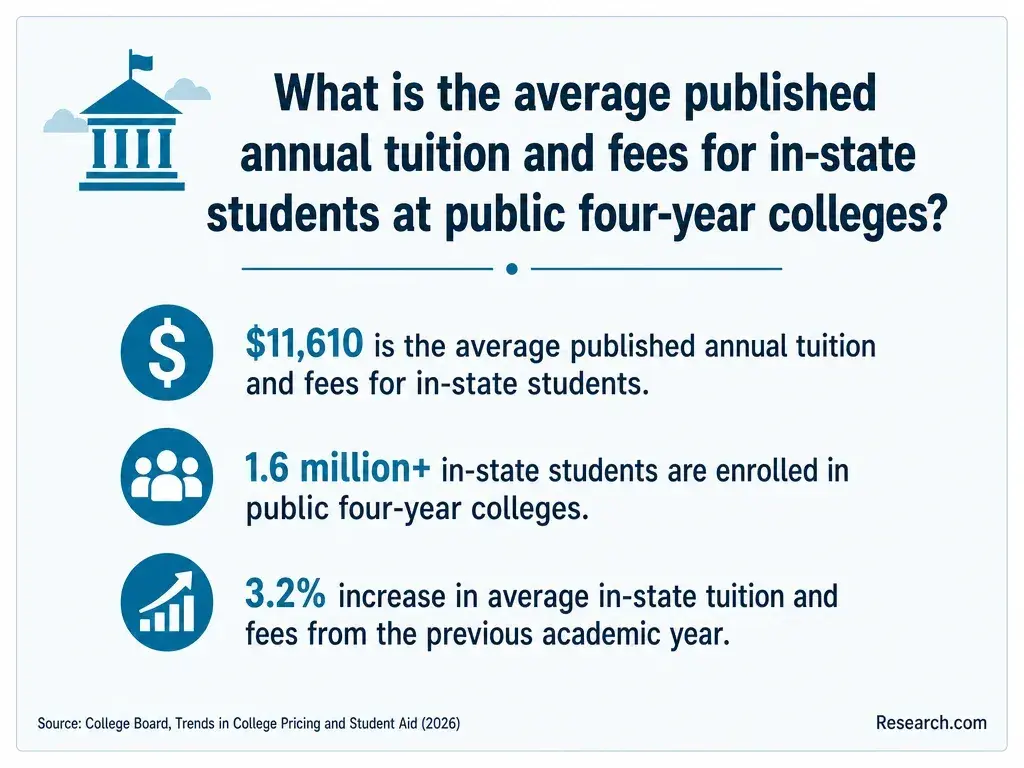
There is no reliable universal timeline or price for a second bachelor's. Even when a school recognizes your first degree for general education, remaining business courses may have prerequisites, limited term availability, upper-division minimums, or residency rules. Part-time enrollment changes the calendar; accelerated sessions do not necessarily reduce required coursework.
For each school, request an official audit and a term-by-term plan. Add tuition for the remaining required credits, mandatory fees, materials, technology or travel costs, and any earnings you would forgo. Ask the financial-aid office how already holding a bachelor's affects your eligibility; do not assume aid used for your first degree is available again. Employer reimbursement also needs verification, including eligible courses and when payment arrives.
Use the same assumptions when comparing schools. Resources on how to reduce tuition spending on an online business administration degree can suggest questions to ask, but an advertised low tuition rate is not your total completion cost.
First, verify the institution's accreditation and its status through the accreditor or a recognized U.S. accreditation database. Then check whether any advertised business accreditation - such as AACSB, ACBSP, or IACBE - covers the school or program you would actually enter. Institutional accreditation and business accreditation are different; neither by itself proves that a particular course will transfer or that graduates obtain particular jobs.
Accreditation is one part of the comparison, alongside the approved degree audit, course access, advising, and cost. If a specialized project management degree is also under consideration, apply the same checks before comparing financial aid at low-cost project management schools. Confirm aid eligibility and awards with each institution rather than inferring them from a business-school accreditation claim.
The strongest entry route usually combines your original field with a business function. A health graduate might seek operations coordination in a care organization; a technology graduate might pursue customer operations; someone with nonprofit experience might move toward program budgeting or administrative operations. In each case, the first degree supplies industry context while business coursework addresses a defined skills gap.
Possible starting roles include operations coordinator, HR assistant, marketing coordinator, purchasing assistant, and project coordinator. Their requirements differ, so examine job postings for the actual work: spreadsheets and process tracking, employee records, campaign reporting, vendor communication, or schedule management. Use relevant employment, internships, or approved projects to demonstrate those tasks. A BS alone does not establish readiness to manage staff or major budgets.
If your experience already includes supervising teams and your main gap is leadership theory, compare the proposed business curriculum with accelerated organizational leadership college programs. Check whether either second degree adds something employer training or a smaller credential would not.
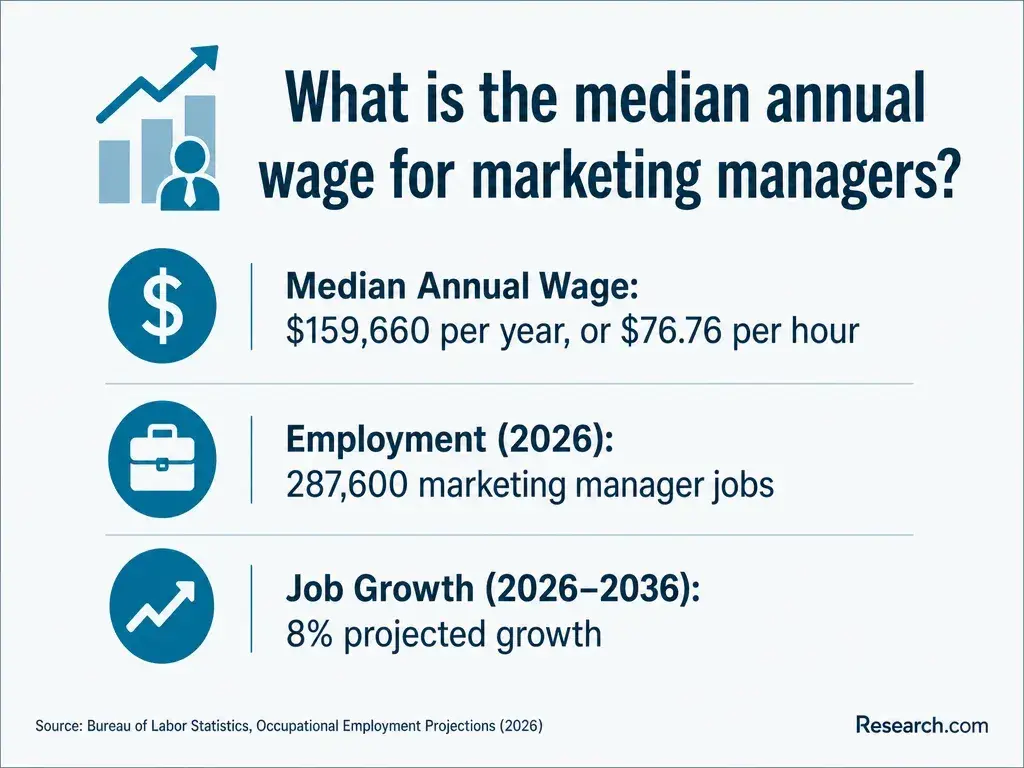
There is no single salary or growth rate for BS in Business Administration graduates: labor statistics describe occupations, not the earnings caused by a particular degree. For a relevant example, the U.S. Bureau of Labor Statistics reports a May 2025 median annual wage of $75,940 for human resources specialists and projects 6% employment growth from 2025 to 2035. That median includes workers with varied experience and education; it is not an expected starting salary for a career changer.
Evaluate pay against the specific role, location, and experience level you could realistically enter. Then compare the likely benefit of filling its skill gaps with your remaining tuition and time away from work. If project management is the goal, affordable pathways to study project management provide a focused alternative to investigate; neither degree should be valued using an experienced manager's occupation-wide wage as a promised outcome.
Which Certifications or Licenses Complement a Business Administration Degree?
A business degree does not award a professional license or automatically meet certification requirements. The useful addition depends on the job: an HR credential may matter for an HR pathway, while a project management credential may require documented project experience. Accounting licensure has its own state-specific education and examination rules; general business coursework should not be assumed to satisfy them.
Before paying for a credential, check the issuing organization's current eligibility rules and compare them with target job postings. A short course can help you prepare for an exam or demonstrate a narrow skill, but its academic credit and certification value are separate questions. Likewise, online bachelor's programs with short sessions may shorten the scheduling cycle without replacing an external certifier's experience or examination requirements.
Other Things You Should Know About Business Administration
No. Your original degree remains a separate credential. Your transcript and résumé can show both degrees and their respective institutions and fields.
Possibly. Ask whether it admits second-degree students, offers the business major to them, and applies different residency or graduation rules to returning graduates.
Not automatically. The business program must decide whether prior work meets its learning objectives and whether it permits credit for work completed before enrollment.
Your previous grades remain on their original transcript. The new school determines how it calculates transfer, admission, major, and institutional GPAs; ask which calculation applies to your situation.
- Postsecondary/College Level Glossary | ed.gov https://nces.ed.gov/surveys/ctes/tables/glossary_college.asp
- Eligibility Requirements | Federal Student Aid https://studentaid.gov/understand-aid/eligibility/requirements
- Tuition and fees | Business Administration | BS BA https://online.missouri.edu/degrees-programs/mu/business/business-administration/bs-ba/financial
- Transfer Credit Basics - Office of the Registrar | Boise State Online https://www.boisestate.edu/registrar/transfers/transfer-credit-basics/
- Getting a Second Bachelor's Degree: Why & How to Get It | Franklin University https://www.franklin.edu/blog/second-bachelors-degree
- Second-Degree Applicants - UGA Admissions https://admissions.uga.edu/apply/other-applicants/second-degree/
- Requirements for a Degree | Rhodes Catalogue https://catalog.rhodes.edu/educational-program/requirements-degree
- BSBA as a Second Bachelor's Degree | unomaha.edu https://catalog.unomaha.edu/undergraduate/college-business-administration/college-business-administration-bsba-second-bachelors-degree/
- Second Bachelor Degree | Florida Atlantic University https://www.fau.edu/admissions/transfer/second-bachelor-degree/
- College of Business Administration - Academic Catalog https://catalog.uic.edu/ucat/colleges-depts/business-administration/