2027 Best Fine Arts Degree Programs Ranking in South Carolina

Co-Founder and Chief Data Scientist
If you're thinking about pursuing a fine arts degree in South Carolina, this article is here to guide you. It features the 2027 Best Fine Arts Degree Programs Ranking in South Carolina, developed by the Research.com team of data scientists. Their thorough analysis helps students discover which programs truly stand out.
Reading this will give you valuable insight to choose a degree that matches your passion and goals. A fine arts degree can open doors to creative careers and personal growth, making the journey exciting and rewarding.
Key benefits of getting fine arts degree in South Carolina
- Fine arts degree graduates in South Carolina can earn competitive salaries, such as $109,630 annually for animators and $71,420 for illustrators, showcasing promising financial opportunities in creative fields.
- Graduates from institutions like the University of South Carolina find diverse career paths in graphic design, illustration, animation, and art therapy, providing flexibility to pursue passions while building a rewarding career.
- Online degrees from schools such as Clemson University offer the convenience of flexible schedules and the ability to balance work or family commitments, making education more accessible without sacrificing quality.
- 2027 Best Fine Arts Degree Programs Ranking in South Carolina
- What can I expect from fine arts degree in South Carolina?
- Where can I work with fine arts degree in South Carolina?
What can I expect from fine arts degree in South Carolina?
The average cost of pursuing a fine arts degree in South Carolina varies depending on the institution, but many students find the investment well worth it for the vibrant creative experiences it offers. At public universities like Clemson or the University of South Carolina, tuition and fees typically range from about $12,000 to $25,000 per year for in-state students. Graduates from these programs often describe the excitement of hands-on studio time paired with access to impressive exhibition spaces as priceless. When you imagine spending afternoons painting in well-equipped studios or preparing work for local Charleston gallery shows, the financial commitment starts to feel like an investment in your artistic future.
Private colleges may have higher tuition, sometimes reaching up to $35,000 per year, but they frequently offer scholarships and assistantships to help offset those costs. Many fine arts students share how these supports made it possible to explore interdisciplinary projects with departments like digital media or theater without worrying constantly about expenses. That blend of artistic freedom and practical resources makes studying fine arts in South Carolina an adventurous and rewarding journey.
Where can I work with fine arts degree in South Carolina?
Graduates from fine arts programs at universities like the University of South Carolina and Clemson find themselves stepping into dynamic roles across the state. Imagine curating vibrant exhibits at the Columbia Museum of Art or designing immersive gallery experiences in Charleston's Gibbes Museum of Art-these are real possibilities for those passionate about visual storytelling.
Many graduates eagerly embrace teaching careers, sharing their creativity with K-12 students in schools throughout South Carolina. With art education certification, they become trusted mentors and innovators, crafting curriculums that inspire the next generation's imagination.
For those drawn to the stage, cities like Greenville and Charleston buzz with opportunities backstage at venues such as the Peace Center or Dock Street Theatre. Graduates bring scenes to life through set design, lighting, and costumes, turning artistic visions into captivating performances.
The commercial sector also shines brightly, where digital media and graphic design skills are in demand. Creative agencies in Charleston and Greenville offer adventurous graduates chances to innovate in branding and multimedia projects, shaping the state's visual culture.
Many find joy in freelancing as independent artists, thriving in art fairs and cooperative spaces bursting with energy and community support. These paths offer both creative freedom and the excitement of building a unique artistic journey in South Carolina.
Fine arts graduates in South Carolina often discover exciting salary opportunities that blend creativity with rewarding income. For instance, graduates from institutions like the University of South Carolina or Clemson University who pursue careers as illustrators can expect a mean annual wage around $71,420. Imagine using your artistic talents to bring stories to life or design compelling visuals, all while earning a solid income.
Careers in animation are even more lucrative, with an average annual salary near $109,630. This path appeals to those who enjoy combining technology and art, perhaps graduates exploring dynamic roles in Charleston's growing media scene. Even graphic artists in the state enjoy competitive pay, averaging about $64,700 yearly, providing a stable platform for those starting their creative journeys.
Whether you're sketching concepts as a graphic artist or animating vibrant characters, South Carolina's fine arts graduates find financial growth coupled with enriching experiences. These roles offer both adventure and stability, fueling passion with practical rewards as you build your artistic career in the Lowcountry or Midlands.
- Tuition at South Carolina public universities for fine arts averages around $12,000 per year for in-state students, while private schools can charge over $25,000 annually.
- Additional costs such as materials, supplies, and studio fees may increase total expenses for fine arts students.
- Entry-level salaries for fine arts graduates in South Carolina typically range from $30,000 to $40,000 annually.
- Experienced professionals can expect average salaries between $45,000 and $55,000 per year, though income varies widely.
- Fine arts programs often include hands-on studio work, interdisciplinary projects, and opportunities for portfolio development and internships.
Fine Arts students in South Carolina benefit not only from a rigorous academic curriculum but also from a vibrant campus life that fosters creativity and personal growth. Many institutions offer dynamic environments where students can immerse themselves in studio workshops, collaborative projects, and interactive art exhibitions. Campus galleries, student-run art collectives, and performance spaces provide ample opportunities to showcase talent, build portfolios, and network with local artists and industry professionals. In addition, extracurricular activities-ranging from art clubs and community outreach programs to guest lectures by renowned artists-enhance the overall educational experience. Prospective students interested in blending academic excellence with an engaging campus atmosphere should also explore affordable fine arts programs in south carolina, which balance quality instruction with opportunities to connect both inside and outside the classroom. This comprehensive lifestyle not only enriches students’ artistic vision but also cultivates a lifelong network of mentors, peers, and industry contacts that can be instrumental in launching successful creative careers.
Exploring fine arts at Clemson University or the University of South Carolina reveals a vibrant, hands-on world where on-campus students dive into studios filled with paints and sculptures, fueled by personal interactions with inspiring faculty and peers. Graduates often recall the thrill of live exhibitions and workshops that spark creativity beyond the classroom, anchoring their learning in real-world experience.
Meanwhile, those choosing online programs embrace a flexible rhythm, carving out time between work or family while immersing themselves in art history or digital arts. Coastal Carolina University's online offerings showcase how theory and virtual collaboration can flourish without geographic constraints, though some students find missing the tactile feel of brush on canvas a curious challenge.
Both paths require self-driven passion-online learners navigate technology and time management, while on-campus students revel in physical spaces and community. Whether at a bustling campus or through a screen, South Carolina's fine arts journey invites you to create and connect in uniquely exciting ways.
When weighing the costs of tuition, fees, and living expenses against potential earnings, it’s essential to understand the true return on investment (ROI) of a Fine Arts degree in South Carolina. On average, graduates incur $25,000–$35,000 in student loan debt upon completing a bachelor’s program. Given median starting salaries of $49,000–$65,000 (depending on career path), most alumni recoup their investment within four to six years post‐graduation. Key factors influencing ROI:
- Debt-to-Income Ratio: With average annual earnings of $64,500 for graphic artists and $111,130 for animators, graduates often manage loan repayments comfortably, especially when leveraging income-driven repayment plans.
- Location and Sector: Metropolitan regions such as Charleston and Columbia offer higher-paying roles in film, animation, and arts administration, accelerating payback periods.
- Graduate Studies: Pursuing an MFA can boost lifetime earnings by 15–20%. For cost-conscious students, exploring the best affordable mfa programs online provides access to high-quality instruction with lower tuition, further enhancing long-term ROI.
- Financial Aid and Scholarships: Securing merit-based awards or work-study positions throughout your program can reduce borrowed amounts by up to 40%, shortening the time to break even. By strategically selecting institutions with strong career services, robust alumni networks, and realistic tuition rates, prospective students can ensure their Fine Arts education yields both artistic fulfillment and financial stability.
Embarking on a fine arts journey in South Carolina involves a blend of passion and practical planning, especially when it comes to understanding the average fine arts degree cost South Carolina students face. At popular institutions like Clemson University or the University of South Carolina, graduates often reflect on financial challenges paired with incredible creative growth. The median in-state total cost hovers around $15,554, a more manageable figure for those who call South Carolina home, allowing students to immerse themselves in studio work and gallery exhibitions without overwhelming debt.
For those from out-of-state, the adventure shifts financially-the median out-of-state total cost for a fine arts degree in South Carolina reaches about $41,116. This steeper investment reflects the value placed on specialized programs and unique opportunities to study under distinguished faculty across the state. The rich experiences, from hands-on pottery classes to digital art innovations, make these costs feel like stepping stones toward an inspiring future.
Prospective students can discover scholarships and aid tailored to the arts, which many graduates recall as vital in brightening their educational path. For anyone curious about managing expenses while crafting their creative voice, resources like affordable fine arts programs in south carolina provide a practical gateway to planning your studies.
Considering fine arts tuition and fees South Carolina offers a realistic snapshot of what to expect, balancing dream chasing with financial savvy. Those who've walked the halls of South Carolina's renowned art programs often share stories of late-night studio sessions and the thrill of unveiling their first public exhibits-all made possible by navigating these costs wisely.
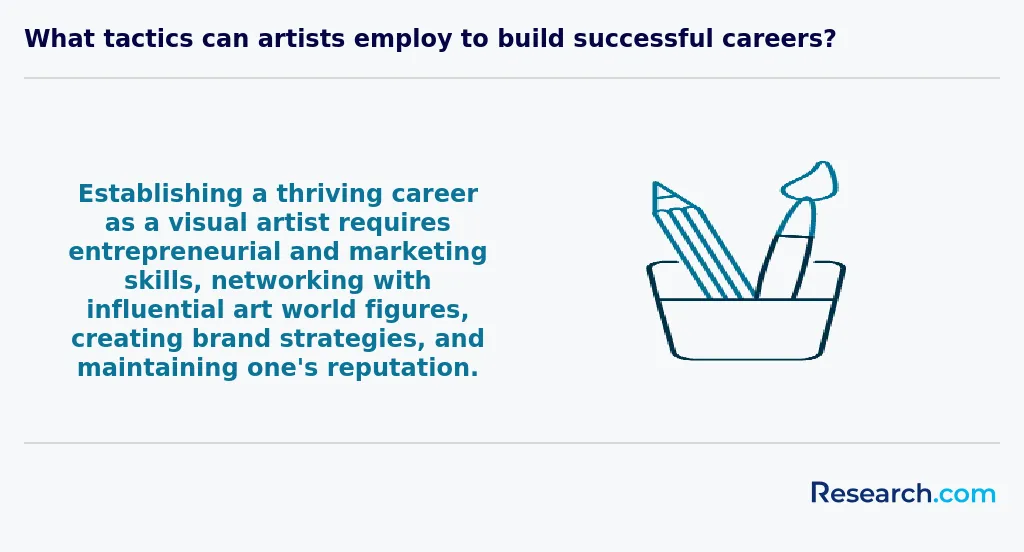
For many students, an equally important part of choosing a Fine Arts degree program is the environment that fosters creativity both inside and outside the classroom. Campus life in South Carolina’s art schools isn’t just about academic rigor-it’s also about engaging in vibrant communities where creativity thrives through extracurricular activities, on-campus art exhibitions, and state-of-the-art studio facilities. Many institutions boast modern art studios equipped with cutting-edge technology and collaborative spaces that encourage professional networking among peers and visiting artists. These resources not only enhance learning but also help shape well-rounded artists prepared for real-world challenges. Prospective students interested in reaching their full creative potential while benefitting from nurturing campus environments can further explore details on affordable fine arts programs in south carolina. This comprehensive approach-combining rigorous curriculum with dynamic artistic resources and community engagement-ensures that graduates leave with both technical skills and a portfolio that truly reflects their creative vision.
Exploring financial aid for fine arts students in South Carolina reveals a treasure trove of support waiting to be discovered. Graduates from institutions like the University of South Carolina often share how Pell Grants made their artistic journey feasible, helping cover tuition costs with up to $7,395 annually. Imagine immersing yourself in studio work knowing the Federal Supplemental Educational Opportunity Grant (FSEOG) is easing your financial worries without needing repayment.
State scholarships, such as those from the South Carolina Tuition Grants Program, open doors for many attending independent colleges like the College of Charleston, making dreams more tangible. Work-study opportunities offer a unique blend of income and experience, allowing students to earn while engaging with their art community on campus.
Moreover, vibrant scholarships from organizations like the South Carolina Arts Commission fuel creativity by rewarding portfolio excellence. Private foundations also play a vital role-graduates often recall how local grants helped fund supplies and exhibitions, turning passion into reality throughout their studies.
Experiencing campus life as a Fine Arts student in South Carolina goes beyond classroom instruction-it’s a vibrant community that fuels creativity and personal growth. Many institutions offer state-of-the-art studios, exhibition spaces, and collaborative labs where students can hone their craft and experiment with new mediums. These facilities, combined with a supportive network of mentors, peers, and industry professionals, create an ecosystem that not only cultivates artistic talent but also builds lasting relationships instrumental for future career success. Students often participate in on-campus galleries, public art projects, and cultural events that deepen their connection with the local art scene. Moreover, career centers and alumni networks play a crucial role in guiding graduates toward promising opportunities post-study. For those exploring further educational priorities, consider checking out affordable fine arts programs in south carolina to find a campus community that aligns with your artistic ambitions. This integrative approach to student life ensures that both creative and professional aspirations are well-supported throughout the academic journey.
Diving into a fine arts degree in South Carolina sparks excitement-but first, there are some key steps to unlock your creative journey. Most programs at universities like Clemson or the College of Charleston ask for a high school diploma or equivalent, forming a solid academic base. But what really sets your application apart is the portfolio: a vivid collection of your best sketches, paintings, or digital creations that tell your artistic story.
Graduates often recall how compiling a diverse portfolio helped them stand out, showcasing both skill and originality. Many schools also appreciate letters of recommendation from art teachers who can vouch for your dedication and potential.
You'll find that a GPA around 2.5 to 3.0 is commonly expected, reflecting steady academic effort, while coursework in art history or drawing boosts your foundation. Some creatives mention feeling relieved by test-optional policies here-less pressure from SAT or ACT scores means more energy for your art.
Exploring fine arts in South Carolina means preparing to express yourself boldly through both academic and artistic readiness, with communities ready to support your growth.
A comprehensive Fine Arts education goes beyond classroom learning to include a dynamic campus experience that fosters creativity, collaboration, and personal growth. Students not only learn from accomplished faculty but also benefit from vibrant community life, which includes extracurricular art clubs, gallery exhibitions, and informal networks with peers and local artists. Engaging in campus events, artist meet-ups, and creative workshops enhances students’ social skills and provides a support system that is essential during their academic journey. This enriched environment allows students to experiment beyond their courses, build lasting professional relationships, and gain insights that translate into real-world opportunities. For example, exploring opportunities with affordable fine arts programs in south carolina can help students access campuses where community engagement complements academic rigor. Moreover, institutions often host guest lectures by industry professionals and career fairs that not only inspire but also provide a platform for showcasing emerging talent, ultimately preparing graduates for successful careers in the arts.
In South Carolina, fine arts students dive straight into an exciting mix of courses that shape their creative journeys. Imagine yourself at a university like the College of Charleston, where you start with foundational classes such as Introduction to Drawing and Painting-perfect for discovering your unique style while mastering brush strokes and shading techniques.
Hands-on Sculpture Techniques bring clay and metal to life, much like graduates recall their first moment crafting three-dimensional art in the studio. Art History and Criticism courses whisk you through vast artistic eras, helping you connect your work to rich cultural stories, an eye-opening experience many students treasure.
Color Theory and Design Principles deepen your understanding of how colors and forms evoke emotion, fueling digital media projects that set you apart. Electives like Portfolio Development let you prepare professional showcases, often praised by recent alumni who successfully entered galleries or creative fields.
Complimented by Contemporary Art Studies and new media options at institutions like the University of South Carolina, these courses open doors to collaborations, exhibitions, and adventurous artistic exploration at every turn.
Exploring fine arts degree specializations in South Carolina is like stepping into a creative playground where possibilities abound. Students at renowned South Carolina institutions like the University of South Carolina and Clemson University dive into diverse South Carolina fine arts concentration options such as Painting and Drawing, Sculpture, and Graphic Design, each offering vibrant hands-on experiences. Graduates often share how painting classes ignite a passion for blending traditional techniques with fresh ideas, while graphic design courses open doors to digital creativity powered by industry-standard tools like Adobe Creative Suite.
Photography and Printmaking provide thrilling journeys through both technical skills and artistic expression. For those drawn to theory, Art History and Criticism allow a fascinating exploration of artistic movements and cultural stories. Many students cherish the chance to work with local galleries and art centers, enriching their education with real-world projects. If you're curious about flexible learning paths, you can also explore the best affordable mfa programs online designed to fit various lifestyles.
Choosing the best fine arts degree in South Carolina feels like embarking on an artful adventure where your passions and talents come alive. Imagine exploring broad curricula at Clemson University or the University of South Carolina, where graduates often reflect on how hands-on studios and vibrant galleries fueled their creative spirits. These programs blend traditional disciplines with modern media, offering you the perfect palette to craft your unique artistic journey. When considering affordable fine arts colleges in South Carolina, think beyond tuition - factor in the cost of supplies, mentorship quality, and the rich cultural scenes in Charleston or Columbia that bring your studies vividly to life.
Many graduates highlight how faculty expertise transformed their perspectives, mentoring them through challenges and showcasing opportunities that seep into real-world art settings. Location plays a starring role too, with city vibes offering access to exhibitions and internships that ignite inspiration. To dive deeper into your options and uncover exciting paths, check out this guide on college majors to pursue - it's a gateway to plotting your creative course with confidence.

Graduates with a fine arts degree in South Carolina find themselves stepping into vibrant career paths fueled by creativity and innovation. Whether shaping their own portfolios as visual artists or painters, or diving into the dynamic world of graphic design and digital illustration, many embrace the state's rich arts culture nurtured at institutions like the University of South Carolina or Clemson University. These environments spark not only skills but the adventurous spirit needed for success in fields linked to South Carolina fine arts degree jobs.
Others discover joy in teaching, becoming art educators who inspire the next generation across local schools, blending passion with community impact. Fine arts career opportunities in South Carolina also extend to exciting roles in film and theater, such as set or costume designers, tapping into the state's growing entertainment industry. Many graduates cherish the freedom of freelancing or launching creative ventures, energized by local festivals and artist networks. For those unsure about pathways, exploring what's the easiest bachelor degree to get can clarify available options while igniting artistic dreams.
Exploring the fine arts career opportunities in South Carolina reveals a vibrant, evolving landscape full of promise. Graduates from popular universities like the College of Charleston and Clemson University often find themselves drawn to urban centers such as Charleston and Columbia, where galleries and museums buzz with activity. Many alumni speak of landing roles as graphic designers or curators, thrilled by the hands-on experiences and networking within these creative hubs. The South Carolina fine arts degree job outlook benefits from steady growth in creative industries, including digital media and marketing, making the field an adventure for those willing to expand their skills beyond traditional art techniques.
Affordability is another bright spot, with in-state tuition for public universities typically ranging from $10,000 to $15,000-much friendlier on budgets than private schools. Art students often find that enhancing their careers with digital proficiency or marketing know-how opens doors to varied opportunities, sometimes leading to unexpected paths in education or entertainment. For students eager to learn more about earnings and career options, this what bachelor degrees make the most money resource offers valuable insight.
2027 Best Fine Arts Degree Programs Ranking in South Carolina
Investing in your education is a significant decision that can shape your future, and the Research.com team understands the importance of making informed choices. To assist prospective students, we have meticulously crafted the "2027 Best Fine Arts Degree Programs Ranking in South Carolina." Our commitment to quality, credibility, and accuracy is reflected in the extensive research and analysis conducted to compile this ranking.
We utilized the following reputable data sources to ensure a comprehensive evaluation of fine arts programs:
By exploring this ranking, readers will gain valuable insights into the best fine arts degree programs in South Carolina, enabling them to make well-informed decisions about their educational paths. For more details on our methodology, please visit our Research.com methodology page.


Frequently Asked Questions About fine arts
Fine arts degree students in South Carolina can maximize their learning by engaging deeply with both academic courses and practical experiences. Many universities, such as Clemson and the University of South Carolina, offer access to professional studios and galleries, providing invaluable hands-on opportunities. Participation in internships or community art programs enhances real-world skills and networking.
Students should also attend workshops and exhibit their work whenever possible. South Carolina's vibrant art scene, including the Greenville County Museum of Art and Columbia's art festivals, offers rich cultural exposure. According to the South Carolina Commission on Higher Education, students who combine studio practice with community engagement report improved career readiness.
Emerging niches within the fine arts field in South Carolina reflect broader national trends emphasizing technology and interdisciplinary work. Areas such as digital media arts, animation, and game design are gaining traction as institutions incorporate technology-driven courses to meet growing industry demand. According to the National Endowment for the Arts, digital arts careers are expected to grow faster than traditional fine arts roles.
South Carolina colleges are also expanding programs in art therapy and community arts, addressing mental health and social engagement through creative practice. These niches offer students new career paths that blend creativity with practical skills.
After earning a fine arts degree in South Carolina, preparing for the job market involves strategic steps aligned with the local arts scene and national trends. Graduates should build a professional portfolio showcasing diverse works, as portfolios remain crucial for job applications in creative fields. Networking plays a key role, with organizations like the South Carolina Arts Commission providing valuable resources and connections.
Internships and apprenticeships with galleries, museums, or design firms in cities like Charleston and Columbia can increase employment prospects. According to the U.S. Bureau of Labor Statistics, employment for artists and designers in South Carolina is expected to grow steadily, reflecting a healthy demand.
Additionally, developing skills in digital media and fine arts technology can differentiate candidates in a competitive market. Seeking workshops and continuing education helps improve these competencies. Overall, combining artistic talent with practical experience and local networking will strengthen one's position entering the South Carolina job market.
Employers in South Carolina's fine arts sector prioritize creativity and technical expertise in graduates. Proficiency in traditional media such as painting or sculpture, combined with digital skills like graphic design and multimedia production, enhances job prospects. Communication skills are vital, as artists often present concepts to clients or collaborate with diverse teams. Time management and adaptability also rank highly, reflecting the dynamic nature of artistic projects and client demands.
According to the South Carolina Department of Commerce, fine arts professionals who demonstrate strong portfolio development and proficiency in software like Adobe Creative Suite stand out. These skills align with local industry needs, especially in Charleston and Columbia, where arts contribute significantly to economic growth.
Finding internships in South Carolina related to a fine arts degree involves several strategic steps. Start by exploring local universities with strong fine arts programs, such as the University of South Carolina or Clemson University, which often partner with museums, galleries, and theaters to offer internship opportunities.
Many arts organizations in cities like Charleston and Columbia actively seek interns; these include visual arts centers, performing arts groups, and cultural institutions. Websites like Handshake and the South Carolina Arts Commission's portal can provide listings tailored to fine arts students.
Networking through university career centers, faculty connections, and local art events is crucial, as many internships are filled via word-of-mouth.
A fine arts degree in South Carolina can significantly impact career mobility and advancement, particularly in creative industries such as design, media, and education. According to the South Carolina Department of Employment and Workforce, art-related occupations are projected to grow by 5% from 2022 to 2032, slightly faster than the average for all professions. This growth increases opportunities for fine arts graduates to move into specialized roles or leadership positions.
Moreover, South Carolina's expanding cultural and tourism sectors provide additional venues for practitioners to advance their careers. Employers often value the critical thinking and technical skills developed through fine arts programs, aiding graduates in adapting to diverse work environments.
Networking opportunities from local art organizations and university programs also play a key role in career progression. Graduates frequently leverage community connections to secure higher-level positions or freelance contracts.
Studying for a fine arts degree in South Carolina equips students with skills useful for interdisciplinary roles by combining traditional art training with modern technology and collaboration. Institutions like Clemson University and the University of South Carolina structure their programs to include courses in digital media, design thinking, and critical theory alongside studio practice. This blend encourages creative problem-solving and adaptability, vital for roles in advertising, media, and education.
According to the South Carolina Commission on Higher Education, nearly 65% of fine arts graduates engage in careers requiring cross-disciplinary knowledge within five years post-graduation. These programs emphasize teamwork and communication, preparing students to work effectively in diverse professional environments.
When choosing between a thesis and a non-thesis fine arts degree in South Carolina, consider your career goals and learning preferences. Thesis programs focus on in-depth research and a major project, ideal for students planning to pursue doctoral studies or teaching careers.
Non-thesis options emphasize practical skills and portfolio development, suited for those aiming to enter the professional art world directly. According to the National Center for Education Statistics, South Carolina colleges offering fine arts degrees increasingly include non-thesis tracks to meet local industry demands.
Evaluate program curricula at institutions like Clemson University or the University of South Carolina to see which aligns with your artistic ambitions and time commitments.
Students in South Carolina seeking to study fine arts abroad have several pathways through their home institutions. Many South Carolina universities, including the University of South Carolina and Clemson University, offer exchange programs or partnerships with European and Asian art schools, allowing students to spend a semester or year overseas. These programs often focus on countries with rich artistic traditions, such as Italy, France, and Japan. According to data from the Institute of International Education, about 10% of South Carolina's undergraduate students participate in study-abroad programs, with fine arts students representing a growing portion of that group.
Additionally, students can explore faculty-led trips and summer programs abroad, which provide immersive experiences without a full-year commitment. Financial aid and scholarships specific to study abroad in the arts are also increasingly available, helping reduce cost barriers. Official university international program offices can provide guidance on credit transfer and cultural preparation to ensure students maximize their overseas academic experience.
Part-time job opportunities in South Carolina that complement fine arts degree education include roles such as gallery assistant, art teacher's aide, and freelance illustrator. These positions provide practical experience while building a professional portfolio. For instance, Charleston and Columbia, known for their vibrant art scenes, offer internships and part-time jobs in local museums and galleries.
According to the South Carolina Arts Commission, creative employment in the state grew by 6.5% between 2018 and 2022, highlighting the rising opportunities for art students. Jobs like art supply store clerk or digital content creator also help develop relevant skills alongside academic work.
These roles not only enhance artistic ability but also offer networking opportunities critical to early career growth in the arts field.
Fine arts students in South Carolina have access to robust networking opportunities through university programs, local galleries, and statewide arts organizations. Institutions like the University of South Carolina and Clemson University offer art exhibitions and student-run galleries where emerging artists connect with faculty and visiting professionals. The South Carolina Arts Commission supports networking by hosting workshops, artist residencies, and public art projects that encourage collaboration.
Additionally, events such as ArtFields in Lake City attract artists and collectors from across the Southeast, providing exposure and connections. According to the South Carolina Arts Commission's 2023 report, over 70% of fine arts students engage in such events, enhancing their professional networks early in their careers.
Alumni networks play a crucial role for fine arts degree students in South Carolina by providing valuable connections within the local and national art communities. Graduates often access mentorship opportunities that guide them through career development and artistic growth.
These networks foster collaboration and exposure to galleries, exhibitions, and residencies, which are essential for emerging artists. According to the South Carolina Arts Commission, nearly 60% of fine arts graduates in the state find professional opportunities through contacts made via alumni associations.
Additionally, alumni groups offer workshops, portfolio reviews, and job leads that can help students transition smoothly into the competitive fine arts sector. Building relationships with established artists alumnus increases chances of freelance commissions and internships.
In South Carolina, customizing a fine arts degree relies on selecting schools that offer flexible curricula and varied specialization options. Many institutions allow students to tailor their studies by choosing concentrations such as painting, sculpture, digital media, or art education. Complementing major courses with electives like graphic design or art history can broaden skills relevant to specific career paths.
Internship opportunities with local galleries and cultural organizations in cities like Charleston and Columbia provide practical experience, helping align academic learning with professional goals. According to the National Center for Education Statistics, about 45% of fine arts students in South Carolina engage in internships to gain industry exposure.
Furthermore, collaborating with faculty advisors enables students to design individualized study plans that reflect evolving career interests and prepare them for diverse employment opportunities within the arts sector.
Fine arts students in South Carolina commonly face several challenges that affect their academic and creative progress. One major issue is limited funding for arts programs, which restricts access to high-quality materials, studio spaces, and exhibition opportunities. According to the South Carolina Arts Commission, budget constraints have led to fewer scholarships and reduced program offerings in some public institutions.
Additionally, students often struggle with balancing practical skill development and theoretical coursework, which can be intensive and time-consuming. Job prospects after graduation also pose concerns, as the state's arts sector jobs have grown slower than other fields, according to the South Carolina Department of Commerce.
Networking within a relatively small local arts community can be difficult for some students seeking broader exposure and professional connections.
With a fine arts degree in South Carolina, you can pursue various professional certifications that enhance career opportunities. One common path is obtaining a teaching certification through the South Carolina Department of Education, which allows you to teach art at K-12 public schools. This requires meeting state licensing standards and passing the Praxis Art Content exam.
Professional credentials in specialized fields like graphic design or museum studies, such as those offered by the American Institute of Graphic Arts (AIGA) or the American Alliance of Museums (AAM), help validate skills. While not mandatory, these certifications can improve job prospects in South Carolina's growing creative industries. State workforce reports highlight increasing demand for certified art educators and creative professionals.
To write a winning application for a fine arts program in South Carolina, begin by showcasing a well-prepared portfolio. Most South Carolina institutions, including Clemson University and the University of South Carolina, emphasize portfolio quality over test scores. Carefully select your best and most diverse work to reflect your technical skills and creative range.
Next, craft a clear and focused personal statement. Explain your artistic goals and why you have chosen South Carolina for your education. Admissions committees appreciate applicants who demonstrate a commitment to their craft and an understanding of the local art scene.
Strong letters of recommendation from art teachers or mentors within South Carolina's vibrant arts community can also enhance your application. Additionally, ensure that all deadlines and application requirements, such as transcripts and supplemental materials, are met precisely.
Globally, a fine arts career is viewed as both creative and challenging, with increasing recognition of its economic and cultural value. In the United States, including South Carolina, fine arts graduates often find opportunities in visual design, media, and education sectors, reflecting a diverse job market.
According to the National Endowment for the Arts, employment in arts and culture occupations grew by 6.4% nationwide between 2015 and 2021. South Carolina's arts sector contributes over $1 billion annually to the state economy, highlighting the growing demand for artistic professionals.
Internationally, fine arts careers emphasize adaptability to digital platforms and interdisciplinary skills. For students in South Carolina, this means their degree can open doors both locally and abroad if they develop strong technical and creative abilities aligned with global trends.
Students pursuing a fine arts degree in South Carolina can gain practical experience through various opportunities offered by universities and local arts organizations. Many institutions encourage participation in internships with galleries, museums, and community art programs, providing hands-on exposure to professional artistic environments. For example, Clemson University and the University of South Carolina offer structured internship programs connected to regional arts centers.
Additionally, involvement in university galleries and student exhibitions allows students to curate and display their work, developing essential skills in presentation and public engagement. Collaborations with local festivals and cultural events also enhance practical learning.
The South Carolina Arts Commission supports emerging artists by providing grants and residencies, which students can apply for to build experience beyond the classroom.
Choosing the right concentration within a fine arts degree program in South Carolina requires understanding your personal interests alongside practical career goals. Fine arts concentrations often include areas like painting, sculpture, graphic design, and digital media. It's important to research which skills each concentration develops and how they align with local job markets.
Consider South Carolina's cultural hubs, such as Charleston and Greenville, which offer opportunities in traditional arts and emerging creative industries. Data from the South Carolina Arts Commission shows steady growth in employment for visual artists and designers statewide.
Visiting campuses and speaking with faculty can provide insight into program strengths. Additionally, reviewing portfolios of graduates may help assess which concentration best fosters artistic development and career readiness.
- 2027 Best Fine Arts Degree Programs Ranking in Georgia
- 2027 Best Fine Arts Degree Programs Ranking in North Carolina
- 2027 Best Fine Arts Degree Programs Ranking in Florida
- 2027 Best Fine Arts Degree Programs Ranking in Tennessee
- 2027 Best Fine Arts Degree Programs Ranking in Virginia
- 2027 Best Fine Arts Degree Programs Ranking in Mississippi
- 2027 Best Fine Arts Degree Programs Ranking in West Virginia
- 2027 Best Fine Arts Degree Programs Ranking in Louisiana
- 2027 Best Fine Arts Degree Programs Ranking in Arkansas
- 2027 Best Fine Arts Degree Programs Ranking in Ohio
- What is an art niche? And how to recognize yours - Arts To Hearts Project https://artstoheartsproject.com/how-to-define-your-niche-as-an-artist/
- What careers can you do with a Fine Art degree? | University for the Creative Arts https://www.uca.ac.uk/blogs/careers-with-a-fine-art-degree/
- Know more about thesis vs non- thesis: what is the difference? https://studyfans.com/en/blogs/816
- Challenges in the Arts in the 21st Century https://www.arts.gov/stories/magazine/2016/2/challenges-arts-21st-century
- Fine Arts https://en.uap.edu.pl/admission/programmes/fine-arts/
- MFA Statement of Purpose: The Artist Statement + Academic Goals Hybrid https://gradpilot.com/news/mfa-statement-of-purpose-artist-statement-guide
- Alumni network - ESMA https://www.esma-artistique.com/en/outreach/alumni-network/
- Art and design teaching and lecturing jobs in International https://www.tes.com/jobs/browse/art-and-design-teaching-and-lecturing-international
- Academic Catalog https://academic-catalog.uscupstate.edu/financial-aid-scholarships/
- How to Network as an Artist - AGI Fine Art Blog https://agifineart.com/advice/the-art-of-reputation-how-to-network-if-youre-an-emerging-artist/