
2027 Most Valuable Online Fine Arts Degree Programs Ranking in Virginia

Co-Founder and Chief Data Scientist
Exploring fine arts degree options can feel overwhelming, especially when you want to invest your time and resources wisely. To assist Virginia students, this article presents the 2027 Most Valuable Online Fine Arts Degree Programs Ranking in Virginia, developed by the Research.com team of data scientists.
This ranking helps you identify programs that combine quality education with real-world value. Reading this guide can inspire confidence in your decision-making and highlight exciting opportunities in the vibrant world of fine arts.
Whether you aim to refine your creativity or build a rewarding career, finding the right program is a great first step.
Key benefits of getting online fine arts degree in Virginia
- Graduates with a fine arts degree can earn rewarding salaries, such as $71,420 annually for Illustrators and $109,630 for Animators, showing strong financial potential in creative careers.
- Career paths for fine arts graduates in Virginia often include roles in graphic design, animation, and illustration, reflecting diverse opportunities inspired by alumni from the University of Virginia's arts program.
- Completing a fine arts degree online offers flexible scheduling and access to expert faculty, as experienced by graduates from George Mason University, making it easier to balance studies with personal commitments.
- 2027 Most Valuable Online Fine Arts Degree Programs Ranking in Virginia
- What can I expect from online fine arts degree in Virginia?
- Where can I work with online fine arts degree in Virginia?
What can I expect from online fine arts degree in Virginia?
The average cost of pursuing an online fine arts degree in Virginia typically ranges from $7,000 to $15,000 annually for in-state students, varying by institution and program structure. For example, graduates from universities such as George Mason University and Old Dominion University often reflect on balancing tuition with manageable online fees, appreciating the overall affordability compared to traditional on-campus programs.
Many students benefit from in-state tuition rates, especially through the Virginia Community College System, which offers affordable pathways with transferable credits toward four-year fine arts degrees. Graduates often highlight the financial relief this provides as they develop portfolios and engage in digital art projects remotely.
Beyond tuition, students note incidental costs for art supplies and software licenses, but these expenses are frequently offset by not incurring relocation or commuting fees. The financial accessibility combined with the robust curriculum supports positive experiences and outcomes, encouraging consistent enrollment growth and steady career prospects within Virginia's arts and design sectors.
Where can I work with online fine arts degree in Virginia?
Graduates with an online fine arts degree in Virginia find employment opportunities in diverse sectors such as galleries, museums, and design studios. For instance, many visual arts graduates from Virginia Commonwealth University secure roles as curators or exhibition coordinators in Richmond's thriving arts scene, bolstered by over 1,000 statewide arts organizations. This vibrant network provides steady work for art handlers and cultural center staff across cities like Norfolk and Alexandria.
Teaching is another common path; online graduates often become arts educators within Virginia's K-12 public schools or universities like George Mason University. With a median annual salary near $56,000, visual arts instructors contribute significantly to the state's educational system while enjoying career stability and community impact.
Northern Virginia's proximity to Washington, D.C. fuels demand for multimedia artists and graphic designers, promising a 4% annual job growth. Graduates here engage in advertising and digital media, enhancing their portfolio through real projects. Many also pursue entrepreneurship, establishing studios or freelance practices supported by local grants that encourage creative business ventures in the Commonwealth.
Graduates with an online fine arts degree in Virginia can expect varied earning potentials depending on their chosen career path. For instance, illustrators make a mean annual wage of approximately $71,420, while graphic artists earn around $64,700 annually. These figures suggest that many graduates from institutions like Virginia Commonwealth University or Old Dominion University, both known for their fine arts programs, find success securing rewarding positions.
Jobs in animation stand out with an even higher mean annual salary near $109,630, reflecting strong demand for digital skills in Virginia's growing multimedia sector. Animators often report satisfaction working on cutting-edge projects for local studios or freelancing with clients in thriving cities like Richmond and Arlington.
Art therapists also see competitive salaries, averaging $75,660 annually, demonstrating the diverse opportunities available beyond traditional fine arts roles. Graduates often combine multiple income streams, such as commissions, teaching, or gallery sales, achieving both creative fulfillment and financial stability.
Entry-level salaries around $30,000 to $40,000 adapt upward quickly for those who leverage networking and maintain dynamic portfolios, echoing the positive experiences shared by recent online graduates in Virginia's vibrant art communities.
- The average cost for a bachelor's degree in fine arts at Virginia public institutions ranges from $25,000 to $40,000 for in-state students.
- Private schools offering online fine arts programs may charge over $50,000 for the full degree.
- Accreditation by organizations like SACSCOC is important for credit transfers and employer recognition.
- Entry-level salaries for fine arts graduates in Virginia average around $35,000, rising to $50,000-$60,000 with experience and additional skills.
- Job opportunities exist in design firms, education, theater, and advertising, with moderate growth projected in arts and design fields.
- Online programs offer flexible schedules and digital resources, but students should seek internship opportunities to gain practical experience.
Completing an online fine arts degree in Virginia typically requires about four years for full-time students, consistent with undergraduate norms across the state's institutions like Virginia Commonwealth University and George Mason University. These programs generally demand 120-130 credit hours, including a mixture of core art classes, general education, and electives. Graduates often reflect positively on the structured yet flexible schedules that balance creative development with academic rigor.
Part-time study options allow students juggling work or family commitments to extend their program length up to five or six years. For example, a graduate from Old Dominion University appreciated how part-time pacing enabled steady progress without sacrificing employment. Meanwhile, some students accelerate completion by transferring AP credits or previous coursework, decreasing their overall timeline, though credit acceptance varies.
Graduate online fine arts degrees, such as the MFA, typically take two to three years at Virginia institutions. These programs offer focused skill-building, often leading to enhanced career opportunities.
Online and on-campus fine arts degrees in Virginia differ primarily in delivery and access to resources. On-campus programs at institutions like Virginia Commonwealth University provide direct studio engagement, where graduates recall frequent hands-on activities like sculpting or painting in dedicated art facilities. This face-to-face model fosters immediate mentorship and live critiques, which many find essential for developing tactile skills.
In contrast, online programs, such as those offered by Mary Baldwin University, offer flexibility ideal for working adults or those in remote areas. Graduates appreciate the ability to study on their own schedule, submitting digital portfolios instead of attending physical studios. However, they also note limited access to specialized equipment and in-person feedback.
Regarding costs, on-campus tuition averages about $9,500 annually for in-state students in Virginia public schools, while online tuition varies but often reduces relocation and commuting expenses. Both formats maintain rigorous accreditation standards, ensuring comparable curriculum quality despite their delivery differences.
As the digital landscape continues to evolve, online Fine Arts programs in Virginia are increasingly integrating emerging technologies and innovative teaching methods that set the stage for the future of creative industries. With virtual reality, augmented reality, and interactive digital platforms becoming more prevalent, these programs are not only enhancing traditional art techniques but are also preparing students to thrive in a rapidly shifting job market. Students can expect an expanding array of courses that blend artistic creativity with technical proficiency, enabling them to create immersive experiences and explore cutting-edge forms of expression. Moreover, institutions are strengthening their career services and networking opportunities, connecting graduates with industry pioneers and fostering collaborations that lead to real-world projects. For those looking to balance both affordability and quality, many of the cheapest fine arts schools in virginia are now offering dynamic online platforms that emphasize hands-on learning, mentorship, and industry-driven skill development. This forward-thinking approach not only cultivates versatile talent but also creates a sustainable ecosystem for lifelong career growth in the arts.
The average cost of an online fine arts degree in Virginia typically centers around a median total expense of approximately $44,910. For those residing in-state, the median total for completing a bachelor's level fine arts program online is closer to $52,440, which reflects the combination of tuition and associated fees specific to Virginia institutions. Out-of-state students usually face a higher financial commitment, with the median total reaching about $53,640.
Graduates from notable Virginia universities with strong fine arts reputations often share experiences of balancing this financial investment with the rewarding opportunity to learn from skilled faculty and access specialized resources. For example, students at institutions like Virginia Commonwealth University benefit from relatively affordable in-state tuition rates, generally falling between $13,000 and $18,000 annually, which aligns well with the overall Virginia online fine arts degree tuition fees and eases the financial burden while pursuing their passion.
Given fine arts programs include unique costs such as materials, studio equipment, and software licenses, students often find budgeting beyond tuition essential. Many find that scholarships and grants targeted at arts students help alleviate these pressures, making the pursuit of an online fine arts degree both feasible and fulfilling. Those considering this path might also explore options related to online MLS programs for complementary skills.
- Median total cost for online fine arts degree in Virginia: $44,910
- Median In-state total cost: $52,440
- Median Out-of-state total cost: $53,640
Students pursuing online fine arts degrees in Virginia commonly rely on a mix of federal, state, institutional, and private financial aid options to offset costs. Federal aid, accessed through the FAFSA, remains a cornerstone; grants like the Pell Grant can provide up to $7,395 annually, offering substantial relief for public university enrollees, such as those attending Virginia Commonwealth University's fine arts program. Graduates often recall how this funding eased their burden without incurring excessive debt.
State-specific assistance further supports residents via programs like the Virginia Tuition Assistance Grant (TAG), which benefits students attending private colleges, including some with strong fine arts departments. Community college scholarships in the Virginia Community College System offer an affordable pathway for those beginning their studies locally before transferring.
Additionally, institutional scholarships at schools such as James Madison University frequently reward merit or financial need directly, providing tangible tuition reductions. Many fine arts students appreciate these opportunities, citing them as pivotal in enabling focus on creative growth without financial stress.
Private scholarships from organizations like the Virginia Commission for the Arts also play a crucial role. Utilizing databases such as Fastweb, students find tailored funding that resonates with their artistic ambitions, making the prospect of earning a fine arts degree in Virginia both accessible and inspiring.
Navigating an online Fine Arts degree can be both exciting and challenging without the traditional campus environment. To truly maximize your experience and create a competitive edge, consider implementing a few key strategies. First, establish a dedicated workspace equipped with reliable technology and art software that supports digital creativity. Consistent routines and goal-setting can help maintain focus amid flexible scheduling, ensuring that deadlines are met without sacrificing personal artistic exploration. In addition, lean into the wide array of resources available. Participate actively in virtual workshops, online critique groups, and discussion boards to build a network with peers and faculty. Developing relationships within these communities not only enriches your learning but also opens doors to future collaborations and career opportunities. For example, thoroughly researching programs can reveal options that balance quality education with affordability-readily accessible on platforms like cheapest fine arts schools in virginia. Finally, take advantage of career services offered by many institutions, including internship placements and mentorship programs. These initiatives can provide real-world insights and help you translate academic learnings into professional success. By employing these practical tips and leveraging the available support systems, you can ensure that your online Fine Arts journey is as enriching and productive as possible.
Enrollment in online fine arts degree programs in Virginia requires applicants to meet foundational academic and creative benchmarks. A high school diploma or GED is essential, with many universities expecting a minimum GPA of 2.5 to 3.0 to ensure scholastic readiness. For example, graduates from Virginia Commonwealth University often reflect on how maintaining strong academic performance helped them pass this initial screening.
Applicants must submit a comprehensive artistic portfolio showcasing varied creative skills, such as paintings or digital media projects. This portfolio, a pivotal part of the application process at schools like Radford University, enables admissions committees to evaluate an applicant's artistic potential and creativity. Many students describe this step as both challenging and exciting because it becomes a personal narrative of their artistic journey.
Standardized test scores like the SAT or ACT are increasingly optional; however, some schools may still require them. Additional materials that enhance applications include letters of recommendation from art instructors, personal statements on career ambition, completed prerequisite art coursework, and sometimes formal portfolio interviews.
Such prerequisites reflect a holistic approach to admissions, balancing academic achievement with evident passion and skill in fine arts, which many students find motivating as they prepare to join Virginia's creative communities.

Virginia’s online Fine Arts programs go beyond coursework to ensure student success through robust support services. From day one, you’ll have access to: • Dedicated Academic Advising: Personalized degree planning and transfer‐credit evaluation to keep you on track. • Virtual Library & Research Tools: 24/7 access to art databases, digital archives, and multimedia collections for studio research and theory. • Tech & Creative Software Support: Live chat troubleshooting for learning platforms and industry‐standard software like Adobe Creative Suite. • Tutoring & Critique Workshops: One‐on‐one sessions with experienced art tutors plus peer review groups to refine technique. • Career Counseling & Portfolio Development: Expert guidance on resume building, digital portfolios, and mock interviews. • Internship & Alumni Network Access: Connections to Virginia arts organizations, galleries, and seasoned alumni mentors. These services help you transition from student to practicing artist, ensuring you graduate with both the creative portfolio and professional network needed to thrive. For those interested in broadening their academic toolkit, you may also explore flexible liberal studies programs online to complement your Fine Arts expertise.
Online fine arts degree programs in Virginia commonly include courses designed to build both creative skills and academic insight. Students at institutions like Virginia Commonwealth University and George Mason University report that core classes such as Drawing and Painting Techniques and Digital Media and Design form the foundation of their learning, blending traditional art practices with modern technology. These courses often involve hands-on assignments developing portfolios that are key to career advancement.
Graduates frequently highlight the value of Art History courses, which explore major movements and cultural contexts, enriching their understanding of contemporary art. Theories behind artistic critique and aesthetics, covered in Art Theory and Criticism, engage students in analytical thinking often described as both challenging and rewarding.
Programs also integrate interdisciplinary offerings like photography, printmaking, and animation, which broaden creative opportunities. Many report satisfaction with the flexible, asynchronous formats that allow balancing professional work and studio time, a particular advantage cited by working artists in Virginia.

Online fine arts degree specializations Virginia students pursue commonly include Graphic Design, Studio Art, Art Education, Photography, and Digital or Multimedia Arts. Graduates from schools such as Old Dominion University and George Mason University often report satisfaction with the practical skills these concentrations develop, from mastering digital tools in Graphic Design to acquiring pedagogical techniques in Art Education, which aligns with certification requirements.
For example, those focusing on Digital Arts experience immersive training in animation and video production, preparing them for evolving creative industries. Studio Art students frequently highlight the value of traditional practices like painting and sculpture in building a strong artistic foundation. These specialization options support diverse career goals, as evidenced by the fine arts concentration options in Virginia online programs.
Students balancing education with work appreciate the ability to complete coursework remotely while accessing comprehensive curricula tailored to Virginia's educational standards. Some even explore related fields by reviewing history degree requirements to complement their artistic knowledge, enhancing interdisciplinary understanding and career flexibility.
Choosing the best online fine arts degree Virginia offers requires analyzing accreditation, faculty expertise, and program structure. Graduates from prominent Virginia colleges highlight the value of regional accreditation like SACSCOC for reliable academic standards and credit transfer. Many fine arts students appreciate programs blending foundational skills such as drawing and art history with specialized courses, taught by active artists who provide personalized feedback in online settings.
Affordability plays a significant role, with Virginia's online fine arts programs typically costing between $7,000 and $15,000 annually. Considering scholarships or financial aid can significantly reduce expenses for aspiring artists. Several students have found that institutions with robust digital platforms and interactive tools make visualization and creation of art accessible, leading to positive learning experiences closely aligned with their physical studio work.
Post-graduation success often depends on connections. Students report that programs linked to local arts communities in Richmond or Charlottesville, offering internships and portfolio development, enhance career prospects. For those interested in advancing further, many also pursue an online master's degree in education to expand their professional opportunities.
Affordable fine arts programs Virginia online blend quality instruction, technology, and career support, empowering students to thrive creatively and professionally in a competitive market.
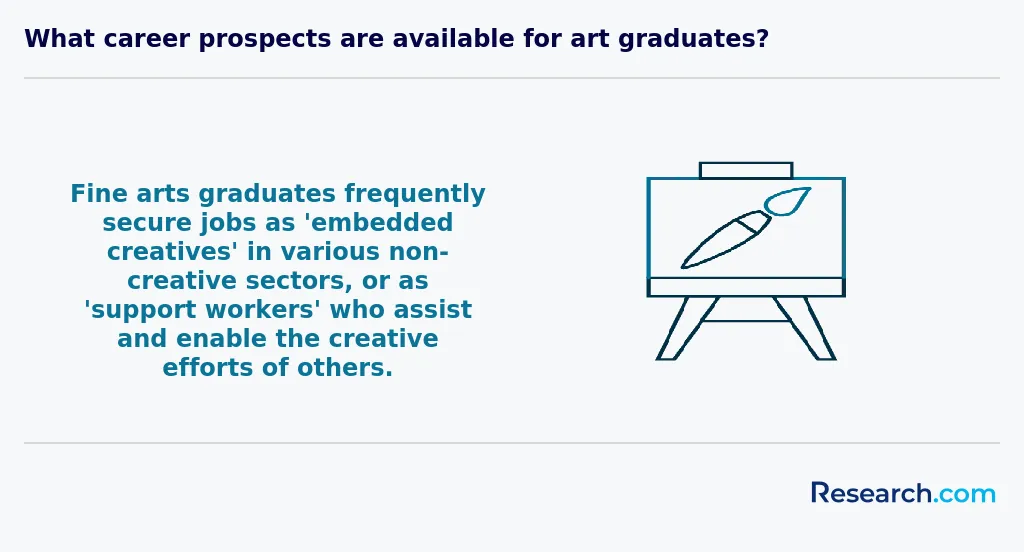
Graduates with an online fine arts degree in Virginia have diverse career paths available, reflecting both traditional and innovative roles in the creative economy. Many pursue careers as professional artists, creating original works and supplementing income through teaching or commissions. Fine artists in Virginia benefit from a median annual wage near $54,120 as of 2023, highlighting the profession's economic potential. Others find opportunities in graphic design and multimedia art, fields that blend creativity with technology. Virginia's expanding tech and media industries, particularly in Richmond and Arlington, offer growing demand and median salaries around $56,000, slightly above national averages. Popular institutions such as Virginia Commonwealth University help graduates gain practical experience and build portfolios for this competitive sector.
Teaching remains a reliable career, especially in community colleges and art schools where an online fine arts degree meets licensure or adjunct teaching criteria. The Virginia Department of Education consistently reports steady demand for qualified art teachers, and those interested in education can consult resources like the Tennessee teacher qualification guidelines for comparative insights. Other roles include arts administration, curatorial positions at galleries or museums, and art therapy, which requires further certification. These options require a combination of strong portfolios, networking, and relevant experience, offering graduates from Virginia colleges flexible choices aligned with their creative passions and the state's evolving job market for online fine arts degree careers Virginia.

The online fine arts job outlook Virginia shows a steadily growing field, particularly for graduates who combine traditional artistic skills with digital expertise. Graduates from schools such as Virginia Commonwealth University or George Mason University often find opportunities in graphic design, multimedia art, and digital media-areas with a statewide demand highlighted by an 8% projected growth in multimedia artists and animators from 2022 to 2032. These roles commonly appear in urban hubs like Richmond and Northern Virginia, where creative industries and educational institutions actively seek talent.
Many graduates thrive by building strong digital portfolios and leveraging personal branding to secure freelance projects or roles in gallery and museum management. For those exploring broader artistic career paths, interior design employment in Virginia also shares similar dynamics. Salaries for fine arts professionals typically range between $50,000 and $75,000 annually, reflecting variations in experience and location. This competitive yet promising market rewards proactive, digitally savvy graduates from online fine arts degree programs in Virginia.
2027 Most Valuable Online Fine Arts Degree Programs Ranking in Virginia
Investing in your education is a significant decision that can shape your future, and the Research.com team understands the importance of making informed choices. To assist prospective students, we have meticulously crafted the "2027 Most Valuable Online Fine Arts Degree Programs Ranking in Virginia." Our commitment to quality, credibility, and accuracy is reflected in the extensive research and analysis conducted to compile this ranking.
We utilized the following reputable data sources to ensure a comprehensive evaluation of fine arts programs:
By exploring this ranking, readers will gain valuable insights into the most valuable online fine arts degree programs in Virginia, helping them make well-informed decisions about their educational journeys. For more details on our methodology, please visit our Research.com methodology page.

Frequently Asked Questions About fine arts
Online fine arts degree students in Virginia can maximize their learning experience by actively engaging with virtual studio sessions and utilizing digital collaboration tools. Many Virginia institutions incorporate synchronous classes that allow real-time critique and feedback, fostering interaction similar to on-campus settings. According to the National Endowment for the Arts, students who participate in peer reviews develop stronger technical skills and creativity.
Additionally, students should take advantage of statewide resources such as the Virginia Museum of Fine Arts' online collections and workshops. Connecting with local artist communities through virtual galleries or social media enhances networking opportunities, vital for professional growth in the arts.
The fine arts field is evolving rapidly, with emerging niches offering new career opportunities for students pursuing online degrees in Virginia. Digital arts, including 3D modeling and animation, stand out as fast-growing areas, driven by the entertainment and gaming industries. According to the Virginia Employment Commission, arts-related digital design jobs are projected to grow by 14% over the next decade.
Another rising niche is interactive media art, where artists collaborate with technology to create immersive experiences like virtual reality. This blend of creativity and tech innovation aligns well with Virginia's expanding tech sector.
Fine arts education increasingly incorporates sustainability-focused artwork, reflecting broader environmental concerns, and public art projects have gained traction statewide.
After earning an online fine arts degree in Virginia, preparing for the job market involves strategic planning and networking. Graduates should develop a strong portfolio showcasing diverse artistic skills, as this remains a critical tool for employers and clients. Engaging with Virginia's vibrant arts communities, such as those in Richmond and Alexandria, can enhance opportunities for collaboration and employment.
Internships and freelance projects during or after studies help build real-world experience. According to the National Endowment for the Arts, about 4.5% of Virginia's workforce is employed in arts-related fields, indicating steady demand. Utilizing university career services and local arts organizations can provide helpful job leads and mentorship.
Mastering digital tools and social media marketing is essential for visibility in today's market. Graduates should also stay informed about Virginia's specific arts funding and grant opportunities to support their careers and ongoing education.
Employers in Virginia highly value fine arts graduates who demonstrate strong creativity and technical skills. According to the National Endowment for the Arts, adaptability in digital media and proficiency with design software like Adobe Creative Suite are increasingly important. A 2023 Virginia Workforce report highlights collaboration and communication as essential, especially for roles in galleries and educational programs. Time management and the ability to meet deadlines are also critical, as many projects require juggling multiple clients or exhibitions.
Additionally, knowledge of art history combined with practical skills enhances employability. Networking skills help graduates connect within Virginia's vibrant arts communities, such as in Richmond or Alexandria. These combined skills improve job prospects across sectors, from fine arts studios to cultural institutions.
Finding internships in Virginia relevant to a fine arts degree requires strategic research and networking. Start by exploring local museums, galleries, and cultural organizations such as the Virginia Museum of Fine Arts and the Chrysler Museum of Art, which often offer internship programs.
Universities in Virginia with fine arts programs routinely have career services that connect students with internship opportunities. Contacting these offices can help identify available placements specifically designed for fine arts students.
Additionally, websites like Handshake and the Virginia Department of Labor provide listings tailored to internships in the arts sector throughout the state. Networking with local artists and attending exhibitions can further increase chances of finding valuable experience.
Obtaining an online fine arts degree in Virginia can significantly enhance career mobility and advancement opportunities for graduates. The state's vibrant arts scene, including institutions like the Virginia Museum of Fine Arts, supports professional growth by providing networks and exhibition opportunities.
According to the National Endowment for the Arts (2022), Virginia's creative industries contribute over $57 billion annually to the economy, reflecting strong demand for skilled artists and designers. An accredited online degree equips students with contemporary skills and credentials recognized by employers statewide.
Furthermore, online programs provide flexibility for working professionals to advance without sacrificing income. Many graduates report increased access to roles in education, graphic design, and multimedia arts, with median annual earnings for fine arts workers in Virginia around $54,000, per the U.S. Bureau of Labor Statistics.
Studying for a fine arts degree in Virginia equips students with diverse skills suited for interdisciplinary roles. Virginia's institutions often integrate courses in digital media, art history, and business management, fostering adaptability and cross-disciplinary understanding. According to the National Center for Education Statistics, Virginia awards over 200 fine arts bachelor's degrees annually, reflecting robust program offerings.
Online fine arts programs emphasize critical thinking, creative problem-solving, and collaboration, qualities essential for roles bridging art with technology, marketing, or education. Many curricula encourage projects that combine traditional techniques with digital tools, preparing graduates for hybrid positions in industries such as design, media, and cultural management.
Additionally, Virginia's strong arts community provides networking opportunities through virtual galleries, internships, and partnerships, further supporting interdisciplinary career paths. This prepares students to contribute effectively across multiple fields leveraging their fine arts expertise.
When choosing between a thesis and non-thesis fine arts degree program in Virginia, consider your career goals and learning preferences. Thesis programs typically require a substantial research or creative project, beneficial for those aiming at doctoral studies or academic careers. Non-thesis options often involve additional coursework or practical art experiences, suited for students focused on professional practice or entering the workforce quickly.
The Council of Graduate Schools notes that fine arts graduate enrollment in Virginia includes varied emphasis on research and practice, reflecting the state's diverse institutions. Programs differ in flexibility, so review each school's curriculum closely. Cost and duration may also vary, impacting your decision.
Students based in Virginia seeking to study fine arts abroad while enrolled in online programs have several options through U.S. universities offering international study components. Many online fine arts degrees include opportunities for study abroad, internships, or exchange programs in countries with rich artistic traditions, such as Italy or France.
Institutions like Virginia Commonwealth University often collaborate with overseas art schools, allowing students to spend short terms abroad while completing their online coursework. According to the National Center for Education Statistics, about 10% of U.S. fine arts undergraduates participate in study abroad experiences, enhancing cultural exposure.
Additionally, students can explore virtual international art residencies or workshops, which complement online fine arts degrees and fit flexible schedules common in remote education.
Students pursuing online fine arts degrees in Virginia can benefit from various part-time job opportunities that enhance their education. Roles such as art gallery assistants or museum staff are common, offering practical experience in art curation and exhibition. According to the Virginia Employment Commission, cultural institutions in Virginia have grown steadily, supporting increased demand for staffing in these areas.
Additionally, freelance graphic designing or art instruction roles provide flexible schedules and skill development in digital and traditional media. Working as assistants in local theater productions or community art programs also complements fine arts studies by fostering creativity and collaboration skills.
These jobs not only build a professional portfolio but also expand networks in Virginia's art community.
Online fine arts students in Virginia have several networking opportunities that connect them to the state's vibrant arts community. Many Virginia universities offering online fine arts degrees provide virtual workshops, guest lectures, and collaborative projects, fostering interaction among students and professionals. Additionally, organizations like the Virginia Museum of Fine Arts and the Virginia Arts Festival often host events and exhibitions that welcome emerging artists, providing valuable exposure and contact possibilities.
Professional associations such as the Virginia Chapter of the College Art Association also support networking through conferences and online forums. These platforms help students build meaningful relationships that can assist career development within the state's fine arts scene.
Alumni networks provide significant benefits for online fine arts degree students in Virginia by connecting them to experienced professionals and local industry opportunities. Many Virginia universities with online fine arts programs, such as Virginia Commonwealth University, maintain active alumni groups that offer mentorship, which can be crucial for career development.
Networking through these alumni groups helps students discover internships, gallery exhibitions, and freelance projects that are essential in the competitive fine arts field. According to the National Endowment for the Arts, artists with strong professional contacts are 30% more likely to secure steady work.
Additionally, Virginia's vibrant arts community, including organizations in Richmond and Charlottesville, often collaborates with alumni networks, facilitating access to workshops and showcases exclusive to graduates. This support fosters both creative growth and professional advancement for online students.
Customizing an online fine arts degree program in Virginia typically involves selecting electives and specializations aligned with your career goals. Many Virginia institutions offer concentrations such as graphic design, digital media, or studio arts, allowing students to tailor their curriculum. According to the National Center for Education Statistics, about 30% of fine arts graduates pursue specialized tracks to enhance job readiness.
Additionally, students can often engage in internships or collaborative projects remotely, which provide practical experience and networking opportunities within Virginia's vibrant arts community. Academic advisors at Virginia colleges can help refine your course choices to match your professional aspirations, making your degree more focused and applicable.
Online fine arts students in Virginia face several notable challenges. One major difficulty is accessing specialized equipment and studio space required for practical work, which can be limited outside of campus facilities. According to the National Endowment for the Arts, hands-on practice is critical in fine arts education, yet remote learners often struggle to replicate this environment at home.
Another challenge involves limited opportunities for in-person critiques and collaborative projects, which are important for artistic growth. Additionally, some students experience technical issues, such as unreliable internet connections in rural Virginia areas, impacting participation in live sessions.
Finally, balancing disciplined self-study with artistic experimentation can be harder without direct faculty supervision, potentially affecting creative development and timely feedback.
With an online fine arts degree in Virginia, graduates can pursue several professional certifications that enhance career opportunities. One prominent option is the National Art Education Association (NAEA) certification, which is valuable for those seeking teaching roles in K-12 settings. Virginia also recognizes teaching licensure for art educators through the Department of Education, requiring completion of approved programs and passing state exams.
For artists focusing on digital design or illustration, certifications such as Adobe Certified Expert (ACE) or Graphic Design certifications can complement fine arts degrees. These are widely respected in creative industries across Virginia.
Additionally, the Certified Arts Administrator (CAA) credential supports those interested in arts management roles, which can be beneficial given Virginia's growing cultural sector.
To write a winning application for an online fine arts program in Virginia, start by carefully reviewing the specific program requirements. Many Virginia schools emphasize a strong portfolio showcasing diverse skills and creativity. According to the National Association of Schools of Art and Design, portfolios should include varied mediums and concepts.
Highlight your academic achievements, relevant experience, and a clear statement of purpose that explains your artistic goals and why Virginia's online format suits your learning style. Mention any local art community involvement or projects, as Virginia values connection to its cultural scene.
Ensure all documents are error-free and meet deadlines, demonstrating professionalism and commitment.
The global perspective on a fine arts career highlights both opportunities and challenges for graduates, especially those studying online from Virginia. Fine arts professionals often engage in diverse fields such as digital media, gallery exhibitions, and arts education, which have expanded globally due to technology. According to the U.S. Bureau of Labor Statistics, employment for fine artists is projected to grow about 3% from 2022 to 2032, reflecting steady demand.
Virginia's fine arts programs increasingly emphasize global awareness, preparing students for international collaboration and markets. The integration of online learning offers access to global art trends and networks, essential for success today.
Students pursuing online fine arts degrees in Virginia can gain practical experience through various opportunities integrated within their programs. Many institutions encourage internships with local galleries, museums, or art organizations, offering real-world exposure.
Additionally, students often participate in virtual art exhibitions and critiques, enhancing collaborative skills. Some programs also embrace community-based projects, enabling learners to apply skills in tangible contexts.
Virginia's growing arts sector, supported by the Virginia Commission for the Arts, provides internship and apprenticeship openings beneficial to online students. Engaging with these resources helps students develop portfolios, critical for post-graduation employment in the fine arts field.
Choosing the right concentration within an online fine arts degree program in Virginia depends on your personal interests and career goals. Virginia offers diverse concentrations such as painting, digital media, sculpture, and art history, reflecting trends in the local creative economy. According to the Virginia Commission for the Arts, visual arts contribute over $3 billion annually to the state's economy, highlighting job opportunities in creative industries.
Consider programs that align with your preferred medium and offer strong faculty expertise. Look for concentrations with hands-on projects and internships, which are important for practical experience. Additionally, check if the program's curriculum includes Virginia-centric art studies or connections with local galleries and institutions, which can enhance your network and career prospects.
- 2027 Most Valuable Online Fine Arts Degree Programs Ranking in Georgia
- 2027 Most Valuable Online Fine Arts Degree Programs Ranking in Florida
- 2027 Most Valuable Online Fine Arts Degree Programs Ranking in Missouri
- 2027 Most Valuable Fine Arts Degree Programs Ranking in West Virginia
- 2027 Most Valuable Fine Arts Degree Programs Ranking in Pennsylvania
- 2027 Most Valuable Fine Arts Degree Programs Ranking in Ohio
- 2027 Most Valuable Fine Arts Degree Programs Ranking in New York
- 2027 Most Valuable Fine Arts Degree Programs Ranking in Florida
- 2027 Most Valuable Fine Arts Degree Programs Ranking in Connecticut
- 2027 Most Valuable Fine Arts Degree Programs Ranking in Rhode Island
- Standards & Guidelines » CAA Guidelines https://www.collegeart.org/standards-and-guidelines/guidelines/mfa
- Networking - Weaving Your Web as an Art Graduate - Visual Artists Association https://visual-artists.org/resources/networking-weaving-your-web-as-an-art-graduate/
- Complete guide to studying Fine Arts - TAI Arts https://taiarts.com/en/blog/guide-to-studying-fine-arts/
- Art https://www.batten.edu/academics/majors/art
- How to Use Art Challenges to Push Your Creative Boundaries - OCAD https://artcoursework.com/how-to-use-art-challenges-to-push-your-creative-boundaries/
- Visual Arts, Bachelor of Fine Arts with a Concentration in Studio Arts (B.F.A.) https://catalog.vsu.edu/undergraduate/college-humanities-social-sciences/department-art-design/visual-arts-studio-concentration-bfa/
- Bachelor of Fine Arts in Art & Design (BFA) https://www.ualberta.ca/en/art-design/undergraduate-programs/bfa-art-and-design.html
- Financial Aid | Online Art & Graphic Design | Sessions College https://www.sessions.edu/financial-aid/
- Application writing tips for individual artists https://www.affta.ab.ca/funding/help-and-resources/resources-individual-artists/application-writing-tips-individual-artists
- Best programs to become an artist in Virginia https://clema.ai/virginia/occupations/artists-and-related-workers



