
2027 Most Popular Fine Arts Degree Programs Ranking in New Jersey

Co-Founder and Chief Data Scientist
Choosing the right fine arts degree program can be exciting but also challenging. For New Jersey students eager to explore their creative passions, this article offers valuable guidance.
Inside, you'll find the 2027 Most Popular Fine Arts Degree Programs Ranking in New Jersey, created by the Research.com team of data scientists. This ranking helps you identify programs that match your goals and interests.
Reading this article can inspire confidence in your decision-making and highlight opportunities for growth and success in the arts.
Key benefits of getting fine arts degree in New Jersey
- Salary for fine arts degree graduates: Graduates in New Jersey can expect rewarding salaries such as $109,630 for animators, $71,420 for illustrators, and $64,700 for graphic artists, showing strong financial potential in creative careers.
- Career paths: Many fine arts graduates from schools like Rutgers University find diverse opportunities in animation, illustration, and graphic design, helping them turn passion into a fulfilling profession.
- Online degree benefits: Completing a fine arts degree online through institutions like the New Jersey Institute of Technology offers flexibility and access to expert faculty, allowing students to balance creativity and life commitments more easily.
- 2027 Most Popular Fine Arts Degree Programs Ranking in New Jersey
- What can I expect from fine arts degree in New Jersey?
- Where can I work with fine arts degree in New Jersey?
What can I expect from fine arts degree in New Jersey?
The average cost of pursuing a fine arts degree in New Jersey varies significantly depending on the type of institution. For example, public universities like Rutgers offer more affordable in-state tuition, which can relieve some financial pressure for local students while still providing quality resources and studio access. Graduates from such programs often recall the balance between cost and the availability of campus art facilities as a decisive factor in their experience.
Conversely, private art schools in New Jersey tend to charge higher tuition fees, reflecting their specialized equipment, dedicated studio spaces, and exclusive exhibit opportunities. Some students express that these benefits justify the expense, feeling these investments contribute directly to their artistic growth and professional readiness. Yet, others find the higher cost daunting, especially when weighed against potential post-graduation earnings in creative industries.
Scholarships and internships available through city-based opportunities in Newark or Jersey City help offset costs and enrich learning. Graduates highlight how these practical experiences, combined with New Jersey's comparatively moderate tuition rates at public institutions, often create a more manageable financial picture than one might initially expect.
Where can I work with fine arts degree in New Jersey?
Fine arts graduates in New Jersey often find themselves working in museums and galleries, leveraging the state's rich cultural institutions such as those affiliated with Rutgers University or Montclair State University. Many alumni share how curating exhibits or designing programs at places like the Princeton University Art Museum offers a rewarding blend of creativity and community engagement. It's not uncommon for them to balance passion with practical skills, navigating roles from art education to exhibit curation.
Others transition into graphic design and digital media, particularly in cities like Newark or Jersey City where advertising agencies seek artists skilled in multimedia. Graduates with strong digital portfolios often describe the thrill of contributing to major marketing campaigns, highlighting the demand for fine arts skills beyond traditional studios.
Teaching ranks as a stable and fulfilling path, with several graduates drawn to art education positions in New Jersey's public and private schools. Community arts centers and colleges around the state also provide outlets for instructors passionate about sharing their knowledge.
Freelance work is another avenue embraced by many, who thrive in New Jersey's energetic art fairs and markets, building personal brands and client networks. The diversity of options reflects the state's supportive environment for turning artistic talents into sustainable careers.
Graduates with fine arts degrees from New Jersey institutions like Rutgers University or Montclair State University often find varied earnings based on their chosen career paths. For example, graphic artists in the state earn a mean annual wage of about $64,700, reflecting opportunities in commercial design and multimedia roles near metropolitan hubs. Similarly, illustrators, whose work combines creativity with technical skill, report average salaries around $71,420, a figure that many graduates consider encouraging early in their careers.
Those who pursue teaching positions at schools in New Jersey, such as art educators in public districts, can expect mean wages near $70,740 per year, matching or exceeding local salary standards and adding stability. Meanwhile, graduates entering more specialized fields like art therapy may earn around $75,660 annually, blending artistic passion with community impact.
Animator roles offer one of the highest salary prospects, with mean wages reaching approximately $109,630, appealing to students focused on digital media and entertainment. Despite these figures, it is important to remember that income often grows with experience, portfolio development, and networking, especially in New Jersey's vibrant arts scene where freelance and commission work contribute significantly to overall earnings.
- New Jersey offers fine arts programs through public universities, private colleges, and specialized art schools, providing various study options.
- Tuition for public in-state colleges ranges from $12,000 to $18,000 per year, while private institutions charge between $30,000 and $45,000 annually.
- Additional costs include art supplies and studio fees, which can add several hundred to a few thousand dollars each year.
- Financial aid options include scholarships, grants, and state or federal aid based on financial need.
- Starting salaries for fine arts graduates in New Jersey range from $35,000 to $45,000, with experienced professionals earning $55,000 to $70,000 annually.
- Access to major cities like New York and Philadelphia expands job opportunities but may require strong networking and portfolios for better roles.
The typical time to complete a Bachelor of Fine Arts (BFA) in New Jersey is about four years of full-time study, aligning with programs at institutions like Montclair State University and Rutgers University-Newark. Graduates often describe this period as a transformative journey where they progressively refine skills in painting, sculpture, and digital media, while balancing general education courses.
However, this timeline can vary. Some students attending schools such as Rowan University choose part-time enrollment due to work or family obligations, which can extend their studies beyond the traditional four years. Others leverage accelerated or combined bachelor's/master's tracks offered by select New Jersey colleges to shorten overall duration, finishing in around five years with both degrees.
Financial factors also play a role; in-state tuition averaging $14,000 per year at public universities can allow more consistent enrollment, while higher private college costs might necessitate breaks or a reduced course load. In all cases, students emphasize that thoughtful planning and understanding credit requirements are key to staying on course within the New Jersey fine arts education system.
Gaining practical experience is as important as your academic performance when pursuing a Fine Arts degree. Many students benefit from strategically planned internships and networking efforts, which can significantly enhance both their portfolios and career prospects. Building relationships with professionals, attending industry events, and participating in local art exhibitions are effective ways to gain real-world insights and open doors that might otherwise remain closed. For instance, many institutions in New Jersey foster strong connections with local galleries and creative organizations, enabling students to secure internships that provide hands-on experience in areas such as graphic design, animation, and art therapy. During these internship experiences, students not only refine their technical skills but also learn valuable soft skills like project management and effective communication-skills that are crucial when transitioning from campus to workplace. Furthermore, prospective students often consider the overall affordability of a program without compromising quality. For detailed information on cost-effective options, check out our guide on the cheapest fine arts schools in new jersey. These schools often provide robust internship support and networking opportunities, ensuring that even budget-conscious students can gain the industry exposure they need. Ultimately, integrating internship experiences with active networking can not only bridge the gap between academic learning and professional success but also strengthen your portfolio, making you a competitive candidate in New Jersey’s dynamic Fine Arts job market.
Online and on-campus fine arts degrees in New Jersey differ mainly in how students engage with their craft. On-campus students at schools like Rutgers University often describe the joy of working directly in studios, benefiting from hands-on instruction and immediate feedback during in-person critiques. This immersive environment is vital for disciplines such as sculpture or painting, where physical interaction with materials shapes skill development.
In contrast, graduates from online programs appreciate the flexibility to balance studies with work or family commitments. For example, students enrolling from different parts of New Jersey can access courses offered through virtual platforms, using video lectures and digital critiques to stay connected. However, some find the absence of tactile, studio-based experiences challenging, particularly when learning techniques that depend on direct physical manipulation.
Cost is another consideration: on-campus programs at public universities generally charge between $12,000 and $16,000 annually for in-state students, reflecting investments in facilities and supplies. Meanwhile, online options might reduce certain expenses but could introduce technology fees or limit material access, affecting the overall experience.
A vibrant campus life plays a crucial role in shaping the overall Fine Arts education experience in New Jersey. In addition to the rigorous academic curriculum, many institutions offer extensive student resources such as extracurricular art clubs, mentorship programs, and networking events that enhance creative growth and foster community building. Students can take part in hands-on workshops, gallery exhibitions, and intercollegiate art competitions, all of which help them build a robust portfolio and gain real-world insights. Moreover, comprehensive support services-ranging from mental health resources to career counseling-ensure that every student has access to the tools needed for success both in school and in their future careers. For prospective students looking to balance quality education with affordability, exploring the cheapest fine arts schools in new jersey can provide a starting point in finding the perfect blend of campus life and academic excellence. This holistic approach not only enriches the student experience but also fuels artistic innovation, preparing graduates to thrive in dynamic creative industries.
The average cost of a fine arts degree in New Jersey reflects significant variation depending on the type of institution and residency status. For in-state students, the median total cost-including tuition, fees, and living expenses-is approximately $18,780. This more affordable range is typical at public universities, where graduates often share stories of balancing rigorous studio work and manageable budgets. Attending a public college like Rutgers University provides a strong fine arts education with a sense of community and networking without an overwhelming financial burden.
Conversely, private institutions in New Jersey usually demand a much higher investment. Graduates from colleges such as the New Jersey Institute of Technology or The New School of Visual Arts often describe a profound enrichment in their artistic development but acknowledge the cost, which can surpass $50,000 annually, contributes to a considerable financial challenge. These specialized environments include advanced resources and faculty expertise, offering unique experiences that justify their premium pricing for many students.
Prospective students should weigh these differences carefully to understand the typical fine arts degree tuition and fees New Jersey charges. Additional expenses like studio materials and equipment add to the overall cost and are part of what makes the education deeply hands-on and rewarding. Exploring the cheapest fine arts schools in new jersey may help in finding a balance between quality education and affordability, especially for state residents aiming to minimize debt while pursuing their passions.

Accreditation is a critical factor when evaluating Fine Arts degree programs in New Jersey, as it ensures academic quality, transferability of credits, and eligibility for federal financial aid. Most New Jersey institutions are regionally accredited by the Middle States Commission on Higher Education (MSCHE), which verifies institutional integrity and continuous improvement. In addition, top Fine Arts programs often hold specialized accreditation from the National Association of Schools of Art and Design (NASAD), signaling that they meet rigorous professional standards for studio facilities, faculty qualifications, and curriculum design. Key benefits of attending an accredited program: • Federal aid eligibility: Only students at accredited institutions can access Pell Grants, Federal Work-Study, and Direct Loans. • Credit transfer: Regional accreditation simplifies transferring coursework between colleges, whether you start at a community college or pursue an advanced degree. • Employer recognition: Graduates from NASAD-accredited programs are more competitive for roles in museums, galleries, and design firms, where accreditation is often a hiring criterion. How to verify accreditation status: 1. Visit the MSCHE directory to confirm institutional accreditation. 2. Check NASAD’s online list for program-specific accreditation. 3. Consult each school’s Fine Arts department page for detailed accreditation disclosures. For students exploring advanced degrees, finding affordable mfa programs that are fully accredited can maximize return on investment while ensuring a high-quality education recognized by employers and professional organizations.
Fine arts students in New Jersey often rely on multiple financial aid sources to handle tuition and extra costs like art supplies. Federal aid via FAFSA is essential, offering Pell Grants of up to $7,395 per year and loans that, while requiring repayment, provide crucial upfront support. For example, graduates from Rutgers University recall how Pell Grants helped them focus on their portfolios rather than part-time jobs.
At the state level, the Tuition Aid Grant (TAG) supports many New Jersey residents attending fine arts programs. This grant varies between $1,000 and $7,000 annually depending on need and tuition, making it a valuable supplement especially at institutions like Montclair State University, where students report better access to materials due to this aid.
Institutional scholarships, whether merit- or need-based, are often pivotal. Several students mention audition-based awards that recognize artistic talent directly, reducing financial stress and encouraging creative growth. Beyond colleges, private scholarships from local arts councils and foundations offer additional relief, creating a supportive network specific to New Jersey's arts community.
While academics and career prospects are essential, the vibrant student life and campus culture in New Jersey’s Fine Arts programs are also key factors in nurturing creative talent. Prospective students can expect a dynamic blend of collaborative studio environments, frequent exhibitions, and hands-on workshops that extend learning beyond the classroom. Campus facilities often include state-of-the-art art studios, galleries, and creative spaces where students experiment with diverse media, interact with visiting artists, and participate in innovative projects. These experiences foster a strong sense of community and provide invaluable networking opportunities that can lead to internships and job placements. Additionally, many schools offer active clubs and organizations dedicated to various art forms, organizing events and cultural festivals that celebrate local art scenes. For those seeking programs that balance quality education with affordability, checking out the cheapest fine arts schools in new jersey can offer further insights into communities that not only nurture creativity but also provide excellent support services for emerging artists. This immersive campus life ultimately plays a significant role in building the confidence, skills, and professional networks necessary for success in the competitive world of Fine Arts.
Enrolling in a fine arts degree program in New Jersey often requires more than just academic qualifications. Many students from well-known institutions like Rutgers University or Montclair State University recall the critical role their portfolios played during admission. These collections of artwork-ranging from paintings to sculptures-allow committees to gauge creativity and artistic potential, which often outweigh standardized test scores that some schools now consider optional. This portfolio-centric approach reflects the hands-on nature of fine arts study and highlights the importance of practical talent over purely academic metrics.
Additionally, letters of recommendation from art teachers or mentors often strengthen applications, offering insights into an applicant's dedication and growth. Some programs also require auditions or interviews to better understand a candidate's artistic vision and commitment, particularly in areas such as theater or music. Graduates describe this process as challenging but rewarding, offering valuable self-reflection early in their academic journey.
Many students also find that taking high school courses in art history or drawing can significantly improve their readiness, bolstering both portfolio quality and confidence. Such preparation is especially recommended by New Jersey colleges focused on fine arts education, helping applicants meet and sometimes exceed expectations.
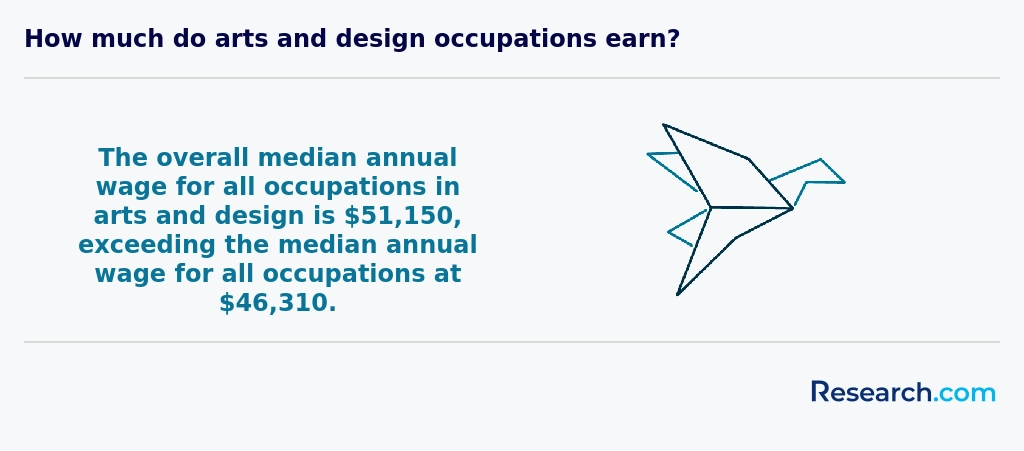
Fine arts degree programs in New Jersey generally include a blend of hands-on studio courses and theoretical studies, a balance that graduates from institutions like Rutgers and Montclair State often describe as vital. Typical studio classes encompass drawing, painting, sculpture, and digital art, where students engage deeply with materials and techniques, sometimes staying late in campus studios to refine their work. This practical focus builds strong foundational skills crucial for artistic growth.
Alongside these, courses in art history and theory play an equally important role. Graduates recall lively classroom discussions analyzing different art movements and cultural contexts, which sharpen their critical thinking. Classes in contemporary art practices and portfolio development further prepare students to navigate today's evolving art world, adding relevance to their work.
Some might argue that this traditional curriculum could undervalue emerging digital trends, yet many New Jersey programs respond by integrating digital design and visual storytelling. This approach equips students with versatile skills, enhancing their confidence in both gallery settings and digital platforms.
Students pursuing a fine arts degree in New Jersey often encounter a wide range of specializations that reflect both traditional practices and modern innovations. Graduates from popular colleges in the state share how programs focusing on painting and drawing offer a deep dive into mastering various media such as oils and charcoal, while sculpture courses challenge them to create three-dimensional works with clay or metal, blending hands-on craftsmanship with contemporary theory. Those who chose photography or graphic design emphasize how these paths combine technical skill and creative expression, preparing them for diverse visual communication careers.
Many appreciate the option to study animation and digital arts, which resonates strongly with students aiming for film or gaming industries, showing how New Jersey fine arts program concentrations evolve alongside technology. Others find that combining these specializations with interdisciplinary studies enhances their career prospects. For students concerned about cost, exploring affordable mfa programs can provide good alternatives.
Choosing the best fine arts degree programs New Jersey offers involves weighing many factors beyond surface appeal. Graduates from well-known universities often emphasize the importance of accreditation and program reputation as a benchmark for quality and future recognition of their degree. However, accreditation alone does not guarantee a perfect fit; students must explore curriculum balance carefully. For instance, some prefer colleges that combine rigorous art theory with extensive studio work, while others seek specialized tracks in digital media or sculpture to align with their creative goals.
Cost considerations are equally nuanced. While affordable fine arts colleges in New Jersey may reduce financial strain, prospective students recall budgeting for additional expenses like art supplies and workshops. Faculty mentorship often emerges as a decisive factor-graduates report that personalized guidance and industry connections from experienced professors boosted their confidence and career prospects. Campus culture and location also play an essential role; New Jersey's proximity to New York City enriches student exposure to galleries and exhibitions, creating opportunities that extend classroom learning.
For those seeking flexibility, it may be worth exploring an accelerated bachelor's degree online Texas to complement or enhance their study options while maintaining ties to New Jersey's vibrant art scene.

Graduates with a fine arts degree in New Jersey have diverse career paths, reflecting both traditional and emerging opportunities. Many find roles as professional artists, illustrators, or graphic designers in local studios and galleries, especially leveraging the state's proximity to cultural centers like New York City. Those pursuing art degree job prospects New Jersey often benefit from networking and building strong portfolios to secure positions in competitive creative industries.
Others choose education, obtaining teaching credentials to work in public or private schools throughout New Jersey. For example, graduates from well-known institutions like Rutgers or Montclair State University share how additional certification requirements can be a challenge but ultimately rewarding, blending passion with community impact. Arts administration and museum curation also appeal to graduates, with museums in Newark or Princeton providing real-world experience managing exhibitions and public programs.
The intersection of technology and fine arts creates new roles in digital media, animation, and game design. Students may explore these fields while attending prominent local colleges, where combining traditional skills with tech innovation fosters enthusiasm and creativity. For those questioning the investment, understanding options like the easiest associates degree to get can offer alternative pathways without sacrificing aspirations.
Graduates holding a fine arts degree in New Jersey face a job market that blends creative fulfillment with practical challenges. Many fine arts students from well-known state universities find opportunities in graphic design, art teaching, and multimedia production, leveraging the state's close ties to cultural centers like New York City and Philadelphia. This dynamic region offers diverse roles, but competition remains intense, especially for traditional artist positions. Understanding the fine arts job outlook in New Jersey helps students realistically navigate career paths by considering versatile roles such as museum assistant or animator.
Students from popular New Jersey colleges frequently share experiences of balancing creativity with emerging digital skills, enabling them to adapt. Employment growth projections in multimedia arts appear positive, suggesting graduates with technical abilities may find more openings. Tuition costs vary widely across New Jersey institutions, influencing decisions about pursuing scholarships or part-time work during studies.
Fine arts careers often involve freelance and self-employment models, requiring financial planning and flexibility. For those curious about career and income potential beyond New Jersey, exploring the most valuable bachelor's degrees can provide helpful context.
2027 Most Popular Fine Arts Degree Programs Ranking in New Jersey
Investing in your education is a significant decision that requires careful consideration, and the Research.com team recognizes the importance of providing trustworthy guidance. To support prospective students in New Jersey, we have developed the "2027 Most Popular Fine Arts Degree Programs Ranking in New Jersey" with a strong focus on quality, credibility, and accuracy. Our dedicated research process draws from multiple authoritative sources to deliver a comprehensive and reliable evaluation. We utilized the following reputable data sources to create this ranking:
Exploring this ranking will provide valuable insights into the most popular and respected fine arts degree programs available in New Jersey, empowering readers to make well-informed educational decisions. For a deeper understanding of the ranking process, please visit our Research.com methodology page.


Frequently Asked Questions About fine arts
Fine arts degree students in New Jersey can maximize their learning by engaging actively with the state's vibrant arts community. Participating in local galleries, theaters, and art festivals complements academic coursework and offers practical experience. Many New Jersey colleges, such as Montclair State University and Rutgers, provide access to professional studios and exhibition spaces, enhancing hands-on learning. Networking with regional artists and attending workshops can also help students build important industry connections.
Internships are another valuable opportunity. According to the National Association of Colleges and Employers, arts students who complete internships have a higher employment rate after graduation. New Jersey's proximity to New York City expands possibilities for internships in major galleries and cultural institutions.
Emerging niches within the fine arts field in New Jersey reflect broader trends in technology and cultural diversity. Areas like digital media arts and animation are growing rapidly, driven by demand in entertainment and advertising industries. According to the National Endowment for the Arts, digital art enrollment in New Jersey colleges increased by over 20% in the last five years.
Another expanding niche is community-based art, which focuses on social engagement and cultural expression. This approach is supported by local grants and public art programs across New Jersey cities like Newark and Jersey City.
Finally, interdisciplinary fields combining fine arts with technology, such as virtual reality installations, offer new career pathways. These niches are increasingly emphasized in fine arts curricula at New Jersey institutions, preparing students for diverse professional opportunities.
Graduates with fine arts degrees in New Jersey can enhance their job market readiness by developing a strong portfolio showcasing diverse skills and styles. According to the National Endowment for the Arts, visual arts employment in New Jersey grew by 4% from 2019 to 2022, highlighting increasing opportunities. Networking through local art organizations like the New Jersey State Council on the Arts is crucial for building industry connections.
Internships and freelance projects provide practical experience and help build a professional reputation. Additionally, understanding digital tools and marketing oneself on social media platforms can improve visibility. Career centers at New Jersey colleges often offer workshops on resume writing and interview skills tailored to fine arts careers.
Employers in New Jersey value a mix of creative and practical skills in fine arts degree graduates. Strong artistic ability is essential, but skills such as digital proficiency in tools like Adobe Creative Suite are increasingly important. Communication is another key skill, as graduates must effectively present their work and collaborate with clients or teams. According to the National Endowment for the Arts, employers also seek problem-solving abilities and adaptability, especially given the evolving nature of artistic careers.
In New Jersey's competitive arts market, having business skills such as marketing and project management can enhance job prospects. Additionally, portfolio development is critical to showcase versatility and technical knowledge.
Finding internships in New Jersey relevant to a fine arts degree involves a strategic approach. Students should start by contacting the career services departments at their colleges, which often maintain partnerships with local galleries, museums, and creative studios. According to the National Endowment for the Arts, New Jersey supports over 2,000 arts organizations, offering numerous internship opportunities.
Networking within the state's arts community is vital. Joining organizations like the New Jersey State Council on the Arts can provide leads on internships and events where students can connect with professionals. Additionally, exploring cultural hubs in cities like Newark and Princeton increases chances of finding relevant positions.
Online platforms such as Handshake and the New Jersey Council for the Humanities job board also list arts internships localized to the state. Students are encouraged to build strong portfolios and apply early, as many programs have limited openings.
A fine arts degree in New Jersey can positively affect career mobility and advancement by equipping graduates with diverse creative skills valued in various industries. According to the National Endowment for the Arts, New Jersey's arts sector employs over 100,000 people, providing opportunities beyond traditional art roles, such as design, media, and education.
Graduates often find pathways into roles that require critical thinking, creativity, and technical expertise, which are increasingly sought after in the state's competitive job market. Additionally, networking within New Jersey's vibrant arts communities can open doors to galleries, museums, and cultural institutions.
Continuing education and certifications further enhance career prospects and mobility within and beyond the fine arts field in New Jersey.
Studying for a fine arts degree in New Jersey equips students with diverse skills that bridge creative and practical disciplines. Many universities in the state emphasize interdisciplinary collaboration, combining visual arts with digital media, design, and technology. According to the National Center for Education Statistics, New Jersey colleges frequently offer cross-listed courses that engage students in multiple art forms and related fields.
This approach prepares graduates for careers not only in traditional art roles but also in areas like animation, graphic design, and arts administration. Hands-on projects and internships foster teamwork across departments, reflecting real-world industry needs. Students gain adaptability and critical thinking, vital for evolving creative industries.
Choosing between a thesis and a non-thesis fine arts degree program in New Jersey depends on your career goals and learning preferences. Thesis programs typically require a significant research project or creative portfolio, ideal for students aiming for academic careers or advanced study. Non-thesis options focus more on coursework and practical skills, suiting those seeking direct entry into artistic professions.
In New Jersey, institutions like Rutgers University offer both paths, with thesis formats involving detailed project submissions. According to the National Center for Education Statistics, about 40% of fine arts graduate students nationwide complete a thesis, reflecting its importance in academia.
Consider your long-term plans and consult with advisors to select the best fit for your goals.
Students based in New Jersey interested in studying fine arts abroad have several opportunities through partnerships and exchange programs offered by local universities. For example, institutions like Rutgers University and Montclair State University provide study abroad options in countries renowned for arts education, including Italy and France. These programs allow students to earn credits that count toward their New Jersey-based degrees.
Additionally, New Jersey students can consider prestigious international art academies through independent application. The U.S. Department of Education's Open Doors report highlights that about 3% of U.S. study abroad participants pursue arts-related fields, making fine arts one of the smaller but significant study abroad categories.
Financial aid and scholarships for study abroad are also available, helping New Jersey students manage costs while gaining exposure to global art techniques and history. Organizations like CIEE and IES Abroad often collaborate with New Jersey schools to facilitate these experiences.
Part-time job opportunities in New Jersey that complement fine arts degree education often focus on practical experience and artistic skill development. Many students find roles as art tutors or teaching assistants at local community centers or schools, which helps reinforce foundational techniques while building communication skills.
Working as a gallery assistant or museum staff member in cultural institutions like the Newark Museum of Art provides exposure to professional art environments and networking opportunities. Freelance graphic design or illustration work is also common, offering hands-on experience with digital tools.
According to the Bureau of Labor Statistics, art-related positions in New Jersey are expected to grow moderately, emphasizing the value of early career experience.
Fine arts students in New Jersey benefit from numerous networking opportunities that connect them with professionals and peers. Many colleges offer access to local galleries, art fairs, and exhibitions in hubs like Newark and Jersey City, fostering community engagement. The New Jersey State Council on the Arts supports events and artist residencies, which provide valuable visibility and collaboration chances. Students can also join regional chapters of national organizations such as the College Art Association or meet industry leaders through internships at museums and studios. According to the National Center for Education Statistics, over 30% of New Jersey fine arts graduates participate in internships linked to their programs, enhancing career prospects.
Alumni networks provide valuable support for fine arts degree students in New Jersey by creating connections with experienced professionals. These networks connect current students with graduates working in local galleries, theaters, and design firms, increasing job opportunities.
Many New Jersey fine arts programs emphasize strong alumni relations, fostering mentorships that can guide students through career development. According to the New Jersey Higher Education Partnership, over 60% of arts graduates reported finding employment through alumni contacts within a year of graduation.
This access to industry insights and networking events helps students build practical skills and establish reputations in competitive creative fields.
Customizing a fine arts degree program in New Jersey involves selecting courses and experiences that align with your specific career goals. Many New Jersey colleges offer concentrations such as painting, sculpture, digital media, or art history, allowing students to focus on their preferred medium or career path. Elective courses and internships provide practical experience, critical for building a portfolio or gaining industry connections.
Students can also engage with local art communities, galleries, and studios. According to the National Center for Education Statistics, New Jersey has over 15 accredited institutions offering fine arts degrees, enabling diverse specialization options.
Advisors typically assist in tailoring course schedules to meet professional ambitions in teaching, gallery management, or studio art.
Fine arts students in New Jersey often face financial challenges due to high tuition fees and the costs associated with materials and studio space. According to the National Endowment for the Arts, funding for arts education in the US has fluctuated, impacting resources available to students.
Another common challenge is finding professional opportunities after graduation. The competitive job market in the arts sector requires strong portfolios and networking, which can be difficult for new graduates without local industry connections.
Additionally, balancing creative exploration with academic requirements can be stressful, as many programs demand both technical skill mastery and conceptual development.
With a fine arts degree in New Jersey, graduates can pursue several professional certifications to enhance their career prospects. One common path is earning a New Jersey Teaching Certificate in Art Education, which qualifies individuals to teach art in K-12 public schools. The state requires passing the Praxis Art: Content and Analysis exam for certification, supported by the New Jersey Department of Education.
Artists can also seek certification as a Certified Graphic Designer through organizations like the Graphic Artists Guild, improving credibility in commercial art fields. Additionally, some pursue credentials in art therapy, requiring certification from the Art Therapy Credentials Board (ATCB), which may involve graduate study beyond the fine arts degree. These certifications help graduates stand out in New Jersey's competitive creative economy.
To write a winning application for a fine arts program in New Jersey, start by researching targeted schools' specific requirements, as each institution may emphasize different portfolio elements or essays. New Jersey's fine arts programs often request a portfolio showcasing a range of artistic skills and personal style, which should be curated carefully to demonstrate both technical ability and creativity.
Strong letters of recommendation from art instructors or professionals familiar with your work can enhance your application. Additionally, writing a clear, compelling personal statement that explains your passion for fine arts and your goals can set you apart.
According to the National Center for Education Statistics, New Jersey boasts a growing number of institutions offering fine arts, making a well-prepared application essential for admittance and potential scholarships.
The global perspective on a fine arts career is increasingly diverse, reflecting broader cultural exchanges and technological advances. Fine arts graduates from the US, including New Jersey, often find opportunities beyond traditional studio work in fields like digital media, animation, and design. According to the National Endowment for the Arts, the US arts workforce grew by 18% from 2010 to 2020, highlighting expanding career paths.
New Jersey's proximity to New York City offers unique benefits, connecting artists to global markets and audiences. The Bureau of Labor Statistics notes that multimedia artists and animators earned a median salary of $78,790 nationally in 2022, a promising figure for fine arts graduates aiming for international relevance.
Gaining practical experience while studying for a fine arts degree in New Jersey is essential for skill development and career readiness. Many New Jersey colleges offer internships through partnerships with local galleries, theaters, and art organizations, providing students with real-world exposure. For example, the New Jersey Council on the Arts supports internships and residencies that help students connect with the state's vibrant arts community. Additionally, students often participate in campus exhibitions and collaborative projects, which are common in fine arts curricula. Volunteering at regional events like the Newark Arts Festival also offers hands-on learning opportunities.
Faculty members frequently encourage students to engage in community art programs and freelance projects. Such practical work complements academic study and can enhance portfolios for future job markets. According to the National Endowment for the Arts, New Jersey ranks high in arts employment, making internships and hands-on experiences particularly valuable for career prospects in the state.
Choosing the right concentration within a fine arts degree program in New Jersey requires careful consideration of your personal interests and career goals. Common concentrations include painting, sculpture, graphic design, and photography. According to the New Jersey Commission on Higher Education, many institutions provide specialized tracks reflecting the state's vibrant art scene.
Evaluate the curriculum offered and whether it emphasizes traditional techniques or digital arts, as New Jersey arts organizations increasingly seek graduates with versatile skills. Visit campus studios and review faculty expertise to understand which concentrations offer strong mentorship.
Additionally, consider internship opportunities within New Jersey's creative industries to gain practical experience and network locally. The National Center for Education Statistics reports that the employment rate for fine arts graduates in New Jersey shows steady growth, suggesting demand for diverse artistic skills.
- 2027 Most Popular Fine Arts Degree Programs Ranking in New York
- 2027 Most Popular Fine Arts Degree Programs Ranking in Rhode Island
- 2027 Most Popular Fine Arts Degree Programs Ranking in Virginia
- 2027 Most Popular Fine Arts Degree Programs Ranking in Ohio
- 2027 Most Popular Fine Arts Degree Programs Ranking in Kentucky
- 2027 Most Popular Fine Arts Degree Programs Ranking in New Hampshire
- 2027 Most Popular Fine Arts Degree Programs Ranking in South Carolina
- 2027 Most Popular Fine Arts Degree Programs Ranking in Maine
- 2027 Most Popular Fine Arts Degree Programs Ranking in Indiana
- 2027 Most Popular Fine Arts Degree Programs Ranking in Michigan
- 14 art niche ideas and how to determine yours https://www.gelato.com/blog/art-niche-ideas
- How to Network as an Artist - AGI Fine Art Blog https://agifineart.com/advice/the-art-of-reputation-how-to-network-if-youre-an-emerging-artist/
- What Alumni Say https://www.cityandguildsartschool.ac.uk/ma-fine-art/student-and-alumni-case-studies/
- Alumni network - ESMA https://www.esma-artistique.com/en/outreach/alumni-network/
- Is a thesis always mandatory in a master's degree program? - EFMU: The Euler-Franeker Memorial University and Institute https://euler.euclid.int/is-a-thesis-always-mandatory-in-masters-degree-program/
- Study Fine Arts Abroad – Top Universities & Careers https://thearchinternational.com/fine-arts/
- Fine Arts https://en.uap.edu.pl/admission/programmes/fine-arts/
- Internships https://www.mfa.org/working-at-the-mfa/internships
- Bachelor of Arts in Visual Art https://georgian.edu/academics/undergraduate-programs/ba-visual-art/
- Careers in Fine Art https://www.artcenter.edu/academics/undergraduate-degrees/fine-art/careers-in-fine-art.html


