
2027 Most Popular Fine Arts Degree Programs Ranking in New York

Co-Founder and Chief Data Scientist
Choosing the right fine arts degree in New York can shape your creative future and open exciting career paths. To help you navigate this important decision, the Research.com team of data scientists has developed the 2027 Most Popular Fine Arts Degree Programs Ranking in New York. This carefully researched ranking highlights programs that offer valuable opportunities for artistic growth and professional success.
Reading this article will give you clear insights and confidence as you explore your options. Pursuing a fine arts degree can be a rewarding journey filled with inspiration and personal achievement.
Key benefits of getting fine arts degree in New York
- Salary benefits: Graduates in fine arts often find rewarding roles like Animator, earning an average annual wage of $109,630, or Illustrator with $71,420, highlighting strong earning potential in New York's creative market.
- Career paths: A fine arts graduate from a renowned New York college might explore diverse roles such as graphic artist or art therapist, offering dynamic and fulfilling opportunities across multiple industries.
- Online degree advantages: Completing a fine arts degree online from a respected New York university offers flexibility and accessibility, enabling students to balance education with work or personal commitments while still gaining respected qualifications.
- 2027 Most Popular Fine Arts Degree Programs Ranking in New York
- What can I expect from fine arts degree in New York?
- Where can I work with fine arts degree in New York?
What can I expect from fine arts degree in New York?
The average cost of pursuing a fine arts degree in New York varies significantly depending on the institution but typically ranges around $7,000 per year for in-state students at public universities like those in the CUNY system. Graduates from these programs often share how this affordability allowed them to focus more on developing their artistic skills rather than worrying about financial burdens. For example, students attending CUNY campuses experience accessible tuition rates while benefiting from proximity to New York's vibrant galleries and art communities.
Private institutions such as the School of Visual Arts or Pratt Institute generally charge higher tuition. However, many students find that generous scholarships and financial aid specifically for fine arts help ease costs. These students frequently highlight the value of hands-on studio classes and networking opportunities provided by these well-established art schools, which contribute to their career readiness.
Balancing tuition costs with available financial aid and real-world experience through internships can make a fine arts education in New York both affordable and highly rewarding.
Where can I work with fine arts degree in New York?
Graduates with a fine arts degree in New York often find themselves thriving in dynamic roles within the city's vibrant art ecosystem. Many secure positions in renowned institutions like MoMA or the Whitney Museum, working as curators, educators, or program coordinators. Alumni from schools such as the School of Visual Arts or Pratt Institute frequently share how internships in these venues helped them build valuable networks and practical skills.
Others pursue teaching careers in public schools or community programs throughout New York State. Fine arts graduates with degrees from SUNY Purchase or the New York Academy of Art mention the rewarding experience of leading creative classes, supported by steady demand and state certification opportunities.
The commercial arts sector, including graphic design and multimedia roles, is another promising path. Many graduates find entry-level opportunities at advertising agencies or media companies based in New York City, where creativity meets business innovation. Real-world experience during university projects often prepares students for these competitive environments.
For those seeking independence, working from personal studios or participating in artist-run spaces and exhibitions offers fulfilling possibilities. Graduates often describe the excitement of showcasing work at citywide art fairs, benefiting from local funding programs like the Jerome Foundation that help launch emerging artist careers.
Graduates with a fine arts degree in New York can expect varied earnings depending on their career path. For example, illustrators in the state earn a mean annual wage of around $71,420, while graphic artists make about $64,700. Those who pursue animation, a high-demand field often taught at schools like Pratt Institute or the School of Visual Arts, can earn significantly more, with an average salary near $109,630. This higher figure reflects New York City's strong media and entertainment sectors.
Art therapists also find promising salaries around $75,660 annually, providing a stable option that blends creativity with helping others. Graduates who become art teachers in New York schools earn an average of $70,740, which aligns with many fine arts alumni from SUNY or CUNY who enjoy rewarding teaching careers.
New York-based fine arts graduates often start with lower earnings but build financial success by freelancing or securing commissions. Leveraging university networks and urban galleries helps, as many find additional income through exhibitions or residencies that enrich their portfolios and income streams.
- Fine arts degrees in New York cover areas such as painting, sculpture, graphic design, photography, and digital media.
- Tuition for public institutions averages $10,000 to $15,000 per year for in-state students, while private colleges often charge over $40,000 annually.
- Additional costs include art supplies, studio fees, and living expenses, which increase the overall price of education.
- Entry-level salaries for fine arts roles typically range between $35,000 and $45,000 per year.
- Experienced fine arts graduates can earn between $60,000 and $70,000 or more annually.
- Career options include work in galleries, museums, design firms, advertising agencies, and the entertainment industry.
Completing a Bachelor of Fine Arts degree in New York generally takes about four years for full-time students at well-known schools like the Pratt Institute or the School of Visual Arts. These graduates often describe a rewarding journey balancing studio work, art history, and theory across eight semesters. Many find the structured schedule helpful for maintaining consistent progress while exploring their creativity.
For students managing work or other commitments, part-time options are available, which can extend completion time but offer flexibility. Some have taken advantage of summer sessions or accelerated course loads to finish earlier, though this requires strong dedication and careful planning.
Those pursuing a Master of Fine Arts usually spend two to three years immersed in advanced projects and critical research, building professional portfolios that tap into New York's vibrant art community. Alumni often share that this intense period boosts confidence and sharpens their artistic vision, making the time investment well worth it.
Accreditation serves as a critical quality benchmark for Fine Arts programs in New York, assuring students and employers that a school meets rigorous academic and industry standards. Most reputable institutions are accredited by the National Association of Schools of Art and Design (NASAD) and recognized by the U.S. Department of Education through the Council for Higher Education Accreditation (CHEA). Before applying, verify a program’s accreditation status on the institution’s website or via the CHEA database to ensure your degree will be respected by employers, galleries, and graduate schools. Programmatic accreditation not only influences educational quality but also affects eligibility for federal financial aid and transferability of credits. For instance, NASAD accreditation requires schools to maintain specific faculty credentials, facility standards, and curriculum rigor-key factors that underpin the value of your investment. Additionally, graduates from accredited programs often qualify for professional certifications and memberships in organizations like the College Art Association (CAA) or the American Institute of Graphic Arts (AIGA), enhancing career prospects in teaching, curating, and design. As the popularity of online degrees grows, many students explore virtual Fine Arts options without sacrificing academic integrity. When comparing on-campus and online offerings, look for the same institutional and programmatic accreditations, and consider affordability by reviewing our list of the cheapest online master of fine arts degree programs. These accredited online MFA programs combine flexibility with the assurance of quality, ensuring your degree holds weight in a competitive job market. In summary, prioritizing accreditation and professional recognition will safeguard the credibility of your Fine Arts education in New York, unlock financial and career opportunities, and position you for success-whether you pursue campus-based studios or accredited online MFA pathways.
Choosing between online and on-campus fine arts degrees in New York depends largely on your learning style and lifestyle. Students attending schools like the School of Visual Arts or Pratts Institute often share how on-campus programs immerse them in hands-on studio work and in-person critiques, which sharpen tactile skills like painting and sculpture. The energy from face-to-face feedback and gallery exhibitions in NYC's vibrant art scene creates an inspiring environment hard to replicate online.
Online students appreciate the flexibility schools like SUNY offer, enabling them to balance work or family while studying asynchronously. Though they miss spontaneous studio access, many use video demos and digital portfolios to demonstrate progress. Graduates mention investing in quality tech and supplies to stay competitive. Networking shifts online but remains accessible, especially through virtual galleries and citywide events.
Cost and accreditation are practical factors. On-campus tuition can reach $40,000 annually, whereas online options often reduce fees, though technology costs add up. Always check for NASAD accreditation to ensure your degree's value in New York's art job market.
New York’s dynamic art scene extends far beyond the classroom. Prospective Fine Arts students not only benefit from a rigorous curriculum but also thrive in a campus environment buzzing with creative energy. From collaborative studio projects and interactive art exhibitions to lively student organizations and industry networking events, campus life here offers an immersive experience that shapes both your artistic and professional journey. Many campuses host regular workshops, guest lectures by renowned artists, and portfolio review sessions that foster a continuous exchange of ideas. For example, several of the best fine arts schools in new york are celebrated for their vibrant campus communities that encourage mentoring relationships and real-world collaborations, making every day an opportunity to grow as an artist. These environments not only help in honing creative skills but also build a resilient network that supports your future career in the arts.
The average cost of a fine arts degree in New York typically amounts to around $50,782, based on recent median total cost data. For in-state students, this figure tends to be lower, roughly $39,338, making public institutions like SUNY Purchase College appealing for those seeking affordable tuition paired with quality arts education. Students who choose private schools, such as Pratt Institute or the School of Visual Arts, often experience higher expenses, but many graduates reflect positively on the personalized attention and advanced facilities that help cultivate their artistic talents.
Fine arts degree tuition and expenses New York students face also include essential costs beyond just tuition. Fine arts students often invest significantly in supplies-paints, canvases, digital equipment-which can add up quickly throughout their studies. Living expenses in New York City, like housing and transportation, further contribute to the total cost and are important to consider when budgeting for your education.
Many students pursuing a fine arts degree in New York find that scholarships and financial aid lessen the financial load, enabling more focus on their creativity and craft. Exploring work-study options or part-time jobs within or near campus can also help manage these expenses effectively. For those researching where to apply, viewing the best fine arts schools in new york may provide insight into institutions balancing cost and educational quality.
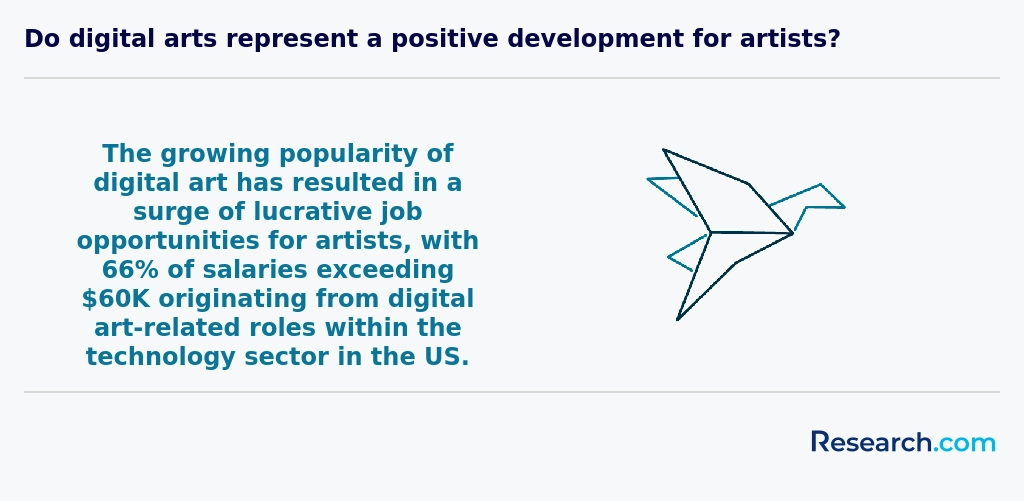
One often-overlooked aspect of a Fine Arts education is the vibrant campus culture and creative community that fuels artistic growth and innovation. Beyond rigorous coursework, students thrive in environments where collaboration, feedback, and extracurricular experiences become a vital part of their learning journey. New York’s art institutions are renowned not only for their robust academic programs but also for nurturing creative ecosystems through student-run exhibitions, interactive workshops, and industry networking events. For example, many budding artists explore the diverse opportunities available at best fine arts schools in new york, where campus clubs and multimedia events foster a spirit of innovation and personal expression. This vibrant community supports both academic and professional development, offering mentorship opportunities with seasoned artists and access to state-of-the-art facilities. Whether you’re engaging in impromptu studio sessions, critiquing your peers’ work, or collaborating on interdisciplinary projects, the immersive campus experience in New York helps you build not only a powerful portfolio but also lifelong connections that can spark future career advancements.
Students pursuing fine arts degrees in New York can access a variety of financial aid options designed to ease the high costs associated with studio fees and specialized supplies. Graduates from institutions like Pratt Institute and the School of Visual Arts often emphasize the importance of filling out the FAFSA early to secure federal Pell Grants, which can provide up to $7,395 annually without requiring repayment.
New York residents benefit from state-specific programs such as the Tuition Assistance Program (TAP), offering grants up to $6,165 per year, and the Excelsior Scholarship, which enables tuition-free study at SUNY or CUNY schools for households earning less than $125,000. Many fine arts students use these to cover a substantial portion of their costs while focusing on creative growth.
Merit-based scholarships awarded by colleges often recognize artistic talent, rewarding committed students who excel in portfolios and academic performance. Others look into private scholarships from national organizations specializing in the arts, which can be game changers in managing expenses.
Work-study programs further support students by providing flexible campus jobs, allowing fine arts students to stay engaged without compromising their work time for art projects. Many graduates share how combining these resources created a financially manageable path to completing their degrees.
The vibrant campus life in New York’s Fine Arts programs plays a crucial role in shaping a student’s creative journey and professional future. Beyond the classroom, students immerse themselves in diverse activities-from gallery visits and collaborative projects to interactive workshops and industry events-that foster creative growth and a strong sense of community. Engaging with peers and professionals within a culturally rich environment helps you build lasting networks that translate into internship opportunities, mentorship, and career support after graduation. Many institutions offer on-campus studios, exhibitions, and artist talks that not only enhance your technical skills but also prepare you for the competitive art world. For instance, exploring resources provided by the best fine arts schools in new york can give you deeper insights into programs where campus culture and networking are integral to student success. Whether it’s through collaborative projects, informal meet-ups, or formal networking events, the student life experience is designed to nurture both your artistic talents and your professional ambitions.
To enroll in a fine arts degree program in New York, you must first hold a high school diploma or its equivalent for undergraduate studies, while graduate programs require a related bachelor's degree. Graduates from schools like The Pratt Institute often highlight how creating a strong portfolio was their key to admission; this artistic collection showcases creativity and skill, directly influencing acceptance chances.
Alongside your portfolio, prepare academic transcripts demonstrating your educational background. Many applicants at The School of Visual Arts found that maintaining solid grades helped balance the subjective portfolio review. Some programs also ask for letters of recommendation from art mentors or professionals, which personalizes your application by vouching for your commitment and talent.
Finally, expect interviews or statements of purpose to articulate your artistic vision and aspirations. Many students recall feeling motivated during these conversations, as articulating their passion helped them connect with admissions staff. Planning ahead for these steps will strengthen your application to New York's competitive fine arts programs.

Immersing yourself in a Fine Arts program goes far beyond classroom learning; it’s about building a community and thriving in an environment that sparks creativity every day. In New York, campus life is vibrant and rich with unique opportunities-from hands-on workshops and collaborative studio projects to art clubs and cultural events that mirror the pulse of the city. Students often find that the dynamic campus culture not only fuels their artistic passion but also helps establish long-lasting connections with peers, mentors, and industry professionals. Storytelling evenings, portfolio review sessions, gallery visits, and live performances are integral parts of experiencing student life at institutions offering top-tier art education. For a closer look at the exceptional environments that nurture creative minds, explore the best fine arts schools in new york and discover how their communities empower students to turn artistic visions into reality. Whether you’re attending workshops at a historic art institute or collaborating on innovative projects in a modern studio, New York’s campus experiences are designed to support your growth both academically and artistically, setting a solid foundation for a bright future in the arts.
In New York, fine arts degrees emphasize a mixture of practical and academic courses that prepare you for a dynamic art career. Graduates from schools like the School of Visual Arts and Pratt Institute often recall early semesters packed with hands-on studio classes such as drawing, painting, sculpture, and digital media. These foundational studios let you experiment actively, building confidence and technical skills.
Alongside this, expect courses in art history and contemporary art studies, where you gain insight into artistic movements and sharpen your critical thinking. Many students find that understanding design principles and color theory deepens their creative choices, whether working with traditional paints or digital tools.
Photography, printmaking, and portfolio development are common too, helping you cultivate a versatile skillset and prepare for post-graduation opportunities. Several programs also include art criticism and theory classes that encourage reflecting on cultural impacts, which recent graduates say enrich their artistic perspective in meaningful ways.
Additionally, fine arts programs often offer electives in animation, illustration, or arts management, reflecting New York's vibrant creative scene and enabling you to tailor your education to your unique interests.
Fine arts degree specializations in New York cover a wide spectrum, from traditional disciplines like painting and sculpture to modern fields such as photography, digital media, and graphic design. Graduates from popular colleges in New York often highlight how these programs blend classical training with contemporary techniques, equipping students with both technical skills and creative insight. For instance, those focusing on graphic design benefit from New York's vibrant advertising scene, gaining market-relevant expertise that opens doors to diverse creative careers.
Other notable specializations include animation, art therapy, and curatorial and museum studies, which attract students seeking interdisciplinary approaches combining psychology, technology, or management. Many students appreciate that these diverse options allow them to tailor their education to their specific passions and career goals while staying connected to the state's artistic community. Exploring these choices can help prospective students find the right program and budget fit, with resources available to identify the cheapest online master of fine arts degree programs.
To choose the best fine arts degree in New York, start by identifying programs that match your artistic interests and career goals. Graduates from schools like Pratt Institute often highlight how specialized curricula in areas such as sculpture or digital media gave them confidence and a competitive edge. Consider faculty who are active professionals, as their industry contacts can open doors to internships and exhibitions, crucial for building your portfolio and network.
Affordability is another key factor when searching for affordable fine arts colleges New York offers. Public colleges' lower tuition rates appeal to many, but private institutions provide unique resources that may justify higher costs. New York's high living expenses mean you should carefully evaluate financial aid and scholarships. Urban campuses provide access to galleries and creative hubs, enriching your experience. Many students recommend visiting campuses or connecting with current enrollees to get a real sense of community and support. For those balancing pace and rigor, a fast paced bachelor degree online can also be an effective option to consider.
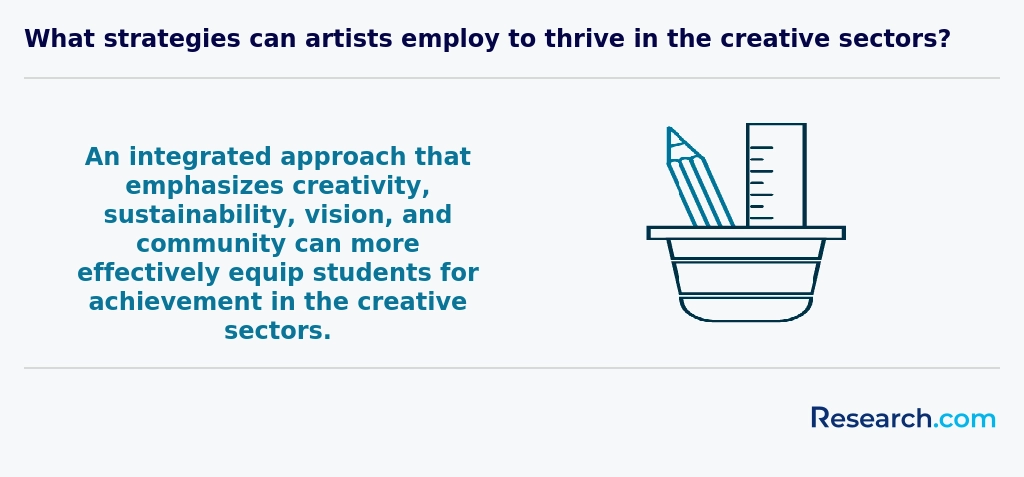
Fine arts graduates in New York have numerous career paths, from professional artistry to education and design. Graduates from prominent schools in NYC often find opportunities exhibiting in local galleries or securing commissions, benefiting from the city's vibrant art community. Jobs for fine arts graduates New York include graphic design roles, where average salaries exceed national levels, and fields like multimedia or fashion design, leveraging the city's creative industry hubs.
Teaching art is another popular route, with many graduates obtaining certification to teach in public schools or universities across New York State. This path allows for the rewarding experience of inspiring young artists. Graduates also explore arts administration or curatorship roles in museums, using their artistic background alongside management skills.
Additionally, working as an illustrator, freelancing, or entering entertainment sectors such as set design are practical options. Those seeking advanced credentials often pursue further studies, balancing costs and benefits; for affordable options, consider looking into the cheapest online masters available.
The fine arts degree job opportunities New York offers are varied but highly competitive. Graduates from institutions like the School of Visual Arts or Pratt Institute often navigate crowded galleries, museums, and creative agencies, where building a strong portfolio and networking are essential. Many find roles in traditional mediums like painting or sculpture, while others expand into graphic design or digital art, leveraging internships and connections made during their studies.
New York fine arts career outlook remains promising due to the city's dense cultural industry. Arts graduates frequently engage with nonprofit organizations or commercial galleries, which collectively contribute over 3% of the state's workforce, opening diverse job avenues. However, freelancing and contract work are common early steps, requiring persistence and adaptability. To offset education costs-which can be $30,000 to $70,000 yearly-students explore scholarships and financial aid options, including opportunities at colleges online that accept fafsa.
2027 Most Popular Fine Arts Degree Programs Ranking in New York
Investing in your education is a significant decision that can shape your future, and the Research.com team understands the importance of making informed choices. To assist prospective students in New York, we have meticulously developed the "2027 Most Popular Fine Arts Degree Programs Ranking in New York." Our commitment to quality, credibility, and accuracy is demonstrated by the thorough research and careful analysis behind this ranking.
We utilized the following reputable data sources to ensure a comprehensive evaluation of fine arts degree programs:
By exploring this ranking, readers will gain valuable insights into the most popular and reputable fine arts programs in New York, enabling them to make well-informed decisions about their educational journeys. For more information about how this ranking was created, please visit our Research.com methodology page.


Frequently Asked Questions About fine arts
Fine arts degree students in New York can maximize their learning by engaging deeply with the city's rich cultural resources. New York is home to over 100 museums and galleries, including the Museum of Modern Art and the Whitney Museum, which offer invaluable exposure to diverse artistic styles and histories. Hands-on experience through internships at these institutions or in local art studios significantly enhances practical skills.
Networking is also crucial; New York hosts numerous art fairs and events, providing opportunities to connect with industry professionals. According to the National Center for Education Statistics, internships increase job placement rates by 23% for fine arts graduates nationwide.
Furthermore, combining formal coursework with participation in community art projects helps students apply their learning in real-world settings. Staying updated with digital art trends and technologies, widely available in New York's tech-friendly art schools, is equally important to remain competitive.
Emerging niches within the fine arts field in New York reflect both technological advances and cultural shifts. Digital art and interactive media have grown rapidly, driven by the city's vibrant tech and creative industries. Programs focusing on virtual reality (VR) and augmented reality (AR) are increasingly popular among fine arts students seeking innovative forms of expression.
Environmental art and socially engaged art practices also gain prominence, as artists use their work to address climate change and social justice issues, resonating strongly with New York's diverse communities. Data from the National Center for Education Statistics shows a 15% enrollment increase in such interdisciplinary fine arts programs statewide between 2018 and 2023.
New media, incorporating video game design and animation, further expand opportunities for fine arts graduates. These evolving sectors underscore a broader definition of fine arts in New York's academic institutions.
Graduates with fine arts degrees in New York should focus on building a strong professional portfolio showcasing their best work. This portfolio is essential for applying to galleries, design firms, and creative agencies.
Networking plays a critical role. Participating in local art shows, workshops, and internships can connect students with established professionals. According to the New York State Department of Labor, fine arts jobs grew by 5% between 2019 and 2022, primarily in metropolitan areas.
Additionally, understanding digital tools such as Adobe Creative Suite or 3D modeling software enhances employability. New York's rich cultural environment offers many opportunities, but graduates must proactively engage with its competitive market.
Employers hiring fine arts graduates in New York prioritize a blend of creative and practical skills. Strong artistic ability remains essential, especially in disciplines like painting, sculpture, and digital media. However, New York's competitive job market also demands proficiency in technical tools such as Adobe Creative Suite and 3D modeling software. According to the National Endowment for the Arts, 60% of fine arts employers in urban areas like New York expect graduates to demonstrate effective communication and collaboration skills.
Additionally, adaptability and project management are vital, given the fast-paced nature of New York's art scene. Networking skills are often highlighted, as many opportunities arise through professional connections and exhibitions.
Finding internships in New York related to a fine arts degree involves leveraging the city's extensive cultural resources. Many students begin by exploring opportunities at major institutions like the Museum of Modern Art and the Guggenheim, which often offer structured internship programs.
Universities in New York typically provide career services that connect fine arts students with internships in galleries, studios, and nonprofit arts organizations. According to the National Association of Colleges and Employers, approximately 45% of fine arts internships in NYC lead to job offers, highlighting their importance.
Networking through local art events and joining professional groups such as the New York Foundation for the Arts can also open doors to internships in this competitive market.
A fine arts degree in New York significantly enhances career mobility and advancement opportunities within the state's dynamic creative sector. According to the U.S. Bureau of Labor Statistics, New York employs the largest number of artists and designers in the country, making it a competitive market that values formal education and specialized skills. Graduates with fine arts degrees often gain access to professional networks, internships, and galleries that can accelerate career growth.
Moreover, the New York State Education Department recognizes credentials from accredited institutions, which can improve job prospects in teaching and specialized art roles. Salaries for fine arts professionals in New York are on average 15% higher than the national median, reflecting the market's premium on skilled talent. This degree is thus a valuable asset for those seeking advancement in galleries, design firms, or cultural institutions statewide.
Studying for a fine arts degree in New York offers unique preparation for interdisciplinary roles by integrating diverse artistic disciplines with emerging technologies and cultural studies. New York's institutions emphasize collaboration between fields such as visual arts, digital media, performance, and design. According to the National Center for Education Statistics, over 30% of fine arts programs in New York encourage cross-department projects, promoting skills beyond traditional studio practices.
Students often engage with local industries, including advertising, film, and tech startups, gaining practical experience that blends creativity with business and technology. This environment equips graduates to navigate roles requiring both artistic vision and technical expertise.
Choosing between a thesis and a non-thesis fine arts degree program in New York depends on your career goals and learning preferences. A thesis program typically requires a significant research or creative project, ideal for students planning to pursue advanced study or academic careers. In contrast, non-thesis programs focus more on practical skills and portfolio development, suitable for those aiming to enter the professional art world promptly.
According to the National Center for Education Statistics, New York hosts over 30 institutions offering fine arts degrees, many providing both options. Consider if you prefer in-depth research or studio work environment when deciding.
Financially, thesis programs may extend study duration slightly, potentially increasing costs and living expenses. Meanwhile, non-thesis tracks can be completed quicker, advantageous for those eager to join the workforce.
Review specific program curricula carefully and consult academic advisors to ensure alignment with your artistic and professional aspirations.
Students based in New York seeking to study fine arts abroad have several options through partnerships and exchange programs offered by US institutions. Many prominent New York schools, including the School of Visual Arts and Pratt Institute, maintain affiliations with European and Asian art academies, allowing students to earn credits overseas while pursuing a degree. According to the Institute of International Education, nearly 4% of US students in fine arts participate in study abroad programs, often choosing countries like Italy, France, and Japan for their rich artistic heritage.
Programs typically last a semester or a full academic year, blending studio practice with art history courses. These experiences provide valuable cross-cultural perspectives that enhance artistic development.
Students pursuing fine arts degrees in New York have access to diverse part-time job opportunities that bolster their education. Common roles include teaching art classes at community centers or after-school programs, which help develop communication and leadership skills.
Working as gallery assistants or museum attendants is another viable option, offering practical experience in curation and exposure to various art styles. New York's vast art scene provides opportunities for freelance illustration, design, or photography, which can build a professional portfolio.
According to the New York State Department of Labor, arts-related part-time jobs grew 4% from 2020 to 2023, reflecting increasing demand for creative professionals in the state.
New York offers exceptional networking opportunities for fine arts students through its vibrant arts scene and numerous educational institutions. Students often connect with peers, faculty, and industry professionals via workshops, gallery openings, and student exhibitions. According to the National Endowment for the Arts, New York ranks highest among U.S. states in the number of arts organizations, enhancing student access to internships and collaborative projects.
Universities such as the School of Visual Arts and Pratt Institute frequently host networking events featuring established artists and alumni. Additionally, organizations like the New York Foundation for the Arts provide resources and mentorship programs specifically tailored to emerging artists.
Alumni networks play a crucial role in supporting fine arts degree students in New York by offering valuable career connections. Graduates can access exclusive art openings, gallery internships, and mentorship programs, increasing their chances of entering competitive creative fields.
In New York, where the arts sector is highly concentrated, strong alumni ties can open doors to renowned institutions such as the Museum of Modern Art and numerous independent galleries. According to a 2022 report from the National Endowment for the Arts, over 40% of fine arts graduates find their first job through personal or professional connections.
These networks also foster collaboration and resource sharing, giving students insight into industry trends and funding opportunities, including artist residencies prevalent in the region.
Fine arts degree programs in New York offer various options to tailor your education toward specific career goals. Many institutions provide concentration areas such as painting, sculpture, digital media, or graphic design, allowing students to focus on their preferred discipline.
New York schools often enable customization through elective courses and interdisciplinary study, combining fine arts with technology, business, or education. This flexibility is vital for careers in arts management or digital content creation.
Internships and partnerships with local galleries and cultural organizations provide hands-on experience and networking opportunities, crucial for professional growth.
According to the National Center for Education Statistics, New York awarded over 1,200 fine arts degrees in 2022, reflecting robust program availability and diversity.
Fine arts students in New York often face high tuition costs, with average annual fees exceeding $30,000 at private institutions, such as the School of Visual Arts and Pratt Institute. Financial pressures can lead to significant student debt, a common barrier in the state's competitive market. Additionally, intense competition for gallery space and internships creates challenges in gaining professional exposure.
Access to affordable studio space is another concern, as New York City ranks among the most expensive urban areas nationwide. Many students struggle to find environments conducive to large-scale projects. According to the National Center for Education Statistics, balancing coursework with part-time work is also a frequent hurdle for fine arts students here.
Graduates with a fine arts degree in New York can pursue several professional certifications to enhance their careers. Popular options include certification in arts education, such as the New York State Initial Certificate for teaching art in public schools. This allows graduates to become licensed art teachers, meeting state requirements through completion of a teacher preparation program and passing required exams.
For those interested in art therapy, certification through the Art Therapy Credentials Board (ATCB) is a recognized path. Licensed Creative Arts Therapists (LCAT) can practice in New York, combining artistic skills with mental health practices.
Additionally, certifications in graphic design software, such as Adobe Certified Expert (ACE), are valuable for fine arts graduates entering commercial art fields.
Applying to fine arts programs in New York demands a well-prepared portfolio showcasing your best work, as many institutions prioritize creative ability over grades. According to the National Center for Education Statistics, top New York art schools often require 10 to 20 pieces demonstrating technical skills and originality. Alongside the portfolio, a compelling personal statement explaining your artistic vision and motivation is essential. New York programs value candidates who understand local art scenes and express unique perspectives. Letters of recommendation from art teachers or professionals further strengthen the application. Meeting deadlines and tailoring materials to each program's specific criteria greatly enhance your chances of admission.
Global perspectives on a fine arts career emphasize diverse opportunities influenced by cultural, economic, and technological factors. In the United States, including New York, fine arts graduates benefit from a vibrant arts scene valued worldwide for innovation and creativity. According to the National Endowment for the Arts, New York employs the highest number of artists in the country, reinforcing its status as an arts hub.
Internationally, many countries increasingly support interdisciplinary arts careers, linking fine arts with digital media, design, and entrepreneurship. This trend reflects in New York's fine arts programs, which often include global art history and contemporary practices.
Students pursuing fine arts degrees in New York can expect curricula informed by global market demands and growing sectors such as galleries, museums, and arts education, fostering adaptability and cross-cultural skills vital for success in a globalized arts economy.
Gaining practical experience while pursuing a fine arts degree in New York is crucial for building skills and a professional portfolio. Many New York institutions offer internship opportunities at renowned galleries, theaters, and art studios, providing hands-on experience in diverse artistic environments.
Students can also participate in community art projects and exhibitions, which are abundant throughout the city. According to the National Endowment for the Arts, New York ranks highest among states for nonprofit arts organizations, creating numerous venues for student involvement.
Additionally, some schools partner with local museums and cultural centers, offering practicum credits that integrate real-world projects into the curriculum.
When choosing a concentration within a fine arts degree program in New York, students should first assess their personal interests and strengths. Popular concentrations include painting, sculpture, digital media, and performance art. According to the National Center for Education Statistics, about 25% of fine arts students in New York pursue visual arts disciplines, reflecting strong local industry ties.
Researching faculty expertise and available facilities at each institution can influence this decision. Many New York schools offer connections to galleries and art communities, valuable for career development. Evaluating how a concentration aligns with career goals, such as roles in museums, design, or media, is also critical. Reviewing alumni outcomes may provide additional insight into program success.
- 2027 Most Popular Fine Arts Degree Programs Ranking in New Jersey
- 2027 Most Popular Fine Arts Degree Programs Ranking in Rhode Island
- 2027 Most Popular Fine Arts Degree Programs Ranking in New Hampshire
- 2027 Most Popular Fine Arts Degree Programs Ranking in Ohio
- 2027 Most Popular Fine Arts Degree Programs Ranking in Virginia
- 2027 Most Popular Fine Arts Degree Programs Ranking in Maine
- 2027 Most Popular Fine Arts Degree Programs Ranking in Kentucky
- 2027 Most Popular Fine Arts Degree Programs Ranking in South Carolina
- 2027 Most Popular Fine Arts Degree Programs Ranking in Indiana
- 2027 Most Popular Fine Arts Degree Programs Ranking in Michigan
- Art Internships: Your Complete Guide | Sotheby's Institute of Art https://sothebysinstitute.com/articles/art-internships-your-complete-guide/
- New York Academy of Art | MFA Programs, Online Classes + More https://nyaa.edu/
- What Can You Do With a Degree in Studio Art or Art History? - Brooklyn College https://www.brooklyn.edu/art/art-degree/
- What is Fine Arts? Meaning, Scope & Careers Explained https://jgu.edu.in/opjgublog/what-is-fine-arts/
- Is a thesis always mandatory in a master's degree program? - EFMU: The Euler-Franeker Memorial University and Institute https://euler.euclid.int/is-a-thesis-always-mandatory-in-masters-degree-program/
- Know more about thesis vs non- thesis: what is the difference? https://studyfans.com/en/blogs/816
- New York Academy of Art https://www.academyeverywhere.com/collections/degree-programs
- Art Jobs in New York | NY State Jobs in Arts and Culture #1 https://artjobs.artsearch.us/job-postings/new-york-ny-usa/
- Standards & Guidelines » CAA Guidelines https://www.collegeart.org/standards-and-guidelines/guidelines/mfa
- Support the New York Studio School. https://nyss.org/academics/mfa/


