
2027 Most Popular Fine Arts Degree Programs Ranking in Pittsburgh

Co-Founder and Chief Data Scientist
Choosing the right fine arts degree program can be an exciting yet challenging step for students in Pittsburgh. To help you navigate this journey, this article presents the 2027 Most Popular Fine Arts Degree Programs Ranking in Pittsburgh created by the Research.com team of data scientists.
By exploring these programs, you'll gain valuable insights into the best options available and find the path that aligns with your passion and goals. Pursuing a fine arts degree opens doors to creativity, growth, and rewarding career opportunities, making your educational investment truly worthwhile.
Key benefits of getting fine arts degree in Pittsburgh
- Salary for fine arts degree graduates: Graduates in Pittsburgh can expect strong earning potential, with illustrators earning around $71,420 and animators making up to $109,630 annually, showing rewarding financial prospects in creative fields.
- Career paths: Graduates from institutions like Carnegie Mellon University find opportunities in diverse roles such as graphic artists and animators, allowing for dynamic and fulfilling careers that blend creativity with technology.
- Online degree benefits: Earning a fine arts degree online from Pittsburgh-based universities offers flexibility and accessibility, helping students balance work, life, and study while still gaining valuable skills to succeed professionally.
- 2027 Most Popular Fine Arts Degree Programs Ranking in Pittsburgh
- What can I expect from fine arts degree in Pittsburgh?
- Where can I work with fine arts degree in Pittsburgh?
What can I expect from fine arts degree in Pittsburgh?
Expect the cost of a fine arts degree in Pittsburgh to vary significantly depending on your choice of school and residency status. Public institutions like the University of Pittsburgh offer more affordable tuition for in-state students, making it a practical option for many locals. Graduates often recall balancing tuition with scholarships or work-study programs, which are frequently available through school foundations or organizations like the College Art Association.
Private schools such as Carnegie Mellon University tend to have higher tuition but provide innovative programs that integrate technology with traditional art, which many find worth the investment. Students commonly share that financial planning early on-exploring grants and financial aid-is key to easing the burden without sacrificing the quality of education.
In real terms, an in-state student at a public university can expect to pay less yearly tuition than out-of-state or private school students, who might budget several thousand dollars more. Combining this with available financial aid yields a more manageable cost, allowing students to focus on developing their creative skills and building strong portfolios for competitive art careers.
Where can I work with fine arts degree in Pittsburgh?
Graduates from fine arts programs at Pittsburgh's universities, such as Carnegie Mellon and the University of Pittsburgh, often find fulfilling roles in local galleries, museums, and cultural centers. Jobs like curators at the Carnegie Museum of Art or exhibition designers at the Andy Warhol Museum are common career paths. These institutions provide practical experience and strong networks that recent grads appreciate as they build their portfolios.
Many also leverage Pittsburgh's lively theater scene by working in set or costume design at venues like Pittsburgh Public Theater. This hands-on involvement brings creative projects to life and sharpens professional skills in real time. For those drawn to teaching, jobs in public and private schools throughout the city offer steady demand and chances to engage directly with young art enthusiasts.
Other graduates tap into Pittsburgh's advertising firms or start-ups, combining digital skills with artistic talent to create innovative multimedia content. Freelance opportunities abound, too-selling pieces at the Three Rivers Arts Festival or collaborating with tech companies developing user interfaces makes careers both varied and rewarding.
Fine arts graduates in Pittsburgh typically find a range of salary outcomes depending on their career choice. For instance, graphic designers with a fine arts background can expect to earn around $64,700 annually nationwide, though salaries in Pittsburgh average closer to $50,000 due to regional differences. Graduates from institutions like Carnegie Mellon University and the University of Pittsburgh often start with these figures but grow their income through experience and portfolio development.
Illustrators may command higher wages, with a national mean annual salary of $71,420, while animators, a rapidly expanding field, can earn an average of $109,630 a year across the U.S. Graduates who move into art therapy roles also see promising incomes near $75,660 annually. These numbers highlight the value of diversifying skills and exploring emerging creative sectors within Pittsburgh's growing arts scene.
Graduates working in Pittsburgh's competitive arts market often balance freelance projects with gallery or museum collaborations, such as those offered by The Andy Warhol Museum, which can enhance reputations and income over time.
- Tuition for fine arts degrees in Pittsburgh ranges from about $15,000 to $35,000 per year for full-time undergraduate students.
- Entry-level salaries after graduation average between $35,000 and $40,000 annually, increasing to $50,000-$65,000 with experience.
- Pittsburgh offers various job opportunities in graphic design, illustration, gallery curation, teaching, and multimedia art within its cultural sector.
- Many local institutions provide internships and cooperative education programs to help students gain practical experience and build networks.
- Scholarships and financial aid specific to fine arts students are often available to reduce education costs.
Completing a fine arts degree in Pittsburgh generally takes about four years for an undergraduate Bachelor of Fine Arts (BFA). Students at schools like Carnegie Mellon College of Fine Arts and the University of Pittsburgh typically balance around 120 to 130 credit hours, mixing general education with specialized studio work. Many graduates recall how the structure helped them steadily build practical skills while exploring creative theories.
Graduate students pursuing a Master of Fine Arts (MFA) should expect two to three years, depending on whether they study full-time or part-time. Several Pittsburgh universities offer focused MFA programs in painting, sculpture, or multimedia arts, and students often appreciate the flexibility to extend their studies if needed. For example, some opt for summer courses to finish sooner, while others balance art alongside other responsibilities, which naturally lengthens their timeline.
Graduates often mention how tuition costs-ranging from roughly $11,000 annually at public institutions to over $60,000 at private ones-influence their course load decisions, affecting completion time. Thoughtful planning around finances and course schedules can help you maintain momentum and reach your goal efficiently.
Studying Fine Arts in Pittsburgh, PA is not just about classroom learning – it's about immersing yourself in a vibrant campus culture that fuels your creative journey. Students benefit from state-of-the-art studio spaces, on-campus galleries, and regular workshops led by established artists, all of which foster a collaborative atmosphere where ideas flourish. Beyond academic pursuits, campuses offer numerous extracurricular activities such as student-run art collectives, cultural festivals, and networking events that connect you with local galleries, museums, and industry professionals. This dynamic environment not only enhances your portfolio but also builds lifelong relationships that can shape your future career. For those looking to compare programs and explore opportunities in broader art communities, consider checking out best popular fine arts colleges for even more insights and rankings. Embracing the campus experience in Pittsburgh means engaging with hands-on projects, community collaborations, and real-world applications that prepare you for a fulfilling career in the arts.
Online and on-campus fine arts degrees in Pittsburgh differ mainly in delivery and experience. On-campus students at schools like Carnegie Mellon University enjoy direct access to studios and face-to-face critiques, making hands-on practice and immediate feedback a normal part of their routine. Imagine working late in a campus art lab, surrounded by peers and mentors who can instantly guide your technique. This immersive setting often leads to a strong sense of community and artistic growth.
Conversely, online students gain flexibility to balance education with work or family responsibilities, studying from any location. Programs may ship materials and arrange virtual studio critiques, but the tactile aspect can feel limited. Graduates often appreciate developing self-discipline and digital communication skills essential for modern art careers.
Both paths maintain accreditation, so consider your learning style and daily commitments. If you thrive in hands-on, interactive environments, Pittsburgh's campuses offer rich resources. If flexibility is key, online options provide viable alternatives without sacrificing degree recognition.
Accreditation is the cornerstone of any reputable Fine Arts degree program in Pittsburgh, PA. Regional accreditation (e.g., Middle States Commission on Higher Education) ensures institutions meet rigorous academic and operational standards, while programmatic accreditation-such as National Association of Schools of Art and Design (NASAD) or National Association of Schools of Music (NASM)-validates the curriculum and faculty expertise in specific disciplines. When evaluating program quality, look for:
- Accreditation status: Verify both institutional and programmatic credentials on official accreditor websites.
- Faculty qualifications: Seek programs with professors who hold terminal degrees (MFA, PhD) and maintain active exhibition or performance portfolios.
- Facilities and resources: State-of-the-art studios, digital labs, galleries, rehearsal spaces, and darkrooms indicate strong institutional investment.
- Industry connections: Partnerships with local museums, theaters, and design firms offer internship pipelines and networking opportunities. Affordability often correlates with accreditation transparency-programs that openly publish cost breakdowns tend to align with higher quality standards. For students comparing tuition and fees across states, our Most Affordable Fine Arts Degree Programs Ranking in Iowa highlights institutions that balance cost with accredited excellence. By prioritizing accredited programs, you safeguard your eligibility for federal financial aid, streamline credit transfers for graduate studies, and enhance employer recognition of your degree. Always confirm accreditation before applying, and consult institutional accreditation reports to ensure your Fine Arts education delivers both artistic growth and long-term professional value.
The average cost of a fine arts degree in Pittsburgh is around $57,426, which reflects a median total cost accounting for tuition, fees, and living expenses. Graduates from schools like Carnegie Mellon and the University of Pittsburgh often recall managing a budget carefully, balancing the higher tuition at private institutions with scholarships or part-time work. Public universities tend to offer more affordability, especially for in-state students, but the overall investment still requires thoughtful financial planning.
Tuition and fees for fine arts programs vary considerably; private schools can charge up to $60,000 annually, while public universities in Pennsylvania offer lower rates for residents. Beyond tuition, students typically budget an additional $1,000 to $3,000 each year for essential art supplies and materials, which are vital for hands-on projects and portfolios. Living expenses in Pittsburgh are often more reasonable compared to larger cities, usually falling between $12,000 and $15,000 annually. This helps ease the overall financial pressure, enabling students to focus more on creativity and studio work.
Prospective students should explore the full scope of costs, including tuition, materials, and living expenses, to build a realistic picture of the financial commitment. Many who chose fine arts degrees in this area find a rewarding balance between cost and quality education. For a deeper dive into options and guidance, consider checking out the best popular fine arts colleges in Pennsylvania to find programs that match both your artistic goals and budget.
A strong portfolio or audition can make the difference between acceptance and rejection when applying to Fine Arts programs in Pittsburgh, PA. Begin by selecting 8–12 of your best works that showcase a range of techniques and media-think charcoal sketches, color studies, and mixed-media pieces. Label each piece with title, dimensions, medium, and creation date to give reviewers context. For digital submissions, photograph artwork in high resolution against neutral backgrounds and compile images into a single PDF no larger than 10 MB. If you’re pursuing music or theatre, schedule mock auditions with local instructors or peers. Prepare 2–3 contrasting pieces-a classical selection and a contemporary work-that highlight your technical skill and artistic interpretation. Record yourself performing and critique tone, timing, and stage presence. For actors, include a short monologue reel; for musicians, add a brief interview explaining your artistic goals to demonstrate communication skills. Organize your portfolio or audition materials in a clear, logical order: start with your strongest piece, end with one that ties into your creative vision. Include a one-page artist statement or program note summarizing your influences, methods, and long-term aspirations. This narrative helps admission committees connect your work to your personal journey and future growth. As you plan for graduate study, you may also want to research cost-effective MFA options. For instance, many applicants compare top programs alongside the cheapest mfa programs to balance quality and affordability in their artistic careers.
Fine arts students in Pittsburgh should start by submitting the FAFSA to access federal aid like the Pell Grant, which can provide up to $7,395 annually without repayment. A graduate from Carnegie Mellon recalls how federal work-study jobs on campus funded their art supplies while gaining relevant experience, easing financial stress.
Next, explore Pennsylvania's state grants through PHEAA. Many in-state fine arts students at the University of Pittsburgh benefit from the Pennsylvania State Grant, which can reduce tuition by about $4,000 depending on financial need and residency. This greatly helped one recent graduate manage costs without taking excessive loans.
Don't overlook institutional scholarships. Carnegie Mellon and the University of Pittsburgh offer awards for merit and portfolio quality, some even supporting summer projects. Graduates often describe how these scholarships made advanced workshops and shows financially accessible.
Lastly, apply for private scholarships from local arts groups like The Pittsburgh Foundation. These often require proof of artistic talent but provide anywhere from $1,000 to several thousand dollars, helping students afford materials and studio time, which can be a huge relief.
Pittsburgh’s dynamic art scene extends well beyond the classroom, creating a vibrant campus life for Fine Arts students. From immersive studio sessions and gallery-sponsored exhibitions to lively workshops and off-campus cultural events, students experience an enriching environment that complements their academic journey. Engaging with local artists, collaborating on innovative projects, and participating in community-driven art initiatives are integral parts of the experience. Many institutions also offer dedicated spaces for creative expression-from state-of-the-art studios to on-campus galleries-which serve as hubs for inspiration and networking. This close-knit community not only fuels creativity but also fosters lasting connections that can jumpstart your career. For additional insights on how various schools support these immersive experiences, check out our detailed overview at best popular fine arts colleges. Whether you are exploring collaborative projects, internships, or cultural events, the vibrant student life and supportive campus culture in Pittsburgh make it an ideal setting for aspiring artists to thrive both personally and professionally.
To enroll in a fine arts degree program in Pittsburgh, you must first hold a high school diploma or GED, a baseline requirement at universities like the University of Pittsburgh and Carnegie Mellon. Graduates often recall how their solid academic record in art and literature helped them get noticed during admissions. Next, prepare a strong portfolio showcasing your artistic range-drawings, paintings, digital art, or sculptures-that highlights both technical skill and personal style. Schools in Pittsburgh emphasize portfolios heavily, as they reveal your creativity and dedication.
Letters of recommendation are another key prerequisite. Many students ask art teachers or mentors who understand their growth and passion for arts to write these, adding a personal touch to their application. A well-crafted personal statement explaining your artistic journey and goals is also often required, helping schools envision your contribution to their creative community. Lastly, check if programs need standardized test scores, though this is less common post-pandemic.
Pursuing a Fine Arts degree in Pittsburgh, PA isn’t just about rigorous coursework-it’s also about immersing yourself in a vibrant campus community that nurtures creativity, collaboration, and personal growth. Students enjoy a host of extracurricular activities ranging from artist collectives and on-campus galleries to community art projects and local internships, all of which create an inspiring environment that goes beyond traditional classroom learning. Many institutions host regular exhibitions, workshops, and networking events, allowing you to interact with visiting artists, alumni, and local arts professionals. These enriching experiences not only help refine your artistic vision but also build lasting relationships that can open doors in your future career. For those looking to compare opportunities, you might explore the best popular fine arts colleges in the area. Ultimately, a lively campus life coupled with a supportive arts community in Pittsburgh can play a pivotal role in shaping both your academic journey and creative career.
Fine arts degree programs in Pittsburgh typically include a well-rounded mix of traditional and modern courses, carefully designed to build both skill and creativity. Graduates from schools like Carnegie Mellon University often highlight the balance they found between classic studio work-such as drawing, painting, and sculpture-and digital media courses. For example, mastering oil and acrylic painting techniques alongside learning graphic design software prepares students for diverse artistic paths.
Many students appreciate taking art history classes that cover everything from Renaissance art to contemporary movements, which help contextualize their own creations. At institutions like the University of Pittsburgh, students frequently share how hands-on studio work and exhibition projects boosted their confidence and real-world readiness.
Typical courses you can expect include figure studies focusing on anatomy, advanced sculpture using various materials, and critical theory classes that challenge your aesthetic viewpoints. These practical experiences combined with academic depth make Pittsburgh's fine arts degrees especially valuable for building a strong portfolio and securing relevant job opportunities.
When choosing a fine arts degree specialization in Pittsburgh, you'll find practical options that reflect both creative passions and market demands. Common tracks include studio art, where students at local universities develop skills in painting, drawing, and sculpture, honing their personal style through hands-on projects. Graduates often share how this emphasis on technical skill combined with conceptual growth prepared them well for freelance or gallery work.
For students interested in Pittsburgh fine arts programs and concentrations tied to digital creativity, graphic design and animation offer promising career paths. These specializations focus on digital tools and storyboarding, with many graduates landing internships at the city's advertising agencies or media startups. Photography and theatre arts are also popular, providing a strong blend of technical and performance skills used in Pittsburgh's vibrant cultural scene.
Those aiming for museum or gallery roles often choose art history, benefiting from programs that integrate Pittsburgh's historic art institutions. If affordability is a concern, compare local costs with national averages and explore options like the cheapest mfa programs to balance quality and price.
Start by examining the curriculum focus at Pittsburgh's top art colleges to ensure it matches your artistic goals. Graduates from well-known institutions often praise programs that balance traditional fine arts like painting and sculpture with modern digital media, which broadens creative opportunities. Visiting campus facilities to see studio spaces and digital labs in action can reveal how equipped you'll be to develop your skills.
Consider faculty expertise-programs with practicing artists or scholars often offer mentorship that leads to local gallery shows or internships, essential for building your network within Pittsburgh's vibrant art scene. In addition, check the program's accreditation and job placement rates, as these reflect the practical value of your degree.
On budgeting, remember that public universities in Pennsylvania typically cost around $12,000 yearly for in-state students, while private colleges can be much higher. Exploring financial aid and scholarships helps keep costs manageable. For guidance on affordable options, see the Most Affordable Fine Arts Degree Programs Ranking in Iowa.
Engage with alumni or current students to hear about real-world experiences, which clarifies what to expect. This hands-on approach will help you choose the best fine arts degree programs in Pittsburgh that align with both your passion and practical needs.

Pittsburgh offers a variety of fine arts career opportunities that graduates from local universities can realistically pursue. Many find success as visual artists who partner with neighborhood galleries or studios to showcase paintings and sculptures. Graduates often leverage internships and networks connected to schools like Carnegie Mellon University to land roles as graphic designers for media companies or advertising agencies.
The city's commitment to arts education means art educators often secure teaching positions in K-12 schools or community centers. Others explore paths as museum or gallery curators, particularly at institutions such as the Carnegie Museum of Art, gaining hands-on exhibition experience. For those interested in digital creativity, illustrators and animators take advantage of Pittsburgh's growing gaming and multimedia sectors.
Fine arts graduates also tap into the expanding local creative industry by working as set and costume designers for theater and film productions. Practical experience, coupled with a degree, allows them to confidently navigate Pittsburgh's job prospects for fine arts graduates Pittsburgh.
For students balancing costs, considering the quickest associate degree programs online can provide flexible options while gaining needed skills.
Graduates with a fine arts degree in Pittsburgh face a varied job market blending traditional artistic roles with expanding creative industries. Many find steady work in graphic design, multimedia arts, or art direction within the city's vibrant cultural scene, especially near institutions like the Andy Warhol Museum. Local graduates from Carnegie Mellon University and the University of Pittsburgh often leverage experience in digital arts and animation, tapping into tech-driven opportunities aligned with Pittsburgh's innovative economy. Fine arts degree job opportunities Pittsburgh include roles with galleries, theaters, and digital media companies that value creative and technical skills.
Competition remains strong for classic artist roles such as painters and sculptors, with many graduates supplementing income by freelancing or teaching. Those pursuing academic positions at local universities experience positive outcomes, although additional certification is commonly required. For students weighing education costs against job prospects, exploring certificates that pay well can provide practical advantages alongside their degree. Employment outlook for fine arts graduates Pittsburgh encourages adaptable training that combines artistic talent with business or management skills to thrive in nonprofit or arts administration roles.
2027 Most Popular Fine Arts Degree Programs Ranking in Pittsburgh
Investing in your education is a significant decision that can shape your future, and the Research.com team understands the importance of making informed choices. To assist prospective students and art enthusiasts, we have meticulously developed the "2027 Most Popular Fine Arts Degree Programs Ranking in Pittsburgh." Our dedication to quality, credibility, and accuracy is demonstrated through thorough research and careful analysis. We utilized the following reputable data sources to compile this ranking:
By exploring this ranking, readers will gain valuable insights into the most popular fine arts degree programs available in Pittsburgh, empowering them to make informed and confident decisions about their educational futures. For more details on how this ranking was created, please visit our Research.com methodology page.

# 2 position
University of Pittsburgh-Pittsburgh Campus
Doctor of Philosophy in History of Art and Architecture


Frequently Asked Questions About fine arts
Fine arts degree students in Pittsburgh can enhance their learning by engaging actively with the city's vibrant arts community. Pittsburgh hosts numerous galleries and theaters, such as the Andy Warhol Museum and the Pittsburgh Center for the Arts, which offer students opportunities for internships and real-world exposure. According to the National Endowment for the Arts, involvement in local arts organizations correlates with improved career prospects for fine arts graduates.
Additionally, students should take advantage of collaborations between universities and local studios that provide workshops and exhibitions. Attending events like the Three Rivers Arts Festival helps students network and build professional connections. Practical experience combined with academic study is crucial for skill development and future employment in the creative economy.
The fine arts field in Pittsburgh is witnessing growth in several emerging niches that blend traditional creativity with technology. One notable area is digital media art, which combines visual arts with digital technology, reflecting Pittsburgh's expanding tech industry. According to the Pittsburgh Cultural Trust, demand for digital artists has risen by 15% over the past five years.
Another emerging niche is socially engaged art, where artists collaborate with communities to address social issues. This aligns with Pittsburgh's strong focus on community revitalization and diversity. Additionally, there is increasing interest in art therapy programs, supported by local healthcare institutions, integrating fine arts with mental health services.
These niches offer new career pathways for students pursuing fine arts degrees in Pittsburgh, bridging creativity and real-world applications.
After earning a fine arts degree in Pittsburgh, preparing for the job market involves building a strong professional portfolio. Employers in arts-related fields value demonstrated skills, so showcasing diverse work samples is essential. Networking with local galleries, art organizations, and Pittsburgh's creative communities can open career opportunities. According to the Pennsylvania Department of Labor, fine arts careers in Pennsylvania are expected to grow by 2% through 2030, highlighting the importance of experience and connections.
Internships in museums or design studios provide practical skills and industry insight. Additionally, attending job fairs and workshops hosted by institutions like the Carnegie Museum of Art can enhance employability. Continuous education in digital tools and marketing is recommended to remain competitive.
Employers in Pittsburgh's fine arts sector prioritize a blend of creative and practical skills in graduates. Strong artistic techniques, such as drawing, painting, or digital media, form the foundation. However, proficiency in art software like Adobe Creative Suite is increasingly vital.
Communication skills are also essential, as artists often collaborate with clients and other professionals. According to the Pittsburgh Cultural Trust, 68% of local galleries value project management and client relations alongside artistic ability.
Additionally, adaptability and business knowledge help graduates navigate Pittsburgh's competitive arts market. Skills in marketing and entrepreneurship can improve job prospects and career sustainability within the region's vibrant cultural scene.
Finding internships in Pittsburgh relevant to a fine arts degree involves targeting local institutions known for supporting the arts. The city hosts numerous galleries, museums, and theaters, such as the Andy Warhol Museum and Pittsburgh Center for the Arts, which often offer internship opportunities tailored to fine arts students. Networking through university career centers at schools like Carnegie Mellon University and the University of Pittsburgh is also crucial, as they frequently connect students with internships at regional arts organizations.
Additionally, platforms like Handshake and internships.com list arts-related positions in Pittsburgh. According to the Pittsburgh Cultural Trust, internships in fine arts can provide hands-on experience in curation, installation, and art education, essential for building a professional portfolio and gaining industry contacts.
A fine arts degree in Pittsburgh can positively impact career mobility and advancement, especially in creative industries such as design, media, and galleries. According to the Pittsburgh Cultural Trust, the city's arts sector contributes over $1 billion annually to the local economy, signaling healthy job opportunities for graduates.
Many fine arts programs in the region emphasize practical skills alongside theory, preparing students for diverse roles such as curators, graphic designers, or art educators. Networking opportunities through Pittsburgh's active arts communities also enhance job prospects. Data from the National Endowment for the Arts shows that artists with formal education tend to experience higher earnings and more frequent job promotions than those without degrees in the field.
Moreover, Pittsburgh's affordable cost of living allows emerging artists and professionals to build portfolios and advance careers without excessive financial burden.
Studying for a fine arts degree in Pittsburgh offers a unique foundation for interdisciplinary roles by blending traditional art training with opportunities in technology, design, and cultural studies. Local universities like Carnegie Mellon and the University of Pittsburgh emphasize collaborative projects that connect fine arts with fields such as computer science and media production. According to the National Center for Education Statistics, Pittsburgh institutions report growing enrollment in programs that encourage cross-disciplinary learning.
Students also benefit from the city's vibrant arts scene and partnerships with museums and tech firms, fostering skills relevant beyond classical art careers. This approach equips graduates for roles in creative industries, education, and emerging digital platforms.
Choosing between a thesis and a non-thesis fine arts degree program in Pittsburgh often depends on your career goals. A thesis program requires a substantial research project or a creative work presentation, suitable for students aiming for academic or specialized professional paths. Pittsburgh's universities, such as Carnegie Mellon and the University of Pittsburgh, offer diverse options, with thesis tracks typically leading to Master of Fine Arts (MFA) degrees focusing on deep research or creative practice.
Non-thesis programs generally emphasize coursework and practical skills, appealing to those seeking direct entry into the arts industry or community-based roles. According to the National Center for Education Statistics, about 40% of fine arts graduates in Pennsylvania select non-thesis paths due to their flexible structure.
Students based in Pittsburgh who wish to study fine arts abroad have several pathways through their home institutions. Many universities in Pittsburgh, such as Carnegie Mellon University and the University of Pittsburgh, offer exchange programs and study abroad opportunities tailored for fine arts students. These programs often partner with European and Asian art schools, allowing students to immerse themselves in influential art cultures.
According to the Institute of International Education's 2023 Open Doors report, about 15% of US fine arts students engage in study abroad, with European countries being the most popular destinations. These opportunities enable Pittsburgh students to earn academic credit while experiencing diverse artistic traditions and practices.
Financial aid and scholarships are commonly available to support such experiences, making international fine arts education accessible for Pittsburgh learners seeking global exposure within their degree program.
Students pursuing fine arts degrees in Pittsburgh have access to various part-time job opportunities that complement their education. Popular options include working as gallery assistants or art handlers at local institutions like the Carnegie Museum of Art. These roles provide practical experience in art management and curation.
Another option is assisting with community art programs organized by Pittsburgh's vibrant nonprofit sector, such as Pittsburgh Center for the Arts. This offers hands-on teaching and project coordination skills.
Additionally, freelance work in digital design or commissioned artwork leverages developing creative talents while fitting flexible schedules.
Fine arts students in Pittsburgh have access to a rich network of opportunities to build professional connections. The city is home to several respected institutions like Carnegie Mellon University and the University of Pittsburgh, which host art exhibitions, workshops, and guest lectures frequently. These events encourage students to engage with established artists and industry professionals.
Local organizations such as the Pittsburgh Center for the Arts and the Society for Contemporary Craft provide regular networking events and exhibitions, allowing students to showcase work and meet peers. According to the Pittsburgh Cultural Trust, more than 1.5 million visitors attend art events annually, offering extensive exposure for emerging artists.
Additionally, internships and collaborative projects facilitated by university programs often connect students with galleries, museums, and design firms throughout the city. These experiences are crucial for career development in the competitive fine arts field.
Alumni networks play a crucial role for fine arts degree students in Pittsburgh by providing access to professional connections within the local art community. These networks often include graduates actively engaged in galleries, museums, and design firms throughout the city, offering mentorship and career advice beneficial for emerging artists. According to the National Endowment for the Arts, Pittsburgh's vibrant creative sector employs over 22,000 artists and related professionals, making these networks essential for job placement and exhibition opportunities. Through alumni events, workshops, and online platforms, students gain exposure to industry trends and potential collaborators, enhancing their career prospects in a competitive field.
In Pittsburgh, students pursuing fine arts degrees can tailor their programs through elective courses and specialized tracks aligned with their career goals. Many institutions offer concentrations such as painting, sculpture, graphic design, or digital media, allowing learners to develop skills directly relevant to creative industries.
Internship opportunities with local arts organizations and galleries provide practical experience and networking within Pittsburgh's vibrant arts community. According to the Pittsburgh Cultural Trust, over 4 million visitors engage annually with the region's art scene, highlighting strong local support for careers in fine arts.
Additionally, students often collaborate with faculty on research or projects, which can enhance portfolios for professional advancement. Customizing course loads enables aspiring artists to balance technical training with business skills necessary for freelancing or entrepreneurship.
Fine arts students in Pittsburgh often face financial challenges, as the average tuition for art programs can exceed $30,000 per year at local universities. Limited part-time job opportunities related to their field add to the difficulty of managing expenses. Additionally, students must navigate balancing studio hours with coursework and internships, which can be especially demanding given the hands-on nature of art education.
Access to adequate studio space and materials is another common issue, with many students reporting insufficient resources. According to the National Endowment for the Arts, funding cuts have affected local arts programs, impacting Pittsburgh institutions as well.
Networking opportunities are vital but can be limited; many students rely on Pittsburgh's smaller but tight-knit art community to build connections. Moreover, career prospects after graduation remain a concern due to the competitive job market in creative sectors nationally and locally.
With a fine arts degree, professionals in Pittsburgh can pursue several certifications to enhance their careers. One popular option is the Certified Graphic Designer (CGD) credential offered by the Graphic Artists Guild, which is recognized nationwide and relevant for artists working in digital and print media.
The Pittsburgh region also supports certifications in art education, such as Pennsylvania's teaching certification for K-12 art instructors. This allows graduates to teach in public schools across the state.
For those interested in museum work, the American Alliance of Museums offers the Certified Museum Professional (CMP) credential, valuable in Pittsburgh's robust cultural sector. These certifications help fine arts graduates broaden their professional impact and increase job opportunities locally.
To write a winning application for a fine arts program in Pittsburgh, start by thoroughly researching each school's requirements and portfolio guidelines. Institutions like Carnegie Mellon University and the University of Pittsburgh emphasize a strong, diverse portfolio that showcases technical skills and creative growth. According to the National Association of Schools of Art and Design, portfolios with 15 to 20 original pieces reflecting different media or themes stand out most.
Applicants should also craft a clear, personal statement explaining their artistic vision and goals. Schools in Pittsburgh appreciate candidates who address local art scenes or cultural influences.
Meeting all deadlines and providing letters of recommendation from art instructors or professionals adds credibility. Lastly, consider attending local art workshops or exhibitions to deepen your understanding of Pittsburgh's vibrant arts community, enhancing both your knowledge and application.
Fine arts careers are increasingly viewed within a global context, emphasizing versatility and cross-cultural communication. In the United States, and specifically in Pittsburgh, fine arts graduates often benefit from the city's thriving arts scene, which includes institutions like the Pittsburgh Cultural Trust that foster international collaboration. According to the National Endowment for the Arts, about 38% of U.S. adults participated in arts events in 2022, reflecting steady public engagement.
Globally, fine arts careers extend beyond traditional roles to include digital media, curation, and education. Pittsburgh's fine arts programs emphasize skills adaptable worldwide, preparing students for varied markets.
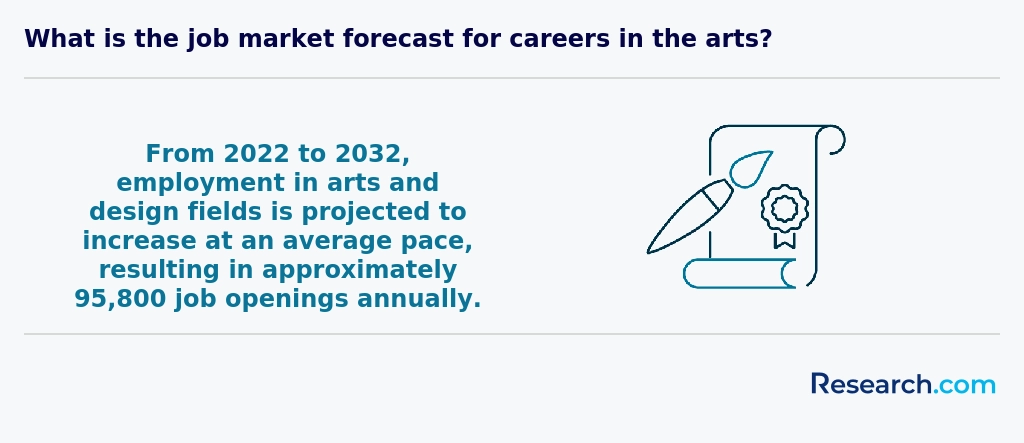
Furthermore, as reported by the U.S. Bureau of Labor Statistics, employment in fine arts occupations is projected to grow 4% from 2022 to 2032, indicating steady demand. This outlook resonates internationally, enhancing the degree's value for students seeking both local and global opportunities.
Gaining practical experience while studying for a fine arts degree in Pittsburgh is possible through a variety of opportunities. Many local colleges collaborate with Pittsburgh's vibrant arts community, which includes over 50 galleries and studios, providing students chances to exhibit their work. Internships at places like the Andy Warhol Museum or through programs offered by the Pittsburgh Cultural Trust offer valuable real-world exposure. Additionally, students often participate in community art projects and local art fairs, helping build portfolios and professional networks. According to the Pennsylvania Department of Education, hands-on experience is a key factor in job placement rates for fine arts graduates in Pittsburgh.
Choosing the right concentration within a fine arts degree program in Pittsburgh involves understanding your strengths and career goals. Pittsburgh offers diverse concentrations such as painting, sculpture, graphic design, and digital media, reflecting the city's growing creative economy. According to the National Endowment for the Arts, Pittsburgh has seen a 12% growth in arts-related jobs since 2018, particularly in digital and multimedia arts. Prospective students should explore coursework, faculty expertise, and internship opportunities linked to local galleries and studios. Evaluating these factors helps ensure alignment with both personal interests and the city's evolving arts sector.
- 2027 Most Popular Fine Arts Degree Programs Ranking in Cleveland
- 2027 Most Popular Fine Arts Degree Programs Ranking in Columbus
- 2027 Most Popular Fine Arts Degree Programs Ranking in Buffalo
- 2027 Most Popular Fine Arts Degree Programs Ranking in Washington
- 2027 Most Popular Fine Arts Degree Programs Ranking in Baltimore
- 2027 Most Popular Fine Arts Degree Programs Ranking in Detroit
- 2027 Most Popular Fine Arts Degree Programs Ranking in Lynchburg
- 2027 Most Popular Fine Arts Degree Programs Ranking in Rochester
- 2027 Most Popular Fine Arts Degree Programs Ranking in Ithaca
- 2027 Most Popular Fine Arts Degree Programs Ranking in Cincinnati
- About Faculty of Design - Academy of Fine Arts https://en.asp.waw.pl/strona-glowna/faculties/faculty-of-design/about-faculty-of-design/
- Art Internships: Your Complete Guide | Sotheby's Institute of Art https://sothebysinstitute.com/articles/art-internships-your-complete-guide/
- Networking for Artists: Unlocking Opportunities in the Art World - Ceri Hand https://cerihand.com/networking-for-artists/
- What is Fine Arts? Meaning, Scope & Careers Explained https://jgu.edu.in/opjgublog/what-is-fine-arts/
- Arts, History and Humanities in Global Perspective https://u-paris.fr/language/en/arts-history-and-humanities-in-global-perspective-en/
- Degree Requirements | Point Park University | Pittsburgh, PA https://www.pointpark.edu/about/admindepts/registrarsoffice/degreerequirements
- Complete guide to studying Fine Arts - TAI Arts https://taiarts.com/en/blog/guide-to-studying-fine-arts/
- How to Network as an Artist - AGI Fine Art Blog https://agifineart.com/advice/the-art-of-reputation-how-to-network-if-youre-an-emerging-artist/
- Certificate of Fine Arts | CFA Programs - New York Academy of Art https://nyaa.edu/continuing-studies/certificate-of-fine-arts/
- Essential Strategies for Artists to Master the Art of Networking https://www.artworkarchive.com/blog/essential-strategies-for-artists-to-master-the-art-of-networking


