2027 Most Popular Fine Arts Degree Programs Ranking in Washington

Co-Founder and Chief Data Scientist
If you're considering pursuing a fine arts degree in Washington, this article is designed to guide you through your options. The 2027 Most Popular Fine Arts Degree Programs Ranking in Washington was created by the Research.com team of data scientists to help students make informed decisions about which programs stand out.
Exploring this ranking will give you a clearer picture of the best opportunities available, empowering you to choose a path that aligns with your passion and career goals. A fine arts degree opens doors to creativity and personal growth, making it a valuable investment in your future.
Key benefits of getting fine arts degree in Washington
- Salary for fine arts degree graduates: Graduates in Washington can earn competitive salaries, such as Animators making about $109,630 annually and Illustrators earning around $71,420, reflecting rewarding financial prospects in creative careers.
- Career paths: A fine arts graduate from the University of Washington might pursue diverse roles including Graphic Artist or Art Therapist, showcasing the degree's versatility and strong local job market connections.
- Benefits of an online degree: Online fine arts programs at institutions like Seattle Pacific University offer flexibility and access to expert instructors, helping students balance studies with personal commitments while gaining practical skills.
- 2027 Most Popular Fine Arts Degree Programs Ranking in Washington
- What can I expect from fine arts degree in Washington?
- Where can I work with fine arts degree in Washington?
What can I expect from fine arts degree in Washington?
Curious about the cost of diving into a fine arts degree in Washington? On average, tuition and fees at schools like the University of Washington or Washington State University range from around $11,000 to $35,000 per year, depending on whether you qualify as an in-state student or opt for out-of-state tuition. Many graduates recall deciding their investment was worth the vibrant mix of studio classes, gallery exhibitions, and hands-on internships that shaped their growth.
Financial aid and scholarships often transform what feels like a steep price into an exciting opportunity. Imagine collaborating on installations at the Seattle Art Museum or showcasing your work in a local gallery without the constant worry of tuition piling up-this is the reality for many who tap into university aid or local arts grants here.
For students hungry to explore digital media alongside classical painting techniques, the blend of innovation and tradition in Washington's programs creates not only artistic skills but adventures that feed both imagination and career paths.
Where can I work with fine arts degree in Washington?
Graduates from fine arts programs at schools like the University of Washington or Cornish College of the Arts often find themselves immersed in the vibrant art scenes of Seattle and Spokane. Imagine collaborating with curators at the Seattle Art Museum, handling striking exhibitions that spark conversation and wonder. Others dive into the tech-driven creative roles in Redmond or Seattle, blending artistic flair with digital animation or user interface design, crafting experiences that captivate audiences across screens.
Many alumni share the thrill of teaching young artists in Washington's public schools, where art instructors inspire the next generation to explore their creativity. Others embrace the freedom of freelancing, designing graphics or producing multimedia projects that reflect their unique vision while enjoying the flexibility of working on their own terms.
Whether energizing galleries, joining innovative startups, or shaping educational programs, fine arts graduates thrive in Washington's fusion of culture and technology, where every day offers new paths to express and evolve their creative talents.
Graduates with fine arts degrees from universities like the University of Washington or Cornish College of the Arts in Seattle often find themselves navigating exciting career paths with rewarding salaries. For instance, becoming a graphic artist in Washington can yield a mean annual wage around $64,700, blending creativity with steady income.
Imagine a recent graduate taking their illustrative skills into the bustling Seattle market, earning about $71,420 yearly as an illustrator, turning passion into profession. Others may explore animation, where skilled artists command impressive wages close to $109,630, reflecting both talent and specialized expertise.
Art therapists, another vibrant career option for fine arts graduates, earn around $75,660, combining creativity with the rewarding challenge of helping others. The diversity of these roles highlights the adventurous possibilities awaiting fine arts students in this rich, culturally vibrant state.
Seattle's dynamic arts scene and the support from local galleries and studios create lively opportunities, fueling growth and networking for graduates eager to make their mark and thrive creatively.
- In-state tuition at public universities in Washington ranges from $10,000 to $12,000 per year, while out-of-state tuition can be around $30,000 annually.
- Private schools in Washington often charge tuition exceeding $35,000 per year, not including additional costs for supplies.
- Starting salaries for fine arts graduates are typically between $35,000 and $40,000 annually, with experienced professionals earning $55,000 to $65,000 per year.
- Seattle offers the most diverse job market for fine arts careers, including opportunities in museums, galleries, theaters, and media companies.
- Many programs emphasize internships and community projects to provide practical experience, and portfolios are essential for job applications.
In Washington, diving into a fine arts degree typically means committing to around four years full-time if you're aiming for a Bachelor of Fine Arts or Bachelor of Arts. Graduates from the University of Washington and Seattle University often say those years are filled with studio marathons, creative breakthroughs, and the thrill of bringing their visions to life. For those starting with an associate degree at a community college, it usually takes about two years, offering a solid launchpad into the arts world or a stepping stone to a bachelor's program.
Many students embrace a flexible approach, blending part-time study with internships or work, which naturally stretches the journey but enriches the experience. MFA hopefuls know to plan for an additional two to three years past the bachelor's, immersing themselves deeper into their craft. Imagine balancing late-night portfolio sessions with gallery visits around Seattle - that's the vibrant rhythm of fine arts life here.
Every path is unique, shaped by your passions, pace, and programs' structures, making the adventure of learning art in Washington as dynamic as the work you'll create.
Accreditation is the cornerstone of any reputable Fine Arts degree, ensuring that institutions meet rigorous academic standards and that credits transfer seamlessly between schools. In Washington, DC, prospective students should verify both regional accreditation-typically granted by the Middle States Commission on Higher Education-and specialized recognition from the National Association of Schools of Art and Design (NASAD). Programs with NASAD accreditation demonstrate excellence in curriculum, faculty qualifications, and student outcomes. To confirm a school’s status, consult the U.S. Department of Education’s Database of Accredited Postsecondary Institutions or visit institutional websites for accreditation documentation. Accreditation affects eligibility for federal financial aid, graduate studies, and professional licensure; employers and galleries often prefer graduates from accredited programs because it signals reliability and academic rigor. Just as you would vet specialized credentials in animation online schools, confirming a Fine Arts program’s accreditation can safeguard your investment and future career prospects. Always look for updates on accreditation renewal cycles and adherence to evolving industry standards, and reach out to admissions offices for detailed reports on graduate success rates and accreditation audits.
Choosing between an online or on-campus fine arts degree in Washington sparks an adventurous journey into very different creative worlds. On-campus students at places like the University of Washington often describe the thrill of diving into bustling studio spaces, hands messy with paint, surrounded by mentors guiding each brushstroke and peers inspiring fresh ideas. The immediate access to physical tools and local exhibitions creates a deep, tactile connection to the art scene, enriching their sense of community and craft.
Conversely, graduates from online programs at Western Governors University enjoy a flexible rhythm, carving out studio time around jobs or family life. They share stories of experimenting with digital portfolios and receiving feedback through video critiques, blending technology with artistry. While missing the daily physical buzz of campus, they appreciate the freedom to create across Washington's broad landscapes - from Seattle apartments to rural retreats - without uprooting their lives.
- On-campus programs nurture hands-on mentorship and local networking within Washington's vibrant art hubs.
- Online programs offer accessibility for students beyond urban centers and greater schedule flexibility.
- Students in on-campus roles experience direct collaboration, while online learners rely heavily on digital tools for interaction.
- Cost varies: on-campus students pay campus fees and commuting costs; online students save here but invest in technology and sometimes local studio access.
Washington, DC fine arts programs not only focus on academic excellence but also on creating a vibrant community that enriches your overall college experience. Students benefit from state-of-the-art art studios, workshops, and galleries that offer a hands-on approach to learning, complemented by extracurricular clubs, mentorship programs, and networking events with industry professionals. Campus resources such as career counseling, mental health services, and technical support are readily available to help you thrive both personally and professionally. Prospective students can explore the most popular fine arts programs ranking to identify institutions that provide robust student life amenities alongside exceptional academic programs, ensuring you are well-prepared for a dynamic future in the arts.
The average cost of a fine arts degree in Washington offers a unique blend of challenges and inspiring possibilities. Graduates from well-known programs at institutions like the University of Washington or Seattle University often share stories about balancing tuition fees, which hover around $58,378 for in-state students, with the joy of immersing themselves in creative exploration. While this cost might initially feel daunting, many find that the rich experiences in studios and galleries make every dollar worthwhile.
Delving deeper into Washington fine arts degree tuition and fees reveals that private colleges can significantly increase the price tag, sometimes reaching close to $77,794. Yet, students frequently mention how scholarships such as the Washington State Need Grant or the College Bound Scholarship ease the financial journey, allowing them to focus more on developing their craft. The adventure of collecting materials, attending workshops, and showcasing art in vibrant cities like Seattle becomes part of the unforgettable college narrative.
Exploring the local scene also invites curiosity about the most popular fine arts programs, which blend traditional methods with modern innovation. This insight underlines a broader picture where tuition and additional costs-from studio fees to supplies-form stepping stones within an artist's journey, celebrating the bold decision to pursue passion amid practical budgets.

When choosing a Fine Arts program in Washington, DC, it’s not just about the curriculum-the vibrant campus life and extensive support services play a pivotal role in shaping your artistic journey. Students benefit from state-of-the-art facilities, active art clubs, collaborative studio spaces, and industry mentorship programs that foster both creativity and professional networking. Campus events such as gallery nights, live exhibitions, and guest lecture series encourage intercollegiate exchange, allowing you to connect with peers, alumni, and local artists. Many institutions offer dedicated career centers and mental health resources aimed at creating a balanced academic and personal life, ensuring that you feel supported throughout your studies. For a closer look at programs that combine excellent academic offerings with a dynamic community experience, check out the most popular fine arts programs that continue to lead in both quality education and student satisfaction.
Exploring financial aid for a fine arts degree in Washington reveals opportunities that can ease the journey for creative students. Graduates from the University of Washington often share how federal grants like the Pell Grant-offering up to $7,395 annually-made it possible to focus on their artistry rather than finances. This grant acts as a trusty companion, especially when paired with the Washington College Grant, which targets low- and middle-income students and helps cover tuition at public institutions.
At Seattle University, scholarship recipients describe the thrill of having their portfolios recognized, unlocking resources that make pursuing painting, sculpture, or digital arts less daunting. Beyond grants and scholarships, work-study positions within fine arts departments offer a hands-on way to brush up skills while contributing to tuition-turning financial necessity into a creative advantage.
Loans remain an option, but many graduates urge caution, preferring the freedom that grant and scholarship aid bring to their artistic exploration amid Washington's inspiring campus communities.
Choosing an accredited Fine Arts program ensures academic rigor, transferability of credits, and eligibility for federal financial aid. In Washington, DC, most reputable institutions hold regional accreditation through the Middle States Commission on Higher Education (MSCHE) and specialized endorsement from the National Association of Schools of Art and Design (NASAD). NASAD accreditation guarantees that your curriculum meets industry standards in studio practice, art history, and emerging technologies, while regional accreditation safeguards the overall quality and continuity of your degree. Before applying, verify each school’s accreditation status on the U.S. Department of Education’s database and confirm that your credits will transfer if you decide to pursue graduate studies elsewhere. Accredited programs often maintain stronger relationships with local museums, galleries, and arts foundations-such as the Smithsonian American Art Museum and the Kennedy Center-opening doors to internships, residencies, and exhibition opportunities that enhance your portfolio. Accreditation also plays a critical role in post-graduate professional certification. For example, art educators must graduate from a NASAD-approved program to qualify for teaching licensure in DC public schools. Likewise, art therapists need degrees from Commission on Accreditation of Allied Health Education Programs (CAAHEP)–recognized curricula to sit for national certification exams. Always confirm that any specialized track-be it animation, graphic design, or printmaking-meets both regional and programmatic accreditation standards. To balance cost with quality, compare accredited programs across regions. For instance, you might explore our Affordable Fine Arts Degree Programs Ranking in New Jersey to identify budget-friendly, fully accredited alternatives that still deliver professional recognition and strong career outcomes.
Diving into a fine arts degree in Washington means first proving your passion and readiness through a set of clear, exciting prerequisites. Most adventurous students from institutions like the University of Washington or Cornish College of the Arts recall how essential it was to complete a high school diploma or GED-your first brushstroke on this artistic journey. Beyond academics, the heart of your application is a vibrant art portfolio, showcasing your best creations, whether sketches, paintings, or multimedia projects, revealing your unique vision and skill.
Many say preparing an artist's statement or personal essay allowed them to articulate their creative dreams and inspirations, making their applications shine. While some schools might still ask for SAT or ACT scores, many embrace a test-optional approach, letting your talent speak louder. For those whose first language isn't English, proof like TOEFL ensures you'll confidently engage in classes. Some fine arts programs in Washington even encourage having prior coursework in art, smoothing the path into college-level creativity.
Washington, DC’s vibrant arts community extends beyond the classroom, offering students a dynamic campus life that nurtures creativity, collaboration, and personal growth. Developing your artistic skills isn’t limited to studio time-engaging with student-run galleries, interactive workshops, and cultural events can be just as transformative. Campus facilities often feature state-of-the-art studios, digital labs, and exhibition spaces designed to foster both learning and experimentation, while student clubs and organizations create opportunities for networking, mentorship, and collaborative projects. These extracurricular activities not only help you build a well-rounded portfolio but also connect you with industry professionals and alumni who continue to inspire and guide emerging talent. For instance, checking out the most popular fine arts programs can offer insight into institutions that prioritize vibrant student experiences alongside rigorous academics. This active campus culture steers many graduates toward successful careers by cultivating both artistic prowess and professional networks critical in today’s competitive art industry.
Diving into a fine arts degree in Washington means immersing yourself in a vibrant mix of courses that spark creativity and skill-building. Imagine spending afternoons at the University of Washington mastering drawing and composition, where every sketch hones your eye for detail and movement. Painting techniques offer a playground of color and texture, from acrylic swirls to delicate watercolor washes, bringing your visions alive on canvas.
Hands-on sculpture classes challenge you to transform raw clay or reclaimed wood into compelling three-dimensional stories, just like graduates from Seattle Pacific University recall their breakthroughs working with mixed media. Meanwhile, art history courses transport you through time, enriching your understanding of how cultural shifts shape artistic expression - a favorite among fine arts students in Washington State University.
Digital art and design classes unlock the door to modern creativity, blending traditional skills with cutting-edge technology to craft digital illustrations and graphic designs. Add printmaking, ceramics, and photography to the mix, and you'll feel empowered by the endless possibilities to express yourself and experiment across media-a thrilling journey for fine arts explorers in Washington.
Exploring the fine arts degree specializations in Washington leads you through a vibrant spectrum of creative paths. Many students at prominent Washington universities dive into studio art, mastering painting, sculpture, and printmaking, where hands-on studio time and gallery exhibitions fuel their passion and skill growth. Others find themselves drawn to the dynamic world of graphic design, blending creativity with technology to craft visuals for media and advertising sectors that thrive in the state's tech-focused economy.
Graduates often recall how the diverse environments of Washington inspired their photography work, capturing urban life or natural landscapes in ways that sharpened their artistic voices. If your interest leans toward digital storytelling, universities also offer rich options in animation and multimedia arts, which align perfectly with the local entertainment industry. For those intrigued by the theoretical or organizational side, programs in art history and arts management prepare you for cultural leadership roles in Seattle or Tacoma's bustling art scenes.
Students curious about expanding their horizons digitally can explore promising animation online schools. Washington fine arts programs options ensure every creative explorer finds a specialization to ignite their imagination and career goals.
Choosing the best fine arts degree in Washington means diving deep into what sparks your creativity. Imagine walking the vibrant halls of the University of Washington's School of Art + Art History + Design, where graduates often describe hands-on projects that push their boundaries in painting and digital arts. Or picture the intimate, inspiring studios at Cornish College of the Arts, buzzing with energy from sculptors and photographers fueled by their passion. Exploring programs that align with your artistic style-be it traditional studio work or cutting-edge digital media-is key to finding where you'll thrive.
Many students value the balance between costs and quality, especially when exploring affordable fine arts colleges in Washington. Graduates often share how scholarships and work-study options made their artistic journeys possible, turning high supplies costs into manageable investments. Location matters too; Seattle's dynamic art scene offers unmatched networking and internships, feeding both creativity and career paths.
If you want to expand your search, check out the Affordable Fine Arts Degree Programs Ranking in New Jersey for perspective on cost-effective options beyond state lines.
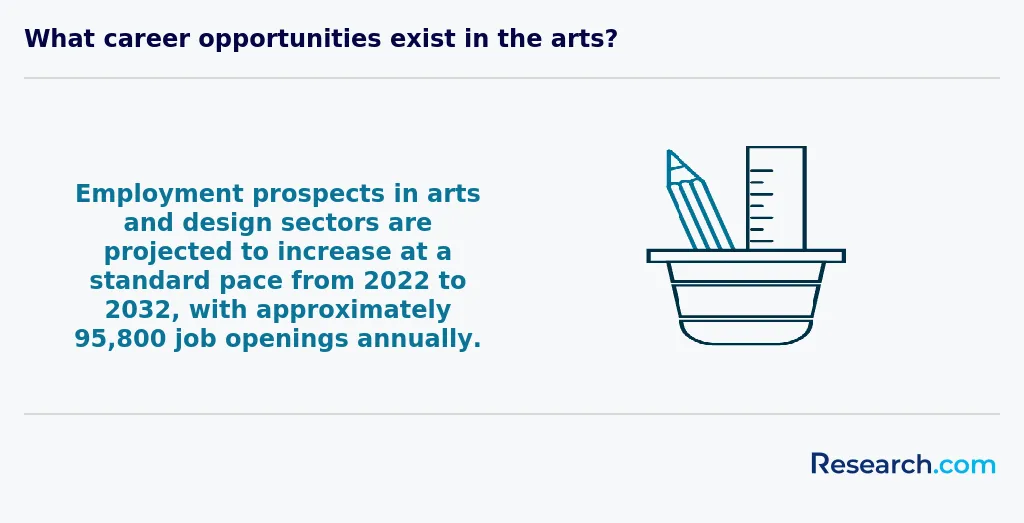
Imagine stepping into a vibrant arts scene where your creativity blossoms into diverse careers-this is the reality for fine arts graduates in Washington. Visual artists bring galleries to life in Seattle or Tacoma, crafting works that captivate museum visitors and private collectors alike. Some graduates find joy in merging creativity with technology, shifting into graphic design roles in the state's buzzing tech companies and advertising agencies. For those drawn to sharing their passion, becoming an art educator in Washington's K-12 schools or community colleges offers a rewarding path, especially with steady demand for licensed teachers in suburban and rural districts. Exploring fine arts career opportunities in Washington can also lead to managing cultural events or working with nonprofits like the Washington State Arts Commission, enriching the community through arts administration. Many graduates from popular colleges in the region share how their degrees opened unexpected doors and fueled their adventurous spirits. If you're curious about alternative pathways, consider checking out programs like the best accelerated associates degree options available nearby.
Washington fine arts degree job prospects are as diverse as the state's landscapes. Whether your passion lies in the tactile joy of painting, the digital rush of design, or the dynamic world of arts education and administration, the state offers fertile ground for your talents to grow.
The job market for fine arts degree holders in Washington is a vibrant but competitive world, shaped by the state's buzzing cultural hubs like Seattle and Tacoma. Graduates from institutions such as the University of Washington often find themselves immersed in creative agencies, galleries, or digital media firms, where artistic skills merge with technology. This dynamic environment highlights the fine arts degree job outlook Washington, revealing exciting possibilities in graphic design, multimedia art, and community arts programs.
Many fine arts graduates share stories of navigating a landscape where networking and portfolio-building become as important as creativity. While entry-level positions in nonprofits or educational roles may start near $35,000, more specialized niches, especially in tech-related arts, offer wages closer to the state median of $60,000. This blend of challenge and opportunity encourages students to develop not only artistic talent but also digital and business fluency.
Those interested in balancing passion with practicality often explore pathways linked in top online degrees for seniors, opening doors to jobs beyond traditional studios, in museums or art therapy, expanding their horizons across Washington's rich cultural industries.
2027 Most Popular Fine Arts Degree Programs Ranking in Washington
Investing in your education is a significant decision that can shape your future, and the Research.com team recognizes the importance of making well-informed choices. To guide prospective students interested in fine arts, we have carefully developed the "2027 Most Popular Fine Arts Degree Programs Ranking in Washington." Our dedication to quality, credibility, and accuracy is demonstrated through the rigorous research and analysis used to create this ranking.
We utilized the following reputable data sources to ensure a comprehensive evaluation of fine arts programs:
By exploring this ranking, readers will gain valuable insights into the most popular and respected fine arts degree programs available in Washington, empowering them to make confident educational decisions. For further details on our methodology, please visit our Research.com methodology page.


Frequently Asked Questions About fine arts
Fine arts degree students in Washington can maximize their learning experience by engaging actively in both academic and practical opportunities. Washington state offers numerous internships and community art projects, particularly in cities like Seattle and Spokane, where the vibrant art scene supports real-world skill development.
Participating in local art exhibitions and workshops allows students to build portfolios and professional networks. According to the Washington State Arts Commission, nearly 70% of fine arts graduates gain employment through networking and internships within the first year after graduation.
Additionally, leveraging resources such as university art studios, galleries, and mentorship programs enhances both creative skills and industry knowledge. Exploring cross-disciplinary courses can also foster innovation and broaden artistic perspectives.
Emerging niches in the fine arts field in Washington reflect broader trends in technology and cultural engagement. One growing area is digital arts, where students combine traditional artistic skills with digital tools to create interactive media, animation, and virtual reality experiences. According to the National Endowment for the Arts, digital fine arts programs have seen enrollment increases, particularly in tech-driven regions like Seattle.
Another notable niche is socially engaged art, which emphasizes community collaboration and public projects. This approach is gaining traction in Washington's urban and rural areas, supported by local arts councils and grants.
Additionally, environmental art and sustainability-focused practices are rising, aligning artistic expression with ecological awareness. Washington's strong environmental culture encourages artists to explore these themes in their fine arts education and professional work.
Graduates with fine arts degrees in Washington can enhance their job prospects by combining creative skills with practical experience. Internships and apprenticeships, especially in Seattle's vibrant arts and cultural scene, provide valuable hands-on learning and networking opportunities. According to the National Endowment for the Arts, Washington ranks in the top 10 states for arts employment, highlighting potential job openings in galleries, studios, and design firms.
Building a professional portfolio showcasing diverse work is essential. Participation in local exhibitions and art fairs helps gain visibility. Additionally, leveraging online platforms for self-promotion can broaden reach beyond Washington's borders. Many fine arts roles require familiarity with digital tools, so acquiring skills in graphic design or multimedia software can improve employability.
Employers in Washington seek fine arts graduates with strong creativity and technical skills. Graduates must demonstrate proficiency in various artistic media, including digital tools increasingly used in the industry. According to the National Endowment for the Arts, employers value the ability to adapt to new technologies and collaborate effectively on projects.
Communication skills are also essential, as artists frequently present concepts and work closely with clients or teams. Time management and problem-solving abilities rank highly, too, given the project-based nature of fine arts positions.
Washington's growing arts sector, particularly in Seattle, demands versatility from graduates, blending traditional artistry with modern digital design.
Finding internships in Washington relevant to a fine arts degree involves leveraging local resources and university connections. Washington has a growing art scene with galleries, museums, and creative firms that often offer internship opportunities. For example, the Seattle Office of Arts & Culture promotes programs connecting students with internships in public art and arts administration.
Many universities in Washington, such as the University of Washington and Cornish College of the Arts, have career centers that specialize in matching fine arts students with internships. According to the National Association of Colleges and Employers, about 65% of internships lead to job offers, so utilizing institution-specific networks can be beneficial.
Additionally, students should explore nonprofit organizations, studios, and regional arts councils in Washington, which regularly seek interns. Platforms like Handshake and local arts-focused job boards also list available positions. Networking events and local art fairs provide further chances to connect with potential internship providers in the fine arts sector.
A fine arts degree in Washington can significantly enhance career mobility and advancement within creative industries. Graduates often gain critical skills in visual communication, project management, and creative problem-solving, which are valued in roles ranging from graphic design to museum curation. According to the Washington State Employment Security Department, employment in arts and design occupations is expected to grow by 9% between 2020 and 2030, outpacing average job growth rates.
Washington's diverse cultural scene provides various opportunities for networking, internships, and exposure to public art sectors. Graduates with fine arts degrees can leverage this to move into leadership or specialized roles over time. Moreover, combining fine arts credentials with digital skills is increasingly important for career advancement.
Studying for a fine arts degree in Washington equips students with versatile skills that apply beyond traditional art fields. Programs often emphasize collaboration across disciplines, integrating visual arts with technology, business, and media. This approach reflects the state's diverse creative economy, which includes film, design, and digital innovation sectors.
Many Washington institutions offer coursework and projects encouraging teamwork with students from computer science, marketing, and humanities, fostering adaptability. According to the National Center for Education Statistics, over 60% of fine arts graduates in Washington engage in interdisciplinary roles within five years of graduation, highlighting the degree's broad applicability.
Such training prepares students to contribute in varied settings, from multimedia production to arts administration.
Choosing between a thesis and a non-thesis fine arts degree in Washington depends on your career goals and learning preferences. A thesis program typically requires original research or a creative project, preparing students for further academic work or specialized careers. Non-thesis programs usually focus on practical skills and coursework, ideal for those seeking direct entry into the arts industry.
Washington's universities, such as the University of Washington, offer both options, catering to diverse student needs. According to the National Center for Education Statistics, roughly 40% of fine arts master's students across the U.S. opt for thesis programs, valuing research experience.
Consider if you wish to engage deeper in academic study or prioritize hands-on experience when selecting your path.
Students based in Washington interested in studying fine arts abroad have several program options through partnerships between local universities and international institutions. For example, the University of Washington offers study abroad opportunities focusing on art history and studio art in countries like Italy and France, where students can immerse themselves in rich artistic traditions. According to the Institute of International Education's 2023 data, fine arts is among the top five fields of study for Washington students studying abroad.
Many fine arts programs also allow for semester exchanges or summer internships with European art schools. These options provide practical experience and global perspective without delaying graduation.
Part-time job opportunities in Washington that complement a fine arts degree often align with practical artistic skills and community engagement. Common roles include gallery assistants, art instructors, and freelance graphic designers. These positions provide hands-on experience while supporting creative development.
Washington's vibrant arts scene, especially in cities like Seattle, creates demand for part-time work in museums and cultural centers. According to the Washington State Arts Commission, employment in arts-related positions grew by 5% from 2018 to 2022, reflecting expanding opportunities.
Additionally, many fine arts students work with local theaters or participate in public art projects to enhance their portfolios. These jobs not only supplement income but also help build professional networks.
Fine arts students in Washington benefit from robust networking opportunities through their colleges and local art communities. Many institutions, such as the University of Washington and Seattle Central College, host student exhibitions, workshops, and guest lectures featuring established artists, enabling direct interaction with professionals.
Additionally, Washington's vibrant art scene offers access to organizations like Artist Trust and the Washington State Arts Commission, which provide mentorship programs and grants specifically for emerging artists. Annual events, including the Seattle Art Fair and local gallery openings, attract artists, curators, and collectors, creating valuable networking platforms.
According to Artist Trust, over 1,000 artists annually engage with their programs, reflecting an active community for fine arts students to connect and grow professionally.
Alumni networks play a vital role for fine arts degree students in Washington by connecting them with experienced professionals and peers in the creative industries. These networks often provide mentorship opportunities, helping students navigate career paths related to visual arts, theater, or design. According to the National Endowment for the Arts, Washington State emphasizes community engagement, which alumni networks support through events and collaborations.
Access to internships and job openings frequently comes through these connections, enhancing a graduate's employment prospects. Furthermore, alumni can offer insights on building portfolios and exhibit in local galleries, which is crucial in Washington's competitive arts scene. Strong alumni ties also foster lifelong professional relationships that support ongoing growth and opportunities.
Fine arts degree programs in Washington offer various ways to tailor your studies to match your career ambitions. Many institutions allow students to choose concentrations such as painting, sculpture, digital media, or art education. This specialization helps develop relevant skills and portfolios aligned with your goals. Some schools also provide opportunities for internships or community projects, giving practical experience that boosts employability.
Elective courses can broaden your expertise, including art history, graphic design, or animation. Washington's strong arts scene offers networking events and gallery exhibitions, which are valuable for career development. According to the National Center for Education Statistics, flexibility in coursework is common in Washington's public universities offering fine arts degrees.
Fine arts students in Washington often encounter financial challenges due to the high cost of tuition and the need for specialized materials and supplies. According to the National Endowment for the Arts, art programs typically demand additional expenses beyond general education costs, making budgeting difficult for many students.
Another common issue is the competitive nature of art exhibitions and job placements in the region. Washington's thriving creative industries increase demand for unique portfolios, requiring students to invest significant time in developing their skills.
Additionally, balancing academic requirements with practical experience such as internships or freelance projects can be difficult. Limited access to affordable studio space in urban areas like Seattle also presents a barrier for many aspiring artists.
Graduates with a fine arts degree in Washington have the opportunity to pursue various professional certifications that enhance their careers. While the US does not require licensure for artists, certifications in related fields can boost credibility and job prospects.
For example, teaching certifications are common among fine arts graduates who want to work in K-12 education. Washington State requires completion of an approved teacher preparation program and passing the required exams to obtain an art teaching certificate.
Additionally, certifications in digital design, such as Adobe Certified Expert (ACE), are valuable for those focusing on graphic or multimedia arts. These credentials increase employability in Washington's growing tech and creative sectors.
Other options include museum studies credentials and art therapy certifications, both offering paths within Washington's cultural institutions.
Applying to a fine arts program in Washington requires careful preparation to stand out among competitive applicants. Start by compiling a strong portfolio showcasing your best work; this is often the most critical component. According to the National Association of Schools of Art and Design, portfolios should demonstrate technical skill, creativity, and personal style.
Additionally, many Washington institutions, such as the University of Washington and Cornish College of the Arts, require artist statements explaining your concepts and artistic goals. Writing clear, concise statements tailored to each school enhances your application.
Strong letters of recommendation from art teachers or professionals in the field can further bolster your chances. Some programs also require auditions or interviews, so preparing to discuss your artistic vision is essential.
Globally, careers in fine arts are viewed with growing appreciation, but their value often varies by region. In the United States, including Washington state, there is a strong emphasis on combining creativity with practical skills to succeed in this field. According to the National Endowment for the Arts, about 2% of the U.S. workforce is employed in arts-related occupations, highlighting steady demand.
Washington, home to vibrant arts communities like Seattle, supports fine arts graduates through numerous galleries, theaters, and public art funding. However, students should be aware that many roles may involve freelance work and diverse skill sets beyond traditional studio practice.
Internationally, fine arts careers range widely, but U.S. education and training remain influential, often linked to networking opportunities and market access. For Washington students, understanding this global context is crucial for career planning and growth.
Students pursuing fine arts degrees in Washington can gain practical experience through internships, cooperative education (co-op) programs, and campus art exhibitions. Many universities, such as the University of Washington and Cornish College of the Arts, connect students with local galleries, theaters, and design studios for hands-on opportunities.
Internships often provide valuable networking and portfolio-building experiences, with many arranged through school career centers or fine arts departments. According to the National Association of Colleges and Employers, over 60% of arts students who complete internships receive job offers from those employers.
In addition, participation in community art projects and student-run galleries in cities like Seattle allows for real-world practice outside the classroom.
Choosing the right concentration within a fine arts degree program in Washington involves understanding your personal interests and career goals. Common concentrations include painting, sculpture, digital media, and photography. According to the National Center for Education Statistics, Washington state colleges offer diverse specializations reflecting the region's vibrant art scene. Research local institutions' course offerings and faculty expertise to find a program that matches your artistic style and professional aspirations.
Consider the availability of internships and networking opportunities in Washington's arts community, such as those in Seattle and Spokane. These can provide practical experience and improve job prospects. Evaluate each concentration's alignment with your strengths and future job market demands.
- 2027 Most Popular Fine Arts Degree Programs Ranking in Baltimore
- 2027 Most Popular Fine Arts Degree Programs Ranking in Lynchburg
- 2027 Most Popular Fine Arts Degree Programs Ranking in Pittsburgh
- 2027 Most Popular Fine Arts Degree Programs Ranking in Brooklyn
- 2027 Most Popular Fine Arts Degree Programs Ranking in New York
- 2027 Most Popular Fine Arts Degree Programs Ranking in Raleigh
- 2027 Most Popular Fine Arts Degree Programs Ranking in Ithaca
- 2027 Most Popular Fine Arts Degree Programs Ranking in Greensboro
- 2027 Most Popular Fine Arts Degree Programs Ranking in New Haven
- 2027 Most Popular Fine Arts Degree Programs Ranking in Buffalo
- MFA Statement of Purpose: The Artist Statement + Academic Goals Hybrid https://gradpilot.com/news/mfa-statement-of-purpose-artist-statement-guide
- Employment Opportunities https://finearts.howard.edu/about-college/employment-opportunities
- Arts, History and Humanities in Global Perspective https://u-paris.fr/language/en/arts-history-and-humanities-in-global-perspective-en/
- Application writing tips for individual artists https://www.affta.ab.ca/funding/help-and-resources/resources-individual-artists/application-writing-tips-individual-artists
- Bachelor of Fine Arts in Art & Design (BFA) https://www.ualberta.ca/en/art-design/undergraduate-programs/bfa-art-and-design.html
- Alumni Network at Moore https://moore.edu/alumni/
- High-Impact Educational Practices in the Arts and Post-College⦠https://snaaparts.org/findings/databriefs/high-impact-educational-practices-in-the-arts-and-post-college-community-engagement
- Certificate of Fine Arts | CFA Programs - New York Academy of Art https://nyaa.edu/continuing-studies/certificate-of-fine-arts/
- Challenges in Undergraduate Art Education - Arts Education Partnership https://www.aep-arts.org/challenges-in-undergraduate-art-education/
- Fine and Studio Arts at George Washington University | Vaia https://www.vaia.com/s/degree/george-washington-university/fine-and-studio-arts-bfa/