
2027 Most Affordable Online Fine Arts Degree Programs Ranking in the Northeast

Co-Founder and Chief Data Scientist
Choosing the right fine arts degree program can be overwhelming, especially when balancing cost and quality. This article introduces the 2027 Most Affordable Online Fine Arts Degree Programs Ranking in the Northeast, created by the Research.com team of data scientists to guide you toward smart decisions.
By exploring this ranking, you'll discover affordable programs that fit your budget without sacrificing value. Pursuing a fine arts degree opens many doors for creativity, personal growth, and rewarding careers. Let this guide help you take the next exciting step toward your artistic future.
Key benefits of getting online fine arts degree in the Northeast
- Fine arts graduates in the Northeast can expect rewarding salaries, such as $109,630 annually for animators and $71,420 for illustrators, highlighting strong financial prospects in creative careers.
- Graduates from popular Northeast schools often pursue diverse roles in graphic design, animation, and art therapy, showcasing exciting career flexibility within the arts.
- Online fine arts degrees from reputable Northeast universities offer flexible schedules and reduced commuting time, making it easier to balance studies with personal and professional life.
- 2027 Most Affordable Online Fine Arts Degree Programs Ranking in the Northeast
- What can I expect from online fine arts degree in the Northeast?
- Where can I work with online fine arts degree in the Northeast?
What can I expect from online fine arts degree in the Northeast?
The average cost of pursuing an online fine arts degree in the Northeast typically ranges from about $8,000 to $12,000 per year for in-state students at public universities like those in the State University of New York (SUNY) system. Graduates often recall feeling empowered by the combination of affordability and quality, allowing them to focus more on creative growth without overwhelming financial stress. Imagine a student at a SUNY campus, balancing virtual studio classes with hands-on techniques, all while appreciating manageable tuition fees that open doors to extensive digital portfolio development.
Private institutions might present a higher price tag, but many offer scholarships and financial aid specifically tailored for fine arts talent, making the investment worthwhile for those seeking specialized instruction or prestigious connections. The relatively lower cost of online study paired with rich Northeast regional artistic networks helps students envision a vivid path toward careers in gallery management, digital content creation, or freelance artistry, often nurtured through virtual internships or collaborations with local museums.
Where can I work with online fine arts degree in the Northeast?
Graduates with an online fine arts degree in the Northeast often find themselves stepping into diverse and vibrant creative roles. Imagine landing a position at a prestigious museum like the Museum of Fine Arts in Boston or the Metropolitan Museum of Art in New York, curating exhibits or preserving priceless artwork. Many alumni from programs at schools such as the School of Visual Arts in New York or the Massachusetts College of Art and Design discover careers in graphic design, art restoration, or multimedia art-offering both artistic freedom and professional growth.
Others channel their passion into teaching, becoming K-12 art educators in states like New York or Pennsylvania, where demand for certified art teachers shines bright. Freelancing is another exciting path, fueled by the Northeast's bustling advertising and digital media scenes, where artists enjoy earning above the national average. Whether crafting bold visuals, educating the next generation, or guiding cultural institutions, online fine arts graduates here embrace a world full of creative possibilities and rewarding adventures.
Graduates from online fine arts programs in the Northeast often discover exciting earning paths tied to their chosen careers. For instance, those stepping into graphic design roles unlock a mean annual wage around $64,700, bringing creative visions to life at studios or advertising firms near bustling hubs like Boston or New York City.
Art teachers, frequently employed by public high schools across the region, enjoy a rewarding blend of passion and stability, with mean annual salaries of about $70,740. Imagine inspiring the next generation while living close to the vibrant cultural scenes found at institutions like the Rhode Island School of Design or the School of Visual Arts.
Those who dive into illustration can expect mean wages near $71,420, reflecting the demand for creative storytelling in publishing and digital media. Meanwhile, ambitious animators, possibly collaborating with studios throughout the Northeast, can command impressive mean annual salaries topping $109,630, turning imagination into captivating motion.
Even art therapists, blending creativity with care, earn a mean salary of $75,660, demonstrating the diverse opportunities a fine arts degree offers in this dynamic region. These figures highlight how pursuing an online fine arts degree here can lead to fulfilling careers where creativity and a vibrant community come together.
- Tuition for online fine arts undergraduate programs in the Northeast ranges from $12,000 to $18,000 per year at public institutions and can exceed $30,000 at private schools.
- Starting salaries for graduates typically range from $40,000 to $50,000 annually, with experienced professionals earning between $60,000 and $80,000 or more.
- Job growth in fine arts and related fields in the Northeast is expected to increase by 4% to 6% over the next decade.
- Key job markets include New York City, Boston, and Philadelphia, offering opportunities in galleries, museums, design firms, and media companies.
- Online programs often require digital portfolios for admissions and coursework, which supports remote learning and practical skills assessment.
Embarking on an online fine arts degree in the Northeast often means committing about four years of full-time study, mirroring the familiar rhythm of traditional campus life. Imagine a student enrolled at a well-known college in New York, balancing 120 to 130 credit hours that blend broad general education with focused studio and art history classes. This path feels like a creative marathon-challenging, but deeply rewarding.
Some graduates from universities like those in Pennsylvania or Massachusetts share how flexible part-time options allowed them to weave study around family and work, stretching their journeys to five or six years without losing momentum or passion.
Graduate-level explorers pursuing an MFA find their voyage usually takes two to three years, diving deeper into specialized projects and research, which some Northeast programs tailor to meet the needs of working artists.
This variety in pacing reflects the adventurous spirit of fine arts students who embrace a personalized study flow, fueled by the vibrant academic communities found throughout the region.
In today’s dynamic digital landscape, thriving in an online Fine Arts degree program means more than just completing coursework-it means actively engaging in community building, seeking mentorship, and planning for a successful career. Successful students prioritize the development of a strong personal brand by curating digital portfolios, joining virtual exhibitions, and participating in interactive forums that connect them with peers and seasoned professionals. Many programs now facilitate these opportunities through virtual meetups and networking events, and leveraging these resources can significantly enhance both creative growth and career prospects. One effective strategy is to pair up with mentors who offer insight into specialized areas of fine arts. For instance, exploring the fastest online fine arts program in massachusetts can provide not only cutting-edge curriculum insights but also access to industry professionals who have navigated similar challenges. Such mentorship programs often include regular portfolio reviews, career counseling sessions, and tips for efficiently managing time while balancing creative projects with academic responsibilities. Beyond mentorship, successful online Fine Arts students regularly engage with digital tools-from virtual collaboration platforms to advanced art software-that help refine technical skills and inspire innovative projects. Embracing these technologies can build a competitive edge in today’s job market. Additionally, setting clear, achievable goals for both academic assignments and personal art projects, while continuously seeking feedback, is essential to transform challenges into opportunities for professional development. This proactive, resource-driven approach-integrating networking, mentorship, and strategic use of digital platforms-ensures that you not only gain industry-relevant skills but also create a thriving online presence. As you journey through your online Fine Arts education, remember that every connection, every piece of constructive feedback, and every digital tool you master is a stepping stone toward a successful artistic career.
On-campus learning immerses you in rich, tactile experiences-touching clay in a ceramics workshop or experimenting with lighting in a theater space-moments online struggles to replicate. Alumni from Rhode Island School of Design highlight the thrill of late-night gallery visits and lively peer interactions that deepen artistic growth. Still, online programs in the region succeed by blending theory with flexible schedules and occasional in-person residencies, giving a taste of that connection without full relocation.
Imagine a student in rural New Jersey who dreams of RISD-level rigor but treasures home comforts-online fine arts offer that balance, inviting exploration without sacrificing quality or community.
The average cost of an online fine arts degree in the Northeast hovers around $15,780 for in-state students, with out-of-state learners typically seeing costs near $29,776. This wide span reflects the vibrant mix of public universities and private institutions that attract aspiring artists eager to explore their creative passions. Many graduates recall the thrill of navigating these costs as they invested in their futures, sparking joy through their discoveries of scholarships, grants, and financial aid.
For instance, students attending popular fine arts programs at renowned Northeast universities often find that while sticker prices can seem daunting, the real expense is softened by supportive financial options. These experiences highlight the importance of thorough research to uncover pathways that balance quality education with affordability. It is this pursuit that defines the journey toward finding affordable online fine arts programs northeast, blending creative exploration with smart budgeting.
Fine arts degree requirements, commonly ranging between 120 and 130 credits, further influence costs depending on how tuition is calculated per credit hour or through flat-rate pricing models. Graduates often share how understanding these credit nuances helped them map out manageable payment plans while embracing the full learning adventure.
Some students have also discovered exceptional opportunities by enrolling in specialized programs, such as the fastest online fine arts program in massachusetts, which offers an accelerated path without compromising artistic growth or financial sanity.

Understanding the return on investment (ROI) of an affordable online Fine Arts degree in the Northeast is crucial for prospective students weighing tuition costs against long-term career earnings. On average, graduates invest a median total of $43,772 in their online Fine Arts education. With entry-level graphic artists earning around $64,500 annually and animators commanding up to $111,130 per year, many students recoup their initial expense within three to five years of full-time employment, especially when factoring in financial aid and scholarship awards. To calculate ROI, consider your net tuition after aid versus your projected annual salary. For example, a student paying the in-state median cost of $36,580 who secures a graphic design role at $64,500 can expect a payback period of less than three years. Meanwhile, graduates entering high-income roles like animation or art therapy will see their investment return even sooner. Leveraging employer-sponsored tuition reimbursement and targeted grants can further shorten this timeline. It’s also valuable to benchmark against similar programs in other regions. For students exploring cost-effective options beyond the Northeast, be sure to check out Most Affordable Fine Arts Degree Programs Ranking in Portland, OR, which highlights comparable ROI metrics in the Pacific Northwest. By comparing median costs, salary outcomes, and financial aid packages, you can make a data-driven decision that maximizes both your artistic growth and your financial security. Ultimately, a strong ROI not only reflects the monetary gains from your degree but also encompasses enhanced creative skills, professional networks, and lifelong learning opportunities-key factors that contribute to sustained career success in the competitive Fine Arts landscape.
Imagine unlocking your artistic potential while uncovering the treasure chest of financial aid waiting for you as an online fine arts student in the Northeast. Graduates from well-known institutions like the Rhode Island School of Design or the Massachusetts College of Art and Design often recall how completing the FAFSA was their first key-opening doors to federal grants, loans, and work-study options that made pursuing their passions possible. For many, need-based Pell Grants, capped at $7,395 for the 2023-24 year, lightened the financial load significantly.
State aid adds another layer of support. Consider a student enrolled at an accredited university in New York-accessing the Tuition Assistance Program (TAP) grant, which can offer up to $5,665 per year, often transforms anxiety about tuition into renewed motivation. Institutional scholarships sweeten the deal further, rewarding artistic merit or financial need, while private scholarships from arts organizations energize students eager to deepen their craft.
Many fine arts students embrace these combined resources, balancing costs with payment plans or part-time enrollment to keep their creative dreams alive without overwhelming debt. Navigating these funding pathways feels like an adventure itself, inspiring hopeful artists throughout the Northeast.
A compelling portfolio is your digital storefront and one of the most critical assets you’ll develop during an online Fine Arts degree. Start by selecting a reliable hosting platform-behance.net, Adobe Portfolio, or your own website-to ensure fast load times and mobile responsiveness. Organize your work into clear categories (e.g., painting, sculpture, digital media) and lead with your strongest pieces to capture attention immediately. Optimize each image by compressing file sizes without sacrificing quality and adding descriptive alt text that includes keywords like “online Fine Arts portfolio” or “digital art showcase.” Regularly update your portfolio with class projects, personal experiments, and collaborative work. Include process shots and brief captions that explain your creative choices, materials used, and conceptual insights. This not only demonstrates technical skill but also communicates your artistic thinking to potential employers and galleries. To broaden your skill set, consider integrating multimedia elements-timelapse videos, 3D models, or interactive galleries-so viewers can experience your work in new ways. If you’re keen on strengthening your digital design capabilities alongside traditional art forms, explore our best online graphic design programs to learn industry-standard tools and presentation techniques. Finally, make your portfolio easy to find. Link to it on your LinkedIn profile, email signature, and professional networks. Add a concise artist statement and contact information on every page. By presenting a well-curated, accessible, and regularly updated portfolio, you’ll maximize your visibility and make a memorable impression on curators, clients, and employers alike.
Diving into an online fine arts degree in the Northeast means first showing you're ready to embrace creativity with a high school diploma or equivalent in hand. Imagine a graduate from the University of Massachusetts, who felt confident knowing their GED opened doors just as widely as a traditional diploma. Many programs welcome transfer students eager to build on prior college work, making the path flexible.
While some fine arts hopefuls once worried about SAT or ACT scores, Northeastern schools like Pennsylvania State University have made admissions more inviting by adopting test-optional policies. This shift sparks excitement for many, turning the focus onto what truly matters-your art.
Your artistic soul shines through your portfolio, packed with original sketches or digital creations. Graduates often recall how submitting these personal collections became a thrilling snapshot of their passion. Letters of recommendation and heartfelt essays add layers, sharing your unique story and dedication to the arts.
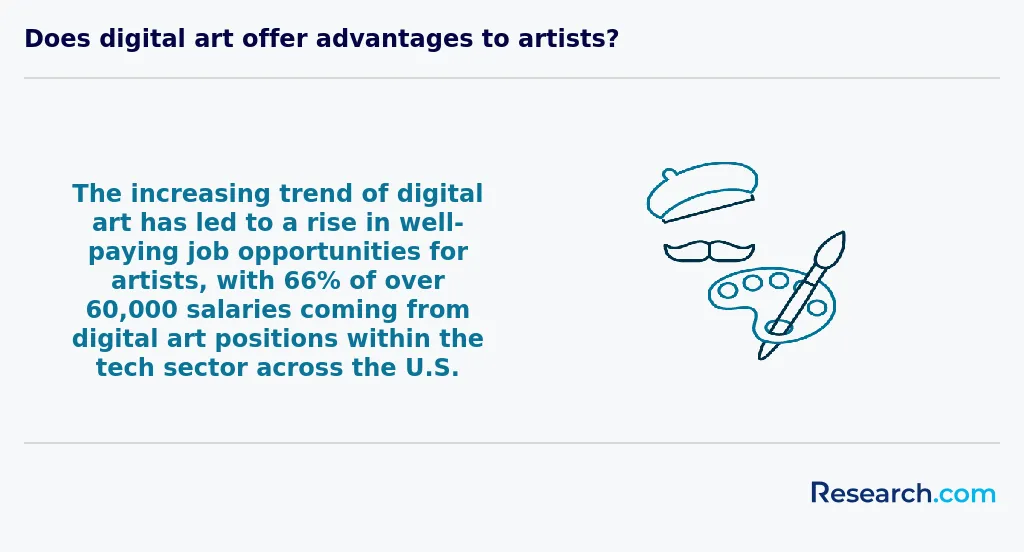
One area that can further enhance your educational journey is a dedicated focus on career development and industry connections. Online Fine Arts programs are uniquely positioned to offer robust career services that help bridge the gap between academia and the real world of creative industries. These programs often provide tailored career counseling, mentorship opportunities, internship placements, and networking events- all of which empower you to build a professional portfolio while still in school. For instance, many programs establish partnerships with established galleries, design firms, and creative agencies, giving students a head start in their professional careers. Moreover, engaging in virtual networking sessions and collaboration projects can lead to internships and real-world assignments that enrich your learning and boost your resume. If you're looking to see how industry-driven learning can catapult your career, consider exploring opportunities like the fastest online fine arts program in massachusetts, which provides comprehensive career support coupled with exceptional educational quality. By taking full advantage of these resources, you not only gain technical expertise but also cultivate essential soft skills and industry insights that pave the way for a successful creative career.
Diving into an online fine arts degree in the Northeast means embracing a rich mix of courses that spark creativity and sharpen your artistic vision. Imagine exploring the fundamentals of drawing and design through interactive lessons that ignite your passion, much like graduates from well-known colleges in New York have experienced. These programs often include two- and three-dimensional design, where you transform simple ideas into complex artworks, pushing your imagination further.
Studying art history from Renaissance to modern art connects you deeply with cultural stories, a favorite aspect for students in Massachusetts schools who love weaving tradition into their personal style. Digital imaging and photography courses open doors to cutting-edge techniques, letting you experiment as others from Pennsylvania institutions do when blending classic craft with technology.
Courses in sculpture, ceramics, and color theory add a hands-on element that challenges and excites, much like working in a virtual studio alongside peers. Plus, professional practices and critique sessions prepare you to confidently step into galleries or creative careers, fueled by the dynamic art scenes embedded throughout the Northeast.
Online fine arts degree specializations in the Northeast invite students to embark on creative journeys tailored to a variety of passions. Many graduates celebrate the chance to hone skills in Studio Art, where they experiment with painting and sculpture, often sharing virtual critiques that spark fresh inspiration from professors at renowned regional schools. Others dive into Graphic Design, mastering the blend of artistry and commercial need; this path is especially exciting for those enrolled in popular online graphic design programs that teach both creative principles and essential digital software.
Photography enthusiasts appreciate the balanced approach found in these programs, blending classic techniques with cutting-edge editing tools, offering an immersive experience similar to what students report at well-known Northeast colleges. Meanwhile, aspiring educators grow through Art Education tracks, preparing not only to create but to inspire future generations through thoughtful curriculum design. For adventurers into new media, Digital Arts and Animation opens doors to dynamic careers, reflecting the evolving media landscape in the Northeast. These options showcase the broad spectrum of fine arts career options in Northeast online programs, making every creative dream feel within reach.
Choosing the best online fine arts degree in the Northeast invites a thrilling exploration of regional strengths and unique opportunities. Graduates from renowned schools in Boston or New York often recall how rigorous but vibrant curriculums combined classic painting and digital media, offering a well-rounded skill set that made their portfolios stand out. Many find that schools with strong industry ties help open doors to gallery internships or creative collaborations in cultural hubs, making the journey both exciting and practical.
Cost is always a key adventure checkpoint. For instance, online learners discover that some programs offer surprisingly affordable fine arts options, balancing quality and price. Seeking out affordable fine arts programs Northeast boasts, and exploring scholarships or financial aid tailored to artists, can truly brighten your path.
Technical support and student services shape your creative voyage, ensuring smooth access to virtual studios and mentorship. Curious learners often find joy in comparing programs and benefits-taking cues from online rankings such as the Most Affordable Fine Arts Degree Programs Ranking in Portland, OR, even from a distance-to find their ideal fit.

Graduates with an online fine arts degree in the Northeast uncover a vibrant spectrum of careers waiting to be explored. Many find themselves energized by roles as professional artists, art educators, or museum curators, especially in culturally rich cities near popular universities. Imagine a graduate inspired by Boston's Museum of Fine Arts, stepping confidently into a curator's role, or another shaping young minds as an art teacher in local schools after completing certification checkpoints through their online course. These real-life pathways highlight the diverse opportunities within fine arts degree jobs in the Northeast, where creativity meets community.
Some graduates embrace entrepreneurship, launching independent studios or online galleries that tap into digital markets like NFTs, transforming their passion into thriving businesses. Others dive into commercial design, enjoying steady demand for graphic design and illustration fueled by the region's bustling creative industries. The appeal of the Northeast's art scenes, coupled with flexible online learning, invites students to pursue their ambitions fearlessly. For those curious about broader options, exploring the easiest degrees can open doors to complementary skills.
The online fine arts degree job outlook Northeast reveals a vibrant yet challenging scene where creativity meets opportunity. Graduates from renowned Northeast institutions often find themselves immersed in bustling cities like New York or Boston, navigating a landscape filled with galleries, media firms, and educational settings eager for fresh artistic talent. Some graduates describe landing roles in advertising agencies or museums where their visual storytelling skills become essential in dynamic campaigns and exhibitions, making their artistic dreams tangible.
Fine arts career opportunities Northeast region continue to expand across fields such as graphic design, illustration, and arts education, especially as cultural centers seek professionals who understand both traditional and digital art forms. A graduate from a popular Northeast college shares excitement about securing a teaching position while freelancing for publishing houses-an enriching dual path made possible by flexible online studies.
With tuition varying widely but often more accessible through online options, prospective students might consider affordable online masters programs in fine arts to balance cost and quality. These pathways open doors not only to jobs but to thriving artistic communities ready to support emerging creators.
2027 Most Affordable Online Fine Arts Degree Programs Ranking in the Northeast
Investing in your education is a significant decision that can shape your future, and the Research.com team understands the importance of making informed choices. To assist prospective students seeking fine arts degrees in the Northeast, we have carefully developed the "2027 Most Affordable Online Fine Arts Degree Programs Ranking in the Northeast." Our dedication to quality, credibility, and accuracy is demonstrated through rigorous research and data analysis used in creating this ranking.
We utilized the following reputable data sources to ensure a comprehensive evaluation of affordable online fine arts programs:
By exploring this ranking, readers will gain valuable insights into affordable, credible online fine arts degree options in the Northeast, empowering them to make well-informed educational decisions. For more information about our ranking process, visit our Research.com methodology page.


# 3 position
SUNY Empire State College
Bachelor of The Arts

# 5 position
Thomas Edison State University
Bachelor of Theater

Frequently Asked Questions About fine arts
Students pursuing online fine arts degrees in the Northeast can enhance their learning by actively engaging with local art communities. Many cities in this region, including New York and Boston, offer numerous galleries, workshops, and artist collectives that provide practical experiences beyond virtual classrooms. According to the National Endowment for the Arts, the Northeast accounts for about 25% of U.S. art-related employment, highlighting ample networking opportunities.
Moreover, students should utilize campus resources such as virtual studio sessions and critique groups, which foster peer interaction and feedback. Access to digital libraries and databases through accredited institutions further supports research and skill development.
Finally, integrating internships with regional museums or art organizations can provide real-world experience critical for career growth.
The fine arts field is evolving with several emerging niches that appeal to students pursuing online degrees in the Northeast. One notable area is digital and interactive arts, driven by advances in technology and demand for multimedia content. According to a 2023 report from the National Endowment for the Arts, programs combining traditional fine arts with digital skills saw a 15% enrollment increase.
Another growing niche involves sustainable and eco-conscious art practices. Northeast institutions increasingly integrate environmental themes, reflecting broader societal concerns. Additionally, art therapy is gaining traction, supported by healthcare collaborations to address mental health through creative expression.
These specialized fields offer Northeastern students opportunities to engage with dynamic careers beyond conventional studio arts.
Graduates with an online fine arts degree in the Northeast should focus on building a strong portfolio showcasing diverse skills. Employers in arts-related fields value practical experience and creativity. Participating in internships or freelance projects regionally can provide important networking opportunities and local market insight. According to the National Endowment for the Arts, the Northeast has a 5% higher concentration of arts jobs compared to the national average, emphasizing the benefit of regional connections.
Joining local arts organizations and attending exhibitions can also enhance visibility. Additionally, graduates should leverage online platforms tailored to artists to expand their reach beyond geographic limitations. Foundational skills in digital tools remain essential in today's competitive environment.
Employers in the Northeast prioritize a blend of creative and technical skills in fine arts degree graduates. According to the National Endowment for the Arts, proficiency in digital media tools and software is increasingly essential as many organizations shift to online platforms. Strong artistic abilities combined with effective communication and project management skills rank highly in employer surveys from the New England Foundation for the Arts.
Additionally, adaptability and collaboration are key in the region's dynamic arts scene. With nearly 120,000 fine arts professionals in states like New York and Massachusetts, graduates who demonstrate both innovation and teamwork tend to be more competitive for roles.
Finding internships in the Northeast relevant to a fine arts degree involves exploring multiple avenues. Students should start by contacting career services at their online institutions, as many schools maintain partnerships with local galleries, museums, and design firms.
Major cities like New York and Boston host numerous art organizations offering internships. The New York Foundation for the Arts and the Massachusetts Cultural Council often post opportunities specific to fine arts students.
Leveraging online platforms such as Handshake and Internships.com can expand your search. According to the National Endowment for the Arts, over 20% of arts internships in the U.S. are located in Northeastern metropolitan areas, highlighting ample options nearby.
Online fine arts degrees in the Northeast offer flexible pathways for career mobility and advancement. According to the National Center for Education Statistics, approximately 18% of fine arts graduates in the region pursue further specialized training or professional opportunities within five years of earning their degree. Employers in creative industries increasingly value formal education paired with digital skills, both accessible through online programs.
Graduates can leverage their credentials to enter roles in graphic design, art direction, or education. The remote nature of online learning allows students to build portfolios while maintaining professional connections locally. This adaptability is crucial in competitive Northeastern job markets like New York and Boston.
Studying for a fine arts degree online in the Northeast offers strong interdisciplinary preparation by integrating traditional art skills with technology, media, and business knowledge. Many accredited programs in the region emphasize collaboration across fields such as graphic design, digital media, and art therapy, reflecting current job markets. According to the National Endowment for the Arts, Northeast institutions lead in offering combined curricula that enhance critical thinking and technical proficiency.
Students engage in projects that merge visual arts with digital platforms, fostering versatile skill sets adaptable to various creative industries. Access to cultural hubs like New York and Boston further enriches learning opportunities through virtual partnerships and networking.
When choosing between a thesis and a non-thesis fine arts degree program in the Northeast, consider your career goals. Thesis programs typically require a substantial research project or original artwork and suit students aiming for doctoral study or academic careers. Non-thesis options focus more on coursework and practical skills, appealing to those seeking professional practice.
The Northeast features many online fine arts programs, with thesis options often offered by research universities. According to the National Center for Education Statistics, about 45% of Northeast fine arts online degrees include a thesis component, reflecting regional academic trends.
Review program details carefully, including faculty expertise and project requirements, to align the program with your aspirations.
Students in the Northeast interested in studying fine arts abroad have several options facilitated by their U.S. institutions. Many colleges in this region partner with international universities to offer study abroad programs, combining on-campus online coursework with travel opportunities. For instance, schools in New York and Massachusetts often provide programs in European art hubs like Italy and France.
According to the Institute of International Education (IIE), about 12% of U.S. study abroad participants pursue arts-related fields, with Northeastern students among the highest contributors. These programs typically last a semester or summer and complement online fine arts degrees, allowing hands-on studio experience overseas.
Additionally, scholarships and financial aid specific to study abroad in arts are commonly available through Northeast colleges, helping reduce costs for eligible students.
Part-time job opportunities that complement fine arts degrees in the Northeast often align with the region's strong cultural and creative industries. Common roles include gallery assistant, museum educator, and art handler, particularly in cities like New York and Boston, where the arts sector employs over 50,000 professionals according to the National Endowment for the Arts (2023).
These positions provide practical experience and networking essential for fine arts careers. Additionally, freelance graphic design and digital illustration jobs are popular due to the rise of remote work. Local arts councils and nonprofit organizations also frequently seek part-time coordinators and event staff, supporting students with practical skills while they study online.
Online fine arts students in the Northeast benefit from diverse networking opportunities through regional art organizations, virtual events, and alumni networks. Many universities partner with local galleries and museums, offering virtual exhibitions and workshops that foster connections with practicing artists and industry professionals. The New England Foundation for the Arts and Mid Atlantic Arts Foundation frequently support online platforms where students can showcase work and engage collaboratively.
Additionally, numerous online programs provide access to exclusive webinars and mentorship programs, linking students with artists and educators across the Northeast. According to the National Endowment for the Arts, this region reports one of the highest concentrations of artists in the U.S., enhancing networking potential for remote learners.
Alumni networks play a crucial role for online fine arts degree students in the Northeast by providing valuable professional connections. These networks offer access to industry contacts, mentorship opportunities, and collaboration possibilities that can help graduates navigate competitive creative fields.
According to the National Art Education Association, graduates who engage with alumni resources are 30% more likely to secure employment within six months after graduation.
In the Northeast, where the fine arts market is highly concentrated in cities like New York and Boston, networking through alumni can lead to internships, exhibitions, and freelance work more efficiently than cold outreach.
Moreover, alumni groups often organize events and workshops tailored to the arts community, fostering continuous learning and career development.
Customizing an online fine arts degree in the Northeast allows students to align their education with specific career goals. Many institutions provide elective courses in areas like digital media, animation, or art history, enabling students to specialize based on industry demands. For example, schools accredited by the National Association of Schools of Art and Design often offer flexible curricula tailored to emerging art fields.
Students can also choose internships or virtual studio projects to gain practical experience. According to the National Center for Education Statistics, Northeastern schools have increased online fine arts offerings by 15% in recent years, reflecting growing flexibility. This enables learners to build portfolios and networks relevant to their artistic careers.
Online fine arts students in the Northeast often face challenges related to access and engagement. Unlike traditional programs, hands-on instruction and studio time can be limited, making it difficult to develop practical skills. Many students report difficulties in receiving timely feedback from instructors, which is essential for arts education. According to the National Endowment for the Arts, Northeast students find networking opportunities less frequent online compared to in-person programs.
Technical issues also pose barriers, as students must have reliable high-speed internet for virtual critiques and workshops. Furthermore, balancing creative work with other responsibilities remains a persistent challenge for many.
With an online fine arts degree, professionals in the Northeast can pursue a variety of certifications to enhance their careers. Common certifications include those in art therapy, such as credentials offered by the Art Therapy Credentials Board (ATCB), which are highly regarded across the US. Another path is certification in museum studies or curation, often provided by professional bodies like the American Alliance of Museums.
Additionally, individuals interested in teaching can seek state-specific teaching licenses for art education, which require passing exams such as the Praxis. According to the National Center for Education Statistics, art teacher certification demand in the Northeast has grown by 5% over recent years, reflecting a steady need.
These credentials can support careers in education, therapy, and arts administration, expanding opportunities beyond studio practice.
Applying to an online fine arts program in the Northeast requires a clear, well-crafted portfolio that highlights your originality and technical skills. Admissions committees often emphasize creative work reflecting a strong personal style. Including a detailed artist statement explaining your inspiration and goals strengthens your application.
Ensure your academic records meet the program's requirements, with transcripts showing coursework related to art or humanities, if possible. Many Northeast schools value a balanced blend of both traditional art skills and digital media proficiency.
Letters of recommendation from art instructors or professionals can support your commitment. According to the National Endowment for the Arts, about 25% of Northeast fine arts graduates pursue further education, making competitive applications essential.
The global perspective on a fine arts career increasingly values versatility and digital skills. Graduates with fine arts degrees, including those from online programs in the Northeast, often find opportunities in diverse fields such as multimedia design, advertising, and digital content creation.
According to the National Endowment for the Arts, the creative economy contributes over $900 billion annually to the U.S. economy. In the Northeast, a hub of cultural institutions, fine arts professionals benefit from proximity to major museums, theaters, and galleries that support career growth.
Employers seek candidates who combine traditional artistic skills with knowledge of new technologies. Online fine arts degrees help students develop these competencies while expanding access for those balancing work and study.
Gaining practical experience is essential when pursuing an online fine arts degree in the Northeast. Many programs partner with local galleries, studios, or community art centers, allowing students to participate in internships or apprenticeships near their location. For example, institutions often encourage students to complete internships in cities like New York or Boston, where art scenes are vibrant.
Students can also benefit from virtual critiques, workshops, and collaborative projects that simulate real-world art practice. According to the National Endowment for the Arts, 37% of Northeast adults engage in arts activities, supporting strong community networks for emerging artists.
Local art organizations frequently offer volunteer opportunities, which help build portfolios and professional networks while studying.
Choosing the right concentration within an online fine arts degree in the Northeast starts with understanding your artistic goals and career aspirations. Concentrations may include areas like graphic design, painting, sculpture, or digital media, each leading to different job opportunities.
Research from the National Endowment for the Arts shows that digital and multimedia arts are growing rapidly, especially in metropolitan areas such as New York City and Boston. These regions also offer numerous online programs tailored to these fields.
Consider the faculty expertise and resources offered by Northeast institutions, as strong mentorship can enhance your learning experience. Additionally, check if the program provides internships or industry connections in your preferred concentration.
- Online Fine Arts Programs https://www.onlinedegrees.com/fine-art-craft/
- High-Impact Educational Practices in the Arts and… | SNAAP https://snaaparts.org/findings/databriefs/high-impact-educational-practices-in-the-arts-and-post-college-community-engagement
- Top 10 Art Schools in the Northeast https://insights.masterworks.com/art/irl/schools-art-irl/top-10-art-schools-in-the-northeast/
- Art https://northeast.edu/degrees-and-programs/art
- 2026 Most Affordable Online Art Degrees https://www.onlineu.com/most-affordable-colleges/art-design-degrees
- Financial Aid https://www.theflorenceschool.org/faid.html
- Studio Art Financial Aid Application https://www.mfa.org/programs/studio-art-classes/studio-art-scholarship-application
- Benefits of Fine Arts Education: Creativity & Confidence ... https://palcs.org/advantage-fine-arts-education-creativity-confidence/
- Art-Fine Arts/Media Arts Concentrations, BA https://www.nec.edu/programs/bachelor-of-arts-fine-arts-media-arts
- Types of Financial Aid | PAFA - Pennsylvania Academy ... https://www.pafa.org/types-financial-aid


