2027 Most Affordable Fine Arts Degree Programs Ranking in Charlottesville

Co-Founder and Chief Data Scientist
Choosing the right fine arts degree program can shape your creative future, especially in a vibrant place like Charlottesville. To help you navigate your options, this article introduces the 2027 Most Affordable Fine Arts Degree Programs Ranking in Charlottesville. Created by the Research.com team of data scientists, this ranking offers clear, data-driven insights to guide your decision.
By exploring these programs, you'll discover affordable opportunities without compromising quality. Whether you're passionate about painting, sculpture, or design, this article encourages you to pursue your artistic dreams with confidence and clarity.
Key benefits of getting fine arts degree in Charlottesville
- Fine arts graduates in Charlottesville can expect strong salary prospects, with roles like Animator earning about $109,630 annually and Illustrators around $71,420, offering rewarding financial stability after graduation.
- Career paths from a Charlottesville-based fine arts degree include Graphic Artist and Art Therapist, providing diverse opportunities to express creativity in exciting and impactful ways.
- Online fine arts degrees offer flexible learning schedules and accessibility, allowing graduates from Charlottesville to balance studies with personal commitments while still gaining valuable skills and credentials.
- 2027 Most Affordable Fine Arts Degree Programs Ranking in Charlottesville
- What can I expect from fine arts degree in Charlottesville?
- Where can I work with fine arts degree in Charlottesville?
What can I expect from fine arts degree in Charlottesville?
The average cost of pursuing a fine arts degree in Charlottesville, particularly at the University of Virginia, reflects a significant investment tailored to the quality of education provided. For Virginia residents, annual tuition amounts to approximately $21,400, while out-of-state students face a yearly tuition around $59,000. Graduates often recall the value of these expenses being matched by access to expert faculty, personalized mentorship, and state-of-the-art studio facilities that foster creative growth. Many describe richly engaging experiences in ceramics studios and digital labs that would be difficult to replicate elsewhere.
Students frequently emphasize the importance of exploring scholarships and grants available specifically for art majors, which can substantially ease financial burdens. The competitive tuition aligns with the exceptional resources and opportunities for practical engagement in Charlottesville's active arts community, making the investment more manageable and worthwhile for many aspiring artists.
Where can I work with fine arts degree in Charlottesville?
Graduates with fine arts degrees from institutions like the University of Virginia in Charlottesville often find rewarding employment opportunities in the local art scene. Many secure positions at venues such as the Fralin Museum of Art, working as curators, art handlers, or educational coordinators-roles that engage their deep understanding of art history and studio practice cultivated during their studies.
Teaching careers within Charlottesville City Schools and nearby districts also attract fine arts graduates who hold both a degree and teaching certification. These educators inspire younger learners, enriching the community's cultural fabric with creativity and expertise.
Freelance careers in graphic design, photography, and digital media are common among graduates, who partner with marketing firms and design studios. This path allows for dynamic, flexible work blending artistic talent with technological skills.
Arts administration roles at community hubs like the Jefferson School City Center offer graduates meaningful ways to coordinate programs and support local artists, creating vibrant opportunities beyond traditional studio or classroom settings.
Graduates with fine arts degrees from Charlottesville's leading institutions often find starting salaries in the $35,000 to $50,000 range, reflecting local market conditions. Those pursuing careers as graphic artists can expect mean annual wages around $64,700, aligning well with regional opportunities. Illustrators, leveraging specialized skills developed during their studies, typically earn about $71,420 annually, while animators, a highly sought-after profession, command a substantially higher mean wage of $109,630 nationwide, which local employers may approximate for experienced candidates.
Charlottesville graduates who capitalize on opportunities at local galleries, cultural institutions, or teaching workshops often supplement their income effectively, with some progressing toward roles like art directors that pay upward of $70,000. Personal accounts from alumni reveal that networking within the vibrant Charlottesville arts scene greatly enhances professional growth and earning potential. This dynamic environment, especially around University of Virginia, fosters creative development alongside competitive compensation, providing many recent graduates with rewarding and financially viable career paths.
- The average cost for a Bachelor of Fine Arts degree ranges from $30,000 to $50,000 for in-state students and can go up to $70,000 for out-of-state students.
- Starting salaries for fine arts graduates in Charlottesville typically range between $35,000 and $40,000 per year in entry-level positions.
- Mid-career salaries for experienced professionals generally fall between $50,000 and $65,000, depending on specialization and industry.
- Key employment sectors include art galleries, museums, independent studios, and arts education in schools.
- Many programs balance practical skills with theoretical learning to prepare students for roles like freelance work and curatorial jobs.
- Local internships and mentorships provide hands-on experience and opportunities to build professional networks before graduation.
In Charlottesville, completing a Bachelor of Fine Arts (BFA) or Bachelor of Arts (BA) in Fine Arts generally takes four years of full-time study. This timeframe aligns with the academic structure at well-known institutions such as the University of Virginia, where graduates reflect positively on the balanced blend of studio practice and art theory spread over eight semesters. Many find this period sufficient to develop their artistic skills in areas like painting, sculpture, and digital media while fulfilling general education requirements.
Graduates often describe their journey as both challenging and rewarding, appreciating the steady pace that allows immersive learning without overwhelming pressure. Some students accelerate their progress through transfer credits or summer courses, completing the degree earlier, while part-time learners might extend their studies beyond four years.
This typical timeline helps Charlottesville fine arts students manage commitments effectively, offering them a structured path to artistic and academic growth in a vibrant university setting.
Crafting a standout portfolio is essential when applying to Charlottesville Fine Arts programs. Begin by selecting 10–15 of your strongest pieces that demonstrate a range of techniques-such as drawing, painting, digital work, and mixed media-to highlight your versatility. Organize your portfolio with a clear narrative: lead with your most polished works, then showcase experimental or process-oriented projects that reveal your creative development. Tip 1: Invest in high-quality photography or scans. Clear, well-lit images ensure reviewers see texture and color accuracy. Use neutral backgrounds and consistent framing to maintain a professional presentation. Tip 2: Include brief captions (30–50 words) for each piece, detailing medium, dimensions, and date. Concise descriptions help admissions teams understand your conceptual intentions and technical proficiency. Tip 3: Demonstrate engagement with community or academic projects. For example, if you contributed to a local mural or collaborated on a gallery installation, include documentation and a short reflection on your role and learning outcomes. Admissions officers value applicants who connect theory with real-world practice. Tip 4: Tailor your portfolio to program strengths. Research each Charlottesville institution’s specialization-such as sculpture or digital arts-and prioritize works that align with these areas. For broader comparisons, explore our Affordable Fine Arts Degree Programs Ranking in the Midwest to see how your portfolio might fit into other top-value programs. Finally, request feedback from mentors and peers before submission. A fresh perspective can catch inconsistencies in flow or presentation. By following these guidelines, you’ll present a cohesive, impactful portfolio that underscores both your artistic vision and readiness for a Fine Arts degree in Charlottesville, VA.
On-campus fine arts degrees in Charlottesville, such as those at the University of Virginia, provide students with direct access to studios and specialized equipment like kilns and printmaking presses. Graduates often recall the immediate feedback from faculty and the vibrant collaboration with peers during exhibitions and performances as essential to their artistic growth. This immersive environment nurtures hands-on skills and creative experimentation, fostering a strong sense of community among classmates.
Conversely, online fine arts programs offer flexibility suited to students balancing work or family responsibilities. While lacking the tactile engagement of a physical studio, these programs employ video demonstrations and virtual critiques to simulate the learning experience. Some accredited institutions offer hybrid formats, combining online coursework with short on-campus residencies in Charlottesville, blending convenience with direct faculty interaction.
Financially, on-campus tuition at Charlottesville institutions typically ranges from $20,000 to $25,000 annually, often including studio access. Online options may reduce costs by 15-30%, yet students may incur additional fees for materials or specialized equipment.
Campus life in Charlottesville offers a dynamic backdrop where artistic passion meets community and creative growth. Fine Arts students benefit from a host of extracurricular activities-from student-run art clubs and gallery exhibitions to hands-on workshops and collaborative mural projects-that extend learning beyond traditional classrooms. These opportunities not only enrich your creative experience but also help foster strong networks with peers, faculty, and local artists, ensuring that your educational journey is both comprehensive and engaging. Participation in campus events often leads to mentorships, portfolio critiques, and even real-world project collaborations, all of which are invaluable when stepping into competitive job markets after graduation. For students who value both affordability and community, exploring programs like the cheapest fine arts school in virginia can provide insight into how rigorous academics coincide with a bustling, supportive campus culture. Embracing these extracurricular avenues empowers you to build creativity, refine your craft, and develop connections that can benefit your long-term artistic career.
The average cost of a fine arts degree in Charlottesville typically centers around $75,792 for the total program, with in-state students often paying closer to $21,803. These figures reflect a comprehensive view including tuition, fees, and other associated expenses typical in this vibrant academic community. Graduates from well-regarded universities such as the University of Virginia frequently share how their investment in fine arts education was complemented by valuable hands-on experiences, enriching both their creative and professional pursuits.
Many fine arts students in Charlottesville find the costs manageable by taking advantage of scholarships and financial aid programs offered locally. The area is known for affordable fine arts programs Charlottesville 2027, which aim to balance quality education with financial accessibility. Beyond tuition, students often budget for materials like canvases and digital tools, which are essential for success but add to overall costs. Those who passionately pursue their art recognize these investments as stepping stones toward fulfilling careers that ignite personal growth and satisfaction.
Students weighing their options may also explore the best ESL master's programs online if language development complements their artistic goals. These diverse educational paths enrich the creative process and open doors internationally. By thoughtfully considering costs and aid opportunities, prospective students in Charlottesville can confidently embark on a rewarding fine arts education journey grounded in expert guidance and community support.
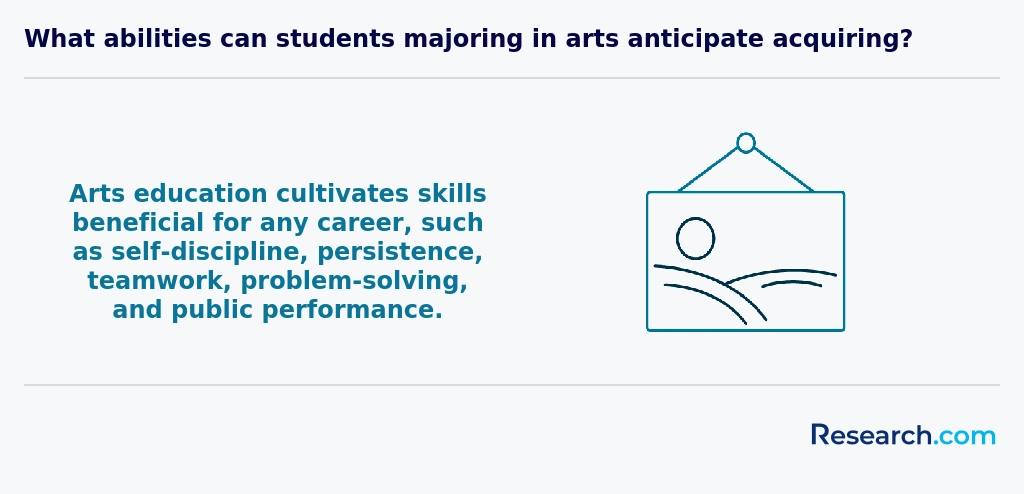
A vibrant campus environment can enrich your Fine Arts journey far beyond classroom learning. Embracing a strong sense of community, students enjoy opportunities to participate in art clubs, collaborative projects, and local exhibitions that foster creative growth and professional networking. On-campus events, open studios, and frequent gallery visits create a dynamic social and educational atmosphere that nurtures both individual talents and collective artistic expression. Engaging in campus life also means benefiting from mentorship programs, access to exclusive workshops, and exposure to diverse art forms, all of which contribute significantly to personal and career development. For example, many students find that exploring resources at the cheapest fine arts school in virginia not only lowers academic expenses but also opens doors to enriching extracurricular opportunities. This immersive experience is essential for building lasting connections with peers, faculty, and the broader art community, ultimately helping you thrive both academically and creatively.
Fine arts students in Charlottesville can access a variety of financial aid options tailored to the region's educational landscape. Graduates of the University of Virginia often recall receiving merit-based scholarships that recognize artistic talent and academic achievement, which helped ease tuition burdens significantly. Similarly, students at Piedmont Virginia Community College benefit from institutional scholarships that provide essential funding for their fine arts studies, allowing them to focus more on creative growth without constant financial stress.
Federal aid remains crucial; by completing the FAFSA, students become eligible for grants like the Pell Grant, which can award up to $7,395 annually, providing meaningful support to low-income fine arts learners. State scholarships, such as the Virginia Commonwealth Award, specifically assist Virginia residents attending local institutions, expanding opportunities for those pursuing private or public fine arts programs in Charlottesville.
Many fine arts students find additional relief through private scholarships from local arts councils or national competitions like the Scholastic Art & Writing Awards. These resources, combined with on-campus work-study roles, create a layered support system that enables students to thrive both creatively and financially during their degree journey.
Many aspiring artists in Charlottesville broaden their creative horizons by combining a Fine Arts degree with complementary fields that enrich their skill set and expand career opportunities. Exploring interdisciplinary programs can give you a competitive edge in today’s multifaceted creative industries. – Digital Media and Animation: Pairing traditional studio art courses with digital media electives helps you master tools like Adobe Creative Suite and Blender, essential for careers in animation, game design, and interactive installations. – Art Therapy and Psychology: Integrating coursework in psychology and counseling with studio practice prepares you for roles that leverage creativity for wellness, such as art therapists in hospitals, schools, and community centers. – Graphic Design and Communication: Combining Fine Arts fundamentals with graphic design concentrations enables you to create compelling branding, advertising campaigns, and UI/UX designs for tech startups and marketing agencies. – Museum Studies and Curatorial Practice: If you’re passionate about art history and preservation, merging Fine Arts with museum studies courses equips you to work in galleries, archives, and cultural institutions. – Music and Performance Arts: Collaborating across disciplines often leads to innovative projects. Consider exploring different music degrees alongside your Fine Arts curriculum to develop multimedia performances, sound installations, or scoring for visual media. Interdisciplinary study not only diversifies your portfolio but also fosters adaptability in a shifting job market. By thoughtfully selecting related concentrations, you’ll cultivate a versatile skill set that appeals to employers and clients seeking comprehensive creative expertise.
Enrolling in a fine arts degree program in Charlottesville requires applicants to have completed a high school diploma or an equivalent, such as a GED, demonstrating readiness for college-level study. Many Charlottesville fine arts programs, including those at the University of Virginia, value prior coursework in disciplines like drawing, painting, sculpture, or digital media, which equip students with foundational skills that ease the transition into rigorous arts studies.
A critical component of the admissions process is the submission of a well-curated portfolio showcasing a range of artistic techniques, including drawings, paintings, or digital creations. Graduates from Charlottesville institutions often recall how crafting their portfolios encouraged creative growth and boosted confidence, as faculty carefully reviewed these collections to evaluate artistic potential.
Standardized test scores such as the SAT or ACT may be requested, but several Charlottesville programs, notably UVA, have adopted test-optional policies, offering flexibility in the application process. Personal statements and letters of recommendation from mentors or art teachers further enrich an applicant's profile, helping admissions committees understand their passion and career aspirations in fine arts.

Students pursuing fine arts degrees at prominent Charlottesville institutions often engage in a comprehensive curriculum that blends hands-on practice with critical theory. Typical courses include foundational subjects such as drawing, painting, sculpture, and printmaking, allowing graduates to refine core artistic techniques through studio work that encourages exploration and personal expression.
Alongside these, coursework in art history and theory immerses students in cultural contexts and major artistic movements, fostering an informed perspective that enriches their creative output. For example, many graduates appreciate how learning about historical influences deepens their own artistic voice.
Recognizing the evolving art landscape, programs incorporate interdisciplinary studies such as digital media, photography, and graphic design. Charlottesville students often describe the excitement of blending technology with traditional arts, preparing them for versatile career paths.
Further, courses in portfolio development, art business, and exhibition planning equip graduates with professional skills essential for navigating Charlottesville's competitive art scene or pursuing graduate education.

Students pursuing a fine arts degree in Charlottesville at the University of Virginia encounter a diverse set of specializations that cater to both traditional and contemporary artistic ambitions. Typical areas of focus include studio art, covering painting, sculpture, and printmaking, enabling graduates to cultivate technical expertise alongside unique creative expression. Photography specialization offers a blend of analog and digital techniques, enriching students' storytelling abilities through visual media.
Charlottesville fine arts program options also highlight graphic design, equipping students for careers in digital media and advertising with practical knowledge in design theory and software tools. Art history provides an immersive investigation into artistic movements and critical analysis, preparing students for roles in curation and cultural institutions. Additionally, film and media arts allow exploration of filmmaking and multimedia, reflecting the evolving nature of fine arts.
Graduates often express satisfaction with the interdisciplinary approach encouraged in Charlottesville's programs, which fosters both skill development and academic inquiry. Prospective applicants balancing cost, curriculum, and career goals may find guidance alongside information about top careers in special education, which share similar educational planning considerations.
Choosing an affordable fine arts degree program in Charlottesville involves evaluating each institution's curriculum focus and faculty strength. Graduates from the University of Virginia often highlight the benefit of learning under faculty actively engaged in diverse artistic disciplines, which fosters enriched mentorship and personalized artistic growth. Access to campus studios and connections with local galleries enable hands-on practice, enhancing real-world preparedness in a vibrant arts community.
Cost considerations are crucial; UVA's in-state tuition, for example, is around $20,000 annually, making it a viable option compared to more expensive private colleges. Students commonly seek scholarships and financial aid tailored to arts disciplines to reduce expenses. Exploring graduate outcomes such as internship opportunities and alumni success helps gauge the program's effectiveness for long-term career goals in the arts.
Prospective students should also assess support services like career counseling and practical workshops that foster professional development. For those interested in related fields, pathways toward credentials such as the Illinois teacher license endorsement can add versatility to an arts degree. Thorough research ensures the best fine arts colleges in Charlottesville VA align with both artistic ambition and financial plans.

Graduates with a fine arts degree in Charlottesville find a variety of fulfilling career paths grounded in the city's rich cultural landscape. Many alumni from the University of Virginia's studio art program and other local colleges engage professionally in visual arts disciplines such as painting, sculpture, and printmaking, often showcasing work in Charlottesville's vibrant galleries. Others pursue graphic design and digital media opportunities, combining creativity with technology in marketing firms and startups that thrive in the region.
Another significant sector for fine arts career opportunities Charlottesville offers is arts education. Graduates frequently secure roles teaching in public schools or leading community programs, bolstered by state education initiatives and pathways such as Washington teaching credentials. The city's strong emphasis on education ensures steady demand and meaningful impact.
Additional career options include art administration and curation, where graduates manage local museums and nonprofits, and commercial creative roles like illustration, animation, and photography, servicing media and advertising companies. Charlottesville fine arts degree jobs thus span a broad spectrum, allowing graduates to apply their skills in varied, purpose-driven environments that contribute to a thriving creative economy.
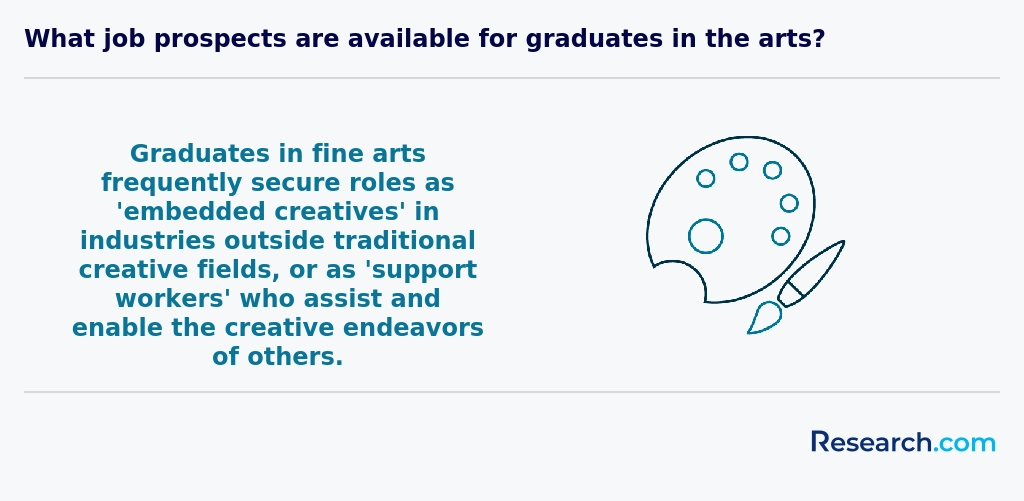
The job market for fine arts degree holders in Charlottesville presents a dynamic blend of cultural engagement and competitive realities typical of regional arts economies. Graduates from institutions such as the University of Virginia often find opportunities in galleries, museums, and educational settings, benefiting from the university's strong arts community and local partnerships. Many fine arts degree job opportunities Charlottesville offers include roles as painters, sculptors, curators, and multimedia artists adapting to the growing digital media landscape.
Charlottesville's employment outlook for fine arts graduates suggests that while median wages nationally hover around $50,550, local salaries may vary, often supplemented by freelance or teaching work to maintain financial stability. Recent graduates describe balancing passion with pragmatism, engaging with community projects, and leveraging the local arts scene for exhibitions and commissions.
For prospective students, the financial aspect is a significant consideration; the cost of education ranges widely. Those seeking affordability often explore options such as the cheapest fine arts school in virginia or community colleges in Charlottesville to reduce tuition expenses while preparing for diverse career paths.
2027 Most Affordable Fine Arts Degree Programs Ranking in Charlottesville
Investing in your education is a significant decision that can shape your future, and the Research.com team understands the importance of making informed choices. To assist prospective students in Charlottesville, we have meticulously crafted the "2027 Most Affordable Fine Arts Degree Programs Ranking in Charlottesville." Our commitment to quality, credibility, and accuracy is reflected in the extensive research and analysis conducted to compile this ranking.
We utilized the following reputable data sources to ensure a comprehensive evaluation of fine arts degree programs:
By exploring this ranking, readers will gain valuable insights into the most affordable fine arts degree programs available in Charlottesville, helping them make well-informed decisions about their educational investments. For more details on our methodology, please visit our Research.com methodology page.

Frequently Asked Questions About fine arts
Fine arts degree students in Charlottesville can maximize their learning experience by engaging actively both inside and outside the classroom. Local institutions like the University of Virginia offer diverse studio courses and encourage participation in community art projects, which enhances practical skills and portfolio development.
Students should take advantage of Charlottesville's vibrant arts scene, including galleries and public exhibitions, to gain exposure to various art forms. Networking with local artists and attending workshops can provide valuable mentorship and career insights.
Internships and collaborations with organizations such as the McGuffey Art Center provide hands-on experience crucial for professional growth. According to the National Endowment for the Arts, experiential learning increases job placement rates by nearly 20% in arts-related fields, emphasizing its importance.
The fine arts field in Charlottesville is evolving with several emerging niches gaining attention. Digital arts, including animation and virtual reality, have grown due to advancing technology and local demand for innovative media.
Environmental art is another niche reflecting increased awareness of sustainability and nature. Artists incorporate eco-friendly materials and themes in their work, resonating well within the Charlottesville community.
Furthermore, interdisciplinary practices that blend fine arts with technology, performance, and social activism are becoming popular in area programs. Data from the University of Virginia's arts department highlights a 15% enrollment increase in these areas over the past three years.
These niches provide new career paths for students pursuing fine arts in Charlottesville.
Preparing for the job market after completing a fine arts degree in Charlottesville involves a mix of building practical skills and networking. According to the National Endowment for the Arts, fine arts graduates often benefit from portfolios showcasing diverse work, including digital and traditional media. It is crucial to participate in local art events and exhibitions in Charlottesville, as the city hosts multiple galleries and art festivals each year which serve as networking hubs.
Internships with local galleries or arts organizations can provide real-world experience and professional connections. Furthermore, Charlottesville's proximity to several universities offers access to career resources and workshops tailored for arts graduates. Developing skills in digital marketing and grant writing is increasingly important, given the competitive nature of arts funding in Virginia.
Employers in Charlottesville seeking fine arts degree graduates prioritize a strong foundation in creative skills such as drawing, painting, and digital media. According to the National Endowment for the Arts, proficiency in visual communication and storytelling remains vital across local galleries and multimedia firms.
Additionally, teamwork and collaboration are highly valued, especially in project-based environments common within Charlottesville's vibrant art community. Graduates who demonstrate adaptability and critical thinking tend to stand out in both nonprofit and commercial sectors.
Technical skills, including proficiency with software like Adobe Creative Suite, are also frequently required by employers. Data from the Virginia Employment Commission highlights that 65% of local art-related job postings mention software competence as a key requirement.
Finding internships in Charlottesville relevant to a fine arts degree involves leveraging local cultural institutions and university resources. The University of Virginia (UVA) offers connections through its Art Department and Career Center, which frequently list internships with galleries, museums, and public art projects in the area. Charlottesville is home to several art galleries like the 2nd Street Gallery and local theaters that offer hands-on experience. Additionally, organizations such as the Charlottesville Arts Commission provide internship opportunities focused on community arts initiatives.
Students should also explore networking events and local arts festivals, which serve as excellent platforms to meet professionals and learn about openings. According to the UVA Career Center, nearly 60% of fine arts students secure internships through campus resources or local partnerships. Online platforms dedicated to internships in the arts, including Handshake and Indeed, can complement in-person searches in the Charlottesville region.
A fine arts degree in Charlottesville can significantly impact career mobility and advancement, particularly in the region's thriving creative sectors. Graduates often find opportunities in education, gallery management, and design, fields that value both technical skills and creative thinking. According to the National Center for Education Statistics, employment in arts-related occupations in Virginia is projected to grow by about 4% from 2020 to 2030, reflecting steady demand.
Local institutions like the University of Virginia provide fine arts graduates with strong networks, enhancing job prospects. Additionally, Charlottesville's active arts community offers internships and partnerships, which are crucial for career development early on. Overall, earning a fine arts degree here aligns well with career advancement in both traditional and emerging creative industries.
Studying for a fine arts degree in Charlottesville offers students strong interdisciplinary preparation by combining traditional art techniques with courses in technology, history, and communications. Universities in the area emphasize collaboration across departments, allowing students to engage in projects that integrate digital media, performance, and design. According to the University of Virginia's 2023 academic report, nearly 40% of fine arts students participate in cross-disciplinary research or internships, enhancing their adaptability in various creative industries.
Local art institutions also promote partnerships with nearby tech firms and cultural organizations. This exposure helps graduates develop skills relevant beyond art studios, preparing them for roles in education, marketing, or digital content creation. As a result, students gain both practical experience and a comprehensive understanding of how art intersects with other fields.
Choosing between a thesis and a non-thesis fine arts degree program in Charlottesville depends on your career goals and learning preferences. Thesis programs typically require a substantial research project or creative work, ideal for students aiming for advanced studies or academic careers. Non-thesis options focus more on coursework and practical skills, suitable for those seeking immediate entry into professional art fields.
According to UVA's Fine Arts Department data, about 60% of students prefer non-thesis tracks for their flexibility. Thesis students often produce a final exhibition or paper, which can be advantageous for portfolios. Consider your desired balance between research and practice when deciding.
Students based in Charlottesville interested in studying fine arts abroad have several options through partnerships and exchange programs offered by local institutions. The University of Virginia, for example, supports semester-long study abroad initiatives in renowned art centers like Florence, Italy, and Paris, France, allowing immersive experiences in classical and contemporary art scenes.
These programs often include studio practice, art history, and critical theory courses that count toward degree requirements. Participation rates reflect growing interest, with UVA reporting that about 15% of its fine arts students engage in some form of international study annually, according to the university's 2023 international programs report.
Additionally, other nearby colleges collaborating with Charlottesville institutions provide access to summer art intensives worldwide. Financial aid or scholarships specifically for study abroad in fine arts may be available, easing affordability concerns for many students looking to expand their global perspectives.
Charlottesville offers several part-time job opportunities that align well with fine arts degree studies. Local art galleries and museums, such as the University of Virginia Art Museum, frequently seek assistants for gallery hosting, curation support, and educational programming. These roles provide practical experience with art handling and public engagement.
The city's vibrant arts community also includes artist co-ops and studios where students can work as studio assistants or participate in community art initiatives. According to Charlottesville Economic Development, creative industries contribute over 10% to the local job market, signaling steady demand.
Additionally, part-time teaching or tutoring in drawing and design can reinforce artistic skills while offering income. These jobs help fine arts students build portfolios and networks important for post-graduate success.
Fine arts students in Charlottesville benefit from diverse networking opportunities centered around the University of Virginia (UVA) and its strong arts community. UVA hosts various galleries, student exhibitions, and events such as the annual Arts & Arts Festival, which draws local artists, alumni, and arts professionals. These gatherings provide chances for students to connect with practicing artists and potential mentors.
The city itself supports a vibrant arts scene, including organizations like the McGuffey Art Center, where students can join workshops and studio residencies. Such venues foster collaboration and professional growth. According to UVA's Office of Institutional Assessment, over 65% of fine arts undergraduates engage in extracurricular arts programs, enhancing their industry networks.
Alumni networks offer valuable support for fine arts degree students in Charlottesville by connecting current students with experienced graduates. These connections often provide mentorship and career advice, which is essential in the competitive arts field. According to the University of Virginia's Arts Department, alumni engagement boosts internship and job placement rates by up to 30%.
Furthermore, alumni often host exhibitions or collaborative projects, giving students real-world exposure and networking opportunities within Charlottesville's vibrant arts community. This interaction helps students build portfolios and gain recognition.
Financially, alumni-driven scholarships and fundraising events help reduce education costs, easing the burden for many fine arts students locally.
In Charlottesville, customizing a fine arts degree program often involves selecting specialized courses that align with your specific career goals, such as studio art, digital media, or art education. Many institutions offer elective options and interdisciplinary studies, allowing you to combine fine arts with fields like business or technology to broaden your skills.
Students can also pursue internships or community projects within Charlottesville's vibrant arts scene, providing practical experience that enhances employability. According to the University of Virginia's data, over 60% of fine arts students engage in hands-on opportunities before graduation. Additionally, tailoring a program through independent study or mentorship offers personalized guidance suited to your ambitions.
Fine arts students in Charlottesville often face several challenges during their studies. One common issue is managing the high costs associated with materials and studio fees, which can add significantly to tuition expenses. According to the University of Virginia's financial aid reports, many students rely on scholarships or part-time jobs to cover these extra costs.
Another challenge is finding adequate studio space, as local facilities can be limited and compete with other departments. Additionally, students frequently balance demanding workloads that combine both practical projects and academic theory, which requires effective time management.
Networking opportunities can also be limited in a smaller city like Charlottesville, making connections in national art markets more difficult for students. Local organizations such as the Contemporary Arts Center offer some support but may not fully address this gap.
Graduates with a fine arts degree in Charlottesville can pursue several professional certifications to enhance their careers. While fine arts itself does not typically require certification, related fields do offer recognized credentials. For example, many artists choose to become Certified Visual Arts Specialists, or pursue certification in art education through the National Board for Professional Teaching Standards if they plan to teach in public schools.
Additionally, certifications in digital design software like Adobe Certified Expert (ACE) can boost employment opportunities in graphic design. Charlottesville's growing creative sector values these practical, industry-recognized credentials.
Local resources such as the University of Virginia and Charlottesville's Art & Artisan Center provide workshops supporting certification preparation, helping fine arts graduates connect with practical skills employers seek.
When applying to fine arts programs in Charlottesville, it is important to present both your artistic skills and academic readiness clearly. Most local institutions, such as the University of Virginia, require a strong portfolio showcasing diverse works that demonstrate technical ability and creativity. Make sure your portfolio reflects your personal style and growth over time.
Admissions committees also value well-written statements of purpose that explain your artistic goals and reasons for choosing Charlottesville's programs. Including specific faculty or facilities that attract you can strengthen your application.
High school transcripts with good grades in art-related courses and letters of recommendation from art instructors improve your chances significantly. According to the National Association of Colleges of Art and Design, competitive fine arts applicants typically have a GPA of 3.0 or higher.
The global perspective on a fine arts career increasingly values adaptability and cross-cultural creativity. While fine arts remain a competitive field, opportunities are expanding in digital media, design, and interdisciplinary arts, reflecting broader international trends.
In the United States, including Charlottesville, the demand for skilled artists who can navigate both traditional and modern mediums is growing. According to the National Endowment for the Arts, employment in arts and design occupations is projected to increase by 4% through 2031.
Charlottesville's proximity to cultural institutions and a strong university presence supports emerging artists with global connections. Students pursuing fine arts degrees here can benefit from local galleries and festivals that attract international audiences and collaborations.
Gaining practical experience while pursuing a fine arts degree in Charlottesville is essential for skill development and career readiness. Many local institutions, including the University of Virginia, offer internship opportunities with nearby galleries, museums, and arts organizations. These internships provide hands-on work in curating, exhibit design, and arts administration.
Students can also engage with Charlottesville's vibrant arts community by participating in local workshops, artist residencies, and public art projects. Collaboration with local artists and attendance at events like the annual Charlottesville Festival of the Arts enhance real-world exposure.
Additionally, some programs incorporate practicum courses that simulate professional art environments, fostering portfolio development and networking.
Choosing the right concentration within a fine arts degree program in Charlottesville requires careful consideration of your personal interests, career goals, and the local art community. Charlottesville offers concentrations such as painting, sculpture, photography, and digital media. According to the National Center for Education Statistics, programs here often emphasize practical experience, allowing students to showcase work in local galleries.
Research the curriculum details at institutions like the University of Virginia to see which concentrations offer facilities and faculty expertise matching your focus. Visiting studios, attending exhibitions, and connecting with alumni can provide valuable insights.
Financial factors, including tuition and available scholarships, also influence your choice. Exploring Charlottesville's active arts scene helps identify which discipline aligns with local opportunities for networking and employment.
- 2027 Most Affordable Fine Arts Degree Programs Ranking in Lynchburg
- 2027 Most Affordable Fine Arts Degree Programs Ranking in Washington
- 2027 Most Affordable Fine Arts Degree Programs Ranking in Baltimore
- 2027 Most Affordable Fine Arts Degree Programs Ranking in Greensboro
- 2027 Most Affordable Fine Arts Degree Programs Ranking in Raleigh
- 2027 Most Affordable Fine Arts Degree Programs Ranking in Pittsburgh
- 2027 Most Affordable Fine Arts Degree Programs Ranking in Columbus
- 2027 Most Affordable Fine Arts Degree Programs Ranking in Cleveland
- 2027 Most Affordable Fine Arts Degree Programs Ranking in Brooklyn
- 2027 Most Affordable Fine Arts Degree Programs Ranking in New York
- Certificate of Fine Arts | CFA Programs - New York Academy of Art https://nyaa.edu/continuing-studies/certificate-of-fine-arts/
- Standards & Guidelines » CAA Guidelines https://www.collegeart.org/standards-and-guidelines/guidelines/mfa
- Fine Arts https://thecentercville.org/programs/detail/category/fine-arts
- Fine Arts https://www.wits.ac.za/course-finder/undergraduate/humanities/fine-arts/
- Visual Arts, Bachelor of Fine Arts with a Concentration in Studio Arts (B.F.A.) https://catalog.vsu.edu/undergraduate/college-humanities-social-sciences/department-art-design/visual-arts-studio-concentration-bfa/
- Bachelor of Fine Arts in Art & Design (BFA) https://www.ualberta.ca/en/art-design/undergraduate-programs/bfa-art-and-design.html
- Application writing tips for individual artists https://www.affta.ab.ca/funding/help-and-resources/resources-individual-artists/application-writing-tips-individual-artists
- About Faculty of Design - Academy of Fine Arts https://en.asp.waw.pl/strona-glowna/faculties/faculty-of-design/about-faculty-of-design/
- How to Use Art Challenges to Push Your Creative Boundaries - OCAD https://artcoursework.com/how-to-use-art-challenges-to-push-your-creative-boundaries/
- Jobs | Academy of Fine Art https://academy-of-fine-art.com/en/jobs-en/