
2027 Most Affordable Fine Arts Degree Programs Ranking in Columbus

Co-Founder and Chief Data Scientist
If you're looking to pursue a fine arts degree in Columbus without breaking the bank, this article is here to help. We present the 2027 Most Affordable Fine Arts Degree Programs Ranking in Columbus, created by the Research.com team of data scientists. This carefully researched ranking aims to guide you toward programs that offer quality education at a great value.
Exploring these options can open doors to creative careers and personal growth. Choosing the right program is a big step, and this article makes that choice easier and clearer for you.
Key benefits of getting fine arts degree in Columbus
- Salary for Fine Arts Graduates: Graduates in Columbus can expect rewarding salaries, such as Illustrators earning around $71,420 and Animators making approximately $109,630 annually, reflecting strong earning potential in creative careers.
- Career Paths: A fine arts graduate from Columbus College of Art & Design might explore careers in animation, illustration, or graphic design, enjoying diverse opportunities that fit their unique creative passions.
- Online Degree Benefits: Completing a fine arts degree online from an institution like Franklin University in Columbus offers flexibility and the ability to balance work or family life, making education accessible without compromising quality.
- 2027 Most Affordable Fine Arts Degree Programs Ranking in Columbus
- What can I expect from fine arts degree in Columbus?
- Where can I work with fine arts degree in Columbus?
What can I expect from fine arts degree in Columbus?
The average cost of pursuing a fine arts degree in Columbus is notably affordable, especially compared to national averages. At public institutions like The Ohio State University, in-state tuition typically falls below $12,000 per year, making the total four-year degree cost manageable for many local students. Graduates often recall how this affordability allowed them to focus more on honing their creative skills instead of worrying excessively about student debt.
Many students successfully reduce their expenses with scholarships and financial aid geared specifically toward fine arts majors. These awards are often based on portfolio reviews, rewarding creativity and artistic merit, which can significantly lower out-of-pocket costs. For example, graduates from Columbus College of Art & Design frequently mention how these opportunities made a tangible difference during their studies.
Combining lower tuition rates with targeted financial aid makes Columbus an excellent choice for aspiring artists. Students benefit not only from cost-effective education but also from immersive, hands-on learning environments that encourage both technical skill and creative growth.
Where can I work with fine arts degree in Columbus?
Graduates with fine arts degrees from institutions like Ohio State University and Columbus College of Art & Design find a variety of rewarding career paths in Columbus. Many secure roles as art educators within local public schools, benefiting from Ohio's projected 7% growth in demand for visual arts teachers through 2028. This steady demand creates a reliable opportunity to inspire the next generation.
Others thrive working at well-known local venues such as the Columbus Museum of Art or the King Arts Complex, taking on positions like curators or exhibition coordinators. These roles blend creative passion with practical skills in managing art collections, offering a fulfilling balance for graduates seeking hands-on involvement with the arts.
Freelance opportunities abound in Columbus's vibrant arts district, where graphic designers, illustrators, and multimedia artists contribute to thriving advertising and digital media companies. Graduates often describe the excitement of building their personal brand through local art fairs like those in the Short North Arts District, turning passion into entrepreneurship.
Graduates from fine arts programs in Columbus, such as those at Columbus College of Art & Design, often start with roles like graphic designers, who earn a mean annual wage of about $64,700 nationwide. This aligns well with the local market where graphic designers see salaries near $56,000, reflecting the city's growing creative industry. Animator roles offer even higher earning potential, with a mean wage around $109,630 annually, providing a clear target for ambitious graduates seeking to leverage advanced skills.
Illustrators typically make around $71,420 annually, which is a solid middle ground for many fine arts graduates exploring freelance or full-time opportunities. The diversity of careers supported by a fine arts degree is encouraging, as many recent alumni from Columbus's art schools report supplementing income through workshops or commissions, balancing creativity with financial stability.
Art therapists, earning roughly $75,660 a year, represent another viable path combining artistic talent with helping professions. Graduates who engage actively in networking and skill-building find they can surpass entry-level salary ranges sooner, using internships and local gallery exhibitions to both grow professionally and emotionally thrive in Columbus's artistic community.
- Tuition for fine arts degrees in Columbus ranges from $10,000 to $15,000 per year at public schools and $25,000 to $35,000 at private colleges.
- Additional costs such as materials, supplies, and studio fees can increase total expenses for fine arts students.
- Financial aid options include scholarships, grants, and work-study programs aimed at fine arts students.
- Entry-level salaries for fine arts graduates start around $30,000 to $40,000 per year, with experienced professionals earning $50,000 to $65,000.
- Job opportunities exist in galleries, museums, design studios, education, and media, with growth in digital arts and multimedia.
- Most fine arts degrees take four years to complete, offering bachelor's degrees like the BFA or BA in Art, with graduate study options available.
Completing a fine arts degree in Columbus typically takes about four years of full-time study, which aligns with the experience of many graduates from institutions like Ohio State University. These students often balance studio projects in painting or digital media with rigorous art history classes, completing roughly 120 to 130 credit hours. This timeframe allows for solid skill development while managing a reasonable course load.
For those juggling work or personal commitments, part-time study options available at Columbus community colleges can double the time to around eight years, but graduates often find this flexibility worthwhile to maintain balance. Some students accelerate their progress by taking summer courses, which helps them graduate sooner without sacrificing learning quality.
The cost of tuition-from about $11,000 annually at public colleges to over $30,000 at private schools-also influences how many courses students can afford each term. Graduates often advise planning finances early to avoid stretching out the program longer than desired.
When evaluating affordability, it’s crucial to compare total program costs against expected post‐graduation earnings to determine the true return on investment (ROI). In Columbus, the average annual tuition for a Fine Arts bachelor’s degree hovers around $22,609 for in‐state students, with books, supplies, and living expenses adding approximately $15,000 per year. Assuming four years of study, the total cost of attendance (COA) can reach $150,436. Meanwhile, graduates in graphic design and illustration report median salaries of $64,500 and $69,870 respectively, while animators earn up to $111,130 per year. By applying a simple payback period formula (COA ÷ annual salary), a graphic design graduate would need roughly 2.3 years of gross income to recoup their investment, whereas an animator could break even in just 1.4 years. These estimates don’t factor in taxes, living costs or loan interest, so real‐world repayment timelines may extend to 3–5 years for many students. Selecting a program with strong internship pipelines and career services can shorten this payback window. For example, institutions with dedicated portfolio development workshops often see alumni securing higher‐paying roles quickly. If you’re exploring related creative fields with different cost structures, an interior design online bachelor degree could offer a lower COA and flexible scheduling, while still delivering solid mid‐career earnings in the $50,000–$75,000 range. When assessing ROI, consider: • Total Cost of Attendance: Tuition, fees, supplies, living expenses over the program length. • Average Starting Salary: Data from the US Bureau of Labor Statistics and alumni surveys. • Career Support: Internship placements, portfolio reviews, and networking events accelerate job offers. • Debt Management: Availability of merit scholarships, grants, and work‐study opportunities. By weighing these factors, prospective students can choose the most cost‐effective Fine Arts program in Columbus, OH and forecast a realistic timeline for financial recovery.
On-campus fine arts degrees in Columbus immerse you in hands-on experiences, essential for mastering painting, sculpture, or performance arts. Graduates from Ohio State University often praise the direct interaction with professors and peers, plus access to dedicated studios and local galleries, which enrich their creative growth. This face-to-face environment fosters community and immediate feedback, boosting confidence and skill development.
Alternatively, online fine arts programs offer flexibility for balancing work or family, favored by students who need adaptable schedules. Some Ohio State hybrid programs illustrate how virtual critiques and digital portfolios can effectively substitute in-person workshops. While you may miss the tactile feel of a studio, these programs still nurture creativity through innovative home projects and video lessons.
Both paths have cost considerations; online degrees often reduce material and commuting expenses, though some supplies remain necessary. Reflecting on these differences and your lifestyle will help you choose the best fit for your artistic journey in Columbus.
Columbus, OH not only provides a top-notch Fine Arts curriculum but also cultivates a vibrant campus culture that nurtures both creativity and community. Students enjoy dynamic extracurricular activities such as on-campus art exhibitions, student-run galleries, workshops, and networking events that allow budding artists to collaborate with peers and professionals alike. This immersive environment encourages continuous learning outside the classroom, helping you build a strong portfolio, develop soft skills, and gain inspiration from local artistic traditions and modern creative movements. Additionally, many campuses foster mentorship programs and community outreach initiatives that create long-lasting connections and boost confidence. For students evaluating diverse academic paths, exploring opportunities like the cheapest criminal justice schools in ohio can provide further insights into innovative campus support systems across disciplines, reinforcing the importance of a supportive learning environment in your educational journey.
The average cost of a fine arts degree in Columbus depends largely on whether you attend a public or private institution. For local students, the median total cost of earning a fine arts degree in Columbus is around $13,244, which reflects the more affordable tuition offered by public universities. Graduates from these programs often share how manageable these costs enabled them to focus on refining their artistic skills without an overwhelming financial burden.
Out-of-state students face a higher median cost, approximately $54,866, which is common given the increased tuition rates for non-residents. This disparity highlights the importance of planning early and considering residency status when budgeting for a fine arts degree. Many students take advantage of financial aid and scholarships to offset these larger expenses.
Columbus affordable fine arts degree tuition often influences students' decisions to enroll at schools known for their strong fine arts departments and supportive community environments. These programs balance cost with access to quality studios and experienced instructors, which graduates appreciate when launching their creative careers.
Beyond tuition, fine arts students should expect to allocate funds for materials like canvases, paints, or digital tools essential for coursework. Connecting with local resources and programs can reduce these extra costs. Additionally, researching options such as the cheapest criminal justice schools in ohio may indirectly assist in identifying financial aid opportunities available through broader university scholarships.
Columbus isn’t just home to affordable Fine Arts programs-it’s a thriving cultural hub that can enrich your overall college experience. From vibrant art districts to community galleries and live demonstrations, the city creates a dynamic atmosphere where creativity flourishes both inside and outside the classroom. Students can enjoy access to diverse cultural events, local art fairs, and collaborative studio spaces that foster strong networks and mentorship opportunities. Additionally, many institutions have robust career services and alumni networks that keep you connected with professionals and ongoing projects in the local art scene. These environments not only enhance your artistic skills but also inspire lifelong connections. If you’re exploring various fields and want to compare affordability across disciplines, consider checking out the cheapest criminal justice schools in ohio for similarly budget-friendly options. Embracing campus life and Columbus’s cultural milieu ultimately positions you to thrive both academically and professionally in your Fine Arts journey.
Fine arts students in Columbus can access multiple financial aid options to ease costs, essential given the added expenses like art supplies and specialized equipment. Federal aid starts with the FAFSA application, unlocking Pell Grants up to $7,395 annually and federal work-study jobs that many Columbus College of Art & Design students rely on to cover living expenses while gaining campus experience.
Ohio's state aid through the Ohio College Opportunity Grant supplements federal funds, adjusting awards based on income and tuition. Graduates from Columbus art programs often highlight how combining these grants made their education affordable despite initially daunting fees.
Institutional scholarships at colleges like CCAD focus on artistic talent, offering awards from $5,000 to full tuition remission. Many students report submitting portfolios or auditioning, finding these scholarships rewarding and confidence-boosting milestones in their journeys.
Outside scholarships from organizations such as the Ohio Arts Council provide additional support. Federal loans remain an option but are best used cautiously, paired with financial counseling, ensuring repayment plans feel manageable for creative students starting their careers.
Campus life is a critical element when choosing a Fine Arts degree program in Columbus, OH, as it dramatically shapes your creative journey. Beyond the classroom, students immerse themselves in a vibrant community where artistic expression and collaboration extend into galleries, workshops, and cultural events around the city. Many institutions offer robust extracurricular programs, student clubs, and networking opportunities with established local artists that foster lifelong connections and professional growth. For instance, interactive studio sessions, artist-in-residence programs, and annual art festivals are common highlights that enrich the overall student experience. Moreover, campuses frequently partner with community organizations and even extend interdisciplinary links; students passionate about public service might explore creative projects that integrate community outreach, similar to the connectivity seen in cheapest criminal justice schools in ohio, where civic engagement is a shared value. This holistic campus environment not only supports your artistic development but also builds essential soft skills such as teamwork, communication, and adaptability, preparing you for a dynamic career in the arts.
To enroll in a fine arts degree program in Columbus, students must first have a high school diploma or equivalent like a GED. This foundational step ensures readiness for college-level study and is required by institutions such as Columbus College of Art & Design (CCAD). A key part of the application is submitting a portfolio that highlights your best artwork, whether it's drawing, painting, sculpture, or digital media. Graduates often recall how assembling their portfolios gave them confidence by showcasing their unique style and creativity.
While standardized tests like the SAT or ACT are sometimes optional, submitting a personal statement remains essential. This essay allows you to express your passion for art and clarify your aspirations, helping admissions understand your dedication. Some applicants find that taking prerequisite art courses before applying, especially if their prior experience is limited, can boost both skills and confidence.
Financial awareness is also crucial. Public colleges in Ohio generally charge around $11,000 annually for in-state students, whereas private schools like CCAD have higher tuition near $38,000. Many students find success by researching scholarships and financial aid early to ease this burden.

Embracing a Fine Arts degree program in Columbus, OH means more than lectures and projects-it’s about access to world-class facilities and a vibrant campus culture that fuels creativity. Most institutions, including Ohio State University and Columbus College of Art & Design, boast state-of-the-art studios equipped with industry-standard tools-from 3D printers and digital labs to metalworking and ceramics kilns. Dedicated exhibition spaces and on-campus galleries host monthly shows, giving students real-world experience in curation and public presentation. Beyond the labs and studios, student life in Columbus is enriched by active art clubs, collaborative workshops, and community partnerships. Organizations like the Student Art League and local non-profits often sponsor pop-up galleries and mural projects across the Short North Arts District, providing networking opportunities and live project experience. Annual events, such as the Spring Fine Arts Festival, bring together peers, faculty, and visiting artists for intensive masterclasses and portfolio reviews. On the social side, most fine arts campuses offer artist residencies, peer critique groups, and mentorship programs, fostering a tight-knit community where ideas evolve organically. Whether you’re debating color theory over coffee at a campus café or working late into the night on a sculpture, these shared spaces are designed to help you grow both technically and creatively. For students seeking an affordable education beyond Columbus, be sure to explore our Low Cost Fine Arts Degree Programs Ranking in the Midwest to compare facilities, resources, and student life across the region-all while keeping budget considerations front and center.
Fine arts degree programs in Columbus typically include a mix of studio art and art history courses that build both creative skills and critical thinking. Students at well-regarded local schools dive into practical classes such as drawing, painting, sculpture, ceramics, printmaking, photography, and digital media. These hands-on experiences help graduates develop a diverse portfolio reflecting their unique artistic voice.
Alongside studio work, students engage with art history and theory courses that cover important periods like Renaissance, Modern, and Contemporary art. This gives them a deeper understanding of the cultural and historical context behind their creative work, which many graduates find invaluable when preparing for exhibitions.
Many fine arts students in Columbus also benefit from interdisciplinary courses like curatorial studies, portfolio development, and art marketing. These prepare them for real-world opportunities, including gallery shows and arts entrepreneurship, and help turn their passion into a sustainable career.
Students pursuing fine arts degree specializations in Columbus can choose from diverse options tailored to both traditional and digital disciplines. Popular concentrations include Studio Art, which enhances technical skills in painting and sculpture, and Graphic Design, offering hands-on experience with typography and multimedia tools highly valued in the tech-driven market.
Graduates from Columbus College of Art & Design often recall how specialized tracks like Photography and New Media and Digital Arts allowed them to build portfolios that blend creativity with current industry demands. Art Education is another notable path, combining artistic practice with teaching methodologies, ideal for those aiming to inspire future artists. Printmaking remains a unique choice, fostering mastery in classic techniques alongside innovation.
Columbus fine arts program concentration options give students practical exposure and community engagement. To better tailor your skill set, consider programs that offer professional readiness like CCAD or Ohio State's comprehensive Art program. If you are exploring related fields, you might also find value in an interior design online bachelor degree, which complements creative expertise with functional design skills.
Choosing the best fine arts degree in Columbus means focusing on programs that balance traditional techniques with contemporary practices like digital media. Graduates from popular colleges in Columbus often praise how access to well-equipped studios and local galleries helped them build strong portfolios and gain confidence. Look for programs where faculty have real-world art experience, as this not only improves learning but opens doors to valuable mentors and connections in the Columbus creative community.
Cost is another real factor. Many students find that understanding the full expenses-including typical art supplies costing $500 to $1,500 annually-helps in budgeting realistically. Public universities in Ohio offer in-state tuition around $11,000, while private schools may charge much more. For insights on affordability, check the Low Cost Fine Arts Degree Programs Ranking in the Midwest.
Finally, consider how well a program connects you to Columbus' vibrant art scene through internships and exhibitions. Alumni often highlight the boost from local partnerships and career services that turn their studies into fulfilling careers. This practical approach will help you find top fine arts programs in Columbus tailored to your goals.

Graduates with a fine arts degree in Columbus find diverse career paths that match both creative passion and practical ambitions. Many pursue roles as professional artists, illustrators, or graphic designers, benefiting from Columbus's expanding tech and marketing sectors, which offer entry-level salaries near $40,000 to $50,000 annually. Others leverage their skills in education by teaching art in local schools or community workshops, supported by respected institutions like the Columbus College of Art & Design, with salaries ranging from $45,000 to $60,000. The city's cultural institutions, including the Columbus Museum of Art, invite graduates into careers in museum management and curation, providing meaningful experiences despite moderate pay.
Another promising route involves entrepreneurship or freelancing-drawing on the vibrant local arts scene to build studios or take on mural projects. Graduates appreciate the flexibility and community engagement this offers. Those looking to balance work and study might explore quickest online programs for working adults to enhance their qualifications without pause. Understanding fine arts career opportunities in Columbus means recognizing the city's supportive arts education infrastructure and growing job outlook.
The job market for fine arts degree holders in Columbus presents both promising opportunities and realistic challenges. Graduates from popular institutions such as Columbus College of Art & Design and Ohio State University frequently find work in graphic design, art education, and multimedia production within the city's growing creative sectors. Wages typically range between $45,000 and $50,000, slightly below the national median, reflecting local economic trends. However, the Columbus fine arts career outlook 2027 remains optimistic due to steady investment in arts districts and expanding galleries and theaters.
Success often depends on strong portfolios, digital skills, and networking within the vibrant Columbus arts community. Graduates highlight internships and connections made during their studies as crucial to securing jobs. Those willing to develop freelance capabilities and embrace technology tend to thrive. For students balancing economic realities and creativity, Columbus's affordable tuition rates help ease financial strain. Exploring alternatives like the easiest phd routes may also provide flexible educational paths while pursuing artistic ambitions.
2027 Most Affordable Fine Arts Degree Programs Ranking in Columbus
Investing in your education is a significant decision that can shape your future, and the Research.com team understands the importance of making informed choices. To assist prospective students in Columbus, we have meticulously crafted the "2027 Most Affordable Fine Arts Degree Programs Ranking in Columbus." Our commitment to quality, credibility, and accuracy is reflected in the extensive research and analysis conducted to compile this ranking.
We utilized the following reputable data sources to ensure a comprehensive evaluation of fine arts degree programs:
By exploring this ranking, readers will gain valuable insights into the most affordable fine arts degree options in Columbus, enabling them to make well-informed decisions about their educational investments. For more details on how this ranking was created, please visit our Research.com methodology page.


Frequently Asked Questions About fine arts
Fine arts degree students in Columbus can maximize their learning experience by actively engaging with local art communities and resources. Columbus boasts a vibrant arts scene, including galleries like the Columbus Museum of Art, which offers workshops and exhibitions that complement academic study. Participating in internships and cooperative programs with local artists and institutions enhances practical skills and professional networking opportunities.
Students should also consider enrolling in interdisciplinary courses to broaden their creative perspectives. According to the National Center for Education Statistics, hands-on experience in studios and collaborative projects significantly improves student outcomes in fine arts programs. Utilizing campus resources such as career services helps students prepare for post-graduate success.
The fine arts field in Columbus is evolving with several emerging niches gaining popularity among students and professionals. Digital and interactive media have expanded rapidly, reflecting the integration of technology with traditional art forms. Schools in Columbus increasingly offer courses in animation, virtual reality, and game design within their fine arts programs.
Another growing area is socially engaged art, which emphasizes community involvement and public projects. This trend aligns with Columbus's vibrant local art scene and support for public art initiatives.
Fine arts programs also now incorporate sustainable art practices, addressing environmental concerns through creative expression. According to Columbus State Community College, enrollment in digital arts courses has grown by over 30% in recent years, highlighting student interest in these emerging fields.
Graduates with a fine arts degree in Columbus should focus on building a strong professional portfolio that showcases a variety of skills and artistic styles. Portfolios are often the primary tool for securing employment or freelance work in creative fields. Networking within local art communities, such as galleries and art centers, can also open doors to job opportunities.
Internships and apprenticeships with Columbus-based art organizations provide valuable real-world experience and connections. According to the Ohio Arts Council, fine arts professionals who engage in internships report better job readiness.
Additionally, developing digital skills and familiarity with software used in design and multimedia increases employability in today's market. Columbus offers numerous workshops and continuing education programs tailored for emerging artists.
Employers in Columbus value fine arts degree graduates who demonstrate strong creative and technical skills. Proficiency in various media, such as digital design, painting, and sculpture, is essential. Communication abilities are also critical, as artists often collaborate with clients and teams.
Time management and project organization rank highly; employers expect graduates to handle multiple assignments efficiently. According to the National Endowment for the Arts, 64% of artists in Ohio report teamwork as a key part of their roles. Additionally, familiarity with digital tools and software like Adobe Creative Suite is increasingly important.
Critical thinking and problem-solving skills help graduates adapt to changing artistic trends and market demands, making them more competitive in Columbus's dynamic arts scene.
Finding internships in Columbus that relate to a fine arts degree involves a mix of networking, research, and utilizing local resources. Columbus hosts a vibrant arts scene with institutions such as the Columbus Museum of Art and various galleries that often offer internship opportunities for students. According to the Ohio Department of Higher Education, about 35% of art students in Ohio gain real-world experience through internships before graduation.
Students should also explore partnerships between Columbus colleges and local businesses or nonprofits focused on visual and performing arts. Online platforms like Handshake are widely used by universities in Columbus to post internship positions. Additionally, attending local art fairs and exhibitions helps students connect directly with professionals who can offer internship leads.
Contacting career centers at schools such as Ohio State University or Columbus College of Art & Design can provide personalized guidance and access to exclusive internship programs tailored for fine arts students in Columbus.
A fine arts degree in Columbus can significantly impact career mobility by opening opportunities in diverse creative industries. Graduates often find roles in galleries, design firms, education, and media, benefiting from the city's growing arts scene. According to Columbus Arts Council reports, local employment for creative professionals has grown by 8% over the past five years.
Advancement is supported through networking events and internships available at institutions like the Columbus College of Art & Design. These connections enhance access to higher-level positions or freelance opportunities. Additionally, skills learned in fine arts programs-such as critical thinking and visual communication-are increasingly valued in marketing and digital media sectors.
Studying for a fine arts degree in Columbus equips students with versatile skills applicable across multiple disciplines. Many Columbus institutions emphasize collaboration between arts, technology, and business programs, fostering creativity that extends beyond traditional art boundaries. This prepares graduates for roles in design, media, education, and cultural management.
According to the Ohio Department of Higher Education, over 30% of fine arts students in Columbus participate in interdisciplinary projects or internships, enhancing their adaptability in diverse work environments. Curriculum often includes digital arts, communication, and critical thinking courses, supporting broad career possibilities. This holistic approach reflects current industry demands for multifaceted professionals.
Choosing between a thesis and a non-thesis fine arts degree program in Columbus depends on your career goals and learning preferences. Thesis programs typically require a research project or creative portfolio and suit students aiming for advanced study or teaching roles. Non-thesis programs focus more on practical skills and coursework, ideal for those seeking to enter the professional arts field quickly.
In Columbus, universities offering fine arts degrees, such as Ohio State University, report that about 40% of their fine arts graduates pursue thesis options to enhance research capabilities. Tuition differences between programs are often minimal, but thesis paths may demand more time.
Consider your long-term plans and consult advisors to select the best fit for your artistic development.
Students based in Columbus who wish to study fine arts abroad have several options through established exchange programs and partnerships offered by local institutions. Ohio State University, the largest university in Columbus, provides study abroad programs in countries like Italy, France, and the United Kingdom, focusing on art history and studio art disciplines. These experiences allow students to engage with diverse artistic traditions while earning credits toward their degrees.
Additionally, many Columbus fine arts students utilize federal financial aid and scholarships that support international study. According to the Institute of International Education, participation in fine arts-related study abroad programs from the U.S. has grown by over 15% in recent years, encouraging broader global engagement.
Local colleges also advise students to explore summer programs or internships abroad to complement their formal coursework. This flexible approach helps fine arts students in Columbus gain valuable international experience without delaying graduation timelines.
Students pursuing fine arts degrees in Columbus can enhance their education through part-time jobs that develop relevant skills. Opportunities include working as art assistants in local galleries, where Columbus has more than 20 active art galleries supporting emerging artists, according to the Columbus Arts Council.
Many students find roles as museum guides or educators at institutions like the Columbus Museum of Art. These positions provide practical experience with art history and public engagement.
Freelance graphic design or commissioned art projects are also common, benefiting from Columbus's growing creative economy, which contributed over $850 million annually as per the Greater Columbus Arts Council.
Additionally, teaching private art classes or workshops in community centers offers hands-on experience in communication and pedagogy related to fine arts.
Fine arts students in Columbus benefit from numerous networking opportunities that connect them with local artists, professionals, and industry events. Columbus is home to organizations like the Columbus College of Art & Design (CCAD), which hosts gallery exhibitions and critiques that encourage student engagement with art communities.
The city also hosts events such as the Columbus Arts Festival, attracting over 100,000 visitors annually, offering students a chance to showcase work and build professional contacts. Additionally, local art centers and museums, including the Wexner Center for the Arts, regularly offer internships and volunteer opportunities, facilitating valuable hands-on experience.
According to the Ohio Arts Council, Columbus's vibrant arts sector contributes significantly to creative career growth, supporting students' transitions from education to professional roles.
Alumni networks play a crucial role in supporting fine arts degree students in Columbus. Graduates often connect through these networks to share job leads, internships, and gallery opportunities, which can be vital in the competitive arts industry. According to the Ohio Arts Council, 65% of fine arts graduates in Columbus find initial employment through alumni referrals. These networks also provide mentorship, allowing current students to learn from experienced artists who understand the local market.
Participation in alumni events and workshops helps students build professional relationships and gain industry insights. Such support can significantly enhance career prospects in the Columbus fine arts community.
In Columbus, students pursuing fine arts degrees can tailor their programs to align with specific career goals by selecting from a variety of concentrations, such as painting, sculpture, digital media, or art education. Local institutions often allow flexibility through electives and internships in galleries, museums, or design firms, providing practical experience while students study. According to the National Center for Education Statistics, programs in Ohio frequently offer interdisciplinary options that combine fine arts with business or technology, aiding graduates in fields like arts management or digital production. Customizing coursework and participating in community projects can significantly enhance career readiness in this region.
Fine arts students in Columbus often face financial challenges, with national data showing about 45% of art majors reporting difficulty affording tuition and supplies, a concern echoed locally. The cost of materials and studio fees can add significantly to expenses beyond standard tuition. Additionally, balancing coursework with part-time jobs is common among students enrolled in Columbus-area institutions.
Another challenge is limited access to professional networks and exhibition opportunities compared to larger metropolitan areas. According to the Ohio Arts Council, only 30% of art students in Ohio report having adequate internships, which can impact career readiness.
Time management also poses difficulties, as fine arts programs require intensive practice and critique sessions alongside theory courses.
With a fine arts degree in Columbus, professionals can pursue several certifications to enhance their career prospects. One notable option is the National Board Certification in Art Education, which helps art educators demonstrate advanced teaching skills. This certification is valuable for those aiming to teach in Ohio public schools.
Additionally, fine arts graduates often seek credentials in gallery management, such as the Certified Professional in Arts Management (CPAM). While not exclusive to Columbus, CPAM supports roles in curating and museum administration.
Local organizations like the Columbus College of Art & Design sometimes provide workshops and certificates in digital media and arts administration, aligning with regional job market demands.
Writing a winning application for a fine arts program in Columbus begins with a strong portfolio. Most Columbus institutions, including Columbus College of Art & Design, require a selection of original artworks that showcase your skills and creativity. Tailor your portfolio to highlight various techniques and mediums to demonstrate versatility.
In addition, your personal statement should clearly explain your passion for fine arts, your goals, and why you chose Columbus. Admissions committees value authenticity and a genuine connection to the program.
Letters of recommendation from art instructors or professionals who know your work can significantly strengthen your application. According to the National Association of Schools of Art and Design (NASAD), well-written recommendations add credibility to your skills.
Finally, maintain a strong academic record. Many Columbus colleges set a minimum GPA of 2.5 to 3.0 for fine arts candidates, ensuring you can manage the rigor of the program.
Globally, a fine arts career is recognized for fostering creativity, critical thinking, and cultural expression. Within the US, including Columbus, fine arts graduates often pursue careers in sectors like design, multimedia, education, and gallery management. According to the National Endowment for the Arts, art-related jobs grew by 13% between 2011 and 2021, signaling increasing demand. Columbus, with its vibrant arts scene and institutions like the Columbus College of Art & Design, reflects this trend, providing students with both local opportunities and exposure to international art movements.
Fine arts careers abroad may emphasize various cultural traditions, but US programs typically focus on versatility and market adaptability. This international diversity enriches American artists' perspectives, making them competitive globally. For students in Columbus, understanding these dynamics helps align their education with worldwide trends and job prospects.
Gaining practical experience while studying for a fine arts degree in Columbus can significantly enhance your skills and career prospects. Many local universities, such as Ohio State University, offer internship programs and community partnerships that connect students with galleries, museums, and art centers. These opportunities allow students to work on real projects and build professional networks. Additionally, Columbus has a vibrant arts scene with organizations like the Columbus Cultural Arts Center, where students can exhibit work or participate in workshops.
Students may also find part-time positions or volunteer roles with local theaters and design studios, gaining hands-on experience. According to the National Association of Colleges and Employers, internships increase job placement chances by 20%. Engaging with these practical experiences while studying helps develop both creative and professional skills essential for success in the fine arts field.
Choosing the right concentration within a fine arts degree program in Columbus requires understanding your personal interests and career goals. Common concentrations include painting, sculpture, graphic design, and digital media. Columbus is home to institutions such as Columbus College of Art & Design, which offer diverse options tailored to professional art careers.
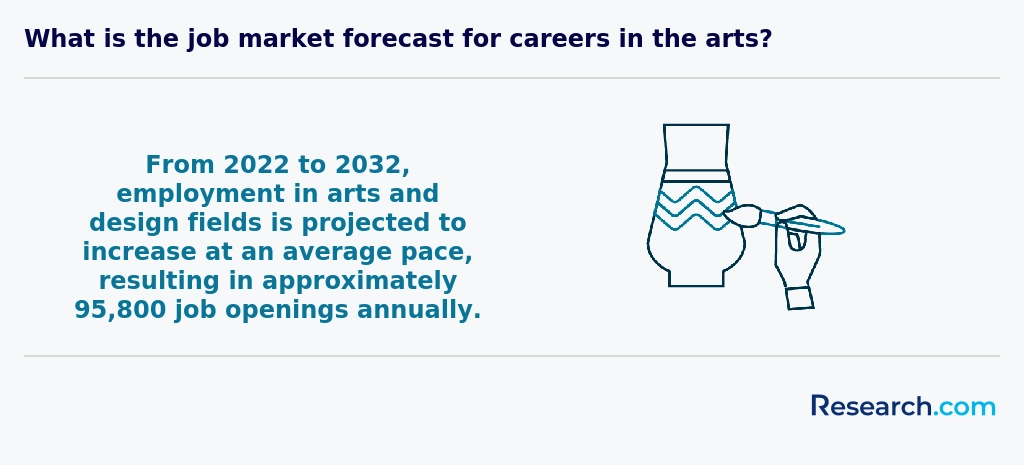
Consider the local job market when selecting a concentration. According to the U.S. Bureau of Labor Statistics, Ohio's arts and design sector is projected to grow by 4% through 2030, with digital media and graphic design being among the fastest-growing fields. This trend suggests concentrations involving technology and multimedia may provide more employment opportunities.
Visiting campuses and reviewing course offerings can also clarify which concentration matches your strengths. Speak with faculty and current students to gauge the program's support for studio work and internships. Many Columbus programs emphasize practical experience, crucial for building a strong portfolio.
- 2027 Most Affordable Fine Arts Degree Programs Ranking in Cincinnati
- 2027 Most Affordable Fine Arts Degree Programs Ranking in Cleveland
- 2027 Most Affordable Fine Arts Degree Programs Ranking in Pittsburgh
- 2027 Most Affordable Fine Arts Degree Programs Ranking in Detroit
- 2027 Most Affordable Fine Arts Degree Programs Ranking in Indianapolis
- 2027 Most Affordable Fine Arts Degree Programs Ranking in Lynchburg
- 2027 Most Affordable Fine Arts Degree Programs Ranking in Chicago
- 2027 Most Affordable Fine Arts Degree Programs Ranking in Buffalo
- 2027 Most Affordable Fine Arts Degree Programs Ranking in Greensboro
- 2027 Most Affordable Fine Arts Degree Programs Ranking in Washington
- Careers https://www.columbusmuseum.org/careers
- Bachelor of Fine Arts: Guide to Duration, Curriculum, and Career Paths - Artemisia College https://www.artemisiacollege.com/blog/bfa-guide-duration/
- MFA Statement of Purpose: The Artist Statement + Academic Goals Hybrid https://gradpilot.com/news/mfa-statement-of-purpose-artist-statement-guide
- Fine Arts https://en.uap.edu.pl/admission/programmes/fine-arts/
- Careers in the Arts: Who Stays and Who Leaves? https://snaaparts.org/findings/reports/careers-in-the-arts-who-stays-and-who-leaves
- Application writing tips for individual artists https://www.affta.ab.ca/funding/help-and-resources/resources-individual-artists/application-writing-tips-individual-artists
- Fine Arts Degree (BFA) - CCAD https://www.ccad.edu/academics/undergraduate-degrees/fine-arts
- Is a thesis always mandatory in a master's degree program? - EFMU: The Euler-Franeker Memorial University and Institute https://euler.euclid.int/is-a-thesis-always-mandatory-in-masters-degree-program/
- Alumni Network at Moore https://moore.edu/alumni/
- Careers in Fine Art https://www.artcenter.edu/academics/undergraduate-degrees/fine-art/careers-in-fine-art.html


