
2027 Best Fine Arts Degree Programs Ranking in Kansas City

Co-Founder and Chief Data Scientist
Choosing the right fine arts degree program can shape your creative future in Kansas City. This article introduces the 2027 Best Fine Arts Degree Programs Ranking in Kansas City, crafted by the Research.com team of data scientists. It offers a clear, trustworthy guide to help you find programs that match your passion and goals.
Exploring this ranking can simplify your decision-making and uncover valuable opportunities. Earning a fine arts degree opens doors to personal growth, artistic fulfillment, and rewarding careers that celebrate your unique talents.
Key benefits of getting fine arts degree in Kansas City
- Fine arts graduates in Kansas City can enjoy rewarding salaries, with roles like Animator earning a mean annual wage of $109,630 and Illustrators making about $71,420 per year, reflecting strong financial prospects.
- Career paths are diverse, ranging from graphic artists to art therapists, providing opportunities to apply creativity in various fields inspired by local university success stories.
- Online fine arts degrees offer flexibility and convenience, allowing students to balance work and study while still accessing quality education, as demonstrated by graduates from popular Kansas City institutions.
- 2027 Best Fine Arts Degree Programs Ranking in Kansas City
- What can I expect from fine arts degree in Kansas City?
- Where can I work with fine arts degree in Kansas City?
What can I expect from fine arts degree in Kansas City?
Thinking about the cost of a fine arts degree in Kansas City? On average, students can expect to pay around $10,000 to $15,000 per year at public universities like the University of Missouri-Kansas City (UMKC). Private colleges might be a bit higher, around $20,000 annually, but many graduates say the financial investment feels worth it once they dive into the hands-on learning and creative energy the city offers.
One big plus for local students is the availability of scholarships specifically for fine arts majors, which some find really helpful in easing the price tag. Plus, the chance to work in professional studios or get involved in local gallery events helps students build portfolios that can lead straight to a job after graduation. Many grads talk about how the real-world opportunities and supportive community in Kansas City made balancing costs and education feel totally doable and rewarding.
Where can I work with fine arts degree in Kansas City?
If you've earned a fine arts degree in Kansas City, the job options here are pretty exciting and diverse. Graduates often dive into roles at spots like the Nelson-Atkins Museum of Art, working as curators or exhibit designers. Imagine yourself setting up fascinating exhibits that draw locals and tourists alike!
Or maybe the stage is more your scene. Many graduates find their groove at theaters such as the Kansas City Repertory Theatre, designing costumes or crafting sets that bring stories to life. It's a vibrant community where your creative skills really shine.
For those who love digital creativity, Kansas City's expanding design studios and ad agencies are hiring graphic designers and multimedia artists. It's a growing field with promising job growth, and being based near UMKC means there's plenty of chance to network and launch your career.
Teaching is another favorite path - with art instructors needed in local schools and community colleges. Many grads tell us how rewarding it is to inspire the next generation right in their hometown.
And if you like freedom, freelancing in commercial art, public projects, or art therapy is totally doable here, supported by groups like the Kansas City Artists Coalition. It's all about building a career that fits your style and passion.
If you're wrapping up a fine arts degree in Kansas City, you might be wondering what's waiting for you paycheck-wise. Graduates from local schools often step into roles like graphic artist, where the average annual salary hits around $64,700 nationally, which fits nicely with Kansas City's creative market. For those eyeing art teaching, the mean wage is about $70,740 a year, making it a solid path if you love sharing your skills.
Got a knack for drawing or digital visuals? Illustrators typically pull in around $71,420 annually, showing that your creative hustle can really pay off. And if animation is your jam, the sky's the limit - animators earn a whopping $109,630 on average, a figure that turns heads even by Kansas City standards.
Many grads tell stories of starting with freelance gigs or internships that pay less but offer priceless experience, especially around KC's buzzing arts hubs. These salaries give you a real boost while you build your portfolio and network with local galleries and studios, making the city a great launchpad for creative careers.
- Bachelor and Master of Fine Arts programs in Kansas City offer concentrations like painting, sculpture, graphic design, and digital media.
- Tuition for public schools ranges from $8,000 to $15,000 per year, while private institutions charge between $20,000 and $35,000 annually.
- Additional costs for art supplies often add several hundred dollars per semester to overall expenses.
- Entry-level salaries for fine arts graduates average $35,000 to $40,000 per year, increasing to $55,000 to $65,000 with experience.
- Kansas City features a strong arts community with galleries, public projects, and festivals that support networking and internship opportunities.
If you're thinking about getting your fine arts degree in Kansas City, most students finish their bachelor's in about four years. That's pretty standard and matches what you see nationwide, although some recent grads from places like the Kansas City Art Institute or UMKC share that balancing studio work with general classes keeps the timeline steady and manageable.
Of course, your journey might look a bit different if you're taking classes part-time or stacking credits from another school. Some folks who transfer in or find accelerated options can actually shave off a bit of time, which feels great when you want to jump into your art career sooner.
For those aiming higher with a Master of Fine Arts, expect to spend another two to three years honing your craft, digging into critical theory, and getting ready for your own exhibits. Overall, Kansas City keeps the process friendly and clear, so you can focus on creating rather than stressing about endless years of study.
One of the most crucial aspects that can truly enrich your Fine Arts education in Kansas City, MO, is the dynamic campus life and community engagement opportunities offered by each institution. Beyond rigorous coursework and experienced faculty, prospective students benefit from vibrant campus cultures that foster creativity, collaboration, and personal growth. Many schools host art clubs, student galleries, and community art projects that allow you to network with peers and industry professionals, attend workshops, and even participate in regional and national art competitions. These experiences not only enhance your technical and creative skills but also build a professional network that can prove invaluable once you enter the job market. Additionally, campus events and interactive exhibitions provide a real-world platform to showcase your work, receive feedback, and develop a lasting impression within the local arts community. For instance, if you’re searching for programs that offer both educational excellence and a lively student environment, you might explore the cheapest fine arts programs in missouri, where affordability meets rich campus experiences. Integrating these elements into your decision-making process helps ensure that you choose a program aligned with both your academic ambitions and personal growth objectives.
If you're considering a fine arts degree in Kansas City, the biggest difference between online and on-campus programs is how you experience your art. On-campus students, especially those at places like the Kansas City Art Institute, get hands-on time in studios and workshops. They can shape clay, paint side-by-side with peers, and get instant feedback from professors walking around the room. Graduates often say this face-to-face vibe really fuels their creativity and skills.
Online students, on the other hand, love the flexibility. They can fit classes around work or family, logging in from anywhere. But instead of painting in a studio you walk into, it's more about sharing videos, virtual critiques, and digital portfolios. Some grads mention you need to be super self-motivated to keep up without that in-person push.
Cost-wise, on-campus programs in Kansas City tend to be at the top end, especially private schools, while online might save some cash on travel or housing. However, networking is a different game too-on-campus students benefit from local galleries and internships in the arts scene, which online students have to find on their own.
Kansas City’s fine arts programs are not just defined by rigorous academics-they also boast vibrant campus life and a thriving community culture that plays a pivotal role in shaping your creative journey. From state-of-the-art studios to informal gallery nights and artist meet-ups, students often find that their schools are hubs for both artistic expression and personal development. Many institutions host regular workshops, guest lectures, and collaborative art projects that allow you to connect with local professionals and fellow creative minds. On-campus events often include exhibitions, open studios, and weekend art markets, which help students gain real-world experience while building lifelong networks. Furthermore, campus housing and student organizations focused on the arts can be invaluable for those seeking a supportive environment outside the classroom. If you’re exploring budget-friendly options while still aspiring for a dynamic college experience, consider checking out our ranking of cheapest fine arts programs in missouri. Embracing the full spectrum of campus life not only enriches your education-it builds the foundation for a well-rounded professional profile in the arts.
If you're thinking about pursuing a fine arts degree in Kansas City, one of the first questions is probably: how much is this going to cost? On average, the total cost for a fine arts degree here runs around $45,000. This includes tuition, fees, and other expenses over the entire course of study. For in-state students, the numbers are friendlier, usually hovering near $12,500, which makes a huge difference if you're a local. Out-of-state students will see a similar total cost to the median, so budget accordingly.
Many graduates from popular Kansas City schools, like the University of Missouri-Kansas City and the Kansas City Art Institute, share how investing in their education felt worth it despite the price. They often talk about the excellent studio facilities and the supportive art community, which brought their creative visions to life. The tuition here reflects programs with quality faculty and hands-on learning experiences, which is pretty exciting if you want to dive deep into your craft.
The average fine arts degree cost Kansas City students face fits right in line with broader trends nationwide, where public university fees are more affordable than specialized private art colleges. If you want to explore options and possibly discover more affordable choices, you might check out lists of the cheapest fine arts programs in missouri. Keep in mind, aside from tuition, supplies and studio fees add up, but scholarships and financial aid can definitely help ease that burden.

Preparing a standout portfolio is your first step toward securing a spot in Kansas City’s top Fine Arts programs. Admissions committees look for creativity, technical skill, and personal expression. Follow these tips to make your submission shine: 1. Showcase Diverse Techniques • Include 8–12 pieces that highlight a range of media-drawing, painting, sculpture, digital art, or mixed media. • Demonstrate mastery of fundamentals like composition, color theory, and perspective. 2. Tell a Cohesive Story • Organize your work to guide viewers through a visual narrative or thematic journey. • Begin with a strong opener-a piece that immediately communicates your unique style. 3. Highlight Recent and Relevant Projects • Prioritize works completed within the last year to reflect your current skill level. • If you’ve collaborated on community murals or gallery shows, include high-quality images and concise captions. 4. Include Sketches and Process Work • Show preliminary sketches, studies, or design drafts to illustrate your creative process and problem-solving abilities. • Label each image with medium, dimensions, and date. 5. Provide Clear, Professional Presentation • Use consistent lighting and clean backgrounds for photographed pieces. • Compile into a well-formatted PDF or website portfolio, ensuring no file exceeds 5 MB. 6. Tailor to Your Discipline • If applying for an MFA, explore specialized resources such as affordable MFA pathways-consider options like cheap mfa in creative writing online to continue honing your craft. By following these guidelines, you’ll create a portfolio that not only meets Kansas City Fine Arts programs’ expectations but also captures your individuality and dedication to the visual arts.
If you're aiming for a fine arts degree in Kansas City, you'll find plenty of ways to make tuition easier on your wallet. Most students jump on federal aid first by filling out the FAFSA, unlocking grants like the Pell Grant which is a lifesaver for those needing cash that doesn't have to be paid back. Graduates from spots like the Kansas City Art Institute often share how merit scholarships there, based on your art portfolio and schoolwork, helped them cover big chunks of the bill.
State grants like the Access Missouri Financial Assistance or Bright Flight Scholarship are also popular among Missouri residents, rewarding good grades and making college feel way more affordable. Plus, local groups such as the KC Artists Coalition regularly offer private scholarships-think of these as little financial boosts from the arts community cheerleading your success.
On top of that, work-study gigs tied to art let you earn while you learn, often connecting students to galleries or community projects around Kansas City. Many grads have found that combining scholarships with these hands-on jobs really lifted their spirits and their bank accounts during school.
Kansas City’s fine arts programs offer much more than rigorous academic training-they immerse students in a vibrant community that blends creative energy with real-world experiences. Exploring campus life can provide insights into student organizations, workshops, exhibitions, and local art collaborations that further enhance your artistic journey. Many schools actively foster environments where networking is encouraged through art fairs, gallery events, and mentorship programs that connect students with influential local artists. In addition, engaging in community projects or internships can help you build a diverse portfolio and a strong professional network. For students looking to combine quality education with affordability, you might also explore the cheapest fine arts programs in missouri, which provide excellent opportunities without compromising on the creative experience. Ultimately, the campus culture and community engagement initiatives not only enrich your educational experience but also prepare you for success in a competitive creative industry.
When you're eyeing a fine arts degree in Kansas City, the first thing you'll notice is how important your portfolio is. Graduates from popular spots like the Kansas City Art Institute often say it's their portfolio that made all the difference-showcasing paintings, sketches, or sculptures really lets your creativity shine. Along with that, having a high school diploma or GED is a must, plus some classes in art or art history to show you've got the basics down.
Standardized tests like the SAT or ACT? They're becoming less of a big deal, especially for fine arts. Many programs here focus more on your creative skills than test scores, though a decent GPA-around 2.5 to 3.0-helps prove you're ready for college-level work. Some grads also remember the nerves and excitement of interviews or studio visits, where you get to talk about your artistic journey and goals.
And don't forget about letters of recommendation from your art teachers-they really help admissions teams get a feel for your passion and potential. It's all about showing who you are as an artist and why Kansas City's art scene is the right fit for you.

As the creative landscape continues to evolve, understanding emerging trends in the fine arts is essential for both prospective students and industry professionals. Recent developments in digital media, interactive installations, and multimedia storytelling are reshaping traditional Fine Arts curricula, ensuring graduates are well-equipped to navigate a rapidly changing job market. Innovative techniques such as augmented reality and virtual exhibitions are also gaining prominence, allowing artists to expand their creative boundaries and engage with audiences in entirely new ways. Additionally, sustainability in art production and community-focused projects are becoming major pillars in contemporary Fine Arts education, reflecting broader societal shifts toward environmental awareness and social impact. For students looking to combine affordability with cutting-edge learning opportunities, exploring options like the cheapest fine arts programs in missouri can provide a cost-effective pathway to a dynamic education. Keeping abreast of these trends not only enhances your academic journey but also positions you at the forefront of a competitive, forward-thinking art community.
If you're diving into a fine arts degree in Kansas City, expect your classes to be a cool mix of hands-on stuff and creative theory. Programs at schools like the University of Missouri-Kansas City offer courses in drawing and painting that really get you experimenting with different materials and styles. Many grads talk about how sculpture and 3D design classes pushed them to think about art in space and form, which was a total game-changer for their creativity.
Photography and digital media courses are a big hit too, blending old-school techniques with the latest tech, perfect for anyone wanting to stay fresh in the art world. And don't miss out on art history classes that dive into American and local art scenes-those really help you get the bigger picture and inspire your own work.
Courses in visual communication and design teach you how to make your art speak louder, while critique sessions offer a friendly place to get feedback and grow. Students often say these parts made their college time super rewarding and helped build killer portfolios ready for the Kansas City art scene.
If you're diving into fine arts degree specializations in Kansas City, you've got quite the range to explore. Lots of grads from popular colleges here rave about how programs let them focus on painting and drawing, mastering everything from oils to charcoal, which really helps bring their own style to life.
Others get hooked on sculpture, working with cool materials like metal and clay, even creating big, bold installations that fit right into the city's creative vibe. Graphic design is super popular too, blending tech and creativity-perfect for those who want to jump into digital media or web design.
Photography students love how they get hands-on with both classic darkroom techniques and modern digital editing. And there's printmaking for those into etching and screen printing, plus ceramics for anyone into pottery or functional art.
Art education is another path, combining creative skills with teaching know-how, which grads find rewarding when working with schools and community programs. If you want to look into cost-effective options, check out this cheap mfa in creative writing online guide for inspiration on balancing creativity and budget.
Studying within the Kansas City fine arts program options means you're surrounded by vibrant galleries and theaters, making your learning experience super hands-on and connected to the local scene.
Picking the best fine arts degree in Kansas City means looking beyond just the campus. Graduates often mention how programs like those at the Kansas City Art Institute blend solid studio work with real connections to the local art scene. This helps you build a portfolio that's more than just classroom projects - think gallery shows or community art events. It's all about finding a school where your artistic passions align with what's offered. If you're into more than just traditional painting or sculpture, check if programs mix in digital media or performance arts to keep things fresh.
Cost is a big deal too, especially if you want affordable fine arts colleges Kansas City has options where in-state tuition is quite reasonable. Don't forget to hunt for scholarships or aid, since that can make a huge difference. Also, small classes with hands-on mentors make a huge impact on your growth, something graduates from local schools rave about. For students needing flexibility, some even explore a fast track bachelor's degree online to finish quicker and start their careers.
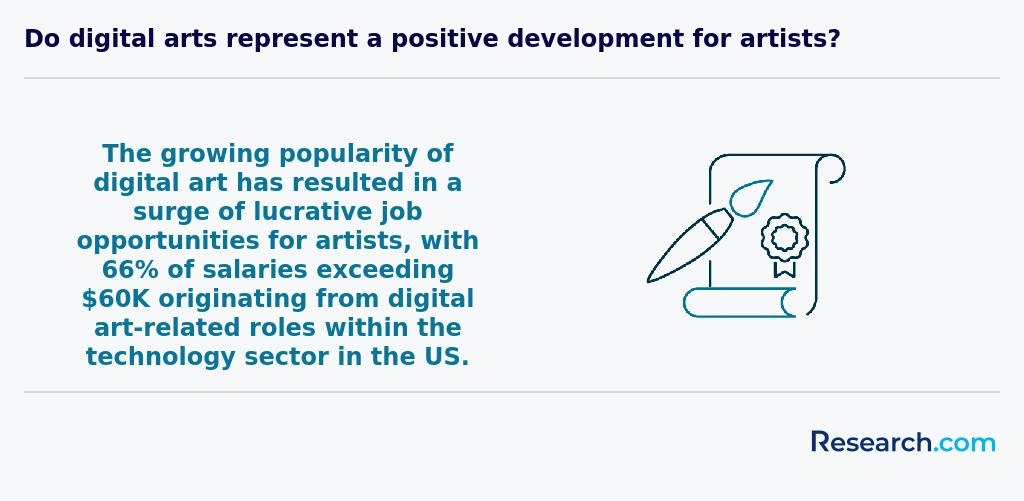
If you're diving into fine arts degree opportunities in Kansas City, there's a pretty exciting range of career paths waiting for you. Graduates from local schools like the University of Missouri-Kansas City often find themselves stepping into roles as professional artists, graphic or digital designers, or even art educators. The city's vibrant arts scene means you can collaborate with galleries like the Nelson-Atkins Museum or get involved in community programs, which really helps build your portfolio and network.
Job prospects for fine arts graduates Kansas City also include arts administration and nonprofit management, where you get to blend your creative skills with business smarts. Plus, with the tech scene growing, many grads are landing gigs in digital media, animation, and multimedia production, working with startups or advertising agencies.
One great tip from past grads is to explore various paths before settling, especially since the cost of getting a fine arts degree in Kansas City is friendlier than in many other cities. If you're curious about options beyond traditional routes, check out some easy phd programs to get into that might complement your arts background.
The fine arts degree job opportunities Kansas City provides a mixed but encouraging scene for grads. Many recent graduates from local colleges share how the city's arts vibe, packed with galleries and community programs, offers chances to dive into roles like museum staff or graphic design gigs at local businesses. While the market can feel competitive, those who blend traditional skills with digital know-how often find themselves a step ahead.
Fine arts grads in Kansas City also frequently turn to teaching or freelance projects to keep creative juices flowing and incomes stable. One grad recalled how participating in local art shows helped land freelance work, proving the city's lively art scene really supports newcomers. Public universities here keep tuition reasonable, making it easier to invest in a degree without breaking the bank.
For those wondering about education paths, exploring the quickest way to get an associate's degree can also open doors. So, the Kansas City fine arts career outlook is bright if you're ready to hustle, network, and tap into the local creative energy.
2027 Best Fine Arts Degree Programs Ranking in Kansas City
Investing in your education is a significant decision that can shape your future, and the Research.com team understands the importance of making informed choices. To assist prospective students in Kansas City, we have meticulously crafted the "2027 Best Fine Arts Degree Programs Ranking in Kansas City." Our commitment to quality, credibility, and accuracy is reflected in the extensive research and analysis conducted to compile this ranking.
We utilized the following reputable data sources to ensure a comprehensive evaluation of fine arts degree programs:
By exploring this ranking, readers will gain valuable insights into the best fine arts degree programs available in Kansas City, helping them make well-informed decisions about their educational paths. For more details on our methodology, please visit our Research.com methodology page.


Frequently Asked Questions About fine arts
Fine arts degree students in Kansas City can enhance their education by taking advantage of the city's rich cultural scene. Participating in local galleries, theaters, and public art projects offers practical experience alongside academic studies. Many Kansas City institutions encourage internships and community collaborations to build professional skills. According to the Kansas City Artists Coalition, over 200 art organizations provide regular opportunities for networking and exhibitions. Additionally, students should utilize campus resources such as specialized studios, mentorship programs, and career services that focus on the arts sector. Engaging actively in these areas can boost both creative growth and career readiness.
Emerging niches within the fine arts field in Kansas City reflect broader national trends emphasizing interdisciplinary and technology-driven approaches. Areas like digital media arts combine traditional skills with animation and graphic design, responding to demand from local advertising and entertainment companies. According to the Kansas City Art Institute, enrollment in digital arts programs has grown by 15% over the past five years.
Another growing niche is arts management, which blends creativity with business skills to prepare graduates for roles in galleries, museums, and cultural organizations. The Kansas City arts economy, valued at $1.3 billion annually, fuels these opportunities. Additionally, community-engaged art practices are emerging, aligning with local funding initiatives aiming to enhance social impact through public art projects.
To prepare for the job market after earning a fine arts degree in Kansas City, students should start by building a strong portfolio that showcases their best work. This is crucial, as employers and galleries often prioritize artistic skills and originality. Networking within the vibrant local arts community, including participation in events like the annual Kansas City Art Fair, can open doors to opportunities.
Internships and apprenticeships with local galleries and art organizations offer valuable practical experience. According to the National Endowment for the Arts, Missouri's creative sector contributes significantly to the economy, highlighting job potential in this field.
Finally, graduates should explore diverse career paths, including graphic design, illustration, and teaching, to increase their marketability in Kansas City's evolving arts scene.
Employers in Kansas City seek fine arts graduates with strong creative and technical skills. Mastery of various mediums such as painting, sculpture, digital arts, and printmaking is essential. According to the National Endowment for the Arts, candidates who demonstrate versatility and innovation tend to stand out in the competitive market.
Communication and collaboration are also highly valued. Fine arts professionals often work with diverse teams, requiring clear presentation of ideas and adaptability.
Additionally, proficiency in industry-standard software like Adobe Creative Suite boosts employability. Data from the Kansas City Artists Coalition highlights that over 70% of local galleries prefer artists familiar with digital tools alongside traditional skills.
Business acumen, including marketing and portfolio management, rounds out desirable attributes for graduates entering Kansas City's creative economy.
Finding internships in Kansas City relevant to a fine arts degree involves engaging with local art institutions and educational resources. The city hosts multiple museums, galleries, and theaters, such as the Nelson-Atkins Museum of Art and the Kansas City Art Institute, which regularly offer internship opportunities. Students are encouraged to explore programs listed through their college career centers and local arts organizations.
According to the Kansas City Arts Council, nearly 60% of local fine arts students secure internships through direct outreach to employers or participation in community art projects. Networking at events and art fairs can also be valuable for discovering openings.
Online platforms like Handshake and internships.com often feature postings specific to the Kansas City region, filtered by the fine arts category, providing accessible avenues for application.
A fine arts degree in Kansas City offers notable advantages for career mobility and advancement, especially within the city's vibrant arts and culture sector. Graduates often find opportunities in galleries, design firms, theaters, and educational institutions. According to the National Endowment for the Arts, Missouri ranks above the national average in artist employment, underscoring local demand.
Furthermore, Kansas City's diverse creative economy provides networking with established professionals and potential employers. Skills gained through a fine arts degree, such as creativity and project management, are highly valued across industries, enhancing career flexibility. Local organizations, including the Kansas City Art Institute alumni network, support ongoing professional growth for degree holders.
Studying for a fine arts degree in Kansas City offers a unique preparation for interdisciplinary roles by combining traditional art education with exposure to diverse fields like design, technology, and business. Many local institutions incorporate collaborative projects that encourage students to work alongside peers in media, theater, and digital arts.
Kansas City's vibrant cultural scene, including organizations such as the Nelson-Atkins Museum of Art and various art cooperatives, provides students with real-world opportunities to apply artistic skills in broader contexts. According to the National Center for Education Statistics, 45% of fine arts graduates in the region pursue careers involving multiple disciplines.
This approach equips students to adapt creatively in various professional environments, fostering skills in communication, problem-solving, and innovation critical to interdisciplinary success.
Choosing between a thesis and a non-thesis fine arts degree program in Kansas City involves understanding your career goals and educational preferences. Thesis programs typically require students to complete a significant research or creative project, ideal for those considering advanced study or academic careers.
Non-thesis options focus more on coursework and practical skills, appealing to students aiming to enter the workforce quickly or develop a professional portfolio. In Kansas City, where arts institutions emphasize both traditional and contemporary practices, this flexibility helps match diverse artistic ambitions.
Accredited schools like the University of Missouri-Kansas City offer both paths, reflecting national trends where about 40% of fine arts graduate students choose thesis tracks, according to the National Center for Education Statistics.
Prospective students should consider faculty expertise, available resources, and alignment with long-term objectives when deciding.
Students in Kansas City interested in studying fine arts abroad have several pathways through local universities' partnerships and exchange programs. Institutions like the University of Missouri-Kansas City (UMKC) offer study abroad opportunities with European art schools in Italy and France, providing exposure to historic and contemporary art scenes. These programs typically range from a summer session to a full semester, combining academic credit with cultural immersion. According to the Institute of International Education, about 10% of Kansas City fine arts students participate in study abroad experiences, which enhances their portfolios and global perspectives. Financial aid options may be available to support these opportunities.
Students pursuing fine arts degrees in Kansas City have several part-time job opportunities that align well with their studies. Many find work as gallery assistants, where they gain hands-on experience managing exhibitions and interacting with visitors. According to the Kansas City Arts Council, over 30 local galleries often seek part-time staff, providing valuable industry exposure.
Additionally, roles such as art instructors or workshop facilitators at community centers are popular. These jobs help develop teaching skills while reinforcing artistic techniques. Kansas City's vibrant creative economy, which contributes over $1.1 billion annually, supports numerous freelance and commission-based opportunities in graphic design and illustration.
Working in art supply stores or museums also complements fine arts education, offering access to materials and cultural insights relevant to students' careers.
Kansas City offers fine arts students a variety of networking opportunities to enhance their professional growth. Local institutions such as the Kansas City Art Institute provide events, workshops, and exhibitions that connect students with established artists and industry professionals. According to the Kansas City Artists Coalition, networking events attract over 2,000 regional artists annually, creating valuable contacts and collaborations.
Additionally, organizations like the Crossroads Art District host monthly art walks, offering students chances to showcase work and meet gallery owners. Many universities also collaborate with local galleries, museums, and arts nonprofits, supporting internships and mentorship programs to build strong community ties.
Alumni networks provide crucial support for fine arts degree students in Kansas City by creating valuable connections within the local arts community. Graduates often gain access to mentorship opportunities, internships, and job leads through these networks. According to the National Endowment for the Arts, Kansas City has a growing creative economy, making these connections especially important for career advancement.
Many local institutions, like the Kansas City Art Institute, actively engage their alumni in events and exhibitions, strengthening students' professional visibility. Studies show that 70% of jobs in creative fields are found through networking, highlighting the practical benefit of alumni ties.
Customizing a fine arts degree in Kansas City allows students to align their education with specific career ambitions. Many local institutions offer flexible curricula, enabling choices in concentrations such as painting, sculpture, digital media, or art history. Students can often select elective courses that complement their interests or professional goals.
Internships and community partnerships in Kansas City's vibrant arts scene provide practical experience that enhances resumes. For example, the Nelson-Atkins Museum of Art and local galleries frequently collaborate with schools for student projects and exhibitions.
Additionally, some programs incorporate business and marketing courses tailored to creative professionals, equipping graduates for freelance or gallery work. According to the Kansas City Regional Arts Council, 48% of local arts graduates find employment within the region, emphasizing the value of locally relevant training.
Fine arts students in Kansas City often face financial challenges due to limited funding for art programs compared to STEM fields. According to the National Endowment for the Arts, Missouri's state arts funding is below the national average, which impacts the availability of scholarships and resources.
Another common challenge is limited access to professional internships and galleries locally, which can affect the practical experience needed for career development. Kansas City's art market, while growing, remains smaller than in larger metropolitan hubs.
Additionally, students often struggle with balancing intensive studio work and academic coursework, which demands significant time and discipline.
With a fine arts degree in Kansas City, graduates can pursue several professional certifications to enhance their careers. One notable certification is the Certified Art Therapist credential, offered through the Art Therapy Credentials Board, ideal for those interested in combining art and mental health.
Another option is obtaining a teaching license through the Missouri Department of Elementary and Secondary Education. Certification allows fine arts graduates to teach visual arts in K-12 schools across Kansas City and Missouri.
Additionally, some professionals seek credentials in gallery management or museum studies, which Kansas City hosts through organizations like the Nelson-Atkins Museum of Art. Specialized certificates in arts administration can also bolster career prospects in the local arts scene.
Applying to a fine arts program in Kansas City requires a clear presentation of your artistic vision and skills. Start by preparing a strong portfolio showcasing diverse work, as many local schools prioritize portfolios in their admissions process. According to the National Association of Schools of Art and Design, Kansas City institutions typically expect 10 to 20 pieces displaying creativity and technique.
Additionally, write a compelling personal statement explaining your artistic goals and why you want to study in Kansas City's vibrant arts community. Highlight any relevant experience, such as gallery exhibitions or community projects. Don't forget to meet all application deadlines and provide academic transcripts with a minimum GPA of 3.0, which is common among regional programs.
The global perspective on a fine arts career emphasizes versatility and adaptability, reflecting the diverse opportunities artists face worldwide. In the United States, fine arts graduates often balance traditional art practices with digital media and entrepreneurial skills. This trend is evident in Kansas City, where creative industries have grown by over 7% in recent years, according to the city's economic reports.
Internationally, fine arts careers integrate cultural exchange and technology, encouraging students to develop a global outlook. Fine arts degrees in Kansas City prepare graduates to engage in this evolving landscape, combining studio work with interdisciplinary approaches. The National Endowment for the Arts highlights that U.S. artists contribute significantly to the $877 billion arts economy, indicating strong employment potential nationally.
Students pursuing a fine arts degree in Kansas City have several opportunities to gain practical experience alongside their studies. Many colleges collaborate with local galleries, theaters, and art organizations, allowing students to showcase their work and participate in real exhibitions. Internships are also popular, offering placements in cultural institutions like the Nelson-Atkins Museum of Art or the Kansas City Art Institute's campus programs.
Community art projects and public workshops provide hands-on involvement, helping students build portfolios and professional networks. According to the Kansas Department of Higher Education, over 60% of fine arts students in the region engage in internships before graduation.
This blend of academic and practical experience enhances employability and artistic skills in Kansas City's vibrant creative scene.
Choosing the right concentration within a fine arts degree in Kansas City involves assessing your personal interests and career goals. Common concentrations include painting, sculpture, digital media, and photography. Research the local job market and arts community to see which skills are in demand. For example, the Kansas City art scene values digital media and gallery exhibition experience, according to recent reports by the Kansas City Artists Coalition.
Visit campuses, speak with faculty, and review course catalogs to understand each program's focus. Consider internship opportunities at local institutions like the Nelson-Atkins Museum of Art, which can enhance practical learning. Aligning your strengths with market needs will help ensure future career success.
- 2027 Best Fine Arts Degree Programs Ranking in Columbia
- 2027 Best Fine Arts Degree Programs Ranking in Saint Louis
- 2027 Best Fine Arts Degree Programs Ranking in Memphis
- 2027 Best Fine Arts Degree Programs Ranking in Saint Paul
- 2027 Best Fine Arts Degree Programs Ranking in Minneapolis
- 2027 Best Fine Arts Degree Programs Ranking in Chicago
- 2027 Best Fine Arts Degree Programs Ranking in Denton
- 2027 Best Fine Arts Degree Programs Ranking in Milwaukee
- 2027 Best Fine Arts Degree Programs Ranking in Indianapolis
- 2027 Best Fine Arts Degree Programs Ranking in Dallas
- High-Impact Educational Practices in the Arts and Post-College⦠https://snaaparts.org/findings/databriefs/high-impact-educational-practices-in-the-arts-and-post-college-community-engagement
- Internships https://www.mfa.org/working-at-the-mfa/internships
- Employment https://kcai.edu/employment/
- Create a Niche Market for Your Art in a Sea of Artists https://lorimcnee.com/create-a-niche-market-for-your-art-in-a-sea-of-artists/
- Arts, History and Humanities in Global Perspective https://u-paris.fr/language/en/arts-history-and-humanities-in-global-perspective-en/
- 14 art niche ideas and how to determine yours https://www.gelato.com/blog/art-niche-ideas
- Certificate of Fine Arts | CFA Programs - New York Academy of Art https://nyaa.edu/continuing-studies/certificate-of-fine-arts/
- How to Network as an Artist - AGI Fine Art Blog https://agifineart.com/advice/the-art-of-reputation-how-to-network-if-youre-an-emerging-artist/
- Application writing tips for individual artists https://www.affta.ab.ca/funding/help-and-resources/resources-individual-artists/application-writing-tips-individual-artists
- Networking for Artists https://artquest.org.uk/how-to-articles/networking-for-artists/


