2027 Most Affordable Fine Arts Degree Programs Ranking in Fort Worth

Co-Founder and Chief Data Scientist
Choosing the right fine arts degree program can feel overwhelming, especially when budgeting is a top concern. This article introduces the 2027 Most Affordable Fine Arts Degree Programs Ranking in Fort Worth, carefully compiled by the Research.com team of data scientists. It aims to guide you toward options that offer quality education without breaking the bank.
By exploring this ranking, you'll discover affordable pathways to build your creative skills and pursue your passion in the arts. Investing in a fine arts degree opens doors to personal growth and exciting career possibilities. Let this resource support your journey toward a bright artistic future.
Key benefits of getting fine arts degree in Fort Worth
- Salary for fine arts degree graduates: Graduates in Fort Worth can expect competitive salaries in creative fields, such as illustrators earning a mean annual wage of $71,420 and animators around $109,630, reflecting rewarding financial opportunities.
- Career paths: A fine arts graduate from Texas Christian University in Fort Worth may pursue careers in animation, graphic arts, or illustration, showcasing diverse options tailored to personal passion and skill.
- Online degree benefits: Completing a fine arts degree online through institutions like the University of North Texas allows flexible scheduling and access to expert instructors, making education more accessible while maintaining strong industry connections.
- 2027 Most Affordable Fine Arts Degree Programs Ranking in Fort Worth
- What can I expect from fine arts degree in Fort Worth?
- Where can I work with fine arts degree in Fort Worth?
What can I expect from fine arts degree in Fort Worth?
The average cost of pursuing a fine arts degree in Fort Worth typically falls between $10,000 and $30,000 annually for in-state students, depending on the institution and degree level. Graduates from schools like Texas Christian University have often shared how this investment felt justified by the vibrant community and hands-on experiences they gained during their studies. The School of Art's careful balance between traditional skills and modern media provided them with unique opportunities to grow as both creators and thinkers.
At the University of North Texas, just a short drive from Fort Worth, students have found value in programs that emphasize studio art and digital arts, appreciating the practical exposure alongside critical theory. Many recall showcasing their work in local exhibitions and internships, which made the cost feel less like a fee and more like an entry ticket into an inspiring arts market.
Financial aid and scholarships specifically aimed at arts students often help ease tuition expenses, turning aspirations into achievable realities amid Fort Worth's supportive arts environment.
Where can I work with fine arts degree in Fort Worth?
Graduates from fine arts programs in Fort Worth often find themselves drawn to the city's vibrant art galleries and museums. Working at places like the Kimbell Art Museum or the Modern Art Museum of Fort Worth allows students to apply their skills in curating and art conservation, turning their passion into rewarding careers. Many former students from local colleges mention how such roles blend creativity with community impact, offering both stability and personal fulfillment.
Teaching is another natural pathway. Fine arts graduates frequently join the Fort Worth Independent School District or local community centers, where their expertise sparks creativity in younger generations. Alumni recall the joy of nurturing artistic talent and the steady demand for art educators reported by the state's education statistics reinforces this as a dependable option.
In addition, Fort Worth's dynamic film and digital media sectors open doors for visual storytellers and designers. Graduates who thrived in multimedia courses at area universities often pursue graphic design and animation roles, enjoying competitive salaries and thriving creative networks.
Freelance work and entrepreneurship also flourish here. Many grads embrace Fort Worth's supportive arts festivals and community events to showcase their work, experiencing the rewarding independence of sustaining their art careers locally.
Graduates with a fine arts degree in Fort Worth can anticipate a diverse range of earnings depending on their chosen career path. For instance, those entering graphic design roles often see mean annual wages around $64,700, reflecting a balance between creative work and technical skill. Illustrators, a common career choice among local university alumni, earn slightly higher salaries, averaging about $71,420 per year, which demonstrates the value of artistic specialization paired with market demand.
Many graduates from Fort Worth institutions report that becoming animators significantly increases earning potential, with mean salaries reaching approximately $109,630 annually. This reflects the city's growing opportunities in multimedia and digital arts, areas embraced by students from regional colleges who take advantage of internships and industry connections. Similarly, art therapists earn around $75,660 yearly, showcasing how fine arts degrees can open rewarding roles beyond traditional studio work.
These salary figures resonate with graduates' experiences at popular Fort Worth universities, where blending practical skills with creative passion leads to steady and fulfilling careers. The variety in earnings also highlights the importance of aligning personal interests with emerging local opportunities in a thriving arts community.
- Fine arts undergraduate degrees in Fort Worth typically take four years to complete, covering both traditional and contemporary art disciplines.
- In-state tuition at public universities ranges from $8,000 to $12,000 per year, while private colleges charge between $20,000 and $35,000 annually.
- Additional costs for supplies and studio fees average $1,000 to $2,000 each year.
- Starting salaries for fine arts graduates range from $34,000 to $40,000 per year, varying by specialization and job type.
- Experienced professionals can earn between $50,000 and $60,000 annually, especially in roles like artists, educators, or creative directors.
- Fort Worth's local arts scene and related fields such as graphic design and arts administration offer diverse job opportunities for graduates.
Completing a fine arts degree in Fort Worth generally takes about four years when attending full-time, a timeline well-reflected by graduates from institutions like Texas Christian University and the University of North Texas. Many of these students share how the structured blend of studio practice, art theory, and electives offers a balanced yet immersive experience, keeping their momentum steady toward graduation.
Part-time enrollment can extend this journey, sometimes doubling the time as students juggle personal commitments or work. However, some graduates found that taking summer courses or accelerated tracks helped them stay on pace or even finish earlier. Practical elements like internships and portfolio development, common in Fort Worth's fine arts programs, often enrich the experience but occasionally add months to the timeline.
Those pursuing graduate studies-such as an MFA-should expect an additional two to three years, immersed in advanced techniques and creative research. Many alumni express satisfaction knowing these programs allow deeper artistic exploration, rewarding their dedication with valuable skills and opportunities.
On-campus fine arts degrees in Fort Worth, such as those at Texas Christian University or the University of North Texas, immerse students in hands-on experiences vital for cultivating tactile skills. Graduates often recall the vibrancy of studio sessions where immediate feedback from instructors and collaboration with peers helped their creativity flourish. The access to well-equipped facilities and communal art spaces fosters a sense of belonging and sparks inspiration daily.
Conversely, online fine arts programs offer flexibility that many appreciate, especially those balancing jobs or family. Alumni describe the convenience of progressing through courses at their own pace, though some admit missing the tactile immersion and energy of on-campus studios. Virtual critiques and video demonstrations strive to bridge this gap but cannot fully replicate the dynamic, creative atmosphere found in Fort Worth's local art community.
Choosing between these paths depends on how much one values direct interaction and facility access versus scheduling freedom. Cost considerations and personal commitments often guide this decision for aspiring artists in Fort Worth's rich cultural environment.
Fine Arts graduates today are uniquely positioned to bridge traditional artistic skills with fast-growing sectors such as digital marketing, user experience design, and entertainment management. By adding complementary competencies-like basic coding, marketing analytics, or project coordination-artists can expand their portfolios beyond galleries into roles like visual strategists or UX designers. Graduates interested in the music industry can explore in-depth insights on music business degree jobs to understand available positions, salary benchmarks, and necessary skill sets. Embracing interdisciplinary collaborations-for example, teaming up with audio engineers, web developers, or event planners-enhances a graduate’s versatility and marketability. Certificates in digital media production or event management not only bolster resumes but also demonstrate adaptability to employers in advertising agencies, tech startups, and cultural organizations. Networking through professional associations such as the Fort Worth Visual Arts League, the Music Business Association, or local chapters of AIGA provides access to workshops, mentorship programs, and exclusive job boards. These communities keep artists informed on emerging trends-like virtual reality exhibitions and NFT marketplaces-ensuring they can pivot into new creative economies. By pursuing hybrid career models and continuous learning, Fine Arts graduates can craft unique career trajectories that merge passion with profitability, securing their place in an ever-evolving arts ecosystem.
The average cost of a fine arts degree in Fort Worth typically centers around a median total of $79,240, reflecting the combined expense of tuition, fees, and other necessary costs over a four-year program. Graduates from institutions such as Texas Christian University often recall the balance between investment and opportunity, as private schools there might demand fees nearing $50,000 per year but offer resources that nurture artistic growth. Meanwhile, public colleges like Tarrant County College deliver more affordable fine arts programs Fort Worth 2027 hopefuls find appealing, with in-state tuition significantly lower, yet still providing a robust education.
Many students remember budgeting not only for tuition but also for art supplies, studio fees, and equipment, which can add a substantial amount annually. This real-life financial planning highlights the importance of understanding the average cost of fine arts degree Fort Worth residents face before embarking on their journey. One common reflection among graduates is how financial aid, scholarships, and grants often play a decisive role in transforming the raw figure into a manageable investment, lighting the way toward creative fulfillment.
It's also valuable for prospective students to explore institutional aid and external funding opportunities, including resources offered by local organizations, which can ease the financial load. In some cases, part-time work complements scholarships, allowing artists-in-training to grow their portfolio and manage costs effectively. Those intrigued by education career paths should also consider how meeting Tennessee teaching credential requirements might offer alternative routes or additional opportunities post-graduation.

Fort Worth offers a rich and dynamic campus environment that complements the academic study of Fine Arts with vibrant extracurricular opportunities and community engagement. Students thrive in well-equipped studios and exhibition spaces while participating in art shows, workshops, and cultural events that ignite creativity and build a strong network. Beyond classroom learning, many institutions foster student clubs, mentorship programs, and live projects that simulate real-world artistic collaborations. This immersive environment not only enriches artistic skills but also builds confidence and career readiness. For a detailed look at programs that combine quality education with an engaging campus life, consider exploring the cheapest fine arts school in texas, where affordability meets dynamic community experiences.
Students pursuing fine arts degrees in Fort Worth often find a range of financial aid options that can make their educational journey more achievable. Many graduates from Texas Christian University and Texas Wesleyan University recall how institutional scholarships, sometimes up to $10,000 annually, recognized their talent and lightened their financial load. These awards, often based on portfolio quality or academic merit, bring both relief and motivation.
Federal aid is another cornerstone-completing the FAFSA unlocks access to Pell Grants, which can provide up to $7,395 yearly without needing repayment. For those who qualify, this grant is a substantial help given the $15,000 to $30,000 annual cost of fine arts study here.
State grants like the Texas Educational Opportunity Grant offer additional support for residents attending public schools, complementing other funding streams. Beyond grants and scholarships, the vibrant local arts scene offers work-study jobs at museums and galleries, which not only ease expenses but enrich practical experience and build community ties.
A vibrant campus environment and modern facilities play a pivotal role in shaping your overall fine arts education in Fort Worth, TX. Beyond rigorous academics, state-of-the-art studios, well-equipped workshops, contemporary galleries, and collaborative workspaces provide students with the opportunity to experiment, practice, and refine their craft in real-world settings. Engaging in extracurricular art clubs, attending local exhibitions, and participating in hands-on projects allow you to immerse yourself in the dynamic cultural scene of Fort Worth, further enriching your artistic experience. In fact, many prospective students research institutions that not only offer top-notch academics but also provide the creative infrastructure needed for success-consider checking out the cheapest fine arts school in texas for additional options. Emphasizing community-driven learning and offering continuous opportunities for portfolio development, these campus resources ensure that your education goes beyond the classroom, preparing you to thrive both personally and professionally in the art world.
To enroll in a fine arts degree in Fort Worth, one must first secure a high school diploma or a GED, laying a solid academic foundation. Graduates from local programs recall how submitting a thoughtfully curated portfolio was pivotal; it revealed their unique artistic voice to admissions committees at institutions like Texas Christian University and the University of Texas at Arlington. This portfolio often includes a mix of drawings, sculptures, or digital art, reflecting genuine personal exploration rather than technical perfection.
While some campuses may still request SAT or ACT scores, many applicants find that their creative potential carries more weight, easing the stress around standardized tests. Letters of recommendation and personal essays offer another chance for hopeful students to express their passion and dedication beyond grades, bringing a human element to the application.
Personal experiences shared by graduates emphasize that early preparation, such as completing basic art courses, significantly eases the transition into the demanding fine arts environment. These prerequisites aren't mere hurdles-they're gateways to embracing a vibrant artistic journey in Fort Worth's thriving creative community.
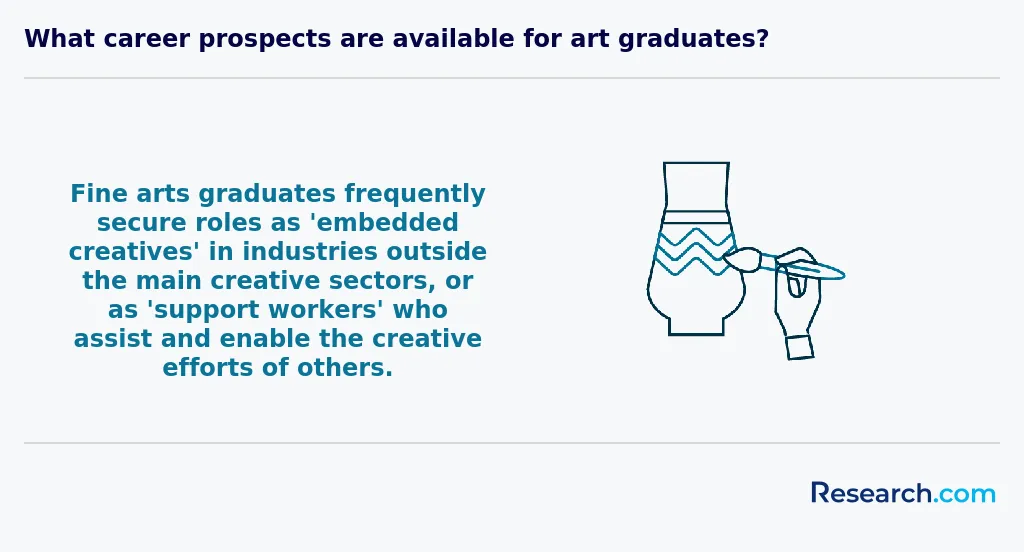
Graduates weighing the long-term value of a Fine Arts degree in Fort Worth should balance total program costs against average starting salaries and career growth. With in-state tuition averaging $22,609 per year at public institutions, a four-year Bachelor of Fine Arts can total about $90,000 when factoring fees and materials. Against a mean starting wage of $64,500 for Graphic Artists and $69,870 for Illustrators, most graduates recoup their investment in 7–8 years, while Animators earning $111,130 annually see full payback in under 5 years. By comparison, pursuing an MFA adds 2–3 years and approximately $50,000 in tuition, but can boost mid-career earnings by 15–20% in roles like Art Director or University Lecturer. Factoring in average living costs of $18,000 per year in Fort Worth, the net present value of a Fine Arts degree remains positive, especially when supported by scholarships and work-study. Prospective students seeking similar affordability in other regions can explore our Most Affordable Fine Arts Degree Programs Ranking in Connecticut to compare tuition models, expected earnings, and payback periods. In all cases, a clear plan for portfolio development, part-time employment, and financial aid maximizes ROI, ensuring creative passion aligns with practical financial outcomes.
Fine arts degrees in Fort Worth often include a balanced mix of hands-on studio courses and critical theory that shape both skill and perspective. Graduates from institutions like Texas Christian University recall the deep satisfaction of mastering fundamentals such as drawing, painting, and sculpture-classes that build technical confidence while encouraging personal expression.
Many students find courses in digital media especially rewarding, as they connect traditional artistry with contemporary tools like graphic design and digital illustration. This blend prepares you not just for creating art, but for adapting in a fast-evolving creative landscape. The practical emphasis on portfolio development and professional practices reflects real-world demands, helping students transition smoothly from campus to career.
Life drawing, color theory, and art history anchor the curriculum, fostering a fuller understanding of aesthetics and cultural context. Graduates often speak of how community projects or internships, encouraged by Fort Worth programs, deepen their engagement and build networks that turn passion into opportunity.

Students pursuing a fine arts degree in Fort Worth encounter a rich array of specializations that cater to practical skills and creative exploration. Graduates from local institutions often reflect on their journeys through concentrations like Painting and Drawing, Sculpture, Graphic Design, and Photography, each offering deep, hands-on experiences. For many, studying at universities such as Texas Christian University provides immersive studio work and critiques, which actively shape their artistic vision in real-world contexts. This variety in fine arts degree specializations Fort Worth nurtures talents who appreciate both traditional craftsmanship and innovative digital tools.
Many students find that interdisciplinary opportunities, including emerging fields like animation or mixed media art, enhance their education by blending multiple specializations. Fort Worth fine arts program concentrations frequently emphasize adaptability, helping graduates navigate diverse creative careers-whether in design, teaching, or curatorial roles. Prospective students can compare offerings while exploring financial options, and those wanting flexible learning paths might discover relevant opportunities among quick online education degrees.
Choosing the best fine arts degree in Fort Worth means focusing on programs that balance quality, affordability, and connection to the local arts community. Graduates from Texas Christian University often recall how the school's ties to the Modern Art Museum of Fort Worth enriched their experience through gallery showings and internships, giving them a real-world edge after graduation. For those seeking more affordable fine arts degree programs Fort Worth offers public institutions where tuition ranges are more manageable, allowing students to invest in essential materials without overwhelming debt.
Many students emphasize the importance of faculty expertise and program flexibility. Texas Wesleyan University, for example, provides access to state-of-the-art digital labs and hands-on courses that align with market trends. Choosing a program accredited by NASAD ensures the curriculum meets high standards, which can open doors to scholarships and professional growth. When weighing options, consider how each program supports post-graduation success through alumni networks and job placement rates.
Reflecting on these factors can help you find a fine arts degree that resonates deeply with your passion and career goals. If your interests intersect with related fields, exploring opportunities at child development degree colleges might also offer complementary skills and career pathways worth considering through child development degree colleges.

Graduates with a fine arts degree in Fort Worth find a variety of rewarding career paths thanks to the city's vibrant cultural landscape. Many have embraced roles as professional artists, graphic designers, and museum technicians, often inspired by institutions like the Kimbell Art Museum. Others enjoy the fulfillment of art education careers within Fort Worth Independent School District or local colleges, while some have leveraged their skills in arts administration and nonprofit management, supporting the city's thriving art community. This blend of opportunities reflects well on fine arts career opportunities Fort Worth offers.
Real-life experiences from alumni of popular Fort Worth colleges reveal how combining traditional fine arts training with modern digital media skills opens doors in multimedia design and advertising industries. The creative economy here encourages graduates to explore digital arts alongside their classical foundations, enriching their prospects. For those interested in advancing academics, options such as a distance learning PhD in education offer pathways to postsecondary teaching roles.

The fine arts degree job opportunities Fort Worth offers a unique blend of cultural vibrancy and economic growth, making it a promising, though competitive, market. Graduates from popular Fort Worth colleges often find themselves drawn to roles in local museums and galleries, where the city's expanding arts institutions create openings for curators, exhibition designers, and conservation specialists. These positions enable them to connect deeply with the community while honing their craft.
Many graduates also tap into Fort Worth's growing tech and advertising sectors, securing graphic design and multimedia roles that blend creativity with practical skills. Experiences from recent alumni show that versatility and a willingness to freelance or collaborate on arts administration projects often open doors in nonprofit cultural organizations.
For students weighing the costs of a fine arts degree, Fort Worth presents affordable options compared to national averages. Considering the local job market, this balance can influence the long-term value of their investment. Those exploring fine arts degrees might also look into other high salary college majors in the US to understand various career outcomes alongside their passion.
2027 Most Affordable Fine Arts Degree Programs Ranking in Fort Worth
Investing in your education is a significant decision that requires thorough consideration, and the Research.com team is committed to supporting prospective students in making well-informed choices. To provide clarity and guidance, we have carefully developed the "2027 Most Affordable Fine Arts Degree Programs Ranking in Fort Worth." Our dedication to quality, credibility, and accuracy is demonstrated through rigorous research and detailed analysis.
We utilized the following reputable data sources to ensure a comprehensive evaluation of fine arts degree programs:
By consulting this ranking, readers will receive valuable insights into affordable, quality fine arts programs in Fort Worth, empowering them to select the best education that fits their needs and budget. For a deeper understanding of how this ranking was compiled, please visit our Research.com methodology page.


Frequently Asked Questions About fine arts
Fine arts degree students in Fort Worth can maximize their learning by engaging deeply with both academic coursework and the city's vibrant arts community. Fort Worth offers access to renowned institutions like the Modern Art Museum and the Kimbell Art Museum, providing students valuable exposure to contemporary and classical works.
Participating in local art exhibitions, internships, and workshops helps students build practical skills and professional networks. According to the Texas Higher Education Coordinating Board, collaboration with local galleries and studios enhances applied learning experiences significantly.
Additionally, students should take advantage of Fort Worth's affordable living costs, allowing more time and resources to focus on their craft and creative projects.
Emerging niches within the fine arts field in Fort Worth reflect broader national trends while offering unique local opportunities. Digital arts, including animation and virtual reality design, are rapidly growing, driven by demand in entertainment and tech sectors. According to the Texas Workforce Commission, jobs in multimedia art and animation are projected to grow by 15% statewide from 2020 to 2030.
Interactive installation art and experiential design are also gaining traction in Fort Worth's vibrant museum scene, such as the Modern Art Museum of Fort Worth.
Additionally, the integration of fine arts with fields like environmental art and public art projects creates new career paths combining creativity with community engagement.
Preparing for the job market after earning a fine arts degree in Fort Worth requires strategic planning. Students should build a strong portfolio showcasing diverse skills, which is crucial when applying to local galleries or design firms. Networking is key: Fort Worth hosts the annual Main Street Arts Festival and has a vibrant art scene linked to the cultural district. Connecting with professionals through internships or community events can open doors.
Additionally, graduates should consider supplementing their art expertise with digital skills, as many employers seek proficiency in software like Adobe Creative Suite. According to the Texas Workforce Commission, visual arts jobs in the Fort Worth area are expected to grow moderately over the next decade, indicating steady demand. Staying informed about local opportunities and continuous skill development enhances employability.
Employers in Fort Worth value fine arts graduates who demonstrate strong creativity combined with technical skill. Proficiency in drawing, painting, digital media, and sculpture often ranks highly. According to the Texas Workforce Commission, adaptability and collaboration are crucial, as many art professionals work in teams or with clients.
Communication skills also stand out, enabling graduates to present and explain their work effectively. Familiarity with industry-standard software, such as Adobe Creative Suite, is increasingly expected. Additionally, an understanding of cultural and historical art contexts enriches a graduate's portfolio.
In Fort Worth's growing arts scene, employers appreciate graduates who show both artistic vision and practical problem-solving abilities, preparing them well for diverse career paths.
Finding internships in Fort Worth relevant to a fine arts degree involves leveraging local resources and networks. Start by exploring Fort Worth's vibrant arts scene, including institutions like the Modern Art Museum of Fort Worth and the Kimbell Art Museum, which often offer internship opportunities for students. According to the Texas Workforce Commission, arts-related internships in the Dallas-Fort Worth metroplex have increased by approximately 15% over the past three years, reflecting growing demand.
Contacting university career centers and local arts organizations can also provide leads on internships tailored to fine arts students. Additionally, online platforms like Handshake, which many Texas colleges use, frequently list local internships.
A fine arts degree in Fort Worth can significantly enhance career mobility and advancement within the local creative industries. Graduates gain essential skills in visual communication, critical thinking, and technical proficiency, which employers in galleries, museums, and design firms highly value. According to the Texas Workforce Commission, arts and design occupations in the Fort Worth-Arlington metro area are projected to grow by 7% from 2022 to 2032, outpacing some other sectors.
Networking opportunities through Fort Worth's vibrant arts scene, including institutions like the Modern Art Museum and local galleries, further support professional growth. These connections often lead to freelance projects, internships, and permanent positions. Additionally, a fine arts degree serves as a strong foundation for career shifts into education, marketing, or digital media, reflecting the degree's versatility in the region's evolving job market.
Studying for a fine arts degree in Fort Worth equips students with versatile skills that apply across multiple disciplines. Many local programs emphasize collaboration between fine arts, technology, and business, preparing graduates for interdisciplinary roles in creative industries. Fort Worth's vibrant arts scene, including institutions like the Modern Art Museum, offers practical exposure beyond traditional studio work.
According to the National Endowment for the Arts, artists with interdisciplinary skills are increasingly in demand, particularly in cities with evolving cultural sectors like Fort Worth. Curriculums often integrate digital media, design thinking, and project management, which broadens career opportunities in marketing, media, and education.
These programs encourage critical thinking and adaptability, essential for roles that require merging artistic creativity with technical or organizational expertise. Such preparation aligns well with current job market trends emphasizing hybrid skill sets.
Choosing between a thesis and a non-thesis fine arts degree program in Fort Worth depends largely on your career goals and learning preferences. A thesis program typically requires creating a substantial body of original artwork or a written research project, demonstrating deep exploration of a specific topic. This path suits students aiming for academic research, teaching, or further graduate study.
Non-thesis programs often focus more on coursework and practical skills, allowing students to graduate faster and enter creative industries directly. According to the National Center for Education Statistics, Fort Worth's art programs often align non-thesis tracks with professional development and portfolio building.
Consider workload, time, and your interest in research before deciding.
Students in Fort Worth interested in studying fine arts abroad have several pathways through U.S. higher education institutions. Many universities, including those in Texas, offer established study abroad programs focused on arts and humanities, allowing students to spend a semester or year at partner schools in Europe or Asia. For example, Texas Christian University (TCU) encourages Fine Arts majors to participate in programs in Italy or France, known for their rich artistic heritage.
The National Center for Education Statistics notes that around 35% of U.S. college students in arts disciplines engage in some form of international study, enhancing their creative skills and cultural knowledge. Additionally, Fort Worth students can apply for competitive scholarships through programs like the Gilman Scholarship, which supports undergraduates studying abroad in nontraditional locations.
Choosing a study abroad program specifically related to fine arts can provide firsthand experience with international art movements and techniques, which is invaluable for career development in this field.
Students pursuing fine arts degrees in Fort Worth can benefit from several part-time job opportunities that complement their education. Local art galleries often seek assistants to help with exhibitions, offering hands-on experience in curation and art handling. The Fort Worth Museum of Modern Art periodically hires part-time staff, which can provide insight into arts administration.
Many students also find work as art tutors or teaching assistants in local community centers and schools, applying their skills in practical settings. Additionally, freelance opportunities in graphic design and digital art flourish in Fort Worth's growing creative economy, supported by the Texas Workforce Commission's 2023 report on arts-related jobs.
Fine arts students in Fort Worth benefit from a rich network of local galleries, museums, and cultural institutions that foster connections between emerging artists and established professionals. The Fort Worth Community Arts Center offers workshops and exhibitions, providing platforms for students to showcase their work and engage with the art community. Additionally, Texas Christian University and the University of North Texas, both offering fine arts programs, encourage participation in student art organizations and regional art festivals.
Events like the Fort Worth Arts Festival draw thousands of visitors annually, creating opportunities for artists to network with collectors and curators. Local artist collectives and nonprofits also organize portfolio reviews and mentorship programs, supporting career development within the region. According to the Fort Worth Cultural District, over 1 million visitors engage annually, highlighting the city's active arts scene.
Alumni networks play a crucial role for fine arts degree students in Fort Worth by providing valuable professional connections within the local creative community. Graduates often share job openings, exhibition opportunities, and mentorship, which can significantly aid early-career artists. According to the National Association of Colleges and Employers, 85% of jobs are filled through networking, highlighting the importance of these connections.
In Fort Worth, where the arts scene is tight-knit, alumni networks link students to galleries, museums, and art festivals. This local support fosters collaboration and visibility.
Many institutions facilitate alumni events, helping students expand their professional reach beyond campus.
Customizing a fine arts degree program in Fort Worth allows you to align your education with specific career goals. Many local institutions offer elective courses in areas like graphic design, painting, sculpture, or digital media, enabling students to focus on preferred disciplines.
Internships and community partnerships in Fort Worth's vibrant arts scene provide practical experience and networking opportunities. Institutions often support personalized study plans or independent projects, which help students develop unique portfolios.
Additionally, some programs provide options for dual degrees or minors, such as art history or business, which can enhance career flexibility. According to the National Center for Education Statistics, tailoring coursework contributes positively to job placement rates in creative fields.
Fine arts students in Fort Worth often face several challenges that affect their academic and professional progress. One common issue is limited funding for materials and studio space, as fine arts programs typically require costly supplies. According to the National Endowment for the Arts, Texas has seen a decrease in state arts funding, which can impact available resources for students locally.
Additionally, many students struggle to balance coursework with part-time work since internships and entry-level jobs in the arts sector often offer low pay.
Access to professional networks is another hurdle. While Fort Worth has a developing arts scene, opportunities for exposure and collaboration are not as abundant as in larger cities like Dallas or Austin.
Finally, graduates face a competitive job market, with Texas' arts-related employment growth projected at only 3% through 2028, which is below the national average.
With a fine arts degree in Fort Worth, graduates can pursue several professional certifications to enhance their careers. One popular option is the Certified Art Therapist credential, offered by the Art Therapy Credentials Board, which combines artistic skills with psychology. This certification requires additional coursework beyond the bachelor's degree and supervised clinical experience.
Another relevant certification is the Texas Educator Certificate for art teachers, essential for those aiming to teach in public schools. Fort Worth Independent School District and other regional employers typically require this credential.
Additionally, certification in graphic design or digital media software, such as Adobe Certified Expert, can improve job prospects in commercial arts. These credentials reflect both creativity and technical competence.
To write a winning application for a fine arts program in Fort Worth, start by carefully reviewing each school's specific requirements. Many institutions, such as Texas Christian University, require a strong portfolio that reflects both skill and creativity. According to the National Association of Schools of Art and Design, portfolios typically include 15 to 20 pieces showcasing a variety of media and techniques.
Applicants should also prepare a clear, compelling personal statement that explains their artistic goals and motivation. Demonstrating knowledge of the Fort Worth art community, which hosts events like the Fort Worth Community Arts Center exhibitions, can strengthen your application. Additionally, letters of recommendation from art instructors or professionals strengthen credibility.
Meeting deadlines and submitting well-organized materials is essential. Fort Worth schools often hold portfolio review days, providing opportunities for direct feedback.
The global perspective on a fine arts career recognizes the field as both culturally significant and economically diverse. In the United States, fine arts graduates often pursue careers in media, design, education, and entertainment. According to the National Endowment for the Arts, creative industries contributed over $900 billion to the U.S. economy in recent years.
For Fort Worth students, local art institutions like the Fort Worth Museum of Modern Art and programs at Texas Christian University offer valuable exposure to international art trends. Graduates benefit from growing opportunities in digital media and interdisciplinary arts, reflecting global shifts towards technology integration.
While salaries vary, the U.S. Bureau of Labor Statistics projects a 4% growth rate for arts-related jobs through 2031, highlighting steady demand.
Gaining practical experience while studying for a fine arts degree in Fort Worth is essential for career readiness. Students often participate in internships at local galleries, theaters, or art organizations such as the Modern Art Museum of Fort Worth. These opportunities offer hands-on work with exhibitions, curation, or production.
Additionally, many Fort Worth colleges provide cooperative education programs that combine classroom learning with professional practice. Students can also engage in community art projects and student exhibitions, which build important portfolios.
Networking at Fort Worth's vibrant arts events and festivals further enhances real-world skills and industry contacts.
Choosing the right concentration within a fine arts degree program in Fort Worth begins with understanding your personal interests and career goals. Common concentrations include painting, sculpture, digital media, and graphic design. Each offers unique skills that align with different creative industries.
Research local Fort Worth institutions such as Texas Christian University and the University of North Texas at Dallas, which offer varied fine arts options. According to data from the National Center for Education Statistics, Texas colleges graduate over 500 students annually in visual and performing arts fields, reflecting strong regional opportunities.
Consider also internship availability and Fort Worth's growing art scene, including galleries and public art projects, which provide practical experience opportunities tied to specific concentrations.
- 2027 Most Affordable Fine Arts Degree Programs Ranking in Dallas
- 2027 Most Affordable Fine Arts Degree Programs Ranking in Denton
- 2027 Most Affordable Fine Arts Degree Programs Ranking in Houston
- 2027 Most Affordable Fine Arts Degree Programs Ranking in San Antonio
- 2027 Most Affordable Fine Arts Degree Programs Ranking in Memphis
- 2027 Most Affordable Fine Arts Degree Programs Ranking in Kansas City
- 2027 Most Affordable Fine Arts Degree Programs Ranking in New Orleans
- 2027 Most Affordable Fine Arts Degree Programs Ranking in Columbia
- 2027 Most Affordable Fine Arts Degree Programs Ranking in Mobile
- 2027 Most Affordable Fine Arts Degree Programs Ranking in Saint Louis
- Art Internships: Your Complete Guide | Sotheby's Institute of Art https://sothebysinstitute.com/articles/art-internships-your-complete-guide/
- Fine Arts Course Duration: Complete Guide to Eligibility, Fees, & Career Scope - AAFT https://aaft.com/blog/fine-art/fine-arts-course-duration-complete-guide-to-eligibility-fees-career-scope/
- Financial Aid & Scholarships http://northside.fwisd.org/counseling/counseling/programs/college-interest/financial-aid-scholarships
- ArtsConnection Alumni Network - ArtsConnection https://artsconnection.org/artsconnection-alumni-network/
- Networking - Weaving Your Web as an Art Graduate - Visual Artists Association https://visual-artists.org/resources/networking-weaving-your-web-as-an-art-graduate/
- High-Impact Educational Practices in the Arts and Post-College⦠https://snaaparts.org/findings/databriefs/high-impact-educational-practices-in-the-arts-and-post-college-community-engagement
- Careers in Fine Art https://www.artcenter.edu/academics/undergraduate-degrees/fine-art/careers-in-fine-art.html
- Networking for Artists: Unlocking Opportunities in the Art World - Ceri Hand https://cerihand.com/networking-for-artists/
- Standards & Guidelines » CAA Guidelines https://www.collegeart.org/standards-and-guidelines/guidelines/mfa
- 14 art niche ideas and how to determine yours https://www.gelato.com/blog/art-niche-ideas