
2027 Best Fine Arts Degree Programs Ranking in Lancaster

Co-Founder and Chief Data Scientist
Choosing the right fine arts degree program is an exciting step toward a creative future. This article introduces the 2027 Best Fine Arts Degree Programs Ranking in Lancaster, carefully developed by the Research.com team of data scientists.
Our goal is to help you find programs that truly match your artistic passions and career goals. By exploring this ranking, you'll gain insights that make your decision easier and more confident.
Pursuing a fine arts degree can open doors to inspiring opportunities, and we're here to guide you every step of the way.
Key benefits of getting fine arts degree in Lancaster
- Salary benefits: Fine arts graduates in Lancaster can expect rewarding careers, such as Animators earning a mean annual wage of $109,630 and Illustrators around $71,420, reflecting strong financial potential.
- Career paths: Graduates often find exciting roles in animation, graphic design, and art therapy, showcasing diverse opportunities for creative growth and job satisfaction.
- Online degree advantages: Earning a fine arts degree online allows flexible study schedules and access to resources, helping busy Lancaster students balance learning with personal commitments effectively.
- 2027 Best Fine Arts Degree Programs Ranking in Lancaster
- What can I expect from fine arts degree in Lancaster?
- Where can I work with fine arts degree in Lancaster?
What can I expect from fine arts degree in Lancaster?
The average cost of pursuing a fine arts degree in Lancaster varies depending on the type of institution attended. Public colleges generally charge around $11,000 per year for in-state tuition, reflecting College Board data for arts programs in Pennsylvania. Private institutions, which many fine arts students in Lancaster select for their specialized programs and smaller class sizes, often have higher tuition rates, though they may offset costs with scholarships and grants.
Graduates from prominent Lancaster colleges frequently share how financial aid specifically tailored for fine arts students helped manage expenses, covering essential studio materials and course fees. Such support enhances the affordability of highly personalized instruction found in Lancaster's fine arts programs.
Students appreciate the investment not only for the quality of hands-on training in painting, sculpture, and digital media but also for the vibrant local arts community. This connection makes the tuition cost feel worthwhile, as emerging artists build professional networks and showcase their work at regional galleries before graduating.
Where can I work with fine arts degree in Lancaster?
Graduates from fine arts programs at Lancaster's popular institutions often find rewarding employment opportunities within the city's dynamic cultural landscape. Many secure roles in galleries and museums such as the Demuth Museum or Lancaster County Historical Society, where they apply their expertise as curators, art handlers, or educators. This hands-on work allows graduates to engage directly with the community and preserve Lancaster's rich artistic heritage.
Others pursue careers in education, teaching art in local schools or community centers. They frequently share their passion and skills by leading workshops or offering private lessons, fulfilling Lancaster's strong demand for qualified art instructors who combine traditional techniques with innovative approaches.
Fine arts alumni also thrive in the creative industries-contributing to graphic design, illustration, multimedia, and digital arts for advertising and marketing businesses. Some embrace entrepreneurship, establishing studios or freelancing within Lancaster's supportive arts districts, encouraged by local grants and community programs to develop vibrant and sustainable creative careers.
Graduates with a fine arts degree in Lancaster can typically expect entry-level salaries ranging from $30,000 to $40,000 annually, especially when starting in local studios or community art organizations. Many recent fine arts graduates from popular institutions like Millersville University enhance their earning potential by branching into specialized roles supported by the U.S. Bureau of Labor Statistics data.
For instance, graphic designers in Lancaster with a fine arts background earn a mean annual wage of approximately $64,700 nationwide, while illustrators average $71,420, reflecting strong opportunities for those leveraging diverse artistic skills. Art teachers, a common path for Lancaster graduates, bring home around $70,740 annually, blending creative passion with education.
These salaries illustrate how Lancaster fine arts alumni can find rewarding careers that balance creativity and financial stability. Many graduates emphasize the value of internships and local exhibitions in Lancaster for building networks that significantly improve income prospects. The dynamic and supportive art community here encourages fine arts students to expand their skill sets, which often leads to earnings above standard benchmarks in graphic design and illustration fields.
- The average annual cost for a bachelor's degree in fine arts in Lancaster ranges from $18,000 to $30,000, covering tuition, fees, and basic supplies.
- Entry-level salaries for fine arts graduates in Lancaster typically range from $30,000 to $40,000 per year.
- Mid-career salaries for fine artists in the area can increase to between $45,000 and $60,000 annually.
- Job opportunities include gallery management, teaching, graphic design, arts administration, and related fields like marketing and digital content creation.
- Many local colleges offer hands-on experience through internships or collaborations with regional art organizations to help build professional networks.
Completing a fine arts degree in Lancaster generally takes about four years for full-time students attending well-regarded institutions such as local colleges with strong art programs. Graduates often share how this timeframe allows them to deeply engage with diverse disciplines like painting, sculpture, and digital media, while balancing general education courses that broaden their perspectives.
Some students, especially those who work or have other commitments, choose part-time study options. This path may extend their degree completion to five or six years, as experienced by many fine arts students in Lancaster who value the flexibility but remain focused on their artistic growth.
For those pursuing advanced education, master's programs in fine arts typically require an additional two to three years, enabling deeper exploration and mastery that prepare graduates for professional or academic careers in the arts.
The supportive environments at Lancaster's art schools, including access to well-equipped studios and dedicated faculty, contribute to steady progress and a fulfilling educational experience.
Embarking on a Fine Arts journey in Lancaster, PA, involves more than reviewing program details-it means equipping yourself with practical strategies to succeed. Start by building a strong portfolio that reflects your range and passion, and attend open houses or artist talks to experience campus culture firsthand. Engage with current students and alumni through social media or local art events to gain insider insights that can help tailor your application. Additionally, research scholarship opportunities and financial aid options to ease your investment in education. For students aligning affordability with quality, exploring most affordable fine arts programs in pennsylvania can offer a balanced pathway to success. By taking these strategic steps, you’ll be well-prepared to select a program that not only nurtures your creativity but also positions you for a fulfilling career in the arts.
Fine arts degree programs in Lancaster differ significantly between online and on-campus formats, affecting students' daily experiences and skill development. Graduates from traditional programs at institutions like Millersville University praise the immersive studio environments, where they engage in hands-on work with immediate feedback from instructors. These settings foster collaboration and spontaneous creative exchange, which many find inspiring and essential for mastering techniques such as sculpture or printmaking.
Conversely, online students appreciate the flexibility to balance coursework with personal responsibilities. For example, those enrolled through hybrid formats at local colleges benefit from virtual lectures combined with occasional on-campus residencies, allowing them to maintain professional or family commitments without sacrificing experiential learning. However, many online graduates emphasize the importance of independently seeking local exhibitions and art communities to enhance networking and practical exposure.
Tuition costs in Lancaster remain comparable between the two modes, though online learners report savings in commuting and housing expenses. Overall, the choice hinges on one's need for direct artistic engagement versus scheduling adaptability.
A standout portfolio is your ticket to top Fine Arts programs in Lancaster, PA. Follow these best practices to showcase your artistic voice and technical skills: 1. Curate a Diverse Selection • Include 10–15 pieces spanning drawing, painting, sculpture, and digital media. • Demonstrate mastery of traditional and contemporary techniques. • Balance conceptual work with technically polished pieces. 2. Prioritize Quality over Quantity • Choose fully resolved works that reflect careful composition, lighting, and presentation. • Photograph 3D pieces in high resolution against a neutral background. • Scan or photograph 2D works with even lighting to avoid glare and distortion. 3. Tell Your Story • Arrange works in a logical sequence that highlights artistic growth. • Add brief captions (title, medium, dimensions, year) to provide context. • Include a 200-word artist statement that conveys your creative journey and conceptual focus. 4. Tailor to the Program • Research each Lancaster institution’s specialties-e.g., sculpture emphasis at Pennsylvania College of Art & Design. • Showcase relevant works that align with faculty interests and studio facilities. • Mention local collaborations or community projects to illustrate engagement. 5. Digital Presentation and Accessibility • Use a clean online gallery or PDF with clickable navigation. • Ensure file sizes remain under 5 MB per image for seamless review. • Test your portfolio on desktop and mobile devices. For benchmarks on cost-effective Fine Arts education, explore our Affordable Fine Arts Degree Programs Ranking in Atlanta, GA.
The average cost of obtaining a fine arts degree in Lancaster is notably influenced by whether a student attends a public or private institution. Based on current data, the median total expenses for completing a fine arts degree in the area amount to approximately $51,030. For in-state students, the median total cost is substantially lower, around $32,150, representing a more affordable pathway especially for those committed to staying local. Graduates from well-regarded colleges in Lancaster often reflect positively on their investment, noting that the specialized facilities and dedicated studio spaces contribute significantly to their creative growth despite the costs.
Students pursuing a fine arts education in Lancaster commonly encounter additional fees for supplies and studio usage, which can add $1,000 to $2,000 annually to their budget. These expenses are part of the total expenses for fine arts degree Lancaster 2027 candidates should anticipate as they plan their finances. Many fine arts students appreciate how these investments enable hands-on experiences with high-quality materials that foster skill development and portfolio building, key factors when entering competitive creative fields.
Those seeking to manage education costs might explore scholarships, grants, and financial aid options offered by various local institutions. Some also pursue an affordable online library science master's degree as a complementary or alternative educational path. Understanding these financial dimensions helps prospective students make informed choices about their future in arts education and career planning in Lancaster.

Accreditation is a critical indicator of program quality and rigor for Fine Arts degrees in Lancaster, PA. Prospective students should verify that their chosen institution holds accreditation from the National Association of Schools of Art and Design (NASAD) or similar regional accrediting bodies recognized by the U.S. Department of Education. NASAD accreditation ensures that curricula meet national standards for faculty qualifications, studio facilities, and student learning outcomes, guaranteeing transferability of credits and eligibility for federal financial aid. In addition to NASAD, many Lancaster institutions maintain affiliations with professional organizations such as the College Art Association (CAA) and the National Art Education Association (NAEA). These memberships signal a commitment to evolving industry standards, provide access to exclusive research publications, and enable networking with professionals who influence emerging trends in fine arts education. A program’s recognition by these bodies often correlates with higher post-graduation success rates and broader award opportunities. For students interested in interdisciplinary pathways, an accredited Fine Arts program can serve as a springboard into related fields. For example, combining studio practice with historical research can lead to roles in museums, archives, or cultural institutions. Some graduates even leverage their Fine Arts background to explore careers in history, where visual analysis and creative interpretation are highly valued skills. Ensuring your degree is accredited not only validates your investment but also expands your professional horizons across the arts and humanities.
Fine arts students in Lancaster benefit from a range of financial aid options designed to ease the burden of tuition and related costs. Graduates from institutions like Millersville University and Thaddeus Stevens College of Technology frequently recall how federal aid, especially Pell Grants of up to $7,395 annually, provided crucial support during their studies. Many found that applying through FAFSA unlocked access to low-interest federal student loans, enabling manageable repayment plans after graduation.
State grants in Pennsylvania further enhance affordability, with eligibility often linked to enrollment at local colleges offering fine arts programs. Several alumni describe how state aid significantly lowered their tuition fees, making a creative career path more attainable.
Merit and talent scholarships from Lancaster-area colleges and organizations such as the Lancaster County Arts Council have been essential in rewarding artistic excellence and community contributions. Additionally, work-study positions allowed students to earn income while gaining hands-on experience, like assisting with gallery exhibitions-a practical complement to their academic growth.
To enroll in a fine arts degree program in Lancaster, students must first hold a high school diploma or equivalent, such as a GED. Local institutions like the Lancaster School of Art emphasize maintaining a solid GPA, typically around 2.5 to 3.0, to demonstrate academic preparedness for demanding coursework. A distinctive requirement is submitting a portfolio presenting 10 to 20 pieces that reflect creativity and skill. Graduates often recall how their portfolio-comprising paintings, sketches, and digital art-was key to showcasing their unique artistic vision and securing admission.
Letters of recommendation from mentors or art instructors familiar with the student's dedication are highly valued. Some programs also consider SAT or ACT scores, though this varies by school, so prospective students are advised to review specific admissions criteria. Financial readiness plays a role, too, as local fine arts degree costs may range widely, but scholarships aimed at creative talent can significantly ease this burden.
Personal statements or interviews often provide candidates with opportunities to express their passion and future goals, experiences that many Lancaster graduates found both challenging and inspiring.

Lancaster’s fine arts institutions are more than just places to learn-they are lively communities where creativity extends beyond the classroom. Students have access to state-of-the-art studios, on-campus galleries, and performance spaces that foster experimentation and collaboration. Campus art collectives, student-run exhibitions, and regular workshops with local artists create an immersive experience that builds professional skills and lifelong friendships. Outside of coursework, extracurricular activities such as art clubs and community outreach programs enhance the educational journey, offering opportunities to participate in local festivals and cultural events, which are integral to shaping an artist's identity. For prospective students mindful of budget considerations, exploring our insights on most affordable fine arts programs in pennsylvania can provide additional guidance. This vibrant campus culture not only fuels artistic passion but also ensures that every student is well-equipped to thrive in today’s dynamic arts environment.
Fine arts degree programs in Lancaster typically include a diverse range of courses that balance hands-on studio practice with rigorous academic study. Graduates from local institutions often reflect on their experience working intensively in core studio classes such as painting, drawing, sculpture, and printmaking, which allow them to explore various mediums and develop their own artistic voice.
Alongside these foundational skills, students engage deeply with art history, covering multiple periods and cultural contexts. This knowledge enables graduates to critically analyze artworks and understand their broader impact, an essential skill praised by alumni pursuing curation or teaching careers.
Many students also benefit from courses in contemporary digital media, photography, and video art, which reflect current creative trends and enhance employability. Electives in graphic design and professional practices like portfolio development help prepare learners for real-world challenges, making their artistic ambitions attainable within Lancaster's vibrant arts community.
Students pursuing a fine arts degree specializations Lancaster can expect to engage in a wide range of disciplines tailored to both traditional and modern artistic practices. Popular specializations offered by colleges and universities in Lancaster include painting and drawing, where graduates often express profound satisfaction from mastering media like oil and charcoal while exploring creative expression. Sculpture provides hands-on experiences with materials such as clay and metal, fostering a tangible connection to three-dimensional art.
Photography and graphic design are particularly noteworthy within Lancaster fine arts programs and specializations, blending technical skills with artistic innovation. Graduates emphasize the excitement of producing visually compelling work that holds real-world application in media and advertising industries. Others benefit from film and video art specializations, gaining skills that merge storytelling with emerging technologies.
Many graduates also highlight opportunities to pursue diverse paths, including careers in education, supported by strong preparation for various teaching career paths. This versatility makes Lancaster's fine arts degrees appealing to students eager to follow their creative passions confidently and professionally.
Choosing the best fine arts degree programs in Lancaster requires assessing several key elements specific to local institutions. Graduates from popular colleges in Lancaster often highlight the importance of faculty expertise and curriculum relevance, emphasizing hands-on experiences with painting, sculpture, and digital media that reflect the region's vibrant arts community. Access to well-equipped studios and galleries enhances practical learning, preparing students to build competitive portfolios through exhibitions within Lancaster's dynamic art scene.
Prospective students should also consider accreditation and affordability, focusing on affordable fine arts colleges Lancaster offers. Costs can vary significantly, and balancing tuition with resources like scholarships and grants is crucial. Many graduates recall how financial planning eased their path through rigorous programs. Student testimonials frequently praise career support services, internships, and strong alumni networks that facilitate job placement.
For those interested in expanding their qualifications, exploring opportunities such as online master's degree ESL programs can provide complementary skills valuable in diverse artistic and educational careers.

Fine arts graduates in Lancaster have access to a diverse array of career paths that leverage the city's rich cultural landscape. Many graduates from popular fine arts colleges in Lancaster find success as professional artists-painters, sculptors, or illustrators-whose original works are featured in local galleries and exhibitions. These careers offer both creative fulfillment and financial reward, reflecting the vibrant arts community accommodating artists' growth. Opportunities also abound in education; graduates frequently secure positions in local schools and art centers, inspiring new generations through well-regarded programs, reflecting the practical advantage of West Virginia teacher certification renewal processes applied similarly in educator credentials nearby. Exploring jobs with fine arts degree Lancaster students also gravitate toward design fields-graphic, interior, and fashion design-with demand driven by Lancaster's expanding business environment. Other graduates pursue roles in museum curation and arts administration, enabling engagement with the preservation and promotion of art culture within the community. This spectrum of fine arts career opportunities in Lancaster highlights the region's support for versatile, meaningful artistic professions.

The job market for fine arts degree holders in Lancaster offers a blend of opportunity and realistic challenges. Graduates from local institutions often find employment in vibrant galleries, museums, and art centers, where they contribute creatively and engage with the thriving cultural scene. Many emerging artists supplement their careers through educational roles at community colleges or schools. These positions, sometimes requiring additional certification, provide a stable income and professional growth. Lancaster's strong artisan markets and cultural tourism also create viable freelance and contract work options, enhancing art career prospects Lancaster PA.
Fine arts graduates often describe their initial years post-study as a period of dynamic hustle, relying on a mix of art commissions, teaching, and multimedia projects to sustain their livelihoods. Compared with large metropolitan areas, Lancaster offers a more affordable cost of living, allowing graduates to focus on portfolio development and community networking-key factors highlighted by those in popular local programs. Prospective students should also consider exploring financial options like work-study and elementary education degree accreditation pathways that complement their creative ambitions.
2027 Best Fine Arts Degree Programs Ranking in Lancaster
Investing in your education is a significant decision that can shape your future, and the Research.com team understands the importance of making informed choices. To assist prospective students in Lancaster, we have meticulously crafted the "2027 Best Fine Arts Degree Programs Ranking in Lancaster." Our commitment to quality, credibility, and accuracy is reflected in the extensive research and analysis conducted to compile this ranking.
We utilized the following reputable data sources to ensure a comprehensive evaluation of fine arts programs:
By exploring this ranking, readers will gain valuable insights into the best fine arts degree programs available in Lancaster, helping them make informed decisions about their educational paths. For more details on our methodology, please visit our Research.com methodology page.


Frequently Asked Questions About fine arts
Fine arts degree students in Lancaster can maximize their learning by actively engaging in both academic and community art opportunities. Lancaster hosts several galleries and art organizations, such as the Lancaster Museum of Art, which provide invaluable exposure to contemporary art and networking events. Participating in local exhibitions and workshops enhances practical skills and professional connections.
Additionally, students benefit from seeking internships and collaborative projects with Lancaster's thriving creative industries. According to the National Center for Education Statistics, hands-on experience improves student retention and career readiness. Emphasizing multidisciplinary studies within the fine arts curriculum also broadens creative perspectives and technical expertise.
The fine arts field is evolving, with several emerging niches gaining momentum in Lancaster and across the United States. One notable area is digital and interactive media arts, where artists combine traditional skills with technology to create immersive experiences. According to the National Endowment for the Arts, careers in digital arts are expected to grow by 8% through 2030.
Another growing niche in Lancaster is community-engaged art, emphasizing collaboration between artists and local populations to address social issues. This approach aligns well with Lancaster's vibrant cultural scene, supporting nonprofit and public art projects.
Moreover, sustainable art practices, focusing on eco-friendly materials and themes, are gaining attention among fine arts students. These trends reflect a broader shift within the arts sector, linking creativity with social and environmental responsibility.
Graduates with a fine arts degree in Lancaster should begin job market preparation by building a strong, diverse portfolio showcasing their best work. This is vital for opportunities in galleries, design firms, and multimedia companies. Networking plays a key role; attending local art events and joining professional organizations like the Lancaster Art Association can connect graduates with potential employers. According to the National Endowment for the Arts, 18% of art professionals find jobs through networking. Additionally, internships within Lancaster's creative industries provide hands-on experience and often lead to employment. Developing digital skills, including proficiency in design software, also improves marketability.
Employers in Lancaster increasingly seek fine arts graduates who combine creative talent with practical skills. According to local industry reports, proficiency in digital design software like Adobe Creative Suite is essential, as 72% of art-related jobs require digital competency.
Strong communication skills are also valued since artists often collaborate with clients and teams. The ability to present and explain concepts clearly is critical in creative roles.
Additionally, employers appreciate adaptability and project management skills. Fine arts graduates who can meet deadlines and manage multiple projects show higher employability in Lancaster's competitive arts sector, noted by the Lancaster Economic Development Agency.
Technical craftsmanship and knowledge of art history remain foundational, supporting creative decisions with cultural context.
Finding internships in Lancaster for fine arts students involves a mix of local resource navigation and proactive outreach. Start by contacting colleges with fine arts programs, such as Millersville University, which often have career centers dedicated to connecting students with internships.
In Lancaster, the arts community is vibrant, with opportunities in galleries, museums, and theaters. The Lancaster Museum of Art and the Demuth Museum periodically offer internships suited for fine arts students. Checking their websites or visiting in person can provide details about openings.
Networking is crucial. Attend local art events or join organizations like the Lancaster Arts Alliance, which promotes arts education and internships. These connections often lead to unpaid or paid internship listings that may not be widely advertised.
Online portals like Handshake and USAJobs may also list relevant internships, especially those tied to public institutions or nonprofit organizations in Lancaster. Remember, internships often require early application, so start your search well in advance.
A fine arts degree in Lancaster offers substantial career mobility by equipping graduates with versatile creative skills valued across industries. According to the U.S. Bureau of Labor Statistics, employment for artists and related professionals is projected to grow by 4% nationwide through 2031, reflecting steady demand.
Locally, Lancaster's growing arts and culture sector, supported by institutions like the Pennsylvania College of Art & Design, provides networking and employment opportunities. Graduates often find advancement in galleries, education, or design firms, benefiting from the city's emphasis on community arts initiatives.
Moreover, fine arts degrees develop essential soft skills-innovation, communication, and critical thinking-that facilitate upward mobility in both creative and administrative roles.
Studying for a fine arts degree in Lancaster offers students unique opportunities to engage in interdisciplinary learning. Many local programs emphasize the integration of visual arts, digital media, and performance, encouraging students to develop versatile skills.
This approach prepares graduates for roles that require collaboration across creative fields, such as graphic design combined with marketing or multimedia art and technology.
According to data from the National Endowment for the Arts, artists with interdisciplinary training have higher employment adaptability, often working in sectors beyond traditional studio roles.
Furthermore, Lancaster's arts community actively supports cross-disciplinary projects, which enhances networking and real-world experience for students.
Choosing between a thesis and a non-thesis fine arts degree program in Lancaster depends largely on your career goals and learning preferences. Thesis programs emphasize research and a substantial written project, ideal for students aiming for academic careers or advanced study. Non-thesis options focus more on practical skills and portfolio development, which suit artists pursuing immediate professional work.
Faculty at Lancaster institutions often highlight the value of thesis work for honing critical thinking and writing, while non-thesis tracks allow more studio time. According to the National Center for Education Statistics, around 40% of fine arts graduates in Pennsylvania choose thesis pathways, reflecting a balance between practice and theory.
Consider your time commitment and post-graduate plans when deciding.
Students based in Lancaster who wish to study fine arts abroad have several practical options through U.S. universities' established exchange and study abroad programs. Many programs allow fine arts majors to study at partner institutions in Europe, Asia, or Australia for a semester or full academic year, gaining international exposure and diverse artistic techniques.
For example, Penn State's study abroad office, accessible to many Lancaster County residents, cooperates with European art schools, offering fine arts students opportunities to attend institutions in Italy and France, known for their rich artistic heritage.
Additionally, scholarships from organizations like the College Art Association can support these international studies. According to the National Center for Education Statistics, nearly 10% of U.S. fine arts students participate in study abroad, highlighting growing interest among arts majors to gain global perspectives.
Part-time job opportunities in Lancaster that complement fine arts degree education often align with hands-on creative experience and skill development. Students can find roles as gallery assistants or art handlers at local museums like the Demuth Museum, which provides exposure to art curation and preservation. Opportunities also exist in community art centers where students teach workshops or assist with exhibitions, enhancing communication and leadership skills.
Additionally, freelance graphic design or illustration jobs through regional businesses allow fine arts students to build portfolios while earning income. According to LancasterWorks, art-related part-time jobs in Lancaster have grown by 5% annually, reflecting demand for creative professionals.
Fine arts students in Lancaster have access to a range of valuable networking opportunities that can support their career development. Many local colleges, such as Franklin & Marshall College, host regular gallery exhibitions and artist talks where students can meet experienced professionals and peers. These events provide insight into contemporary art practices and foster connections within the regional arts community.
Additionally, the Lancaster Art Association organizes monthly meetings and public art projects that encourage collaboration among emerging artists. Students can also benefit from internships available at nearby museums and cultural institutions, including the Demuth Museum, which often partners with educational programs to offer hands-on experience.
According to a 2023 survey by the National Endowment for the Arts, students engaging in community art networks gain a 20% higher rate of post-graduate employment in creative fields. This data highlights the importance of active participation in Lancaster's art scene for career success.
Alumni networks play a crucial role for fine arts degree students in Lancaster by providing valuable connections to local galleries, studios, and arts organizations. These networks help students access internships and job opportunities after graduation, which is vital in the competitive arts field. According to the National Association of Colleges and Employers, 85% of jobs are filled through networking, a statistic relevant to fine arts careers as well.
In Lancaster, many alumni participate in community art events and workshops, offering mentorship to current students. This guidance can enhance practical skills and professional growth. Additionally, alumni groups often organize exhibitions where recent graduates can showcase their work. Such exposure helps students build their portfolios and gain recognition in the region's vibrant art scene.
Customizing a fine arts degree program in Lancaster allows students to align their education closely with career goals. Many local colleges offer flexible curricula where students can choose concentrations such as painting, sculpture, photography, or digital media. This specialization helps build targeted skills for specific art careers.
Internships and community partnerships in Lancaster's vibrant art scene provide practical experience. According to the Pennsylvania Department of Education, hands-on learning opportunities are increasingly integrated into fine arts programs to enhance employability.
Students can often select electives in related fields like art history or arts management, broadening their career prospects beyond studio work. Academic advisors in Lancaster institutions typically assist in creating customized study plans that support students' professional ambitions.
Fine arts students in Lancaster often face financial challenges, as many programs require costly materials and studio fees not always covered by financial aid. According to the National Endowment for the Arts, about 45% of art students nationally report funding their supplies from personal income, a trend seen in Lancaster as well. Additionally, balancing intensive studio work with academic coursework can create time management difficulties for students.
Access to professional opportunities is another challenge. Lancaster's smaller arts market means fewer internships and exhibitions compared to larger cities. The Arts Council of Lancaster highlights that competition for local gallery space is high, which may limit exposure for emerging artists.
Moreover, fine arts students often navigate subjective evaluation processes, which can impact their academic performance and confidence. This, combined with evolving digital art trends, requires continual skill updates that some students find demanding.
With a fine arts degree in Lancaster, graduates can pursue several professional certifications to enhance their career prospects. One notable certification is the Licensed Art Therapist credential, which requires a master's degree but builds on a fine arts background for those interested in therapeutic arts. Additionally, the Pennsylvania Department of Education offers K-12 Art Teaching Certification for those aiming to become licensed art educators in Lancaster schools.
Other certifications include gallery management and arts administration credentials, which can improve job opportunities in local museums and cultural institutions. These certifications often require professional exams or portfolios demonstrating artistic and managerial skills.
Applying for a fine arts degree in Lancaster requires careful preparation to stand out. Start by researching programs offered by local colleges such as Franklin & Marshall College, which is known for its strong arts curriculum. A winning application highlights your unique artistic style and technical skills through a well-curated portfolio. Include diverse work that demonstrates creativity, technical range, and personal expression.
Admissions committees often value an artist's statement that clearly explains your inspirations and future goals. Additionally, maintain strong academic records and obtain letters of recommendation from art instructors or professionals familiar with your work. According to the National Association of Schools of Art and Design, a compelling portfolio and clear artistic vision are critical components for acceptance.
The global perspective on a career in fine arts highlights both opportunities and challenges within the US education and job markets. According to the National Endowment for the Arts, demand for creative professionals is growing steadily, with fine arts graduates contributing significantly to cultural industries valued at billions annually. Graduates in Lancaster benefit from proximity to vibrant arts communities and regional galleries that foster professional networking and exposure.
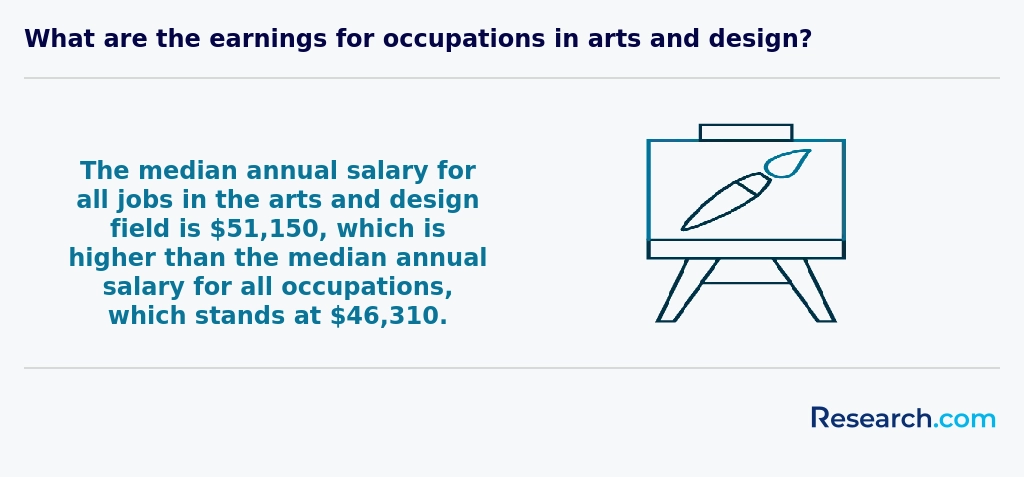
While international opportunities exist, most fine arts careers in the US depend heavily on local engagement and portfolio strength. Salaries vary widely; the U.S. Bureau of Labor Statistics reports a median wage of around $52,000 for artists and related workers, though Lancaster's cost of living makes entry-level roles more accessible. Understanding these dynamics is crucial for students aiming to navigate a fine arts career both locally and globally.
Gaining practical experience is essential when pursuing a fine arts degree in Lancaster. Many local colleges and universities offer internships and cooperative education programs connecting students with art galleries, museums, and community arts organizations. For example, the Lancaster Museum of Art often partners with institutions to provide internship opportunities.
Students are encouraged to participate in on-campus exhibitions and student-run galleries to showcase their work professionally. Additionally, Lancaster hosts several annual art festivals that serve as platforms for emerging artists to gain exposure and network with professionals.
Volunteering at local cultural centers also helps students build valuable skills and industry contacts. According to the National Endowment for the Arts, hands-on experience significantly improves employment prospects for fine arts graduates.
Choosing the right concentration within a fine arts degree in Lancaster depends on your personal interests and career goals. Common concentrations include painting, sculpture, graphic design, and digital media. Research local institutions such as Millersville University, which offers varied fine arts options that align with regional industry demands.
Consider how each concentration fits the local art scene. Lancaster's growing arts community, with venues like the Lancaster Arts Hotel and galleries, supports visual and digital practitioners. According to the Pennsylvania Department of Labor, arts careers in Lancaster show a 5% growth rate, favoring digital and multimedia skills.
Visiting campuses, connecting with alumni, and reviewing course offerings can clarify which concentration matches your strengths. Also, verify if internships and networking opportunities are available in Lancaster, as practical experience is crucial in fine arts jobs nationwide.
- 2027 Best Fine Arts Degree Programs Ranking in Philadelphia
- 2027 Best Fine Arts Degree Programs Ranking in Baltimore
- 2027 Best Fine Arts Degree Programs Ranking in Washington
- 2027 Best Fine Arts Degree Programs Ranking in New York
- 2027 Best Fine Arts Degree Programs Ranking in Brooklyn
- 2027 Best Fine Arts Degree Programs Ranking in Ithaca
- 2027 Best Fine Arts Degree Programs Ranking in New Haven
- 2027 Best Fine Arts Degree Programs Ranking in Pittsburgh
- 2027 Best Fine Arts Degree Programs Ranking in Rochester
- 2027 Best Fine Arts Degree Programs Ranking in Buffalo
- Internships https://www.mfa.org/working-at-the-mfa/internships
- World's Largest platform as University Common Application https://www.planstudyabroad.uniagents.com/course-details.php
- How do you build up an international network? | Flanders Arts Institute https://www.kunsten.be/en/advice-orientation/hoe-bouw-je-een-internationaal-netwerk-op/
- fine art teaching and its challenges in the 21st century post ... https://www.sgojahds.com/index.php/SGOJAHDS/article/viewFile/296/320
- 14 art niche ideas and how to determine yours https://www.gelato.com/blog/art-niche-ideas
- Types of Financial Aid | PAFA - Pennsylvania Academy of the Fine Arts https://www.pafa.org/types-financial-aid
- MFA Statement of Purpose: The Artist Statement + Academic Goals Hybrid https://gradpilot.com/news/mfa-statement-of-purpose-artist-statement-guide
- Artist Opportunities https://www.artrabbit.com/artist-opportunities
- Networking for Artists: Unlocking Opportunities in the Art World - Ceri Hand https://cerihand.com/networking-for-artists/
- Complete guide to studying Fine Arts - TAI Arts https://taiarts.com/en/blog/guide-to-studying-fine-arts/


