
2027 Fastest Online Master's in Fine Arts Degree Programs Ranking in Texas

Co-Founder and Chief Data Scientist
Exploring fine arts through an advanced degree can open doors to exciting creative careers, especially when time is a valuable factor. For Texas students eager to fast-track their education, this article presents the 2027 Fastest Online Master's in Fine Arts Degree Programs Ranking in Texas. Designed by the Research.com team of data scientists, this ranking helps you discover which programs combine quality with speed, so you can make an informed choice.
Whether enhancing skills or pursuing new opportunities, gaining a fine arts graduate degree online offers flexibility and growth. Dive in to find programs that fit your goals and lifestyle.
Key benefits of getting online fine arts degree in Texas
- Graduates with a fine arts degree in Texas can pursue well-paying roles such as Art Directors, earning about $125,920 annually, or Museum Curators, with an annual wage around $70,870.
- Career paths span from teaching arts at universities to working as Senior Graphic Designers or Art Historians, offering variety and creative fulfillment based on examples from Texas colleges.
- Online fine arts degrees provide flexible schedules, making it easier for students in Texas to balance work and study while gaining skills from respected institutions without relocating.
- 2027 Fastest Online Master's in Fine Arts Degree Programs Ranking in Texas
- What can I expect from online fine arts degree in Texas?
- Where can I work with online fine arts degree in Texas?
What can I expect from online fine arts degree in Texas?
Curious about the cost of diving into an online fine arts degree in Texas? Many students find that tuition for these programs typically ranges between $10,000 and $20,000 for the entire degree, especially at well-known institutions like the University of Texas at Austin or Texas State University. The affordability, combined with the flexibility of online classes, creates an inviting adventure for aspiring artists balancing work, family, and life.
Graduates often describe their journey as electrifying-navigating digital studios from home while still feeling connected to vibrant arts communities in Houston or Dallas. They eagerly share how affordable tuition allowed them to focus on exploring painting or digital media without overwhelming debt. Imagine evenings sketching or sculpting after work, knowing the cost is reasonable and comparable to in-state tuition on campus.
This balance of creativity and practicality makes Texas's online fine arts programs a welcoming space for artists ready to shape their futures, one brushstroke or pixel at a time, all while staying rooted in the rich culture of their state.
Where can I work with online fine arts degree in Texas?
Graduates with an online fine arts degree from Texas universities like the University of Texas at Austin or Texas State University often discover vibrant career landscapes waiting for them. Imagine collaborating on set designs for Austin's buzzing film scene or showcasing work at renowned events like the Dallas Art Fair-these opportunities bring creativity to life across the state.
Many alumni find joy in teaching creative skills at local schools and colleges, nurturing the next generation's artistic talents. Others immerse themselves in Houston's Museum of Fine Arts or Fort Worth's Modern Art Museum, curating exhibits or managing collections in spaces where art truly speaks to the community.
Freelance artists and designers thrive by connecting with Texas galleries or marketing firms, turning personal passions into rewarding careers. The state's growing arts and entertainment sectors highlight the adventurous paths open to graduates ready to explore diverse roles, from animation studios to advertising agencies, all fueled by the unique creative energy found in Texas.
Graduates from online fine arts programs in Texas often discover a landscape of exciting salary possibilities that mirror their adventurous spirit. For instance, those stepping into academia as fine arts professors can anticipate mean annual earnings around $100,840-reflecting the rewarding challenge of inspiring future artists at universities like the University of Texas or Texas State. Meanwhile, museum curators in Texas, mastering the art of storytelling through exhibits, earn about $70,870 annually, offering a perfect blend of creativity and curation.
For artists leaning toward commercial design, senior graphic designers enjoy a mean wage near $64,700, a figure that resonates with graduates from vibrant programs in Dallas or Houston, where blending art with technology opens doors. Art directors, often seen as visionaries in creative agencies, command an inspiring $125,920 a year, fueling ambitious journeys in bustling arts markets. Meanwhile, art historians uncover a balance of passion and stability with a mean wage of $76,120, ideal for graduates drawn to research and cultural exploration.
This range of earnings encourages fine arts graduates across Texas to explore diverse pathways, whether in academia, museums, or dynamic creative industries, all within reach through their online degrees and the state's rich arts ecosystems.
- Online fine arts degrees in Texas usually offer Bachelor or Master of Fine Arts programs with courses in painting, sculpture, graphic design, and digital media.
- Tuition for in-state students ranges from about $8,000 to $15,000 per year, with public universities generally charging less than private schools.
- Graduates often start with salaries between $40,000 and $45,000 annually, which may increase to $55,000 to $65,000 as they gain experience.
- Employment for artists and related workers in Texas is expected to grow by around 4% over the next decade.
- Accreditation by regional bodies like SACSCOC is important to ensure program quality and credit transferability.
- Some studio courses might require occasional on-site attendance or physical portfolio submissions, so students should check program requirements before enrolling.
Master's seekers often set out on a 2-to-3-year path beyond the bachelor's, with flexible pacing designed for working artists. Graduates from Texas Tech's online fine arts program celebrate tailoring their timeline, sometimes accelerating their course load or savoring the journey with a part-time pace.
The real magic lies in options: transferring credits can slice years off, and some programs encourage full-time dedication for those eager to sprint to completion. Picture yourself crafting portfolios and sharing ideas with peers, savoring the unique rhythm of Texas online study, where exploration is just as thrilling as the eventual finish line.
When applying for an online Master’s in Fine Arts program in Texas, a well-prepared application and a standout portfolio can make all the difference. Start by researching each program’s specific portfolio requirements, and tailor your submission to highlight a range of technical skills and creative innovation. Consider incorporating both traditional artwork and digital media examples to showcase versatility, as many programs now blend classical techniques with modern digital practices. One effective strategy is to seek feedback from industry professionals and educators during your preparation process, ensuring your portfolio clearly reflects your artistic vision and technical abilities. Additionally, align your personal statement and recommendations with the core values and strengths of the program, demonstrating how your creative journey fits with current trends in the art world. If you are also exploring cost-effective options, check out our resource on affordable fine arts school in texas to balance quality education with financial planning. By optimizing every aspect of your application-portfolio, statement, recommendations, and digital presence-you can position yourself as a competitive candidate ready to excel in today’s dynamic online learning environment.
Choosing between online and on-campus fine arts degrees in Texas is like stepping into two distinct creative worlds. Imagine a graduate from the University of Texas at Austin who thrives in their bustling studio, surrounded by peers and tangible art supplies, soaking in instant feedback during lively critiques-this hands-on environment fuels their artistic growth in ways that feel immediate and electric.
On the flip side, picture a graduate juggling family life in a small Texas town, accessing their course content from a digital platform with flexible hours. This online pathway offers a freeing rhythm, letting them explore their creativity without daily commutes, yet still engaging deeply through scheduled video critiques and virtual collaborations. While the tactile buzz of a physical studio may be absent, the sense of discovery remains vibrant and personally tailored.
Both routes carry the same respected accreditation in Texas, but the decision often hinges on whether you crave the immersive energy of in-person interaction or the adaptable pace of online study-each promising a rewarding artistic adventure.
Online Fine Arts education in Texas is rapidly evolving as digital platforms transform both the way art is created and consumed. Advancements in technology have opened up new avenues for creative expression, including virtual reality exhibits, digital installations, and the use of artificial intelligence in art-making, empowering students to push traditional boundaries and explore innovative mediums. These emerging trends not only enhance the learning experience by integrating up-to-date digital tools but also open doors to niche career paths in digital curation, interactive media, and tech-driven creative industries. Furthermore, institutions are placing an increased emphasis on networking opportunities, collaborative projects, and real-world experiences that help students build robust professional portfolios. For those seeking programs that balance quality education with cost-efficiency, it’s worth exploring options offered by an affordable fine arts school in texas. As you consider your educational journey, keeping an eye on these dynamic shifts in the art world can provide a competitive advantage, ensuring that your skill set remains relevant in an ever-changing market, while preparing you for a future where technology and creativity intersect in exciting new ways.
The average cost of an online fine arts degree in Texas hovers around $26,000, with in-state students often benefiting from significantly lower tuition rates near $11,600. Imagine a graduate who embraces the vibrant creative energies of public universities like Texas State University, paying about $500 to $700 per credit hour-these costs make a substantial difference as they navigate 30 to 60 credit hours required for their degree. This range offers an exciting path for driven students eager to hone their artistic skills without overwhelming financial barriers.
Graduates from private institutions in Texas recount the immersive experience of specialized fine arts programs even with tuition rates exceeding $1,000 per credit hour. The additional investment can translate into closer mentorship and access to cutting-edge art resources, fueling their passion despite the steeper price tag. Online learning flexibility combined with the varied tuition options makes Texas a curious hotspot for those weighing the average cost of online fine arts degree Texas amidst a balance of quality and affordability.
Beyond tuition, students often explore additional fees for materials or technology critical to their craft-a reality that reflects the vibrant, hands-on nature of fine arts education. It's essential to consider these factors while comparing programs, particularly when factoring in financial aid or scholarships offered by Texas universities.
For Texans juggling artistic ambitions and budgets, reviewing specific program costs and opportunities is vital. If your interests also wander beyond art, exploring related disciplines like online child development master's programs could open new doors in education and creativity.
Embarking on an online fine arts degree in Texas opens doors to a variety of financial aid adventures. Many students at institutions like the University of Texas at Austin or Texas State University dive into federal options by completing the FAFSA, unlocking grants such as the Pell Grant, which can ease costs by up to $7,395 yearly. Graduate students, balancing creativity with everyday life, often find encouragement through Direct Unsubsidized Loans or Grad PLUS Loans-flexible supports that help them pursue dreams without overwhelming debt.
State scholarships add another spark, with programs like the Texas Educational Opportunity Grant aiding those at public schools, while private fine arts lovers at colleges like Southwestern University tap into the Texas Tuition Equalization Grant. Graduates recall how merit-based scholarships, sometimes tied to an impressive portfolio or academic success, made the dream of an arts education feel within reach.
Exploring beyond campus, private scholarships from local arts foundations and national groups offer exciting routes of support. Some online students also uncover unexpected treasures in employer tuition assistance or workforce development grants, weaving their professional and creative lives together.
Choosing an accredited online MFA program ensures you receive a recognized credential and access to federal financial aid, transfer credits, and professional licensure. In Texas, most reputable institutions hold regional accreditation from the Southern Association of Colleges and Schools Commission on Colleges (SACSCOC). Additionally, programmatic accreditation-such as the National Association of Schools of Art and Design (NASAD)-validates specialized quality in studio art, graphic design, photography, and related fields. Before applying, verify each program’s accreditation status on the U.S. Department of Education’s database. Accreditation affects curriculum rigor, faculty qualifications, and post-graduation opportunities, including eligibility for graduate fellowships and teaching positions. For students seeking cost-effective alternatives, comparing accredited offerings alongside cheap online digital photography degree programs can reveal programs that balance affordability with rigorous standards. Ultimately, accreditation is your guarantee that the institution meets quality benchmarks set by peers and that your MFA will be respected by employers, galleries, and academic institutions nationwide.
Diving into an online fine arts degree in Texas is an exciting journey that starts with clear prerequisites designed to showcase your creative spark. Most programs, including those at popular Texas universities, ask for a high school diploma or GED - the essential ticket to step onto this artistic path.
Graduates often share how submitting a portfolio was a thrilling moment, a chance to unveil their unique vision through drawings or digital designs. Imagine your selections telling your story to a passionate admissions team eager to explore your talents.
Some schools add a twist by requesting recommendation letters or a statement of purpose. These let you reveal your drive and artistic dreams, making your application feel like an open invitation to a creative community.
While SAT or ACT scores might be optional lately, certain bachelor's degree programs still welcome them, keeping doors wide for traditional applicants. And for those eyeing Texas's MFA programs online, showing a relevant bachelor's degree with a solid GPA often seals the deal.

Diving into an online fine arts degree in Texas feels like stepping into a vibrant studio where every course sparks new creative adventures. Graduates from popular universities like the University of Texas at Austin describe their journey beginning with Fundamentals of Art, mastering drawing and color theory-skills they recall practicing during virtual sketch sessions that brought their ideas alive. Art history classes transport students through time, exploring movements from ancient to modern, often highlighting Texas's rich Southwestern and Mexican-American art traditions that add unique local flavor.
Many students get excited by Digital Media and Techniques, experimenting with Adobe Creative Suite to craft digital paintings or animations, bridging classic art with cutting-edge tech. Studio Practice courses turn the screen into a gallery, encouraging portfolio development through hands-on projects like sculpture or photography. Beyond making art, Professional Development prepares them to navigate exhibitions or grant applications, making the creative process feel grounded in real-world success.
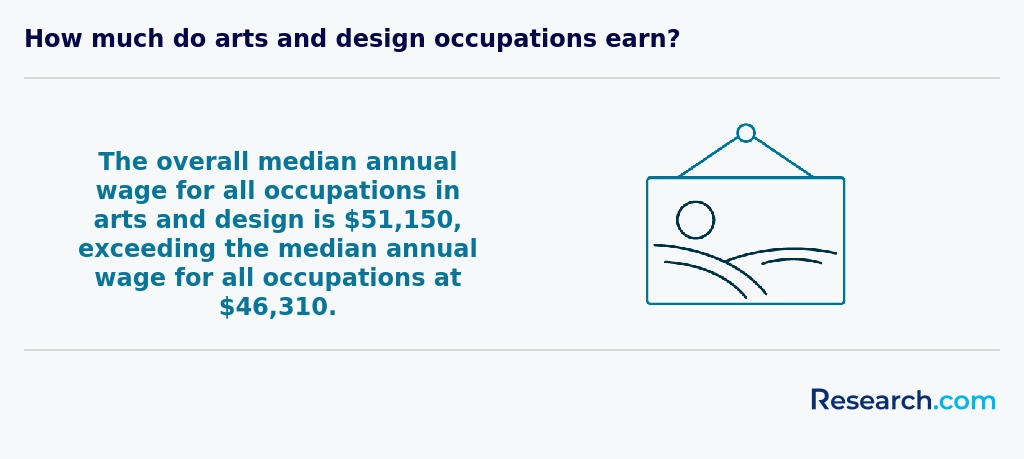
Exploring online fine arts degree specializations in Texas opens a world of creative adventure. Many students find themselves drawn to studio arts, diving into painting, sculpture, and ceramics while immersing in art history-like graduates from Texas' top art schools who describe their hands-on projects as deeply fulfilling and transformative. Others gravitate toward graphic design, mastering digital tools highly sought after in bustling cities like Austin and Dallas, where the booming media scene fuels exciting career paths.
Creative writing programs offer a vibrant outlet for storytellers, poets, and screenwriters, connecting students to Texas's rich literary traditions. Graduates often recount the thrill of developing their voices with experienced faculty guiding their craft. Some choose the film and digital media specialization, engaging with video editing and animation reflective of Texas's growing film industry, especially around Houston. For those interested in a blend, performing arts via hybrid options provide a dynamic mix of virtual learning and in-person performances.
When searching for the best online fine arts programs Texas residents appreciate, it's vital to consider program strengths alongside affordability. If you're also curious about interdisciplinary paths, you might explore options like the best child development master's degrees that complement artistic skills in unique ways.
Choosing the best online fine arts degree in Texas means diving into programs that blend creative freedom with solid academic foundations. Graduates from popular Texas colleges often praise faculty who balance technical skills with inspiring art theory, making virtual studios feel alive and interactive. Flexible schedules accommodate busy lives, whether juggling family or work, while asynchronous classes allow students to explore their creativity at their own pace. Many students find value in programs offering concentrations aligned with their passions, like graphic design or creative writing, adding depth to their artistic journey.
Accreditation plays a big role, too. Top accredited online MFA programs Texas-based ensure your credits transfer smoothly and that you qualify for financial aid. Some fine arts students share how this trust opens doors to grants and scholarships, easing the cost of their education. Speaking of cost, the search for affordable online fine arts degrees Texas-wide has led many to discover exceptional options with competitive tuition and fees. For those budgeting, be sure to explore resources at affordable online universities that frequently spotlight hidden financial aid opportunities.
Graduates earning an online fine arts degree in Texas often find themselves diving into vibrant careers that blend passion with innovation. Whether nurturing creativity from the heart of a bustling Texas art scene or tapping into digital tools, they explore diverse paths-from painting vivid canvases to designing cutting-edge graphics. Many who studied at renowned institutions like the University of Texas or Texas State University have embraced roles as illustrators in galleries or digital media specialists, where artistic vision meets modern technology.
Others embark on teaching journeys, sharing their craft in classrooms or community centers, motivated by rewarding experiences that mix creativity with mentorship. These educational roles often stem from degrees incorporating pedagogical training, aligning with the steady demand for arts educators across Texas public schools. For those drawn to animated worlds and immersive storytelling, careers as animators or video game artists in Austin's tech hubs deliver exciting growth opportunities and creative freedom. Exploring online fine arts careers in Texas unleashes a playground of possibilities, from art directing marketing campaigns to innovating digital content that captivates audiences.
Some graduates find joy in stable, inspiring roles and even delve into teaching, enjoying notable perks like strong elementary education job satisfaction. This blend of artistic passion and practical career options makes the Texas fine arts landscape truly adventurous and rewarding.

Exploring the online fine arts job opportunities Texas offers reveals a landscape filled with dynamic possibilities. Graduates from institutions like the University of Texas at Austin and Texas State University often find themselves blending creativity with technology, taking on roles such as graphic designers or exhibition designers across Houston, Dallas, and Austin's thriving cultural hubs. Many graduates share stories of landing freelance gigs or hybrid positions, balancing studio time with remote client work in a growing creative economy.
Texas fine arts career prospects online degree learners encounter are shaped by the state's vibrant arts communities and expanding digital sectors. Art educators and illustrators complement this mix, navigating local galleries or educational institutions. These students appreciate how online study connects them to both local and national artistic networks, helping craft strong portfolios indispensable for success.
Since many fine arts jobs don't demand advanced degrees, focusing on skill-building and networking becomes key. Those seeking additional value often explore the best value teaching masters to expand their professional reach while maintaining affordable tuition options in Texas.
2027 Fastest Online Master's in Fine Arts Degree Programs Ranking in Texas
Investing in your education is a significant decision that can shape your future, and the Research.com team understands the importance of making informed choices. To assist prospective students in Texas, we have meticulously crafted the "2027 Fastest Online Master's in Fine Arts Degree Programs Ranking in Texas." Our commitment to quality, credibility, and accuracy is reflected in the extensive research and analysis conducted to compile this ranking.
We utilized the following reputable data sources to ensure a comprehensive evaluation of programs:
By exploring this ranking, readers will gain valuable insights into the fastest online Master's in Fine Arts programs in Texas, allowing them to make informed decisions tailored to their educational and career goals. For more details on our methodology, please visit our Research.com methodology page.


Frequently Asked Questions About fine arts
Online fine arts degree students in Texas can maximize their learning by actively engaging with their coursework and connecting with faculty. Students should take advantage of virtual office hours and feedback sessions to deepen their understanding of artistic techniques and theory. Incorporating practice labs and digital studios into study routines helps maintain hands-on skills essential for fine arts.
Joining online artist communities or local Texas-based art groups can provide valuable networking opportunities and peer critique. According to the Texas Higher Education Coordinating Board, nearly 30% of fine arts students benefit from collaborative projects outside class, improving both creativity and portfolio strength.
Additionally, exploring virtual museum collections like those of the Museum of Fine Arts, Houston, supports cultural immersion despite distance. Balancing time management with creative experimentation is key to thriving in an online fine arts program in Texas.
The fine arts field is evolving, with several emerging niches gaining popularity among students, especially in Texas. One rapidly growing area is digital arts, which includes digital illustration, animation, and virtual reality. Texas universities increasingly offer online courses in these specialties to meet demand.
Another niche is art therapy, combining psychology and the creative process to support mental health. The American Art Therapy Association highlights increased recognition of this field nationally, with growing programs tailored for remote learners.
Additionally, sustainable art practices focused on environmental awareness are becoming prominent. As Texas embraces green initiatives, fine arts students explore eco-friendly materials and themes.
These niches reflect the broader shift towards interdisciplinary and technology-driven approaches in fine arts education.
After earning an online fine arts degree in Texas, graduates should actively build a professional portfolio showcasing their work. This portfolio is essential for exhibitions, freelance opportunities, and job interviews. Networking plays a critical role; attend local art shows, gallery openings, and join organizations like the Texas Artists Collective.
Understanding the Texas art market helps graduates target their job search effectively. According to the Texas Cultural Trust, the state's creative economy generates over $34 billion annually, indicating strong demand for arts professionals.
Internships and apprenticeships with Texas-based artists or institutions provide valuable experience and connections. Additionally, developing digital skills for online marketing and art sales can enhance job prospects in today's technology-driven environment.
Employers in Texas seek fine arts graduates who demonstrate both creative talent and practical skills. Top qualities include strong visual communication abilities, proficiency with digital design tools, and a solid understanding of art history. According to the Texas Workforce Commission, adaptability and collaborative skills also rank highly in arts-related job postings across the state.
Many employers value graduates' experience with portfolio development, as it showcases real-world application of their skills. Online fine arts programs in Texas increasingly incorporate training in emerging technologies like 3D modeling and animation, meeting industry demands.
Strong critical thinking and problem-solving skills remain essential, especially in roles involving concept development. Overall, a balance of artistic creativity and technical expertise is crucial for career success in Texas's competitive fine arts job market.
Finding internships in Texas related to a fine arts degree involves leveraging multiple resources. Start by exploring university career centers, as many Texas schools partner with local galleries, museums, and creative studios to offer internship opportunities. Websites like Handshake and the Texas Workforce Commission also list internships specifically in arts fields.
The Texas Commission on the Arts provides grants and programs to support emerging artists, which can include internship placements or networking events. Additionally, major cities such as Austin, Dallas, and Houston host art festivals and organizations that frequently seek interns, like the Contemporary Arts Museum Houston.
Networking through professional organizations like the Texas Artists Coalition and attending virtual career fairs can increase chances of finding quality internships. Internships are often unpaid or low-paid; however, they provide critical experience and connections within Texas's art communities.
Obtaining an online fine arts degree in Texas can significantly improve career mobility and advancement. The Texas workforce shows steady demand for creative professionals, with the arts sector contributing over $60 billion annually to the state economy, according to the Texas Cultural Trust. An advanced degree often qualifies candidates for higher-level positions like art directors, museum curators, or educators.
Online programs offer flexibility, enabling students to continue working while upgrading skills. Many Texas employers recognize reputable online degrees, particularly from accredited institutions, which helps graduates compete for promotions and specialized roles.
Networking opportunities through virtual platforms and partnerships with Texas arts organizations also enhance career prospects by connecting students with industry professionals.
Studying for a fine arts degree online in Texas offers a strong foundation for interdisciplinary roles by blending creative skills with practical knowledge. Many Texas institutions emphasize collaboration across fields such as digital media, design, and communication, reflecting industry demands for versatile talent.
Students gain experience in multiple mediums and learn to integrate technology with traditional art forms. For example, courses often include digital animation, graphic design, and art history, preparing graduates for diverse careers beyond classical art roles.
According to the Texas Higher Education Coordinating Board, programs encourage project-based learning and partnerships with local industries, enhancing real-world application. This interdisciplinary focus equips students to adapt in evolving creative fields.
When choosing between a thesis and a non-thesis fine arts degree program in Texas, consider your career goals. A thesis program typically requires an extended research or creative project, ideal for those aiming for academia or advanced artistic research. Non-thesis options focus more on coursework and practical skills, suited for professionals seeking to enhance their craft without the pressure of a major project.
The Texas Higher Education Coordinating Board reports a growing demand for artists with practical experience, which may favor non-thesis paths. However, universities like the University of Texas at Austin offer robust thesis options that help develop critical analysis and extended creativity.
Also, consider your learning style and time availability. Thesis programs often require more independent work and longer completion times. Financial considerations matter too, as some Texas institutions offer different tuition rates depending on program type.
Students in Texas interested in studying fine arts abroad through online programs have a few viable options. Many U.S. universities with strong fine arts programs offer hybrid or fully online courses partnered with international institutions, allowing students to earn credits applicable to their degree while gaining global perspectives.
While Texas itself hosts several top-rated online fine arts programs, studying abroad often requires coordination with study-abroad offices and accredited global partners. The National Association of Schools of Art and Design (NASAD) provides guidance on program quality and international collaboration.
It is important for Texas students to verify credit transfer policies and ensure online or hybrid international courses meet Texas Higher Education Coordinating Board standards.
Overall, online fine arts students can supplement their education with targeted international experiences that enrich cultural understanding without relocating permanently.
Part-time job opportunities in Texas that complement a fine arts degree include roles such as gallery assistant, art instructor, and freelance illustrator. These positions offer practical experience and networking within the state's vibrant art communities, especially in cities like Austin and Dallas.
According to the Texas Workforce Commission, arts-related jobs are growing steadily, with creative occupations expected to increase by 5% between 2021 and 2031. Working as a museum guide or art handler provides exposure to diverse art styles and curation practices, enhancing academic learning.
Additionally, Texas offers gig opportunities in digital media and graphic design, which are ideal for those studying fine arts online. These roles can help build a robust portfolio and develop skills in high demand in the creative economy.
Online fine arts students in Texas benefit from multiple networking opportunities despite physical distance. Many Texas universities offering online fine arts degrees facilitate virtual events, webinars, and guest lectures that connect students with professionals and alumni across the state.
Additionally, organizations such as the Texas Society of Sculptors and the Texas Visual Arts Association provide virtual memberships and online forums where students can share work and engage with industry experts. These groups often organize regional exhibitions and networking meetups in major Texas cities like Austin and Dallas.
Moreover, Texas ranks among the top states for arts employment, which encourages universities to build strong online career services linking students to local galleries, museums, and creative businesses.
Alumni networks offer substantial benefits to online fine arts degree students in Texas by providing valuable professional connections. Graduates can access a community of experienced artists, educators, and industry professionals who often share job leads and freelance opportunities.
Texas hosts a vibrant creative sector, and alumni associations help students tap into this local market. According to the Texas Creative panel, over 660,000 people work in Texas's arts and cultural industries, highlighting the importance of networking for career advancement.
Through exclusive events, workshops, and online forums, alumni networks foster mentorship and collaboration. This support is especially crucial in fine arts careers, where personal relationships often lead to exhibitions, commissions, or teaching roles.
Many Texas universities support online students with digital alumni platforms, ensuring remote learners benefit equally from these networks.
Customizing an online fine arts degree in Texas allows students to tailor their education to specific career goals. Many Texas institutions offer elective courses and specializations such as digital media, painting, or art education. This flexibility supports students aiming for diverse roles in galleries, education, or commercial art. Texas colleges may provide opportunities for internships and community-based projects, enhancing real-world experience.
According to the Texas Higher Education Coordinating Board, nearly 30% of fine arts graduates in Texas pursue careers combining creative practice with teaching or digital design, highlighting the value of diverse coursework. Students should research programs that align with their professional interests to maximize outcomes.
Online fine arts students in Texas often face unique challenges related to the hands-on nature of their discipline. Practical skills such as painting, sculpture, and performance arts can be difficult to master without in-person interaction and studio access. According to the Texas Higher Education Coordinating Board, limited access to specialized equipment and materials at home affects many students' ability to complete projects effectively.
Another challenge is the lack of face-to-face feedback, which is crucial for the iterative creative process. Students may feel isolated, impacting their motivation and engagement. Additionally, balancing time for artistic practice with other responsibilities remains a common struggle among online learners in Texas fine arts programs.
With an online fine arts degree from Texas, several professional certification options are available to enhance your career. Many graduates pursue teaching certifications, such as the Texas Teacher Certification in Art, enabling them to work in public schools. This process typically requires passing the Texas Examinations of Educator Standards (TExES) Art EC-12 test.
Additionally, certifications in art therapy or graphic design are viable paths for fine arts graduates, depending on further education or experience. Some may also gain credentials in museum studies or arts administration to work in galleries or cultural institutions across Texas, where the arts sector supports over 50,000 jobs according to the Texas Cultural Trust.
Writing a winning application for an online fine arts program in Texas requires careful attention to detail. Start by thoroughly researching programs accredited by the Southern Association of Colleges and Schools Commission on Colleges, ensuring they meet quality standards. Texas hosts top programs with competitive admissions, so a strong portfolio is essential. Showcase diversity in your work and include pieces reflecting your personal artistic vision.
Highlight any relevant experience, such as exhibitions or collaborations, to demonstrate professional commitment. Craft a clear, concise personal statement explaining your goals and why online study suits your lifestyle. According to Texas Higher Education Coordinating Board data, successful applicants often emphasize both creativity and discipline.
Lastly, follow all submission guidelines exactly to avoid disqualification. Meeting deadlines is crucial as Texas programs typically receive hundreds of applications annually, making early submission advantageous.
The global perspective on a fine arts career reflects increasing recognition of arts as vital to cultural expression and economic growth. In the US, including Texas, fine arts graduates often pursue diverse paths such as education, design, and digital media. According to the National Endowment for the Arts, employment in arts-related fields is expected to grow by 4% through 2031. Texas ranks highly for art and design jobs, with metropolitan areas like Austin and Dallas offering expanding opportunities. Online fine arts degrees cater to this demand by providing flexible access to training aligned with global artistic trends and market needs.
Students pursuing an online fine arts degree in Texas can gain practical experience through multiple opportunities. Many programs encourage internships at local galleries, design firms, or museums, especially in cities like Austin and Houston, where the art scene is vibrant. These internships allow students to apply classroom skills in real-world settings.
Additionally, Texas universities often provide partnerships for virtual studio collaborations and remote exhibitions, letting students showcase their work to broader audiences. Participation in community art projects and workshops also helps develop hands-on skills while building professional networks.
According to the Texas Higher Education Coordinating Board, over 60% of art students report internships and similar experiences as crucial to employment post-graduation.
Choosing the right concentration within an online fine arts degree program in Texas involves evaluating your personal interests and career goals. Popular concentrations include visual arts, creative writing, theater, and digital media. According to the Texas Workforce Commission, arts and design jobs in Texas are expected to grow by 12% from 2022 to 2032, making it important to select a specialization with strong local demand.
Consider programs accredited by the National Association of Schools of Art and Design (NASAD) to ensure quality education. Also, research faculty expertise and available resources, such as virtual studios or workshops. Reviewing alumni success and job placement can provide insight into program effectiveness.
Online flexibility allows you to balance studies with existing commitments, but be sure the concentration aligns with your long-term goals and skills development needs. Local art communities and professional organizations in Texas can offer additional guidance on specialization relevance.
- Application writing tips for individual artists https://www.affta.ab.ca/funding/help-and-resources/resources-individual-artists/application-writing-tips-individual-artists
- Create a Niche Market for Your Art in a Sea of Artists https://lorimcnee.com/create-a-niche-market-for-your-art-in-a-sea-of-artists/
- Networking for Artists https://artquest.org.uk/how-to-articles/networking-for-artists/
- Summer Internships | National Gallery of Art https://www.nga.gov/employment-opportunities/summer-internships
- Careers in the Arts: Who Stays and Who Leaves? https://snaaparts.org/findings/reports/careers-in-the-arts-who-stays-and-who-leaves
- Bachelor of Arts (B.A.) Major in Art https://mycatalog.txstate.edu/undergraduate/fine-arts-communication/art-design/art-ba/
- What Alumni Say https://www.cityandguildsartschool.ac.uk/ma-fine-art/student-and-alumni-case-studies/
- Networking for Artists: Unlocking Opportunities in the Art World - Ceri Hand https://cerihand.com/networking-for-artists/
- Internships and Fellowships - https://www.art-almanac.com.au/internships-and-fellowships/
- Networking - Weaving Your Web as an Art Graduate - Visual Artists Association https://visual-artists.org/resources/networking-weaving-your-web-as-an-art-graduate/


