
2027 Fastest Online Master's in Fine Arts Degree Programs Ranking in Georgia

Co-Founder and Chief Data Scientist
Choosing the right online Master's in Fine Arts program can be overwhelming, especially for students in Georgia seeking speed and quality. This article introduces the 2027 Fastest Online Master's in Fine Arts Degree Programs Ranking in Georgia, created by the Research.com team of data scientists to guide your decision with accurate, up-to-date information.
By exploring this ranking, you'll discover programs that combine flexibility, efficiency, and strong academic value. Pursuing a fine arts degree opens creative doors and professional opportunities, making your educational journey exciting and rewarding.
Key benefits of getting online fine arts degree in Georgia
- Graduates with a fine arts degree in Georgia can expect strong earning potential, with job roles like Art Director earning about $125,920 annually and Museum Curators making around $70,870 per year.
- Career paths include opportunities in graphic design, museum curation, art history, and teaching, as shown by graduates from popular Georgia universities who have successfully entered diverse creative fields.
- Online fine arts degrees offer flexibility and convenience, enabling students to balance studies with personal and work commitments, just like graduates from well-known Georgia schools who benefit from flexible scheduling and tailored learning experiences.
- 2027 Fastest Online Master's in Fine Arts Degree Programs Ranking in Georgia
- What can I expect from online fine arts degree in Georgia?
- Where can I work with online fine arts degree in Georgia?
What can I expect from online fine arts degree in Georgia?
Online fine arts degrees in Georgia typically come with a tuition range that feels accessible and reflects a good balance of quality and affordability. Graduates from institutions like Kennesaw State University often mention their appreciation for in-state tuition rates, which can be significantly lower than out-of-state fees. This affordability eases the financial stress for those juggling work and study, allowing them to focus more on creative growth and skill building.
Many students find that public universities in the University System of Georgia provide strong financial aid options specifically for arts programs, which helped some recent graduates manage costs without sacrificing artistic exploration. The competitive tuition rates are usually between $5,000 and $10,000 per year for in-state students, making a fully online degree a viable option without excessive debt. This affordability allows learners to invest in essential materials, software, or workshops, enriching their overall educational journey.
Understanding these typical costs helps prospective fine arts students plan wisely and embrace their studies with confidence, knowing their investment supports both their artistic ambitions and practical career goals.
Where can I work with online fine arts degree in Georgia?
Graduates from online fine arts programs at schools like the Savannah College of Art and Design or the University of Georgia frequently find themselves thriving in Georgia's rich cultural hubs. Many secure positions within museums, galleries, or cultural centers in Atlanta and Savannah, engaging deeply with vibrant local art scenes. For instance, graduates often share how working at the High Museum of Art or Telfair Museums allows them to blend their creative passions with community impact.
Others embrace roles in the expanding film and media industries around Atlanta, applying skills learned in digital media or graphic design. Teaching is another rewarding path; graduates report a sense of fulfillment when joining K-12 public schools or community education programs, addressing the consistent demand for certified art instructors throughout Georgia.
Entrepreneurial paths also bring creative freedom. Many alumni start small design studios or freelance, benefiting from Georgia's supportive environment for startups in creative services. Knowing these options encourages students that an online fine arts degree here unlocks diverse, inspiring career trajectories.
Graduates of online fine arts programs in Georgia, such as those from Savannah College of Art and Design or the University of Georgia, often find a rewarding range of earning potential rooted in their chosen career paths. For example, a graduate pursuing a role as an art director in Atlanta can expect a mean annual wage of about $125,920, reflecting the city's vibrant creative industry and demand for leadership in advertising and media. Others may choose paths like museum curatorship, earning around $70,870 annually, offering a fulfilling blend of art history knowledge and public engagement.
For creatives focusing on design, senior graphic designers typically earn an average of $64,700 per year, often blending digital skills with fine arts training to boost earnings in Georgia's bustling metro markets. Those passionate about teaching may pursue fine arts professorships, which command an average wage near $100,840, reinforcing the value of higher education and mentorship in this field. These figures show how combining technical expertise with artistic vision, especially from well-regarded programs, can turn passion into a sustainable career in Georgia.
- Online fine arts degrees in Georgia typically cost between $20,000 and $40,000 for a bachelor's program, with graduate programs like the MFA costing over $30,000.
- Public universities usually offer lower tuition rates, especially for in-state students, compared to private institutions.
- Entry-level salaries for fine arts graduates in Georgia range from $35,000 to $45,000 per year, with experienced professionals earning $55,000 or more.
- The Atlanta area's entertainment industry provides job opportunities in digital art, film, and media production linked to fine arts skills.
- Accreditation and transfer options are important when selecting a program, as they impact credit acceptance and career flexibility.
- Financial aid, scholarships, and state grants are commonly available to Georgia residents enrolled in online fine arts programs.
Completing an online fine arts degree in Georgia often unfolds along a timeline shaped by dedication and life's rhythm. Graduates from well-known institutions such as the Savannah College of Art and Design or the University of Georgia often reflect on the balance between creativity and coursework. Associate degrees typically take about two years with full-time focus, while bachelor's degrees usually require four. This aligns with those who commit steadily, often finding joy in blending studio projects with other life commitments.
Master's degrees, including the MFA, generally span two to three years but pivot on flexibility-many who juggle jobs appreciate programs designed to accommodate part-time pacing. Graduates appreciate how this allows them to deepen artistic skills without sacrificing income or family time. These varied timelines remind students that the journey is personal: some finish faster by accelerating courses, while others take more time to fully embrace growth and portfolio development.
When evaluating the financial commitment of an online Master’s in Fine Arts in Georgia, it’s helpful to benchmark against similar programs in other regions. The median total cost in Georgia is $36,765, which sits slightly below the national average of $38,500 for fully online MFAs. By contrast, online Fine Arts programs in neighboring states like Alabama and Florida range between $34,000 and $40,000, reflecting a moderate variance driven by public vs. private tuition structures. For students prioritizing affordability without compromising quality, expanding your search beyond Georgia can unearth even lower-cost options. For example, our Affordable Fine Arts Degree Programs Ranking in Connecticut highlights institutions where the median program cost falls under $30,000, offering substantial savings. While program flexibility and curricular depth should remain top criteria, comparing tuition rates and available financial aid packages across states can significantly reduce your overall debt burden. In addition to tuition, factor in ancillary expenses-such as digital studio fees, software licenses, and shipping costs for project materials-when comparing programs. Some out-of-state schools offer flat-rate online fees or inclusive resource bundles that may offset a higher sticker price. By methodically comparing Georgia’s online MFAs with cost-efficient alternatives like those in Connecticut, prospective students can craft a balanced selection strategy that aligns both with budget constraints and artistic ambitions.
Fine arts students who have studied on-campus at places like the University of Georgia or SCAD often recall the vibrant energy of working side-by-side in studios, surrounded by peers and instructors. This face-to-face environment allows for immediate critique and hands-on use of specialized tools-painting directly on a canvas, molding clay in a shared studio-which many find irreplaceable for honing their craft.
In contrast, graduates from online fine arts programs in Georgia appreciate the flexibility that allows them to balance work or family commitments while pursuing their passion. Their creative process often unfolds through digital portfolios and video submissions, which encourages a different kind of self-discipline and innovative storytelling. Though lacking the physical studio space, these students often build rich networks through virtual galleries and regional communities, discovering new ways to connect across distances.
Both paths cultivate strong artistic skills, but the choice often reflects lifestyle and learning preferences. Those drawn to immersive, hands-on experiences may thrive on-campus, while others find empowerment in the adaptable, self-directed nature of online studies in fine arts.
Succeeding in an online Fine Arts program requires proactive strategies and strong time-management skills. To excel, start by creating a dedicated workspace free from distractions and designating a consistent study schedule that mirrors the structure of an on-campus environment. Engage actively in virtual discussions, live critiques, and group projects to build a network that mirrors real-world studio dynamics. Additionally, take advantage of digital tools and online resources-such as interactive webinars and recorded lectures-to supplement your learning and stay updated on emerging art trends. Don’t hesitate to reach out to faculty and advisors for guidance, and leverage the comprehensive career support services offered by many institutions. For those still exploring options, consider reviewing the best fine arts program in georgia to find a program that aligns with your career goals. Finally, set realistic milestones, seek constructive feedback regularly, and remain adaptable-qualities that will serve you well both during your studies and in your future career in the arts.
The average cost of an online fine arts degree in Georgia generally reflects a balance between quality education and affordability. Many in-state students attending public universities can expect to pay between $4,000 and $8,000 annually for a Bachelor of Fine Arts. Graduate programs, such as a Master of Fine Arts, often cost more, typically ranging from $10,000 to $18,000 each year. These figures represent a typical investment in one's creative future, capturing the experience of graduates who found value not only in the instruction but also in the community and resources offered by institutions like the University System of Georgia.
Graduates recall that, beyond tuition, there were additional expenses such as technology fees and art supplies, which are essential in fine arts education. Those passionate about sculpting or digital arts often enjoyed hands-on projects that required specialized tools. Even with travel costs for occasional on-campus events, many students appreciated the flexibility of online formats, allowing them to balance family and work life while pursuing a meaningful degree. Reflecting on the average cost of online fine arts degree Georgia students find that scholarships and grants play a vital role in making these programs accessible and enriching their creative journey.
Those researching pathways might consider exploring the best fine arts program in georgia, which can help guide choices based on both cost and curriculum strength. Such programs often provide competitive pricing to attract motivated remote learners, blending affordability with artistic opportunity.
Succeeding in an online Fine Arts program involves more than just mastering artistic techniques-it also requires effective time management, a proactive mindset, and strong communication skills. Here are several strategies to help you excel in your course of study: • Set a consistent routine: Designate specific hours each day for your coursework to establish a disciplined study schedule. Allocating regular time for practice and research can help maintain momentum while balancing personal and professional commitments. • Create a dedicated workspace: Whether it’s a small studio corner or a quiet desk at home, having a designated area free from distractions can significantly improve focus and productivity. • Utilize available resources: Take full advantage of digital libraries, online tutorials, and virtual studio sessions offered by many programs. Engaging with supplementary materials not only reinforces your learning but also broadens your artistic perspective. • Foster community and networking: Engage actively in online forums, group projects, and virtual art critiques. Building relationships with peers and instructors can lead to fruitful collaborations and valuable feedback. For instance, many students find that researching the best fine arts program in georgia helps them connect with like-minded individuals and learn from diverse experiences. • Seek continuous improvement: Regularly review your work, solicit constructive criticism, and set specific goals for each project. Embracing a growth mindset will enable you to overcome challenges and refine your artistic skills consistently. By incorporating these best practices into your daily routine, you’ll be well-equipped to navigate the challenges of online learning and achieve success in your Fine Arts career.
Students pursuing an online fine arts degree in Georgia often find that federal aid, accessed through FAFSA, is their first and most straightforward resource. Many graduates from institutions like Savannah College of Art and Design report relief in securing Direct Unsubsidized Loans and Grad PLUS Loans, which ease the burden of paying for supplies and technology. While Pell Grants typically exclude graduate fine arts students, the availability of work-study options can provide meaningful part-time employment, allowing students to stay connected to their craft while managing expenses.
State aid plays an invaluable role as well. The Georgia Student Finance Commission's HOPE Scholarship and HOPE Grant frequently cover significant tuition portions for online learners who meet accreditation standards. Graduates recall how this state support transformed their financial planning, especially when tuition can range from $10,000 to $25,000 annually depending on the college.
Additionally, merit-based scholarships offered by universities and organizations such as the Georgia Council for the Arts have been a game-changer for many. These awards often recognize creativity and portfolio strength, validating the dedication of art students in schools like Kennesaw State University. Such layered financial aid strategies help students stay motivated and confident throughout their studies.
Ensuring that your online Master’s in Fine Arts program is properly accredited is crucial for credit transfer, financial aid eligibility, and employer recognition. In Georgia, look for institutional accreditation from the Southern Association of Colleges and Schools Commission on Colleges (SACSCOC) and programmatic accreditation by the National Association of Schools of Art and Design (NASAD). These endorsements confirm that the curriculum meets rigorous academic and professional standards, so credits you earn today will be honored by other colleges and graduate schools tomorrow. Accreditation also impacts your access to federal aid and veterans’ benefits, as well as your eligibility for licensure or certification in arts-related careers. Before applying, verify each program’s accreditation status on the U.S. Department of Education’s Database of Accredited Postsecondary Institutions and Programs. In addition, professional organizations-such as the College Art Association (CAA)-often recognize NASAD-accredited degrees as meeting entry requirements for exhibitions, grants, and residencies. Beyond Fine Arts, exploring related online degrees for interior design can also highlight the importance of accreditation across creative disciplines. When a program holds both institutional and specialized accreditation, you gain confidence that your investment will translate into real-world credentials and networking opportunities within your chosen field. Finally, accredited programs typically offer robust quality assurance measures, including regular curriculum reviews, student outcome assessments, and faculty qualifications checks. These ongoing evaluations ensure that course content remains current, teaching methods evolve with industry trends, and support services-like academic advising and technical assistance-are held to high standards, giving you the foundation you need to succeed as an online Fine Arts professional.
To enroll in an online fine arts degree in Georgia, you'll typically need a high school diploma or GED for undergraduate programs, while graduate applicants must hold a bachelor's degree with a solid GPA-usually around 3.0. Many graduates from well-known institutions like the Savannah College of Art and Design recall how their portfolios played a pivotal role in admission. This portfolio isn't about quantity but quality, capturing creativity and technical skills across various mediums. It's your visual story that admissions committees at schools such as the University of Georgia value deeply.
While some students initially worry about standardized tests, many online fine arts programs in Georgia have embraced a test-optional approach, easing stress and opening doors for those whose talents shine brighter on canvas than on exams. Letters of recommendation from mentors or professionals familiar with your artistry further strengthen your application by reflecting your dedication and readiness for the program's challenges.
Applicants also learn the importance of choosing accredited programs, like those recognized by SACSCOC, to ensure their education holds real weight and qualifying for financial aid. Graduates often speak of the confidence gained by meeting these prerequisites, which affirm their readiness to thrive artistically and academically in Georgia's vibrant online fine arts community.
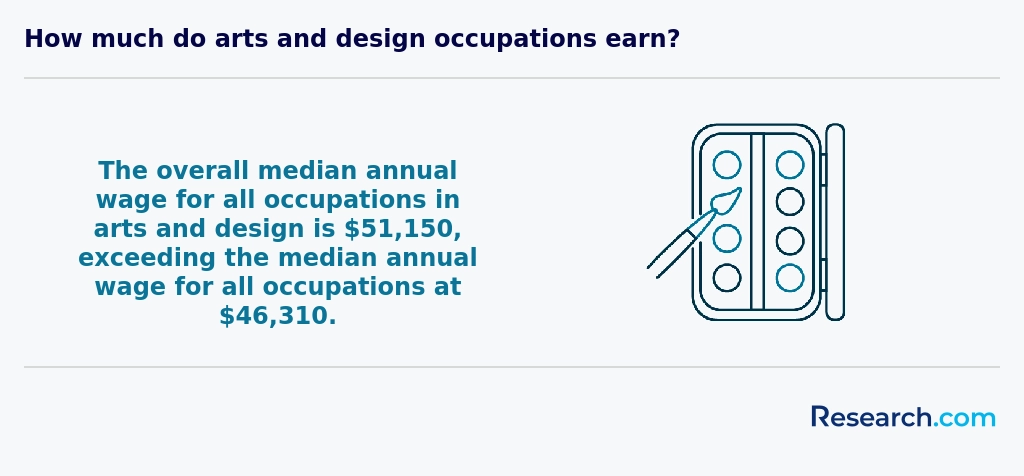
The world of Fine Arts is rapidly evolving as technological advances and creative innovation redefine traditional practices. Today’s online Fine Arts programs are not just about mastering classical techniques-they also prepare students to engage with digital mediums, virtual reality installations, and multimedia storytelling. As more artists harness tools like artificial intelligence and 3D modeling, the future of art is becoming increasingly interdisciplinary and collaborative. Students must be adaptable and forward-thinking, embracing the digital transformation that is reshaping the creative industry. Many programs now integrate courses on digital art tools, interactive design, and even entrepreneurial skills to help graduates navigate the competitive art market. This emerging trend underscores the importance of staying current with industry developments and continuously refining one’s craft. In addition, networking and real-world collaborations are taking on new forms in the online environment. Virtual exhibitions, remote workshops, and global peer reviews are now integral parts of the curriculum. These advancements not only enhance the learning experience but also provide invaluable exposure to diverse artistic perspectives and market opportunities. For instance, reviewing the comprehensive ranking of the best fine arts program in georgia can give prospective students insights into innovative curricula and cutting-edge resources that prepare them for successful, future-focused careers. By understanding these trends and adapting to the shifting landscape, students can ensure their education remains relevant and impactful. Whether you’re an aspiring digital artist or a traditional creator, staying informed about future directions in Fine Arts education will help you make strategic decisions that align with both your creative vision and professional ambitions.
Online fine arts degree programs in Georgia frequently blend foundational knowledge with hands-on practice, enabling students to flourish creatively and intellectually. Graduates from institutions like the Savannah College of Art and Design often recall how courses such as Art History and Criticism deepened their appreciation for artistic movements, from Renaissance to contemporary digital art, grounding their creative choices in rich contexts.
Courses like Drawing and Painting encourage skill-building through both traditional and digital media, helping students develop a personal style that resonates beyond the screen. Meanwhile, Digital Media Arts classes open doors into graphic design and animation, reflecting the evolving nature of art in today's digital landscape, as experienced by many who balanced work and study through Georgia State University's flexible platforms.
The inclusion of Creative Writing and Studio Practice nurtures diverse talents, while Professional Practices equips students with vital career tools like portfolio building and exhibition planning. These programs echo the rewarding challenges Georgia's artists face, offering a supportive, interactive environment even through virtual studios and critiques.
Students pursuing online fine arts specializations in Georgia discover a diverse array of focused paths that align with both personal passion and practical career needs. Popular choices include Visual Arts, which blends traditional techniques like drawing and sculpture with creative exploration, and Graphic Design, perfect for those drawn to digital media and advertising. Graduates from institutions such as Savannah College of Art and Design often reflect on how their training in Animation and Digital Arts opened doors in gaming and entertainment fields, highlighting the program's responsiveness to evolving industries.
Photography and Art Education offerings provide opportunities for students who enjoy storytelling through images or envision sharing their craft as educators. Many who study at respected schools appreciate the tailored mentorship they receive, which balances studio work and theoretical foundations, showcasing the strength of Georgia's programs. For learners interested in hands-on practice, Ceramics and Crafts provide a tactile counterpoint, often enhanced through hybrid class formats.
Those seeking broader flexibility may also explore online degrees for interior design, further expanding their creative horizons beyond traditional fine arts disciplines.
Choosing the best online fine arts degree Georgia offers means prioritizing accreditation and curriculum quality. Graduates from popular Georgia universities often highlight how regional accreditation assures their degrees hold value across the nation and unlock opportunities like federal aid. Cost is another key factor; many found that balancing tuition with available scholarships, such as those from the Georgia Council for the Arts, made their education more affordable and manageable.
Look closely at program flexibility-online courses that fit busy schedules can be lifesavers, especially for working professionals. Georgia students praised programs that blend foundational studio techniques with digital arts, reflecting the evolving creative landscape. Faculty who actively create and exhibit work bring fresh insights, fostering motivation and real-world skills.
One recurring tip from alumni is to carefully compare costs when searching for affordable online fine arts programs Georgia has to offer. For a practical start, exploring resources like the Affordable Fine Arts Degree Programs Ranking in Connecticut can provide useful tuition benchmarks.
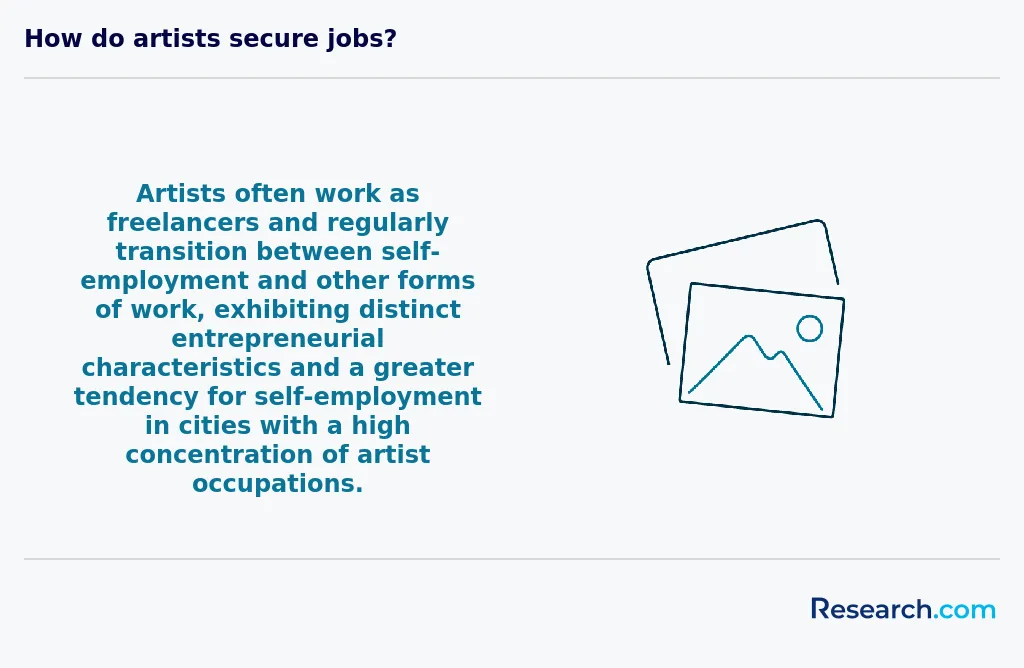
Graduates of online fine arts programs in Georgia often find promising career paths tailored to their unique talents and the state's vibrant creative economy. Many secure roles in graphic design, creating compelling visuals for digital media, advertising, and branding, especially given Atlanta's expanding market for online artistry. Others pursue animation or illustration, leveraging Georgia's dynamic film industry, which offers a thriving hub for creative professionals inspired by the "Hollywood of the South" atmosphere found near universities like the Savannah College of Art and Design.
Teaching art in K-12 schools or community programs is another rewarding avenue. Graduates appreciate how certification through Georgia's Professional Standards Commission enables them to share their passion, often recalling fulfilling moments working with young students eager to express themselves through art. Some explore specialized careers such as museum curation or arts administration, drawn by Georgia's rich cultural institutions and nonprofit arts organizations.
For those contemplating further study, exploring one year masters degrees can deepen skills and expand opportunities. These diverse paths exemplify how online fine arts career opportunities in Georgia blend passion with practical prospects.
Understanding Georgia online fine arts degree job prospects helps graduates navigate a landscape where creative ingenuity meets an encouraging community and steady demand.
The job market for graduates with an online fine arts degree in Georgia reflects a vibrant and growing creative economy. Alumni from institutions like the Savannah College of Art and Design often share optimistic experiences about entering fields such as graphic design, animation, and digital content creation, where their portfolios and technical skills open doors. These opportunities go well beyond traditional art roles, tapping into industries that value creativity paired with digital proficiency.
Fine arts degree career opportunities Georgia offers benefit from strong cultural institutions and increasing demand for artistic talents, especially in metropolitan hubs like Atlanta. Graduates frequently find their work enriched by local networks and exhibitions supported by places like the High Museum of Art, enhancing visibility and employment prospects.
Many students also consider the economics of studying online. With in-state tuition advantages and flexible programs, it's possible to manage costs effectively. For those weighing different educational paths, exploring what is the easiest associate degree to get online might provide useful perspectives on balancing workload and career goals.
Success often hinges on continuously improving one's portfolio and embracing emerging digital trends, making the realm of online fine arts jobs in Georgia both challenging and rewarding.
2027 Fastest Online Master's in Fine Arts Degree Programs Ranking in Georgia
Investing in your education is a significant decision that can shape your future, and the Research.com team understands the importance of making informed choices. To assist prospective students interested in fine arts, we have meticulously developed the "2027 Fastest Online Master's in Fine Arts Degree Programs Ranking in Georgia." Our commitment to quality, credibility, and accuracy is reflected in the rigorous research and comprehensive analysis behind this ranking.
We utilized the following reputable data sources to ensure a thorough evaluation of these programs:
By exploring this ranking, readers will gain valuable insights into the fastest online MFA programs in Georgia, enabling them to make well-informed decisions aligned with their academic and career goals. For more details on our methodology, please visit our Research.com methodology page.


Frequently Asked Questions About fine arts
Students pursuing an online fine arts degree in Georgia can maximize their learning by actively engaging with virtual studio sessions and peer critique groups. Participating in live discussions and workshops helps replicate the collaborative atmosphere found in traditional studios. Leveraging technology, such as digital portfolios and art software, allows for skill development aligned with current industry standards. According to the Georgia Council for the Arts, nearly 60% of arts organizations reported increased use of digital tools, indicating growing opportunities in this area.
Students should also seek internships and community art projects in Georgia to gain practical experience. Connecting with local art networks enhances professional growth and exposure. Accredited programs, often aligned with the Southern Association of Colleges and Schools Commission on Colleges, ensure rigorous academic standards and access to resources.
Emerging niches within the fine arts field are shaping new career pathways for students pursuing online fine arts degrees in Georgia. Digital arts, including 3D modeling and virtual reality design, have grown significantly, driven by advancements in technology and demand in entertainment and education sectors. According to the Georgia Council for the Arts, digital media jobs in the state experienced a 15% increase between 2018 and 2023.
Another growing area is interactive multimedia art, which combines visual arts with user experience design, appealing especially to gaming and app development industries. Additionally, eco-art and socially engaged art are gaining attention as artists focus more on environmental and community issues.
These niches reflect the dynamic nature of fine arts and offer diverse opportunities for graduates in Georgia's evolving cultural economy.
Preparing for the job market after completing an online fine arts degree in Georgia involves building a strong professional portfolio. According to the National Endowment for the Arts, showcasing diverse works helps graduates stand out in a competitive market. Networking is crucial; joining local arts organizations like the Georgia Council for the Arts can provide valuable connections and job leads.
Additionally, gaining practical experience through internships or freelance projects enhances employability. Georgia's arts sector employed over 150,000 people in 2022, per the U.S. Bureau of Labor Statistics, highlighting opportunities in galleries, education, and design fields. Graduates should also consider continuous learning, like workshops or certifications, to keep skills current.
Employers in Georgia's fine arts sector prioritize creativity and technical proficiency in graduates with online fine arts degrees. Skills in digital media, traditional painting, and sculpture remain essential. According to the Georgia Department of Economic Development, adaptability in using software like Adobe Creative Suite significantly boosts job prospects.
Strong communication skills are also crucial, as fine artists frequently collaborate with clients and teams. Employers value graduates who demonstrate project management abilities and can meet deadlines consistently. A 2023 survey by the National Endowment for the Arts highlights that 68% of fine arts employers in Georgia seek candidates with experience in both solo and collaborative creative projects.
Understanding art history and contemporary trends helps graduates stay relevant. Additionally, practical business skills, including self-promotion and grant writing, are increasingly in demand to support independent art careers.
Finding internships related to fine arts in Georgia involves targeting local art centers, museums, and design firms that actively support emerging artists. Institutions like the High Museum of Art in Atlanta and the Savannah College of Art and Design (SCAD) often offer internship programs that provide practical experience.
Students should also explore statewide opportunities through organizations such as Georgia Council for the Arts, which connects artists with internships and mentorships. Many universities provide career services that partner with local businesses to facilitate internships tailored to fine arts students.
Additionally, online job platforms and university job boards list part-time and remote internships suitable for those pursuing online degrees.
According to Georgia's Department of Labor, internships in creative industries have grown by 8% over recent years, indicating increasing opportunities for hands-on experience in the fine arts sector.
Obtaining an online fine arts degree in Georgia can enhance career mobility by providing accessible education that fits diverse schedules. This flexibility allows working professionals and those in remote areas to acquire updated skills without relocating.
Georgia's creative sector, valued at over $14 billion annually (according to the Georgia Department of Economic Development), offers various job opportunities for graduates with fine arts credentials.
Online programs accredited by recognized US agencies ensure that degrees meet industry standards, which is crucial for career advancement in roles such as art directors, gallery managers, and educators.
Additionally, many online degrees integrate portfolio development and networking, key elements that support professional growth within Georgia's vibrant arts community.
Studying for an online fine arts degree in Georgia equips students with skills that extend beyond traditional art creation, fostering interdisciplinary collaboration. Georgia's institutions emphasize integrating technology, communication, and business principles within fine arts curricula. This approach prepares graduates to work in diverse fields such as digital media, advertising, and education.
According to the Georgia Department of Education, fine arts programs often include courses in graphic design, multimedia production, and art history, enhancing critical thinking and problem-solving skills. These interdisciplinary competencies enable graduates to adapt to evolving job markets. Furthermore, Georgia's vibrant arts communities offer networking opportunities that bridge arts with technology and entrepreneurship, increasing career flexibility.
Choosing between a thesis and a non-thesis fine arts degree program in Georgia depends largely on your career goals and learning preferences. Thesis programs usually require original research or a creative project, ideal for students aiming for academic or research roles. Non-thesis options focus on coursework and practical skills, better suited to those pursuing professional practice or immediate employment.
Georgia's university system offers both formats, with the Georgia Board of Regents highlighting flexible online options to accommodate working adults. According to the National Center for Education Statistics, fine arts graduates from Georgia's institutions earn competitive salaries, which vary depending on specialization and degree type.
Consider the time commitment: thesis programs typically take longer due to research demands. Review program curricula and faculty expertise carefully to match your interests. Accreditation and access to digital resources for online students are also crucial factors.
Students based in Georgia looking to study fine arts abroad have several options that combine flexibility with international exposure. Many U.S. institutions, including those in Georgia, offer partnerships or exchange programs with respected art schools worldwide. These programs allow students to complete part of their studies overseas while earning their degree at home.
Online fine arts degrees increasingly incorporate virtual collaboration with international artists and mentors, expanding access without relocation. According to the National Center for Education Statistics, about 35% of arts students in the U.S. take at least one online course, highlighting growing digital opportunities.
While direct online fine arts degrees from foreign universities remain limited, students can explore short-term residencies or workshops abroad during breaks. The University System of Georgia supports these initiatives through study abroad offices, enhancing global artistic development.
Students pursuing online fine arts degrees in Georgia can benefit from several part-time job opportunities that align with their field. Positions such as art gallery assistants, museum docents, and art supply store associates offer practical experience and exposure to the local art scene. According to the Georgia Department of Labor, the arts and design sector in Georgia is projected to grow by 5% through 2030, increasing demand for creative professionals.
Freelance work as graphic designers or illustrators is also common, especially in Atlanta's expanding creative industry. These roles help students build portfolios and develop client communication skills. Additionally, teaching art classes or workshops at community centers offers valuable hands-on experience while earning income.
Online fine arts students in Georgia have access to various networking opportunities despite studying remotely. Many Georgia universities with fine arts programs, like Georgia State University and Savannah College of Art and Design, encourage virtual events and workshops that connect students with faculty and industry professionals.
Students can participate in online art exhibitions and critique sessions, which foster interaction with peers and mentors. Additionally, organizations such as the Georgia Association of Artists and Designers provide memberships that include webinars and local meetups, helping build professional contacts.
The Georgia Council for the Arts also offers grants and networking events promoting collaboration among emerging artists in the state.
Alumni networks play a vital role in supporting online fine arts degree students in Georgia. These networks connect current students with graduates who have real-world experience and industry contacts. According to the Georgia Commission on Higher Education, strong alumni communities enhance career opportunities by providing mentorship and access to local galleries, exhibitions, and arts organizations. This support is especially beneficial in creative fields like fine arts, where professional connections can lead to commissions or collaborative projects.
Additionally, participation in alumni events and online forums helps students stay informed about trends and job openings. Many Georgia institutions report that their alumni networks contribute to higher post-graduation employment rates for fine arts graduates.
Students pursuing online fine arts degrees in Georgia have several options to tailor their programs according to career goals. Many universities offer elective courses and specialization tracks in areas like digital media, painting, sculpture, or art education, allowing students to focus on their preferred disciplines. Georgia's institutions often provide mentorship or practicum opportunities that help bridge theoretical knowledge with professional practice.
Flexible credit transfers and dual-degree options can further customize your study plan. According to the Georgia Student Finance Commission, over 60% of fine arts students benefit from these adaptable pathways. This customizability helps align education with roles in galleries, education, design, or creative industries.
Online fine arts students in Georgia face several challenges unique to the nature of their discipline and the state's educational environment. One major difficulty is limited access to hands-on studio equipment and materials, which are essential for courses like sculpture, painting, or ceramics. Many institutions struggle to provide adequate virtual alternatives for these practical components.
Another challenge involves maintaining meaningful faculty interaction. Fine arts education relies heavily on personalized critique and mentorship, which can be harder to replicate in an online format. According to the National Endowment for the Arts, students often report missing immediate, in-person feedback.
Additionally, connectivity issues in rural areas of Georgia can disrupt synchronous sessions and digital submissions. As of 2023, about 14% of Georgia's population lives in rural regions with limited broadband access, impacting online learning consistency.
Finally, networking and building professional relationships-a critical element for artists-can be more difficult to establish remotely compared to traditional campus settings.
With an online fine arts degree in Georgia, graduates can pursue several professional certifications that enhance career opportunities. One prominent example is the Certified Visual Arts Educator credential, which is essential for teaching art in Georgia's public schools. This certification requires passing the Georgia Assessments for the Certification of Educators (GACE) in art education.
Additionally, artists can consider credentials such as the Graphic Design Certification offered by professional bodies like the Graphic Artists Guild. While not state-specific, these certifications support career advancement in commercial and digital art fields.
Professional memberships, such as those from the College Art Association, can also provide valuable credentials and networking resources.
Writing a winning application for an online fine arts program in Georgia requires careful preparation and attention to detail. Start by thoroughly researching accredited programs, such as those recognized by the National Association of Schools of Art and Design (NASAD). Georgia boasts multiple online options, including those offered by public universities like Kennesaw State University and Augusta University.
Highlight your artistic portfolio clearly and professionally, as it is a crucial part of the application. Include diverse samples that showcase your skills and creativity. According to the Georgia Council for the Arts, a well-presented portfolio significantly boosts admission chances.
Craft a compelling personal statement that explains your artistic vision, goals, and why studying in Georgia's online environment suits your needs. Additionally, meet all deadlines and provide transcripts that reflect strong academic performance, especially in art-related coursework. Remember to request recommendation letters from mentors familiar with your artistic abilities.
Fine arts careers increasingly emphasize global interconnectedness, blending traditional skills with digital media and multicultural influences. In the United States, including Georgia, there's a growing recognition of fine arts as a valuable part of creative industries contributing over $877 billion annually to the national economy, per the National Endowment for the Arts. Artists trained in fine arts programs often engage with international markets and audiences through exhibitions, digital portfolios, and collaborations.
Recent trends show rising opportunities in animation, game design, and multimedia arts, fields with global demand. According to Georgia's Commission on the Arts, the state supports a vibrant artistic community that encourages global engagement. Online fine arts degrees equip students with flexible skills to participate in this dynamic, worldwide environment.
Gaining practical experience while pursuing an online fine arts degree in Georgia is essential for career readiness. Many programs encourage students to engage in community art projects or internships with local galleries and studios. According to the Georgia Council for the Arts, nearly 75% of fine arts graduates in the state participate in hands-on experiences during their studies.
Online students can also attend virtual workshops and collaborate with peers through digital portfolios and critiques. Some Georgia institutions offer hybrid models allowing limited on-campus studio time. Networking through professional organizations like the Georgia Artists Association further expands practical opportunities and local exposure.
Choosing the right concentration within an online fine arts degree in Georgia starts with understanding your personal interests and career goals. Popular concentrations include painting, sculpture, digital media, and graphic design. Research shows that digital arts fields have grown by 12% nationally over the last five years, reflecting broader market demand (Bureau of Labor Statistics, 2023).
Consider how each concentration aligns with your skill set and the resources available through your chosen program. Georgia's online programs often emphasize technology integration, which may favor digital and graphic media concentrations.
Additionally, examine future employment opportunities in Georgia, where the creative sector contributed over $15 billion to the state economy in 2022 (Georgia Department of Economic Development).
Networking support and internship possibilities within Georgia's vibrant arts community can also influence your decision. Seek programs offering strong local connections if you plan to work in the state after graduation.
- Application writing tips for individual artists https://www.affta.ab.ca/funding/help-and-resources/resources-individual-artists/application-writing-tips-individual-artists
- Careers in Fine Art https://www.artcenter.edu/academics/undergraduate-degrees/fine-art/careers-in-fine-art.html
- Know more about thesis vs non- thesis: what is the difference? https://studyfans.com/en/blogs/816
- Pursuing a Career in the Fine Art World | Alchemy Global Talent Solutions https://www.alchemygts.com/blogs/pursuing-a-career-in-the-fine-art-world
- fine art teaching and its challenges in the 21st century post ... https://www.sgojahds.com/index.php/SGOJAHDS/article/viewFile/296/320
- Best programs to become an artist in Georgia https://clema.ai/georgia/occupations/artists-and-related-workers
- Challenges in Undergraduate Art Education - Arts Education Partnership https://www.aep-arts.org/challenges-in-undergraduate-art-education/
- Complete guide to studying Fine Arts - TAI Arts https://taiarts.com/en/blog/guide-to-studying-fine-arts/
- Art Pathway https://www.highlands.edu/academic-programs/art-pathway/
- Art B.A. https://www.gcsu.edu/artsandsciences/art/art-ba


