2027 Best Fine Arts Degree Programs Ranking in Morgantown

Co-Founder and Chief Data Scientist
If you're considering pursuing a fine arts degree in Morgantown, this article is here to guide you. The 2027 Best Fine Arts Degree Programs Ranking in Morgantown was carefully created by a team of data scientists at Research.com to help students like you make informed decisions.
Exploring this ranking will show you which programs truly stand out, making it easier to choose the path that fits your creative goals. Earning a fine arts degree can open doors to exciting opportunities and personal growth.
Take this step toward a rewarding future in the arts with confidence and inspiration.
Key benefits of getting fine arts degree in Morgantown
- Fine arts graduates in Morgantown can expect competitive salaries, such as animators earning around $109,630 annually and illustrators making about $71,420, offering financial stability through creative careers.
- Graduates from local institutions often pursue diverse careers, including graphic artists, animators, and art therapists, showcasing the flexibility and vibrant opportunities a fine arts degree provides.
- Completing a fine arts degree online offers convenient scheduling and access to expert instructors, making it easier for Morgantown students to balance life and education while advancing their creative skills.
- 2027 Best Fine Arts Degree Programs Ranking in Morgantown
- What can I expect from fine arts degree in Morgantown?
- Where can I work with fine arts degree in Morgantown?
What can I expect from fine arts degree in Morgantown?
The average cost of pursuing a fine arts degree in Morgantown, primarily through West Virginia University (WVU), is about $9,000 per year for in-state undergraduate tuition as of the 2023-2024 academic year. Graduates often reflect on this as an accessible investment, especially when considering the quality of instruction and career opportunities offered. Many students have found that balancing part-time internships provided by WVU's College of Creative Arts helps supplement expenses and build valuable experience simultaneously.
Scholarships geared toward creative arts can also significantly reduce the financial load, a common relief for many fine arts students. For example, some graduates shared how securing these scholarships allowed them to focus more on developing their portfolios rather than worrying about costs. The competitive tuition in Morgantown, combined with community support and university resources, creates a practical and motivating environment for aspiring artists.
This affordability, paired with hands-on opportunities like gallery exhibitions and local partnerships, means students can advance their skills without overwhelming debt, setting a solid foundation for their creative careers.
Where can I work with fine arts degree in Morgantown?
Graduates from fine arts programs at West Virginia University often find rewarding roles in Morgantown's vibrant cultural institutions. Many land jobs at places like the Metropolitan Theatre or Monongalia Arts Center, curating exhibits or managing collections. These positions allow them to combine creative skills with practical arts administration, enhancing community engagement through educational programs.
Teaching is another solid path. Graduates frequently secure roles in local schools or at WVU itself, where the demand for qualified art educators continues to grow. This provides a stable career option for those passionate about inspiring younger generations while working within school systems focused on expanding arts curricula.
Freelance work and studio ownership are practical options, too. Morgantown's active festivals like the Art Walk give artists direct access to customers and a supportive network. It's a hands-on way to build a career, offering emotional satisfaction from connecting with local buyers and businesses needing commissioned projects.
Finally, many grads enter graphic design and digital media sectors in Morgantown's expanding tech scene. They create visual content for marketing firms and nonprofits, applying their fine arts training to fast-growing industries with ongoing creative opportunities.
Graduates with a fine arts degree in Morgantown can generally expect to start with salaries ranging from $35,000 to $45,000, especially in entry-level positions like graphic design or gallery assistance. For example, recent graduates from local colleges often find roles that build experience gradually while earning close to these figures, which reflect the city's economic reality.
As skills develop and professional networks expand, artists in Morgantown can progress to higher-paying roles. Graphic artists earn a mean annual wage of about $64,700 nationally, while illustrators make around $71,420. Many fine arts graduates teaching at colleges or working in specialized creative fields can expect earnings close to $70,000, aligning with national averages for art teachers and illustrators.
Positions in digital media and animation offer upward mobility, with animators earning an average of $109,630 yearly according to national data. Those diversifying into these sectors often find that their income surpasses typical local salaries, providing practical motivation to explore varied artistic careers beyond traditional paths.
- Fine arts degrees in Morgantown typically result in a Bachelor of Fine Arts (BFA) or Bachelor of Arts (BA).
- Annual tuition at public universities ranges from $10,000 to $15,000 for in-state students and about $25,000 for out-of-state students.
- Entry-level salaries for fine arts graduates are around $35,000 to $40,000, increasing to $45,000 to $60,000 mid-career.
- Job opportunities include education, gallery management, illustration, graphic design, and freelance work in Morgantown's cultural scene.
- Internships and networking within local arts communities are key for career advancement.
Completing a fine arts degree in Morgantown typically takes about four years if you enroll full-time at West Virginia University, the area's primary institution for fine arts. Most graduates recount that staying consistent with a full course load, including foundational classes like art theory and studio practice, helps them finish on schedule while exploring their creative passions.
For students balancing jobs or family commitments, part-time enrollment is a practical choice, though it can extend completion time to six years or more. Many find that taking a gap year or participating in internships during their course adds valuable experience but slightly lengthens their path.
Graduate studies in fine arts, such as an MFA, usually require two to three additional years, focusing on advanced skills and portfolio growth. Morgantown students often appreciate how these programs deepen artistic impact without unnecessary delays.
By mapping out coursework and workload carefully, Morgantown fine arts students can navigate their degree timelines successfully while nurturing creativity and career readiness.
Choosing between online and on-campus fine arts degrees in Morgantown starts with considering how you prefer to learn. Graduates from local on-campus programs often highlight the value of hands-on work in specialized studios at places like West Virginia University. They describe the energy of collaborating in-person, surrounded by peers and professors who provide immediate feedback-a key advantage for disciplines like painting or sculpture.
Online students appreciate flexibility, especially those balancing jobs or family. Coursework includes digital critiques and virtual demos, useful for developing technical skills remotely. However, these students often share challenges in accessing physical studio spaces and materials, sometimes renting local art studios in Morgantown to bridge that gap.
Cost also influences the decision. On-campus tuition aligns with West Virginia's public rates, but students budget extra for studio fees and supplies. Online learners save on housing and commuting, which can cut 10-15% off expenses, though they may face technology fees.
Networking differs too. On-campus experiences foster direct connections through exhibitions and workshops, which many graduates find vital for career growth. Online students use forums and occasional residencies to build networks, though some feel it less immersive.
Immersing yourself in a Fine Arts program is about more than refining technical skills-it's about engaging with a vibrant community that nurtures creativity both inside and outside the classroom. At institutions in Morgantown, WV, students benefit from an array of resources and extracurricular activities, from hands-on studio workshops and collaborative art projects to student-run galleries and local exhibitions that celebrate emerging talent. Many campuses host creative clubs, seminars with industry professionals, and networking events that can pave the way for internships and freelance opportunities. In addition, support centers and career services provide tailored guidance, helping students build portfolios that effectively showcase their innovation and artistry. To further explore the benefits of a close-knit creative community, check out affordable fine arts programs in west virginia, where many institutions emphasize not only academic excellence but also a rich campus experience that prepares students for professional success. This holistic approach ultimately fosters personal growth, resilience, and a lifelong passion for the arts, ensuring that graduates are well-equipped to enter a competitive creative industry with confidence and a strong network of peers.
The average cost of a fine arts degree in Morgantown varies significantly based on residency status and institution choice. For in-state students attending West Virginia University, the total median cost-including tuition, fees, and necessary supplies-typically rounds to about $10,104. This makes pursuing a fine arts degree locally a financially realistic option compared to national averages.
Graduates often recount their budgeting experience, highlighting that while tuition forms the largest portion, additional expenses like art supplies and studio fees can add $3,000 to $5,000 annually. These costs depend on the student's specific projects, such as canvases, paints, or digital tools, which are essential for hands-on creative work. Out-of-state students face significantly higher tuition, with a median total cost near $42,570, reflecting increased financial planning needs.
Many find success by tapping into financial aid and scholarships offered through Morgantown's arts departments, which can make the fine arts degree tuition and fees more manageable. Exploring these options early can alleviate stress and enhance affordability.
If considering more flexible or remote study options, students might compare local costs to national figures, where private or out-of-state tuition can be much higher. For those interested in broadening their educational scope from Morgantown, options like an affordable online library science master's degree provide examples of accessible online study pathways with manageable pricing.

Students pursuing a Fine Arts degree in Morgantown, WV, benefit enormously from hands-on learning through internships and community partnerships. Many programs at institutions like West Virginia University and Fairmont State University offer structured internship placements with local galleries, museums, and creative agencies, allowing students to apply studio techniques to real-world projects and build professional portfolios. – Local Gallery and Museum Internships: Partnerships with Morgantown’s galleries and museums enable students to assist with exhibition curation, installation, and educational programming. Art history majors often gain experience cataloging collections and leading public tours-an excellent foundation for jobs in history and art curation alike. – Design Agency Apprenticeships: Graphic design and digital media students can intern at local marketing firms, working on client briefs, branding projects, and multimedia campaigns. These apprenticeships sharpen technical skills in Adobe Creative Suite and offer valuable networking opportunities. – Community Art Projects: Through collaborations with non-profits and municipal art councils, Fine Arts students engage in public art installations, murals, and workshops. Such projects not only enrich Morgantown’s cultural landscape but also demonstrate leadership and project management skills to future employers. – Academic–Industry Residency Programs: Select master’s students may qualify for residencies that pair them with professional artists and educators for semester-long studio experiences. These immersive programs foster mentorship, peer critique, and collaborative exhibitions, strengthening both creative practice and pedagogical techniques. By integrating internships and experiential learning into the curriculum, Morgantown’s Fine Arts programs ensure graduates enter the workforce with a robust portfolio, industry connections, and the confidence to navigate diverse creative careers.
Students pursuing fine arts degrees in Morgantown can rely on several practical financial aid sources to ease their education costs. Federal aid is a crucial starting point-programs like Pell Grants and FSEOG typically support eligible students by covering part of tuition without the stress of repayment. Graduates from West Virginia University's fine arts programs often recall how these grants made a noticeable difference in managing annual costs estimated between $10,000 and $12,000 for in-state attendees.
Beyond federal help, local scholarships play a significant role. Organizations like the Arts Monongahela Foundation frequently award competitive grants that help with supplies and additional art-specific fees. Many students, balancing coursework and part-time work through campus work-study opportunities, report how these combined funds alleviated financial pressure while gaining valuable experience in their chosen field.
Merit-based scholarships at Morgantown's institutions reward academic and artistic excellence, encouraging students to maintain high standards. Additionally, exploring national options such as National Endowment for the Arts grants can open doors to unexpected support for passionate artists early in their careers.
Gaining real-world experience through internships and industry partnerships can be a game changer for Fine Arts students in Morgantown, WV. Many programs encourage students to work alongside established artists and creative professionals, providing hands-on opportunities that complement classroom learning. These internships not only enhance practical skills but also help build a network that can prove invaluable when launching a career. Innovative collaborations with local galleries, cultural centers, and design firms offer students direct exposure to current industry trends and practices. For example, partnerships with community art projects and regional exhibitions often allow students to showcase their work, receiving real-time feedback from industry experts. Additionally, strong internship programs may lead to job offers after graduation, ensuring that academic success translates into professional achievement. Prospective students looking to balance quality education with cost-effectiveness can also explore affordable fine arts programs in west virginia, where robust internship placement services are a key component of the curriculum. Emphasizing these real-world opportunities can strengthen your educational journey and foster lasting professional relationships in the vibrant local art scene.
To enroll in a fine arts degree program in Morgantown, start by securing a high school diploma or GED; this is non-negotiable. Graduates from local universities often recall needing at least a 2.5 GPA, though aiming closer to 3.0 can ease acceptance, reflecting both solid academics and artistic potential.
Next, focus on building a compelling portfolio. For example, students at Morgantown colleges highlight how assembling diverse works-drawings, paintings, and digital projects-helped them showcase creativity and technical skill. Preparing this portfolio early, tailored to the school's guidelines, often lifts an application above the rest.
Letters of recommendation play a key role too. Think of them as endorsements from teachers or local artists who can vouch for your dedication and promise in fine arts. Including a personal or artist's statement adds a personal touch by sharing your artistic journey and goals, which many successful applicants found motivating during their admissions process.
Standardized tests like the SAT or ACT may not always be required, but checking current university policies avoids surprises. Also, consider completing prerequisite classes in art history or foundational art, as these are sometimes mandatory. Pragmatically planning these steps makes the Morgantown fine arts path smoother and more rewarding.

Morgantown’s Fine Arts degree programs offer a comprehensive suite of support services designed to help students thrive both artistically and professionally. Academic advising ensures that each student creates a personalized curriculum path, balancing foundational courses in Drawing and Sculpture with specialized electives like Digital Media and Printmaking. Portfolio workshops, led by experienced faculty, provide regular one-on-one critiques to refine your body of work and prepare you for graduate school or job interviews. State-of-the-art studio facilities are available around the clock, including ceramics labs, digital media suites with Adobe Creative Cloud, and darkrooms for photography. Students can reserve equipment online and attend free technical demos hosted by lab technicians. The on-campus Visual Arts Library houses a vast collection of art theory texts, exhibition catalogs, and digital archives-an essential resource for research and inspiration. Career Services partners with local galleries, design studios, and nonprofit arts organizations to arrange internships, portfolio reviews, and recruitment fairs. Alumni mentors in fields like Art Direction and Art Therapy regularly return for panel discussions and networking events. For mental health and well-being, the university counseling center offers art-based therapy groups and stress-relief workshops tailored to creative students. Student organizations such as the Morgantown Art Collective and the WVU Animation Guild foster peer collaboration and community outreach through annual exhibitions and public murals. Financial workshops and scholarship clinics help applicants navigate funding opportunities; and if you’re exploring cost-effective programs beyond West Virginia, consider our Affordable Fine Arts Degree Programs Ranking in Colorado for additional insights.
Courses in fine arts degree programs in Morgantown focus on building both technical skills and creative confidence, starting with fundamentals like drawing, painting, sculpture, and design. Graduates from institutions such as West Virginia University often recall how these core studio classes helped them experiment with different media, preparing them for careers in various artistic fields.
Alongside studio practice, you'll take art history courses that explore global artistic movements and cultural contexts. Many students find this deepens their appreciation and informs their creative decisions, making their work more meaningful. These classes balance the hands-on projects and help you become a well-rounded artist.
Expect digital media and photography classes as well, reflecting the growing demand for tech-savvy artists. Courses in animation and video production are common, giving students practical skills sought after in both fine arts and commercial sectors.
Interdisciplinary offerings like printmaking, ceramics, or textiles allow for specialized skill-building, while critique sessions and portfolio development workshops support your transition into the professional world or grad school applications.

When pursuing a fine arts degree in Morgantown, students typically choose from practical specializations tailored to their strengths and career goals. At popular institutions like West Virginia University, graduates often engage deeply with painting and drawing, mastering color theory and composition through hands-on studio work. Others find success in sculpture, working with clay and metal, and even integrating 3D printing technology to expand creative possibilities. For those drawn to digital creativity, graphic design programs teach how to merge artistic skill with software tools, preparing students for roles in branding and multimedia. Photography students focus on camera techniques and digital editing, often sharing their work in vibrant community exhibits.
Students interested in broader contexts often take art history, exploring cultural influences on artistic trends, which many find enriching for their understanding of contemporary practice. These fine arts degree specializations Morgantown options allow graduates to build portfolios that reflect both technical expertise and innovative thinking. If your interests lean toward teaching, combining these fields with elementary education degree courses can open diverse career pathways.
Start by comparing the curricula of fine arts programs in Morgantown, focusing on those offering a mix of studio work, art history, and contemporary practices. Graduates often mention the value of programs that support hands-on learning across multiple media, such as painting and digital arts, which build versatile portfolios. West Virginia University, a top choice, combines strong faculty mentorship with practical experiences through galleries and studio spaces, helping students create professional connections.
Cost matters, especially for locals seeking affordable fine arts colleges in Morgantown. In-state tuition at West Virginia University averages around $9,800, making it a practical choice compared to private or out-of-state schools. Scholarships and financial aid targeted at fine arts students can further ease expenses. Graduates appreciate programs accredited by the National Association of Schools of Art and Design for maintaining high education standards and improving job prospects.
Finally, investigate graduation and job placement rates, as strong alumni networks can open doors in creative industries. Practical exposure through internships and partnerships with Morgantown's art community enrich learning. For career planning beyond art, consider resources like south carolina teaching career pathways for alternative routes if your goals evolve.
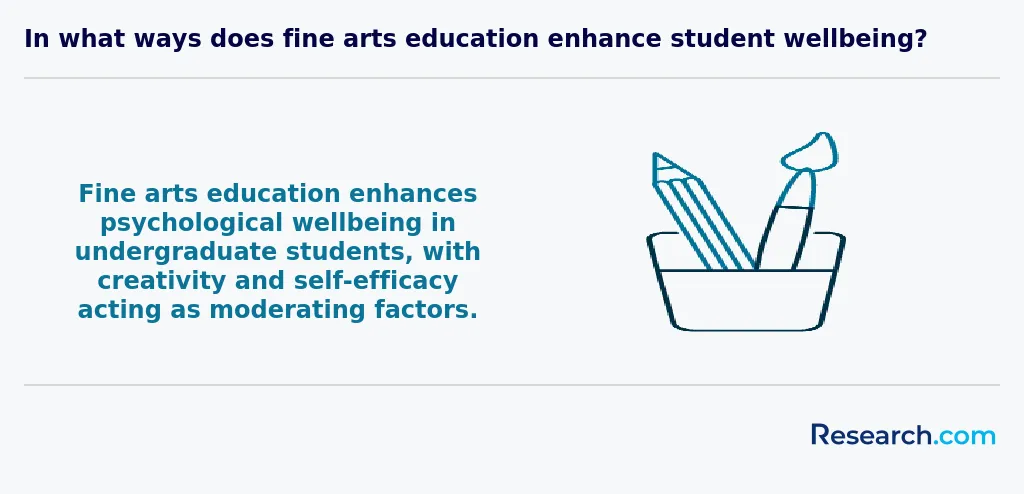
Graduates with a fine arts degree in Morgantown can pursue a variety of creative and practical career paths. Many find roles as visual artists, illustrators, or designers, often collaborating with local galleries or media companies rooted in the city's cultural scene. Those interested in education frequently become art instructors at K-12 schools or community centers, using their knowledge to inspire others. For example, graduates from West Virginia University have successfully transitioned into these roles, benefiting from the university's strong community connections.
Administrative positions in museums and galleries also appeal to fine arts degree holders, allowing them to oversee art programs or community outreach within Morgantown's cultural hubs. With the city's active tech and creative economy, graphic design and multimedia arts are rapidly growing fields. Graduates combine artistic skills with technical know-how to work as graphic designers or digital content creators, securing competitive wages locally.
Entrepreneurship is a practical option too, with many graduates starting freelance careers or small arts businesses. Those balancing artistic passion and business acumen often explore flexible pathways, including online education degree programs, to build their skillset and succeed professionally.

The job market for fine arts degree holders in Morgantown is modest but promising for those willing to diversify their skills. Graduates from institutions like West Virginia University often find roles in visual arts, theater production, and art education within local galleries, schools, and community centers. Many build their careers through a mix of part-time teaching, freelance commissions, and gallery work, reflecting the practical realities of fine arts career opportunities in Morgantown.
Success frequently comes from actively engaging with the vibrant local arts community and leveraging WVU's partnerships with cultural organizations. Graduates who expand their skill set to include digital media and graphic design typically experience broader job outlook for fine arts graduates Morgantown, increasing their chances of stable employment. Salary levels in the region are lower than national averages but balanced by Morgantown's affordable living costs.
For students weighing educational expenses, WVU's tuition rates are competitive locally, making it a sensible choice. Those interested in advancing further might also explore options such as a top-rated online doctorate in higher education to increase their qualifications and open up diverse career paths in academia or arts administration.
2027 Best Fine Arts Degree Programs Ranking in Morgantown
Investing in your education is a significant decision that can shape your future, and the Research.com team understands the importance of making informed choices. To assist prospective students in Morgantown, we have meticulously crafted the "2027 Best Fine Arts Degree Programs Ranking in Morgantown." Our commitment to quality, credibility, and accuracy is reflected in the extensive research and analysis conducted to compile this ranking.
We utilized the following reputable data sources to ensure a comprehensive evaluation of fine arts programs:
By exploring this ranking, readers will gain valuable insights into the best fine arts degree programs available in Morgantown, helping them make well-informed decisions about their educational paths. For more details on our methodology, please visit our Research.com methodology page.

Frequently Asked Questions About fine arts
Fine arts degree students in Morgantown can maximize their learning experience by actively engaging with local cultural institutions. Morgantown hosts several galleries and theaters, such as the Metropolitan Theatre and Art Museum of WV, which provide opportunities to observe and participate in professional artistic environments. Students should also seek internships or volunteer roles within these venues to build practical skills alongside theoretical knowledge.
Collaborating with peers on projects and attending workshops offered by universities like West Virginia University, known for its comprehensive arts programs, can enhance hands-on experience. Additionally, connecting with regional arts organizations can open doors for exhibitions and networking, crucial for career development in the arts field.
Emerging niches within the fine arts field reflect growing trends in technology and interdisciplinary practices. In Morgantown, fine arts students increasingly explore digital media, including animation, 3D modeling, and virtual reality art. According to the National Endowment for the Arts, digital art careers are expanding annually by approximately 5%, influencing local educational programs.
Another developing area is sustainable art, focusing on eco-friendly materials and environmental themes. This niche resonates with Morgantown's community values and regional initiatives for sustainability. Additionally, art therapy is gaining popularity, combining psychology and creativity to promote mental health. These niches reflect how fine arts degrees now integrate traditional practice with innovative approaches relevant to the modern job market.
After completing a fine arts degree in Morgantown, it is essential to build a strong portfolio showcasing a range of skills and styles. Employers and galleries often prioritize practical evidence of talent and creativity.
Networking plays a crucial role in the Morgantown arts community. Attending local exhibitions, joining art clubs, and connecting with alumni can create valuable professional opportunities.
Internships or part-time roles in local galleries or design firms provide real-world experience and improve employability. Morgantown's growing cultural scene, including events sponsored by the West Virginia University, enhances such chances.
Finally, continual skill development through workshops and online courses ensures graduates stay competitive in the evolving job market.
Employers in Morgantown typically seek fine arts degree graduates with strong creative and technical skills. According to the National Endowment for the Arts and data from West Virginia universities, proficiency in digital media tools like Adobe Creative Suite is highly valued.
Additionally, employers emphasize adaptability, collaboration, and communication. Fine arts students who demonstrate the ability to work in teams and present their ideas effectively often have an advantage in Morgantown's competitive arts community.
Critical thinking and problem-solving are also top skills, as many local galleries and creative agencies require graduates to develop original concepts under varying constraints. Networking within Morgantown's art organizations further enhances job prospects.
Finding internships in Morgantown relevant to a fine arts degree involves leveraging local resources and university connections. West Virginia University (WVU), the primary institution offering fine arts programs in Morgantown, provides career services that list arts-related internships. These opportunities often include placements at local galleries, museums, and community arts organizations such as the Morgantown Art Association. Networking through faculty and attending community art events can also lead to valuable internship positions.
Students should explore platforms like Handshake, widely used by WVU, where fine arts internships are posted regularly. According to WVU's career office, over 60% of fine arts students secure internships before graduation, enhancing their practical experience and employment prospects.
A fine arts degree in Morgantown can significantly impact career mobility and advancement by providing essential skills and credentials valued in creative industries. Graduates often find opportunities in local galleries, museums, and educational institutions, where practical expertise and portfolio quality are critical. According to the U.S. Bureau of Labor Statistics, arts-related jobs in West Virginia have seen steady growth, with a 4% increase in creative sector employment from 2019 to 2023.
Local organizations such as the Monongalia Arts Center and the WVU Art Museum actively collaborate with graduates, supporting career networking. Additionally, having a formal degree enhances eligibility for teaching roles and grant applications, which are important career steps in Morgantown's art community.
Studying for a fine arts degree in Morgantown offers students unique opportunities to engage in interdisciplinary learning. Many institutions in the area encourage collaboration between fine arts and fields such as digital media, theater, and creative writing. This approach prepares graduates to work across multiple creative disciplines.
The curriculum often integrates technology and traditional art practices, reflecting the evolving demands of contemporary creative industries. For example, students may explore animation alongside painting, fostering versatile skill sets.
According to the National Center for Education Statistics, over 40% of fine arts graduates nationally pursue careers involving interdisciplinary roles, which is reflected locally through partnerships between fine arts programs and other departments in Morgantown universities.
Choosing between a thesis and a non-thesis fine arts degree program in Morgantown depends on your academic and career goals. Thesis programs focus on a comprehensive research project or creative portfolio, suitable for students aiming for advanced study or careers in academia and research. Non-thesis options emphasize coursework and practical skills, appealing to those seeking professional practice immediately after graduation.
West Virginia University in Morgantown offers both paths, with thesis programs typically requiring an additional semester and a formal defense. According to the National Center for Education Statistics, students in thesis tracks often develop stronger research skills, while non-thesis graduates may enter the workforce faster.
Considering your long-term plans and time commitment will help determine which path fits best.
Students based in Morgantown seeking to study fine arts abroad have several pathways through U.S. higher education partnerships. West Virginia University (WVU), the main institution in Morgantown, offers study abroad programs that include art and design disciplines in countries such as Italy and France. These programs allow students to earn credits toward their degree while experiencing renowned art centers.
Additionally, many U.S. universities, including WVU, participate in exchange agreements with international institutions that specialize in fine arts. This provides access to diverse artistic techniques and historical contexts not available domestically.
According to the Institute of International Education, approximately 9% of U.S. fine arts students engage in study abroad programs, enhancing their portfolios and global perspectives. Morgantown students can leverage financial aid and scholarships offered specifically for arts-related international studies to help offset costs.
Students pursuing fine arts degrees in Morgantown have access to various part-time job opportunities that enhance their education. Local art galleries, such as the Trans Allegheny Art Gallery, often hire assistants to manage exhibitions and help with installations. This provides practical experience in curating and art handling.
Additionally, Morgantown's vibrant local art scene offers roles in community art centers, where students can teach workshops or assist with public art projects. Such jobs help develop communication and teaching skills useful for future artists.
The city's University also occasionally offers studio technician roles, allowing students to support art departments while gaining hands-on experience with materials and tools.
According to the U.S. Bureau of Labor Statistics, these part-time roles in arts-related fields contribute to stronger portfolios and networking within the creative community.
Fine arts students in Morgantown benefit from a variety of networking opportunities that enhance their academic and professional growth. West Virginia University (WVU), the city's primary institution, hosts regular exhibitions, guest lectures, and workshops that attract local artists, alumni, and industry professionals. These events provide valuable connections and mentorship possibilities.
The Morgantown Art Council actively supports student artists by organizing community art shows and collaborative projects, offering chances to showcase work and meet established creators. Additionally, internships with local galleries and cultural organizations are common, helping students build real-world experience and professional networks.
Alumni networks play a crucial role for fine arts degree students in Morgantown by providing access to established professionals and local art communities. Graduates from regional institutions often stay connected, sharing job openings, exhibitions, and freelance opportunities. This support is vital in the competitive fine arts field where networking can lead to internships and gallery placements.
Studies indicate that students who engage with alumni networks are 20% more likely to secure employment within six months of graduation, according to the National Center for Education Statistics.
Moreover, events and workshops organized by these networks help students develop practical skills and build portfolios relevant to Morgantown's cultural scene.
Customizing a fine arts degree program in Morgantown typically involves selecting specialized courses and practical experiences aligned with your career goals. Many institutions in the area offer electives in fields such as painting, sculpture, digital media, or art history, allowing students to tailor their studies.
Internships and community art projects in Morgantown provide hands-on opportunities to build a professional portfolio. Additionally, students can often pursue minors or certificates in related areas like graphic design or arts administration.
Consult academic advisors early to plan course selections strategically. According to the National Association of Schools of Art and Design, personalized programs improve career readiness in creative industries.
Fine arts students in Morgantown often face challenges related to limited funding and resources. Many programs struggle with tight budgets, restricting access to specialized equipment and studio space essential for various projects. According to the National Endowment for the Arts, funding for fine arts programs nationwide has seen fluctuations, influencing local educational institutions similarly.
Another common issue is balancing academic workload with practical experiences. Students must dedicate significant time to both coursework and building portfolios, which can be stressful. Additionally, career prospects in fine arts remain competitive, requiring students to develop strong networking and self-promotion skills alongside their creative work.
Finally, adapting to evolving digital art technologies presents a learning curve, demanding continuous skill updates to remain relevant in the changing art landscape.
With a fine arts degree in Morgantown, graduates can pursue several professional certifications that enhance career prospects. One common option is certification in arts education, which allows individuals to teach art in public and private schools. This typically requires passing state-specific exams and meeting West Virginia teaching standards.
Additionally, some artists seek certification in art therapy, a growing field combining psychology and creativity. Certification through the Art Therapy Credentials Board requires a master's degree and clinical experience.
While there is no single certification exclusive to all fine arts graduates, many also gain credentials in digital design software or gallery management to broaden opportunities.
According to the West Virginia Department of Education, qualified art teachers in the state earn a median annual wage of about $50,000, reflecting the value of certification in this area.
Applying to fine arts degree programs in Morgantown requires a clear and focused approach. Start by carefully reviewing each program's application requirements, as many local schools prioritize a strong portfolio showcasing diverse artistic skills. The portfolio is usually the most critical component, often weighted at 50% or more of the admission decision, according to the National Association of Schools of Art and Design (NASAD).
Include clear, well-lit images or digital files of your best work, demonstrating range and creativity. Additionally, write a concise personal statement explaining your passion for arts and your career goals.
Academic transcripts showing satisfactory completion of high school or prior degrees are important but secondary to artistic skill. Letters of recommendation from art instructors or professionals familiar with your work enhance your application's credibility.
Lastly, prepare for possible interviews or on-site critiques, common in Morgantown fine arts admissions, to discuss your artwork and artistic vision. Following these steps increases your chances of acceptance into competitive local programs.
The global perspective on a fine arts career recognizes the field's evolving role in society and the economy. In the United States, including Morgantown, fine arts careers often extend beyond traditional studio work to include digital media, design, and cultural management. According to the National Endowment for the Arts, U.S. artists contributed over $877 billion to the economy in 2022, highlighting significant economic impact.
Internationally, fine arts professionals face competition but also benefit from increased connectivity and digital platforms that widen career opportunities. Morgantown's support for the creative sector, through local galleries and university programs, provides a solid foundation for emerging artists to engage globally.
Gaining practical experience while studying for a fine arts degree in Morgantown involves a combination of on-campus opportunities and local community engagement. Many institutions encourage participation in student art exhibitions, which allow students to showcase their creations publicly and receive valuable feedback. Additionally, internships with Morgantown galleries, theaters, and local media organizations provide hands-on training in real-world settings.
Students can also benefit from workshops, guest lectures, and collaborative projects facilitated by professors with industry connections. According to data from the National Endowment for the Arts, approximately 65% of fine arts students nationwide secure internships during their studies, enhancing their employability.
Choosing the right concentration within a fine arts degree program in Morgantown involves evaluating your personal interests and career goals. Fine arts typically include disciplines such as painting, sculpture, graphic design, and digital arts. Prospective students should explore course offerings at local institutions like West Virginia University, which is known for a comprehensive arts program. Consider the resources available, such as studio space or technology labs.
Research local industry demand; for example, Morgantown's growing creative economy values digital media skills. Speaking with faculty and current students can offer valuable insights. Additionally, reviewing potential career paths and internships in Morgantown helps align your concentration with job opportunities in the region.
- 2027 Best Fine Arts Degree Programs Ranking in Pittsburgh
- 2027 Best Fine Arts Degree Programs Ranking in Cleveland
- 2027 Best Fine Arts Degree Programs Ranking in Lynchburg
- 2027 Best Fine Arts Degree Programs Ranking in Columbus
- 2027 Best Fine Arts Degree Programs Ranking in Washington
- 2027 Best Fine Arts Degree Programs Ranking in Baltimore
- 2027 Best Fine Arts Degree Programs Ranking in Buffalo
- 2027 Best Fine Arts Degree Programs Ranking in Greensboro
- 2027 Best Fine Arts Degree Programs Ranking in Cincinnati
- 2027 Best Fine Arts Degree Programs Ranking in Detroit
- BA Hons Fine Art Enrolment Form https://www.oca.ac.uk/courses/ba-fine-art/
- Why I chose to study Fine Art https://www.falmouth.ac.uk/student-voice/why-i-chose-to-study-fine-art
- Art Internships: Your Complete Guide | Sotheby's Institute of Art https://sothebysinstitute.com/articles/art-internships-your-complete-guide/
- Internships https://www.mfa.org/working-at-the-mfa/internships
- How to Use Art Challenges to Push Your Creative Boundaries - OCAD https://artcoursework.com/how-to-use-art-challenges-to-push-your-creative-boundaries/
- Careers in the Arts: Who Stays and Who Leaves? https://snaaparts.org/findings/reports/careers-in-the-arts-who-stays-and-who-leaves
- Essential Strategies for Artists to Master the Art of Networking https://www.artworkarchive.com/blog/essential-strategies-for-artists-to-master-the-art-of-networking
- INTERDISCIPLINARY EMPHASIS https://www.muw.edu/art/bfa/interdisciplinary/
- Networking for Artists https://artquest.org.uk/how-to-articles/networking-for-artists/
- A Palette of Possibilities and Diverse Career Paths for Art Degree https://www.ucumberlands.edu/blog/diverse-career-paths-for-art-degree