
2027 Best Fine Arts Degree Programs Ranking in Greensboro

Co-Founder and Chief Data Scientist
Choosing the right fine arts degree program in Greensboro can shape your creative future. This article presents the 2027 Best Fine Arts Degree Programs Ranking in Greensboro, developed by the Research.com team of data scientists.
Designed to help you make an informed choice, the ranking highlights programs with strong academic quality and opportunities for artistic growth. Pursuing a fine arts degree opens doors to personal expression and professional success in vibrant creative fields.
Explore the options confidently and take the next step toward your artistic dreams with guidance you can trust.
Key benefits of getting fine arts degree in Greensboro
- Salary Benefits: Graduates with fine arts degrees in Greensboro can expect rewarding salaries, such as illustrators earning about $71,420 annually and animators making approximately $109,630 per year, showing strong earning potential.
- Career Paths: A fine arts graduate from a Greensboro university can pursue diverse careers including graphic artist roles with an average salary of $64,700 or art therapist positions earning around $75,660, highlighting versatile job opportunities.
- Online Degree Advantages: Completing a fine arts degree online offers flexible scheduling and access to expert instructors from Greensboro universities, making it easier for students to balance work and study without sacrificing quality.
- 2027 Best Fine Arts Degree Programs Ranking in Greensboro
- What can I expect from fine arts degree in Greensboro?
- Where can I work with fine arts degree in Greensboro?
What can I expect from fine arts degree in Greensboro?
The average cost of earning a fine arts degree in Greensboro typically ranges around $22,000 to $30,000 per year at the University of North Carolina at Greensboro (UNCG), which is the primary institution offering this program locally. Graduates often recall budgeting carefully for tuition, supplies, and studio fees while balancing part-time work or internships within the vibrant Greensboro arts community.
UNCG's comprehensive 120-credit-hour curriculum means students can expect roughly four years of expenses, including general education and specialized studio classes. Many find that investing in quality art materials and digital tools is essential, adding to the overall cost but providing hands-on experience that strengthens portfolios.
Graduates emphasize that beyond tuition, taking advantage of community galleries and local art festivals reduces costs related to exhibition opportunities, creating real-world connections without hefty fees. Many also highlight the value of scholarships, grants, and part-time internships through the college to make the financial commitment more manageable while gaining practical experience.
Where can I work with fine arts degree in Greensboro?
Graduates with a fine arts degree in Greensboro find immediate opportunities by connecting with the local arts scene. Many start by seeking roles at the Greensboro Cultural Center, where they contribute to exhibitions or assist with public programs at galleries like the Greensboro History Museum. Others, especially those from North Carolina A&T State University or the University of North Carolina at Greensboro, often leverage their campus networks to secure teaching positions in K-12 schools or university programs.
Joining a local gallery such as the GreenHill Center allows new graduates to build experience in marketing and event planning while showcasing their own work. Freelance projects offering art workshops or commissioned pieces for community businesses provide flexible income streams and direct engagement with Greensboro's thriving creative community.
Theaters like Triad Stage attract graduates interested in set and costume design, turning artistic skills into practical stagecraft roles. These career steps often mix creative passion with stable income, helping graduates build sustainable careers in Greensboro's diverse cultural economy.
Graduates with fine arts degrees in Greensboro can expect varied earnings depending on their career paths. For instance, graphic artists typically earn about $64,700 annually nationwide, while illustrators average $71,420. Animators, though less common locally, have a significantly higher mean wage of $109,630, which may attract those seeking specialized digital artistry roles.
Many Greensboro graduates from institutions like the University of North Carolina at Greensboro find that starting salaries for artistic roles range between $40,000 and $55,000 locally, slightly below national figures but reflecting the city's regional economy. Those with connections to galleries or expanding portfolios often reach upwards of $60,000.
Fine arts students sometimes broaden their income through related disciplines such as art therapy, where the average pay is around $75,660 annually. Balancing freelance projects with steady jobs is a common strategy among recent grads to navigate Greensboro's competitive but supportive arts community.
Graduates recommend leveraging internships and local networking opportunities to move beyond entry-level positions and secure higher-paying roles as their experience grows.
- Fine arts degrees in Greensboro are mainly offered by the University of North Carolina at Greensboro and include programs like painting, sculpture, and graphic design.
- Annual tuition for in-state students ranges from $6,000 to $9,000, while out-of-state students may pay over $20,000.
- The total cost for a four-year degree is approximately $30,000 to $50,000, including fees, supplies, and living expenses.
- Starting salaries for fine arts graduates in Greensboro average between $32,000 and $38,000 annually.
- Experienced artists and designers can earn median salaries from $50,000 to $65,000.
- Internships and local grants are available to help students gain experience and support their careers in the arts community.
Completing a fine arts degree in Greensboro typically takes about four years for full-time students, especially those enrolled in Bachelor of Fine Arts (BFA) programs at institutions like the University of North Carolina at Greensboro or Guilford College. Graduates often share that this timeframe allows them to fully immerse themselves in studio work, art history, and critical studies, building a strong creative foundation.
Those pursuing a Bachelor of Arts (BA) with a fine arts focus might experience a similar four-year path but with a broader liberal arts exposure. Students balancing part-time study or jobs usually find their degree takes longer than four years, reflecting the importance of flexible planning.
For those considering advanced training, Master of Fine Arts (MFA) programs in Greensboro generally add two to three years beyond the bachelor's degree. Graduates appreciate this period for honing professional skills and deepening their artistic voices.
Advisors recommend mapping out course sequences early and maintaining steady progress, which helps avoid delays and keeps spirits high throughout this creative journey.
Prospective Fine Arts students should not only evaluate academic offerings, but also consider the vibrant campus life and supportive community that enrich the overall educational experience in Greensboro, NC. Many institutions host lively art clubs, student-led exhibitions, and workshops that foster creative collaboration both inside and outside the classroom. Engaging with campus organizations can lead to mentorship opportunities, peer feedback sessions, and access to exclusive events with local artists and industry professionals. These experiences enhance learning and can be just as influential as formal coursework, providing a well-rounded pathway to career readiness. Moreover, students interested in flexible study options can explore programs with comprehensive online support; for instance, you might consider the most affordable online fine arts schools in north carolina, which integrate robust digital platforms with interactive community features. By immersing themselves in both academic rigor and an active campus environment, students build lasting networks and develop personal skills that pave the way for both professional and artistic success.
Choosing between online and on-campus fine arts degrees in Greensboro comes down to weighing hands-on experience against flexible scheduling. Graduates from the University of North Carolina at Greensboro often recall how working directly in studios with peers and instructors helped refine their painting and sculpture techniques. The tactile nature of on-campus programs offers real-time mentorship and access to specialized equipment that's hard to replicate virtually.
In contrast, online students benefit from balancing their studies with jobs or family responsibilities. Using digital portfolios and live video critiques, they maintain creative growth from anywhere. While they miss regular studio time, they appreciate not commuting or paying for housing, which makes pursuing art more financially manageable.
Both paths offer unique opportunities: on-campus students enjoy gallery exhibitions and campus events that deepen community connections, while online learners tap into diverse courses unrestricted by location. For Greensboro's students, it's practical to assess your lifestyle and learning preferences alongside these differences before deciding.
Living and learning as a Fine Arts student in Greensboro, NC, extends far beyond the classroom. The vibrant campus culture is a key factor that shapes your artistic journey, fostering creativity through hands-on experiences, student-led initiatives, and rich community engagement. Students often participate in art exhibitions, collaborative workshops, and extracurricular clubs that reflect the diverse creative ethos of local institutions. These experiences not only complement academic pursuits but also build lasting networks, enhancing both personal growth and professional opportunities. Many campuses host regular events, including gallery tours, artist talks, and public art installations, which provide insights into the local art scene. For those who prefer flexible learning pathways, exploring the options provided by most affordable online fine arts schools in north carolina can offer an enriching and adaptable program that mirrors the dynamic campus spirit in a virtual environment. In addition, student resource centers and mentoring programs connect you with experienced professionals and alumni, ensuring that you are well-prepared for both on-campus and future career endeavors. This vibrant campus life cultivates a supportive network and encourages creative collaboration-essential components of a fulfilling Fine Arts education in Greensboro.
The average cost of a fine arts degree in Greensboro is around $38,346 for a full program. This figure reflects the median total cost, combining tuition, fees, and other essential expenses. For students attending public universities like the University of North Carolina at Greensboro, in-state tuition and fees are significantly lower-approximately $7,661 in total-making the path more accessible for local residents pursuing fine arts degrees. Graduates often share that this affordability allows them to focus more on their creative development without the heavy burden of debt.
Out-of-state students or those enrolled in private colleges in the Greensboro area should anticipate costs closer to the median total of $38,346 or higher, which aligns with the enhanced learning environments and personalized resources such institutions typically offer. Students in fine arts programs commonly note that the investment in small class sizes and quality studio access greatly enriches their artistic growth.
In addition to tuition, students must plan for expenses like art supplies, portfolio development, and technology fees, which can add several hundred to over a thousand dollars annually. Living costs also vary, with housing options in Greensboro affecting the budget substantially. Many find that exploring scholarships, grants, and financial aid targeted at fine arts majors is critical to managing these various costs effectively.
Prospective students looking to compare options or find support resources are encouraged to consult the most affordable online fine arts schools in north carolina, which provide flexible and cost-effective alternatives in the state's growing educational landscape.
Understanding the average cost of fine arts degree in Greensboro lets students make informed, practical decisions about where to study and how to finance their education, reinforcing confidence in their investment in creativity and their future career.

Fine Arts degree programs in Greensboro, NC, emphasize hands-on learning through robust internship placements and collaborative projects that bridge classroom theory with real-world practice. Many students secure semester-long internships at the Weatherspoon Art Museum, where they assist with exhibition curation, installation design, and community outreach events. Others partner with local creative agencies, such as Imbue, to gain experience in graphic design, animation workflows, and client presentations. Beyond these, fine arts majors often engage in interdisciplinary residencies at venues like the Reynolda House Museum of American Art, developing installations alongside visiting artists and honing project-management skills. These experiential opportunities not only strengthen portfolios but also expand professional networks. Graduates frequently credit internships with landing their first paid positions-whether as gallery coordinators, art directors, or multimedia specialists. For students seeking alternative locations or lower tuition costs, our Most Affordable Fine Arts Degree Programs Ranking in Los Angeles, CA offers a detailed comparison to complement Greensboro’s offerings. To maximize the internship experience, advisors recommend:
- Researching placement deadlines early in the junior year to secure competitive spots.
- Preparing a tailored portfolio that highlights relevant skills, such as digital media or sculpture.
- Attending on-campus career fairs and networking events hosted by UNCG’s College of Visual and Performing Arts. By integrating experiential learning into the curriculum, Greensboro’s fine arts programs ensure graduates not only master artistic techniques but also emerge career-ready, with practical experience and industry connections that drive long-term success.
Students pursuing fine arts degrees in Greensboro primarily rely on federal aid, starting with completing the FAFSA to unlock grants, loans, and work-study opportunities. Many find the Pell Grant especially helpful, as it can cover up to $7,395 annually, easing tuition costs at institutions like the University of North Carolina at Greensboro.
Beyond federal aid, state-funded scholarships through the North Carolina State Education Assistance Authority significantly support in-state students. Fine arts graduates often highlight the value of the North Carolina Need-Based Scholarship in reducing financial strain, particularly if they come from middle- or lower-income families.
Local colleges in Greensboro actively offer competitive merit scholarships based on artistic talent and academic performance. Graduates from these programs share how winning such awards made focusing on their creativity less stressful.
Additionally, private scholarships from arts councils and organizations provide extra funding but require careful application. Work-study roles in campus galleries and studios not only supplement income but also create hands-on learning experiences, making financial aid more than just a paycheck-it's part of building a strong artistic career.
Fine Arts degree programs in Greensboro, NC, hold rigorous accreditation from the National Association of Schools of Art and Design (NASAD) and regional bodies, ensuring that your education meets the highest industry and academic standards. At institutions like the University of North Carolina at Greensboro and Greensboro College, students gain hands-on access to:
- State-of-the-art studios and critique spaces equipped for painting, sculpture, ceramics and printmaking
- Advanced digital media labs featuring high-end graphics workstations, 3D printers and VR-enabled animation suites
- On-campus galleries, including the acclaimed Weatherspoon Art Museum, where students exhibit work and network with curators
- Collaborative maker spaces that foster interdisciplinary projects with design, technology and performing arts departments Strategic partnerships with local arts organizations and galleries create internship pipelines and real-world exhibition opportunities, strengthening your resume. Many students also enhance their creative and critical thinking skills by integrating general education courses through a liberal arts bachelor s degree, broadening their perspectives and marketability. This robust accreditation framework and cutting-edge infrastructure position graduates for success across competitive creative industries.
To enroll in a fine arts degree program in Greensboro, the first step is securing a high school diploma or GED. This foundational credential is mandatory for colleges like the University of North Carolina at Greensboro, a top choice for aspiring artists. Graduates often recall how completing this basic requirement gave them the confidence to tackle creative challenges ahead.
Next, prepare a strong portfolio. This is crucial for fine arts admissions in Greensboro, as schools want to see your artistic range-think sketches, paintings, sculptures, or digital projects. Former students highlight how early investment in diverse portfolio pieces opened doors and sparked valuable faculty conversations during interviews or portfolio reviews.
Additional materials such as letters of recommendation from art teachers help showcase dedication and skill. Personal statements detailing your passion for fine arts and career goals also make a strong impression. Some programs add interviews or auditions to evaluate potential, creating a welcoming space where you can share your enthusiasm firsthand.
Taking art and design courses in high school, plus engaging with Greensboro's vibrant local art scene-like gallery visits or workshops-builds a solid skill set and community connections. This preparation helps new students feel ready and excited to dive into college-level study.

When pursuing a fine arts degree in Greensboro, expect your coursework to cover essential areas from the start. Graduates from popular local colleges often mention how foundational classes like Drawing and Painting Fundamentals built their confidence in technical skills. These practical courses help you grasp the basics before moving to more advanced work.
Typical programs also include Art History, giving students a timeline perspective from classical to contemporary art, which many find inspiring during portfolio development. Sculpture Techniques and Materials classes guide hands-on practice, while Design Principles and Color Theory sharpen your understanding of visual impact.
Students regularly engage with Figure Drawing and Anatomy to improve accuracy and form, crucial for creating realistic work. Digital Media and Graphic Design courses reflect Greensboro's growing tech art scene, helping students stay current and versatile.
Portfolio Development and Professional Practices prepare students for real-world opportunities, including exhibitions and internships offered through local art institutions. Graduates often highlight these as key to launching careers or gaining acceptance to graduate programs.
When exploring fine arts specializations Greensboro offers, expect a range of practical options. Graduates from local universities often highlight focused areas like Painting and Drawing, where mastering media such as oil and watercolor forms the core skillset, and Sculpture, involving hands-on work with clay or metal to produce tangible art pieces. Many found Graphic Design appealing for its blend of creativity and technology, offering clear pathways into digital content creation.
Photography programs balance artistic vision with commercial techniques, including digital editing, which graduates found useful for varied career paths. Printmaking and Ceramics enable students to develop craftsmanship with traditional and modern methods, often leading to functional art careers. Art Education is another direct route for those passionate about teaching art locally or in community settings. These specializations reflect the diverse focus areas within Greensboro fine arts degree options, providing avenues that align well with specific career goals. For those interested in a broader scope, institutions commonly integrate interdisciplinary learning, or you may consider a liberal arts bachelor s degree to complement your fine arts studies.
Start by verifying the accreditation status of Greensboro's fine arts programs, focusing on schools like the University of North Carolina at Greensboro and Guilford College. Graduates often emphasize how regional accreditation opens doors for credit transfers and employer recognition, ensuring their efforts lead to meaningful career steps. Next, assess program specializations-whether you're drawn to painting, sculpture, digital media, or art history-to find a school with faculty expertise that matches your passion. Many successful alumni attest that having access to quality studios and galleries significantly boosted their skills and confidence.
Cost is another vital factor. Fine arts students in Greensboro benefit from understanding tuition alongside additional expenses such as materials, which can add up quickly. Those seeking affordable options may want to explore public universities or refer to rankings like the Most Affordable Fine Arts Degree Programs Ranking in Los Angeles, CA for comparative insights. Finally, investigate job placement rates and alumni networks; graduates often find that programs with strong community ties offer invaluable freelance and gallery opportunities, which is key when searching for the best fine arts degree programs in Greensboro.
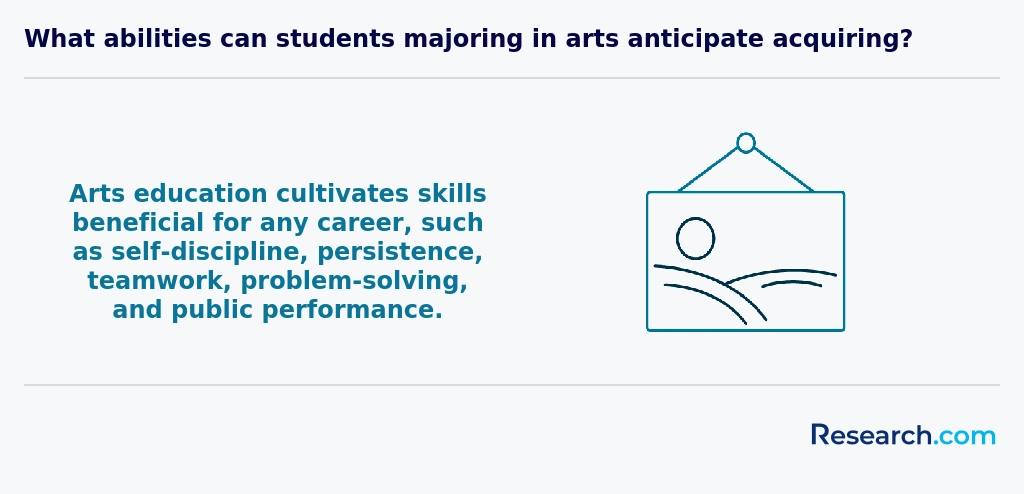
Graduates with a fine arts degree in Greensboro can explore diverse career paths that align with the city's vibrant creative scene. Many find success as professional artists, showcasing work at local venues like the Elsewhere Museum and Greensboro Fine Arts Center. This exposure helps new artists develop portfolios and build networks essential for long-term growth.
Graphic design and multimedia roles are also prominent, with marketing and advertising firms seeking creative talent. Graduates from institutions such as the University of North Carolina at Greensboro benefit from connections to these industries, turning classroom skills into practical job offers. For those looking to combine art with education, local schools and community centers offer teaching opportunities, supported by North Carolina's emphasis on arts education.
Another viable route includes working in public art and cultural management, where non-profits and government projects need professionals to curate and promote initiatives. Emerging fields like art therapy blend counseling with creativity, reflecting growing healthcare trends. Fine arts career opportunities in Greensboro also encourage freelancers and entrepreneurs to thrive, leveraging online sales and local studio openings. Many students enhance their prospects by exploring accelerated bachelor's programs to enter the workforce sooner.
The fine arts career opportunities in Greensboro reflect a balanced mix of challenges and potential. Graduates from local colleges often start with entry-level positions earning between $30,000 and $35,000, which is lower than the national average but aligned with the city's cost of living. Many have found success by blending their artistic talents with technology skills like digital arts or UX/UI design, which significantly improves their job prospects.
Greensboro's growing sectors-education, healthcare, and manufacturing-create indirect openings for fine arts graduates in roles such as graphic design or arts administration. Alumni from universities here commonly secure jobs in nearby museums, galleries, or educational institutions, where community support helps nurture creativity and professional growth. Some even leverage freelance opportunities by connecting with local businesses.
For students worried about expenses, Greensboro offers affordable fine arts programs that reduce debt. Those seeking guidance on the best educational path might consider an easiest degree option to balance cost and career goals effectively.
2027 Best Fine Arts Degree Programs Ranking in Greensboro
Investing in your education is a significant decision that can shape your future, and the Research.com team understands the importance of making informed choices. To assist prospective students in Greensboro, we have meticulously crafted the "2027 Best Fine Arts Degree Programs Ranking in Greensboro." Our commitment to quality, credibility, and accuracy is reflected in the extensive research and analysis conducted to compile this ranking.
We utilized the following reputable data sources to ensure a comprehensive evaluation of fine arts programs:
By exploring this ranking, readers will gain valuable insights into the top fine arts degree programs available in Greensboro, helping them make well-informed decisions about their educational journeys. For more details on our methodology, please visit our Research.com methodology page.


Frequently Asked Questions About fine arts
Fine arts degree students in Greensboro can maximize their learning by actively engaging with local art communities and resources. Greensboro has a vibrant arts scene, including galleries like the GreenHill Center for North Carolina Art, offering internships and exhibit opportunities. Participating in these activities helps students build portfolios and professional networks.
Students should also take advantage of Greensboro's public libraries and university facilities, which provide access to art history resources and studio spaces. Collaborative projects with peers enhance creative development and critical thinking skills.
Additionally, attending workshops, lectures, and regional art festivals supports skill growth and industry awareness. According to the National Endowment for the Arts, North Carolina ranks among the top states for arts employment, which highlights local opportunities for aspiring artists.
The fine arts field is rapidly evolving, with emerging niches gaining traction, particularly in Greensboro. One notable area is digital media art, combining traditional fine arts skills with technology like animation and virtual reality. This niche reflects a growing demand for artists skilled in digital story-telling and interactive design.
Another emerging focus is art therapy, where fine arts practices are used to support mental health and wellness. Greensboro's local healthcare and community organizations increasingly collaborate with educational programs to expand this field.
Additionally, sustainable art practices emphasizing eco-friendly materials and processes are rising, reflecting broader environmental concerns nationwide.
After completing a fine arts degree in Greensboro, preparing for the job market requires strategic steps. Students should develop a strong portfolio showcasing diverse work, as employers and galleries emphasize practical skills and creativity. Networking is essential; Greensboro hosts local art fairs and galleries, offering opportunities to connect with professionals. Internships or part-time roles in local studios or arts organizations add valuable experience.
Many graduates benefit from joining regional groups like the Piedmont Craftsmen, which supports artists in central North Carolina. According to the North Carolina Department of Commerce, arts-related employment in Greensboro grew by approximately 5% from 2018 to 2023, reflecting rising opportunities.
Additionally, researching grant programs and freelance possibilities can provide financial support as you establish your career. Building an online presence via social media or personal websites also increases visibility to potential clients or employers.
Employers in Greensboro highly value fine arts graduates who demonstrate strong creative thinking and technical skills. These include proficiency in digital design software like Adobe Creative Suite, which is essential for many local studios and galleries.
Communication skills are also critical, as artists often collaborate with clients and teams. The ability to present ideas clearly and accept constructive feedback enhances professional growth.
Additionally, a solid understanding of art history and contemporary trends helps graduates stay relevant in Greensboro's evolving arts scene. According to the 2023 Greensboro Arts Report, 68% of employers preferred candidates with a portfolio showcasing diverse techniques.
Time management and adaptability are further key skills, enabling graduates to meet deadlines and work on varied projects effectively.
Finding internships in Greensboro relevant to a fine arts degree involves targeting local art organizations, galleries, and educational institutions. The city is home to the Weatherspoon Art Museum, offering occasional internship opportunities focused on curation and arts administration. Additionally, Greensboro's vibrant arts scene includes nonprofit groups like the ArtsGreensboro, which supports emerging artists and facilitates internships.
Students should also explore partnerships through universities such as the University of North Carolina at Greensboro, known for its fine arts programs and career services that help connect students to internships.
Online platforms like Handshake and local job boards frequently list fine arts internships in the Greensboro area. Networking with local artists and attending art events can further increase chances of securing internships.
A fine arts degree in Greensboro offers valuable skills that enhance career mobility and advancement. Graduates develop creativity, critical thinking, and technical abilities applicable in various fields like graphic design, education, and multimedia arts. According to the U.S. Bureau of Labor Statistics, arts-related occupations in the Greensboro metropolitan area are projected to grow by 5% through 2030, suggesting positive employment opportunities for degree holders.
Local employers, including galleries and cultural institutions, often seek candidates with fine arts training for specialized roles. Furthermore, degree holders tend to qualify for higher-level positions that require formal education, boosting long-term career growth prospects.
Networking through Greensboro's creative community and internships can significantly improve job placement rates for graduates, enhancing career advancement possibilities within the region.
Studying for a fine arts degree in Greensboro equips students with skills beyond traditional artistic techniques, fostering interdisciplinary collaboration. Local institutions emphasize merging visual arts with technology, business, and communication, reflecting a rising demand in creative industries. According to the National Endowment for the Arts, North Carolina ranks among the top states for employment in arts-related fields, underlining regional opportunities.
Greensboro's curriculum often integrates digital media, design thinking, and project management, preparing students for roles in advertising, multimedia, and education. Partnerships with community organizations and businesses further expose students to real-world interdisciplinary projects. This approach cultivates versatility, critical for careers blending art with other professional sectors.
Choosing between a thesis and a non-thesis fine arts degree program in Greensboro depends largely on your career goals and learning preferences. Thesis programs typically require a substantial research project or creative portfolio, ideal for students aiming for academic careers or specialized artistic fields. According to the National Center for Education Statistics, about 40% of fine arts graduate students nationwide opt for thesis tracks to deepen their expertise.
Non-thesis options often focus more on coursework and practical skills, appealing to students seeking direct entry into professional art roles or community-based work. Local Greensboro institutions like UNCG emphasize flexible programs, with about 60% of fine arts graduates completing non-thesis degrees, reflecting strong regional demand for hands-on training.
Consider also time commitment: thesis programs may require additional semesters compared to non-thesis paths. Align your choice with your desired outcome and available resources.
Students in Greensboro seeking to study fine arts abroad have several pathways through U.S. higher education institutions that offer international programs. Many colleges near Greensboro, such as the University of North Carolina at Greensboro (UNCG), provide study abroad opportunities specifically tailored for arts students, including exchanges and summer programs in Europe and Asia.
These programs often focus on areas like art history, studio arts, and digital media, allowing students to gain global perspectives. According to the Institute of International Education, about 10% of U.S. arts students participate in study abroad, with increasing interest from North Carolina institutions.
Students should also explore partnerships between Greensboro schools and foreign art academies, which can provide credited experiences and internships. Planning early and consulting academic advisors is crucial to align study abroad options with degree requirements.
Many part-time job opportunities in Greensboro can effectively complement a fine arts degree education. Positions such as gallery assistants or art handlers provide hands-on experience managing and exhibiting artwork, which is essential for portfolio building. Local museums, like the Weatherspoon Art Museum, often seek part-time staff for visitor services or educational programming, enriching students' understanding of art curation and public engagement.
Additionally, fine arts students may find work as freelance art instructors or teaching assistants in community centers, enhancing their communication and instructional skills. With Greensboro's growing creative economy, freelance graphic design and illustration jobs are also common, offering practical application of digital art skills. According to the North Carolina Department of Commerce, the Arts & Culture sector in Greensboro contributes significantly to local employment, underscoring available opportunities.
Fine arts students in Greensboro benefit from a range of valuable networking opportunities that support their academic and professional growth. Institutions like the University of North Carolina at Greensboro (UNCG) offer connections to local art organizations, galleries, and festivals, which foster collaboration and exposure. According to UNCG's College of Visual and Performing Arts, students regularly participate in events such as the Greensboro Downtown Arts Festival, providing direct contact with practicing artists and potential employers.
Additionally, Greensboro's vibrant arts community includes groups like the GreenHill Center for North Carolina Art, which hosts exhibitions and workshops encouraging student involvement. These platforms enable students to build relationships beyond campus, enhancing career prospects in the competitive arts field.
Alumni networks play a significant role in supporting fine arts degree students in Greensboro. These networks connect current students with graduates who have navigated the local and national arts scenes, providing valuable mentorship and career guidance.
Many Greensboro institutions maintain active alumni associations, which organize workshops, exhibitions, and networking events. According to data from the North Carolina Arts Council, involvement in such networks increases job placement rates for fine arts graduates by up to 20% within the state.
Furthermore, alumni often collaborate with students on community projects and internships, giving practical experience and access to professional opportunities that may not be broadly advertised. This support enhances students' portfolios and professional visibility in Greensboro's competitive arts market.
Customizing a fine arts degree program in Greensboro involves selecting courses and experiences that align with your career goals. Many local colleges offer concentrations such as painting, sculpture, digital media, or art education, allowing you to specialize in your preferred discipline. Greensboro's educational institutions often provide opportunities for internships or collaborations with local galleries and arts organizations, essential for building professional networks.
Students can also benefit from elective courses that develop complementary skills, such as graphic design or art history. According to the North Carolina Department of Commerce, arts-related fields in Greensboro show steady employment growth, encouraging students to tailor their studies toward market demands.
Fine arts students in Greensboro often face financial challenges due to the high costs of materials, studio fees, and specialized equipment. Tuition expenses at local institutions such as the University of North Carolina at Greensboro can add to the burden, with average in-state tuition around $7,000 annually, excluding supplies. Additionally, limited local funding and scholarship opportunities for fine arts make it difficult for many students to sustain their creative studies.
Another common difficulty is balancing the time-intensive nature of fine arts programs with part-time work or internships. The demanding studio hours and project deadlines can create stress and impact academic performance. According to the National Endowment for the Arts, this time commitment is one of the top reasons fine arts students drop courses nationwide.
Furthermore, career uncertainty can affect students' motivation. Fine arts graduates in Greensboro face a competitive job market, as creative employment opportunities are limited compared to other fields. Data from the U.S. Bureau of Labor Statistics indicates that visual artists nationally have a median annual wage below the average for all occupations, which may impact students' outlook.
With a fine arts degree, graduates in Greensboro can pursue several professional certifications that enhance their career prospects. Notably, many opt for teaching certifications, such as the North Carolina Standard Professional 5 (SP5) license, which qualifies individuals to teach art in public schools. This requires completion of an approved teacher preparation program and passing relevant exams.
Other certifications include those for art therapists, requiring credentials from the Art Therapy Credentials Board (ATCB). This path blends psychology and art, offering specialized opportunities.
Additionally, credentials for curators or museum educators, like those offered by the American Alliance of Museums, can advance careers in local institutions such as Greensboro's Weatherspoon Art Museum. Staying certified often involves continuing education and professional development.
Writing a winning application for a fine arts program in Greensboro involves several key steps. First, applicants should carefully research local institutions such as the University of North Carolina at Greensboro, which offers reputable fine arts degrees. Submitting a strong portfolio is essential-include a diverse selection of your best work that demonstrates technical skills and creativity.
Additionally, a well-crafted personal statement explaining your artistic goals and connection to Greensboro's vibrant arts community can enhance your application. Admissions committees often value clear motivation and understanding of the regional arts scene.
Standardized test requirements vary, so confirm specifics with each school. Strong letters of recommendation from art instructors or professionals also support your candidacy.
According to the National Association of Colleges and Employers, portfolios and personal statements are critical in fine arts admissions nationwide, a trend reflected in Greensboro's programs.
The global outlook on a fine arts career is increasingly diverse, reflecting trends in both the US and international markets. In the United States, including Greensboro, fine arts graduates often pursue careers in fields such as graphic design, animation, and digital media, which are growing rapidly. According to the U.S. Bureau of Labor Statistics, employment in arts-related occupations is projected to grow about 4% from 2022 to 2032.
Internationally, fine arts careers emphasize cultural exchange and innovation, with opportunities in teaching, curating, and gallery management. Greensboro benefits from being part of a creative region rich in arts organizations and festivals, providing students multiple avenues for professional growth.
Despite some concerns about job stability, fine arts graduates in the US can leverage interdisciplinary skills, making their careers globally relevant. The integration of technology and entrepreneurship in fine arts education enhances adaptability to global markets.
Students pursuing fine arts degrees in Greensboro can gain practical experience through internships offered by local galleries, theaters, and arts organizations. These internships provide hands-on opportunities to develop skills in curation, production, and exhibition management.
Many Greensboro institutions, such as the University of North Carolina at Greensboro, integrate studio work and community projects into their curricula, allowing students to work on real-world artistic collaborations. Additionally, involvement in regional arts events like the annual ArtsGreensboro Festival can enhance practical learning.
Art students may also benefit from volunteering or freelance projects within the city's vibrant creative sector. According to the National Endowment for the Arts, approximately 1 in 7 adults in Greensboro participate in arts activities, illustrating the city's supportive cultural environment.
Choosing the right concentration within a fine arts degree program in Greensboro begins with understanding your personal interests and career goals. Common concentrations include painting, sculpture, graphic design, and digital media. Each offers distinct skills and job prospects, so researching local art market demands is important.
Enrollment data from UNC Greensboro, the region's largest art program, indicates high student interest in graphic design and digital media, reflecting national employment trends. Consider your preferred learning style as some concentrations emphasize studio work while others focus on technology or theory.
Visiting campuses and speaking with faculty can provide insight into available resources and internship opportunities in the Greensboro arts community.
- 2027 Best Fine Arts Degree Programs Ranking in Raleigh
- 2027 Best Fine Arts Degree Programs Ranking in Lynchburg
- 2027 Best Fine Arts Degree Programs Ranking in Washington
- 2027 Best Fine Arts Degree Programs Ranking in Baltimore
- 2027 Best Fine Arts Degree Programs Ranking in Pittsburgh
- 2027 Best Fine Arts Degree Programs Ranking in Atlanta
- 2027 Best Fine Arts Degree Programs Ranking in Columbus
- 2027 Best Fine Arts Degree Programs Ranking in Cincinnati
- 2027 Best Fine Arts Degree Programs Ranking in Philadelphia
- 2027 Best Fine Arts Degree Programs Ranking in Cleveland
- Application writing tips for individual artists https://www.affta.ab.ca/funding/help-and-resources/resources-individual-artists/application-writing-tips-individual-artists
- Bachelor of Fine Arts: Guide to Duration, Curriculum, and Career Paths - Artemisia College https://www.artemisiacollege.com/blog/bfa-guide-duration/
- Essential Strategies for Artists to Master the Art of Networking https://www.artworkarchive.com/blog/essential-strategies-for-artists-to-master-the-art-of-networking
- Arts+ Student Financial Aid Application https://www.artsplus.org/programs/financial-aid
- Alumni network - ESMA https://www.esma-artistique.com/en/outreach/alumni-network/
- Create a Niche Market for Your Art in a Sea of Artists https://lorimcnee.com/create-a-niche-market-for-your-art-in-a-sea-of-artists/
- Quick Links https://www.alfabetaglobal.com/schools/the-university-of-north-carolina-at-greensboro/programs/bachelor-of-fine-arts-in-art-printmaking-and-drawing-364ed9f8-74ea-4808-a22d-bc890f5628c7
- Jobs | Academy of Fine Art https://academy-of-fine-art.com/en/jobs-en/
- Apply for College, Financial Aid, Scholarships and Grants Information | Greensboro Library, NC https://library.greensboro-nc.gov/services/job-career/apply-for-college-financial-aid-scholarships-and-grants-information
- Careers in the Arts: Who Stays and Who Leaves? https://snaaparts.org/findings/reports/careers-in-the-arts-who-stays-and-who-leaves


