
2027 Most Affordable Fine Arts Degree Programs Ranking in Boulder

Co-Founder and Chief Data Scientist
If you're dreaming of pursuing a fine arts degree in Boulder, this article is here to guide you. It introduces the 2027 Most Affordable Fine Arts Degree Programs Ranking in Boulder, carefully crafted by the Research.com team of data scientists. Their goal is to help you quickly find programs that balance quality and affordability.
Exploring fine arts education can open doors to creativity and exciting career paths. This ranking makes it easier to choose a program that fits your budget and ambitions. Dive in and discover options that inspire your artistic journey without financial stress.
Key benefits of getting fine arts degree in Boulder
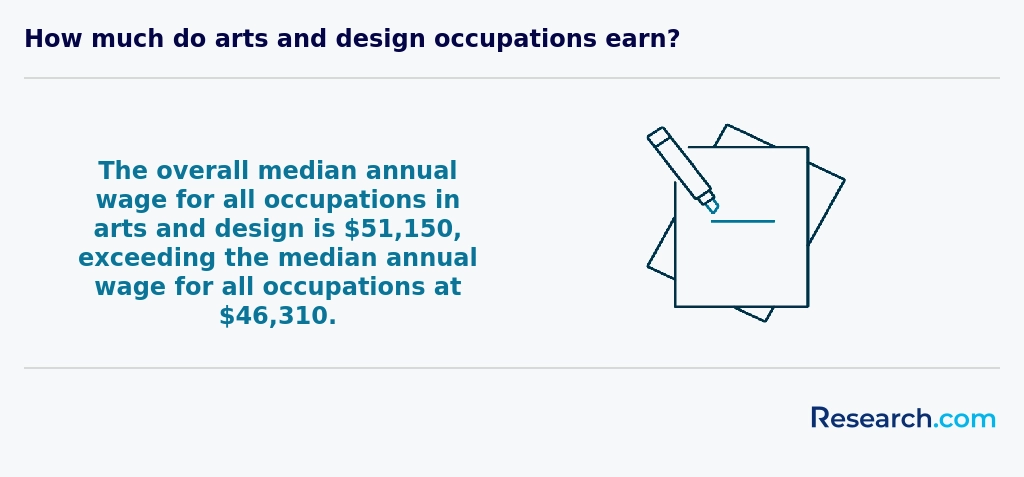
- Fine arts degree graduates in Boulder can enjoy rewarding salaries, such as $109,630 annually for animators and $71,420 for illustrators, reflecting strong earning potential in creative careers.
- Graduates from local schools often pursue diverse paths like graphic design, animation, or art therapy, showcasing versatile opportunities in the creative industry.
- earning a fine arts degree online in Boulder offers flexibility and convenience, allowing students to balance studies with work while still accessing quality education and networking opportunities.
- 2027 Most Affordable Fine Arts Degree Programs Ranking in Boulder
- What can I expect from fine arts degree in Boulder?
- Where can I work with fine arts degree in Boulder?
What can I expect from fine arts degree in Boulder?
The average cost of pursuing a fine arts degree in Boulder, especially at CU Boulder, is notably influenced by the city's higher living expenses. Tuition rates align with public university standards but students often share that budgeting for housing, supplies, and daily needs requires careful planning. Graduates reflect on their initial surprise at the cost of studio materials and frequent trips to local galleries for inspiration, which contribute to a richer educational experience but add to expenses.
Many fine arts students describe balancing part-time work or securing assistantships within CU Boulder's art department as valuable strategies to ease financial pressure. Scholarships targeted specifically for fine arts majors offered by the university can substantially offset costs, allowing students to focus more on creative exploration than monetary concerns. Living in Boulder means investing not only in education but also in being part of an active arts community that fosters growth beyond the classroom.
Where can I work with fine arts degree in Boulder?
Graduates from fine arts programs at Boulder's well-regarded institutions often find themselves drawn to the city's lively artistic scene, where creativity and community blend naturally. Many start their careers in local galleries or nonprofits, contributing as illustrators, graphic designers, or visual artists. One alum from a Boulder college shared how working at a neighborhood gallery not only refined their skills but also built lasting relationships with local artists and curators.
Others embrace teaching roles in Boulder Valley School District or community centers, where they joyfully engage learners of all ages, igniting passion for visual arts while sustaining a reliable income. The experience of guiding young creatives offers fulfillment beyond the studio, deepening connections within the arts ecosystem.
Some graduates take advantage of internships or job openings at Boulder's contemporary art museums, juggling hands-on art installation with exhibition design and programming. These positions cultivate adaptability and professional growth in culturally rich settings.
For those entrepreneurial spirits, Boulder's supportive grants and initiatives encourage setting up independent studios or creative shops. The city's enthusiasm for small arts businesses helps transform personal passion into livelihood, fostering a uniquely rewarding career path.
Graduates with a fine arts degree in Boulder often find a rewarding, if varied, financial landscape. For example, those stepping into graphic design roles can anticipate earning an average of around $64,700 annually, reflecting the local demand tempered by Boulder's vibrant but smaller market compared to major cities. Art teachers in the area, especially those connected with Boulder's educational institutions, typically earn about $70,740 per year, with many finding fulfillment in sharing their passion while maintaining stable incomes.
Many graduates also pursue careers as illustrators or animators, with illustrators earning a mean annual wage near $71,420 and animators reaching much higher, around $109,630 annually. These figures demonstrate how skills honed at places like the University of Colorado Boulder can translate into lucrative opportunities, especially when graduates combine creativity with digital expertise.
Art therapists, another niche profession supported by fine arts training, can expect mean wages near $75,660 annually. Boulder's supportive arts community encourages graduates to blend traditional art with emerging fields, allowing for both personal satisfaction and competitive earnings. Local experience shows that flexibility and networking are key to maximizing these opportunities.
- Annual tuition for in-state fine arts students in Boulder ranges from $12,000 to $14,000, while out-of-state students pay between $35,000 and $38,000.
- Additional costs may include materials, studio fees, and living expenses, which are not covered by tuition.
- Entry-level salaries for fine arts graduates in Boulder average between $35,000 and $45,000 per year.
- Mid-career earnings for fine arts professionals can grow to $50,000 to $60,000 depending on job type and experience.
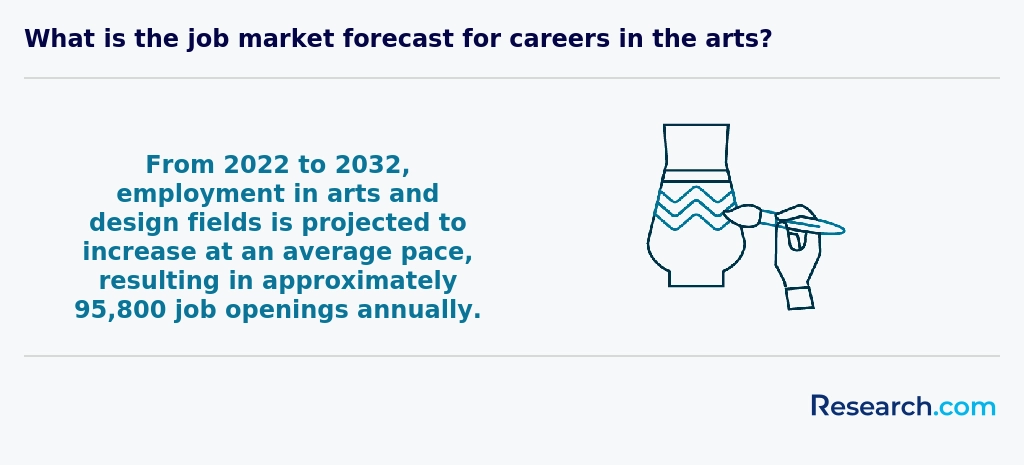
- Boulder's creative job market is growing, especially in digital arts, design, and multimedia sectors.
- Fine arts programs often include internships and hands-on learning to improve job prospects.
Completing a fine arts degree in Boulder typically spans from two to four years, shaped largely by the degree type and school choice. Many graduates who pursued a Bachelor of Fine Arts or a Bachelor of Arts with a fine arts focus at universities like the University of Colorado Boulder found the four-year timeline both challenging and rewarding, allowing them to immerse fully in studio work and creative exploration.
For those starting at institutions like Front Range Community College, the two-year Associate of Arts in fine arts provided an encouraging foundation, often motivating them to transfer to a four-year program and continue their artistic journey with confidence. The experience of balancing coursework with internships or part-time professional art practice often meant some students extended their studies, but the flexibility helped them nurture their individuality and artistic voice.
Graduate students pursuing a Master of Fine Arts usually invest an additional two to three years, where the process becomes intensely personal and professionally enriching, often culminating in a thesis exhibition that reflects their growth. Studying fine arts in Boulder offers a community-driven environment that supports creativity, making this timeframe a meaningful period of evolution rather than merely an academic requirement.
Boulder’s Fine Arts programs not only provide excellent academic training but also offer a rich campus life that enhances creative growth. Students benefit from vibrant communities that include art clubs, collaborative studios, and mentorship programs, giving them a head start in both their artistic careers and personal development. Many campuses host regular exhibitions, workshops, and guest lectures that foster peer-to-peer learning and industry exposure. These resources play a pivotal role in transforming a formal education into an immersive experience where theory meets practice. For instance, exploring the cheapest fine arts schools in colorado can reveal programs that not only deliver affordable tuition but also cultivate dynamic artistic communities on campus. This engaging lifestyle, combined with access to state-of-the-art facilities and active alumni networks, prepares students for success in an ever-evolving art world.
Choosing between online and on-campus fine arts degrees in Boulder often comes down to the kind of experience a student values most. Graduates from the University of Colorado Boulder frequently share how the hands-on access to studios and face-to-face critiques deepened their artistic skills and amplified their creativity. These moments of in-person interaction created a supportive community where spontaneous collaboration sparked new ideas.
On the other hand, online programs offer a flexible rhythm that many working professionals appreciate. Recent graduates mention how virtual critiques and digital portfolios allowed them to balance art with other responsibilities while still engaging with instructors and peers across distance. Though some miss the immediacy of physical studios, the convenience made pursuing a fine arts degree more accessible.
Ultimately, Boulder's vibrant arts environment underscores the value of connection-whether through walking the halls of a gallery on campus or participating in online forums that keep the creative dialogue alive.
The average cost of a fine arts degree in Boulder reflects a balance between quality education and financial planning. Graduates from well-regarded institutions like the University of Colorado Boulder often share their experiences about managing expenses while benefiting from strong art programs. The median total cost for completing a fine arts degree typically stands around $63,902, with in-state students seeing significantly lower costs near $15,666. This difference highlights how residency status plays a crucial role in shaping the affordability of fine arts education in the area.
Students pursuing affordable fine arts degree programs Boulder 2027 can expect these figures to include core tuition, while additional expenses for specialized materials such as paints, canvases, and technology still need to be factored in. Many graduates recall the excitement of acquiring necessary supplies but also recognize how these costs influence the budget. Those attending private schools often face higher tuition, yet scholarships and financial aid opportunities often create a more manageable path.
Exploring financial support options is a vital step; many local students benefit from federal and state grants or work-study programs. Prospective art students might also consider non-traditional routes to ease costs, such as researching part-time studies, which can be a practical alternative in pursuing artistic passions. For example, exploring part-time PhD tuition paths could align with personal circumstances and financial realities.
Ensuring your Fine Arts degree holds recognized accreditation and meets high-quality standards is vital for both academic credibility and career prospects. In Boulder, CO, most reputable Fine Arts programs are accredited by the Higher Learning Commission (HLC) and hold specialized recognition from the National Association of Schools of Art and Design (NASAD). These accreditations guarantee that curricula, faculty qualifications, and facilities adhere to rigorous benchmarks. Key quality indicators to evaluate: • Specialized Accreditation: Look for NASAD endorsement, which confirms that studio spaces, equipment, and faculty expertise align with national art education standards. • Faculty Credentials: Review faculty profiles for terminal degrees (MFA or PhD) and professional exhibition or publication records, ensuring mentorship from active practitioners. • Student-to-Faculty Ratio: A low ratio (ideally below 15:1) supports personalized feedback, critical in studio-based learning. • Facilities and Resources: Verify access to specialized studios-painting, sculpture, digital labs-and campus galleries for exhibition opportunities. • Graduate Outcomes: Examine placement rates, portfolio reviews, and alumni success stories to assess how effectively programs launch careers. For students seeking cost-effective advanced study options beyond Boulder, explore our Inexpensive Online Master's in Fine Arts Degree Programs Ranking in the Midwest to compare program quality and affordability.
Fine arts students in Boulder find a variety of financial aid options that can make the pursuit of their passion more accessible and less daunting. Many graduates from the University of Colorado Boulder, for example, recall relying on Pell Grants through FAFSA, which helped cover a substantial part of their tuition without adding debt. These grants, awarded based on need, can reach up to $7,395 annually, alleviating financial pressure while allowing students to focus on their creative growth.
State aid, such as the Colorado Student Grant, complements federal assistance by supporting residents who demonstrate financial need. Students often share how local scholarships from Boulder arts organizations or galleries provided crucial funding for supplies and personal projects, bridging funding gaps specific to artistic work.
Merit-based scholarships at institutions renowned for fine arts often reward dedication and talent, acknowledging the unique costs of studios and materials. Work-study opportunities within campus theaters or galleries also allow students to earn while gaining valuable experience, fostering both financial stability and professional development during their studies.
Boulder, CO offers far more than outstanding academic programs-it provides an immersive campus experience that nurtures creativity, collaboration, and personal growth. Students pursuing a Fine Arts degree here benefit from well-equipped studios, on-campus galleries, and a range of dynamic extracurricular activities, from art clubs to community mural projects. These elements not only enhance artistic skills but also foster networking opportunities that can serve as invaluable career launching pads. For example, engaging in student-run exhibitions and collaborative events has proven essential for many graduates, echoing the collaborative ethos of Boulder’s thriving arts community. Furthermore, the supportive campus resources, including academic advising and mentorship programs, help bridge the gap between classroom learnings and practical industry demands. Prospective students seeking broader insights can also explore our detailed analysis of cheapest fine arts schools in colorado to find programs that combine affordability with a complementary, vibrant student life. This comprehensive campus experience is designed to empower students not only academically but also personally, ensuring a well-rounded foundation for a successful and fulfilling career in the arts.
Enrolling in a fine arts degree in Boulder means first showing a solid academic foundation, usually demonstrated by a high school diploma or GED. Graduates often recall how this basic step felt like opening a door to creative exploration at institutions such as the University of Colorado Boulder. They emphasize that while academic records matter, the true key lies in the portfolio-a vibrant collection of original artwork that captures one's artistic journey and passion.
Many students describe the portfolio review as a moment of hopeful vulnerability, where sketches, paintings, or digital creations stand as a personal narrative. In Boulder, art programs encourage this authentic expression, shaping admissions around individual talent rather than just test scores. Some universities have adopted flexible testing policies, reducing emphasis on SAT or ACT results, allowing applicants to shine through their work and personal stories.
Letters of recommendation and personal essays also play a crucial role. Alumni express how articulating their artistic goals in writing helped faculty sense their dedication and creative mindset, setting them apart. These components combine to paint a full picture of readiness, blending motivation, skill, and the promise of future growth in Boulder's dynamic art communities.

A thriving campus environment and comprehensive support services are essential for Fine Arts students in Boulder, CO, to flourish both academically and creatively. From dedicated studio spaces to counseling and career planning, Boulder’s institutions prioritize student success at every stage. • State-of-the-Art Studios and Galleries: Universities like the University of Colorado Boulder provide 24/7 access to ceramics, printmaking, and digital labs, plus on-campus galleries where students exhibit work each semester. Engaging with fellow artists at student-run exhibitions fosters collaboration and real-world presentation skills. • Academic Advising and Mentorship: Personalized advising helps students tailor their course load, choose the right specializations, and prepare portfolios for internships or graduate school. Faculty mentors often guide budding visual artists toward interdisciplinary projects or even an affordable bachelors in video game design degree to expand their skill set in emerging media. • Career Services and Internship Support: Dedicated career centers host portfolio reviews, resume workshops, and networking events with local galleries, design firms, and community centers. Many students secure paid internships through partnerships with Boulder’s creative agencies, boosting both their resumes and confidence. • Wellness and Counseling Resources: Understanding the emotional intensity of artistic work, institutions offer free counseling, peer-led support groups, and stress-management workshops. Art therapy sessions and mindfulness groups, often led by Fine Arts alumni, help maintain mental well-being during rigorous studio critiques. • Student Organizations and Campus Events: Clubs such as the Boulder Art Collective and Digital Media Society organize guest lectures, film screenings, and off-campus field trips to national parks for plein air painting. These extracurriculars not only enrich portfolios but also build lifelong creative networks. By leveraging these resources-modern facilities, expert advising, and holistic wellness programs-Fine Arts students in Boulder gain the support they need to transform their passion into a successful career.
Students pursuing a fine arts degree in Boulder often find themselves immersed in a vibrant curriculum blending hands-on creation with deep intellectual exploration. At universities like the University of Colorado Boulder, core courses such as Drawing, Painting, and Sculpture are foundational, offering graduates a tactile connection to their craft and nurturing essential skills through constant practice.
Many graduates recall the energizing experience of critique sessions, where presenting their work among supportive peers sharpened both their creative vision and confidence. Studios buzz with experimentation, especially as digital art courses introduce them to new technologies, reflecting Boulder's forward-thinking art community.
Art History classes provide context, enabling students to situate their work within rich cultural narratives. Electives like Printmaking, Conceptual Art, and Interdisciplinary Arts encourage students to push boundaries, often inspired by Boulder's eclectic galleries and public art installations.
Portfolio Development is another highlight, empowering students to confidently showcase their individuality when stepping into the professional art world-an essential step long valued by Boulder's creative circles.
Fine arts degree specializations in Boulder reflect a rich diversity that allows students to deeply explore their artistic passions. Graduates from institutions like the University of Colorado Boulder often speak of their journeys through Painting and Drawing, where foundational skills merge with personal expression to create meaningful works. Others find fulfillment in Sculpture, working with clay, metal, or wood to give form to their creative visions.
Students drawn to digital and visual storytelling frequently engage in Photography or Graphic Design, blending technical expertise with innovative ideas. The printmaking concentration offers a unique hands-on experience, teaching both traditional and experimental artistic methods that inspire students seeking tactile creativity. Within Boulder fine arts program concentrations, Art History and Theory serve as vital foundations, enabling learners to appreciate art's broader cultural contexts and fuel their own creative impulses.
Moreover, opportunities to explore interdisciplinary areas such as animation and new media enrich many programs. For those balancing artistic studies with practical concerns, scholarships and programs boost accessibility. Like studying top jobs in childhood development, pursuing fine arts here integrates both passion and future readiness.
Choosing the best affordable fine arts degrees Boulder offers means focusing on more than just tuition; graduates often emphasize the importance of the curriculum's alignment with personal artistic goals. At the University of Colorado Boulder, students appreciate the strong blend of traditional studio arts and innovative digital media, which helps them explore different mediums and find their true passion. Many recall how smaller class sizes fostered a supportive environment where professors, who are practicing artists themselves, provided invaluable mentorship and tailored feedback.
Cost remains a significant consideration, especially when comparing the top fine arts programs cost Boulder faces students. Public universities in Boulder stand out for providing a high-quality education at more accessible rates, though be prepared for extra expenses like supplies and studio fees that reflect each program's unique offerings.
Facilities play a critical role in development. Graduates often fondly remember the vibrant arts community and local galleries that connect classroom learning with real-world experience. If flexibility is key for your schedule, you might also explore options like the online child development curriculum at Boulder institutions, which demonstrates how Boulder schools accommodate diverse student needs.
Graduates with a fine arts degree in Boulder discover diverse and fulfilling avenues by merging their creativity with practical skills honed at institutions like the University of Colorado Boulder. Many become professional artists who exhibit and sell their work in local galleries, thriving within Boulder's supportive arts scene. Others apply fine arts training as graphic designers, contributing to advertising and digital media, or pursue roles as art educators in schools and community centers, enriching Boulder's dynamic culture.
Opportunities expand further into illustration, animation, and gallery management, reflecting the broad spectrum of fine arts career opportunities in Boulder. For those drawn to healing and psychology, additional credentials open paths to art therapy, blending creativity with client care. Graduates often describe their journey as a vibrant balance of passion and professionalism fueled by Boulder's artistic energy and entrepreneurial spirit.
Students aspiring to remain in academia or research might explore higher education careers, contributing to the next generation of artists. These varied options make Boulder a nurturing place to pursue a fine arts degree, where real-world experience meets inspiring community support.

Graduates with a fine arts degree in Boulder often find themselves energized by the city's vibrant creative community and steady economic foundation. Local alumni from institutions like the University of Colorado Boulder frequently share how their involvement in gallery exhibitions and art festivals helped them gain visibility and build valuable networks. This real-world engagement is vital in Boulder's competitive landscape where a strong portfolio and entrepreneurial spirit often make the difference.
When exploring fine arts degree job opportunities Boulder offers, students discover roles ranging from graphic design to museum technician positions. One graduate reflected on how working with community art centers opened doors to freelance projects, highlighting Boulder's supportive market for contract work. Although positions in educational and nonprofit sectors exist, they often require adaptability and digital skills, reflecting the evolving demand in the fine arts community.
The cost of education also plays a role in career planning, and prospective students appreciate that local tuition rates remain affordable compared to national averages. This financial advantage complements the city's cultural fabric, encouraging graduates to pursue diverse paths confidently. For those balancing passion and practicality, considering affordable tuition teaching degrees can provide additional stability while nurturing artistic growth.
2027 Most Affordable Fine Arts Degree Programs Ranking in Boulder
Investing in your education is a significant decision that can shape your future, and the Research.com team understands the importance of making informed choices. To assist prospective students, we have meticulously crafted the "2027 Most Affordable Fine Arts Degree Programs Ranking in Boulder." Our commitment to quality, credibility, and accuracy is reflected in the extensive research and analysis conducted to compile this ranking.
We utilized the following reputable data sources to ensure a comprehensive evaluation of fine arts degree programs:
By exploring this ranking, readers will gain valuable insights into the most affordable fine arts degree options in Boulder, enabling informed decisions about their educational investment. For more details on our methodology, please visit our Research.com methodology page.

Frequently Asked Questions About fine arts
Fine arts degree students in Boulder can enhance their education by actively engaging with the local arts community. Boulder offers various galleries, studios, and annual events like the Boulder International Film Festival, which provide real-world exposure. According to the University of Colorado Boulder, opportunities for interdisciplinary collaboration and participation in exhibitions significantly benefit students' creative growth.
Internships and assistantships at local arts organizations or museums complement classroom learning. Research from the National Endowment for the Arts highlights that experiential learning increases skill retention by 40%. Additionally, connecting with faculty actively involved in contemporary arts projects allows students to gain insight into current trends and professional practices.
Utilizing campus resources such as workshops, critique groups, and technology labs also supports hands-on experience. Leveraging Boulder's natural environment can inspire original work, integrating outdoor settings into artistic practice, which aligns with trends reported by the College Art Association.
Emerging niches within the fine arts field reflect shifts in technology and cultural trends. In Boulder, growing opportunities lie in digital and interactive arts, blending traditional creativity with virtual reality and 3D modeling. According to the National Endowment for the Arts, digital arts jobs are expected to grow by 12% nationwide through 2030, paralleling increased interest in Boulder's tech-savvy environment.
Environmental art also gains momentum locally, where artists engage with sustainability themes, responding to Colorado's outdoor culture. Meanwhile, social practice art, which involves community collaboration, is becoming a significant niche as Boulder emphasizes inclusive public projects.
Graduates with fine arts degrees in Boulder should focus on building a professional portfolio that showcases a diverse range of work. According to the National Endowment for the Arts, portfolios are critical when applying for creative roles or gallery exhibitions. Networking is also essential; Boulder has a vibrant arts community, including organizations like the Boulder Arts Commission, which offers opportunities for collaboration and local exposure.
Internships and freelance projects can provide valuable real-world experience. The U.S. Bureau of Labor Statistics reports that 47% of artists supplement income through freelance work or related jobs. Additionally, gaining proficiency in digital art tools and marketing your art online can increase job prospects significantly.
Employers in Boulder value fine arts degree graduates who combine strong creative skills with practical abilities. Artistic proficiency in various media, such as painting, sculpture, and digital art, remains foundational. However, adaptability and technical skills, including proficiency in software like Adobe Creative Suite, are increasingly important.
Communication skills, both verbal and visual, rank highly, as graduates often collaborate with clients or work within multidisciplinary teams. Critical thinking and problem-solving abilities enable artists to develop unique concepts that meet market demands.
According to data from the Colorado Department of Labor and Employment, creative professionals with these combined skills have a 10% higher employment rate in Boulder's design and arts sectors compared to those with purely technical art skills.
Finding internships in Boulder relevant to a fine arts degree involves leveraging local educational institutions and community resources. The University of Colorado Boulder, which offers fine arts programs, often collaborates with regional galleries and creative industries to provide internship opportunities. Students should regularly check the university's career services and fine arts department announcements for openings.
Boulder's vibrant arts community includes organizations like the Boulder Museum of Contemporary Art and nonprofit galleries, which frequently seek interns. Networking at local art events and festivals can also lead to opportunities.
Online platforms such as Handshake and regional job boards tailored to arts internships are useful. National surveys indicate that about 65% of fine arts internships in urban areas involve unpaid or stipend-based positions, so students should prepare accordingly.
In Boulder, a fine arts degree offers notable advantages for career mobility and advancement, especially within the city's vibrant creative sector. Graduates often find opportunities in galleries, design firms, and local media, leveraging Boulder's supportive arts community. According to the National Endowment for the Arts, employment in arts-related fields in Colorado grew by 7% from 2018 to 2023, reflecting increased demand for skilled professionals.
A fine arts education cultivates versatile skills such as critical thinking and creativity, which employers highly value across industries. Many local businesses prioritize candidates with a fine arts background due to their innovative problem-solving abilities.
Boulder also benefits from strong ties between universities and local art institutions, enabling networking and internships that boost career prospects.
Studying for a fine arts degree in Boulder offers students a unique opportunity to engage in interdisciplinary education, combining traditional artistic skills with innovation in technology and other fields. Local institutions emphasize collaboration between art, design, digital media, and even environmental studies, reflecting Boulder's vibrant creative community. According to the National Center for Education Statistics, nearly 35% of fine arts students in Colorado participate in programs that integrate multiple disciplines, helping graduates adapt to diverse roles in industries like film, advertising, and interactive media.
Many Boulder programs also encourage partnerships with local tech companies and nonprofits, providing practical experience outside the classroom. This approach prepares students to work effectively in multifaceted projects, broadening career prospects beyond classic art roles.
Choosing between a thesis and a non-thesis fine arts degree program in Boulder depends largely on your career goals and learning preferences. Thesis programs typically require original research or a creative project, ideal for students aiming to pursue advanced study or academic careers. Non-thesis tracks focus more on practical skills through additional coursework, which suits those seeking direct entry into creative industries in Boulder's growing art scene.
At Boulder institutions like the University of Colorado Boulder, thesis options often involve faculty mentorship and can take longer to complete. Non-thesis paths may offer more flexibility and faster graduation. According to the National Center for Education Statistics, about 40% of fine arts graduates in Colorado choose thesis tracks, reflecting diverse professional focuses.
Consider also internship opportunities, program costs, and faculty expertise when making your choice to align studies with your personal and professional goals.
Students based in Boulder who wish to study fine arts abroad have several options through their home institutions and external programs. The University of Colorado Boulder, a leading local university, participates in study abroad partnerships offering fine arts coursework in countries like Italy and France, well-known for their rich artistic heritage. According to the university's recent study abroad report, over 150 students annually engage in arts-focused international experiences. These programs typically range from short summer courses to full semesters, allowing students to immerse themselves in diverse artistic traditions. Additionally, Boulder students can access external exchange programs and scholarships targeting international fine arts study.
Students pursuing fine arts degrees in Boulder can enhance their education through various part-time jobs linked to the local creative scene. Galleries and art museums often seek assistants, offering hands-on experience with exhibitions and curation. The Boulder Museum of Contemporary Art and other venues provide such opportunities, allowing students to engage directly with art communities.
Local art studios and workshops frequently hire teaching aides or assistants, a role valuable for developing instructional skills. Additionally, Boulder's vibrant event scene presents jobs in art fairs and cultural festivals, which can complement both practical and networking aspects of fine arts education.
Retail positions at art supply stores, such as Blick Art Materials, provide not only income but also access to industry resources and materials. These roles align well with students' academic schedules and often connect them with local artists and educators. According to the Boulder Chamber of Commerce, the city supports a growing creative economy, making these part-time opportunities both accessible and relevant.
Fine arts students in Boulder benefit from a range of networking opportunities tied to the city's vibrant arts community and educational institutions. The University of Colorado Boulder's Department of Art and Art History regularly hosts events, exhibitions, and workshops that connect students with local artists and potential employers. According to the university's recent reports, over 75% of graduating fine arts students participate in at least three networking events per academic year.
Additionally, Boulder's local galleries and art festivals provide informal settings for students to showcase work and meet professionals. Groups such as the Boulder Arts Commission also offer mentorship programs and artist residencies, enhancing opportunities for collaboration. These resources collectively support aspiring artists in building professional relationships critical to successful careers.
Alumni networks provide valuable support to fine arts degree students in Boulder by connecting them with established professionals in the art community. These networks offer mentorship opportunities, which can guide students through the challenges of building a creative career.
Many alumni participate in local exhibitions and workshops, giving current students chances to showcase their work and gain exposure. According to the University of Colorado Boulder's Alumni Association, over 70% of fine arts students report increased internship and job opportunities through alumni connections.
Additionally, alumni networks facilitate collaborations and provide insight into the evolving art market, helping students understand industry trends and expand their professional portfolios effectively.
Fine arts degree programs in Boulder offer various ways to tailor your education to match your career goals. You can often choose concentrations such as painting, sculpture, digital media, or photography, allowing deeper focus on your preferred medium. Many Boulder institutions provide interdisciplinary options, combining fine arts with business, education, or technology to prepare for diverse careers.
Students can customize their coursework by selecting electives aligned with specific fields like art therapy, gallery management, or animation. Hands-on studio experience and internships available in Boulder's vibrant arts scene help build practical skills and professional networks. According to the National Center for Education Statistics, about 65% of fine arts students in Colorado customize their degrees through specialization or minors.
Fine arts students in Boulder often face several challenges during their academic journey. One common issue is the high cost of living in Boulder, which can strain students' budgets, especially since fine arts programs sometimes require additional expenses for materials and supplies. According to the U.S. Bureau of Labor Statistics, art supplies can add hundreds of dollars annually to student expenses.
Another challenge involves balancing studio time with academic coursework. Fine arts degrees typically demand extensive hands-on work, which can be time-consuming and physically demanding. This workload may impact students' ability to engage in internships or part-time jobs.
Finally, securing post-graduation employment remains a concern. National Endowment for the Arts data shows that fine arts graduates often face competitive job markets and may need to explore diverse career paths beyond traditional roles to sustain income.
With a fine arts degree, students in Boulder can pursue several professional certifications that enhance their career prospects. One common path is obtaining a teaching certification through the Colorado Department of Education, which allows graduates to teach art in K-12 schools. This requires completing a teacher preparation program and passing relevant exams.
For those interested in art therapy, certification through the Art Therapy Credentials Board (ATCB) is an option, requiring a master's degree and supervised clinical experience. Additionally, certificates in graphic design or digital media, offered by local institutions, can complement a fine arts background.
Though specific Boulder data on certification uptake is limited, the growing arts community supports such credentials.
Writing a winning application for a fine arts program in Boulder requires a clear presentation of your artistic vision and skills. Most Boulder institutions value a compelling portfolio that highlights your technical ability and creativity. According to the National Association of Schools of Art and Design, portfolios often contribute more than 50% to acceptance decisions.
In addition to your portfolio, provide a well-crafted personal statement explaining your passion for fine arts and your goals. Academic records matter, but many Boulder programs prioritize demonstrated artistic potential over GPA.
Recommendations from instructors who can attest to your creative growth strengthen your application. Finally, meeting application deadlines and following specific submission guidelines is crucial to avoid disqualification.
A fine arts career in Boulder reflects broader trends seen across the United States and globally. While fine arts jobs may seem competitive, the U.S. Bureau of Labor Statistics projects a 4% growth in employment for artists and related workers through 2031, slightly above average for all occupations. Boulder benefits from a vibrant art community, and its fine arts graduates often engage with international art markets and cultural exchanges. Globally, fine arts careers emphasize adaptability, including digital media skills, reflecting changes in technology and audience reach. U.S. institutions increasingly prepare students for these global challenges.
According to data from the National Endowment for the Arts, fine arts professionals with formal education enjoy higher earning potential and broader opportunities. Boulder's access to nearby cultural hubs like Denver enhances exposure to diverse artistic perspectives and international collaborations. For students in Boulder, understanding these global shifts can shape a successful fine arts career aligned with worldwide trends.
Students pursuing fine arts degrees in Boulder can gain practical experience through several valuable opportunities. Many programs at local colleges, including the University of Colorado Boulder, emphasize hands-on learning via studio courses where students develop real projects. Internships with local galleries, museums, and art organizations offer exposure to professional environments, helping students build portfolios.
The Boulder arts community is active, providing workshops, exhibitions, and collaborative projects. According to Boulder Arts Week data, over 70% of fine arts students engage in community events annually. Additionally, student-run galleries on campus create spaces to showcase and sell original work, giving practical experience in art marketing and presentation.
Choosing the right concentration within a fine arts degree program in Boulder begins with understanding your personal interests and career goals. Fine arts programs typically offer concentrations such as painting, sculpture, graphic design, or digital media. Research shows that 63% of Boulder fine arts students lean toward digital and multimedia arts, reflecting growing industry demand (National Arts Education Association, 2023).
Consider the faculty expertise and studio resources available at Boulder institutions. Schools like the University of Colorado Boulder provide access to advanced digital labs and traditional studios, which can significantly influence experience and skill development.
Additionally, review local internship and exhibition opportunities. Boulder's vibrant arts community offers events and galleries that support artist growth in various disciplines.
- 2027 Most Affordable Fine Arts Degree Programs Ranking in Denver
- 2027 Most Affordable Fine Arts Degree Programs Ranking in Kansas City
- 2027 Most Affordable Fine Arts Degree Programs Ranking in Denton
- 2027 Most Affordable Fine Arts Degree Programs Ranking in Dallas
- 2027 Most Affordable Fine Arts Degree Programs Ranking in Columbia
- 2027 Most Affordable Fine Arts Degree Programs Ranking in Minneapolis
- 2027 Most Affordable Fine Arts Degree Programs Ranking in Saint Paul
- 2027 Most Affordable Fine Arts Degree Programs Ranking in Riverside
- 2027 Most Affordable Fine Arts Degree Programs Ranking in Saint Louis
- 2027 Most Affordable Fine Arts Degree Programs Ranking in Los Angeles
- What is Fine Arts? Meaning, Scope & Careers Explained https://jgu.edu.in/opjgublog/what-is-fine-arts/
- Job Opportunities | Groundworks Art Lab https://www.groundworksartlab.org/job-opportunities
- Benefits of Fine Arts Education: Creativity & Confidence Boost https://palcs.org/advantage-fine-arts-education-creativity-confidence/
- Arts, History and Humanities in Global Perspective https://u-paris.fr/language/en/arts-history-and-humanities-in-global-perspective-en/
- Careers in the Arts: Who Stays and Who Leaves? https://snaaparts.org/findings/reports/careers-in-the-arts-who-stays-and-who-leaves
- 404 – Seite nicht gefunden https://www.gostudent.org/en-gb/blog/what-jobs-can-you-get-with-a-fine-arts-degree
- Art Internships: Your Complete Guide | Sotheby's Institute of Art https://sothebysinstitute.com/articles/art-internships-your-complete-guide/
- BA Hons Fine Art Enrolment Form https://www.oca.ac.uk/courses/ba-fine-art/
- Bachelor of Fine Arts in Art & Design (BFA) https://www.ualberta.ca/en/art-design/undergraduate-programs/bfa-art-and-design.html
- MFA Statement of Purpose: The Artist Statement + Academic Goals Hybrid https://gradpilot.com/news/mfa-statement-of-purpose-artist-statement-guide


