
2027 Best Fine Arts Degree Programs Ranking in the USA

Co-Founder and Chief Data Scientist
Choosing the right fine arts degree program can shape your creative future and open exciting career opportunities. To support your journey, this article presents the 2027 Best Fine Arts Degree Programs Ranking in the USA, carefully developed by the Research.com team of data scientists.
By exploring this ranking, you'll gain clear insights into top programs that match your passion and goals. Pursuing a fine arts degree is a fulfilling step toward personal growth and professional success. We're here to help you make an informed, confident decision on your artistic path.
Key benefits of getting fine arts degree in America
- Fine arts degree graduates can pursue rewarding careers such as Animator, earning a mean annual wage of $109,630, or Illustrator with an average salary of $71,420, showcasing strong earning potential.
- Graduates from popular universities often find diverse career paths in graphic design, animation, and therapeutic art roles, providing creative fulfillment and job variety.
- Online fine arts degrees from respected institutions offer flexible learning schedules and lower costs, making it easier for busy students to achieve their goals without sacrificing quality education.
- 2027 Best Fine Arts Degree Programs Ranking in the USA
- What can I expect from fine arts degree in America?
- Where can I work with fine arts degree in America?
What can I expect from fine arts degree in America?
The average cost of a fine arts degree in America varies widely depending on the type of institution you choose. Public in-state universities usually charge around $10,000 per year, making them a practical option for many students looking to manage expenses while gaining solid training. For example, graduates from state schools often share how balancing affordable tuition with access to on-campus studios and galleries helped them focus on refining their skills without overwhelming debt.
Private colleges renowned for their fine arts programs, such as those in New York or California, can exceed $35,000 annually. While this might seem steep, students often emphasize the value of smaller class sizes, personalized mentoring from practicing artists, and prestigious exhibition opportunities that boost portfolios for future careers.
Many fine arts students also actively seek scholarships and grants based on artistic merit. These financial aids can significantly offset tuition costs, especially when paired with summer internships or teaching assistant roles, which provide both experience and income.
In practical terms, budgeting for a four-year program means preparing for tuition, materials, and living expenses. Graduates recall that smart planning and leveraging campus resources made their education financially manageable while fueling their passion.
Where can I work with fine arts degree in America?
Graduates with fine arts degrees from institutions like the Rhode Island School of Design or the School of the Art Institute of Chicago often secure positions in creative sectors such as galleries, museums, and cultural organizations. Working as art curators or museum assistants allows them to blend passion with practical tasks like organizing exhibitions or preserving artworks. These roles provide fulfilling environments where their education directly impacts public engagement with art.
Others find rewarding careers in education, teaching art in public or private schools or lecturing at colleges. The high demand for qualified art teachers nationwide means graduates from schools like Pratt Institute can enjoy steady employment and the joy of inspiring future artists.
Entertainment and commercial industries also offer viable options. Graduates have worked in animation studios or advertising agencies, creating engaging visual content for brands or media companies. Freelancing is popular among graduates who want creative freedom, balancing independent projects with contract work.
Graduates from fine arts programs at well-known institutions such as the Rhode Island School of Design or the School of the Art Institute of Chicago often transition into careers where salary ranges can vary widely. For example, a Graphic Artist with a fine arts background can expect a mean annual wage of about $64,700 according to 2023 data, which reflects a solid entry point in urban creative industries.
Those who specialize as Illustrators or Animators tend to earn even more, with mean salaries of $71,420 and $109,630 respectively. These figures highlight how adding technical skills like digital animation can substantially increase earning potential, especially in major markets like New York or Los Angeles.
Graduates pursuing art therapy can earn around $75,660 annually, showing that combining fine arts with healthcare opens additional financial opportunities. The diversity of roles available after graduation means building a strong portfolio and gaining relevant skills are essential steps to maximize income potential.
By understanding these real salary figures, fine arts students can plan strategically-balancing creative passions with practical financial goals in America's competitive job market.
- Fine arts degrees usually take four years and lead to a Bachelor of Fine Arts (BFA) or Bachelor of Arts (BA).
- Tuition costs range from $10,000 to $25,000 per year at public universities for in-state students and can exceed $35,000 annually at private schools.
- Additional expenses for materials and supplies can add several hundred to a few thousand dollars each year.
- The median annual wage for artists and related workers was about $50,000 in 2022, with entry-level salaries often between $30,000 and $40,000.
- Job growth in fine arts careers is projected at about 4% over the next decade, particularly in digital media and animation.
- Many fine arts programs are accredited by the National Association of Schools of Art and Design (NASAD), which helps ensure quality education.
Most students completing a fine arts degree in America spend about four years in full-time study, especially those enrolled in Bachelor of Fine Arts (BFA) or Bachelor of Arts (BA) programs at schools like the Rhode Island School of Design or the California Institute of the Arts. These programs balance studio practice with art history and theory classes, creating a well-rounded experience. Graduates often describe this time as intense yet rewarding, as they develop both technical skills and a personal artistic voice.
If you plan to pursue a Master of Fine Arts (MFA), expect an additional two to three years beyond your bachelor's degree. Students at universities such as the School of the Art Institute of Chicago find this period heavily focused on creating original work, exhibitions, and professional readiness, which can feel challenging but deeply fulfilling.
Keep in mind that part-time study, internships, or portfolio development may extend your timeline. Many students find it helpful to plan their schedules carefully to balance academics and artistic growth, ensuring they finish within their desired timeframe.
Navigating the dynamic campus life is essential for prospective Fine Arts students seeking an immersive educational journey. Beyond the classroom, students flourish through vibrant art clubs, collaborative studio spaces, and community-driven initiatives that foster creative expression and lifelong professional relationships. On-campus exhibitions, workshops led by renowned artists, and spontaneous creative gatherings contribute to a nurturing environment where budding artists can experiment and evolve. These experiences not only enrich academic learning but also build a solid foundation for future career success through robust networking opportunities. Additionally, many institutions offer supplementary programs that provide guidance on building a competitive portfolio, managing creative projects, and even preparing for competitive industry challenges. For those evaluating budget-friendly options, exploring the most affordable fine arts programs can be a valuable first step toward balancing quality education with financial viability. Embracing campus life, therefore, becomes a pivotal element of the overall Fine Arts educational experience, laying the groundwork for both artistic growth and professional achievement.
When choosing between online and on-campus fine arts degrees in America, consider how each aligns with your creative workflow and lifestyle. On-campus programs, like those at the Rhode Island School of Design or the School of the Art Institute of Chicago, immerse you in studios filled with materials for painting, sculpture, and printmaking. Graduates often describe the hands-on access to equipment and face-to-face critiques as game-changing for developing their skills and confidence.
Alternatively, online degrees offer flexibility, ideal for balancing work or family commitments. Students at institutions such as the Academy of Art University often engage through digital portfolios and virtual critiques, focusing more on theory or digital media art. Though you might miss campus galleries and in-person networking, many online programs provide virtual communities to foster collaboration.
Financially, on-campus programs typically cost between $15,000 and $40,000 annually, while online options range from $10,000 to $25,000, reflecting savings on housing and commuting. Select the path that fits your artistic goals, daily routine, and budget for the best creative growth.
Fine Arts programs are not just about classroom learning-they also offer a vibrant campus culture that can enrich your creative journey. Students often describe a dynamic atmosphere characterized by lively art exhibitions, creative clubs, cross-disciplinary collaborations, and community events that nurture both artistic and personal growth. Many institutions host open studio nights, gallery walks, and collaborative projects where students network with visiting artists, alumni, and industry professionals, forming relationships that can lead to future opportunities. In addition, the culture of mentorship and peer-to-peer learning plays an essential role, with many universities offering dedicated spaces for brainstorming, critique sessions, and informal gatherings that spark creative inspiration. For those looking to balance quality education with cost efficiency, exploring the most affordable fine arts programs can be a strategic way to access both exceptional academic resources and a thriving campus community. Overall, the strong sense of community and the vast array of extracurricular opportunities create an environment where students not only excel academically but also evolve as well-rounded artists ready to face the challenges of the professional world.
The average cost of a fine arts degree in America typically hovers around $46,651 in total, based on recent median data. This figure reflects the combination of tuition, fees, and other essentials over four years of study. For in-state students attending public universities known for their fine arts programs, like those found in states with strong arts communities, costs are significantly lower-closer to $20,360 total. Out-of-state attendees, meanwhile, should expect to pay roughly double that amount due to higher tuition rates. Students pursuing a fine arts degree at private colleges, often renowned for their specialized art departments, face higher financial commitments, but many graduates recall it as a worthwhile investment in their creative future.
Understanding the total expenses for fine arts degree 2027 means budgeting not just for tuition but also for art supplies, workshops, and studio fees, which can add between $1,200 and $3,000 yearly. Graduates from popular institutions report that these extra expenses, while sometimes unpredictable, fuel their hands-on learning experiences and creative growth. When planning finances, it's practical to explore merit-based scholarships common in fine arts programs, as about 85% of students receive some form of financial aid. These grants and scholarships can make a noticeable difference in managing overall costs and are especially vital for students at private colleges.
As many students find, researching options early helps to identify the most cost-effective routes. Those looking to save can check out the most affordable fine arts programs, which often offer quality education at a sustainable price, easing financial concerns while nurturing artistic talent and ambition.

In today’s rapidly evolving educational landscape, Fine Arts programs are embracing groundbreaking trends that transform both classroom learning and creative practice. One of the most significant shifts is the integration of digital technologies into traditional techniques, which not only expands the artistic toolkit but also prepares graduates for a hybrid art world. Institutions are increasingly blending virtual reality, digital exhibitions, and interactive media into their curricula, enabling students to develop innovative skills that appeal to modern employers. Additionally, sustainable practices are emerging as a core value within Fine Arts, with programs encouraging eco-friendly art initiatives and socially responsible projects. Prospective students are now considering programs that offer not just prestigious artistic training but also practical solutions, such as exploring the most affordable fine arts programs that provide both high quality and innovative digital resources. By staying attuned to these trends, students can ensure that they are not only current in their creative expressions but also well-equipped to navigate the dynamic job market of the future.
Many fine arts students attending well-known institutions like the Rhode Island School of Design or the Savannah College of Art and Design rely heavily on Pell Grants to ease tuition costs. These grants, offering up to $7,395 annually for the 2023-2024 year, provide non-repayable aid based on financial need, making a significant difference for those balancing budgets.
Graduates often recall combining Pell Grants with federal student loans, which feature manageable interest rates and flexible repayment options tailored for students pursuing creative careers. This combination covers a large portion of the $10,000 to $25,000 annual tuition typical at public universities, and even more at private schools.
Scholarships play a critical role as well. Many art students actively apply to competitive funds such as those from the Scholastic Art & Writing Awards or school-specific scholarships that reward both talent and academic performance. A graduate from the California Institute of the Arts shared how securing a talent-based scholarship made studio fees affordable and reduced financial stress.
Work-study and part-time assistantships are practical steps. At schools like the School of the Art Institute of Chicago, students find these opportunities help cover living expenses while building valuable industry experience. State grants and tuition waivers, especially for in-state students, further lighten financial burdens in many cases.
As the landscape of artistic practice evolves, Fine Arts degree programs in America are increasingly integrating cutting-edge disciplines such as digital art, immersive media, and blockchain applications. Many institutions now offer specialized courses in virtual reality (VR) and augmented reality (AR), equipping graduates to design interactive installations and environments for museums, galleries, and entertainment industries. The rise of NFTs (non-fungible tokens) has created new revenue streams for artists, transforming traditional notions of ownership and distribution in the art world. Students curious about expanding their skills in time-based media can explore options like the top online animation degree, which combines rigorous artistic training with advanced digital animation techniques. Collaborations between art schools and technology firms are fostering interdisciplinary projects that blend fine art with game design, user experience (UX), and spatial computing. For example, graduates are now participating in research labs to develop VR storytelling experiences or contribute to game narratives that demand strong visual concepts and sound design. This convergence of art and tech not only diversifies career paths-spanning from immersive exhibition design to interactive advertising-but also elevates the value of a Fine Arts degree in a competitive job market. Furthermore, sustainable and socially engaged art practices are gaining prominence within curricula. Programs are encouraging students to experiment with eco-friendly materials, community-based projects, and public art commissions that address social justice issues. By staying informed of these trends, prospective students can select programs that align with both their creative ambitions and the shifting demands of galleries, cultural institutions, and commercial enterprises. In summary, the most forward-thinking Fine Arts degree programs are those that balance traditional studio practices with emerging technologies, interdisciplinary collaboration, and socially conscious art. As these trends continue to shape the future of art and design, graduates will be uniquely positioned to innovate across industries and redefine the role of the artist in society.
To enroll in a fine arts degree program in America, the first step is ensuring you have a high school diploma or equivalent, such as a GED. Many graduates from well-known schools like the Rhode Island School of Design or the School of the Art Institute of Chicago highlight how maintaining a GPA of around 2.5 to 3.0, particularly in art-related courses, strengthened their applications. This academic foundation is essential but not enough on its own.
A standout portfolio showcasing your best creative work is key. Imagine assembling sketches, paintings, or digital art that tell your unique story-graduates often share how this collection became their most powerful application tool. Many universities require physical or digital portfolio reviews, so prepare to present your work confidently.
Standardized tests like the SAT or ACT are still common requirements, though some schools have adopted test-optional policies, easing this hurdle. If English isn't your first language, demonstrating proficiency through TOEFL or IELTS is important. Finally, strong letters of recommendation from art teachers or mentors help bring your creative potential and dedication to life for admissions committees.
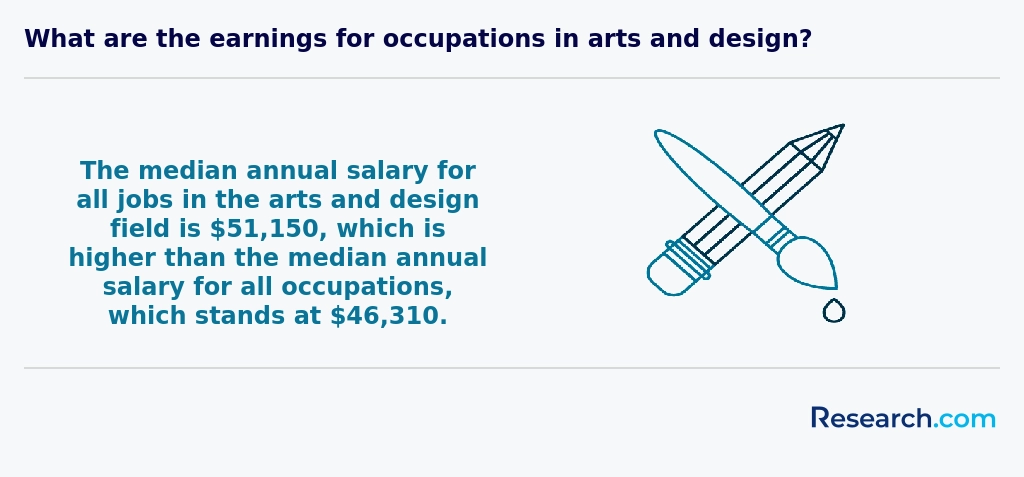
While academic rigor and career outcomes are crucial, a vibrant campus life plays an equally important role in enriching a Fine Arts education. In this section, we explore the unique cultural environment, extracurricular opportunities, and community engagements that can greatly influence a student’s creative journey. From collaborative studio spaces and art clubs to interactive workshops and local exhibitions, campus life fosters peer learning and networking that go beyond the classroom. Students often describe their time on campus as a period of creative exploration, where informal critiques, cultural festivals, and guest lectures stimulate both artistic and personal growth. For example, many institutions organize open studio events and resident artist programs that enable students to connect with established professionals, gain feedback on their work, and build mentorships that extend into their careers. Additionally, students can take advantage of affordable housing options, local art scenes, and community spaces that serve as creative hubs, helping them balance study with real-world artistic experiences. To learn more about cost-effective educational opportunities that support both financial planning and creative development, check out our page on most affordable fine arts programs. This blend of academic and social experiences significantly enhances the overall quality of a Fine Arts education, preparing students not only to excel in their studies but also to thrive as part of a dynamic artistic community.
If you're aiming to pursue a fine arts degree in America, expect a mix of practical studio courses and theoretical classes that build a strong foundation. For example, graduates from top schools like the School of the Art Institute of Chicago often highlight studio art courses-painting, sculpture, and drawing-as core components that sharpen hands-on skills and individual style.
Alongside this, art history and theory courses play a crucial role. Students at places like the Rhode Island School of Design report how learning about global art movements and influential artists deepened their creative perspectives and critical thinking, essential for meaningful artistic expression.
Moreover, many programs integrate digital arts and multimedia design, reflecting how technology shapes modern creativity. Using tools like Adobe Creative Suite or 3D modeling software is commonly emphasized, preparing students to meet today's industry standards.
Finally, criticism and professional development classes help students articulate their work confidently and navigate careers post-graduation. Graduates often mention how portfolio development and arts management courses from universities like UCLA gave them a practical edge when entering the job market.
Fine arts degree specializations USA typically include focused areas such as Painting and Drawing, Sculpture, Graphic Design, and Photography, each designed to hone specific creative skills. For example, graduates from institutions like the Rhode Island School of Design often share how intensive practice in media such as oil painting or digital software use prepared them for real-world artistic challenges. Many programs also offer Ceramics and Printmaking, where students learn traditional crafts alongside modern techniques, cultivating both technical proficiency and artistic innovation.
Interdisciplinary paths like animation and digital arts are increasingly popular, with schools like Savannah College of Art and Design providing cutting-edge tools and curriculum. For those evaluating types of fine arts programs in America, this variety enables students to match their passion with industry demands effectively. Graduates from these tracks frequently express satisfaction in how their skills translated into diverse creative careers. Those interested in this evolving field may explore top online animation degree programs to supplement hands-on learning and widen their professional prospects.
Start by scrutinizing the curriculum and specializations when selecting from the best fine arts degree programs in the USA. Graduates from top schools like the Rhode Island School of Design often praise programs that allow exploration across mediums such as painting and digital media, combined with access to well-equipped studios and galleries. This hands-on approach builds confidence and skill.
Next, evaluate faculty reputation. Programs where instructors are active artists with strong networks, seen at institutions like the School of the Art Institute of Chicago, often open doors to career opportunities and meaningful mentorships. Learning from practicing professionals gives practical insight beyond textbooks.
Cost is a real concern for many American students. Public universities offer competitive tuition for in-state students, but be mindful of additional expenses like supplies. Consider scholarship options and financial aid, as some schools provide targeted assistance for fine arts students. Also, check if there are assistantships or internships that combine learning with financial support, similar to what graduates from Pennsylvania Academy of the Fine Arts have experienced.
Accreditation is non-negotiable. Look for programs recognized by NASAD to ensure quality education. Finally, if you want to accelerate your education, consider a 1 year master program that fits your goals and timeline.
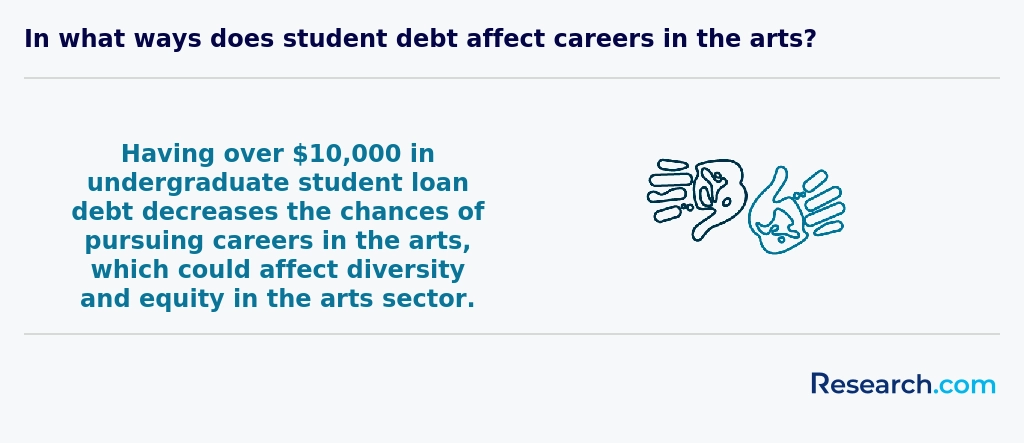
Graduates with a fine arts degree in America find a range of practical career paths that leverage their creativity and skills. Many successfully become visual artists-painters, sculptors, or illustrators-selling original works in local galleries or online platforms. Others pursue graphic design, using software tools to create marketing materials and brand visuals, often combining freelancing with steady contracts. Graduates from renowned art programs at universities like the Rhode Island School of Design or California Institute of the Arts report positive experiences balancing creative expression with viable income streams.
Teaching is another growing avenue: many graduates work as art educators in schools, benefiting from a 9% job growth forecast and the rewarding experience of mentoring young artists. Additionally, careers as curators, art directors, or arts administrators in museums and cultural institutions offer steady roles that blend business acumen with passion for the arts. For those aiming to expand skill sets or explore blend opportunities, exploring options like the easiest masters degree canada can provide a flexible boost to career options.
Overall, fine arts degree career options USA graduates choose often involve combining multiple disciplines, reflecting the diverse, dynamic landscape of opportunities for fine arts graduates in America.
Fine arts degree job opportunities in the USA often require more than just academic credentials. Graduates from schools like the Rhode Island School of Design or the School of the Art Institute of Chicago find that building a strong portfolio and networking within local art communities greatly enhance their chances of employment. Many secure roles as graphic designers, art directors, or multimedia artists, working either in agencies or as freelancers, which offers creative freedom despite income variability.
Employment outlook for fine arts graduates America presents moderate growth, with key metropolitan areas such as New York and Los Angeles offering the most vibrant art markets. Graduates from institutions like California College of the Arts report that proficiency in digital tools combined with internships often leads to steady jobs. Starting salaries generally hover around $40,000 annually, reflecting an industry where passion often balances financial realities.
When considering cost, students can explore options such as a cheapest online master's program to manage expenses while gaining skills in emerging creative fields. Understanding these practical steps will help fine arts students successfully navigate the challenging but rewarding American job market.
2027 Best Fine Arts Degree Programs Ranking in the USA
Investing in your education is a significant decision that can profoundly impact your future, and the Research.com team recognizes the importance of making well-informed choices. To support prospective students seeking excellence in fine arts, we have carefully developed the "2027 Best Fine Arts Degree Programs Ranking in the USA." Our dedication to quality, credibility, and accuracy is demonstrated through extensive research and rigorous analysis.
We utilized the following reputable data sources to ensure a comprehensive evaluation of fine arts programs:
By reviewing this ranking, readers will obtain valuable insights into top fine arts degree programs across the United States, empowering them to make confident and informed decisions about their educational journey. For more information on our methods, please visit our Research.com methodology page.


Frequently Asked Questions About fine arts
Fine arts degree students in America can maximize their learning by engaging deeply with both practical and theoretical aspects of their field. Research from the National Endowment for the Arts highlights that students benefit significantly from hands-on projects and internships, which enhance real-world skills. Joining campus art clubs or regional exhibitions also helps improve networking and exposure. Many programs encourage interdisciplinary studies, allowing students to broaden their creative approaches and adapt to diverse career paths. Additionally, working closely with faculty mentors, who often have strong professional connections, can guide students toward specialized opportunities and scholarship resources available through institutions like the College Art Association.
Emerging niches within the fine arts field in America reflect shifts in technology and cultural trends. Digital arts, including animation and virtual reality, now attract significant student interest, with enrollment in digital art programs increasing by over 15% from 2018 to 2023, according to the National Endowment for the Arts.
Another growth area is environmental art, where artists focus on sustainability and ecological themes. This niche responds to rising concerns about climate change and has gained attention in several university programs.
Art therapy is expanding rapidly as well, combining psychology with creativity to support mental health. The American Art Therapy Association reports a steady increase in accredited programs across the US.
These emerging fields highlight how fine arts degrees are adapting to modern demands and expanding career possibilities beyond traditional studio art disciplines.
Preparing for the job market after completing a fine arts degree in America requires strategic planning beyond artistic skills. Many graduates benefit from building a professional portfolio that showcases diverse works, which can be shared both online and in physical form. According to the National Endowment for the Arts, networking plays a crucial role; attending gallery openings, art fairs, and industry conferences helps establish valuable connections.
Internships and freelance opportunities during or after study enable practical experience and professional references. Additionally, fine arts graduates often pursue skills in digital media or graphic design to broaden job prospects, given that traditional artist roles can be competitive. Understanding business basics and self-promotion is also important for independent artists.
Employers in America value fine arts degree graduates who demonstrate strong creative problem-solving skills and technical proficiency in their chosen medium. According to the National Endowment for the Arts, adaptability and digital literacy have become increasingly important, with over 60% of arts organizations seeking professionals skilled in digital tools.
Collaboration and communication also rank highly, as most art projects require teamwork and clear presentation of ideas. Time management and project planning are critical; the Bureau of Labor Statistics notes that artists who meet deadlines effectively tend to advance faster.
Additionally, employers look for graduates who have a solid portfolio showing originality and a clear artistic voice, reflective of current industry trends.
Finding internships in America relevant to a fine arts degree requires strategic effort and resourcefulness. Students often begin by consulting their college's career services office, which typically offers listings of local and national internship opportunities related to fine arts. Networking plays a crucial role; attending gallery openings, art fairs, and university events can connect students with professionals in the field.
Online platforms like Handshake and LinkedIn provide access to a broad range of internships, including positions at museums, design studios, and galleries. According to the National Endowment for the Arts, internships in fine arts-related fields are growing by approximately 4% annually, highlighting increasing opportunities for students.
Furthermore, professional organizations such as College Art Association offer internship listings specifically for fine arts students. Applying early, tailoring portfolios to the specific organization, and seeking internships in cultural hubs like New York or Los Angeles increases chances of placement.
In America, a fine arts degree can significantly influence career mobility and advancement, particularly in creative industries. According to the National Endowment for the Arts, 5.1 million people worked in arts and design occupations in 2022, showing steady growth. A fine arts degree often provides critical skills such as creative problem solving, project management, and digital media proficiency, valued across multiple sectors beyond traditional art careers.
Graduates report improved networking opportunities through college connections, which can lead to internships and job placements. The U.S. Bureau of Labor Statistics also notes that some artistic careers, like graphic design, have a projected growth of 6% from 2022 to 2032. This suggests that a fine arts degree supports not only entry but advancement in expanding creative fields.
Studying for a fine arts degree in America equips students with skills that extend beyond traditional art-making. Many programs emphasize interdisciplinary collaboration, encouraging students to combine visual arts with fields such as digital technology, design, and communications.
According to the National Endowment for the Arts, over 70% of American fine arts graduates engage in work that blends multiple disciplines. Universities often incorporate coursework in media studies, art history, and even business to foster versatile abilities. This approach prepares graduates to adapt in careers ranging from multimedia design to arts administration.
Additionally, hands-on projects and internships offered by US institutions support real-world experience in team settings with diverse professions, enhancing problem-solving and critical thinking skills essential for interdisciplinary roles.
Choosing between a thesis and a non-thesis fine arts degree program in America depends largely on your career goals and learning preferences. A thesis program typically requires original research or a substantial creative project, preparing students for academic or research-focused careers, such as pursuing a PhD or teaching at the university level.
Non-thesis programs often emphasize practical skills and coursework over extensive research, making them suitable for students targeting professional art careers, including gallery work, design, or performance. According to the National Center for Education Statistics, about 40% of fine arts graduate students in the US enroll in non-thesis tracks.
Financial and time commitments should also be considered. Thesis programs usually take longer to complete, requiring more faculty guidance and resources.
American students pursuing fine arts degrees have several options to study abroad through established exchange programs and partnerships. Many U.S. universities collaborate with institutions in Europe, Asia, and Australia, providing access to internationally renowned art academies. Programs like the National Student Exchange and offerings by the Council on International Educational Exchange (CIEE) are popular choices.
These opportunities often include semester-long or year-long study periods, enabling students to experience different artistic traditions and techniques. According to the National Center for Education Statistics, over 6,000 American fine arts students studied abroad in 2022, reflecting growing interest in global art education.
Part-time jobs can enhance a fine arts degree by providing practical experience alongside academic learning. Many students in America work as gallery assistants or art handlers, gaining insight into art management. Others find opportunities as teaching aides for art classes, which helps develop communication skills. According to the National Endowment for the Arts, approximately 35% of American artists supplement their income through part-time work.
Freelance roles in graphic design or digital illustration are also common, allowing students to build portfolios. Museums and cultural institutions often hire interns or part-time staff, offering valuable networking opportunities. These positions align closely with fine arts studies, enhancing both skill and professional growth.
Networking opportunities are vital for fine arts students in America, where building professional connections can support career growth. Many colleges and universities host art exhibitions, workshops, and guest lectures that allow students to meet established artists and industry professionals. According to the National Endowment for the Arts, around 70% of art graduates find mentorship or job opportunities through school-led networking events.
Students also benefit from joining campus art clubs and professional organizations like the College Art Association. These groups provide access to national conferences, portfolio reviews, and online forums, expanding contacts beyond the local area. Internships at galleries, museums, and studios offer practical experience and valuable industry ties recognized across the US art community.
Alumni networks play a vital role for fine arts degree students in America by offering connections that can lead to internships, job opportunities, and mentorship. According to the National Endowment for the Arts, 68% of arts graduates find employment through personal contacts, highlighting the importance of these networks.
These networks provide access to industry events, exhibitions, and workshops, allowing students to showcase their work and gain practical experience. Members often share job openings specific to creative fields like gallery management, art education, or freelance artistry.
Additionally, alumni can offer guidance on navigating the competitive art market, helping students understand trends and pricing. Strong alumni engagement has been linked to higher career placement rates in fine arts programs across top U.S. institutions, according to the College Art Association.
Customizing a fine arts degree program in America allows students to align their education with personal career goals. Most U.S. institutions offer flexible curricula, enabling students to choose concentrations like painting, sculpture, digital media, or art history. Electives and interdisciplinary courses help broaden skills beyond traditional studio work. According to the National Center for Education Statistics, approximately 85% of fine arts programs include internship opportunities, which provide practical experience and professional networking.
Students can also pursue minors or double majors in related fields such as business or education to diversify career options. Academic advising plays a crucial role in tailoring the program to individual aspirations. Ultimately, these customizable paths support careers in gallery management, education, or creative industries.
Fine arts students in America often face financial challenges, as tuition and material costs can be high. According to the National Endowment for the Arts, many students must invest in costly supplies and studio space, which adds to their expenses. Access to professional opportunities during studies can also be limited, making internships competitive and sometimes unpaid.
Academically, students must balance developing their creative skills with meeting rigorous degree requirements. Time management becomes essential, especially when juggling studio work, critiques, and academic classes.
Additionally, career uncertainty poses a significant challenge. Data from the Bureau of Labor Statistics highlights that fine arts graduates often encounter highly competitive job markets with fewer positions available compared to other fields.
Lastly, mental health struggles are notable, with stress stemming from subjective grading and creative pressures common in fine arts programs.
With a fine arts degree in America, you can pursue various professional certifications to enhance your career prospects. One notable option is the Certified Professional Photographer (CPP) credential offered by the Professional Photographers of America. This certification validates technical skills in photography.
Another pathway is obtaining licenses in art education. Many states require a teaching certification, such as the state-specific K-12 Art Teacher License, which permits graduates to teach in public schools. Requirements vary, but typically include passing exams and completing supervised teaching hours.
Fine arts graduates interested in museum work can seek certification from the American Alliance of Museums, like the Certified Museum Professional program. These certifications improve employability in art curation and management roles.
Applying to a fine arts program in America requires a clear demonstration of your artistic abilities and academic readiness. Most programs ask for a portfolio showcasing your best work; this is often the most critical part of your application. According to the National Association of Schools of Art and Design, portfolios should include diverse pieces highlighting technical skill and creativity.
In addition to a portfolio, prepare a compelling personal statement explaining your passion for fine arts and career goals. Transcripts reflecting a strong academic background are important, as many programs require a minimum GPA around 3.0. Letters of recommendation from art instructors or mentors can further strengthen your application.
Standardized test scores may be optional but submitting SAT or ACT results can support your academic profile. Early application submission is advised since many programs have limited spots and rolling admissions. Understanding these elements increases your chances of acceptance.
Globally, fine arts careers are viewed with varying degrees of appreciation and opportunity. In the United States, fine arts graduates benefit from a diverse cultural market and numerous professional venues. According to the National Endowment for the Arts, over 2.1 million people were employed in arts-related jobs in 2022, reflecting solid demand.
American institutions often emphasize innovation and interdisciplinary approaches, which align well with global trends encouraging flexibility in arts careers. Many countries recognize US fine arts degrees as prestigious, increasing international collaboration and exchange.
However, financial returns can vary widely, making strategic career planning essential for graduates pursuing international opportunities.
Gaining practical experience while studying for a fine arts degree in America is essential for career development. Many universities offer internships and cooperative education programs that connect students with galleries, museums, and design studios. According to the National Endowment for the Arts, about 45% of fine arts students participate in some form of internship during their studies.
Students can also engage in campus galleries or local art shows, providing real-world exposure and portfolio building. Additionally, working as a teaching assistant or participating in collaborative projects adds valuable hands-on experience. These opportunities help students develop professional networks and skills critical for success in the arts industry.
Choosing the right concentration within a fine arts degree program in America involves understanding your personal interests and career goals. Popular concentrations include painting, sculpture, graphic design, and digital arts. According to the National Association of Schools of Art and Design, approximately 40% of fine arts students focus on visual arts, while others pursue specialized paths like animation or photography.
Research the curriculum offered by different schools to ensure it aligns with your desired concentration. Consider the availability of experienced faculty, studio resources, and internship opportunities that build practical skills.
Additionally, review graduate outcomes and job placement rates for each concentration to evaluate potential career prospects in competitive American art markets.
- 63 Best Masters Degrees Fine Art courses In the USA 2026 https://www.hotcoursesabroad.com/study/training-degrees/us-usa/masters/fine-art-courses/loc/211/slevel/57-3-3/cgory/ja.3-4/sin/ct/programs.html
- 404 – Seite nicht gefunden https://www.gostudent.org/en-gb/blog/what-jobs-can-you-get-with-a-fine-arts-degree
- Standards & Guidelines » CAA Guidelines https://www.collegeart.org/standards-and-guidelines/guidelines/mfa
- About Faculty of Design - Academy of Fine Arts https://en.asp.waw.pl/strona-glowna/faculties/faculty-of-design/about-faculty-of-design/
- Careers in the Arts: Who Stays and Who Leaves? https://snaaparts.org/findings/reports/careers-in-the-arts-who-stays-and-who-leaves
- BA Hons Fine Art Enrolment Form https://www.oca.ac.uk/courses/ba-fine-art/
- Create a Niche Market for Your Art in a Sea of Artists https://lorimcnee.com/create-a-niche-market-for-your-art-in-a-sea-of-artists/
- Networking for Artists: Unlocking Opportunities in the Art World - Ceri Hand https://cerihand.com/networking-for-artists/
- Fine Arts https://www.wits.ac.za/course-finder/undergraduate/humanities/fine-arts/
- How to Network as an Artist - AGI Fine Art Blog https://agifineart.com/advice/the-art-of-reputation-how-to-network-if-youre-an-emerging-artist/


