
2027 Most Popular Fine Arts Degree Programs Ranking in Minneapolis

Co-Founder and Chief Data Scientist
If you're considering pursuing a fine arts degree in Minneapolis, this article is here to guide you. The 2027 Most Popular Fine Arts Degree Programs Ranking in Minneapolis was created by the Research.com team of data scientists to help you make an informed choice about which programs stand out.
Exploring this ranking can give you valuable insights into the best options available locally, making your decision easier and more confident. Earning a fine arts degree opens doors to creativity, personal growth, and exciting career paths that can be truly rewarding.
Key benefits of getting fine arts degree in Minneapolis
- Salary for fine arts degree graduates: Graduates can earn rewarding salaries, such as $109,630 annually as an animator or $71,420 as an illustrator, demonstrating strong earning potential in creative fields.
- Career paths: A fine arts graduate from the University of Minnesota often explores diverse roles like graphic artist, animator, or art therapist, offering flexibility and creative fulfillment.
- Online degree benefits: Earning a fine arts degree online from a program like Minneapolis College of Art and Design allows students to balance work and study, making education more accessible and personalized.
- 2027 Most Popular Fine Arts Degree Programs Ranking in Minneapolis
- What can I expect from fine arts degree in Minneapolis?
- Where can I work with fine arts degree in Minneapolis?
What can I expect from fine arts degree in Minneapolis?
The average cost of pursuing a fine arts degree in Minneapolis varies depending on the institution, but students typically invest between $20,000 and $40,000 per year for tuition and fees. At the University of Minnesota, tuition is more affordable for in-state students, offering a valuable option for Minneapolis residents eager to develop their artistic skills without excessive financial burden. Meanwhile, Minneapolis College of Art and Design (MCAD) reflects a higher tuition range, but many graduates find the project-based learning and professional preparation well worth the expense.
Graduates often recall balancing their budgets through campus scholarships, local art grants, and part-time work in galleries or studios, strengthening both their portfolios and financial stability. The city's rich arts scene means many students can access paid internships and freelance opportunities, helping offset costs while gaining practical experience.
Students are encouraged to explore financial aid options early and connect with advisors at their chosen schools to tailor a cost-effective education path in the creative heart of Minneapolis.
Where can I work with fine arts degree in Minneapolis?
Graduates from fine arts programs at institutions like the University of Minnesota or Minneapolis College of Art and Design often find rewarding careers within Minneapolis's rich arts ecosystem. Many start by securing roles at top cultural hubs such as the Minneapolis Institute of Art or the Walker Art Center, where they apply skills in curation, exhibit design, and arts management. Working alongside experienced professionals in these settings brings a strong sense of accomplishment and growth.
The thriving theater scene, including places like the Guthrie Theater, welcomes fine arts graduates into roles in set and costume design or production management, blending creativity with practical stagecraft. Freelance opportunities abound in vibrant arts districts such as Northeast Minneapolis, where painters, illustrators, and graphic designers develop client bases while building portfolios and connecting to the community.
Teaching also offers fulfilling pathways, with graduates leveraging their degrees plus teaching licenses to inspire students in K-12 schools or as adjunct faculty locally. For those drawn to commercial creativity, agencies and media companies actively seek fine arts talent for digital media and branding roles, enabling graduates to creatively influence Minneapolis's dynamic business environment.
Graduates with fine arts degrees from Minneapolis institutions like the Minneapolis College of Art and Design often start careers with salaries that vary widely depending on their focus. For example, graphic designers in the area earn a mean annual wage of $64,700, reflecting the city's strong creative economy and demand for visual communication skills.
Illustrators, who combine artistic talent with storytelling, typically see mean salaries around $71,420, which excites many recent graduates who connect their passions with freelancing opportunities or studio work. Graduates entering art teaching roles within Minneapolis public schools can anticipate mean annual salaries near $70,740, providing reliable income and a chance to inspire students.
Animators hold the highest earnings, with a mean wage of $109,630 annually-a target for those willing to hone specialized digital art skills. Art therapists also earn solid wages around $75,660, merging creativity with helping others, which many find fulfilling.
Many fine arts graduates report that internships and networking at local art events bolster their paths toward these salaries, turning early challenges into rewarding careers in Minneapolis's supportive arts scene.
- Fine arts degrees in Minneapolis include Bachelor of Fine Arts (BFA) and Master of Fine Arts (MFA) programs covering painting, sculpture, graphic design, photography, and digital media.
- Tuition at public universities ranges from $10,000 to $15,000 per year for in-state students, while private schools charge between $25,000 and $40,000 annually.
- Additional costs for materials, studio fees, and art supplies can significantly increase overall expenses.
- Scholarships are available based on merit or need, and students can access federal aid like Pell Grants and student loans.
- Entry-level salaries for fine arts graduates in Minneapolis range from $35,000 to $40,000 per year, with potential growth to $50,000 or more after several years.
- Programs often provide internships, exhibitions, and community involvement to enhance practical experience and job prospects.
Completing a Bachelor of Fine Arts (BFA) degree in Minneapolis typically takes about four years of full-time study. Graduates from schools like the Minneapolis College of Art and Design (MCAD) share that the structured eight-semester program balances studio work, art theory, and general education, creating an engaging and well-paced experience. This timeline is practical for students maintaining steady course loads without overwhelming commitments.
For those pursuing a Master of Fine Arts (MFA), adding two to three years beyond the bachelor's degree is common. Students find this period rewarding, as they deepen their artistic practice through intensive studio time and critical studies at institutions such as the University of Minnesota's College of Liberal Arts. The immersive environment encourages meaningful growth and professional readiness.
Part-time options and additional opportunities like internships or dual degrees can extend the timeline, but many Minneapolis students appreciate how flexibility fits their unique needs and busy lifestyles. Planning ahead and discussing options with advisors at local colleges can help you stay on track while enjoying a fulfilling fine arts journey.
Minneapolis fine arts programs offer more than academic rigor-they provide a vibrant campus culture that enriches your artistic journey. Students have access to myriad extracurricular activities like gallery exhibitions, live art events, workshops, and collaborative studio projects that foster creativity both inside and outside the classroom. Many institutions host regular networking events with local artists and professionals, allowing you to build connections that can pave the way for exciting internships and job opportunities. For instance, exploring the most popular fine arts schools in Minneapolis can offer insight into programs that prioritize a well-rounded student experience, ensuring you not only develop your skills academically but also thrive in a dynamic, supportive community. Additionally, campus resources such as art supply centers, digital labs, and curated critique sessions further empower students to hone their craft in a state-of-the-art environment that echoes the creative heartbeat of Minneapolis.
On-campus fine arts degrees in Minneapolis, such as those offered by the Minneapolis College of Art and Design (MCAD), provide direct access to studios, workshops, and galleries, essential for hands-on disciplines like painting and sculpture. Graduates often recall lively critique sessions and collaborative projects that sharpen technical skills and build local art connections. This environment suits those who thrive on personal mentorship and tactile learning.
In contrast, online fine arts programs focus more on digital media, theory, and conceptual work, offering flexibility for working adults balancing education with life. Minneapolis students choosing online study benefit from saving on commuting and housing costs while engaging in virtual workshops and critiques. Graduates in digital arts praise the convenience and the ability to tailor learning schedules without sacrificing quality.
Those deciding should weigh if the immersive studio experience or flexible schedule better fits their career goals in Minneapolis's vibrant art scene. Both paths offer valuable opportunities for growth and professional development tailored to different student needs.
One of the most critical factors to verify when evaluating Fine Arts degree programs in Minneapolis, MN is accreditation and the qualifications of the teaching staff. Regionally accredited institutions ensure that your credits are widely recognized and that you receive a quality education-look for accreditation from bodies such as the National Association of Schools of Art and Design (NASAD) or the Higher Learning Commission (HLC). Programs with these endorsements adhere to rigorous standards for curriculum, student services, and faculty expertise, giving you confidence in your investment. Faculty credentials also directly influence the depth and relevance of your learning. In Minneapolis, top programs feature instructors with active exhibition records, published research, or professional portfolios in areas like painting, digital media, or theatre production. When reviewing course catalogs, note faculty bios that highlight advanced degrees (MFA or PhD), industry awards, and ongoing creative projects. A strong mentorship network can accelerate your artistic growth and expand your professional connections. For students planning to pursue graduate-level study, it’s equally important to select programs known for both affordability and academic rigor. To compare costs and outcomes, consider exploring our guide to the best affordable mfa creative writing programs, which outlines accredited online options and their faculty profiles. By prioritizing accredited schools with experienced instructors, you’ll be well-equipped to develop your portfolio, earn competitive salaries, and achieve long-term career success in the Minneapolis arts community.
The average cost of a fine arts degree in Minneapolis reflects a mix of tuition, fees, and living expenses, with the median total cost totaling around $55,042 for out-of-state students and approximately $30,028 for in-state residents. Public universities, such as the University of Minnesota Twin Cities, offer more affordable tuition rates for Minnesota residents, often making it easier to manage expenses while pursuing a fine arts degree.
Graduates from Minneapolis colleges often share that while tuition is a significant expense, additional costs like supplies, studio fees, and materials create an important part of the budgeting process for a fine arts education. For example, attending specialized schools like the Minneapolis College of Art and Design (MCAD) offers immersive art programs, but students must be prepared for the combined financial commitment of tuition and art materials.
Many students find financial aid options, scholarships, and grants tailored to fine arts majors invaluable in reducing the net cost. Taking advantage of these resources allows students in Minneapolis to focus more on their artistic growth and less on financial stress. Prospective students can explore the most popular fine arts schools in the area to identify programs that align with both their creative goals and budget.
Understanding the average fine arts degree cost Minneapolis students face helps in practical financial planning, making this investment in artistic education more attainable and rewarding.
When planning for a Fine Arts degree, understanding regional cost differences can help you stretch your budget. In Minneapolis, the average in-state tuition for a bachelor’s Fine Arts program hovers around $22,609 per year, while out-of-state students may pay up to $39,895 annually. On top of that, living expenses in the Twin Cities-rent, supplies, and transportation-can add an extra $12,000–$15,000 to your yearly budget. By contrast, several Midwestern states offer significantly lower tuition rates without sacrificing program quality. For example, many institutions in Kansas charge between $10,000 and $15,000 per year for similar Fine Arts curricula. To explore these cost-effective alternatives, check our Inexpensive Fine Arts Degree Programs Ranking in Kansas, which highlights top-ranked, budget-friendly options that may save you thousands without compromising academic rigor. Before deciding, factor in potential relocation costs, scholarship availability, and internship opportunities. Weighing Minneapolis’s vibrant arts scene against Kansas’s affordable tuition can ensure you choose a program that aligns with both your creative goals and your financial plan.
Fine arts students in Minneapolis can access several practical financial aid options to manage tuition and living expenses effectively. Many begin by completing the FAFSA to qualify for federal aid, such as the Pell Grant, which offers up to $7,395 per year and does not require repayment. This grant has helped many University of Minnesota-Twin Cities students reduce their financial stress while focusing on their creative growth.
State aid is another valuable resource. The Minnesota State Grant Program awards between $250 and $5,500 annually to qualifying residents, supporting students enrolled in fine arts programs at local colleges. Graduates often recall how this support made their education more attainable without accumulating excessive debt.
Scholarships from Minneapolis art councils and colleges provide tailored assistance for painting, sculpture, and digital arts students, unlocking opportunities for those dedicated to their craft. Additionally, work-study programs offer paid part-time jobs, enabling students to gain work experience while funding their studies.
- Private loans are available but should be considered carefully due to repayment obligations
- Some Minneapolis art schools present payment plans to spread tuition costs over time
Residencies and fellowships also provide competitive funding and professional development, helping students connect with the local arts community while easing financial burdens.
A vibrant campus life is essential for Fine Arts students, as it goes well beyond classrooms and studios. In Minneapolis, institutions offer a unique blend of academic excellence and community engagement that fosters creativity, collaboration, and lifelong networks. Students benefit from on-campus galleries, artist talks, workshops, and collaborative projects that bring together peers, faculty, and local art communities. Engaging in extracurricular activities-such as student-run art exhibitions, creative clubs, and local festivals-not only enhances personal growth but also plays a vital role in building professional portfolios and establishing key industry connections. Moreover, Minneapolis' rich cultural scene provides invaluable opportunities for real-world experience, from attending gallery openings to participating in community art projects. For additional insights, many prospective students explore rankings and curated lists of the most popular fine arts schools to find the perfect institution that aligns with their creative goals. This holistic approach to education ensures that graduates are not only skilled in their craft but also well-prepared to thrive in a dynamic, art-driven industry.
To enroll in a fine arts degree program in Minneapolis, you must first have completed high school or hold an equivalent diploma such as a GED. Many programs expect you to have strong foundational knowledge in core subjects like English and math, with some Minneapolis colleges appreciating courses in art history or studio art. Graduates from the Minneapolis College of Art and Design (MCAD) often recall how submitting a compelling portfolio was the turning point in their application. This portfolio should highlight a variety of skills-whether painting, sculpture, or digital art-and demonstrate your creativity and growth over time.
Additionally, letters of recommendation from art teachers or professionals who understand your commitment can boost your application significantly. Many students from local institutions emphasize how these endorsements validate their passion and work ethic. While some schools waive SAT or ACT requirements, a solid score in reading and writing can still give you an advantage. Meeting these prerequisites lays a confident foundation for your fine arts journey in Minneapolis.

For many Fine Arts students, the campus experience extends far beyond the classroom-it's a blend of creative collaboration, cultural immersion, and community engagement that plays a pivotal role in shaping their artistic journey. Minneapolis, known for its thriving arts scene, cultivates an environment where both on-campus and off-campus experiences enrich students’ lives. From inspiring campus art exhibitions and interactive workshops to local festivals and networking events, students often find themselves at the heart of a vibrant creative community. Many institutions foster these opportunities through dedicated art clubs, gallery visits, and community projects, allowing students to build lasting relationships with peers, local artists, and industry professionals. For example, partnerships between universities and local galleries give students hands-on experience in curating and organizing exhibitions, which is invaluable when building a professional portfolio. Additionally, numerous campus-driven art events not only enhance creative skills but also open doors to internship opportunities and vital industry connections. When researching your options, be sure to explore rankings that highlight holistic educational experiences, such as the most popular fine arts schools, which often incorporate vibrant campus life and community engagement into their overall program offerings. This blend of academic rigor with dynamic social and cultural interactions is essential for those aiming to thrive both as students and future professionals in the arts.
Fine arts degrees in Minneapolis commonly include a mix of core studio courses and theoretical studies that prepare you for a dynamic career. Practical classes like drawing, painting, sculpture, and digital media form the foundation, helping students from places like the University of Minnesota build strong technical skills. Graduates often recall how these hands-on sessions boosted their confidence and refined their artistic voice.
Alongside studio work, expect to dive into art history and visual culture courses, which offer crucial context about movements such as Modernism and Indigenous art. These classes, emphasized at Minneapolis colleges, make it easier to connect your creative work with local and national art narratives, fueling inspiration and a deeper sense of purpose.
Specialized media courses are also integral, with options including graphic design, photography, printmaking, ceramics, and digital arts. Many students praise the opportunities to explore new media and technology-driven projects, which align closely with Minneapolis's vibrant creative scene and open doors to emerging career paths.
Fine arts degree specializations in Minneapolis cover a diverse range of creative and technical disciplines tailored to student interests and career pathways. Graduates from institutions like the Minneapolis College of Art and Design often highlight specializations such as painting and drawing, sculpture, graphic design, photography, illustration, printmaking, and ceramics. These programs combine rigorous studio practice with theoretical knowledge in art history and professional portfolio development.
In Minneapolis fine arts program options, students appreciate the balance between traditional and contemporary approaches. For example, painting students explore various media to develop personal styles, while graphic design learners engage deeply with digital tools to prepare for careers in visual communication. Many graduates mention the advantage of access to cutting-edge studios, exhibitions, and internship opportunities within the city's vibrant arts community, which enrich their practical experience and professional growth.
For those considering a flexible path, exploring the best affordable mfa creative writing programs can complement visual arts skills and open interdisciplinary avenues, enhancing overall creative potential.
To choose the best fine arts degree programs Minneapolis offers, start by identifying which artistic disciplines excite you most-whether painting, sculpture, or digital media. Graduates from well-known Minneapolis colleges often praise how tailored BFA programs here help refine their unique styles through specialized courses and hands-on projects.
Affordability is key; exploring affordable fine arts colleges in Minneapolis involves comparing tuition and financial aid options. Many students balance costs with quality by considering public universities or scholarships. For guidance, the Inexpensive Fine Arts Degree Programs Ranking in Kansas offers insights that can assist in evaluating nearby regional options.
Look closely at faculty involvement-professors actively exhibiting or working in local galleries enrich your learning and network. Popular Minneapolis art programs integrate access to vibrant city arts scenes, including artist collectives and museums, which former students say deepened their creative inspiration and opened doors to career opportunities.
Finally, prioritize programs with strong alumni outcomes. Graduates often highlight how campus resources, city connections, and real-world internships in Minneapolis helped them confidently step into competitive art careers, making the most of the city's dynamic artistic community.

Graduates with a fine arts degree in Minneapolis find diverse career paths that match their talents and ambitions. Visual artists thrive amid the city's energetic gallery circuit and public art initiatives, turning creative passion into vibrant local projects. Many graduates from popular Minneapolis colleges share how internships at venues like the Walker Art Center helped them secure roles as curators or art managers, blending creativity with leadership skills.
Those drawn to digital media often pursue graphic design positions at advertising agencies or in-house corporate teams, benefiting from projected growth in these roles locally. Others embrace teaching roles in schools or community programs, where Minneapolis's strong support for arts education opens meaningful opportunities. Graduates involved in illustration or animation often collaborate with the city's growing film and gaming industries, turning artistic vision into commercial content.
Students interested in accelerating their qualifications might explore the top 6-month online associate degree programs to complement their studies and improve job prospects. These practical strategies can help fine arts graduates secure rewarding jobs in Minneapolis's vibrant arts landscape.
The job market for fine arts degree graduates in Minneapolis offers a blend of challenges and opportunities shaped by the city's strong cultural institutions and community support. Graduates from well-known local colleges often find roles in galleries, museums, or community arts programs, where skills in curation and exhibit design are highly valued. The Minneapolis arts scene also encourages entrepreneurial efforts, with many graduates successfully freelancing in graphic design or digital media within the city's creative sectors. Networking through organizations like the Minnesota State Arts Board is essential, as past graduates highlight how grants and local partnerships have opened doors to more stable positions.
Fine arts degree jobs Minneapolis require a proactive approach, combining portfolio development with real-world experience gained at theaters, universities, or nonprofit studios. Despite median wages being modest compared to STEM fields, many graduates express fulfillment working locally. Additionally, exploring degrees for seniors online can provide flexible options for those balancing career growth with personal commitments.
2027 Most Popular Fine Arts Degree Programs Ranking in Minneapolis
Investing in your education is a significant decision that can shape your future, and the Research.com team understands the importance of making informed choices. To assist prospective students in Minneapolis, we have meticulously crafted the "2027 Most Popular Fine Arts Degree Programs Ranking in Minneapolis." Our commitment to quality, credibility, and accuracy is reflected in the extensive research and analysis conducted to compile this ranking.
We utilized the following reputable data sources to ensure a comprehensive evaluation of fine arts programs:
By exploring this ranking, readers will gain valuable insights into the most popular fine arts degree programs available in Minneapolis, empowering them to make informed decisions about their educational futures. For more details on our methodology, please visit our Research.com methodology page.


Frequently Asked Questions About fine arts
Fine arts degree students in Minneapolis can enhance their learning by engaging with the city's vibrant arts community. Minneapolis ranks highly among U.S. cities for arts and culture, offering students access to over 80 galleries and numerous theaters, such as the Guthrie Theater and Walker Art Center. Participating in local exhibitions and internships provides practical experience beyond the classroom.
Collaborating with peers through group projects and attending public lectures helps sharpen artistic skills and critical thinking. According to the National Center for Education Statistics, hands-on experience and networking significantly improve graduate success in the arts field.
Utilizing university resources like studios and digital labs, combined with active involvement in Minneapolis's arts festivals, also reinforces learning.
Emerging niches within the fine arts field in Minneapolis reflect broader national trends while showcasing local innovation. Areas like digital arts, including animation and interactive media, are gaining significant attention as technology integrates with traditional practice. According to the Minneapolis College of Art and Design, enrollment in digital arts programs has increased by over 20% in recent years.
Another growing area is socially engaged art, where artists collaborate with communities to address social issues. This practice aligns with Minneapolis's strong activist culture and has been supported through grants from local arts organizations such as the Jerome Foundation.
Environmental art is also on the rise, blending ecological concerns with visual expression. Programs in the region encourage sustainable practices, reflecting wider awareness in the arts sector. These niches provide diverse opportunities for students pursuing fine arts degrees in Minneapolis.
Graduates with fine arts degrees in Minneapolis can prepare for the job market by building a strong, professional portfolio showcasing their best work. The local arts scene offers numerous opportunities to exhibit and collaborate, which helps in gaining valuable experience and networking. According to the Minneapolis College of Art and Design, artists who engage in internships or apprenticeships increase their employment chances by 30%.
Additionally, understanding the business side of art, such as marketing and grant writing, is crucial. Taking workshops or certificates in these areas can give candidates a competitive edge in the diverse Minneapolis creative economy.
Engaging with local art organizations and attending industry events also supports career growth. Minneapolis ranks high nationally for arts employment, with over 12,000 fine arts professionals working in the metro area as reported by the National Endowment for the Arts in 2023.
Employers in Minneapolis highly value fine arts graduates who demonstrate strong creative and technical skills. Proficiency in visual communication, digital media, and traditional art techniques remains essential for success in the local art market. According to the Minnesota Department of Employment and Economic Development, those with abilities in graphic design, multimedia arts, and visual storytelling tend to have better job prospects.
Additionally, employers look for excellent problem-solving skills and adaptability, particularly as many fine arts roles intersect with technology and marketing fields. Effective collaboration and communication skills are equally important, given the project-based nature of many arts jobs. Networking within Minneapolis's vibrant arts community also enhances career opportunities.
Finding internships in Minneapolis relevant to a fine arts degree involves leveraging local resources and networks. Minneapolis is home to a vibrant arts community, including institutions such as the Walker Art Center and the Minneapolis Institute of Art, which often offer internship opportunities for students. Universities like the University of Minnesota provide career services and connections to art galleries and nonprofit organizations that value fine arts skills.
Students should also explore listings on the Minneapolis College of Art and Design's career portal, which regularly features internships tied to visual art, design, and creative media. Networking events and local art fairs offer another avenue to connect with potential employers. According to the National Endowment for the Arts, internships in art-related fields in Minneapolis have grown steadily, reflecting strong demand for emerging artists' talent.
In Minneapolis, a fine arts degree can significantly enhance career mobility by opening opportunities in diverse creative sectors. Graduates often find roles in galleries, museums, design firms, and media companies. According to the Minnesota State Arts Board, the arts sector employs over 44,000 people statewide, highlighting a strong market for arts professionals.
Advancement in this field frequently relies on both skill and networking. Institutions like the Minneapolis College of Art and Design foster industry connections, which improves job prospects. Additionally, according to the U.S. Bureau of Labor Statistics, fine arts-related jobs in the Minneapolis metropolitan area are projected to grow by 8% through 2031.
Employers often value the critical thinking and creative problem-solving skills developed through fine arts programs, facilitating career advancement. The presence of a vibrant local arts community further supports professional growth and opportunities for freelance or entrepreneurial ventures.
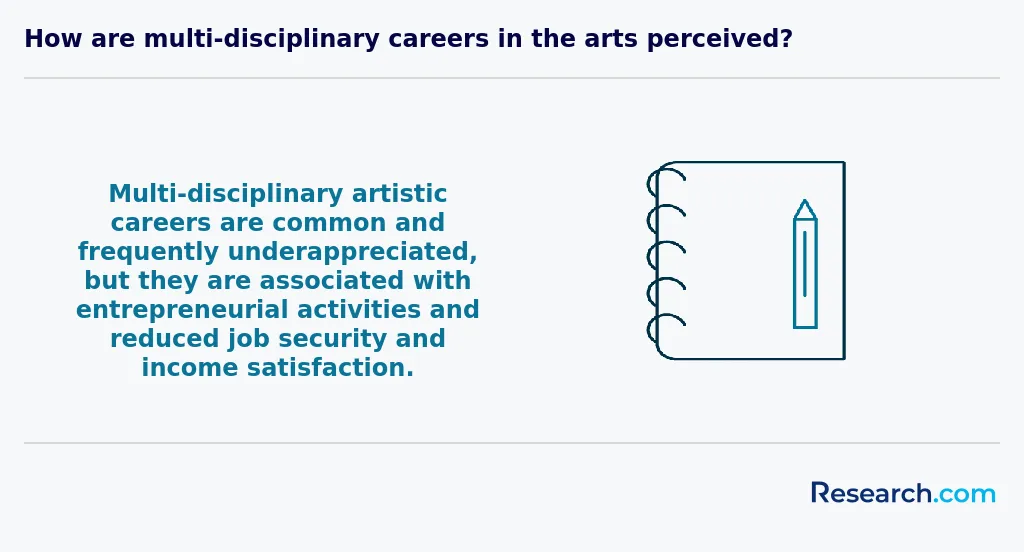
Studying for a fine arts degree in Minneapolis offers students exposure to a diverse and collaborative creative environment. Local institutions emphasize interdisciplinary projects, combining visual arts with technology, design, and performance. This approach aligns with the growing demand for multifaceted skill sets in today's job market.
Minneapolis is home to several leading arts schools, such as the Minneapolis College of Art and Design (MCAD), which actively partners with tech firms and cultural organizations. According to MCAD's recent reports, over 70% of graduates engage in roles that blend artistic practice with digital media, education, or community development.
Through internships and community-based programs, students develop practical experience working across different fields. This hands-on training often leads to careers in emerging areas like immersive media, arts administration, and creative entrepreneurship, highlighting Minneapolis's role as a hub for innovative, interdisciplinary arts careers.
When choosing between a thesis and a non-thesis fine arts degree program in Minneapolis, students should consider their career goals and learning preferences. Thesis programs typically emphasize research and culminate in a substantial project or written component. This path suits those aiming for academic careers or advanced study. Non-thesis options often focus more on practical skills and studio work, appealing to students seeking direct entry into the arts industry.
In Minneapolis, institutions such as the Minneapolis College of Art and Design offer both tracks, reflecting varied student needs. According to the National Center for Education Statistics, over 60% of fine arts students in Minnesota opt for non-thesis programs, suggesting a local preference for hands-on experience.
Students in Minneapolis seeking to study fine arts abroad have several pathways available through US universities' established exchange programs. Many Minneapolis-based institutions partner with international art schools, allowing students to spend a semester or year overseas while earning credit. According to the Institute of International Education, over 300 US colleges offer fine arts study abroad opportunities focused on classical and contemporary visual arts.
Minneapolis students can apply for programs in Europe, Asia, and Latin America, regions renowned for rich artistic traditions. These exchanges often include destinations like Italy, France, and Japan, expanding creative horizons. Participation rates from Minnesota in study abroad for arts-related fields were reported at 12% in 2022 by the National Center for Education Statistics.
Financial aid and scholarships specifically for fine arts students studying abroad are also available through many Minneapolis universities' international programs offices, helping to offset costs associated with travel and tuition. This availability enhances access and encourages cultural exchange.
Minneapolis offers several part-time job opportunities that can enhance the educational experience of fine arts students. Working in local art galleries as assistants or curators allows students to develop practical skills and build professional networks. The city's vibrant theater scene provides roles such as stagehands or costume assistants, which complement performance and design studies. Additionally, many students find positions teaching art classes or workshops at community centers, gaining valuable teaching experience.
According to the Minneapolis Arts Commission, over 20% of local artists engage in part-time work within the creative sector, reflecting strong industry integration. These roles not only support financial needs but also deepen practical understanding relevant to fine arts curricula.
Fine arts students in Minneapolis benefit from a vibrant network of opportunities that connect them to professionals, peers, and local art communities. The city hosts numerous galleries, art fairs, and cultural events, providing frequent openings to meet established artists and potential collaborators. Institutions like the Minneapolis College of Art and Design (MCAD) offer structured networking through alumni events and career services.
Additionally, the Twin Cities Art Beat and Northern Clay Center organize workshops and exhibitions, which are popular venues for student engagement. According to the Minneapolis College of Art and Design's 2023 report, over 75% of fine arts graduates secured internships through networking within local organizations.
Alumni networks provide significant benefits to fine arts degree students in Minneapolis by offering strong connections within the local art community. Graduates from Minneapolis institutions like the University of Minnesota often gain access to exclusive internships, gallery exhibitions, and job opportunities through these networks. According to the National Association of Colleges and Employers, 85% of jobs are filled through networking, which is critical in the competitive arts field. Additionally, alumni often mentor current students, helping them navigate the professional art world and refine their portfolios. These relationships can lead to collaborations, exhibitions, and increased visibility in Minneapolis's vibrant arts scene.
Customizing a fine arts degree program in Minneapolis allows students to align their education with specific career goals. Many local institutions offer flexible curricula where students can choose concentrations such as painting, sculpture, digital media, or art education. Community partnerships with Minneapolis art galleries and studios provide opportunities for internships and hands-on experience, which are vital for career preparation. Additionally, students can often select elective courses outside of the arts department to develop skills like marketing or art management.
According to the National Center for Education Statistics, approximately 25% of fine arts graduates from Minneapolis schools participate in internship or cooperative education experiences, enhancing employment prospects. This flexibility is a key advantage when planning a career in the dynamic arts sector within Minneapolis.
Fine arts students in Minneapolis often face several challenges related to funding their education. According to the National Endowment for the Arts, national public funding for arts programs remains limited, which impacts access to scholarships and grants in the region.
Another challenge is balancing studio time with academic coursework. Fine arts programs typically require significant hands-on practice, which can be difficult to manage alongside general education requirements.
Additionally, Minneapolis's competitive arts community means students must work hard to gain visibility and build networks, essential for future career opportunities.
Lastly, access to affordable materials and workspace poses ongoing difficulties due to high local living costs, as reported by the Minneapolis Arts Commission.
With a fine arts degree in Minneapolis, you can pursue several professional certifications that enhance your career opportunities. One popular option is becoming a Licensed Art Therapist, which requires additional graduate study and certification through the Art Therapy Credentials Board. This is valuable for careers combining creativity with mental health.
Another certification is the Certified Museum Professional, offered by organizations like the American Alliance of Museums, beneficial for managing and curating exhibitions. Minneapolis has a rich arts scene, including institutions like the Walker Art Center, which can support certificate holders.
Additionally, teaching certification is an option if you want to work in K-12 education. The Minnesota Professional Educator License requires specific coursework and passing the MTLE exams, making your fine arts degree a strong foundation for an art teaching career.
Writing a winning application for a fine arts program in Minneapolis requires careful preparation and attention to detail. Start by researching the specific requirements of local schools, such as the Minneapolis College of Art and Design (MCAD), which often ask for a strong portfolio demonstrating technical skill and creativity. According to the National Center for Education Statistics, portfolios are the most critical component of fine arts applications nationwide.
Include a well-crafted personal statement that explains your artistic goals and why Minneapolis's vibrant arts community suits your ambitions. Highlight any relevant experience, such as exhibitions or internships. Letters of recommendation from art instructors can significantly strengthen your application.
Finally, ensure that all materials are submitted on time and follow each institution's guidelines precisely to maximize your chances of admission.
The global perspectives on a fine arts career emphasize adaptability and cross-cultural relevance. Artists trained in the US, including Minneapolis, benefit from exposure to diverse techniques and global art movements. According to the National Endowment for the Arts, over 50% of fine arts graduates engage in international collaborations or exhibitions within five years of graduation.
Minneapolis offers a vibrant art scene influenced by both local and global trends, supported by institutions like the Walker Art Center. This urban environment provides students with opportunities to connect globally while developing skills valued worldwide, such as digital media and multidisciplinary approaches.
Fine arts careers increasingly require understanding different cultural narratives, enhancing employability beyond local markets. The US education system encourages this global outlook, preparing graduates for roles in galleries, museums, and creative industries worldwide.
Gaining practical experience while studying for a fine arts degree in Minneapolis is essential for developing professional skills. Many local schools encourage students to participate in internships at Minneapolis-based art galleries, theaters, and design studios. These internships provide hands-on experience and networking opportunities with industry professionals.
Students can also engage in student-run exhibitions and collaborative community art projects, which are often supported by Minneapolis institutions. According to the Minneapolis College of Art and Design, approximately 70% of their fine arts students complete at least one internship before graduation.
Additionally, local arts organizations frequently host workshops and events open to students, enhancing practical learning beyond the classroom.
Choosing the right concentration within a fine arts degree in Minneapolis requires understanding your personal interests alongside career goals. Common concentrations include painting, sculpture, graphic design, and digital media. Minneapolis hosts diverse arts communities, influencing available programs and internships.
Research local institutions like the University of Minnesota and Minneapolis College of Art and Design, which offer specialized tracks aligned with regional industry demands. According to the National Center for Education Statistics, fine arts enrollment in Minnesota has steadily increased, reflecting growing opportunities.
Consider practical factors such as faculty expertise, studio facilities, and potential connections to the Minneapolis art scene to ensure your choice supports both creative growth and professional prospects.
- 2027 Most Popular Fine Arts Degree Programs Ranking in Saint Paul
- 2027 Most Popular Fine Arts Degree Programs Ranking in Milwaukee
- 2027 Most Popular Fine Arts Degree Programs Ranking in Chicago
- 2027 Most Popular Fine Arts Degree Programs Ranking in Kansas City
- 2027 Most Popular Fine Arts Degree Programs Ranking in Columbia
- 2027 Most Popular Fine Arts Degree Programs Ranking in Saint Louis
- 2027 Most Popular Fine Arts Degree Programs Ranking in Indianapolis
- 2027 Most Popular Fine Arts Degree Programs Ranking in Detroit
- 2027 Most Popular Fine Arts Degree Programs Ranking in Cincinnati
- 2027 Most Popular Fine Arts Degree Programs Ranking in Columbus
- Fine Arts https://www.wits.ac.za/course-finder/undergraduate/humanities/fine-arts/
- How to Use Art Challenges to Push Your Creative Boundaries - OCAD https://artcoursework.com/how-to-use-art-challenges-to-push-your-creative-boundaries/
- Internships https://www.mfa.org/working-at-the-mfa/internships
- About Faculty of Design - Academy of Fine Arts https://en.asp.waw.pl/strona-glowna/faculties/faculty-of-design/about-faculty-of-design/
- 1 year visual/performing arts requirement https://talk.collegeconfidential.com/t/1-year-visual-performing-arts-requirement/2066957
- 404 – Seite nicht gefunden https://www.gostudent.org/en-gb/blog/what-jobs-can-you-get-with-a-fine-arts-degree
- fine art teaching and its challenges in the 21st century post ... https://www.sgojahds.com/index.php/SGOJAHDS/article/viewFile/296/320
- Standards & Guidelines » CAA Guidelines https://www.collegeart.org/standards-and-guidelines/guidelines/mfa
- Is a thesis always mandatory in a master's degree program? - EFMU: The Euler-Franeker Memorial University and Institute https://euler.euclid.int/is-a-thesis-always-mandatory-in-masters-degree-program/
- Create a Niche Market for Your Art in a Sea of Artists https://lorimcnee.com/create-a-niche-market-for-your-art-in-a-sea-of-artists/


