
2027 Fastest Online Fine Arts Degree Programs Ranking in the USA

Co-Founder and Chief Data Scientist
Choosing the right fine arts degree program can shape your creative future and open doors to exciting opportunities. This article introduces the 2027 Fastest Online Fine Arts Degree Programs Ranking in the USA, thoughtfully crafted by the Research.com team of data scientists. It is designed to guide you in selecting programs that combine quality with efficiency.
With flexible online options, pursuing your passion for fine arts has never been more accessible. Explore this ranking to find programs that fit your goals and pace, helping you take confident steps toward a rewarding career.
Key benefits of getting online fine arts degree in America
- Fine arts graduates in the US can expect strong earning potential, with roles like Animator earning around $109,630 annually and Illustrators about $71,420, showing that creativity can pay well.
- Career paths include graphic art, animation, and illustration, with many successful alumni from top schools like Rhode Island School of Design thriving in diverse creative industries.
- Online fine arts degrees offer flexibility and accessibility; for example, graduates from Savannah College of Art and Design's online program often balance studies with work, gaining skills without sacrificing income or lifestyle.
- 2027 Fastest Online Fine Arts Degree Programs Ranking in the USA
- What can I expect from online fine arts degree in America?
- Where can I work with online fine arts degree in America?
What can I expect from online fine arts degree in America?
The average cost of an online fine arts degree in America can vary quite a bit, but many students discover it to be a surprisingly affordable adventure compared to traditional campus programs. Graduates from well-known universities often share how online tuition ranges broadly, typically between $10,000 and $40,000 per year, depending on the institution and program length. This flexibility means students can chase their creative passions without worrying about sky-high expenses.
Imagine a student enrolled in a vibrant online program at a popular art school, balancing part-time work while accessing world-class instruction from a laptop. They save on commuting and housing costs-money that can be spent on advanced art supplies or digital tools instead. Others highlight how accelerated courses at some colleges allow them to graduate faster, reducing total tuition fees and launching careers in graphic design or digital media sooner.
These experiences paint a picture of excitement and freedom that comes with pursuing an online fine arts degree in America, where the cost reflects not just financial investment but creative opportunity.
Where can I work with online fine arts degree in America?
Graduates from online fine arts programs at renowned schools like the Savannah College of Art and Design or the Academy of Art University often find themselves thriving in vibrant careers as professional artists or illustrators. Imagine selling your own artwork or collaborating on freelance projects for advertising agencies and entertainment companies-these imaginative paths are very real for many alumni.
Others dive into graphic design roles within marketing firms or corporate media departments, using digital skills honed during their studies. Picture crafting eye-catching campaigns that reach millions, fueled by the dynamic training offered by online programs across America.
Teaching is another exciting avenue. Many graduates leverage their degree to inspire creativity in schools or community programs, often pairing it with certification courses to open doors to K-12 or adult education roles.
For those intrigued by museum curation, art restoration, or gallery management, the fine arts degree offers a foundation to explore specialized careers. Plus, fields like digital media and animation beckon graduates ready to blend artistic talent with cutting-edge technology in virtual reality or gaming industries.
Graduates from online fine arts programs at schools like the Savannah College of Art and Design or the Rhode Island School of Design often find themselves stepping into roles with exciting earning potential. For example, graphic artists-a popular path-earn a mean annual wage of around $64,700, offering a solid start for creative professionals eager to make their mark.
Picture a fresh graduate designing vibrant visuals for a major brand in New York or collaborating on animations that bring stories to life. Animators earn notably higher salaries, with a mean annual wage of $109,630, reflecting the growing demand for digital storytelling and multimedia artistry.
Illustrators and art therapists show promising median wages too, about $71,420 and $75,660 respectively, combining creativity with purpose. Many graduates appreciate how these roles allow them to blend artistic passion with stable income-whether it's crafting detailed illustrations or supporting wellbeing through art therapy.
Attending a respected online program prepares students not just with skills but confidence to pursue diverse, fulfilling careers across America's creative landscape.
- Online fine arts degrees in the U.S. are available at associate, bachelor's, and master's levels, covering fields like painting, sculpture, graphic design, and digital media.
- Tuition for a bachelor's degree typically ranges from $15,000 to $40,000, with public universities offering lower rates for in-state students and private colleges costing more.
- Starting median salaries for fine arts graduates are around $40,000 per year, rising to $60,000 to $70,000 annually after ten years of experience.
- Employment in arts-related jobs is expected to grow by about 4% from 2022 to 2032, with strong demand in digital media and graphic design sectors.
- Accreditation by the National Association of Schools of Art and Design (NASAD) is important for program quality and access to federal financial aid.
Embarking on an online fine arts degree in America typically takes about four years for a bachelor's, the familiar rhythm followed by many graduates eager to blend creativity with academic growth. Imagine pacing yourself through vibrant studio assignments while balancing general education courses, much like those at the University of Florida, where students craft their own timelines within a structured program.
Many learners find joy in tailoring their journey-some extend their studies to five or six years by enrolling part-time, allowing them to juggle work, family, or art projects without rush. Others dive into accelerated paths, pushing through summer sessions to finish in as little as three years, thriving on the energetic hustle that drives their passion.
For those drawn to mastery, online Master of Fine Arts (MFA) programs often span two to three years, immersing students in advanced practice and theory. Graduates from esteemed institutions cherish how this focused intensity sparks new levels of artistic exploration and professional growth.
One of the most critical factors in succeeding in an online Fine Arts program is the breadth and quality of student support services. Leading online fine arts programs often provide dedicated academic advisors who guide you through course selection, portfolio development workshops to sharpen your artistic skills, and 24/7 technical support to troubleshoot software or platform issues. Many institutions also offer virtual libraries with specialized art history archives, peer-review forums for constructive feedback, and online career centers that connect you with internship opportunities and industry mentors. Counseling and wellness resources are equally important, as creative work can be emotionally intensive. Top programs often include virtual counseling sessions to help you manage stress, time-management webinars tailored for artists, and online communities where graduates share tips on balancing commissions, coursework, and personal projects. These networking groups can even lead to collaborative exhibitions or freelance gigs. If you’re looking for cost-effective options without compromising support services, our Cheapest Fine Arts Degree Programs Ranking in Cincinnati, OH highlights programs that balance affordability with strong student resources. Finally, comprehensive career services-ranging from résumé and portfolio reviews to mock interviews with gallery directors-ensure you’re not just completing courses but also building a professional trajectory. By choosing a program with robust student support, you’ll gain the guidance, community, and technical tools needed to excel in your online Fine Arts degree journey.
Imagine a fine arts student at the Savannah College of Art and Design eagerly working in a sunlit studio, surrounded by peers and tactile materials-this vibrant, on-campus experience offers immediate feedback and hands-on practice that sparks creativity in real time. Meanwhile, a student pursuing an online fine arts degree from a university like the Academy of Art University enjoys a different rhythm: flexible schedules and the freedom to create from anywhere, possibly balancing work or family, while engaging through video critiques and digital submissions.
Both journeys share the same core art history and theory foundations, yet the on-campus route thrives on physical spaces and social interaction, crucial for crafts like sculpture or theater. Online learners embrace technology, navigating virtual demos and remote critiques with self-discipline, mastering not just art but digital savvy.
Tuition varies: some online students find savings by skipping housing or commuting costs, but many programs charge comparable fees due to specialized digital resources. These differences mean choosing between immersive studio buzz or the adventurous flexibility of digital artistry-each path a unique adventure in itself.
When enrolling in an online Fine Arts degree program, having the right technical setup and materials is essential for a seamless learning experience. Most programs will specify minimum system requirements, but you should generally plan for: • Hardware: A reliable computer with at least an Intel i5 or AMD Ryzen 5 processor, 16GB RAM, and a dedicated graphics card (NVIDIA GeForce GTX series or equivalent) to handle graphic-intensive software. • Internet Connectivity: A stable broadband connection (minimum 25 Mbps download, 5 Mbps upload) to stream live critiques, download large design files, and participate in virtual studio tours. • Software: Access to industry-standard applications such as Adobe Creative Cloud (Photoshop, Illustrator, InDesign) and 3D modeling programs like Blender or Autodesk Maya. Many schools offer student discounts or free licenses-be sure to confirm through your institution. • Studio Materials: Basic art supplies (sketchbooks, pencils, charcoals, paints) and specialized tools for your focus area (e.g., ceramics kits, sculpting tools). Some programs provide materials kits, while others require you to source supplies independently. • Workspace Setup: A well-lit, dedicated workspace with sufficient room for both digital and traditional art practice. Consider investing in an adjustable drafting table or drawing tablet to support ergonomic workflow. Prospective students interested in expanding their digital skills may also explore a graphic design degree online for specialized guidance on software and portfolio development.
Wondering about the average cost of an online fine arts degree in America leads to an exciting exploration of numbers and possibilities. On average, completing such a program costs around $34,560. In-state students often enjoy a lower total fee near $20,642, while out-of-state learners might expect to invest closer to $44,550. Imagine a graduate from a well-known university in California, who embraced the affordability of in-state tuition while immersing themselves in digital art courses and interactive workshops.
Navigation through the total expenses for online fine arts programs 2027 isn't just about tuition. Additional costs like art supplies, software licenses, and occasional technology fees add a little more but rarely overwhelm. Many online learners from schools with excellent reputations find that financial aid and scholarships can brighten the path, allowing them to focus more on their creative journey and less on the bills.
Students attending popular colleges known for their fine arts programs often share stories of how the program flexibility helped them balance life, work, and study. This sense of personal growth combines perfectly with reasonable costs, keeping dreams within reach. For those curious about options, investigating the most affordable fine arts degree programs offers a vibrant roadmap full of opportunities to thrive without breaking the bank.

Succeeding in an online Fine Arts degree program requires a blend of self-discipline, creativity, and strategic planning. To maximize your learning experience, start by establishing a dedicated workspace and a consistent study schedule. This helps in minimizing distractions and fosters a professional mindset, even when learning from home. Engage actively in virtual class discussions and online group projects to build a network with peers and instructors. Social interaction, whether through live sessions or dedicated forums, enriches your understanding of artistic concepts and nurtures collaborative creativity. Additionally, seek out extracurricular opportunities like virtual gallery tours, online workshops, and industry webinars that can offer fresh perspectives and creative inspiration. To stay updated on the latest digital tools and techniques, supplement your coursework with online tutorials or free resources from reputable websites. Remember, regularly updating your portfolio is crucial-this not only showcases your evolving skills but also serves as a valuable asset for future job opportunities. For insights on balancing educational quality and budget, explore our guide on the most affordable fine arts degree. Lastly, don't hesitate to reach out to academic advisors or mentors if you face challenges. Their expertise can provide personalized strategies to help you overcome obstacles and align your studies with your career aspirations. Adopting these proactive measures can transform your online learning experience into a rewarding journey towards a vibrant career in the fine arts.
Imagine diving into your online fine arts degree at a renowned university like the Savannah College of Art and Design or the Rhode Island School of Design, feeling the thrill of creativity without the financial strain. Many graduates share how the Free Application for Federal Student Aid (FAFSA) unlocks powerful support like Pell Grants, which can provide up to $7,395 without the pressure of repayment. This has been a game-changer for countless students balancing tuition and the extra costs of art supplies and software.
Federal loans, especially Direct Subsidized ones, offer flexible, low-interest paths to funding, while federal work-study jobs grant the chance to earn hands-on experience alongside coursework. State grants tailored to online learners further lighten the load, often rewarding consistent academic progress.
Plus, the treasure trove of private scholarships from arts foundations and contests, such as the Scholastic Art & Writing Awards, sparks hope for students showcasing strong portfolios and community passion. Many students also tap into institutional scholarships from their schools, making the adventure of an online fine arts degree feel both exciting and achievable.
Online Fine Arts programs not only provide flexible learning but also offer comprehensive support services that significantly contribute to a student's success. These resources typically include dedicated academic advising, career counseling, and technical support, ensuring that students can navigate online platforms confidently and focus on creative development. Many programs host virtual workshops, portfolio clinics, and networking events that connect students with peers and industry professionals, enhancing both learning and professional growth. Moreover, robust online communities allow prospective students to interact with current enrollees and alumni, providing real-world insights and fostering collaborative learning environments. For instance, exploring options like the most affordable fine arts degree can lead you to programs that combine financial accessibility with strong support networks and career services, ensuring long-term success in the competitive arts industry.
Many students from top programs discover that letters of recommendation add a personal touch, reflecting their passion and dedication through the eyes of mentors. Some schools may still request SAT or ACT scores, but more frequently, they emphasize holistic reviews focused on your creative potential.
Imagine the thrill of submitting prior college transcripts if you're transferring or advancing your studies. Knowing that your earlier hard work counts fuels motivation. And because it's online, having reliable tech-laptops, software, and a steady internet connection-feels like prepping your artistic studio.
These prerequisites invite you to dive into a vibrant digital world of fine arts, blending tradition with the adventure of learning anywhere in America.
Succeeding in an online Fine Arts program requires a strategic blend of effective time management, utilization of the right digital tools, and proactive engagement with your art community. First, set up a dedicated workspace that minimizes distractions and enables you to focus on creative projects. Embrace digital tools and platforms-ranging from advanced software for illustration and animation to virtual galleries that facilitate feedback sessions-to enhance your learning experience. Develop a structured schedule that balances coursework, personal projects, and collaborative activities. Regularly participate in virtual critiques and group discussions to both share your progress and learn from peers and instructors. Building a strong online network is essential; connect with fellow students and industry professionals via online forums and social media groups that specialize in digital art. Additionally, if cost is a major consideration, you may want to explore opportunities that combine quality with affordability. For example, many prospective students consider programs that represent the most affordable fine arts degree options available, ensuring they receive excellent education without breaking the bank. Finally, set clear career goals and seek internships or freelance opportunities that complement your studies. Balancing academic responsibilities with real-world experience not only reinforces your learning but also builds a robust portfolio for future job opportunities. By following these strategic tips, you can make the most of your online Fine Arts education and pave the way for a successful artistic career.
Embarking on an online fine arts degree in America means diving into an exciting blend of creativity and technique. Graduates from renowned colleges like the Rhode Island School of Design or the Savannah College of Art and Design often recall their first encounters with Drawing and Painting fundamentals, laying the groundwork for bold creative expression. Imagine navigating Art History courses that transport you through vibrant movements and culture-shaping artists, all from your own home studio.
Digital Media and Design opens new doors, teaching students to master tools like Adobe Creative Suite, which graduates today use to bring digital dreams to life. Sculpture and 3D Design challenge learners to experiment with space and form, often through hands-on projects that push boundaries.
Photography and Visual Communication courses help students capture stories and emotions, whether snapping photos in a quiet park or crafting visual campaigns for community events. Portfolio Development then ties it all together, guiding you to showcase your evolving skills and passion - making these programs not just educational, but a genuinely transformative adventure.
Exploring an online fine arts degree in America opens a vibrant palette of specializations, inviting students to dive into creative journeys tailored to their passions. Many graduates from renowned institutions across the country find themselves captivated by studio art, where they master painting, drawing, and sculpture, blending technical prowess with art history. This hands-on experience sparks both confidence and originality.
Others are drawn to graphic design, a dynamic field that merges creativity with technology. Those pursuing a graphic design degree online often share stories of vibrant projects, from crafting captivating logos to designing engaging websites, feeling empowered by the 6% job growth forecast and wide career options ahead.
For students fascinated by movement and interactivity, digital media specializations electrify their studies with animation, video, and interactive design, preparing them for cutting-edge roles in entertainment and marketing. Additionally, art education programs equip future teachers with the skills and certifications needed to inspire creativity in K-12 classrooms, making a lasting impact on communities across the USA.
Other intriguing pathways include art therapy, photography, and arts management, each unlocking unique opportunities to connect art with wellbeing, storytelling, or organizational leadership within cultural landscapes. This diversity in fine arts degree specializations USA ensures every creative soul can find their perfect match.
Choosing the best online fine arts degree in America means diving into options that excite your creative spirit while fitting your lifestyle. Graduates from well-known programs at institutions like the School of the Art Institute of Chicago or Savannah College of Art and Design often share how accreditation assured them their degrees held strong recognition across the art world, opening doors to galleries and studios. Cost matters too-many find affordable online fine arts degrees in America by comparing tuition plus fees, sometimes discovering hidden savings on materials and tech through their chosen school's support services.
Look for programs where faculty bring real-world artistry into virtual classrooms, blending theory and hands-on practice that helped graduates confidently build diverse portfolios. Flexibility also makes a huge difference; asynchronous courses allow for painting late into the night, while live sessions let you connect instantly with instructors and peers. Those seeking career launchpads appreciate when internships and community ties are embedded in the curriculum, mimicking the vibrant network-building experience students find at top colleges.
For starters, you might explore the Cheapest Fine Arts Degree Programs Ranking in Cincinnati, OH to balance creativity with budget. Embracing this sense of adventure while focusing on your goals will steer you to the best online fine arts degree programs USA has to offer.
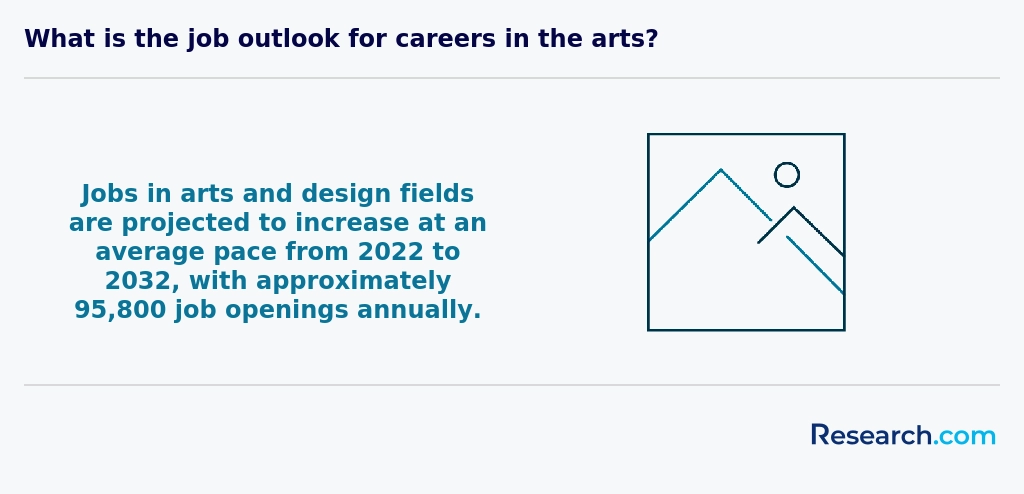
Graduates with an online fine arts degree in America find themselves stepping into a world rich with creative opportunities. From graphic designers crafting vibrant digital ads in bustling cities to art directors shaping the aesthetic of magazines and films, the landscape is vast. Many alumni from top colleges enjoy blending traditional skills with technology, opening doors to roles like multimedia artist and animator, where growth is faster than average.
Job prospects with fine arts degree online America are equally diverse, whether it's illustrators painting stories for books or fine artists selling their work through galleries and online platforms. Some graduates discover joy in art therapy, merging art with psychology to help others heal. These paths feel real and exciting to students studying remotely, offering the chance to build portfolios and networks on their own terms.
Potential students curious about creative career opportunities for online fine arts degree in USA often explore programs that balance flexibility with strong artistic foundations. Those looking to accelerate their journey might also consider best accelerated online associate degrees as a stepping stone.
The job market for those holding an online fine arts degree in America is an exciting yet challenging landscape. Graduates from vibrant creative hubs like the Rhode Island School of Design or Savannah College of Art and Design often find themselves navigating a world where individuality and versatility are prized. Many pursue roles as graphic designers or art directors, where median salaries reflect their experience and specialization, with art directors earning impressively higher wages. The reality for many is a mix of freelance projects and contract work, building a portfolio while exploring their creative voice.
For students curious about the long-term career path, supplementing artistic talents with digital media or marketing skills can open doors in areas like advertising or user experience design. Those exploring online fine arts degree jobs USA embrace this flexibility, turning setbacks into opportunities. Graduates often share stories of early struggles balanced with exhilarating moments of success-selling original pieces or landing projects through social platforms.
If you're weighing your future, you might also explore options among the easiest phd programs to complement your artistry and expand career possibilities.
2027 Fastest Online Fine Arts Degree Programs Ranking in the USA
Investing in your education is a significant decision that can shape your future, and the Research.com team understands the importance of making informed choices. To assist prospective students, we have meticulously crafted the "2027 Fastest Online Fine Arts Degree Programs Ranking in the USA." Our commitment to quality, credibility, and accuracy is reflected in the extensive research and analysis conducted to compile this ranking.
We utilized the following reputable data sources to ensure a comprehensive evaluation of fine arts programs:
By exploring this ranking, readers will gain valuable insights into the fastest online fine arts degree programs available in the USA, empowering them to make well-informed decisions about their educational journey. For more details on our methodology, please visit our Research.com methodology page.


# 3 position
Full Sail University
Master of Media Design





# 14 position
Full Sail University
Bachelor of Computer Animation


# 18 position
Judson College
Bachelor of Music


Frequently Asked Questions About fine arts
Online fine arts degree students in America can maximize their learning by actively engaging with course materials and participating in virtual critiques. Research from the National Endowment for the Arts highlights that 64% of adults engage in visual arts, signaling a vibrant community to connect with for feedback. Utilizing campus resources, such as online libraries and art databases, enriches understanding of art history and contemporary practices.
Building a digital portfolio early is crucial; many programs encourage this for internships and job placements upon graduation. Networking through virtual workshops and exhibitions also enhances exposure to professional art circles, vital for career growth in the competitive US art market.
Emerging niches in the fine arts field reflect the growing integration of technology and interdisciplinary approaches. Areas like digital animation, interactive media, and virtual reality art are gaining traction among students and professionals. According to the National Endowment for the Arts, digital and multimedia art programs in the US have grown by over 20% in recent years.
Other expanding niches include art therapy, which combines psychology and creative practice, and sustainable art, emphasizing environmental themes. Additionally, there is increasing interest in arts entrepreneurship, preparing graduates to navigate the creative economy. These specialties mirror trends in American cultural and technological landscapes.
Graduates with online fine arts degrees in America should focus on building a strong portfolio, as it remains the primary tool for showcasing artistic skills to potential employers or clients. Networking within the arts community-through local galleries, online platforms, and social media-can open valuable job opportunities and collaborations. According to the National Endowment for the Arts, about 2.6 million Americans worked in arts-related occupations in 2021, highlighting growing opportunities. Additionally, graduates should consider internships or freelance projects to gain practical experience and develop professional connections. Continuous skill development, including digital tools, can improve employability in a competitive market.
Employers in America highly value fine arts graduates who demonstrate strong creativity and technical skills. According to the National Endowment for the Arts, over 70% of arts organizations prioritize proficiency in digital tools and software relevant to the field. Graduates should also showcase critical thinking and problem-solving abilities, which are essential for adapting artistic concepts to real-world projects. Communication skills, including both visual storytelling and effective collaboration, rank among the top traits sought by employers. Furthermore, project management and time-management skills enable artists to meet deadlines and client expectations efficiently. These competencies combined increase a graduate's employability in a competitive job market.
Finding internships relevant to a fine arts degree in America involves a strategic approach combining research and networking. Many universities offering online fine arts degrees have partnerships with galleries, museums, and design firms that provide internship opportunities. Students should also explore platforms like the National Arts Internship Program, which connects emerging artists with cultural organizations across the US.
Additionally, checking job boards such as those on the College Art Association website can yield fine arts internships. According to the National Endowment for the Arts, internships not only enhance skills but increase employability by up to 25% in creative fields. Reaching out directly to local galleries or studios can also uncover hidden opportunities often not publicly advertised.
An online fine arts degree in America can significantly enhance career mobility by providing flexible access to accredited programs nationwide. According to the National Center for Education Statistics (NCES, 2023), graduates with fine arts degrees experience a 10-15% higher chance of securing employment in creative fields compared to non-degree holders.
Online degrees often integrate practical digital skills, catering to modern arts industries such as graphic design, multimedia, and animation. This adaptability supports advancement in diverse roles, including freelance artist, art director, or educator.
Employers increasingly recognize reputable online degrees, especially from regionally accredited institutions, as valid qualifications for promotion and salary increases in the arts sector.
Studying for a fine arts degree online in America equips students with diverse skills applicable to interdisciplinary roles. Programs often integrate courses in digital media, art history, business, and technology, reflecting the evolving art landscape.
According to the National Endowment for the Arts, 64% of fine arts graduates find employment in fields combining creativity with technology and communication. This blend fosters adaptability for roles in advertising, design, education, and multimedia production.
Moreover, American fine arts curricula emphasize critical thinking and collaboration, essential for working across disciplines. For online students, access to virtual studios and cross-department projects further enhances interdisciplinary experience.
Choosing between a thesis and a non-thesis fine arts degree program in America depends largely on your career goals and learning preferences. Thesis programs usually require a substantial original research project or creative work, ideal for students aiming at academic careers or advanced study. According to the National Center for Education Statistics, graduate fine arts students increasingly opt for thesis tracks to strengthen their research and exhibition portfolios.
Non-thesis programs focus more on coursework and practical skills, making them suitable for professionals seeking to enhance their artistic expertise without extensive research demands. Both options are recognized by U.S. accreditation bodies, but thesis programs may take longer to complete due to the research component.
American students seeking to study fine arts abroad have several options through partnerships between U.S. institutions and foreign universities. Many U.S. colleges offer study-abroad programs or international exchange opportunities focused on fine arts, allowing credits to transfer back toward their degree.
Another popular path is enrolling in online fine arts programs from internationally recognized schools, which some American students use to gain global perspectives without relocating. According to the National Center for Education Statistics (NCES), nearly 15% of U.S. art students participated in study-abroad activities in 2022, reflecting growing interest.
Furthermore, American accrediting bodies sometimes recognize credentials from accredited foreign fine arts institutions, easing credit transfer and degree recognition.
Part-time jobs that complement an online fine arts degree in America often include roles that build practical skills and industry experience. Popular opportunities are gallery assistant positions, which provide exposure to art curation and exhibition management. According to the Bureau of Labor Statistics, about 40% of fine arts professionals gain early experience through such roles.
Freelance graphic design or illustration work is also common. These roles allow students to develop portfolios and client management abilities while earning income. Additionally, art education assistants or teaching aides in community centers offer practical teaching experience linked to fine arts pedagogy.
Retail positions in art supply stores or working with arts nonprofits further enable networking within the art industry. These part-time jobs support skill development and professional connections crucial for future opportunities in fine arts careers across the US.
Online fine arts degrees in America offer growing networking opportunities despite the virtual format. Many programs provide access to alumni networks, which can number in the thousands, connecting students with professionals and recent graduates nationwide. These networks foster mentorship, collaboration, and job referrals specific to visual arts, design, and related fields.
Students can also participate in virtual workshops, webinars, and critique sessions organized by universities or professional arts organizations such as the College Art Association or the National Art Education Association. These events often feature prominent artists and educators, enhancing career connections.
Additionally, university-sponsored art exhibitions and competitions frequently invite online students to showcase work, increasing visibility within the arts community. According to the National Center for Education Statistics, nearly 30% of art degree students now engage in some form of remote networking, reflecting increased institutional support for virtual engagement.
Alumni networks play a crucial role for students pursuing online fine arts degrees in America by providing valuable professional connections. These networks often include graduates working in galleries, design firms, and educational institutions, which can open doors to internships and job opportunities.
According to the National Endowment for the Arts, strong professional relationships significantly increase employment chances in creative fields. Online students benefit from virtual alumni groups that offer mentorship and portfolio reviews, helping them refine their craft.
Moreover, alumni networks promote collaboration and the sharing of industry trends, which is vital given the evolving nature of fine arts careers in the U.S.
Customizing an online fine arts degree in America allows students to align their education with specific career goals. Many accredited institutions offer flexible curriculum paths, enabling students to choose concentrations such as graphic design, animation, or studio arts. According to the National Center for Education Statistics (NCES, 2023), 65% of fine arts programs provide elective options catering to professional specialization.
Students can often tailor projects and portfolios with faculty guidance, crucial for fields like illustration or digital media. Additionally, internships and capstone projects, available in many programs, provide real-world experience aligned with career ambitions. This customization ensures practical skills relevant to competitive job markets in the creative industries.
Online fine arts students in America often face challenges related to hands-on learning. Art disciplines typically require studio work and physical materials, which are hard to replicate in a virtual environment. According to the National Endowment for the Arts, nearly 40% of fine arts students report difficulties accessing necessary studio space at home.
Another challenge is limited direct interaction with instructors and peers, affecting critique and collaboration, essential for artistic growth. Technical issues and varying quality of digital platforms may also disrupt learning.
Financial constraints add pressure, as art supplies and technology can be costly alongside tuition. These factors combined demand strong self-motivation and resourcefulness from students.
Graduates with an online fine arts degree in the United States can pursue a variety of professional certifications to enhance their careers. Popular credentials include the Certified Graphic Designer (CGD) credential offered by the Graphic Artists Guild, which validates expertise in design principles and professional ethics.
Fine arts professionals may also seek certification in arts administration, such as certificates from the American Association of Museums, beneficial for careers in museum or gallery management. For educators, obtaining state teaching certification enables graduates to teach art in K-12 schools.
Additionally, certifications in digital art tools like Adobe Certified Expert (ACE) can increase employability. According to the National Endowment for the Arts, artists with certifications often see higher job placement rates and increased earning potential.
Crafting a winning application for an online fine arts program in America begins with showcasing your unique artistic vision. Admissions committees typically value a compelling portfolio that demonstrates diverse skills and creativity. According to the National Endowment for the Arts, nearly 30% of fine arts applicants highlight innovative techniques to stand out.
Next, a well-written personal statement explaining your passion for fine arts and how the online format fits your goals can make a strong impression. Highlight relevant experience and career ambitions.
Make sure to follow all application instructions closely, as missing details can lead to rejection. Many programs require letters of recommendation from art professionals or educators.
Globally, careers in fine arts are viewed as diverse and evolving, with growing opportunities in digital media and design fields. In the United States, the National Endowment for the Arts reports that approximately 2.5 million people are employed in arts-related occupations, reflecting robust demand. American artists often collaborate internationally, benefiting from exchange programs and global exhibitions.
Many US fine arts graduates pursue careers in traditional fields such as painting and sculpture, but also increasingly in graphic design, animation, and multimedia arts. Online fine arts degrees provide flexible access to these expanding sectors, blending creativity with technical skills valued worldwide.
While salary ranges in fine arts can vary widely, the US Bureau of Labor Statistics notes a median annual wage of about $50,000 for artists and related workers in 2023. Importantly, digital proficiency is becoming essential, influencing curricula in American fine arts programs to prepare students for global markets.
Gaining practical experience while pursuing an online fine arts degree in America is essential for skill development. Many accredited programs require students to complete internships or practicums with art galleries, studios, or museums. These opportunities allow hands-on learning beyond virtual classrooms.
Students can also participate in community art projects or exhibitions, which help build a professional portfolio. According to the National Endowment for the Arts, about 33% of fine arts graduates work in fields requiring practical art experience, so engaging actively during studies is beneficial.
Additionally, online learners often have access to virtual workshops and collaborative platforms that simulate real-world creative environments, further enhancing practical skills.
Choosing the right concentration within an online fine arts degree program in America requires understanding your career goals and personal interests. Popular concentrations include painting, graphic design, sculpture, and digital media, each offering unique skills and opportunities. According to the National Endowment for the Arts, digital arts are among the fastest-growing fields, reflecting industry demand.
Consider the curriculum details offered by accredited institutions, as programs vary widely. Look for concentrations that provide relevant software training or professional portfolio development. Also, review employment statistics; for example, the U.S. Bureau of Labor Statistics projects a 4% growth in art and design jobs from 2022 to 2032.
Finally, assess how each concentration aligns with your creative strengths and long-term ambitions to ensure a fulfilling educational experience.
- What is Fine Arts? Meaning, Scope & Careers Explained https://jgu.edu.in/opjgublog/what-is-fine-arts/
- Study Fine Arts Abroad – Top Universities & Careers https://thearchinternational.com/fine-arts/
- Networking for Artists: Unlocking Opportunities in the Art World - Ceri Hand https://cerihand.com/networking-for-artists/
- Bachelor of Fine Arts in Art & Design (BFA) https://www.ualberta.ca/en/art-design/undergraduate-programs/bfa-art-and-design.html
- How to Network as an Artist - AGI Fine Art Blog https://agifineart.com/advice/the-art-of-reputation-how-to-network-if-youre-an-emerging-artist/
- Standards & Guidelines » CAA Guidelines https://www.collegeart.org/standards-and-guidelines/guidelines/mfa
- 404 – Seite nicht gefunden https://www.gostudent.org/en-gb/blog/what-jobs-can-you-get-with-a-fine-arts-degree
- Application writing tips for individual artists https://www.affta.ab.ca/funding/help-and-resources/resources-individual-artists/application-writing-tips-individual-artists
- Careers in the Arts: Who Stays and Who Leaves? https://snaaparts.org/findings/reports/careers-in-the-arts-who-stays-and-who-leaves
- Summer Internships | National Gallery of Art https://www.nga.gov/employment-opportunities/summer-internships


