
2027 Most Affordable Fine Arts Degree Programs Ranking in Staten Island

Co-Founder and Chief Data Scientist
Are you considering pursuing a fine arts degree in Staten Island without breaking the bank? This article features the 2027 Most Affordable Fine Arts Degree Programs Ranking in Staten Island created by the Research.com team of data scientists. Their careful analysis helps you understand which programs offer the best value, so you can confidently choose the right path for your artistic journey.
Exploring affordable options empowers you to invest in your passion while building a rewarding future. Discover opportunities that match your goals and budget.
Key benefits of getting fine arts degree in Staten Island
- Graduates with a fine arts degree can earn competitive salaries, such as $64,700 annually for graphic artists and up to $109,630 for animators, offering strong financial opportunities in creative careers.
- Fine arts degree holders from Staten Island colleges often explore diverse paths like illustration, animation, or art therapy, allowing them to find fulfilling roles that match their passions and skills.
- Online fine arts degrees provide flexibility and accessibility for students balancing work or family, enabling them to gain valuable skills and credentials from reputable Staten Island schools without sacrificing their current lifestyle.
- 2027 Most Affordable Fine Arts Degree Programs Ranking in Staten Island
- What can I expect from fine arts degree in Staten Island?
- Where can I work with fine arts degree in Staten Island?
What can I expect from fine arts degree in Staten Island?
The average cost of pursuing a fine arts degree in Staten Island varies depending on the institution but generally remains affordable compared to private universities in the region. At the College of Staten Island (CSI), part of the CUNY system, in-state tuition and fees typically range around $7,000 to $8,000 annually, making it a cost-effective option for local students dedicated to visual arts disciplines such as painting, sculpture, and digital media.
Graduates often reflect positively on the practical benefits of studying at CSI, emphasizing the balance between affordable tuition and access to quality studio spaces, expert faculty, and opportunities to engage with New York City's vibrant art community. Many students find value not only in the technical training but also in portfolio development and exhibition participation, which enhance their creative and professional growth.
When factoring in materials, supplies, and living expenses, the total cost remains competitive, especially given the strong foundation provided for careers in teaching, gallery management, and fine arts practice. Staten Island's fine arts programs prioritize both artistic skill and academic rigor without imposing prohibitive financial barriers.
Where can I work with fine arts degree in Staten Island?
Graduates with a fine arts degree in Staten Island frequently find employment in esteemed local institutions such as the Staten Island Museum and Snug Harbor Cultural Center & Botanical Garden. These venues actively recruit curators, exhibit designers, and art educators, providing graduates with meaningful roles that utilize their creative skills. Many graduates from popular Staten Island colleges share rewarding experiences working alongside established artists in galleries, assisting with exhibitions, and coordinating community arts events.
In addition, the borough's public and private school systems offer opportunities for licensed art teachers to inspire K-12 students, often after completing required certification programs. Community centers and nonprofits like Staten Island Arts also provide fulfilling careers in arts education and program management, enabling graduates to engage directly with local residents through workshops and classes.
Freelance entrepreneurship is a common pathway, with many graduates successfully balancing commissions, private lessons, and collaborations with Staten Island businesses. Some creative professionals even contribute to regional film and media projects, applying their talents in set and costume design, further diversifying career options within Staten Island's vibrant cultural landscape.
Graduates with a fine arts degree in Staten Island commonly find career opportunities with varying earning potentials aligned to their chosen specializations. For example, graphic artists earn a mean annual wage of approximately $64,700 nationally, while illustrators typically make about $71,420 per year. Those pursuing animation, a growing field with strong ties to New York City's media industry, can achieve even higher wages, with an average annual salary near $109,630.
Fine arts graduates from prominent Staten Island institutions often balance their passion for creating visual art with practical roles such as graphic design or illustration. Many report satisfaction in combining freelance projects with steady employment, enhancing both artistic freedom and financial stability. Working within the local education sector, art teachers receive competitive salaries averaging $70,740 annually, offering a reliable income stream alongside creative careers.
These local salary figures reflect a vibrant artistic community where graduates leverage regional opportunities, from gallery exhibitions to commercial design, to build rewarding careers. The integration of part-time teaching, freelance commissions, and institutional roles fosters diversified income and a sense of fulfillment for many fine arts alumni in Staten Island.
- Fine arts bachelor's degrees in Staten Island cost between $25,000 and $40,000 per year, with public institutions generally more affordable than private ones.
- Additional expenses like supplies and studio fees can add several hundred to over a thousand dollars annually beyond tuition.
- Entry-level salaries for fine arts graduates start around $35,000 to $40,000 per year and can rise to $50,000 to $65,000 with experience.
- Staten Island's proximity to New York City offers wider job opportunities in galleries, museums, and creative agencies.
- Programs often include internships or cooperative education to help students gain practical experience and industry connections.
The typical duration for completing a fine arts degree in Staten Island is four years of full-time study, especially for a Bachelor of Fine Arts (BFA). Graduates from esteemed institutions like the College of Staten Island often describe this period as an enriching journey balancing intensive studio work with art history and theory, which fosters both technical skill and creative growth.
Many students appreciate how the structured four-year timeline allows them to immerse themselves fully in their craft while building a solid academic foundation. Some opt for part-time attendance due to job or personal commitments, naturally extending their time to graduation but enabling them to maintain a steady progression in their artistic development.
For those seeking a quicker entry into the field, community colleges near Staten Island offer two-year associate degrees or certificates, which provide practical skills though with less academic depth than a BFA. Graduate studies like the MFA add two to three years beyond the bachelor's, often involving dedicated thesis projects that challenge and elevate artistic mastery.
Achieving success in fine arts extends well beyond completing coursework-it requires a strategic approach to building an impressive portfolio, seizing internship opportunities, and preparing for the transition into a creative career. Prospective students should focus on curating a collection of work that showcases both technical ability and a unique artistic voice. Actively participating in workshops, collaborative projects, and local art events can provide invaluable real-world experience and expand professional networks. For instance, many current students have benefited from internships at local galleries or creative agencies, which not only enhance their portfolios but also pave the way for direct employment after graduation. It’s equally important to understand industry expectations, including how to present work effectively in interviews and during portfolio reviews. Insights from industry experts and alumni can provide a competitive edge when facing such evaluations. Students seeking comprehensive guidance on aligning academic pathways with career objectives can learn more about educational opportunities offered by the most affordable fine arts schools in new york. These institutions often provide additional support through career services, mentorship programs, and networking events specifically designed to connect emerging artists with leaders in the creative community. Integrating these strategies into your educational journey will ensure not only academic success but also a seamless transition into a vibrant and competitive job market, preparing you to effectively navigate the dynamic world of fine arts.
Online and on-campus fine arts degrees in Staten Island differ fundamentally in their delivery and experiential opportunities. Graduates from the College of Staten Island often highlight the invaluable access to on-campus studios, where direct interaction with instructors fuels creative growth through immediate feedback during live critiques. Immersed in environments like the St. George Theater and local cultural hubs, these students benefit from hands-on learning that fosters collaboration and artistic experimentation.
Conversely, online fine arts students appreciate the flexibility to balance studies with work or family commitments. However, they frequently navigate challenges in replicating the tactile experience of studio work, relying on creating art independently and submitting digital portfolios for review. This format demands greater self-motivation and innovative problem-solving to maintain artistic standards without face-to-face mentorship.
Students choosing on-campus programs in Staten Island often express a sense of community and inspiration drawn from their proximity to vibrant art scenes, whereas online learners value convenience but may miss the immediate camaraderie and resource access that define traditional fine arts education here.
Crafting a compelling portfolio is often the deciding factor in Fine Arts admissions. Follow these guidelines to showcase your artistic strengths and stand out: 1. Research Program Requirements: Review each program’s portfolio guidelines and tailor your submission accordingly. Include the recommended number of pieces (typically 12–20) and preferred formats (digital uploads or physical prints). 2. Demonstrate Range and Cohesion: Balance diverse media-drawing, painting, sculpture or digital work-with a unifying theme that highlights your creative voice. Admissions committees appreciate both versatility and a clear artistic focus. 3. Highlight Process Work: Include preliminary sketches, studies or process photos alongside finished pieces to reveal your conceptual development and technical problem-solving skills. 4. Prioritize High-Quality Presentation: Photograph or scan artwork in good lighting, crop out distractions and use neutral backgrounds. Consistent image resolution (300 DPI) enhances clarity. 5. Annotate Thoughtfully: Provide brief captions for each work-title, medium, dimensions and date-plus a 1–2 sentence description that explains concept or technique. Contextual notes demonstrate critical thinking. 6. Seek Feedback and Revise: Share drafts with instructors, mentors or peers for constructive critique. Incorporate suggestions to refine composition, color balance and overall impact. 7. Prepare Both Digital and Physical Versions: Even if an online submission is required, maintain a labeled, well-organized physical portfolio for in-person interviews or campus visits. 8. Showcase Complementary Skills: If your artistic interests extend to performance, consider a musicians degree program to diversify your creative profile and demonstrate interdisciplinary ambition. By following these best practices, you’ll present a polished, professional portfolio that reflects your dedication and readiness for a Fine Arts degree in Staten Island, NY.
The average cost of obtaining a fine arts degree in Staten Island reflects a balance between in-state affordability and out-of-state investment. For residents, the median total cost, including tuition and related fees, is approximately $30,345, making Staten Island affordable for fine arts tuition compared to many urban centers. Graduates from institutions such as the College of Staten Island often share how the reasonable tuition combined with access to quality studio facilities and local art resources fosters a highly motivating environment. These experiences show that the investment not only covers education but also supports growth in artistic skills and community engagement.
Out-of-state students face significantly higher costs, with median total expenses rising to around $54,976, which aligns with trends in public universities nationwide. These figures account for specialized art materials, portfolio development, and occasional exhibition fees essential for fine arts students, who often budget an additional $1,000 to $2,000 annually for these needs. The financial commitment can feel substantial, yet many students find the local connections and opportunities in Staten Island invaluable for launching their artistic careers.
For prospective students weighing options, comparing Staten Island's fine arts tuition rates with national averages underscores its competitive advantage, particularly for in-state learners. Moreover, those considering careers including pathways like the Washington teacher licensure process may find complementary programs nearby that offer financial aid and work-study alternatives to ease the cost burden. Overall, understanding the average fine arts degree cost Staten Island enables students to plan strategically for a fulfilling creative education.
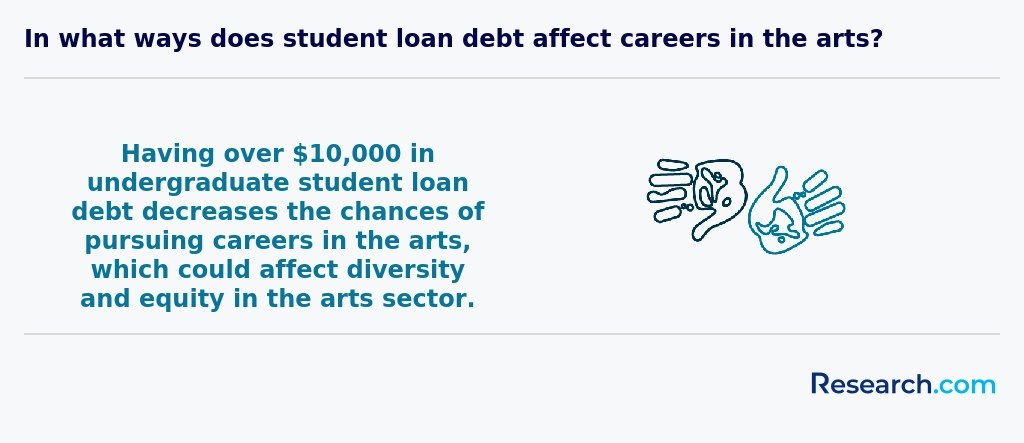
Many students assume that staying in-state guarantees the best value, but a quick comparison reveals that out-of-state options can sometimes offer even more cost-effective pathways to a Fine Arts degree. While Staten Island’s in-state tuition averages around $22,600 per year, select public and private institutions in Virginia have managed to keep annual costs closer to $18,000–$25,000, often accompanied by robust studio resources and dedicated mentorship programs. Beyond tuition, living expenses play a critical role in overall affordability. Staten Island’s average one-bedroom rent of $1,800 per month can strain a tight budget, whereas many college towns in Virginia report rents between $1,200 and $1,500. These savings can be redirected toward supplies, workshop fees, or specialized travel courses. Furthermore, Virginia’s Fine Arts departments frequently partner with regional galleries and creative collectives, expanding networking opportunities without the premium living costs of New York City’s boroughs. If you’re weighing Staten Island options against other regions, consider exploring our detailed analysis of Virginia’s most budget-friendly programs. For a comprehensive look at schools that balance quality instruction with lower tuition and living costs, visit Inexpensive Fine Arts Degree Programs Ranking in Virginia. This comparison may reveal unexpected pathways to an affordable, high-quality Fine Arts education.
Fine arts students in Staten Island commonly access federal student aid to ease educational costs. For example, graduates from the College of Staten Island often rely on the Federal Pell Grant, which offers up to $7,395 annually based on financial need, significantly reducing tuition expenses. Many also benefit from the Federal Supplemental Educational Opportunity Grant (FSEOG), providing additional funds to those with exceptional financial need, and the Federal Work-Study program, which allows students to earn income through campus arts-related jobs, enhancing both their finances and professional experience.
State financial support is equally vital. New York's Tuition Assistance Program (TAP) grants up to $5,665 yearly for eligible in-state students, making fine arts education more affordable at Staten Island institutions. Numerous students report that combining these federal and state resources helped them focus more on their artistic growth rather than worrying about finances.
Local scholarships tailored for fine arts students also play a key role. Many recipients express gratitude for institutional and community awards that recognize their artistic dedication, which provide both financial relief and encouragement throughout their studies.
Enrolling in a fine arts degree program in Staten Island requires meeting specific academic and portfolio-based prerequisites that ensure students are prepared for rigorous creative study. Most fine arts programs at popular local colleges expect applicants to have completed a high school diploma or an equivalent qualification, with some graduates recalling how their art-related coursework in drawing or painting during high school greatly strengthened their applications. A well-curated portfolio showcasing a variety of media-ranging from traditional painting and sculpture to digital art-is essential, as admissions committees use it to evaluate technical skill and artistic vision.
Many Staten Island institutions, such as those with respected fine arts departments, also request artist statements or reflective essays accompanying portfolios, helping applicants articulate their creative intent. While standardized test scores like the SAT or ACT may be optional, maintaining a strong academic record supports the application by demonstrating the ability to balance both art and general education.
For transfer students, submitting official transcripts with completed foundational art courses, along with letters of recommendation from instructors familiar with their artistic dedication, significantly enhances admission prospects.
Graduates often describe the process as challenging yet rewarding, noting how satisfying it was to see their passion and hard work recognized through acceptance into these competitive programs.

Studying Fine Arts in Staten Island isn’t just about academic rigor-it’s about immersing yourself in a vibrant, creative community that fuels your passion both inside and outside the classroom. Many institutions foster an environment where collaborative studio work, engaging extracurricular workshops, and community art events merge to create a supportive and dynamic campus culture. Students often recount how the casual interactions with peers and faculty during open studio sessions and campus events sparked innovative ideas and lasting friendships. Campuses in Staten Island offer diverse opportunities to explore art in everyday life-from student-run galleries and live demonstrations to networking events with local curators and practicing artists. These experiences are designed to build not only your technical skills but also the soft skills needed to thrive professionally. For instance, many programs organize local field trips to historical and contemporary art spaces, connecting academic learning with real-world art scenes. Prospective students looking to balance quality education with cost-effectiveness can discover more about these enriching environments by exploring information on most affordable fine arts schools in new york. This integration of academic and extracurricular resources helps forge well-rounded artists ready to contribute to the ongoing cultural dialogue, both locally and beyond.
Fine arts degree programs in Staten Island typically offer a comprehensive array of courses that blend hands-on studio practice with rigorous art theory, providing students with both skill development and critical understanding. Graduates from local institutions often reflect positively on courses such as Drawing and Painting, where they refine foundational techniques through immersive projects that encourage personal expression.
Studio classes also include Sculpture, Printmaking, Photography, and Digital Media, each fostering creativity by employing diverse materials and contemporary technologies. For instance, sculpture students at Staten Island colleges enjoy working directly with clay or metal in well-equipped studios, enhancing their tactile skills and artistic confidence.
Meanwhile, courses in Art History and Criticism deepen students' appreciation of global artistic movements and cultivate analytical acumen. Many students find engaging discussions on Modern and Contemporary Art especially inspiring, broadening their perspectives beyond the studio.
Such a curriculum ensures that Staten Island fine arts students graduate not only as proficient creators but as thoughtful artists ready to navigate the evolving landscape of the creative industries.

Fine arts degree specializations in Staten Island offer students diverse pathways to nurture their creative talents. Programs at institutions like the College of Staten Island (CSI) provide focused study areas such as Painting and Drawing, Sculpture, Photography, Graphic Design, and Art History. Graduates often reflect on how these specializations allowed them to engage deeply with both traditional and modern artistic techniques, fostering personal growth and professional readiness.
Students focusing on Painting and Drawing describe hands-on experiences with various media that enhance their individual styles, while those in Sculpture benefit from working closely with materials like clay and metal to create tangible art. Photography courses blend technical skills with artistic vision through digital and analog practices, an approach echoed in Staten Island fine arts program options.
The inclusion of Graphic Design prepares students for visual communication roles, integrating creativity with technology, whereas Art History offers rich cultural insights supporting critical thinking. Many students praise the personalized mentorship available during their studies, which shapes their artistic journeys with meaningful feedback. This interdisciplinary environment also complements those seeking advanced education through web-based colleges for doctoral studies in leadership.
Choosing the best fine arts degree in Staten Island involves evaluating program specialization, faculty expertise, and resources available at local institutions. Popular colleges here offer Bachelor of Fine Arts (BFA) and Bachelor of Arts (BA) degrees with emphases ranging from painting to digital media. Graduates often highlight how hands-on studio experience combined with access to galleries enhanced their creative growth. Considering affordable fine arts degrees Staten Island offers is essential, as tuition ranges vary significantly between public and private schools. Many students found that faculty actively engaged in the arts community provided invaluable mentorship and networking opportunities, making a tangible difference during internships and job searches.
Accreditation by bodies like NASAD assures program quality and eligibility for financial aid. Prospective students should also explore alumni outcomes and campus facilities to ensure strong career preparation. For tailored guidance, reviewing resources such as the College Navigator or consulting the best degree for my future helps align educational decisions with professional goals.

Graduates with a fine arts degree in Staten Island find diverse career paths tailored to their talents and academic training. Many pursue roles as professional artists specializing in mediums such as painting, sculpture, or digital arts, leveraging opportunities provided by local institutions like the Staten Island Arts community to display and sell their work. Fine arts career opportunities in Staten Island also include graphic design positions, where graduates support regional businesses in branding and visual storytelling, capitalizing on the borough's expanding market for advertising and web development.
Teaching is a prominent option as well, especially for those with advanced degrees or certification, enabling employment in local schools or New York City's broader education system. Graduates frequently share that hands-on experience gained at popular Staten Island colleges greatly enhances their job prospects in roles like art therapy, museum curation, or illustration. For prospective students evaluating costs, reviewing the most affordable fine arts schools in new york can provide crucial financial guidance while supporting career ambitions. Staten Island fine arts degree job prospects benefit from this vibrant, community-focused arts environment.
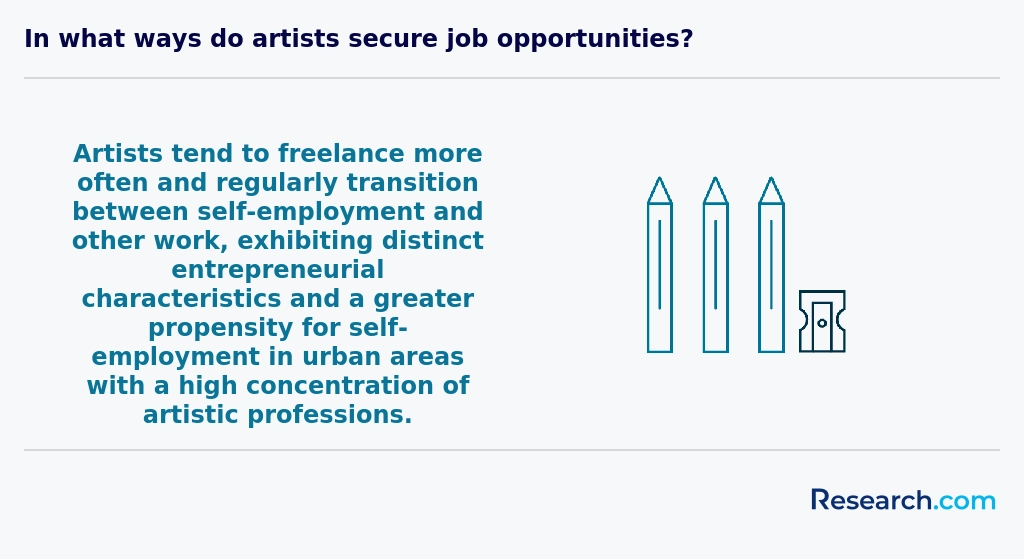
The fine arts employment opportunities in Staten Island are promising for graduates who leverage both local resources and New York City's broader creative market. Graduates from Staten Island's popular institutions often find practical work in galleries, museums, and community arts programs, cultivating meaningful careers that blend passion with steady income. These employment paths offer roles in curation, education, and administration, reflecting the borough's growing cultural scene.
Many graduates expand their career prospects by engaging in freelance illustration, graphic design, or digital media work, benefiting from Staten Island's proximity to New York City's vast client base. Opportunities in local public and private schools also exist for those seeking stable positions as art instructors. Fine arts students here who embrace networking and digital skills report greater success in the competitive market.
Academic programs on Staten Island are often affordable and emphasize internships and community engagement, critical for building connections needed to thrive. Those interested in creative fields might also explore a musicians degree, which shares overlapping skills. Overall, Staten Island offers realistic career prospects for fine arts graduates willing to combine talent with strategic planning.
2027 Most Affordable Fine Arts Degree Programs Ranking in Staten Island
Investing in your education is a significant decision that can shape your future, and the Research.com team understands the importance of making informed choices. To assist prospective students in Staten Island, we have meticulously crafted the "2027 Most Affordable Fine Arts Degree Programs Ranking in Staten Island." Our commitment to quality, credibility, and accuracy is reflected in the extensive research and analysis conducted to compile this ranking.
We utilized the following reputable data sources to ensure a comprehensive evaluation of fine arts programs:
By exploring this ranking, readers will gain valuable insights into the most affordable fine arts degree programs in Staten Island, empowering them to make well-informed decisions about their educational investments. For more details on our methodology, please visit our Research.com methodology page.
# 1 position
College of Staten Island CUNY
Bachelor of Fine Arts

# 2 position
Wagner College
Bachelor of Fine Arts

Frequently Asked Questions About fine arts
Fine arts degree students in Staten Island can enhance their learning by engaging actively with local cultural institutions. Staten Island hosts venues like the Staten Island Museum and Snug Harbor Cultural Center, offering rich opportunities for hands-on experiences and networking. Students benefit from internships and workshops provided by these organizations, gaining practical skills beyond classroom theory.
Additionally, collaborating with peers in interdisciplinary projects helps deepen creative skills. Many Staten Island colleges offer access to facilities including studios and galleries, essential for refining artistic techniques.
Access to New York City's broader art scene also expands exposure, with the nearby boroughs providing diverse inspiration and career prospects. According to the National Center for Education Statistics, students involved in experiential learning tend to achieve higher academic success, making these opportunities crucial.
Emerging niches within the fine arts field are increasingly reflecting technological advances and cultural shifts. In Staten Island, growing interest is noted in digital arts, including animation and virtual reality, which blend creativity with technology. According to the National Endowment for the Arts, such digital media fields have seen a 7% growth in student enrollment nationwide over the past five years.
Another expanding area is community-engaged art, where artists collaborate with local groups to address social issues. Staten Island's diverse population creates fertile ground for such projects, often supported by local arts organizations and city grants.
Environmental art and sustainable design are also gaining traction as artists respond to global climate concerns. Fine arts programs in the New York City area are adapting curricula to include these important contemporary themes.
Graduates with a fine arts degree in Staten Island should focus on building a strong portfolio showcasing diverse skills and projects, as it is crucial for most creative jobs. Networking plays a significant role; connecting with local galleries and arts organizations like the Staten Island Arts Council can open job opportunities.
Internships or part-time work in creative industries help develop practical experience and professional contacts. According to the National Endowment for the Arts, fine arts employment is projected to grow modestly through 2031, highlighting the importance of mastering digital tools and multimedia skills to stay competitive.
Continuing education through workshops and certifications can improve marketability. Local resources such as the Staten Island Museum also offer platforms for exhibitions and community engagement, which are valuable for career growth.
Employers in Staten Island highly value creativity and technical skills in fine arts graduates. Proficiency in digital tools such as Adobe Creative Suite and 3D modeling software is increasingly essential. A 2023 Staten Island Arts Council report highlights that 68% of local employers prioritize graduates who demonstrate versatility across multiple media forms.
Strong communication skills are also critical, enabling artists to effectively present their work and collaborate. Time management and the ability to meet deadlines rank among top soft skills sought by galleries and design firms in Staten Island. According to the New York State Department of Labor, fine arts job openings in the region expect applicants to combine artistic talent with practical business awareness.
Finding internships in Staten Island relevant to a fine arts degree involves utilizing local cultural institutions and educational resources. The Staten Island Museum and the Snug Harbor Cultural Center frequently offer opportunities for art students to engage in exhibitions, restoration projects, or educational programming. Networking through Staten Island's local arts organizations, such as the Staten Island Arts Council, can help connect students with unpaid and paid internships.
Many Staten Island colleges, including the College of Staten Island (CSI), assist students through career services that partner with local galleries and creative businesses. According to the National Association of Colleges and Employers, internships improve job prospects for arts graduates by up to 65%, highlighting their importance.
A fine arts degree in Staten Island can notably enhance career mobility and advancement by equipping graduates with versatile artistic skills valued in diverse sectors. According to the U.S. Bureau of Labor Statistics, employment for artists and related workers is projected to grow 9% from 2022 to 2032, slightly faster than the average for all occupations. Staten Island's proximity to New York City's creative industries offers additional opportunities for networking and employment.
Local organizations like the Staten Island Arts initiative support emerging artists, which can help degree holders gain exposure. Moreover, graduates with fine arts degrees often find roles in education, design, media, and cultural institutions, enabling career shifts within creative fields. Earning this degree thus supports both specialization and adaptability in the regional job market.
Studying for a fine arts degree in Staten Island offers students valuable interdisciplinary skills essential for diverse career paths. Local institutions focus on blending traditional art practices with digital media, design, and communications, reflecting trends seen across the U.S. According to the National Endowment for the Arts, 38% of fine arts graduates pursue careers requiring cross-disciplinary knowledge.
Programs emphasize collaboration, critical thinking, and technology integration. Students engage in projects combining visual arts with fields like advertising, architecture, and digital content creation. Staten Island's proximity to New York City strengthens opportunities for internships, exposing students to practical interdisciplinary experiences.
By fostering versatility, these degrees equip graduates to adapt in evolving art and creative industries.
When choosing between a thesis and a non-thesis fine arts degree program in Staten Island, consider your career goals and learning preferences. A thesis program typically requires a significant research or creative project, which suits students aiming for advanced study or academic careers. Non-thesis options focus more on coursework and practical skills, ideal for those seeking immediate entry into artistic professions.
Local Staten Island institutions often offer both paths, with thesis programs demanding around 6-9 credits of independent work. According to the National Center for Education Statistics, over 35% of fine arts graduate students nationally prefer thesis options, highlighting their academic appeal.
Financial aid and program length can also differ; thesis routes may take longer but enhance your portfolio.
Students in Staten Island interested in studying fine arts abroad have several pathways through partnerships and exchange programs offered by local institutions. For instance, the College of Staten Island, part of CUNY, provides opportunities for students to participate in study abroad programs in Europe and Asia, focusing on visual arts, design, and art history. These programs often last a semester or summer and allow students to earn credits transferable to their degree.
Additionally, U.S. federal statistics show that around 10% of art and design students engage in international study experiences, highlighting growing interest in global fine arts education. Financial aid and scholarships may be available through both home and host institutions to support these endeavors.
Part-time job opportunities in Staten Island can greatly complement a fine arts degree education by providing practical experience and networking possibilities. Positions such as gallery assistants, museum guides, and art workshop facilitators enable students to engage directly with the local art community. The Staten Island Museum and Historic Richmond Town often look for part-time staff, offering exposure to art curation and event planning.
Retail jobs in art supply stores like Blick Art Materials are also valuable, giving students a hands-on understanding of materials and new art trends. According to the New York State Department of Labor, art-related jobs in Staten Island have grown about 4% annually, indicating a positive trend for student employment.
Additionally, freelance opportunities in graphic design or art commissions through local businesses or digital platforms provide flexible income while building a portfolio. These roles help fine arts students enhance both their creative and professional skills during their studies.
Fine arts students in Staten Island benefit from a range of networking opportunities through local colleges and community organizations. The College of Staten Island, part of the City University of New York system, offers events, workshops, and gallery exhibitions that connect students with practicing artists and alumni. These engagements foster professional relationships important for building careers in the arts.
Additionally, Staten Island hosts art festivals and community art groups where students can meet industry professionals and peers. The Staten Island Arts initiative provides resources and publicity, encouraging collaborative projects. According to the Staten Island Arts annual report, over 60% of participating students reported gaining valuable contacts for internships or job opportunities.
Alumni networks play an important role for fine arts degree students in Staten Island by providing valuable professional connections and mentoring opportunities. Graduates from local institutions, such as the College of Staten Island, often remain active in these networks, which can assist current students in finding internships, gallery showings, and freelance projects. According to the National Association of Colleges and Employers, students with strong alumni support secure employment 20% faster than those without.
These networks also foster collaborations and exposure to regional art communities, critical for career growth. Participation can increase access to workshops, exhibitions, and funding sources available in Staten Island and greater New York City.
Customizing a fine arts degree program in Staten Island allows students to align their education with specific career goals. Many local institutions offer flexible curricula where students can choose concentrations such as painting, sculpture, or digital media. Elective courses in art history or photography can further refine skills. Internships and community-based art projects in Staten Island provide practical experience and networking opportunities.
Students may also benefit from cross-disciplinary studies, combining fine arts with business or education courses to prepare for diverse roles. According to the National Center for Education Statistics, over 40% of fine arts students nationally engage in internships, an option often supported by Staten Island colleges.
Fine arts students in Staten Island often encounter financial challenges, as tuition and material costs for creative programs can be high. According to the National Center for Education Statistics, art supplies and studio fees add significantly to expenses, affecting many local students. Limited access to internships and professional networks within Staten Island also poses a hurdle, as the borough's arts scene is smaller compared to Manhattan or Brooklyn.
Moreover, balancing rigorous studio work with academic coursework demands strong time management skills. Students frequently report needing better mental health support due to the pressures of creative performance and critique, which aligns with findings by the American College Health Association on stress in arts disciplines.
A fine arts degree from Staten Island can open doors to various professional certifications that enhance career prospects. Graduates often pursue teaching certifications to work in public schools, requiring completion of state-specific teacher preparation programs and passing the New York State Teacher Certification Examinations (NYSTCE). Additionally, individuals may obtain certifications in art therapy, which involves earning credentials from the Art Therapy Credentials Board (ATCB).
Other options include museum studies certifications and Arts Administration credentials, supporting careers in cultural institutions. According to the National Endowment for the Arts, New York State ranks high in arts employment, making certification valuable for competitiveness locally.
To write a winning application for a fine arts program in Staten Island, start by carefully researching programs offered locally, such as those at the College of Staten Island. Focus on building a strong portfolio that highlights your skills, creativity, and versatility, as portfolios are often the most critical component of admission. According to the National Association of Schools of Art and Design, programs typically require 10 to 20 pieces showcasing a range of techniques.
Include a clear and personal artist statement explaining your inspiration and goals. Admissions committees value applicants who express a mature understanding of their craft. Additionally, maintain a solid academic record; many programs expect a minimum GPA of 2.5 to 3.0.
Letters of recommendation from art instructors or professionals can bolster your application. Lastly, meet application deadlines and provide all requested materials, such as transcripts and standardized test scores if required.
The global perspective on a fine arts career is increasingly shaped by the diversity of opportunities and challenges faced in the field. Within the U.S. higher education system, including institutions near Staten Island, fine arts graduates often explore careers spanning traditional disciplines such as painting and sculpture to emerging areas like digital media and design. According to the National Endowment for the Arts, employment in arts-related fields is projected to grow about 4% nationally between 2020 and 2030, reflecting steady demand.
Fine arts degrees in Staten Island benefit from proximity to New York City's rich cultural landscape, offering students access to galleries, museums, and artistic networks. This exposure fosters an understanding of both local and international art markets.
Internationally, fine arts professionals must adapt to varied cultural contexts and economic conditions, influencing their career paths. However, U.S. education provides a strong foundation through practical experience and internships, which are highly valued globally.
Students pursuing fine arts degrees in Staten Island can gain practical experience through various avenues integral to US higher education. Many local institutions offer studio courses and workshops where hands-on creation is a core component, allowing students to develop technical skills in painting, sculpture, or digital arts.
Internships with Staten Island's cultural organizations, such as the Staten Island Museum or Snug Harbor Cultural Center, provide real-world exposure to art curation, gallery management, and community projects. According to the National Endowment for the Arts, internships improve job prospects for graduates by 20% on average.
Additionally, student exhibitions and community art events present opportunities to showcase work publicly, building a professional portfolio while still in school.
Choosing the right concentration within a fine arts degree program in Staten Island begins with understanding your personal interests and career goals. Popular concentrations often include painting, sculpture, graphic design, and digital media. Research shows that programs such as those offered by the College of Staten Island emphasize foundational skills alongside specialized study.
It is important to review course offerings, faculty expertise, and available facilities, as Staten Island programs tend to have smaller class sizes, allowing more personalized attention. Consider your long-term plans; for example, graphic design may lead to jobs in marketing or advertising, while sculpture might be more suited to gallery or museum careers.
Connecting with current students or alumni and seeking internship opportunities in Staten Island's local arts community can also provide practical insights. The U.S. Bureau of Labor Statistics reports steady demand for fine arts professionals, particularly in urban areas like New York City, which includes Staten Island.
- 2027 Most Affordable Fine Arts Degree Programs Ranking in Brooklyn
- 2027 Most Affordable Fine Arts Degree Programs Ranking in New York
- 2027 Most Affordable Fine Arts Degree Programs Ranking in New Haven
- 2027 Most Affordable Fine Arts Degree Programs Ranking in Baltimore
- 2027 Most Affordable Fine Arts Degree Programs Ranking in Providence
- 2027 Most Affordable Fine Arts Degree Programs Ranking in Worcester
- 2027 Most Affordable Fine Arts Degree Programs Ranking in Ithaca
- 2027 Most Affordable Fine Arts Degree Programs Ranking in Washington
- 2027 Most Affordable Fine Arts Degree Programs Ranking in Cambridge
- 2027 Most Affordable Fine Arts Degree Programs Ranking in Boston
- Networking - Weaving Your Web as an Art Graduate - Visual Artists Association https://visual-artists.org/resources/networking-weaving-your-web-as-an-art-graduate/
- Bachelor of Fine Arts: Guide to Duration, Curriculum, and Career Paths - Artemisia College https://www.artemisiacollege.com/blog/bfa-guide-duration/
- Internships https://www.mfa.org/working-at-the-mfa/internships
- Careers in the Arts: Who Stays and Who Leaves? https://snaaparts.org/findings/reports/careers-in-the-arts-who-stays-and-who-leaves
- What Alumni Say https://www.cityandguildsartschool.ac.uk/ma-fine-art/student-and-alumni-case-studies/
- Careers - Staten Island Arts https://statenislandarts.org/about-us/careers/
- 14 art niche ideas and how to determine yours https://www.gelato.com/blog/art-niche-ideas
- Art Internships: Your Complete Guide | Sotheby's Institute of Art https://sothebysinstitute.com/articles/art-internships-your-complete-guide/
- Networking for Artists: Unlocking Opportunities in the Art World - Ceri Hand https://cerihand.com/networking-for-artists/
- Essential Strategies for Artists to Master the Art of Networking https://www.artworkarchive.com/blog/essential-strategies-for-artists-to-master-the-art-of-networking


