
2027 Most Affordable Healthcare Degree Programs Ranking in Cambridge

Co-Founder and Chief Data Scientist
Choosing the right healthcare degree program in Cambridge can feel overwhelming. To help, this article presents the 2027 Most Affordable Healthcare Degree Programs Ranking in Cambridge, thoughtfully created by the Research.com team of data scientists.
It's designed to guide you toward affordable options that don't compromise quality. Whether you're starting fresh or advancing your career, a healthcare degree opens many doors and can truly make a difference.
Explore this ranking to make confident, informed decisions about your future in healthcare education.
Key benefits of getting healthcare degree in Cambridge
- Healthcare degree graduates in Cambridge can expect competitive salaries, such as Medical Assistants earning around $43,350 per year and Patient Care Technicians making about $60,790 annually, offering financial stability as they start their careers.
- Graduates from local universities often pursue diverse roles like Clinical Research Coordinators or Health Information Technicians, opening many rewarding opportunities in clinical and administrative healthcare fields.
- Completing a healthcare degree online provides flexibility and convenience, allowing students from Cambridge to balance work and study effectively while accessing quality education from reputable institutions.
- Key benefits of getting healthcare degree in Cambridge
- What can I expect from healthcare degree in Cambridge?
- Where can I work with healthcare degree in Cambridge?
- How much can I make with healthcare degree in Cambridge?
- 2027 Most Affordable Healthcare Degree Programs Ranking in Cambridge
- Key Findings
- How long does it take to complete healthcare degree in Cambridge?
- Campus Life and Community Engagement: Enhancing Your Educational Journey
- What's the difference between online and on-campus healthcare degree?
- How to Apply to Healthcare Degree Programs in Cambridge, MA
- What is the average cost of healthcare degree in Cambridge?
- Return on Investment and Long-Term Benefits
- What financial aid is available to healthcare degree students in Cambridge?
- Return on Investment of Healthcare Degrees in Cambridge, MA
- What are the prerequisites for enrolling in healthcare degree program in Cambridge?
- Expert Tips for Healthcare Success in Cambridge, MA
- What courses are typically in healthcare degree programs in Cambridge?
- What types of specializations are available in healthcare degree programs in Cambridge?
- How do you choose the best healthcare degree in Cambridge?
- What career paths are available for healthcare degree students in Cambridge?
- What is the job market for healthcare degree in Cambridge?
- Top Trending Healthcare Rankings
- See What Experts Have To Say About Studying Healthcare
What can I expect from healthcare degree in Cambridge?
The average cost of pursuing a healthcare degree in Cambridge is notably high, with Harvard Medical School's tuition reaching about $67,000 per year in 2023. This figure can quickly add up, especially when factoring in living expenses and materials, which many graduates describe as a substantial financial commitment that requires careful planning. However, students often find that generous financial aid packages and assistantships substantially alleviate this burden, providing a pathway to manage costs without compromising educational quality.
Graduates from Cambridge institutions frequently share how these financial supports make it possible to focus on studies and clinical experiences rather than stress over expenses. While the sticker price may seem daunting initially, the local access to world-class research hospitals and the strong employment rate-over 90% within six months post-graduation-can justify the investment for many, especially when viewed as a long-term career opportunity.
It's important, though, to avoid assumptions about finances; prospective students should actively explore specific aid options at Harvard, MIT, or other local programs to tailor their expectations realistically rather than rely on averages alone.
Where can I work with healthcare degree in Cambridge?
Graduates with healthcare degrees from universities in Cambridge frequently find themselves navigating a rich landscape of employment options that blend clinical practice, research, and administration. For instance, those completing programs at well-known institutions often secure roles with Cambridge Health Alliance, where nursing and public health positions address community needs directly. One graduate recalled the rewarding challenge of managing patient caseloads while collaborating with multidisciplinary teams, enhancing both practical skills and job satisfaction.
Others are drawn to the nearby prestigious hospitals like Massachusetts General and Brigham and Women's, where roles extend into specialized nursing, physical therapy, or clinical research coordination. These settings offer graduates a chance to engage in cutting-edge medicine, often supported by strong academic partnerships facilitating research opportunities.
Beyond patient care, graduates skilled in health administration or informatics often join the dynamic biotech sector in Kendall Square, contributing to healthcare innovation and digital solutions. Meanwhile, some find purpose working with local public health agencies or nonprofits, addressing population health challenges-an area that resonates deeply for those passionate about community impact in Cambridge's diverse urban environment.
How much can I make with healthcare degree in Cambridge?
Graduates from healthcare programs in Cambridge often find their earning potential shaped significantly by the region's strong healthcare infrastructure. For example, a recent graduate working as a Medical Assistant can expect a mean annual wage around $43,350, according to the U.S. Bureau of Labor Statistics. Those stepping into roles like Patient Care Technician have a higher mean annual wage, approximately $60,790, reflecting the specialized skills gained in local colleges.
Health Information Technicians and Clinical Research Coordinators, careers popular among students at renowned Cambridge institutions, typically earn salaries near $43,380 and $43,350 respectively. These roles offer a stable entry point with scope for advancement as familiarity with healthcare data systems grows.
Significant salary jumps are seen by graduates aiming for Quality Improvement Coordinator positions, where annual wages can reach around $103,150. Graduates often share how their academic experiences at Cambridge-based universities provided hands-on opportunities, connecting classroom theory to the dynamic realities of local hospitals and research centers, fueling both confidence and career growth.
While these figures paint an encouraging picture, students should consider factors such as employer size and specific healthcare settings, all of which influence actual earnings in Cambridge's competitive market.
2027 Most Affordable Healthcare Degree Programs Ranking in Cambridge
How do we rank schools?
Investing in your education is a significant decision that can shape your future, and the Research.com team understands the importance of making informed choices. To assist prospective students in Cambridge, we have meticulously crafted the "2027 Most Affordable Healthcare Degree Programs Ranking in Cambridge." Our commitment to quality, credibility, and accuracy is reflected in the extensive research and analysis conducted to compile this ranking.
We utilized the following reputable data sources to ensure a comprehensive evaluation of healthcare degree programs:
By exploring this ranking, readers will gain valuable insights into the most affordable healthcare degree programs in Cambridge, helping them make well-informed decisions about their educational investments. For more details on our methodology, please visit our Research.com methodology page.


Key Findings
- Annual tuition for healthcare programs in Cambridge ranges from $50,000 to $60,000, excluding books, supplies, and living expenses.
- Additional costs such as books and living can add between $20,000 and $30,000 per year.
- Entry-level healthcare graduates typically earn between $65,000 and $75,000 annually in Cambridge.
- Mid-career healthcare professionals in the area can expect salaries from $90,000 to $120,000 per year.
- The local job market offers opportunities in hospitals, clinics, research labs, and healthcare administration.
- Many institutions provide internships and clinical placements at leading medical centers for practical experience.
How long does it take to complete healthcare degree in Cambridge?
Completing a healthcare degree in Cambridge typically spans from about two years for associate degrees to four years for bachelor's degrees, depending on the program and institution. Many community college graduates recall the efficiency of their two-year Licensed Practical Nurse paths, which equipped them to start working locally while feeling confident in their skills.
Bachelor's degree students at universities like those offering BSN or Health Sciences appreciate the structure of the four-year programs, often highlighting the balance between rigorous coursework and valuable clinical placements in nearby hospitals. Their experiences suggest that this timeframe, while demanding, offers deep professional preparedness.
Graduate-level degrees naturally extend this duration. For example, Master's programs in public health or healthcare administration many Cambridge graduates remember as intense but manageable two-year commitments post-bachelor's. Doctoral candidates, pursuing DNP or MD credentials, accept the three to four additional years as necessary investments in expertise, with some expressing pride in their accelerated tracks that trim typical timescales.
Still, individual pacing differs. Some students find accelerated programs rewarding, completing degrees within 12 to 18 months and expressing enthusiasm about maintaining momentum without sacrificing quality of learning.
Campus Life and Community Engagement: Enhancing Your Educational Journey
While academic rigor and program affordability are critical, the overall student experience extends far beyond the classroom. In Cambridge, MA, educational institutions are celebrated not only for their outstanding curricula but also for vibrant campus communities that promote networking, mentorship, and real-world learning. Students benefit from robust extracurricular programs, peer-led study groups, and community outreach initiatives that foster both personal and professional growth. For instance, engaging in local health fairs, research symposiums, and community service events enriches your educational journey and prepares you for a dynamic career in healthcare. Moreover, as you explore options for degree programs, consider institutions that provide enriching extracurricular activities alongside solid academics. This comprehensive approach is exemplified by an affordable healthcare school in massachusetts, where the fusion of community engagement and academic excellence is a catalyst for future success.
What's the difference between online and on-campus healthcare degree?
Choosing between online and on-campus healthcare degrees in Cambridge involves trade-offs shaped by lifestyle and learning preferences. Graduates from local institutions like Cambridge College often praise online programs for their unmatched flexibility, allowing them to juggle jobs or family demands while accessing lectures remotely. Yet, they emphasize the challenge of maintaining discipline without the structured environment campus life provides.
Conversely, on-campus students at places such as Lesley University highlight the energizing atmosphere of face-to-face classes, hands-on labs, and easy access to campus resources. This environment fosters rich peer connections and mentorships, which many find essential for their career growth in healthcare fields.
Financially, online degrees may appear more affordable, but Cambridge students note added costs arise from technology fees and securing local clinical placements compliant with Massachusetts licensure. Both paths require accredited programs and real-world clinical practice, ensuring competence and eligibility for professional exams.
Ultimately, Cambridge healthcare students weigh their personal circumstances against these factors to choose a path that balances quality education, practical experience, and community engagement.
How to Apply to Healthcare Degree Programs in Cambridge, MA
Navigating the application process for an affordable healthcare degree in Cambridge, MA, requires careful planning and timely submission of materials. Below is a step-by-step guide to help you prepare a competitive application: 1. Research Programs and Deadlines • Review program websites to confirm admission requirements and application deadlines. • Compare tuition rates, financial aid options, and on-campus vs. online formats. 2. Gather Academic Documents • Request official high school or college transcripts. • Submit standardized test scores (SAT/ACT) if required by the institution. 3. Craft a Compelling Personal Statement • Highlight your passion for healthcare and meaningful experiences (e.g., volunteering, internships). • Address how Cambridge’s unique academic environment will support your goals. 4. Secure Letters of Recommendation • Ask professors, supervisors, or healthcare mentors who can attest to your work ethic and character. • Provide recommenders with a resume and personal statement draft to guide their letters. 5. Complete the Online Application Portal • Create an account on each school’s admissions site. • Upload transcripts, test scores, personal statement, and recommendation letters. 6. Prepare for Interviews or Portfolios (if applicable) • Some programs may require virtual or in-person interviews. • Practice common interview questions and prepare questions about clinical placements or research opportunities. 7. Monitor Application Status and Financial Aid • Track your application portal for updates and missing documents. • Complete the FAFSA and any institutional aid forms to maximize scholarships and grants. While finalizing your healthcare program applications, you may also explore complementary fields-such as an online kinesiology bachelor’s degree-to broaden your interdisciplinary expertise and career flexibility.
What is the average cost of healthcare degree in Cambridge?
The average cost of a healthcare degree in Cambridge, when examining median data, hovers around $48,356. This figure encompasses both in-state and out-of-state students, with only a slight difference where in-state tuition typically falls close to $47,966. Healthcare students in Cambridge often find these costs reflect a balance between public and private institution rates, which can vary widely based on program and level of study.
For instance, graduates from the University of Massachusetts Boston often recall paying approximately $16,000 annually for undergraduate healthcare degrees if they qualified for in-state tuition. Meanwhile, students attending private colleges, such as those in the heart of Cambridge like Harvard, frequently encounter higher tuition fees, sometimes exceeding $55,000 for graduate healthcare programs. These well-known institutions offer rigorous educational experiences that many students find highly rewarding despite the financial challenge.
Many healthcare students understand that tuition is only one part of the equation; expenses for clinical placements, certifications, and textbooks add to the total investment. Students pursuing affordable healthcare degrees Cambridge 2027 will benefit from proactively looking into scholarships and financial aid options, which can soften the impact of these costs.
Prospective students should also explore pathways to reduce expenses, including employer tuition reimbursement or state financial aid, which have helped others navigate the significant investment required for healthcare education in Cambridge. It may also be useful to review resources at an affordable healthcare school in massachusetts for more cost-effective options.
Return on Investment and Long-Term Benefits
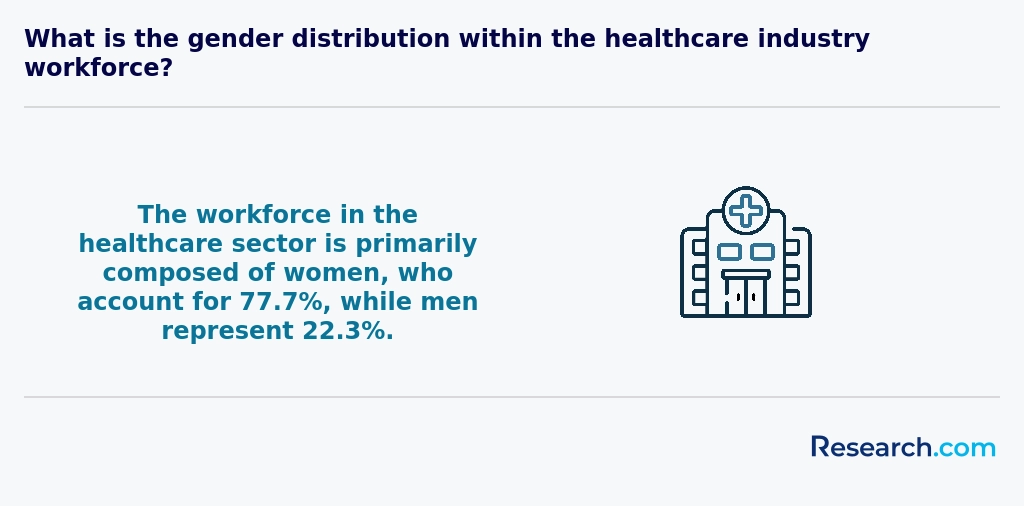
Investing in a healthcare degree is not only about gaining valuable knowledge and skills-it’s also a strategic financial decision that can pay off significantly over the long term. Prospective students should examine both direct and indirect returns on their education. Here are key points to consider: • Career Advancement and Salary Growth: A robust healthcare education often positions graduates for rapid career advancement and competitive salary increases. Evaluating potential salary trajectories against the total investment in your education provides insight into long-term financial benefits. • Skills and Industry Relevance: Programs that emphasize practical skills, modern technology, and up-to-date healthcare practices ensure graduates remain competitive in a fast-evolving field. In this way, the education you receive today can drive a rewarding and adaptive career tomorrow. • Network and Mentorship Opportunities: The relationships forged during your studies-through internships, alumni networks, and faculty mentorship-can open doors to exclusive job opportunities and industry insights. Building a strong professional network early is a key element of a solid return on your educational investment. For those ready to take the next step, reviewing our comprehensive ranking of programs at an affordable healthcare school in massachusetts can provide greater clarity on how to maximize both immediate and long-term benefits. By taking a close look at costs, potential salaries, and career growth opportunities, you can ensure that your healthcare education delivers value well beyond the classroom, setting the stage for a successful, impactful career in the healthcare industry.
What financial aid is available to healthcare degree students in Cambridge?
Healthcare students in Cambridge face significant tuition costs, but several financial aid options can ease this burden. Graduates from Harvard Medical School often recall how merit-based scholarships, designed around both academic performance and financial need, made full or partial tuition coverage possible. Federal aid programs remain a cornerstone, with Federal Pell Grants offering up to $7,395 in need-based support that doesn't require repayment. Some Cambridge students also rely on Federal Direct Loans, which, despite interest rates near 5.5% for graduate students, provide essential funding flexibility.
Others find part-time work through Federal Work-Study programs useful, balancing campus jobs while managing coursework. State grants from the Massachusetts Department of Higher Education also help, especially for students committed to healthcare workforce development locally. Private scholarships from organizations like HRSA and AMA, targeting service in underserved areas including Cambridge, offer further relief. Early FAFSA completion is frequently cited by students as a decisive step to unlock these varied funding sources and reduce financial stress throughout their studies.
Return on Investment of Healthcare Degrees in Cambridge, MA
Investing in a healthcare degree in Cambridge, MA, is not only a commitment to professional growth but also a strategic financial decision. By comparing program costs against projected earnings, prospective students can estimate the payback period and long-term value of their education. Average Tuition vs. Early-Career Earnings • Bachelor’s Degree: With average tuition ranging from $40,000 to $60,000 per year, graduates can expect starting salaries around $55,000–$65,000 as Health Information Technicians or Patient Care Coordinators. This implies a 3–5 year payback period, assuming full-time employment and typical living expenses. • Master’s Degree: Tuition for advanced programs averages $30,000 per year. Given early-career salaries near $75,000 in roles like Healthcare Administration Manager or Clinical Informatics Specialist, graduates often recoup costs within 2–4 years. Long-Term Salary Growth Healthcare professionals in Cambridge benefit from an academic ecosystem that drives innovation. Data from the U.S. Bureau of Labor Statistics projects a 14% growth in community health roles and a 28% surge in management positions by 2032, suggesting salary increases of 3–5% annually. Over a 10-year horizon, total earnings can exceed $900,000 for master’s degree holders, amplifying return on investment. Comparative Benchmarking For broader comparisons and insights into program affordability and outcomes, explore our Affordable Online Master’s in Healthcare Degree Programs Ranking in Nebraska, which highlights cost-to-salary ratios for online graduate healthcare degrees. Maximizing ROI • Financial Aid: Leveraging grants and scholarships can reduce the payback period by up to 25%. • Accelerated Paths: Some institutions offer hybrid or accelerated tracks, allowing completion in under two years. • Career Services: Strong internship and placement programs in Cambridge ensure faster entry into the workforce, thereby shortening the breakeven timeline. By carefully evaluating these factors, students can make data-driven decisions that balance educational quality, financial commitment, and career aspirations.
What are the prerequisites for enrolling in healthcare degree program in Cambridge?
To enroll in a healthcare degree program in Cambridge, students generally need a high school diploma or an equivalent credential like a GED. Graduates from local programs often recall how solid backgrounds in biology, chemistry, and math were crucial for their success during the demanding first-year courses at institutions such as Harvard Medical School or MIT's health sciences programs. These core subjects lay the foundation for understanding complex healthcare topics.
Beyond academic records, standardized tests like the SAT or GRE still play a role, although some Cambridge colleges have adopted test-optional policies, reflecting ongoing debates about their fairness. Many graduates appreciated submitting their scores as it strengthened their applications, especially in competitive nursing or public health tracks.
Practical experience stands out as a key prerequisite. Students frequently mention how volunteering in Boston hospitals or shadowing professionals provided insight into patient care and affirmed their commitment. Such experiences not only enhance applications but also build meaningful emotional connections to healthcare work.
Finally, preparing thorough application materials-transcripts, recommendation letters, and personal statements-is vital. Cambridge students describe the process as challenging but rewarding, requiring early planning to assemble documents that truly reflect their motivation and readiness for demanding healthcare careers.
Expert Tips for Healthcare Success in Cambridge, MA
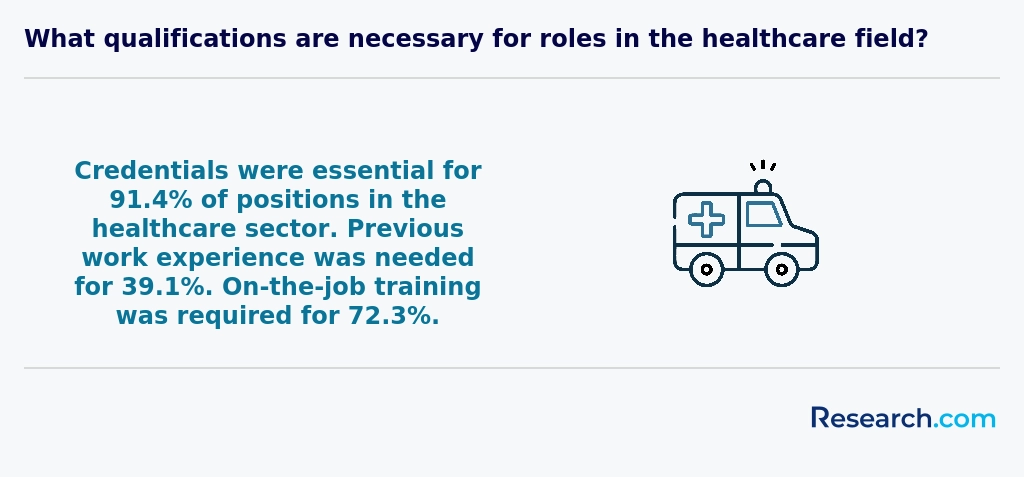
Aspiring healthcare professionals in Cambridge, MA, can benefit immensely from strategic planning and practical insights that bridge academic learning with real-world experience. Start by mapping out your career goals and aligning them with programs that offer both robust theoretical foundations and hands-on training opportunities. Consider enhancing your skill set by exploring specialized short courses, such as the kaiser permanente coding course, which provides practical expertise in medical coding-a valuable asset in today’s competitive healthcare landscape. Additionally, actively engage with alumni networks and local healthcare organizations to gain insider perspectives on emerging industry trends and job placement advice. Leveraging resources like career counseling sessions, informational interviews, and mentorship programs can further strengthen your professional journey. Remember, integrating academic achievements with continuous learning and networking is key to transforming your passion into a successful and fulfilling healthcare career.
What courses are typically in healthcare degree programs in Cambridge?
Healthcare degree programs in Cambridge commonly include a blend of foundational sciences and applied healthcare topics, reflecting a commitment to thorough preparation. Graduates from prominent institutions recall rigorous courses like Human Anatomy and Physiology and Medical Microbiology that ground them in understanding the human body and disease processes, essential for clinical competence.
Alongside natural sciences, practical subjects such as Pharmacology and Patient Assessment provide skills directly applicable to patient care. Many students highlight how clinical practicums allowed them to experience real healthcare settings firsthand, enhancing their confidence when transitioning into professional roles.
Moreover, Cambridge programs often incorporate courses on public health, ethics, and communication-areas vital for working in diverse healthcare teams and managing regulatory challenges. Graduates note these classes help develop a broader perspective, making daily interactions with patients and colleagues more meaningful and effective.
Studying in Cambridge also offers unique advantages, including access to world-renowned hospitals and research centers, where students engage with cutting-edge healthcare innovations, further enriching their education.
What types of specializations are available in healthcare degree programs in Cambridge?
Healthcare degree specializations in Cambridge typically include Nursing, Public Health, Health Informatics, Physical Therapy, and Healthcare Administration. Graduates from popular universities in Cambridge often share how nursing programs balance rigorous clinical training within local hospitals, giving them confidence in real-world patient care. Public Health students appreciate the focus on urban health policy, which resonates with Cambridge's vibrant community health initiatives. Meanwhile, students in Health Informatics find the integration of technology and healthcare especially rewarding, reflecting the growing demand for electronic health record management statewide.
Physical Therapy specialization is another common choice, with graduates often citing hands-on rehabilitation experience at nearby rehab centers as vital to their education. Those pursuing Healthcare Administration benefit from the strategic positioning near Boston's medical institutions, offering internships that develop leadership skills essential for managing healthcare facilities. For students uncertain about their path, options like the kaiser permanente coding course supplement traditional programs, enhancing career flexibility within Cambridge healthcare programs with specialization options.
How do you choose the best healthcare degree in Cambridge?
Choosing the best healthcare degree in Cambridge requires weighing program focus, accreditation, and practical experience. Graduates from well-known Cambridge colleges often emphasize how clinical placements at nearby hospitals, such as Massachusetts General, enriched their learning beyond textbooks, boosting confidence and job readiness. However, it's vital to consider program flexibility; some students found part-time or online options more manageable alongside work or family commitments. The reputation of the institution's faculty and job placement rates in Cambridge's competitive market also matter, especially since healthcare professionals here tend to earn above the national average.
For those balancing cost concerns, affordable healthcare degrees Cambridge 2027 options still provide quality education, but be cautious of hidden fees, especially for clinical materials. Some graduates recommend exploring accredited programs thoroughly, ensuring they meet national standards to avoid licensing issues. Prospective students might also explore specialized pathways, like the online kinesiology bachelor's degree, expanding options beyond traditional nursing or public health.

What career paths are available for healthcare degree students in Cambridge?
Healthcare degrees in Cambridge open diverse career paths that reflect the complexity of the sector. Graduates often secure roles as registered nurses or nurse practitioners, boosted by Cambridge's access to top hospitals like Massachusetts General Hospital. These real-world experiences give graduates confidence and practical skills that greatly improve job prospects within the US healthcare career opportunities in Cambridge.
Others pursue healthcare administration, managing hospital systems and policies. The robust local healthcare network supports leadership careers with competitive salaries and strong growth projections. Graduates also enter research or public health sectors, leveraging Cambridge's biotech cluster, especially in Kendall Square, to engage in biomedical innovation or community health initiatives, tying well with Cambridge healthcare degree job prospects.
Many students find allied health professions attractive, such as physical or occupational therapy, often enhanced by further certifications. Financially, those exploring options benefit from resources like scholarships and federal aid. For detailed cost considerations, prospective students can review the Affordable Online Master's in Healthcare Degree Programs Ranking in Nebraska, which provides insight into managing tuition challenges while aiming for rewarding careers.
What is the job market for healthcare degree in Cambridge?
The healthcare job opportunities in Cambridge are notably strong, supported by a robust network of hospitals and research institutions that attract graduates from local universities. Graduates often share how landing roles in top facilities like Massachusetts General Hospital offers both professional growth and the chance to work alongside leading experts. This practical exposure enhances their employability in a competitive market. Yet, students must remain aware that the high demand for healthcare workers is balanced by increasingly specialized requirements and a competitive job landscape.
For students pursuing a healthcare degree, Cambridge offers promising employment outlooks. The proximity to cutting-edge medical centers encourages skill development in technologies alongside traditional clinical practice. However, the cost of education is a significant factor; those weighing options often compare tuition fees carefully, knowing that investing in quality education is crucial to accessing higher-paying roles. Some explore top associate degrees in 6 months online as flexible alternatives.
Frequently Asked Questions About healthcare
Healthcare degree students in Cambridge can maximize their learning experience by actively engaging in clinical placements, which provide essential hands-on training. According to the Association of American Medical Colleges, practical experience improves skill retention by up to 70%. Additionally, students should leverage the rich research environment offered by Cambridge's partnering hospitals and institutions, such as Massachusetts General Hospital. Participating in research projects or internships offers exposure to cutting-edge healthcare practices and innovations.
Time management and consistent study habits are crucial, as healthcare programs often demand rigorous coursework. Utilizing campus resources like tutoring centers and peer study groups can also enhance understanding. Finally, networking with healthcare professionals during seminars and conferences helps build connections that benefit future career opportunities.
The healthcare field is rapidly evolving, with several emerging niches gaining attention in Cambridge and across the U.S. One fast-growing area is health informatics, which combines healthcare and information technology to improve patient care and data management. According to the Bureau of Labor Statistics, jobs in health informatics are projected to grow 17% through 2031, much faster than average.
Another key niche is telehealth, especially since the COVID-19 pandemic expanded remote care options. Cambridge institutions support training in digital health technologies and virtual patient monitoring. Additionally, precision medicine, which tailors treatments based on individual genetics, is advancing with local biotech collaborations.
These emerging areas offer exciting opportunities for students seeking innovative healthcare careers.
Preparing for the job market after completing a healthcare degree in Cambridge requires strategic planning and proactive engagement. Graduates should start by developing clinical experience through internships or volunteer work at local hospitals like Cambridge Health Alliance, which serves as a key employment source in the area.
Networking is crucial; attending industry conferences and connecting with professionals via organizations such as the Massachusetts Health & Hospital Association can boost job prospects. Additionally, obtaining relevant certifications, including CPR or specialized clinical licenses, enhances employability.
According to the U.S. Bureau of Labor Statistics, healthcare occupations in Massachusetts grow faster than average, with a projected 13% increase by 2030, emphasizing the need to stay current with evolving healthcare technologies and regulations.
Employers in Cambridge seek healthcare degree graduates with a strong blend of practical and interpersonal skills. Clinical competence remains essential, with an emphasis on evidence-based practices and proficiency in modern medical technologies. According to the Massachusetts Department of Public Health, adaptability and critical thinking are highly valued, enabling graduates to respond effectively to rapidly changing healthcare environments.
Communication skills rank among the top attributes, as healthcare professionals must collaborate with diverse teams and convey information clearly to patients. Additionally, knowledge of healthcare regulations and ethical standards is critical to ensuring safe and compliant practice. Data management skills, including familiarity with electronic health records, are increasingly important in Cambridge's tech-forward medical settings.
Finding internships in Cambridge relevant to a healthcare degree involves a strategic approach combining university resources and local healthcare networks. Many universities in Cambridge partner with prominent hospitals and clinics, offering students access to structured internship programs. For example, Cambridge Health Alliance provides internships focusing on public health and clinical experience, valuable for healthcare students.
Additionally, students should explore opportunities through hospital websites such as Beth Israel Deaconess Medical Center, which often list internship openings specifically for healthcare trainees. Checking with university career centers and academic advisors is essential, as they maintain updated databases of internship placements.
Utilizing online platforms like Handshake or LinkedIn, targeted filtering for Cambridge-area healthcare internships can also yield results. According to the U.S. Bureau of Labor Statistics, healthcare occupations in Massachusetts are projected to grow 15% through 2030, ensuring increasing internship availability to support this demand.
A healthcare degree significantly enhances career mobility and advancement opportunities for professionals in Cambridge. According to the Massachusetts Department of Public Health, the demand for qualified healthcare workers in Cambridge has grown by over 12% in the past five years, reflecting broader national trends. Graduates with degrees in nursing, public health, or health administration are well-positioned to access a variety of roles, from clinical positions to healthcare management.
Many employers in Cambridge prioritize candidates with formal education due to updated healthcare regulations and evolving patient care technologies.
Additionally, higher degrees often lead to higher salaries and leadership roles. For example, those with a Master's in Healthcare Administration frequently report faster promotion rates compared to those with only a bachelor's degree, per the Bureau of Labor Statistics.
Continuing education through Cambridge-based programs, including certifications, also helps maintain industry relevance and adaptability in a competitive job market.
Studying for a healthcare degree in Cambridge offers unique preparation for interdisciplinary roles by emphasizing collaboration across various healthcare fields. Programs often integrate courses in nursing, public health, and medical technology, encouraging students to develop skills beyond their specific discipline.
Cambridge's proximity to leading hospitals and research centers provides valuable clinical experience and exposure to a team-based approach essential in today's healthcare environment. According to the Cambridge Healthcare Partnership, about 60% of healthcare initiatives involve cross-professional teamwork, highlighting local demand for such training.
Students gain communication, problem-solving, and leadership skills that foster effective cooperation with diverse healthcare professionals, making them adaptable in multifaceted roles.
Choosing between a thesis and a non-thesis healthcare degree program in Cambridge depends on your career goals and learning preferences. A thesis option involves conducting original research and writing a detailed paper, which suits students aiming for academic or research careers. According to the Cambridge Office of Educational Statistics (2023), about 40% of healthcare graduate students opt for thesis programs.
Non-thesis programs focus more on practical skills and coursework, appealing to professionals targeting clinical or administrative roles. These programs typically require fewer credits, enabling faster completion. Data from the Cambridge Healthcare Education Board shows non-thesis students graduate on average six months earlier.
Consider available faculty expertise, your interest in research, and potential financial support, as thesis work may offer stipends or assistantships. Evaluating these factors helps make an informed decision tailored to your ambitions.
Students based in Cambridge seeking to study healthcare abroad have several options within the US higher education system. Many American universities offer exchange programs and joint degrees with institutions in Cambridge, providing opportunities to experience healthcare education overseas. For example, programs in public health, nursing, and biomedical sciences often include study abroad components lasting from a few weeks to a semester.
Data from the Institute of International Education (2023) shows that healthcare-related study abroad enrollments have grown 12% annually. US students in Cambridge can benefit from connections to prominent healthcare research centers, enhancing practical skills and academic exposure. Furthermore, scholarships and financial aid specific to healthcare disciplines facilitate access to these programs.
In Cambridge, part-time job opportunities that complement healthcare degree education are diverse and offer valuable experience for students. Many healthcare students find work as certified nursing assistants (CNAs) or medical assistants in local clinics and hospitals, which helps develop practical skills alongside academic learning. According to the U.S. Bureau of Labor Statistics, healthcare support roles grew by 17% between 2020 and 2030, making these positions increasingly available.
Pharmacies and research labs in Cambridge frequently hire part-time workers, providing exposure to pharmaceutical practices and clinical trials. Additionally, internships or volunteer roles at Cambridge Health Alliance give students insight into patient care and healthcare administration. These jobs not only enhance resumes but also improve understanding of healthcare systems, a critical advantage for future professionals.
Healthcare students in Cambridge benefit from a variety of strong networking opportunities that support their academic and professional growth. Cambridge is home to several renowned institutions, such as Harvard Medical School's Massachusetts General Hospital site and the Cambridge Health Alliance, which regularly host conferences, seminars, and workshops aimed at healthcare students and professionals.
The city's proximity to Boston's extensive healthcare cluster offers access to over 40 hospitals and numerous research centers, creating a vibrant environment for collaboration. Students can join specialized groups like the Massachusetts Healthcare Executives Network and local chapters of national healthcare organizations, providing valuable connections. According to the Massachusetts Department of Higher Education, 75% of healthcare students in Cambridge report increased job opportunities through networking events.
Alumni networks play a crucial role in supporting healthcare degree students in Cambridge by providing access to experienced professionals and career opportunities. These networks offer mentorship, allowing students to gain insights from graduates working in top healthcare institutions across the U.S. and within Cambridge's vibrant biotech sector.
According to the National Association of Colleges and Employers, 85% of jobs are filled through networking, highlighting the importance of alumni connections. Cambridge-based healthcare programs often facilitate alumni events and online platforms that enhance student engagement.
This access helps students secure internships and job placements, building practical experience before graduation.
Customizing a healthcare degree program in Cambridge allows students to align their education with specific career goals. Many universities offer flexible curricula, including elective courses in fields such as public health, health informatics, or clinical research. Students can often choose internships or practicum placements at nearby hospitals and healthcare facilities to gain practical experience.
Additionally, academic advising is available to help tailor course selections, ensuring they meet professional certification requirements or graduate school prerequisites. According to the Massachusetts Department of Higher Education, nearly 70% of healthcare programs in Cambridge provide these customization options, enhancing career readiness.
Healthcare students in Cambridge face several common challenges during their studies. One key difficulty is managing the demanding workload, which often includes long hours of lectures, clinical placements, and exams. According to the National Student Nurses' Association, over 60% of students report significant stress related to balancing academic and practical responsibilities.
Financial pressures also weigh heavily, as tuition fees combined with living costs in Cambridge rank among the highest in the country. Many students must work part-time jobs, which can conflict with their clinical hours.
Additionally, adapting to rigorous clinical environments can be intimidating for newcomers. Studies show that mentorship programs help but are not universally available across Cambridge institutions.
With a healthcare degree, students in Cambridge can pursue a variety of professional certifications that enhance their career opportunities and demonstrate specialized expertise. Common certifications include Registered Nurse (RN) licenses, Certified Medical Assistant (CMA), and healthcare management credentials such as Certified Healthcare Administrator (CHA).
Clinical professionals often seek certifications like Certified Clinical Research Professional (CCRP), which is relevant in Cambridge due to the city's strong biomedical and clinical research presence. According to the Massachusetts Department of Public Health, healthcare-related certifications can boost earning potential by 10% to 20% within the region.
Professional certifications require passing exams and meeting experience requirements, often set by national bodies such as the National Commission for Certifying Agencies or state licensing boards.
Writing a winning application for a healthcare program in Cambridge requires careful preparation and attention to detail. Start by thoroughly researching the specific program and its prerequisites, as Cambridge universities prioritize academic excellence and relevant experience.
Highlight your academic achievements, especially in science and health-related subjects. According to Cambridge Admissions Office data, successful applicants often present a GPA above 3.5 and strong standardized test scores such as the SAT or ACT.
Explain your motivation clearly and concisely in your personal statement. Emphasize any volunteer work, internships, or healthcare exposure you have had, which demonstrates commitment and practical understanding.
Letters of recommendation should come from professionals familiar with your academic or healthcare-related work to add credibility. Proofread every element carefully, as attention to detail is crucial to standing out in a competitive field.
Healthcare careers are viewed globally as vital and constantly evolving, shaped by diverse population needs and technological advances. In the U.S., healthcare occupations are among the fastest-growing sectors, with the Bureau of Labor Statistics projecting a 13% employment growth from 2021 to 2031. This growth reflects the increasing demand for services like nursing, physical therapy, and medical technology.
For students in Cambridge considering healthcare degrees, it is important to note that American degrees often emphasize clinical practice combined with research, aligning with global standards. Many Cambridge institutions also promote interdisciplinary learning, preparing graduates for the complexities of worldwide health challenges.
Internationally, collaboration and exchange programs between U.S. institutions and others help broaden perspectives and skills, an advantage for Cambridge students seeking global career opportunities. Understanding health policies, ethics, and cultural competency is increasingly essential in this interconnected field, especially as public health crises continue to shape professional demands.
Gaining practical experience while studying for a healthcare degree in Cambridge is essential for building skills and enhancing employability. Many programs integrate clinical placements or internships within local hospitals and healthcare facilities. For instance, partnerships with Cambridge Health Alliance offer students opportunities to engage directly with patient care settings. According to the American Association of Colleges of Nursing, over 80% of healthcare programs include such experiential learning components. Students may also participate in simulation labs, which replicate real-world medical scenarios to develop critical thinking and technical abilities. Volunteering in community health centers further complements formal training with hands-on experience.
Choosing the right concentration within a healthcare degree program in Cambridge involves considering your career goals and interests. Cambridge offers diverse options such as public health, nursing, health informatics, and healthcare administration. Each has distinct career pathways and job outlooks.
According to the U.S. Bureau of Labor Statistics, fields like nursing and health informatics are expected to grow by 9% and 15% respectively through 2031, reflecting strong demand. Research local healthcare providers and institutions in Cambridge to identify which concentrations align with regional needs.
Additionally, examine program curricula, internship opportunities, and faculty expertise to find the best fit for your aspirations and the evolving healthcare landscape.
Related Healthcare Rankings for Nearby Cities
- 2027 Most Affordable Healthcare Degree Programs Ranking in Boston
- 2027 Most Affordable Healthcare Degree Programs Ranking in Chestnut Hill
- 2027 Most Affordable Healthcare Degree Programs Ranking in Newton
- 2027 Most Affordable Healthcare Degree Programs Ranking in Milton
- 2027 Most Affordable Healthcare Degree Programs Ranking in Lowell
- 2027 Most Affordable Healthcare Degree Programs Ranking in Worcester
- 2027 Most Affordable Healthcare Degree Programs Ranking in Providence
- 2027 Most Affordable Healthcare Degree Programs Ranking in Manchester
- 2027 Most Affordable Healthcare Degree Programs Ranking in North Dartmouth
- 2027 Most Affordable Healthcare Degree Programs Ranking in Storrs
Top Trending Healthcare Rankings
See What Experts Have To Say About Studying Healthcare
Read our interview with Healthcare experts

References
- Building Your Network of Doctors and Medical Students - Medic Mentor https://medicmentor.org/building-your-network-of-doctors-and-medical-students/
- Trends and opportunities in healthcare across emerging markets - Inizio https://inizio.com/insights/trends-and-opportunities-in-healthcare-across-emerging-markets/
- Home https://www.husson.edu/online/blog/2025/10/benefits-of-alumni-networks
- How to choose a bachelor's in healthcare administration | edX https://www.edx.org/resources/how-to-choose-a-bachelors-in-healthcare-administration
- How to Get Into Cambridge Medicine | UniAdmissions https://www.uniadmissions.co.uk/application-guides/cambridge-medicine/
- Advancing Your Career in Healthcare: Tips and Strategies https://www.sunshinecarenetwork.com/blog/advancing-your-career-in-healthcare-tips-and-strategies
- 6 Tips On Networking For Medical Professionals https://aaams.net/blog/how-to-network-in-the-medical-field-nurses/
- Healthcare Careers & Accredited Degree Programs https://www.healthcaredegree.com/
- Advance Your Education and Career While Working in Healthcare https://www.hospitalrecruiting.com/blog/4236/advance-your-education-and-career-while-working-in-healthcare/
- Client Challenge https://www.springerpflege.de/nursing-graduates-perceived-future-career-pathway-and-career-shi/50653658


