
2027 Most Affordable Healthcare Degree Programs Ranking in Chestnut Hill

Co-Founder and Chief Data Scientist
Choosing the right healthcare degree program in Chestnut Hill can feel overwhelming, but finding an affordable option is key to your success. This article presents the 2027 Most Affordable Healthcare Degree Programs Ranking in Chestnut Hill, carefully developed by the Research.com team of data scientists to guide you toward the best choices.
Exploring these programs can open doors to rewarding careers that make a real difference. Reading this ranking will help you navigate your options confidently, so you can focus on achieving your goals without unnecessary stress.
Key benefits of getting healthcare degree in Chestnut Hill
• Graduates with a healthcare degree in Chestnut Hill can expect strong salary prospects, such as $43,350 annually for Medical Assistants and Clinical Research Coordinators, and up to $103,150 for Quality Improvement Coordinators, offering financial stability and career growth.
• Career paths for healthcare degree holders in Chestnut Hill often include diverse roles like Patient Care Technician or Health Information Technician, giving graduates exciting options to match their skills and interests.
• Earning a healthcare degree online from a Chestnut Hill institution provides flexibility for busy students, making it easier to balance work and study while still gaining valuable, accredited knowledge.
- Key benefits of getting healthcare degree in Chestnut Hill
- What can I expect from healthcare degree in Chestnut Hill?
- Where can I work with healthcare degree in Chestnut Hill?
- How much can I make with healthcare degree in Chestnut Hill?
- 2027 Most Affordable Healthcare Degree Programs Ranking in Chestnut Hill
- Key Findings
- How long does it take to complete healthcare degree in Chestnut Hill?
- Return on Investment (ROI) and Long-Term Benefits
- What's the difference between online and on-campus healthcare degree?
- Faculty Expertise and Research Opportunities
- What is the average cost of healthcare degree in Chestnut Hill?
- Certification, Licensing, and Professional Development
- What financial aid is available to healthcare degree students in Chestnut Hill?
- Certification and Licensing Requirements
- What are the prerequisites for enrolling in healthcare degree program in Chestnut Hill?
- What courses are typically in healthcare degree programs in Chestnut Hill?
- What types of specializations are available in healthcare degree programs in Chestnut Hill?
- How do you choose the best healthcare degree in Chestnut Hill?
- What career paths are available for healthcare degree students in Chestnut Hill?
- What is the job market for healthcare degree in Chestnut Hill?
- Top Trending Healthcare Rankings
- See What Experts Have To Say About Studying Healthcare
What can I expect from healthcare degree in Chestnut Hill?
The average cost of a healthcare degree near Chestnut Hill varies widely depending on the type of institution. Community colleges, popular for their affordability, typically charge tuition ranging from $4,000 to $7,000 per year. Graduates from these programs often express relief at balancing quality education with manageable debt, especially when pursuing associate degrees in nursing or allied health fields.
Private universities in or near Chestnut Hill, offering bachelor's and graduate healthcare degrees, have tuition costs that can exceed $20,000 annually. However, many students report feeling supported by robust financial aid packages and scholarship opportunities, which significantly reduce their net expenses. The availability of evening and online courses at these institutions also appeals to working adults aiming to advance their healthcare careers without sacrificing income.
For example, graduates from nursing programs at regional colleges frequently highlight clinical rotations at nearby hospitals as pivotal, fostering confidence and practical skills while justifying tuition investments. These hands-on experiences paired with local healthcare employer partnerships enhance job prospects post-graduation, reinforcing the value of education despite upfront costs.
Where can I work with healthcare degree in Chestnut Hill?
Graduates with healthcare degrees in Chestnut Hill find diverse employment opportunities driven by the region's robust medical ecosystem. Many secure roles at local hospitals like Chestnut Hill Hospital or leading Boston medical centers such as Beth Israel Deaconess and Massachusetts General Hospital. These settings offer clinical careers in nursing, medical technology, and healthcare administration, reflecting an 8.5% sector growth in the Boston-Cambridge-Nashua area from 2018 to 2023. Graduates feel encouraged by this stability and the variety of roles available.
Outpatient clinics and specialty centers provide openings in physical therapy, radiology, and urgent care, making use of specialized certifications graduates often obtain at institutions like Boston College. This hands-on experience prepares them for roles demanding specific skills, fostering professional confidence.
With 15% of Massachusetts' population aged 65 or older, long-term care and rehabilitation facilities represent expanding career paths. Healthcare alumni often share satisfaction working in these settings, where geriatric expertise and compassionate care improve community well-being.
Public health roles in government or nonprofits offer graduates opportunities to impact policy and education locally. Meanwhile, research positions connected to Boston-area universities engage graduates in advancing medical knowledge, making Chestnut Hill a supportive environment for healthcare careers.
How much can I make with healthcare degree in Chestnut Hill?
Graduates from healthcare programs in Chestnut Hill, including those from local institutions like Boston College, typically enter fields with solid earning potential. For example, medical assistants can expect mean annual wages of about $43,350, reflecting steady demand for these roles in area clinics and hospitals.
Patient Care Technicians, often a step up in responsibilities, earn a mean salary near $60,790, allowing recent graduates to support themselves comfortably while gaining valuable experience. Health Information Technicians, crucial for managing patient data in healthcare systems, make approximately $43,380 annually, offering a tech-related career pathway within healthcare.
More advanced roles such as Quality Improvement Coordinators stand out with mean earnings exceeding $103,000 per year, showcasing the financial rewards for healthcare graduates who move into management or specialized functions. Many alumni share how their degrees helped them achieve these rewarding careers with competitive salaries right in Chestnut Hill, combining professional fulfillment with economic stability.
2027 Most Affordable Healthcare Degree Programs Ranking in Chestnut Hill
How do we rank schools?
Investing in your education is a significant decision that can shape your future, and the Research.com team understands the importance of making informed choices. To assist prospective students in Chestnut Hill, we have meticulously crafted the "2027 Most Affordable Healthcare Degree Programs Ranking in Chestnut Hill." Our commitment to quality, credibility, and accuracy is reflected in the extensive research and analysis conducted to compile this ranking. We utilized the following reputable data sources to ensure a comprehensive evaluation of healthcare degree programs:
By exploring this ranking, readers will gain valuable insights into affordable healthcare education options tailored to Chestnut Hill, enabling them to make well-informed decisions about their academic futures. For more details on our methodology, please visit our Research.com methodology page.

Key Findings
- Tuition for healthcare degrees in Chestnut Hill ranges from $15,000 to $40,000 per year, including fees and materials.
- Entry-level salaries for healthcare graduates start around $60,000 annually, higher than the national average.
- Experienced healthcare workers can earn between $90,000 and $120,000 per year in roles like nurse practitioners and administrators.
- The local job market is strong, with steady job growth driven by hospitals, clinics, and an aging population.
- Students often have access to networking and clinical placements through partnerships with local healthcare providers.
How long does it take to complete healthcare degree in Chestnut Hill?
Completing a healthcare degree in Chestnut Hill typically requires a commitment of 2 to 4 years for initial qualifications, varying by program type. Graduates from local institutions pursuing associate degrees usually finish in about two years, aligning with a standard 60-credit curriculum designed for entry-level healthcare roles like medical assistants or licensed practical nurses. Bachelor's degree students, especially in nursing (BSN) or healthcare administration, report a full-time study period close to four years, matching the national expectation of 120 to 130 credit hours.
For those advancing their careers, post-bachelor's programs demonstrate more variability. RN-to-BSN students share how part-time options at Chestnut Hill universities enable completion within 1 to 2 years while balancing work. Master's degrees, such as nurse practitioner or healthcare management, generally take around two years, whereas doctoral tracks like DNP or MD may extend from 3 to 7 years depending on specialization. These timelines reflect both the rigorous training and rewarding progress students experience in Chestnut Hill's healthcare education landscape.
Return on Investment (ROI) and Long-Term Benefits
Affordable healthcare degree programs not only reduce upfront costs but also offer significant long-term advantages. Graduates often experience accelerated career growth, higher earning potential, and the fulfillment of making a positive impact on community health. By carefully assessing tuition fees against expected salary outcomes, students can determine the true ROI of their education. This section aims to empower prospective students with insights on evaluating long-term benefits. It covers factors like starting salaries, career advancement opportunities, and the broader economic impact of specialized skills in the healthcare industry. For instance, many experts recommend comparing local program costs with national averages, which can be further explored by checking out the cheapest healthcare programs in massachusetts to ensure you are making a well-informed investment. Understanding ROI goes beyond numbers-it means recognizing the value of real-world training, supportive alumni networks, and robust career services that help you transition smoothly into the workforce. With this comprehensive outlook, students can confidently choose a program that aligns with both their professional goals and financial realities.
What's the difference between online and on-campus healthcare degree?
Online healthcare degrees offer flexibility for Chestnut Hill students balancing work or family, enabling access to coursework anytime without commuting. Graduates from local institutions praise this format for fitting into busy lifestyles, especially as over 35% of college students nationwide chose online classes in 2023. The ability to study remotely often reduces costs associated with housing and transportation, though students must stay disciplined to manage time effectively.
In contrast, on-campus programs at Chestnut Hill colleges provide immersive, hands-on training critical for clinical skills. Many partnerships with Chestnut Hill Hospital allow students direct experience through internships and simulations. Graduates frequently highlight the immediate faculty feedback and peer collaboration that enhance understanding and confidence in clinical settings. According to the U.S. Bureau of Labor Statistics, this practical exposure improves employment prospects in healthcare fields.
Tuition costs vary subtly. Public universities in Pennsylvania charge around $10,740 annually for in-state students, while online programs can be slightly less expensive. Lab and practicum fees may apply in both formats. Accreditation by bodies like CCNE or ACEND ensures quality and employer recognition across these study options, helping students make informed decisions.
Faculty Expertise and Research Opportunities
Chestnut Hill’s healthcare programs are distinguished by faculty who are not only experienced clinicians but also active researchers driving innovation in patient care. Professors hold advanced degrees from top-tier universities and have contributed to peer-reviewed journals on topics such as health informatics, chronic disease management, and patient safety. Many lead federally funded research projects in collaboration with local hospitals, offering students hands-on opportunities to engage in clinical trials and data analysis. Through partnerships with Boston College’s Connell School of Nursing and the Massachusetts College of Pharmacy and Health Sciences, learners can work alongside faculty on cutting-edge studies-from telehealth solutions for rural populations to community-based interventions targeting health disparities. These research experiences cultivate critical thinking and evidence-based practice, while co-authoring publications and presenting at national conferences enhances graduates’ professional portfolios. Labs equipped with the latest simulation technology and statistical software enable students to hone technical skills in electronic health records management and biostatistics. Faculty mentorship extends beyond the classroom, guiding student projects through Institutional Review Board approvals and grant applications. Such immersive research training not only deepens subject-matter expertise but also boosts competitiveness for roles in healthcare administration, policy development, and academia. For those seeking flexible learning pathways, our Affordable Online Healthcare Degree Programs Ranking in the West highlights online options where faculty-led virtual seminars and collaborative research projects mirror the rigor of on-campus experiences.
What is the average cost of healthcare degree in Chestnut Hill?
The average total cost of a healthcare degree in Chestnut Hill reflects a significant but manageable investment. Median expenses for in-state students typically hover around $70,702, while out-of-state students may face costs near $87,610. These figures encapsulate tuition and associated academic fees over the duration of healthcare programs, offering a realistic benchmark for budgeting. Graduates from institutions popular in Chestnut Hill often describe the financial commitment as challenging yet rewarding, acknowledging how well-designed programs prepare them for fulfilling healthcare careers.
Undergraduate healthcare degree costs in Chestnut Hill align with these totals, generally ranging between $12,000 and $40,000 annually depending on whether students attend public or private colleges. Graduate-level programs, like those for Nurse Practitioners or Physician Assistants, tend to be more expensive but provide significant career advancement opportunities. Students widely report feeling confident about their investment given the strong network and clinical experiences offered by local colleges, which also help in managing the total cost of healthcare degree programs 2027 Chestnut Hill.
In addition to tuition, students must anticipate expenses for textbooks, clinical placements, uniforms, and health insurance, which together can add $2,000 to $5,000 annually. Prospective healthcare students in Chestnut Hill can explore financial aid options and scholarships to ease this financial burden. Practical decisions around program length and costs, such as choosing an LPN program duration in Colorado format where applicable, also influence overall affordability and time to completion.

Certification, Licensing, and Professional Development
As the healthcare field evolves, obtaining the right certifications and licenses becomes essential for career advancement and long-term success. Accredited certifications not only validate your competence but also enhance your marketability in a competitive job market. Whether you are pursuing clinical roles or administrative positions, it is important to understand the rigorous standards set by professional bodies and regulatory agencies. For example, certifications in medical coding and billing can open doors to specialized roles that require attention to detail and a deep understanding of healthcare data. In fact, if you're curious about exploring this path further, you can learn more by visiting what do medical coders do. Many institutions in Chestnut Hill, MA, offer integrated programs that prepare students not only academically but also provide guidance on securing essential licenses and certifications post-graduation. These programs typically include dedicated workshops, exam preparation courses, and continuing education opportunities designed to keep professionals up to date with industry advancements and compliance requirements. Additionally, networking events and mentorship programs are often available, connecting students with seasoned professionals who can offer insights on navigating certification exams and career development. Embracing these professional development opportunities can lead to higher placement rates and improved salary prospects, making certification a crucial investment in your future within the healthcare industry.
What financial aid is available to healthcare degree students in Chestnut Hill?
Healthcare students in Chestnut Hill typically access a variety of financial aid options to manage the high tuition costs, which often range from $15,000 to over $40,000 annually. Federal financial aid, including Pell Grants that can provide up to $7,395 for the 2023-2024 year, is a primary support source for many. Graduates from local colleges report that these grants significantly eased their financial stress during training.
Federal student loans, such as Direct Subsidized and Unsubsidized Loans, offer lower interest rates and flexible repayment plans, making them a common choice. Additionally, state programs like those from the Massachusetts Education Financing Authority (MEFA) provide targeted loans and scholarships to Chestnut Hill residents, which many healthcare students find helpful.
Institutional scholarships at Chestnut Hill universities often reward academic excellence and leadership, directly reducing tuition expenses. Several healthcare graduates credit these awards for enabling them to focus more on studies and less on financial burdens. Employer tuition assistance programs add another layer of support, with local healthcare providers reimbursing costs for skill-enhancing degrees.
Professional associations also offer scholarships, sometimes requiring a commitment to serve underserved communities, aligning financial aid with career development and community impact.
Certification and Licensing Requirements
Graduates of healthcare degree programs in Chestnut Hill, MA, must navigate both certification and state licensure processes to practice legally and confidently. Most clinical roles-such as registered nursing, medical assisting, and health information management-require successful completion of national board exams followed by state-specific licensure. For example, aspiring registered nurses need to pass the NCLEX-RN and apply through the Massachusetts Board of Registration in Nursing, providing official transcripts, fingerprinting, and proof of clinical hours. Similarly, medical assistants often pursue the Certified Medical Assistant (CMA) credential through the American Association of Medical Assistants (AAMA) and then comply with any additional state regulations. Specialized certifications further distinguish candidates in today’s competitive job market. Health information technicians may seek the Registered Health Information Technician (RHIT) certification from AHIMA, while administrative professionals can earn credentials like the Certified Healthcare Administrative Professional (cHAP). Maintaining licensure typically involves continuing education units (CEUs), which vary by profession and state; nursing CEUs in Massachusetts, for instance, require a minimum of 15 contact hours every two years. Employers in Chestnut Hill often value programs that integrate exam preparation into the curriculum, reducing the time and cost to certification. Prospective students interested in medical assisting should explore flexible, accredited pathways to certification. Many find that online options balance work and study effectively-see our Most Affordable Online Medical Assistant Programs to compare curricula, accreditation statuses, and student support services. By understanding licensure requirements early, students can select programs that streamline certification, ensure compliance with regulatory bodies, and accelerate their entry into the healthcare workforce.
What are the prerequisites for enrolling in healthcare degree program in Chestnut Hill?
To enroll in a healthcare degree program in Chestnut Hill, prospective students must first hold a high school diploma or GED, ensuring foundational knowledge in core subjects. Graduates from local institutions often recall the importance of prerequisite courses such as General Biology with lab, Chemistry, and Mathematics, which provide essential academic grounding before starting hands-on healthcare training.
Many associate and bachelor's degree programs at Chestnut Hill's community colleges and universities require completion of these courses. For instance, nursing applicants frequently undergo health screenings and background checks, with some needing to pass entrance exams like the TEAS, emphasizing the rigor and safety standards in clinical environments.
Students from Chestnut Hill recall the competitive admission landscape, where maintaining a GPA around 2.5 to 3.0 was crucial, alongside writing personal statements that highlighted their commitment to healthcare careers. Financially, while public programs cost between $10,000 and $15,000 annually, private schools demand higher tuition, pushing students to actively seek scholarships and financial aid early in their process.

What courses are typically in healthcare degree programs in Chestnut Hill?
Healthcare degree programs in Chestnut Hill typically include core courses such as anatomy and physiology, which provide an essential understanding of the human body's structure and functions. Graduates from popular Chestnut Hill colleges highlight how this foundation helped them confidently engage in clinical settings. Microbiology and pathology courses follow, focusing on disease mechanisms-critical knowledge for diagnosing and managing patient care effectively.
Ethics and healthcare law are emphasized, reflecting the local programs' commitment to teaching students about patient rights, HIPAA compliance, and ethical dilemmas they may face professionally. Graduates often note how simulations and case studies in these courses better prepared them for real-life decisions.
Furthermore, Chestnut Hill programs commonly integrate healthcare management and administration, covering budgeting and organizational behavior, equipping students for leadership roles. Health informatics courses add a technology dimension, keeping curricula aligned with modern healthcare delivery.
Clinical practicums or internships feature prominently, offering hands-on experiences that enhance job readiness. Many students from regional institutions express satisfaction with these practical opportunities, citing them as key to transitioning from theory to effective patient care.
What types of specializations are available in healthcare degree programs in Chestnut Hill?
Healthcare degree specializations in Chestnut Hill encompass key areas such as nursing, health administration, public health, physical therapy, and medical laboratory science. Nursing remains dominant, with programs at local institutions like Boston College offering tracks from registered nursing to nurse anesthesia, preparing graduates for both clinical care and advanced practice roles. Many graduates find these programs rewarding, as the hands-on clinical placements facilitated by the region's medical centers reinforce practical skills.
Local students value the diversity in Chestnut Hill healthcare programs and career paths, especially health administration courses that focus on hospital management, finance, and policy, equipping them for organizational leadership. Public health specializations emphasize community wellness and epidemiology, increasingly relevant in today's healthcare climate. Those interested in rehabilitation sciences benefit from robust physical therapy curricula, while medical laboratory science programs train students for diagnostic roles vital to patient care.
To explore foundational options and progression opportunities, students often look into nursing education pathways that complement their academic goals and local healthcare demands.
How do you choose the best healthcare degree in Chestnut Hill?
Choosing the best healthcare degree in Chestnut Hill requires evaluating program accreditation, career alignment, and cost. Graduates from local universities highlight the importance of attending accredited programs with strong ties to nearby hospitals, which provide essential clinical placement opportunities. For example, students pursuing nursing or medical technology degrees benefit from hands-on rotations that improve job readiness. Understanding average tuition costs, which typically range from $6,000 to over $20,000 annually, helps students select affordable healthcare degree programs in Chestnut Hill without compromising quality.
Career focus is critical: an Associate Degree in Nursing prepares students for registered nurse roles, while a Bachelor of Science in Healthcare Administration targets leadership paths. Smaller class sizes in Chestnut Hill's colleges contribute to a supportive learning environment, enhancing student satisfaction and success. Graduates often express confidence in their preparation, thanks to faculty expertise-some even compare it favorably to other regions, like those featured in nursing faculty California.

What career paths are available for healthcare degree students in Chestnut Hill?
Graduates with a healthcare degree in Chestnut Hill can pursue diverse career paths spanning clinical and administrative roles. Many find rewarding jobs as registered nurses (RNs), supported by programs from local institutions renowned for their rigorous training. With the median RN salary in Massachusetts near $88,000, graduates enjoy both strong job prospects and financial stability. Healthcare degree job prospects Chestnut Hill also include specialized clinical roles such as medical technologists or physical therapy assistants, where students gain hands-on experience through practicums in nearby hospitals and clinics.
Others move into healthcare administration, managing facility operations or compliance efforts. Employers in Chestnut Hill value graduates from programs that emphasize health services management and data-driven decision-making, reflecting industry growth trends. Public health and health education careers also attract graduates eager to impact community wellness through disease prevention initiatives, often collaborating with university outreach projects. For those seeking advanced clinical roles, exploring nurse practitioner degrees minnesota part-time demonstrates options for continuing education tailored to working professionals.

What is the job market for healthcare degree in Chestnut Hill?
The healthcare job outlook Chestnut Hill shows strong potential for graduates, benefiting from the region's dense healthcare infrastructure. Graduates from local universities often secure roles at major hospitals like Boston Children's Hospital and Beth Israel Deaconess Medical Center. Many find rewarding positions in specialized nursing and healthcare administration that align well with their training. One recent graduate shared how internships arranged through these institutions led directly to employment, reflecting the seamless transition from education to career.
Employment opportunities for healthcare graduates Chestnut Hill are diverse, extending beyond traditional hospital settings. The rise of telehealth services creates additional roles in remote patient monitoring and health technology, appealing to graduates seeking innovation-driven careers. These opportunities offer competitive wages consistent with Massachusetts's average annual registered nurse wage of about $86,810 in 2023.
For those concerned about education expenses, exploring the cheapest healthcare programs in massachusetts can help balance costs and future earnings. Students report that despite tuition ranging between $20,000 to $45,000 annually, the strong job market and supportive healthcare education network in Chestnut Hill justify the investment.
Frequently Asked Questions About healthcare
Healthcare degree students in Chestnut Hill can enhance their learning by engaging with local clinical opportunities. The area hosts various reputable hospitals and clinics, such as Chestnut Hill Hospital, which offer valuable internships and externships. These real-world experiences help students apply classroom knowledge and develop practical skills.
Students should also seek out networking events and professional organizations based in the Greater Boston area, which is known for its strong healthcare sector. According to the U.S. Bureau of Labor Statistics, Massachusetts has a higher-than-average concentration of healthcare professionals, creating rich opportunities for mentorship.
Additionally, many Chestnut Hill schools emphasize interprofessional education, allowing students to collaborate with peers from nursing, public health, and allied health disciplines. This approach supports a comprehensive understanding of healthcare environments.
The healthcare field in Chestnut Hill is evolving with several emerging niches attracting student interest. One fast-growing area is telehealth, driven by advancements in technology and expanding access to remote care. According to the American Telemedicine Association, telehealth usage increased by over 38% nationwide since 2020, creating demand for professionals skilled in virtual patient management.
Another niche is healthcare informatics, combining data analysis and healthcare to improve patient outcomes. Boston's proximity to Chestnut Hill supports a thriving biotech and health tech sector, offering collaboration opportunities for students.
Additionally, community health and preventive medicine are expanding, especially as public health concerns gain prominence post-pandemic. Chestnut Hill's local health departments report increasing investments in outreach programs, creating new careers in this segment.
After completing a healthcare degree in Chestnut Hill, it is essential to build a strong professional profile to enter the job market successfully. Start by gaining practical experience through internships or volunteer opportunities at local hospitals or clinics, such as those affiliated with Boston College or nearby healthcare centers.
Networking plays a vital role; attending healthcare job fairs in the Greater Boston area and connecting with alumni can provide valuable leads. Additionally, obtaining certifications relevant to your specialization, like CPR or medical coding credentials, enhances your employability. According to the Massachusetts Department of Public Health, employment in healthcare occupations in the region is expected to grow by 15% through 2030, highlighting ample opportunities for prepared graduates.
Develop strong communication and technology skills, as they are highly valued in healthcare settings. Lastly, consider joining professional organizations such as the Massachusetts Health Council, which offer resources and continuing education options to stay competitive.
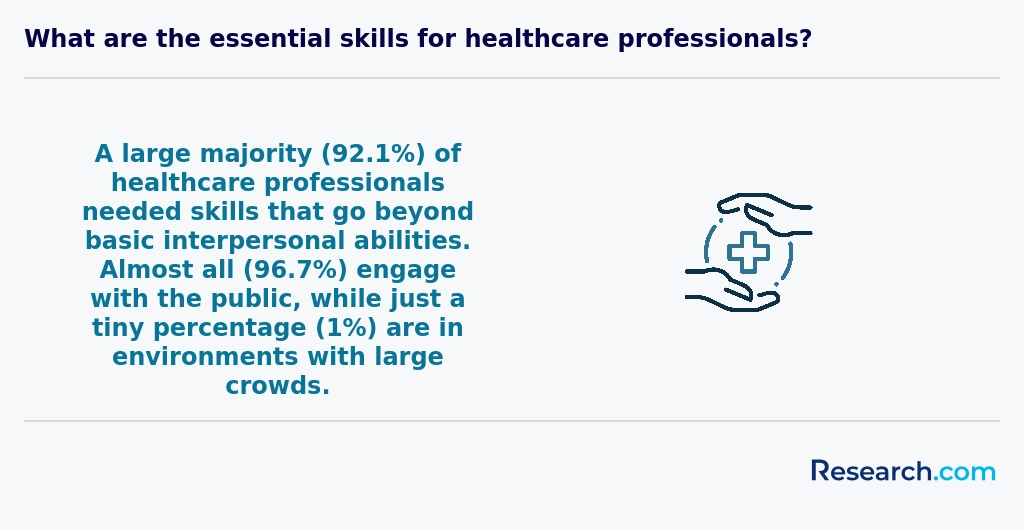
Employers in Chestnut Hill highly value healthcare degree graduates who demonstrate strong clinical proficiency and patient care skills. According to the Massachusetts Department of Public Health, healthcare facilities in this area prioritize graduates with practical experience in patient communication and safety protocols. Critical thinking and adaptability are also essential, especially as healthcare continues to evolve with new technologies and regulatory changes.
Effective teamwork and collaboration are frequently mentioned by local employers like Boston Medical Center, as healthcare delivery often involves multidisciplinary teams. Additionally, proficiency in electronic health record (EHR) systems is becoming increasingly important due to digitalization trends within Chestnut Hill's healthcare institutions.
Finally, cultural competence stands out as a key skill, reflecting the diverse patient populations in the region. Graduates who can navigate diverse social backgrounds help improve patient satisfaction and outcomes.
Finding internships in Chestnut Hill relevant to a healthcare degree involves leveraging local healthcare institutions and educational resources. Chestnut Hill is home to various clinics, hospitals, and care centers, such as Chestnut Hill Health Center, which often offer internship opportunities for students. Networking with faculty advisors at nearby colleges can also provide leads on available placements, as many schools maintain partnerships with regional healthcare providers.
Utilizing platforms like Handshake or internships.com tailored to healthcare roles can help identify openings. The Massachusetts Department of Public Health website lists licensed facilities that may offer internships. Chestnut Hill's proximity to Boston broadens access to extensive healthcare internship programs as well.
Obtaining a healthcare degree in Chestnut Hill can significantly enhance career mobility and advancement opportunities. The local healthcare sector is growing steadily, supported by institutions such as the Chestnut Hill Hospital and several outpatient clinics. According to the U.S. Bureau of Labor Statistics, healthcare occupations in the Philadelphia metropolitan area are projected to grow 13% from 2021 to 2031, creating increased demand for qualified professionals.
Graduates with healthcare degrees often find it easier to move into specialized roles such as nursing, medical technology, or health administration, which tend to offer higher salaries and leadership positions. Credentials from accredited programs in Chestnut Hill also meet certification requirements for various licensing boards, essential for career progression. Additionally, networking opportunities through local healthcare education programs can connect students with internships and job openings, facilitating smoother transitions within the region's healthcare industry.
Studying for a healthcare degree in Chestnut Hill prepares students for interdisciplinary roles by emphasizing collaboration across multiple healthcare disciplines. Many programs integrate courses in nursing, public health, health administration, and clinical practice, which reflect the diverse needs of modern healthcare teams.
Local institutions often partner with nearby hospitals and clinics in Boston, offering hands-on experience in settings requiring coordination among doctors, nurses, social workers, and therapists. According to the Massachusetts Department of Public Health, interdisciplinary care models in the region have improved patient outcomes by fostering teamwork.
This regional focus equips students with communication and problem-solving skills essential for working effectively within various healthcare environments.
Choosing between a thesis and a non-thesis healthcare degree program in Chestnut Hill depends on your career goals and learning preferences. Thesis programs typically demand original research, suited for students planning to pursue a PhD or careers in academia or research. Non-thesis options focus more on practical skills and coursework, ideal for those aiming to enter clinical practice or healthcare administration directly.
In Chestnut Hill, universities offering healthcare degrees often provide both options. According to the U.S. Department of Education's College Scorecard, thesis programs may take longer to complete but can enhance opportunities for research grants and advanced studies.
Consider factors like faculty expertise, available mentorship, and your time commitment when selecting the program type.
Students based in Chestnut Hill interested in studying healthcare abroad have several options within the US higher education system. Many institutions offer study abroad programs focused on healthcare disciplines such as nursing, public health, and medical technology. These programs often include partnerships with universities in countries like the United Kingdom, Australia, and Spain, providing hands-on clinical experience in diverse healthcare settings.
The University of Pennsylvania, located near Chestnut Hill, reports that approximately 25% of its healthcare students participate in international study programs each year, highlighting growing interest. These experiences enhance cultural competence and global health perspectives, which are increasingly valued in healthcare careers.
Financial aid and scholarships specific to study abroad in healthcare fields are also offered by some universities, making international education more accessible to Chestnut Hill residents.
Students pursuing healthcare degrees in Chestnut Hill can enhance their education with various part-time job opportunities. Local hospitals such as St. Elizabeth's Medical Center and Chestnut Hill HealthCare provide roles like certified nursing assistant positions, medical scribing, and patient transport, which offer practical experience alongside coursework. According to Massachusetts Department of Public Health, hands-on clinical support roles help improve job readiness and professional skills.
Additionally, pharmacies and outpatient clinics in Chestnut Hill hire part-time pharmacy technicians or medical office assistants, offering insights into healthcare operations and administration. These positions often accommodate student schedules, allowing flexible work hours.
Engaging in these roles complements academic studies by developing communication, patient care, and organizational skills crucial for healthcare careers.
Healthcare students in Chestnut Hill benefit from strong networking opportunities through local colleges and healthcare institutions. Colleges like Boston College offer student organizations and events focused on health sciences, encouraging collaboration among peers and professionals. Additionally, Chestnut Hill's proximity to Boston provides access to numerous healthcare conferences and seminars, expanding connections beyond the campus.
Local hospitals such as Newton-Wellesley Hospital often partner with schools for internships and clinical placements, creating valuable real-world experience and contact with industry experts. According to the Massachusetts Department of Public Health, healthcare employment in the Boston metro area is projected to grow by 15% through 2030, highlighting expanding professional opportunities for students networking locally.
Professional associations like the Massachusetts Health Council host regular meetings and workshops nearby, helping students build critical professional relationships early in their careers.
Alumni networks play a crucial role for healthcare degree students in Chestnut Hill, offering valuable professional connections and mentorship opportunities. These networks enable students to access job openings in local hospitals and clinics often before they are publicly advertised. According to the National Association of Colleges and Employers, 85% of jobs are filled through networking, underscoring its importance in competitive healthcare fields.
In Chestnut Hill, healthcare alumni often participate in workshops and guest lectures, providing current students insights into evolving clinical practices and industry standards. Additionally, alumni connections can assist with internships and residency placements, which are vital steps in healthcare careers.
Such networks bolster students' chances of long-term career success by fostering community ties and professional guidance within the regional healthcare market.
In Chestnut Hill, customizing a healthcare degree to align with career goals is achievable through elective courses, clinical experiences, and specialized tracks. Local colleges often offer options such as public health, nursing, or health administration concentrations. Students can also choose internship placements in healthcare facilities across nearby Boston, enhancing practical skills tailored to their interests.
Many programs support flexible scheduling, including part-time study or online classes, helping students balance work and education. According to Massachusetts Department of Higher Education data, 65% of healthcare students in this region opt for programs with adaptable curricula, reflecting a growing trend.
Additionally, engaging in research projects or certificate programs can deepen expertise in niche areas like healthcare informatics or patient advocacy.
Healthcare students in Chestnut Hill often face significant challenges related to the demanding nature of their programs. Many report balancing rigorous coursework with clinical hours, which can total over 40 weekly, leading to high stress levels. According to the National Student Nurses' Association, persistent time management struggles are common among trainees balancing study and practical work.
The financial strain is another major obstacle. Tuition and living costs in the Boston metropolitan area, including Chestnut Hill, are among the highest nationally, making affordability a concern for many students. Limited scholarships and financial aid opportunities specific to local healthcare programs add to this burden.
Additionally, securing quality clinical placements is competitive due to the limited availability of nearby hospitals and healthcare centers, which slows hands-on learning crucial for licensing readiness.
With a healthcare degree in Chestnut Hill, students can pursue various professional certifications that enhance their career prospects. Common certifications include the Certified Nursing Assistant (CNA), which prepares graduates for entry-level patient care roles. For those interested in administration, the Certified Healthcare Administrative Professional (cHAP) is a recognized credential. Clinical roles often require certification such as the Registered Health Information Technician (RHIT) or Certified Medical Assistant (CMA). According to the Bureau of Labor Statistics, healthcare occupations in Massachusetts are projected to grow by 14% from 2022 to 2032, supporting demand for certified professionals.
To write a winning application for a healthcare program in Chestnut Hill, start by thoroughly researching the specific program requirements of local institutions such as Boston College, located nearby. Emphasize relevant academic achievements, especially in biology, chemistry, and health sciences, as these subjects form the foundation of most healthcare degrees.
Include detailed descriptions of any healthcare-related volunteer work or internships, highlighting skills gained and your commitment to the field. Chestnut Hill benefits from a strong healthcare network, so referencing experiences with local hospitals or clinics can strengthen your application.
Ensure your personal statement clearly communicates your career goals and passion for healthcare. Proofread carefully to avoid errors, and if possible, obtain recommendations from professionals familiar with your practical or academic performance.
Healthcare careers are increasingly viewed through a global lens as demands for skilled professionals grow worldwide. In the US, including Chestnut Hill, the healthcare sector is expected to add over 2 million jobs by 2030, reflecting a strong local and national need. Globally, there is a push for professionals who understand diverse cultural and systemic healthcare practices, which enhances career mobility and relevance. According to the U.S. Bureau of Labor Statistics, healthcare occupations are projected to grow 13% from 2021 to 2031, faster than average for all industries.
In Chestnut Hill, students pursuing healthcare degrees benefit from proximity to major hospitals and research centers, fostering exposure to evolving global health trends. Programs emphasize evidence-based skills and adaptability, essential in dealing with international health challenges like pandemics and aging populations. Thus, a healthcare career today offers dynamic opportunities influenced by global health innovations and demographic shifts.
Gaining practical experience while studying for a healthcare degree in Chestnut Hill is essential for career readiness. Many local institutions, including universities and community colleges, partner with nearby hospitals and clinics to offer internships and clinical placements. For example, Chestnut Hill Hospital and surrounding healthcare centers collaborate with students for supervised hands-on training.
Students can also participate in volunteer programs or part-time work in patient care or administrative roles. According to the Massachusetts Department of Higher Education, about 70% of healthcare students in the region complete internships before graduating, enhancing their employability.
Simulation labs on campus provide realistic practice environments, helping students improve their clinical skills. Additionally, professional organizations often sponsor workshops and networking events to connect students with experienced practitioners.
Choosing the right concentration within a healthcare degree program in Chestnut Hill begins with understanding your career goals. Healthcare offers diverse fields such as nursing, public health, healthcare administration, and medical technology. Each concentration requires different skills and leads to varied job roles.
Research local job market trends. According to the Massachusetts Executive Office of Labor and Workforce Development, healthcare jobs in Chestnut Hill and surrounding areas are growing faster than average, especially in nursing and healthcare support roles. This growth affects demand for specific concentrations.
Consider your interests and strengths along with internship and clinical opportunities in Chestnut Hill institutions. Hands-on experience improves employability.
Lastly, review program accreditation and alignment with licensing requirements for your chosen specialization, ensuring professional recognition nationwide.
Related Healthcare Rankings for Nearby Cities
- 2027 Most Affordable Healthcare Degree Programs Ranking in Newton
- 2027 Most Affordable Healthcare Degree Programs Ranking in Cambridge
- 2027 Most Affordable Healthcare Degree Programs Ranking in Boston
- 2027 Most Affordable Healthcare Degree Programs Ranking in Milton
- 2027 Most Affordable Healthcare Degree Programs Ranking in Lowell
- 2027 Most Affordable Healthcare Degree Programs Ranking in Worcester
- 2027 Most Affordable Healthcare Degree Programs Ranking in Providence
- 2027 Most Affordable Healthcare Degree Programs Ranking in Manchester
- 2027 Most Affordable Healthcare Degree Programs Ranking in North Dartmouth
- 2027 Most Affordable Healthcare Degree Programs Ranking in Storrs
Top Trending Healthcare Rankings
See What Experts Have To Say About Studying Healthcare
Read our interview with Healthcare experts

References
- Chestnut Hill College Acceptance, Tuition Costs, & Financial Aid https://www.savingforcollege.com/college/pennsylvania/chestnut-hill-college
- Unlocking potential: Expanding experiential learning through simulation https://www.pagethink.com/insights/unlocking-potential-expanding-experiential-learning-through-simulation
- Healthcare Assistant Cover Letter Templates | myPerfectCV https://www.myperfectcv.co.uk/cover-letter/examples/healthcare-assistant-cover-letter
- Students and Alumni associations - Europubhealth https://www.europubhealth.org/students-alumni-associations/
- Best Practices for Career Development and Advancement in the Healthcare Sector | Generation https://www.generation.org/news/best-practices-for-career-development-and-advancement-in-the-healthcare-sector/
- Explore Healthcare Admin Degree Concentrations https://www.baypath.edu/news/bay-path-university-blogs/post/explore-healthcare-admin-degree-concentrations/
- 1+ Healthcare Cover Letter Examples (with In-Depth Guidance) https://www.tealhq.com/cover-letter-examples/healthcare
- What to Expect as a Health Science Major https://www.grace.edu/what-to-expect-as-a-health-science-major/
- Health Sciences - Chestnut Hill College https://www.chc.edu/academics/programs/health-sciences/
- Global Health Perspectives https://www.denvercollegeofnursing.edu/students/global-health-perspectives.html


