
2027 Most Valuable Healthcare Degree Programs Ranking in Tempe

Co-Founder and Chief Data Scientist
Choosing the right healthcare degree program in Tempe can shape your future in meaningful ways. To support your decision, this article features the 2027 Most Valuable Healthcare Degree Programs Ranking in Tempe developed by the Research.com team of data scientists.
By exploring this ranking, you'll gain clear insights into which programs offer the best value for your time and effort. Understanding these options helps you invest confidently in your education and career, boosting your chances for long-term success and fulfillment.
Embarking on a healthcare path is rewarding, and this guide is here to make that journey easier and more informed.
Key benefits of getting healthcare degree in Tempe
- Healthcare degree graduates in Tempe can expect competitive salaries, such as $43,350 annually for Medical Assistants and Clinical Research Coordinators, or even $103,150 for Quality Improvement Coordinators, offering strong financial stability.
- Graduates from Arizona State University in Tempe often explore diverse roles, from patient care to health information management, highlighting flexible career paths that match varied interests and skills.
- Online healthcare degrees from institutions like ASU provide convenient learning options, letting students balance work and study while gaining the same valuable credentials as traditional programs.
- Key benefits of getting healthcare degree in Tempe
- What can I expect from healthcare degree in Tempe?
- Where can I work with healthcare degree in Tempe?
- How much can I make with healthcare degree in Tempe?
- 2027 Most Valuable Healthcare Degree Programs Ranking in Tempe
- Key Findings
- How long does it take to complete healthcare degree in Tempe?
- Future Trends and Emerging Opportunities in Healthcare
- What's the difference between online and on-campus healthcare degree?
- Complementary Specializations to Enhance Your Healthcare Career
- What is the average cost of healthcare degree in Tempe?
- Future Career Success and Alumni Outcomes
- What financial aid is available to healthcare degree students in Tempe?
- Student Support, Success Strategies, and Campus Resources
- What are the prerequisites for enrolling in healthcare degree program in Tempe?
- Return on Investment for Healthcare Degrees in Tempe, AZ
- What courses are typically in healthcare degree programs in Tempe?
- What types of specializations are available in healthcare degree programs in Tempe?
- How do you choose the best healthcare degree in Tempe?
- What career paths are available for healthcare degree students in Tempe?
- What is the job market for healthcare degree in Tempe?
- Top Trending Healthcare Rankings
- See What Experts Have To Say About Studying Healthcare
What can I expect from healthcare degree in Tempe?
Imagine stepping onto Arizona State University's sprawling campus, where the pulse of healthcare education in Tempe beats strong. For many, the sticker shock of tuition can feel daunting, but here, the average annual cost for an undergraduate healthcare degree hovers around $11,000 to $12,000 for in-state students. It's a price that graduates often reflect on not just as a number, but as an investment in their future-the gateway to hands-on experiences at Banner Health clinics and the foundation for careers that touch lives every day.
One eager graduate recalls balancing studies in nursing with weekend shifts at a nearby hospital, fueled by the knowledge that ASU's competitive tuition was softened by scholarships and financial aid. These financial lifelines turn daunting expenses into achievable goals. With scholarships opening doors and local hospitals providing thriving training grounds, the cost transforms from a burden to a stepping-stone toward a fulfilling healthcare career in the vibrant city of Tempe.
Where can I work with healthcare degree in Tempe?
Graduates with healthcare degrees in Tempe find themselves stepping into a vibrant world where the city's pulse is synced with Phoenix's sprawling hospitals and clinics. Picture yourself walking the halls of Banner University Medical Center or Tempe St. Luke's Hospital, joining ranks with nurses and medical technologists driving patient care with passion and precision. The energy is real-countless alumni from Arizona State University's College of Health Solutions share stories of first-hand impact, blending research innovation with bedside compassion.
Others dive into bustling outpatient care centers, thriving on the dynamic buzz of urgent care clinics where every shift brings new challenges and victories. Imagine collaborating in health administration roles, crafting solutions that elevate community wellness, inspired by Maricopa County Public Health Department's impactful initiatives.
For those drawn to the cutting edge, healthcare technology firms offer playgrounds of innovation, where data analysis and informatics merge with medical device breakthroughs. Tempe's blend of academic rigor and real-world opportunity creates a mosaic of career pathways, turning healthcare dreams into empowering realities.
How much can I make with healthcare degree in Tempe?
Imagine this: you've just walked across the stage at a Tempe university known for healthcare programs, diploma in hand, ready to launch your career. What's next? A Medical Assistant role could greet you with an average annual paycheck of $43,350, translating to about $20.84 an hour. Maybe you step into a position as a Patient Care Technician, where the mean annual wage climbs to $60,790, reflecting hands-on skills that local hospitals deeply value.
Graduates from ASU's healthcare programs often find themselves in dynamic roles like Health Information Technicians, earning roughly $43,380 yearly. Your knack for details could lead you to clinical research coordination, where the median mirrors $43,350, showcasing Tempe's vibrant research scene.
Now, picture the possibilities rising as you become a Quality Improvement Coordinator. Here, the salary leaps to a striking $103,150 annually, fueled by your expertise shaping better patient outcomes at major medical centers around Tempe. With these numbers, the city's healthcare degree isn't just paper-it's a powerful passport to purposeful, well-paid work.
2027 Most Valuable Healthcare Degree Programs Ranking in Tempe
How do we rank schools?
Investing in your education is a significant decision that can shape your future, and the Research.com team understands the importance of making informed choices. To assist prospective students in Tempe, we have meticulously crafted the "2027 Most Valuable Healthcare Degree Programs Ranking in Tempe." Our commitment to quality, credibility, and accuracy is reflected in the extensive research and analysis conducted to compile this ranking.
We utilized the following reputable data sources to ensure a comprehensive evaluation of healthcare degree programs:
By exploring this ranking, readers will gain valuable insights into the most valuable healthcare degree programs available in Tempe, empowering them to make well-informed decisions about their educational futures. For more details on our methodology, please visit our Research.com methodology page.

# 2 position
Arizona College of Nursing-Tempe
Bachelor of Science in Health Sciences

# 5 position
Sonoran University of Health Sciences
Master of Science in Health Sciences

Key Findings
- Healthcare degree programs in Tempe include nursing, public health, healthcare administration, and allied health fields.
- Undergraduate tuition at Arizona State University averages about $11,000 per year for in-state students, while graduate programs cost between $13,000 and $15,000 annually.
- Community colleges in Tempe offer allied health certifications or associate degrees typically costing under $5,000 per year.
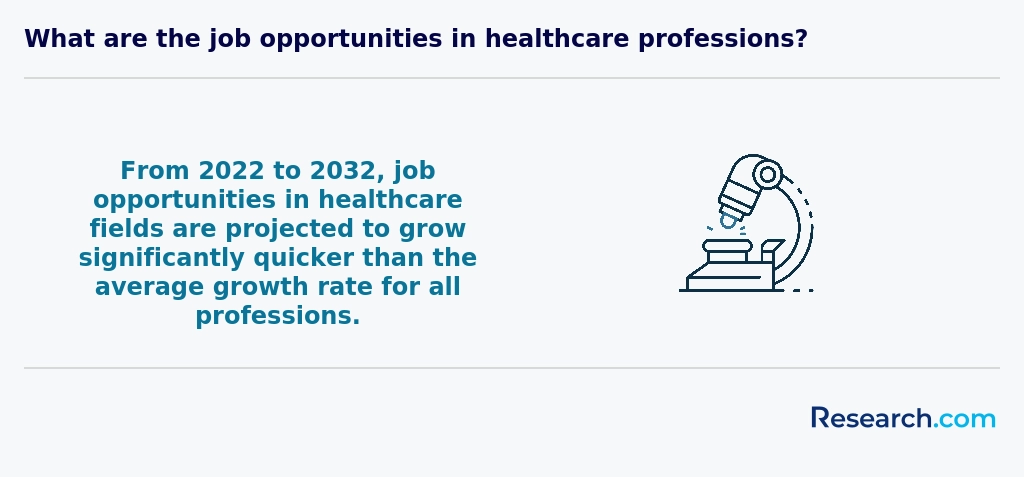
- Healthcare jobs in the Phoenix metro area are expected to grow by approximately 19% from 2022 to 2032, outpacing the national average.
- Starting salaries for healthcare graduates in Tempe average around $55,000, with registered nurses starting near $60,000 and healthcare administrators around $50,000.
- Experienced healthcare professionals in Tempe can earn $85,000 or more, supported by local hospitals and healthcare systems like Banner Health and HonorHealth.
How long does it take to complete healthcare degree in Tempe?
Imagine stepping into the vibrant halls of Rio Salado College, where a healthcare journey can unfold in as little as 6 months to 1 year through certificate courses that launch you quickly into roles like medical assistant or pharmacy technician. Graduates often describe the thrill of entering the workforce with focused skills faster than expected, energized by their rapid progress.
For those who dive deeper, the two-year associate degrees, common in Tempe's colleges, build sturdy bridges to careers as registered nurses or radiologic technologists. Many students thrive in this timeframe, balancing studies with life, savoring each milestone toward becoming skilled healthcare professionals.
Tempe's bachelor's degree contenders embrace a full four years immersed in clinical rigor and science, feeling the empowering confidence that comes with preparation for leadership roles. Nearby, programs like those linked to the Mayo Clinic inspire grad students to extend their commitment by 2 to 4 more years, transforming dreams into specialized expertise.
Part-time paths and accelerated tracks add rhythm and flexibility to each story, proving that in Tempe, the timeline molds itself to ambition and lifestyle, making healthcare education a uniquely personal adventure.
Future Trends and Emerging Opportunities in Healthcare
As the healthcare landscape continually evolves, understanding emerging trends can empower students and professionals in Tempe, AZ to adapt and thrive. Industry experts forecast rapid advancements in health technology, personalized care, and integrated digital systems that promise to reshape patient experiences. For instance, the increasing role of telemedicine and data analytics is driving demand for professionals who not only bring clinical expertise but also proficiency in digital tools. Graduates are now exploring new pathways, such as leadership roles in digital health transformation and specialized clinical certifications. Moreover, innovative educational routes are emerging, including flexible options that cater to working professionals. For example, many prospective students are turning to [online mha programs](https://research.com/degrees/easiest-mha-online-programs-to-get-into) that offer curated curricula designed to meet the evolving needs of the healthcare industry while balancing real-world work schedules. Staying ahead in this dynamic industry means continuously updating skills, remaining agile to regulatory changes, and leveraging networking opportunities with industry leaders. Embracing lifelong learning and professional development will be critical for success in a market marked by technological disruption and shifting patient care models.
What's the difference between online and on-campus healthcare degree?
Picture this: a graduate from Arizona State University describes their on-campus nursing program as a whirlwind of hands-on moments-shifting from vibrant lecture halls to buzzing clinical sites across Tempe, feeling the pulse of real-world healthcare in every patient interaction. The tactile energy of in-person collaboration with peers and mentors brings lessons to life, crafting skills that no textbook alone can deliver.
On the flip side, another grad juggling family and work credits their online public health degree for its chameleon-like flexibility. Virtual lectures woven around their hectic life enable deep learning from any Tempe corner, yet they still clock essential clinical hours at local sites, blending convenience with vital practical experience.
While the on-campus path immerses students in the tangible buzz of healthcare ecosystems, the online route crafts scholars with resilience and adaptability, thriving amid shifting personal rhythms. Both roads are paved with dedication-whether commuting through buzzing Tempe streets or logging in quietly at night-and each molds confident professionals ready to heal and innovate.
Complementary Specializations to Enhance Your Healthcare Career
As the healthcare industry in Tempe, AZ, becomes increasingly interdisciplinary, pairing your primary healthcare degree with a complementary specialization can set you apart in a competitive job market. Here are three pathways to consider: 1. Kinesiology and Movement Science – Builds on foundational patient care skills by deepening your understanding of biomechanics, injury prevention, and rehabilitation. – Many graduates find that adding a kinesiology credential enhances roles in physical therapy, athletic training, and wellness coaching. – To explore flexible options, check out our best online kinesiology programs, which offer convenient scheduling for working professionals. 2. Health Informatics and Data Analytics – Equips you with the ability to manage electronic health records, interpret big data, and support decision-making in clinical settings. – Graduates often transition into roles as informatics specialists or data analysts, commanding higher salaries and leadership positions. 3. Public Health Policy and Administration – Focuses on community health initiatives, policy development, and program management. – Ideal for those aiming to influence healthcare delivery systems, secure grant funding, or oversee population-level interventions. By strategically combining your healthcare degree with one of these specializations, you demonstrate versatility, meet emerging industry demands, and unlock new career trajectories-from clinical leadership to research-driven roles-all while maintaining the trusted expertise employers in Tempe actively seek.
What is the average cost of healthcare degree in Tempe?
The average healthcare degree cost in Tempe tends to orbit around $49,298, a figure that echoes loudly when you consider the full spectrum of tuition, fees, and living expenses. For an in-state student, this number lightens up to about $12,223, making it a more manageable mountain to climb, especially for those studying at flagship institutions like Arizona State University. Imagine a recent graduate who juggled part-time work and evenings buried in textbooks under the Tempe sun, ultimately grateful for the balance between quality education and cost. That tangible sense of accomplishment comes from facing the challenge of funding healthcare studies without feeling crushed by debt.
When you look at the total cost of healthcare degree programs Tempe has to offer, it becomes clear why students celebrate the local financial aid options and scholarships available specifically for Arizona residents. Those scholarships often mean the difference between dreams deferred and dreams realized. It's a reality many healthcare students experience firsthand as they ease their tuition load and focus on what truly matters - mastering the skills that will heal and help their communities.
These collective experiences are a snapshot that brings to life the nuances behind the average healthcare degree cost in Tempe. As you map out your path, consider exploring valuable healthcare programs in Arizona, which provide not only strong academics but a tangible return on investment that graduates proudly carry into their careers.
Future Career Success and Alumni Outcomes
When choosing a healthcare degree program, understanding how your education translates into long-term career success is essential. This section highlights the accomplishments of alumni, the effectiveness of career services, and the strength of industry partnerships that can help you transition smoothly into the workforce. Many graduates not only benefit from rigorous academic training but also gain access to robust internship programs, mentorship opportunities, and networking events that pave the way for exceptional career growth. Alumni success stories illustrate how hands-on experiences and continuous support have helped them secure competitive positions, higher starting salaries, and accelerated pathways to leadership roles. Learning from these real-world outcomes can empower you to make well-informed decisions about your future in healthcare. For more comprehensive insights and comparisons, explore valuable healthcare programs in arizona that emphasize career readiness and post-graduation success.
What financial aid is available to healthcare degree students in Tempe?
Picture yourself as a healthcare student at Arizona State University in Tempe, juggling clinical hours and textbooks, while the weight of tuition hovers overhead. Luckily, the financial aid landscape here is like a safety net woven from threads of federal grants, loans, and work-study gigs tailored for healthcare fields. Many graduates recall the relief of Pell Grants that didn't demand repayment, transforming daunting tuition fees into manageable stepping stones.
State-backed gems such as AzLEAP and the Arizona Tuition Waiver Program are lifelines for those pledging to serve underserved communities around Tempe. Imagine a nurse hopeful easing their student debt burden through these programs, turning commitment into both service and scholarship.
Local scholarships float through the air like signals from the Arizona Nurses Association and healthcare foundations, rewarding merit and need at places like ASU. And for those balancing work and study, employer tuition reimbursements or loan forgiveness options spark joy, making advanced degrees feel not just possible but inviting.
Student Support, Success Strategies, and Campus Resources
Navigating the complexities of a healthcare degree program goes beyond rigorous academics-it also means tapping into robust student support and career development resources. Many institutions in Tempe, AZ, offer dedicated academic advising, mentorship programs, tutoring centers, and networking events designed to enhance both personal and professional growth. Leveraging these resources can be the key to transitioning smoothly from classroom learning to thriving in the healthcare workforce. Students often benefit from structured support systems that include access to career counseling, resume workshops, and partnerships with local healthcare facilities, which foster real-world exposure and job-readiness. Additionally, involvement in student associations and health clubs can facilitate peer learning, encourage collaborative projects, and enrich your educational journey. For more insights into how these resources contribute to academic and career success, you might want to explore our valuable healthcare programs in arizona. Ultimately, by taking advantage of campus resources and success strategies, students can build a strong foundation that not only enhances their academic performance but also positions them for long-term success in the ever-evolving healthcare industry.
What are the prerequisites for enrolling in healthcare degree program in Tempe?
To step into the world of healthcare in Tempe, a high school diploma or GED is your initial ticket-a foundation built from sciences like biology and chemistry plus math and English, setting you up to decode the human body's mysteries and communicate with clarity. Graduates from ASU's nursing programs recall how mastering these basics felt like unlocking the first level of a complex yet thrilling game.
Standardized tests like the SAT or ACT often pop up, but some Tempe colleges ease these hurdles if your GPA shines bright. Imagine walking into a campus where your hard work speaks louder than test scores, and you feel that encouragement in the air.
For advanced degrees, picture yourself in classrooms at Rio Salado College diving deep into anatomy, microbiology, and statistics-where each lecture prepares you to handle real clinic cases with confidence. These colleges also expect proof of immunizations and clean background checks, ensuring you're ready for hands-on experiences in Tempe's vibrant hospital scenes.
Finally, be ready to share your story through letters of recommendation or interviews, moments where your passion for healing lights up a room full of hopefuls just like you. This journey is as much about heart as it is about homework.
Return on Investment for Healthcare Degrees in Tempe, AZ
Investing in a healthcare degree in Tempe, AZ often yields strong returns, thanks to competitive starting salaries and growing demand. On average, graduates recoup their tuition within 3–5 years, based on a mean annual salary of $55,860 for Patient Care Technicians and $41,260 for Health Information Technicians. When calculating ROI, consider: • Total tuition and fees (average $25,000–$50,000 per year) • Living expenses in Tempe (approximately $15,000–$25,000 annually) • Projected starting salary and annual growth (3%–5% wage increase per year) For example, a bachelor’s graduate who spends $120,000 in total costs and earns $60,000 annually will break even in about four years, especially if they capitalize on in-state tuition and timely graduation. To further optimize your investment, compare program costs and financial aid options-and explore alternative affordable pathways, such as those featured in the Low Cost Online Master’s in Healthcare Degree Programs Ranking in Michigan, which can offer similar curriculum quality at reduced rates. Key strategies to maximize ROI: 1. Enroll in accredited programs to ensure eligibility for licensure and scholarships. 2. Leverage internships and clinical placements to secure higher-paying positions immediately after graduation. 3. Apply for state-specific grants like the Arizona Promise Program and federal aid to lower out-of-pocket costs. By carefully balancing tuition investment, financial aid, and early career planning, healthcare graduates in Tempe can achieve a favorable ROI and enter the workforce with minimal debt burden.
What courses are typically in healthcare degree programs in Tempe?
Imagine walking into a bustling classroom at Arizona State University in Tempe, textbooks open to anatomy and physiology chapters that decode the mysteries of the human body bit by bit. Healthcare students here dive deep into the language of medicine, mastering medical terminology like secret code essential for clinical conversations. It's not just about the science; behavioral psychology courses gently unfold the human mind's complexities, preparing students to care for patients holistically, with empathy and insight.
Graduates often recall hands-on moments at Banner Health's local hospitals, where clinical practicums transform theory into action. The sharp buzz of lab equipment in medical technology programs or the pulse of real nursing assessments build confidence born from real experience. Courses on healthcare law and ethics spark lively debates on patient rights, leaving students inspired to protect and advocate.
In Tempe's healthcare degrees, every lecture and practicum pulses with life, shaping students into skilled, compassionate professionals ready to join a thriving health community.
What types of specializations are available in healthcare degree programs in Tempe?
Diving into healthcare degree specializations in Tempe feels like unlocking a spectrum of vibrant paths tailored to ignite your passion. Imagine graduates from ASU's College of Nursing celebrating their seamless transition into thriving Nurse Practitioner roles, empowered by rigorous BSN programs and real-world clinical training. Meanwhile, those drawn to the tech side find a perfect fit in Health Information Management, mastering digital health records just as healthcare systems across Tempe rapidly evolve. Envision students at local colleges immersed in Public Health courses, motivated by community challenges unique to the Phoenix metro, crafting policies that genuinely uplift local populations.
Leadership buffs gravitate toward Healthcare Administration, where they strategize on hospital finance and compliance, stepping confidently into medical epicenters buzzing with life and learning. And for a hands-on, healing touch, Physical Therapy and Rehabilitation programs stand out-graduates feel the joy of restoring mobility and hope in Tempe's aging neighborhoods. For those seeking synergy beyond these classics, exploring the best online kinesiology programs offers innovative routes aligned with wellness and science. In short, Tempe's top healthcare programs Tempe Arizona offer uniquely tailored journeys to fuel your future.
How do you choose the best healthcare degree in Tempe?
Imagine yourself walking the sunlit campus of Arizona State University in Tempe, surrounded by driven peers who once stood where you stand now-eager to find the best healthcare degree program that fits their unique spark. Choosing the right path means tuning into your own ambitions: do you gravitate toward the fast-track agility of an associate degree, or does the broad horizon of a bachelor's invite you to explore healthcare management or informatics?
Graduates from ASU often speak about the empowering blend of rigorous academics with hands-on clinical experiences, key for those chasing licensure certification and real-world confidence. When chasing affordable healthcare degrees Tempe Arizona offers, remember the annual tuition zone around $11,000 that public institutions hover near, contrasted with pricier private options. The secret lies in smart financial aid navigation, like the scholarships and grants that savvy students uncover.
Concrete connections to the local healthcare job market magnify the value of your degree. The city's pulse beats strongest for registered nurses and technicians, making internships in Tempe's vibrant hospitals a live classroom for success. For those craving flexible schedules alongside their ambition, the city's schools often include evening or online options, blending life and study.
For an unconventional step, some students explore programs spotlighted in the Low Cost Online Master's in Healthcare Degree Programs Ranking in Michigan to envision how remote options might enrich their journey.

What career paths are available for healthcare degree students in Tempe?
Healthcare degree career options Tempe open a kaleidoscope of possibilities, each pathway pulsating with real-world impact. Graduates from Arizona State University often describe their transition from campus to the bustling corridors of Banner Health, where registered nurses don scrubs as both healers and heroes. Those with a knack for leadership glide into roles as Medical and Health Services Managers, steering the operations of Tempe's medical centers with a confident, steady hand.
Job opportunities for healthcare graduates Tempe expand beyond direct care-picture physical therapists crafting mobility miracles for seniors in vibrant Tempe communities or public health specialists shaping wellness policies with the Maricopa County Public Health Department. Meanwhile, analytical minds thrive as Medical Laboratory Technologists, interpreting vital clues behind the scenes.
Many graduates balance their studies with accelerated college courses, speeding toward these careers with energy and optimism, fully engaged in Tempe's unique healthcare ecosystem. These roles are threads weaving a tapestry of purpose fueled by education and local opportunity.
What is the job market for healthcare degree in Tempe?
The healthcare degree job opportunities in Tempe unfold against a backdrop of rapid growth and vibrant demand that feels almost electric. Graduates from well-known institutions like Arizona State University find themselves stepping into a market fueled by the city's expanding healthcare ecosystem-hospitals, clinics, and research centers eagerly recruiting fresh talent. Imagine a recent graduate moving from the classroom to hands-on experience at Banner Health, where the blend of clinical skill and innovative tech is reshaping patient care every day. This is more than a job; it's a front-row seat to healthcare evolution.
For those navigating the Tempe healthcare job market outlook, the numbers tell a compelling story: nearly 20% projected growth in some fields, combined with median nurse salaries around $80,000 and health services managers often above $100,000. The proximity to metropolitan Phoenix amplifies opportunities, blending city accessibility with local community care. With tuition rates competitive and scholarships available, many students even explore cheap online doctoral programs to broaden their horizons without breaking the bank.
Frequently Asked Questions About healthcare
Healthcare degree students in Tempe can maximize their learning experience by actively engaging in both academic and practical opportunities. Tempe is home to Arizona State University, which offers accredited healthcare programs known for integrating hands-on clinical experiences. Students should seek internships and volunteer positions at local hospitals such as Banner Desert Medical Center, providing exposure to diverse patient populations.
Utilizing campus resources like simulation labs and study groups enhances understanding of complex medical concepts. Networking through professional organizations, such as the Arizona Healthcare Association, can connect students with mentors and job prospects.
Keeping updated with Arizona's healthcare workforce trends-projected to grow by 15% through 2030 according to the Bureau of Labor Statistics-helps students align their skills with market demand.
The healthcare field in Tempe is rapidly evolving, with several emerging niches gaining importance. One such area is telehealth, which saw a 30% increase in demand during the COVID-19 pandemic and continues to expand due to its convenience and accessibility. Another growing niche is health informatics, combining data science with patient care to improve outcomes. Additionally, precision medicine, focusing on personalized treatment plans based on genetic information, is attracting investment and research locally. Mental health services, especially integrated behavioral health, are also receiving increased attention as awareness grows. These fields offer promising opportunities for students pursuing healthcare degrees in Tempe.
Preparing for the job market after earning a healthcare degree in Tempe involves strategic steps aligned with local industry demands. Tempe benefits from a growing healthcare sector, supported by institutions like the Mayo Clinic and Banner Health, which offer numerous employment opportunities. Students should focus on gaining practical experience through internships or clinical rotations within these organizations. Networking is crucial; joining local professional associations such as the Arizona Healthcare Association can open doors. Additionally, obtaining relevant certifications, like CPR or specialized licenses depending on the healthcare field, increases employability. According to the Arizona Office of Economic Opportunity, healthcare jobs in the Phoenix metro area, including Tempe, are expected to grow by over 15% through 2030.
Employers hiring healthcare degree graduates in Tempe prioritize a mix of technical and interpersonal skills. According to data from the Arizona Department of Health Services, proficiency in clinical procedures and electronic health record (EHR) management is highly valued. Communication skills are essential, as healthcare professionals often work in teams and interact closely with patients.
Critical thinking and problem-solving abilities are also in high demand, enabling graduates to adapt to fast-paced clinical environments. Knowledge of regulatory compliance and patient safety practices further strengthens a candidate's profile.
Finally, cultural competence and empathy are increasingly important in Tempe's diverse community to ensure inclusive and effective patient care. These skills together help graduates succeed in local healthcare settings.
Finding healthcare internships in Tempe involves leveraging local resources and educational institutions. Arizona State University (ASU) in Tempe offers extensive career services and partnerships with healthcare providers, including Banner Health and Mayo Clinic, which facilitate internship placements for students.
Students should utilize ASU's Career and Professional Development Services to access internship fairs, employer info sessions, and resume workshops tailored to healthcare fields. Additionally, exploring local hospitals, clinics, and public health organizations directly by submitting applications can be effective.
According to the Arizona Department of Health Services, Tempe has a growing healthcare sector, creating increasing demand for interns, especially in nursing, public health, and allied health areas.
Networking through professional organizations like the Arizona Healthcare Professionals Association can open further internship opportunities.
Obtaining a healthcare degree in Tempe significantly improves career mobility and advancement opportunities within the local medical industry. Tempe's healthcare sector, anchored by institutions like Banner Health and Dignity Health, offers diverse roles from clinical practice to healthcare administration. According to the Arizona Office of Economic Opportunity, healthcare jobs in the Greater Phoenix area, including Tempe, are expected to grow by 17% through 2030, outpacing many other fields.
Graduates with specialized degrees, such as nursing or health informatics, often qualify for higher starting salaries and leadership positions. Employers value credentials from accredited programs, which can expedite promotions and lateral moves within hospital systems.
Additionally, continuing education and advanced certifications pursued through local colleges further support long-term career growth in this competitive market.
Studying for a healthcare degree in Tempe offers strong preparation for interdisciplinary roles due to the region's diverse healthcare ecosystem. Tempe is home to prominent institutions such as Arizona State University, which emphasize collaborative coursework that integrates nursing, public health, health administration, and biomedical sciences. Students gain exposure to real-world clinical settings through internships and partnerships with local hospitals like Banner Health and Tempe St. Luke's Medical Center.
Programs often include interprofessional education (IPE), where students from multiple health disciplines learn to communicate and work together effectively. According to the Arizona Board of Regents, Tempe-based healthcare programs graduate thousands annually, reinforcing teamwork skills vital for modern healthcare environments.
Choosing between a thesis and a non-thesis healthcare degree program in Tempe depends largely on your career goals and learning preferences. Thesis programs require original research and are suited for students aiming for clinical research, academia, or advanced specialized roles. Non-thesis options focus on practical skills and often include internships or projects, ideal for those seeking direct clinical practice or management positions.
Arizona State University, a major institution in Tempe, offers both options in healthcare fields with research opportunities supported by local healthcare hubs. According to ASU data, 40% of healthcare graduate students choose thesis tracks to pursue research careers.
Consider your interest in research, time commitment, and desired career path when deciding which path to follow.
Students in Tempe interested in studying healthcare abroad have several practical pathways within the US higher education framework. Many Arizona universities, including Arizona State University, offer exchange programs and partnerships with international institutions focusing on global health. These programs enable Tempe students to gain clinical experience or research opportunities overseas while earning credits toward their healthcare degrees. Additionally, some healthcare programs have established summer internships or practicum placements abroad, covering countries with diverse healthcare systems.
According to the Institute of International Education, about 18% of U.S. healthcare students participate in study abroad at some point, reflecting a growing trend. Tempe's location near major airports also facilitates access to global healthcare learning sites. Students should consult their university's study abroad office for options tailored to nursing, public health, or medical technology specialties.
Students pursuing healthcare degrees in Tempe have several part-time job opportunities that can enhance their education and practical experience. Local hospitals like Banner Desert Medical Center and healthcare clinics often hire medical assistants, patient service representatives, and phlebotomy technicians on a part-time basis. These roles help students develop clinical and administrative skills essential for healthcare careers.
Additionally, Tempe offers opportunities in long-term care facilities, where students can work as certified nursing assistants (CNAs) or aides. According to the Arizona Department of Economic Security, healthcare support jobs in Tempe grow by about 15% annually, reflecting strong demand.
Working part-time in these roles allows students to build professional networks and apply theoretical knowledge in real-world settings, improving employability after graduation.
Healthcare students in Tempe benefit from a variety of networking opportunities that can enhance their academic and professional growth. Arizona State University (ASU), located in Tempe, offers robust student organizations such as the Pre-Health Professionals Association and Healthcare Club, which regularly host networking events and guest lectures from industry leaders.
In addition, Tempe's proximity to Phoenix provides access to numerous healthcare conferences, including events organized by the Arizona Hospital and Healthcare Association. These gatherings allow students to connect with professionals from major local healthcare providers like Banner Health and Dignity Health.
Internship and clinical placement programs further support relationship-building, offering real-world connections that are often crucial for future employment.
Alumni networks provide significant advantages for healthcare degree students in Tempe by connecting them with experienced professionals and recent graduates. These networks often offer mentorship programs, which help students navigate career paths and understand the local healthcare job market. According to the Tempe Chamber of Commerce, healthcare is among the fastest-growing sectors in the region, emphasizing the value of strong industry connections.
Through alumni events and online platforms, students gain access to job openings and internships that may not be publicly advertised. Additionally, alumni can offer guidance on licensing requirements and continuing education specific to Arizona.
Engagement with alumni increases students' chances of employment in Tempe's expanding healthcare field.
Students seeking to customize their healthcare degree programs in Tempe benefit from the city's diverse educational offerings. Local institutions often provide flexible curriculum paths, allowing students to select specialized courses such as public health, healthcare administration, or clinical practice. This customization helps align academic work with distinct career goals.
Advising services are typically available to assist in choosing electives and internships tailored to specific healthcare sectors prominent in Tempe. For example, with the city's growing focus on biotechnology and medical research, students might pursue research opportunities alongside coursework.
According to the Arizona Board of Regents, many programs emphasize experiential learning, enabling students to gain practical skills in nearby hospitals and clinics. Additionally, certificate options and dual-degree formats can enhance a graduate's credentials for competitive healthcare roles.
Healthcare students in Tempe face several typical challenges while pursuing their degrees. One major hurdle is the demanding clinical hours required, which can exceed 1,000 hours depending on the program. Balancing these hours with coursework and part-time jobs is often difficult.
Additionally, the rising cost of education and living expenses in Tempe has become a concern. According to the College Board, average tuition for Arizona public universities has increased by about 3% annually, affecting many students' financial stability.
Many students also report stress related to mastering complex medical terminology and practical skills. Limited access to local internship placements further intensifies competition, especially with Tempe's growing healthcare facilities like Banner Health.
With a healthcare degree in Tempe, students can pursue a variety of professional certifications that enhance career opportunities. Common certifications include Certified Nursing Assistant (CNA), Registered Nurse (RN) licenses, and the Certified Medical Assistant (CMA) credential. These are essential for clinical roles in hospitals and outpatient clinics.
Other certifications like the Certified Health Education Specialist (CHES) and Registered Health Information Technician (RHIT) support careers in health education and medical records management, respectively. The Arizona Board of Nursing regulates many certification processes for healthcare professionals in Tempe. According to the U.S. Bureau of Labor Statistics, healthcare jobs in Arizona are expected to grow by 18% from 2022 to 2032, increasing demand for certified professionals.
Writing a strong application for a healthcare program in Tempe requires careful attention to detail and clear communication of your qualifications. Start by thoroughly researching the specific program requirements of institutions like Arizona State University, which hosts some of the region's top healthcare degrees.
Highlight relevant experience, such as volunteering in local hospitals or clinics, to demonstrate commitment to the healthcare field. Recent data from the Arizona Department of Health Services shows a growing demand for healthcare professionals in Tempe, which strengthens the case for practical experience.
Be sure to submit well-written personal statements that explain your motivation and goals clearly. Include any certifications or coursework that align with healthcare standards, such as CPR or patient care training.
Finally, meet all deadlines and provide strong letters of recommendation from academic or healthcare supervisors. These steps enhance the competitiveness of your application in Tempe's expanding healthcare education market.
The global perspective on healthcare careers highlights significant demand for qualified professionals, particularly in the United States. According to the U.S. Bureau of Labor Statistics, healthcare occupations are projected to grow 13% from 2021 to 2031, much faster than the average for all jobs. In Tempe, Arizona, local healthcare facilities such as Banner Health and Dignity Health contribute to a rising need for nurses, medical technologists, and healthcare administrators.
Internationally, healthcare roles require adaptability due to varying health systems and cultural expectations. For students in Tempe, understanding global health trends complements local education and enhances career opportunities. Additionally, Arizona's emphasis on healthcare innovation supports emerging fields like telehealth and healthcare informatics, reflecting broader worldwide shifts.
Gaining practical experience while studying for a healthcare degree in Tempe is essential for career readiness. Many local colleges partner with healthcare facilities such as Banner Health and Dignity Health, where students can complete clinical rotations and internships. These hands-on opportunities allow students to apply classroom knowledge in real-world settings, developing crucial skills.
Additionally, Tempe's proximity to Phoenix ensures access to numerous hospitals and clinics offering externships and volunteer positions. According to the Arizona Department of Health Services, healthcare jobs in this region are projected to grow by over 15% from 2020 to 2030, increasing the demand for skilled graduates with practical experience.
Choosing the right concentration within a healthcare degree program in Tempe requires understanding both your interests and the local job market. Healthcare fields such as nursing, public health, or health informatics offer distinct career paths. Tempe, home to major healthcare facilities like Banner Health and the Mayo Clinic, has growing demand for nursing and health technology professionals. According to the Arizona Department of Employment, healthcare occupations in the Phoenix metropolitan area, including Tempe, are projected to grow over 15% by 2030.
Students should evaluate program accreditation, curriculum, and hands-on training opportunities. Connecting with local employers through internships or informational interviews can reveal in-demand skills. Also consider your long-term goals, whether clinical care, administration, or technology, to select a concentration aligning with both personal passion and regional employment trends.
Related Healthcare Rankings for Nearby Cities
- 2027 Most Valuable Healthcare Degree Programs Ranking in Phoenix
- 2027 Most Valuable Healthcare Degree Programs Ranking in Tucson
- 2027 Most Valuable Healthcare Degree Programs Ranking in Riverside
- 2027 Most Valuable Healthcare Degree Programs Ranking in San Diego
- 2027 Most Valuable Healthcare Degree Programs Ranking in La Jolla
- 2027 Most Valuable Healthcare Degree Programs Ranking in Irvine
- 2027 Most Valuable Healthcare Degree Programs Ranking in Anaheim
- 2027 Most Valuable Healthcare Degree Programs Ranking in Los Angeles
- 2027 Most Valuable Healthcare Degree Programs Ranking in Colorado Springs
- 2027 Most Valuable Healthcare Degree Programs Ranking in Denver
Top Trending Healthcare Rankings
See What Experts Have To Say About Studying Healthcare
Read our interview with Healthcare experts

References
- 20 healthcare investment niches and 3 things to know: The evolution of ... https://blackbookmarketresearch.com/20-healthcare-investment-niches-and-3-things-to-know-the-evolution-of
- Best Practices for Career Development and Advancement in the Healthcare Sector | Generation https://www.generation.org/news/best-practices-for-career-development-and-advancement-in-the-healthcare-sector/
- Know more about thesis vs non- thesis: what is the difference? https://studyfans.com/en/blogs/816
- Networking in Medicine: Build Lasting Connections l Windsor https://www.windsor.edu/networking-in-medicine-building-relationships-from-day-one/
- Global Health Perspectives https://globalhealthperspectives.com/
- Overcoming Common Challenges in Nursing School: Tips for Success - American Healthcare Institute https://amhealthinstitute.com/blog/overcoming-common-challenges-in-nursing-school-tips-for-success/
- How to Succeed in a Difficult Job Market After Graduation https://www.hospitalrecruiting.com/blog/6542/how-to-succeed-in-a-difficult-job-market-after-graduation/
- Sonoran University Announces Financial Aid for Clinical Mental Health Counseling Program | News & Insights https://www.sonoran.edu/2024/08/05/sonoran-university-announces-financial-aid-for-clinical-mental-health-counseling-program/
- Top 3 Reasons to Consider a Career in Healthcare - Roseman University https://www.roseman.edu/student-experience/news/top-3-reasons-to-consider-a-career-in-healthcare/
- Training Courses Tempe AZ - Community Courses Mesa AZ https://lbwtrainingcenter.com/all-courses/


