
2027 Fastest Online Master's in Healthcare Degree Programs Ranking in Utica, NY

Co-Founder and Chief Data Scientist
Choosing the right healthcare degree program can be challenging, especially when you want to find options that fit your busy schedule. This article presents the 2027 Fastest Online Master's in Healthcare Degree Programs Ranking in Utica, NY, created by the Research.com team of data scientists to guide you through the best programs available.
By exploring this ranking, you'll discover quality programs that combine speed and flexibility, helping you advance your career without unnecessary delay.
Pursuing a healthcare degree opens doors to meaningful work and personal growth, making your investment truly worthwhile.
Key benefits of getting online healthcare degree in Utica
- Healthcare degree graduates in Utica can earn competitive salaries, such as Healthcare Consultants averaging $115,530 annually and Healthcare Compliance Managers earning around $80,190 yearly, reflecting strong financial benefits.
- Graduates from Utica College's healthcare programs often pursue careers in consulting, compliance, and project management, offering diverse opportunities to grow and make an impact in the healthcare field.
- Completing a healthcare degree online in Utica provides flexibility to balance work and study, helping students advance their careers faster without commuting, while still gaining valuable skills and networking opportunities.
- Key benefits of getting online healthcare degree in Utica
- What can I expect from online healthcare degree in Utica?
- Where can I work with online healthcare degree in Utica?
- How much can I make with online healthcare degree in Utica?
- 2027 Fastest Online Master's in Healthcare Degree Programs Ranking in Utica, NY
- Key Findings
- How long does it take to complete online healthcare degree in Utica?
- What's the difference between online and on-campus healthcare degree?
- Accreditation and Licensing
- What is the average cost of online healthcare degree in Utica?
- What financial aid is available to online healthcare degree students in Utica?
- What are the prerequisites for enrolling in online healthcare degree program in Utica?
- What courses are typically in online healthcare degree programs in Utica?
- What types of specializations are available in online healthcare degree programs in Utica?
- How do you choose the best online healthcare degree in Utica?
- What career paths are available for online healthcare degree students in Utica?
- What is the job market for online healthcare degree in Utica?
- Top Trending Healthcare Rankings
- See What Experts Have To Say About Studying Healthcare
What can I expect from online healthcare degree in Utica?
Determining the average cost of an online healthcare degree in Utica involves considering tuition fees, fees for clinical placements, and other associated expenses. Graduates from Mohawk Valley Community College, a popular choice for local students, often report tuition costs ranging from $5,000 to $8,000 per year for online healthcare programs, which is relatively affordable compared to private institutions. However, this does not always include expenses like textbooks, technology fees, or travel for required practicum experiences at nearby hospitals.
Some students express relief that the lower cost of living in Utica helps offset these additional expenses, making their educational investment feel more manageable. Others caution that scholarships and financial aid opportunities, while available, require proactive searching and timely applications, which can add complexity to an already demanding schedule.
Though affordability is a key attraction, it's important to weigh these costs against program quality and accreditation-Mohawk Valley Community College's partnerships with local healthcare providers add valuable experiential learning that graduates often find worth the expense.
Where can I work with online healthcare degree in Utica?
Graduates with online healthcare degrees from institutions like Utica College often find diverse employment opportunities within the region's expanding healthcare sector. Many alumni have taken positions at Unity Health System, managing clinical research projects or leading nursing teams at St. Elizabeth Medical Center, where hands-on experience complements their online studies. This blend of local hospital employment with flexible education allows graduates to apply skills directly to evolving healthcare challenges.
Others have ventured into outpatient care centers or long-term care facilities, such as Lourdes Hospital, where they contribute to patient care management and health technology integration. These roles often require balancing administrative duties with compassionate patient interaction, something former students describe as both rewarding and demanding.
Some graduates pursue careers in public health organizations or with the Oneida County Department of Health, engaging in policy analysis or community health program coordination. This route highlights the potential for degree holders to impact wider population health beyond clinical settings.
Notably, the rise of telehealth services in Utica has opened avenues for professionals with expertise in health informatics and telemedicine management, reflecting a career path adaptable to digital innovations and changing patient needs.
How much can I make with online healthcare degree in Utica?
Graduates with online healthcare degrees in Utica often see varied salary outcomes depending on their specialization. For example, healthcare consultants in the area earn a mean annual wage of about $115,530 according to recent U.S. Bureau of Labor Statistics data. This figure aligns with reports from local graduates who completed their programs through institutions well-regarded for healthcare studies, such as SUNY Polytechnic Institute and Utica College.
Healthcare compliance managers also have promising earnings, with a mean annual wage near $80,190. Graduates pursuing these roles find that the combination of flexible online learning and practical coursework prepares them well for management positions in hospitals and health organizations throughout the Utica-Rome metropolitan area.
Although salaries differ by role, these numbers highlight the financial potential of an online healthcare degree in Utica. Many graduates share excitement about entering a growing job market where their skills can both improve community health and provide strong economic security.
2027 Fastest Online Master's in Healthcare Degree Programs Ranking in Utica, NY
How do we rank schools?
Investing in your education is a significant decision that can shape your future, and the Research.com team understands the importance of making informed choices. To assist prospective students in Utica, NY, we have meticulously crafted the "2027 Fastest Online Master's in Healthcare Degree Programs Ranking." Our commitment to quality, credibility, and accuracy is reflected in the detailed research and thorough analysis undertaken to compile this ranking.
We utilized the following reputable data sources to ensure a comprehensive evaluation of healthcare master's programs:
By exploring this ranking, readers will gain valuable insights into the fastest online healthcare master's degree programs available in Utica, enabling them to make well-informed decisions about their educational journey. For more details on our methodology, please visit our Research.com methodology page.


Key Findings
- Healthcare master's degree programs in Utica generally cost between $15,000 and $35,000, depending on the institution and residency status.
- Utica's job market for healthcare graduates is strong, supported by major providers like Mohawk Valley Health System and ongoing sector growth.
- Entry-level salaries for healthcare professionals with a master's degree average around $60,000 per year, increasing to $80,000-$100,000 with experience.
- Many online programs offer flexible schedules and asynchronous courses to accommodate working students and other commitments.
- Accreditation by bodies such as CCNE or ACBSP is important to ensure program quality and recognition.
- Some programs may require local clinical or practicum experience, so students should verify these requirements before enrolling.
How long does it take to complete online healthcare degree in Utica?
Completing an online healthcare degree in Utica typically requires between 2 to 4 years, but this can vary significantly depending on degree level and study pace. For example, students pursuing a Bachelor of Science in Nursing at local institutions often report finishing in about four years when studying full-time. However, many find accelerated tracks appealing-those who transfer previous credits or bring healthcare work experience can complete their degrees in as little as 2.5 to 3 years.
Graduate programs-such as online master's degrees in healthcare administration offered by colleges in Utica-usually take about 18 to 24 months for full-time students. Part-time study, a popular option among working professionals balancing family and jobs, can extend that timeline to three years or more.
Graduates frequently emphasize that flexibility is crucial. They value programs that accommodate personal schedules without compromising rigor, which is especially true at Utica-area schools known for blending online learning with practical training. This adaptability often motivates students to persist and succeed despite external challenges.
What's the difference between online and on-campus healthcare degree?
Choosing between online and on-campus healthcare degrees in Utica involves weighing key differences in delivery and experience. Online programs, favored by many working professionals and parents, offer flexibility to study from home or anywhere, eliminating the long commutes common in Utica. Graduates often appreciate this convenience, noting how it allowed them to balance family life and employment while progressing steadily through courses.
In contrast, on-campus programs at institutions like Mohawk Valley Community College provide direct interaction with instructors and peers. Graduates frequently highlight the energizing atmosphere of labs and simulation centers, where hands-on practice deepens clinical skills, a crucial advantage when training for healthcare roles.
Despite perceptions that online studies might lack engagement, local partnerships with facilities such as St. Elizabeth Medical Center ensure students in both formats fulfill clinical requirements effectively. This practical experience remains integral regardless of study mode, underscoring that quality education in Utica adapts to diverse learning styles and life situations without compromising rigor.
Accreditation and Licensing
Choosing an accredited program is critical for meeting state licensure and employer expectations. Ensure the online master’s program holds regional accreditation and, when applicable, programmatic accreditation from bodies like CAHME or CCNE. Also verify state authorization for online education in New York to avoid transfer or licensure issues.
- Regional accreditation (e.g., Middle States Commission) ensures overall academic quality.
- Programmatic certification (e.g., CCNE for nursing administration) validates specialized training.
- State authorization confirms the program can legally enroll New York residents.
- Graduates must meet specific board requirements to sit for licensure exams-for pharmacy-focused roles, review pharmacist education requirements.
What is the average cost of online healthcare degree in Utica?
The average cost of an online healthcare degree in Utica typically centers around $23,760 in total tuition, with in-state students often paying closer to $15,543. These figures align with what many graduates from local universities report, reflecting the balance between affordable credit-hour rates and supplementary fees. Public institutions popular in the Utica area usually charge between $500 and $700 per credit hour, which, given a program requiring 30 to 40 credits, results in total costs that students find manageable when combined with financial aid or employer support.
One graduate from a well-regarded Utica college shared how the ability to study online allowed them to maintain full-time work while progressing in their healthcare career without incurring housing or commuting expenses. The savings there helped offset ancillary costs like technology fees, which can range from $500 to over $1,200. This personal experience highlights the tangible benefits of online study, even as tuition varies by program specialization.
Prospective students should carefully evaluate the specific tuition and fee structures at institutions in the Central New York region to understand their individual financial commitments. Additionally, exploring online certificate programs that pay well may be a helpful step alongside a full degree. For those looking at 2027 online healthcare master's tuition Utica figures, understanding the range of costs-including median out-of-state tuition around $18,645-can clarify budgeting decisions and set realistic expectations.

What financial aid is available to online healthcare degree students in Utica?
Students pursuing online healthcare degrees in Utica often rely on a mix of financial aid sources to manage costs, which can feel overwhelming but rewarding to navigate. Graduates from popular local institutions like Utica College report that federal aid, especially Pell Grants and Direct Loans, forms a crucial part of their funding. Pell Grants, awarded based on financial need, are appreciated for not requiring repayment, offering a sense of relief during challenging times.
Institutional scholarships and grants from Utica-area colleges also play a significant role. These awards, often merit-based or need-based, have helped many students reduce debts significantly, enabling focus on studies rather than finances. For example, some recipients recall the excitement and motivation boost when receiving scholarships tied directly to healthcare fields.
State aid through New York's TAP program further supports eligible Utica residents, contributing thousands annually. Working professionals attending online programs note employer tuition reimbursement as a vital resource, fostering a positive balance between work, family, and study commitments while pursuing advancement.
Additionally, scholarships from professional healthcare organizations provide hopeful students with targeted funding, reinforcing their commitment to advancing in healthcare. This layered financial aid approach, although complex, is often cited by graduates as empowering and essential to their educational success.
What are the prerequisites for enrolling in online healthcare degree program in Utica?
Enrolling in an online healthcare degree program in Utica typically requires a high school diploma or equivalent, but many students pursuing master's level programs share that having a related bachelor's degree-such as in nursing or health sciences-was essential. Graduates from popular institutions like Utica College often recall needing official transcripts to demonstrate a minimum GPA around 2.5 to 3.0, ensuring readiness for the program's challenges.
What stands out is how prerequisite courses in anatomy, physiology, and chemistry provide a foundation that students appreciated when they began advanced study. One graduate reflected that completing these classes beforehand eased the transition, making complex topics more approachable in the rigorous online setting.
Beyond academics, local programs sometimes ask for professional licenses like an RN certification or healthcare work experience. This real-world background frequently boosts confidence and relevance, as graduates shared feeling more prepared during clinical simulations and discussions.
Personal statements and recommendation letters also play a crucial role, offering a chance to convey genuine commitment and motivation-qualities admissions committees at Utica institutions actively value. This multifaceted approach supports diverse applicant strengths and encourages students to reflect deeply on their goals.
What courses are typically in online healthcare degree programs in Utica?
Online healthcare degree programs in Utica commonly include courses that balance foundational knowledge with practical skills, tailored to the local healthcare environment. Graduates from popular institutions such as Utica College often recall courses like Health Care Systems and Policy, which clarify New York's healthcare regulations and their direct impact on local patient care. This course helps students envision their future roles navigating complex policy landscapes affecting nearby hospitals and clinics.
Healthcare Ethics and Law is another cornerstone, prompting reflection on real ethical dilemmas workers might face in Utica's diverse communities. Informatics classes also stand out, enabling students to confidently manage electronic health records-a daily task in many local healthcare settings. Finance and Economics provide insight into budgeting challenges seen in regional health organizations, while Public Health Principles connect theory to Utica's specific population health concerns, such as managing rural health disparities.
Some graduates express appreciation for electives in nursing administration and clinical research, which let them specialize according to career goals, often feeling motivated by capstone projects rooted in actual Utica healthcare organizations. These tailored experiences foster a sense of readiness and confidence in applying their knowledge locally.
What types of specializations are available in online healthcare degree programs in Utica?
Online healthcare specializations in Utica NY offer several focused areas, allowing students to align their degree with specific career goals. Common specializations include healthcare administration, nursing, public health, health informatics, and health policy and management. Graduates from popular Utica colleges often share how healthcare administration courses helped them navigate complex hospital systems, while nursing programs prepared others with leadership skills critical in patient care scenarios. These real-world applications reflect the practical nature of these specializations and the responsiveness of Utica's curriculum to local healthcare demands.
However, students should also consider how specialization choices affect job opportunities and personal interests. For instance, while nursing and administration face strong job growth, some graduates find public health or health informatics provides broader options in emerging sectors. Those weighing these options benefit from flexible online programs known in Utica for incorporating both urban and rural health challenges, enhancing relevance and employability. Some students even explore a easiest online degree pathway initially to build a foundational healthcare knowledge before narrowing their focus.
How do you choose the best online healthcare degree in Utica?
Choosing the best online healthcare degree in Utica requires careful evaluation of accreditation, flexibility, and local relevance. Graduates from Utica colleges often emphasize that programs accredited by bodies like CAHME or ACEN provide confidence in curriculum quality and licensure preparation. However, it's equally important to assess how flexible the program delivery is, especially for working professionals balancing shifts in healthcare facilities. Many students find asynchronous courses with live discussions offer a good mix of convenience and engagement.
Cost considerations also play a crucial role for those seeking affordable online healthcare master's programs Utica offers. Local tuition rates and financial aid opportunities can make a significant difference. Graduates from well-known Utica universities appreciate programs that connect them with clinical placements nearby, which enhances employability. For those uncertain about specialization, reviewing job placement rates and alumni outcomes may help in deciding among public health, nursing leadership, or health administration tracks.
In exploring options, some students look into shortest master degree programs to balance speed with quality, especially when career advancement is urgent. Overall, thoughtful consideration of these factors tailored to Utica's healthcare environment leads to more informed choices and greater satisfaction.
What career paths are available for online healthcare degree students in Utica?
Graduates of online healthcare degrees in Utica often find diverse career paths that align with both their passions and the region's healthcare demands. For example, many who studied at popular local institutions pursue roles as registered nurses, benefiting from strong licensure exam preparation and local hospital networks. Those seeking administrative roles frequently step into healthcare administration or medical and health services management, fields growing rapidly in Utica's healthcare systems like Mohawk Valley Health System.
Other graduates focus on community impact as public health educators, addressing local wellness and prevention, which reflects the increasing emphasis on health equity in urban areas. Additionally, given the surge in health technology, healthcare informatics specialists who bridge IT and patient care are becoming essential, especially with telemedicine expanding rapidly.
However, while these paths are promising, students should consider challenges such as regional job market fluctuations and the balance between online education and hands-on experience. Many find that affordable, reputable programs help them navigate these realities; for those interested, exploring the cheapest online degrees can provide practical options to advance in Utica healthcare degree career opportunities.
What is the job market for online healthcare degree in Utica?
The job market for online healthcare degree holders in Utica remains promising, supported by a significant network of local healthcare institutions such as Faxton St. Luke's Healthcare and Rome Memorial Hospital. Graduates from popular Utica colleges often find opportunities in healthcare administration or nursing leadership, where their advanced knowledge can directly impact patient outcomes and organizational efficiency. Many students appreciate the flexibility of online programs, balancing rigorous coursework with practical experience in these facilities. This balance often results in a confident transition into roles addressing complex healthcare challenges.
New graduates focused on healthcare degree employment opportunities Utica cite positive experiences in securing positions within public health and health informatics. Local employers value those with skills in data analysis and program coordination. Though the market is competitive, especially at entry levels, some graduates find the growth rate of healthcare occupations encouraging for long-term stability. For those researching how personality traits affect career choice, resources like best jobs for an introvert also provide helpful guidance for navigating job selections in this sector.
Frequently Asked Questions About healthcare
Online healthcare degree students in Utica can maximize their learning by actively engaging with virtual resources and local healthcare networks. Utilizing interactive platforms such as video lectures, discussion boards, and simulation tools promotes deeper understanding. Connecting with healthcare professionals in the Utica area, which has a growing healthcare sector with over 15,000 workers according to the New York State Department of Labor, offers valuable practical insights.
Additionally, students should take advantage of local clinical placement opportunities through partnerships between online programs and Utica hospitals or clinics. Time management and consistent study routines are essential to balance coursework with internships or job responsibilities.
The healthcare field in Utica, NY, is expanding into several emerging niches fueled by technological advancements and demographic shifts. One notable area is telehealth, which grew 38% nationally in 2023, with local providers increasing virtual care services to meet rural patient needs, as reported by the New York State Department of Health.
Another fast-growing niche is healthcare data analytics. Professionals skilled in analyzing patient data to improve outcomes are in demand, alongside roles in health informatics that support electronic health record systems used widely in Utica's hospitals.
Additionally, gerontology and chronic disease management are critical due to Utica's aging population, creating opportunities in specialized nursing and care coordination. These areas highlight a shifting focus toward technology-driven and patient-centric care within the region.
After completing an online healthcare degree in Utica, preparing for the job market involves several practical steps. Start by obtaining any necessary certifications or licenses relevant to your healthcare specialization, as New York State requires these for many clinical roles. Networking is crucial; join local healthcare organizations like the Mohawk Valley Health System to connect with employers and peers.
Utilize career services offered by your online program, which often include resume reviews and interview preparation. According to the U.S. Bureau of Labor Statistics, healthcare employment in New York is projected to grow by 15% through 2030, especially in nursing and allied health fields, signaling strong job prospects in Utica.
Volunteering or internships can also provide valuable experience and local contacts, increasing your chances of employment in Utica's expanding healthcare sector.
Employers in Utica seek several key skills from healthcare degree graduates to meet local industry demands. Strong communication skills are essential for effective patient interaction and teamwork within multidisciplinary healthcare settings. Critical thinking and problem-solving abilities allow graduates to make informed clinical decisions, improving patient outcomes.
Technical proficiency in electronic health records (EHR) systems is increasingly important as Utica's healthcare facilities adopt advanced digital technologies. According to the New York State Department of Labor, healthcare support occupations in the Utica-Rome metro area are expected to grow by 10% through 2028, highlighting the need for adaptable and skilled professionals.
Additionally, cultural competence and empathy remain vital due to Utica's diverse population, ensuring inclusive and respectful care delivery.
Finding internships in Utica related to healthcare degrees involves leveraging local healthcare facilities, educational institutions, and community resources. Utica is home to several hospitals like the St. Elizabeth Medical Center and the Mohawk Valley Health System, which often offer internships for healthcare students.
Students should explore internship programs through online portals of these hospitals or contact their human resources departments directly. Additionally, Mohawk Valley Community College provides career services connecting students with healthcare internships in the region. Networking through professional organizations such as the New York State Public Health Association can also open opportunities.
According to the New York State Department of Labor, healthcare is among the fastest-growing sectors in the Utica area, which increases internship availability. Online degree students can find virtual or hybrid internship options, especially in administration or informatics fields.
In Utica, earning an online healthcare degree significantly enhances career mobility and advancement opportunities. Healthcare is a growing field locally, supported by institutions like St. Elizabeth Medical Center and ongoing community health initiatives. According to the New York State Department of Labor, healthcare occupations in the Utica-Rome area are projected to grow faster than the average for all occupations through 2030.
Online degrees offer flexibility, allowing professionals to work while studying, which is crucial in healthcare roles. Graduates often qualify for higher-level positions such as healthcare administration, management, or advanced clinical practice. This credential also positions candidates competitively for promotions and salary increases in Utica's healthcare job market.
Studying for an online healthcare degree in Utica equips students with skills essential for interdisciplinary roles in healthcare settings. Many programs emphasize collaboration among various health disciplines, including nursing, public health, and health administration, fostering teamwork and communication skills.
Utica's healthcare system includes numerous hospitals and clinics where interdisciplinary approaches are standard, aligning academic training with real-world practice. According to the New York State Department of Labor, healthcare occupations in the Utica-Rome area are expected to grow by over 10% through 2030, increasing the need for professionals able to work across specialties.
Online degrees also integrate evidence-based practices and health informatics, preparing students to manage complex patient data and collaborate with diverse care teams efficiently.
Choosing between a thesis and a non-thesis healthcare degree program in Utica depends on your career goals and interests. A thesis option usually involves conducting original research, which is ideal if you plan to pursue a doctoral degree or work in research-focused roles. Non-thesis programs often emphasize practical skills and coursework, which suits students aiming for immediate careers in healthcare administration or clinical settings.
In Utica, healthcare employers such as the Mohawk Valley Health System value applied knowledge, sometimes favoring non-thesis graduates for administrative positions. However, thesis graduates may have an advantage for research roles or academic careers.
Consider your learning style and time availability since thesis programs often require more time to complete due to research and writing.
Sources: Bureau of Labor Statistics; Mohawk Valley Health System employment reports.
Students in Utica interested in studying healthcare abroad face limited direct options due to the U.S. higher education system's emphasis on domestic accreditation. However, many pursue online healthcare degrees offered by foreign universities with proper U.S. recognition. These programs often focus on nursing, public health, or healthcare administration and allow learning from international perspectives without leaving Utica.
Healthcare in Utica benefits from a large footprint of local hospitals and care facilities, making it essential for students to verify that foreign qualifications align with New York State licensure requirements. According to the New York State Education Department, international credentials usually require additional evaluation or coursework.
Students should consider programs affiliated with globally recognized organizations or partner schools in the U.S. This approach helps maintain eligibility for local employment or further education. Resources from the Council for Higher Education Accreditation provide guidance on valid international healthcare degrees for U.S. students.
Students pursuing online healthcare degrees in Utica can benefit from several part-time job options that enhance their education. Positions such as medical receptionist, certified nursing assistant (CNA), or pharmacy technician offer practical experience alongside studies. According to the U.S. Bureau of Labor Statistics, Utica's healthcare support jobs are projected to grow by 9% through 2030, reflecting local demand.
Working in these roles helps develop patient communication skills and familiarity with medical terminology, complementing academic learning. Local hospitals and clinics, including the Faxton St. Luke's Healthcare system, often hire part-time staff, providing opportunities for flexible schedules and professional networking.
Online healthcare students in Utica benefit from several networking opportunities despite the virtual nature of their programs. Local healthcare institutions like the Mohawk Valley Health System offer internships and externships that connect students with professionals in the field. These clinical experiences often serve as excellent networking platforms.
Additionally, professional organizations such as the Mohawk Valley Chapter of the American Association of Healthcare Administrative Management host events and meetings accessible to online students.
Utica's healthcare sector employed over 12,000 individuals as of 2023, according to the New York State Department of Labor, providing a robust community for student networking and job placement efforts.
Alumni networks play a crucial role for online healthcare degree students in Utica, offering valuable professional connections. Graduates often find career opportunities through these networks, which include local healthcare providers and organizations such as the Mohawk Valley Health System. Access to experienced alumni can help students navigate job markets and certifications specific to New York State.
Many alumni groups also provide mentorship programs, fostering skill development and guidance tailored to healthcare roles. Engaging with these networks increases chances of securing internships or positions in Utica's expanding healthcare sector, which is expected to grow by over 10% through 2030 according to the U.S. Bureau of Labor Statistics.
Networking events and online forums hosted by alumni further enhance collaboration, knowledge sharing, and staying current on industry trends. This support system strengthens students' professional identities and long-term career success in healthcare fields.
Customizing an online healthcare degree in Utica allows students to align education with career goals by selecting specialized tracks such as healthcare administration, nursing leadership, or public health. Many programs offer elective courses tailored to local industry needs, which is important given Utica's growing healthcare sector that employs over 8,000 professionals according to the New York State Department of Labor.
Students can often engage in remote internships or capstone projects with Utica-area hospitals and clinics to gain practical experience. Additionally, some universities provide flexible pacing and part-time options to accommodate working professionals seeking advancement within the region's healthcare organizations.
Advisors typically help customize coursework to meet certification or licensing requirements specific to New York State, supporting clear career pathways aligned with local market demands.
Online healthcare students in Utica frequently encounter challenges related to balancing coursework with demanding work schedules. Many are working professionals in a region where healthcare employs over 12% of the workforce, according to the U.S. Bureau of Labor Statistics. Time management becomes critical when juggling shifts and online classes.
Access to reliable high-speed internet can also be an obstacle for some students in Utica, where connectivity varies by neighborhood and may impact participation in live lectures or exams. Additionally, practical experience requirements pose difficulties, as arranging local clinical placements in specialized healthcare fields can be competitive and limited.
Lastly, despite the convenience of online learning, students often report feelings of isolation due to less face-to-face interaction with peers and instructors, which can affect motivation and retention.
An online healthcare degree in Utica can open pathways to various professional certifications that enhance career prospects. Common certifications include the Certified Professional in Healthcare Quality (CPHQ), which focuses on quality management in healthcare facilities. Another option is the Registered Health Information Administrator (RHIA), ideal for those interested in health data management. Additionally, certifications such as the Certified Case Manager (CCM) support careers in patient care coordination. According to the New York State Department of Labor, healthcare occupations in the Utica area are expected to grow by 12% over the next decade, increasing demand for certified professionals.
Certifications often require passing an exam and relevant work experience. Many programs also prepare students for licensure required in specific fields like nursing or health administration. Obtaining certification improves job readiness and credibility in the competitive healthcare sector of Central New York.
Writing a winning application for an online healthcare program in Utica requires careful preparation. Begin by researching programs accredited by recognized bodies like the Commission on Accreditation of Allied Health Education Programs (CAAHEP). Highlight relevant work experience or volunteer activities in healthcare settings in Utica, where the healthcare sector employs over 10,000 professionals as per the New York State Department of Labor.
Focus on showcasing your motivation to advance in healthcare, particularly in response to growing local demands. Strong letters of recommendation from healthcare supervisors or educators add credibility. Clearly articulate your career goals and how the online program fits these objectives. Lastly, ensure your essay is well-organized, free of errors, and tailored to each institution's requirements.
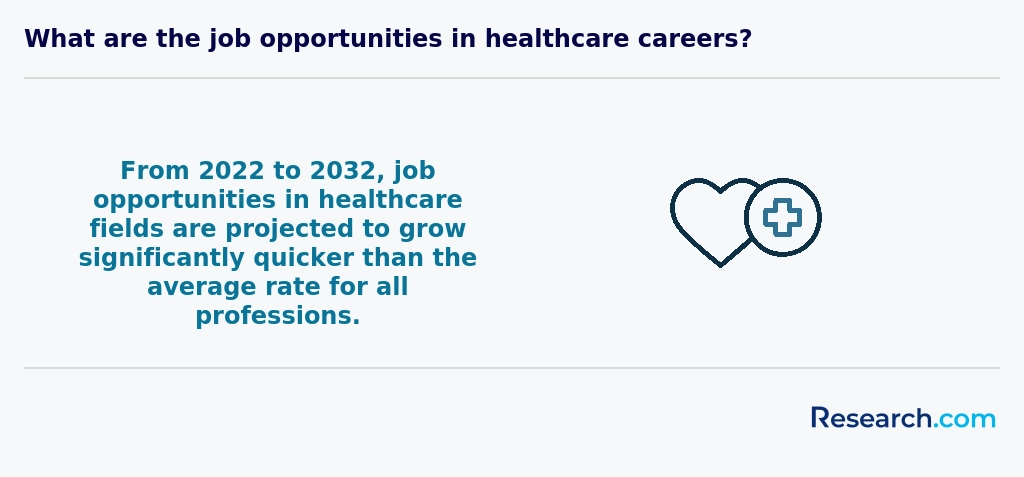
Healthcare careers are increasingly valued worldwide due to growing populations and aging demographics. In the United States, professionals with healthcare degrees are experiencing steady job growth, with the Bureau of Labor Statistics projecting a 13% increase in healthcare occupations from 2021 to 2031. This trend reflects a global focus on improving healthcare access and quality.
For students in Utica, online healthcare degrees offer flexible paths to enter this expanding field. Syracuse's Upstate Medical University partners in local initiatives enhancing regional healthcare, highlighting the community's commitment to workforce development. According to New York State Department of Labor, healthcare jobs are among the fastest-growing in the Mohawk Valley, where Utica is located.
Globally, demand for skilled healthcare workers supports higher education opportunities online, allowing students to gain expertise without relocating. This approach aligns with the evolving nature of healthcare careers emphasizing technology, telehealth, and interdisciplinary skills.
Gaining practical experience while pursuing an online healthcare degree in Utica is essential for applying theoretical knowledge to real-world situations. Many programs incorporate clinical placements or internships with local healthcare facilities such as St. Elizabeth Medical Center and the Mohawk Valley Health Systems. These partnerships offer students opportunities for hands-on training under professional supervision.
Students can also engage in virtual simulations and case studies, which increasingly supplement traditional clinical hours. According to the New York State Education Department, 75% of healthcare programs require a minimum of 300 clinical hours, many of which can be fulfilled locally.
Networking with Utica's healthcare community enhances job prospects and skill development during studies.
Choosing the right concentration within an online healthcare degree program in Utica involves assessing local healthcare demands and your career goals. In Utica, fields like nursing, healthcare administration, and public health show strong growth, responding to regional needs identified by the New York State Department of Labor.
Consider your previous experience, interests, and the skills each concentration develops. For example, nursing concentrations can lead to direct patient care roles, while healthcare administration prepares you for organizational leadership.
Research program accreditation and alignment with national certification exams. Also, evaluate if the curriculum offers practical components suited to Utica's healthcare infrastructure to improve job prospects.
Related Healthcare Rankings for Nearby Cities
- 2027 Fastest Online Healthcare Degree Programs Ranking in Rochester, NY
- 2027 Fastest Online Healthcare Degree Programs Ranking in South Orange, NJ
- 2027 Fastest Online Healthcare Degree Programs Ranking in New York, NY
- 2027 Fastest Online Bachelor's in Healthcare Degree Programs Ranking in Philadelphia, PA
- 2027 Fastest Online Healthcare Degree Programs Ranking in Boston, MA
- 2027 Fastest Online Healthcare Degree Programs Ranking in Loretto, PA
- 2027 Fastest Online Master's in Healthcare Degree Programs Ranking in Baltimore, MD
- 2027 Fastest Online Healthcare Degree Programs Ranking in Adelphi, MD
- 2027 Fastest Online Healthcare Degree Programs Ranking in Washington, DC
- 2027 Fastest Online Bachelor's in Healthcare Degree Programs Ranking in Pittsburgh, PA
Top Trending Healthcare Rankings
See What Experts Have To Say About Studying Healthcare
Read our interview with Healthcare experts

References
- Top 3 Reasons to Consider a Career in Healthcare - Roseman University https://www.roseman.edu/student-experience/news/top-3-reasons-to-consider-a-career-in-healthcare/
- Utica College - Healthcare Management Degree Guide https://www.healthcare-management-degree.net/school-profiles/utica-college/
- Crafting the Perfect Cover Letter for Healthcare Roles https://healthcareaustralia.com.au/news/crafting-the-perfect-cover-letter-for-healthcare-roles/
- 20 healthcare investment niches and 3 things to know: The evolution of ... https://blackbookmarketresearch.com/20-healthcare-investment-niches-and-3-things-to-know-the-evolution-of
- Global Health Perspectives https://www.denvercollegeofnursing.edu/students/global-health-perspectives.html
- Online Degree vs. Traditional | University of Arkansas Grantham https://www.uagrantham.edu/blog/pros-cons-online-degree-vs-traditional-university/
- Alumni Reconnect - Poznan University of Medical Sciences https://pums.edu.pl/alumni-friends/alumni-reconnect/
- How a Strong Alumni Network Can Benefit Students https://www.pacificu.edu/blog/how-strong-alumni-network-can-benefit-students
- Health Sciences Study Abroad Programs - Healthcare Abroad https://www.ceastudyabroad.com/academic-discipline/health-sciences
- Trends and opportunities in healthcare across emerging markets - Inizio https://inizio.com/insights/trends-and-opportunities-in-healthcare-across-emerging-markets/


