
2027 Most Valuable Healthcare Degree Programs Ranking in Minnesota

Co-Founder and Chief Data Scientist
Choosing the right healthcare degree program in Minnesota can shape your future career and personal growth. To help you navigate this important decision, this article presents the 2027 Most Valuable Healthcare Degree Programs Ranking in Minnesota, developed by the Research.com team of data scientists.
By exploring these rankings, you'll gain valuable insights into programs that offer strong career prospects and rewarding opportunities.
If you're passionate about healthcare, this information will guide you toward a degree that truly fits your goals and aspirations.
Key benefits of getting healthcare degree in Minnesota
- Healthcare degree graduates in Minnesota can expect rewarding salaries, such as a Quality Improvement Coordinator earning around $103,150 annually or a Patient Care Technician making about $60,790 per year, highlighting strong financial benefits.
- With a healthcare degree from institutions like the University of Minnesota, graduates can explore diverse career paths, from Medical Assistant roles to Clinical Research Coordinator positions, offering great flexibility and growth opportunities.
- Online healthcare degrees, for example from Saint Mary's University of Minnesota, provide convenience and flexibility, allowing students to balance studies with personal commitments while still gaining the skills needed for rewarding healthcare careers.
- Key benefits of getting healthcare degree in Minnesota
- What can I expect from healthcare degree in Minnesota?
- Where can I work with healthcare degree in Minnesota?
- How much can I make with healthcare degree in Minnesota?
- 2027 Most Valuable Healthcare Degree Programs Ranking in Minnesota
- Key Findings
- How long does it take to complete healthcare degree in Minnesota?
- Licensing and Certification Requirements in Minnesota
- What's the difference between online and on-campus healthcare degree?
- Application and Admission Tips
- What is the average cost of healthcare degree in Minnesota?
- Accreditation and Licensure Success Rates
- What financial aid is available to healthcare degree students in Minnesota?
- Next Steps for Future Healthcare Leaders
- What are the prerequisites for enrolling in healthcare degree program in Minnesota?
- Emerging Trends in Healthcare Education and Career Opportunities
- What courses are typically in healthcare degree programs in Minnesota?
- What types of specializations are available in healthcare degree programs in Minnesota?
- How do you choose the best healthcare degree in Minnesota?
- What career paths are available for healthcare degree students in Minnesota?
- What is the job market for healthcare degree in Minnesota?
- Related Healthcare Rankings for Nearby States
- Top Trending Healthcare Rankings
- See What Experts Have To Say About Studying Healthcare
What can I expect from healthcare degree in Minnesota?
The average cost of a healthcare degree in Minnesota can vary, but many students find that tuition ranges from $10,000 to $30,000 per year depending on the institution and program level. For instance, graduates from the University of Minnesota often reflect on the investment as worthwhile, given the hands-on clinical placements and robust faculty support they received. Meanwhile, students attending Minnesota State schools appreciate the balance between affordability and access to quality healthcare training.
Financial aid options are vital here. Many students share stories of how scholarships and federal aid made their education manageable, easing the stress of tuition fees. This financial support allows them to focus more deeply on experiential learning, such as internships with the Mayo Clinic, which many describe as transformative for their confidence and skills.
Ultimately, while costs differ, the personal growth and professional preparation embedded in Minnesota's healthcare programs justify the expense for most students pursuing their passion in this vital sector.
Where can I work with healthcare degree in Minnesota?
Graduates with healthcare degrees from Minnesota institutions like the University of Minnesota or Minnesota State University often find themselves at the heart of a thriving medical community. Many recount walking the halls of renowned facilities such as the Mayo Clinic or Allina Health, where their education translates directly into meaningful patient care roles. These experiences foster a deep sense of purpose and connection to their work, which is invaluable in healthcare careers.
Employment opportunities span a wide array of settings-hospitals, outpatient clinics, and community health organizations-each offering unique challenges and rewards. For instance, graduates working in long-term care or rehabilitation facilities often share how their roles impact patients' daily lives, adding a rewarding dimension to their work beyond traditional clinical tasks.
Additionally, public health agencies and emerging telehealth services provide alternative career paths, allowing graduates to leverage their degrees in innovative ways. The diversity of Minnesota's healthcare landscape means that whether you prefer direct patient interaction or behind-the-scenes health promotion, there is a satisfying place to grow professionally and personally.
How much can I make with healthcare degree in Minnesota?
Graduates from healthcare programs in Minnesota often find their education translates directly into rewarding salaries. For example, those stepping into roles like Medical Assistants can expect a mean annual wage of about $43,350, while Patient Care Technicians earn closer to $60,790. These figures reflect real opportunities for graduates from respected institutions such as the University of Minnesota or Mayo Clinic College of Medicine.
Healthcare degree holders aiming for specialized roles, like Quality Improvement Coordinators, see even more substantial earnings, with average salaries near $103,150 annually. This clearly highlights the value of gaining advanced skills and certifications during your studies.
Health Information Technicians and Clinical Research Coordinators also enjoy competitive pay, both averaging around $43,350 per year. Many graduates report satisfaction not just from the financial stability, but also from the meaningful work that these roles provide in Minnesota's vibrant healthcare landscape.
The positive experiences of alumni across Minnesota's top healthcare schools emphasize how a degree here opens doors to solid, well-compensated careers that grow alongside the state's expanding medical community.
2027 Most Valuable Healthcare Degree Programs Ranking in Minnesota
How do we rank schools?
Investing in your education is a significant decision that can shape your future, and the Research.com team understands the importance of making informed choices. To assist prospective students, we have meticulously created the "2027 Most Valuable Healthcare Degree Programs Ranking in Minnesota." Our commitment to quality, credibility, and accuracy is reflected in the extensive research and analysis conducted to compile this ranking. We utilized the following reputable data sources to ensure a comprehensive evaluation of healthcare degree programs:
By exploring this ranking, readers will gain valuable insights into the most valuable healthcare degree programs in Minnesota, helping them make well-informed educational decisions. For more details on our methodology, please visit our
Research.com methodology page
.
# 1 position
Walden University
Doctor of Healthcare Administration

# 2 position
Walden University
Bachelor of Science in Healthcare Administration


# 5 position
Capella University
Bachelor of Science in Health Sciences

# 6 position
Walden University
Master of Health Administration
# 7 position
Capella University
Master of Health Administration


# 11 position
Capella University
Doctor of Health
# 12 position
The College of Saint Scholastica
Bachelor of Science in Health Informatics and Information Management


# 16 position
Herzing University-Minneapolis
Bachelor of Science in Health Sciences

# 18 position
Rasmussen University-Minnesota
Bachelor of Science in Nursing


Key Findings
- Minnesota offers healthcare degrees from associate to doctoral levels in fields like nursing, health administration, and medical technology.
- Public schools charge between $8,000 and $15,000 annually for in-state students, while private institutions may cost over $30,000 per year.
- Healthcare jobs in Minnesota are expected to grow by about 15% from 2020 to 2030, faster than average for all occupations.
- Starting salaries vary from $40,000 to $60,000 depending on the role, with registered nurses often beginning around $60,000.
- Experienced healthcare professionals in Minnesota can earn median salaries above $80,000 annually.
How long does it take to complete healthcare degree in Minnesota?
In Minnesota, completing a healthcare degree can take various amounts of time depending on the program chosen and future career goals. Many graduates from institutions like the University of Minnesota or Mayo Clinic College of Medicine reflect on their journeys, noting how initial certificate or associate degree programs, often lasting 1 to 3 years, offered a swift and rewarding entry into healthcare. These shorter pathways allow students to quickly start working as certified nursing assistants or medical assistants, embracing hands-on experience early on.
Others pursuing bachelor's degrees, such as nursing at Metropolitan State University or Bethel University, typically commit to about four years of study, balancing classroom learning with clinical hours. This timeline, though longer, deepens their knowledge and confidence before entering the workforce.
For advanced practice, many find that completing master's or doctoral degrees in Minnesota, sometimes accelerated but often spanning 2 to 7 years, challenges them intellectually while fueling strong professional growth. The blend of rigorous academics and real-world training at Minnesota's colleges makes these years feel purposeful and inspiring.
Flexibility is key-students often tailor their paths around work and life, appreciating programs designed to fit Minnesota's dynamic healthcare landscape.
Licensing and Certification Requirements in Minnesota
Navigating licensing and certification is a critical step for healthcare graduates in Minnesota, ensuring you meet state standards and can practice legally. The Minnesota Board of Nursing, Board of Medical Practice, and Board of Physical Therapy all administer specific exams and continuing education requirements. For example, registered nurses must pass the NCLEX-RN and complete 30 hours of approved continuing education every two years, while licensed practical nurses must clear the NCLEX-PN and renew biennially with 12 hours of clinical instruction. Beyond nursing, allied health professionals like health information technicians register with the Minnesota Department of Health’s Health Records and Licensing Division, demonstrating competency through the Registered Health Information Technician (RHIT) exam. Physical therapists must earn a degree from a CAPTE-accredited program, pass the NPTE, and complete 30 contact hours of approved courses before each biennial renewal. Even niche roles-such as clinical exercise physiologists-require certification through the American College of Sports Medicine (ACSM) or the National Strength and Conditioning Association (NSCA), reinforcing the importance of accredited program selection (consider our top kinesiology programs online for a solid foundation). Applicants submit official transcripts, exam scores, and background checks electronically via the Minnesota eLicensing portal. Processing times typically range from two to six weeks, depending on the profession and submission completeness. To maintain your license, track renewal deadlines on Minnesota’s eLicense dashboard and fulfill any additional state-mandated training-such as opioid prescribing guidelines for advanced practice nurses or infectious disease updates for medical laboratory scientists. Understanding these requirements early can streamline your transition from classroom to clinic. Reach out to program advisors at your chosen institution or state board contacts for specialty-specific guidance, ensuring your credentials remain current and compliant as you advance your healthcare career in Minnesota.
What's the difference between online and on-campus healthcare degree?
Choosing between online and on-campus healthcare degrees in Minnesota often comes down to how students envision their learning journey. Graduates from the University of Minnesota frequently recall the invaluable hands-on experiences gained through in-person clinical labs and direct mentorship, essential for mastering practical skills. Conversely, those who pursued online programs appreciate the flexibility to balance work and family while accessing coursework anytime, an advantage echoed by many attending Mayo Clinic School of Health Sciences remotely.
The difference isn't just about location; it's about how you interact with the material and your instructors. On-campus learners often feel a strong sense of community and immediate support, critical when practicing clinical techniques. Online students cherish the autonomy to learn at their own pace but face the challenge of arranging real-world clinical hours needed for Minnesota licensure.
Cost-wise, in-person programs in Minnesota's public universities range between $12,000 and $15,000 annually for residents. Online degrees may reduce fees tied to campus facilities but add expenses like technology. Ultimately, personal circumstances and career goals shape the best choice, reflecting the diverse paths healthcare students take across Minnesota.
Application and Admission Tips
Navigating the application process can be just as challenging as choosing the right program. Prospective students should start by researching individual program requirements and deadlines to stay ahead in this competitive field. Tailor your application to highlight relevant work or volunteer experiences, and consider reaching out to admissions counselors for personalized advice. It’s essential to maintain a strong academic record, submit compelling personal statements, and secure robust letters of recommendation that reflect your passion for healthcare. Moreover, exploring flexible educational options can be beneficial-if you’re looking for an alternative pathway, check out what is the easiest online mha program to get into for insights into streamlined academic programs that balance quality and accessibility. By preparing well in advance and aligning your application with your long-term career goals, you can boost your chances of acceptance into one of Minnesota’s top healthcare programs.
What is the average cost of healthcare degree in Minnesota?
The average cost of a healthcare degree in Minnesota typically centers around $14,610 for in-state students, reflecting the median in-state total cost. Graduates from well-regarded institutions like the University of Minnesota have often shared that while tuition fees hover near this figure, the experience and training they receive justify the investment. Minnesota healthcare degree tuition and fees vary, particularly when comparing public universities to private institutions. For example, private colleges may charge substantially more, but public universities balance quality education with more accessible pricing.
Many students also report that additional expenses such as lab fees, clinical placement costs, and textbooks contribute significantly to the overall financial commitment. Yet, these can often be offset by the availability of financial aid. Programs like the Minnesota State Grant are frequently mentioned by students as lifelines that help make the dream of a healthcare career more attainable. Prospective students may find that planning ahead and researching tailored aid options immensely eases the burden.
Community colleges also play a crucial role for those pursuing healthcare fields with lower tuition costs, sometimes ranging from $5,000 to $8,000 annually. Looking beyond traditional campuses, some have turned to options like most affordable online healthcare programs in minnesota to reduce expenses while balancing life and study commitments. These paths highlight the varied financial routes available to earn a quality degree in healthcare within the state.
Accreditation and Licensure Success Rates
Accreditation ensures that healthcare degree programs in Minnesota meet rigorous quality standards and equip graduates for professional licensure. Leading accrediting bodies such as the Commission on Collegiate Nursing Education (CCNE), the Accreditation Council for Occupational Therapy Education (ACOTE), and the Council on Education for Public Health (CEPH) evaluate curricula, faculty qualifications, and clinical training opportunities. When researching programs, verify institutional accreditation through the U.S. Department of Education or the Council for Higher Education Accreditation (CHEA) to secure eligibility for federal aid and state licensure exams. Licensure success rates, such as NCLEX-RN pass rates for nursing graduates, are crucial indicators of program effectiveness. For example, the University of Minnesota’s BSN program consistently reports first-time NCLEX-RN pass rates above 95%, well above the national average of 88%. Similarly, graduates from accredited health informatics and health administration tracks often achieve certification exam pass rates exceeding 90%, demonstrating strong preparation for industry credentialing. High licensure and certification outcomes not only enhance employability but also reflect the program’s commitment to student achievement and patient safety. Prospective students should request program-specific data on accreditation status and graduate exam performance during campus visits or information sessions. For those seeking affordable, nationally recognized online pathways, explore our Low Cost Online Master's in Healthcare Degree Programs Ranking in Missouri, which highlights online master’s programs that balance cost-efficiency with accreditation excellence. By prioritizing accredited programs with robust licensure success, aspiring healthcare professionals in Minnesota can confidently invest in an education that leads to licensure, certification, and a thriving career.
What financial aid is available to healthcare degree students in Minnesota?
Many healthcare students in Minnesota quickly learn that securing financial aid is essential to manage the steep costs of programs, especially at institutions like the University of Minnesota or Augsburg University. Federal aid through FAFSA opens doors to grants like the Pell Grant, which relieved one recent graduate with limited resources by covering nearly $7,000 annually, allowing them to focus on studies without overwhelming debt.
State-specific assistance, such as the Minnesota State Grant Program, often fills gaps by providing need-based aid to those attending public colleges and technical schools. Graduates recall how this grant helped bridge the difference between tuition charges and federal aid, making education feel attainable.
Scholarships tailored to healthcare fields, offered by groups like the Minnesota Hospital Association, bring another layer of hope and recognition. For example, nursing students have found both financial support and encouragement through these awards, fostering a sense of belonging in their future profession.
Additionally, programs like loan forgiveness through the National Health Service Corps have eased the path for graduates committing to underserved communities, turning financial aid into a rewarding career journey. Many Minnesota students emphasize starting the aid application process early, highlighting how personalized help from school financial aid offices was invaluable in navigating these options.
Next Steps for Future Healthcare Leaders
Pursuing a healthcare degree in Minnesota is a transformative journey that doesn’t end at graduation-it’s the beginning of a dynamic career filled with continuous learning and evolving challenges. As you plan your future, consider these actionable strategies to make your transition from student to professional as smooth as possible. Start by actively seeking mentorship opportunities and participating in networking events hosted by local healthcare organizations; these connections can offer you valuable insights and open doors to internships, residencies, and entry-level positions. Enhance your flexibility and broaden your educational options by exploring our comprehensive guide on the most affordable online healthcare programs in minnesota, which can help you balance your education with work or personal commitments. Additionally, focus on developing soft skills such as effective communication, problem-solving, and empathy-qualities that not only complement your technical knowledge but also set you apart in a competitive job market. Keep abreast of industry trends like telehealth innovations and digital health record management, as staying informed will bolster your adaptability in an ever-changing healthcare landscape. By prioritizing continuous professional development and leveraging both academic achievements and real-world experiences, you’ll be well-equipped to navigate the challenges and reap the rewards of a fulfilling career in healthcare.
What are the prerequisites for enrolling in healthcare degree program in Minnesota?
To enroll in a healthcare degree program in Minnesota, the path begins with strong academic foundations. Graduates from institutions like the University of Minnesota often recall that having a solid background in biology, chemistry, and higher-level math was crucial for their success. These courses prepare students to tackle challenging subjects such as anatomy and physiology with confidence.
Many programs require standardized test scores like the ACT or SAT, though some colleges now offer test-optional options, easing entry barriers for many hopefuls. Maintaining a GPA around 2.5 to 3.0 on a 4.0 scale is commonly expected, reflecting sustained commitment and capability.
Beyond academics, practical prerequisites include completing critical courses like microbiology and general chemistry. Applicants may also need to show CPR certification and pass background checks, ensuring readiness for clinical settings. Graduates from popular community colleges in Minnesota emphasize how gaining volunteer experience in healthcare environments deepens understanding and boosts application strength.
International students face additional requirements, such as demonstrating English proficiency through exams like TOEFL, to thrive in Minnesota's healthcare programs.

Emerging Trends in Healthcare Education and Career Opportunities
Minnesota’s healthcare education landscape is evolving rapidly, driven by technological innovations and changing patient care models. Today’s students can expect a greater emphasis on digital curriculum integration, telehealth, and simulation-based learning environments that complement traditional hands-on training. For example, many institutions are incorporating virtual reality simulations to give students a realistic preview of clinical scenarios, while telemedicine modules prepare graduates for remote patient management-a trend accelerated by recent global health challenges. This forward-thinking approach provides students not only with the necessary clinical expertise but also with the digital literacy to thrive in a modern healthcare environment. Additionally, emerging trends highlight the growing popularity of online programs which offer cost-effective, flexible solutions. If you are interested in exploring these innovative pathways, consider checking out our article on most affordable online healthcare programs in minnesota to learn how these formats are making education both accessible and contemporary. As the industry continues to transform, graduates equipped with these advanced skills will be well positioned to build sustainable careers and drive positive change in community health.
What courses are typically in healthcare degree programs in Minnesota?
Healthcare degrees in Minnesota consistently emphasize a blend of foundational science and specialized healthcare courses that prepare students for real-world challenges. Graduates from institutions like the University of Minnesota often recall the value of courses such as human anatomy and physiology, microbiology, and chemistry, which build a deep understanding of the human body and disease processes essential for clinical work.
Students at colleges like Mayo Clinic School of Health Sciences frequently highlight how studying medical terminology and healthcare ethics sharpened their communication skills and ethical judgment-skills they found crucial when interacting with patients and navigating complex healthcare environments.
Practical experience through clinical skills and laboratory technique courses is a cornerstone of Minnesota's programs. Graduates share that hands-on labs and rotations helped them transition confidently from classroom theory to patient care, especially in nursing and medical assistant tracks.
For those pursuing administrative roles in healthcare, courses in management, health information systems, and finance taught at schools like St. Catherine University are invaluable. They foster leadership and data-driven decision-making, essential in Minnesota's innovative health sector. This practical, well-rounded education leaves students feeling prepared and optimistic about their futures.
What types of specializations are available in healthcare degree programs in Minnesota?
Healthcare degree specializations in Minnesota offer diverse pathways that reflect both the needs of the local medical community and broader healthcare trends. Graduates from universities well-known for healthcare education often remark on the richness of choices such as Nursing, which opens doors to roles like registered nurses and nurse practitioners, providing deeply rewarding, hands-on patient care experiences. Public Health programs attract those passionate about improving community wellness and addressing rural health disparities common in Minnesota.
Others find their calling in Healthcare Administration, preparing for leadership roles within Minnesota's growing hospitals and clinics. Rehabilitation-focused programs like Physical Therapy and Occupational Therapy offer a chance to make tangible differences in patients' recovery journeys. Medical Laboratory Science and Health Informatics also stand out, with students appreciating the blend of science and technology that supports Minnesota's cutting-edge medical research and data management efforts.
Students comparing programs often investigate Minnesota healthcare programs with specialization options to find a focus aligned with their career goals. Those curious about flexible graduate options frequently explore what is the easiest online mha program to get into, balancing education with life's demands.
How do you choose the best healthcare degree in Minnesota?
Choosing the best healthcare degree in Minnesota begins with understanding which healthcare field truly resonates with your passions and skills. Graduates from the University of Minnesota often share how programs offering strong clinical placements with partnerships at institutions like the Mayo Clinic gave them confidence through hands-on experience-something essential in preparing for real healthcare roles. Considering accredited programs ensures that the education you receive is trustworthy and valued by employers. Public universities in Minnesota typically offer more affordable healthcare degrees, a vital aspect when balancing quality and cost.
Many students have found that programs with flexible options, including accelerated timelines or online learning pathways, support those juggling work and study effectively. Exploring options like kinesiology programs online can also expand your choices while staying in Minnesota. Reflecting on job placement rates encourages selecting a degree connected with Minnesota's healthcare community, enabling a smoother transition into the workforce. These thoughtful considerations are key for anyone seeking the best healthcare degree programs Minnesota can offer.
What career paths are available for healthcare degree students in Minnesota?
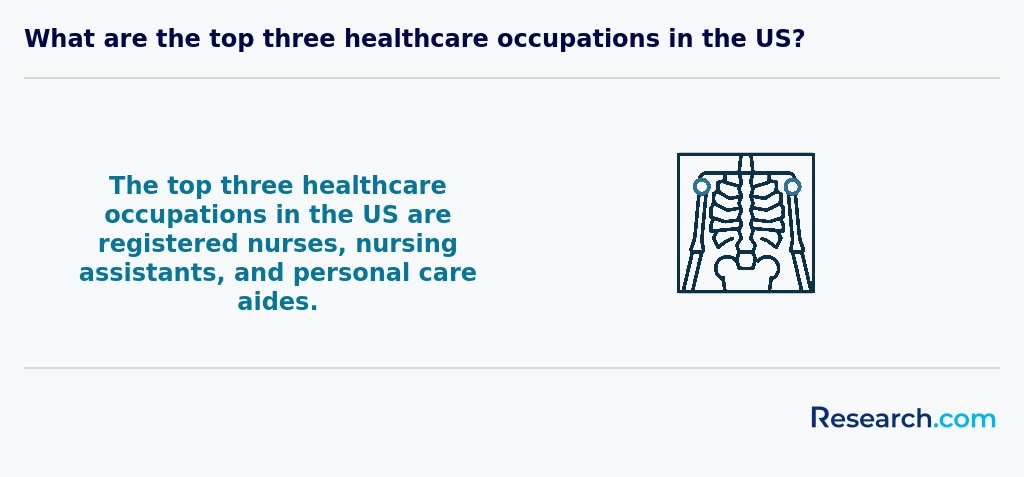
Graduates of healthcare degrees in Minnesota discover a wide variety of fulfilling career paths, each reflecting the state's well-established healthcare sector. Many find rewarding work as registered nurses, joining the more than 60,000 RNs employed statewide, often inspired by their hands-on clinical experiences at institutions like the University of Minnesota. These roles bring the satisfaction of meaningful patient care, complemented by competitive salaries. Others pursue becoming physician assistants or medical laboratory technologists, fields that are growing quickly and offer dynamic daily challenges. Reflecting on conversations with peers from Minnesota State Colleges, there's a common sense of pride in contributing to community health, whether through bedside care or advanced diagnostics.
For those drawn to the broader healthcare system, options include healthcare administration and health information management-a path where graduates manage vital operations behind the scenes. This is especially relevant given Minnesota healthcare degree job prospects that increasingly value skills in managing expansive hospital networks. Some graduates find purpose in public health roles or biomedical research tied closely to state universities, blending scientific curiosity with real-world impact. For students considering affordability, programs like the Low Cost Online Master's in Healthcare Degree Programs Ranking in Missouri can offer guidance on cost-effective options.
What is the job market for healthcare degree in Minnesota?
The healthcare job outlook in Minnesota is characterized by a robust and expanding market that truly rewards graduates from local programs. Those who have studied at well-known institutions such as the University of Minnesota or Mayo Clinic College of Medicine often share how their education opens doors to meaningful roles in hospitals and outpatient settings. This dynamic market thrives on a strong demand for registered nurses, healthcare managers, and allied health professionals, which means new graduates frequently find positions quickly and feel a rewarding sense of purpose in their careers.
Graduates frequently highlight the variety of opportunities available throughout Minnesota, especially in metro hubs like Minneapolis-St. Paul and Rochester. Exposure to large healthcare systems helps build practical skills that employers highly value. The state's steadily rising salaries and emphasis on telehealth create confidence and excitement for those starting out.
For students aiming to make the most of their investment, exploring fast college courses offers a smart, time-efficient path to enter this flourishing field.
Many find that the Minnesota healthcare degree employment opportunities provide not only financial stability but also deep professional satisfaction as they contribute to their communities' well-being.
Frequently Asked Questions About healthcare
Healthcare degree students in Minnesota can maximize their learning experience by engaging in hands-on clinical practice through partnerships between universities and healthcare facilities. For example, the University of Minnesota's connections with regional hospitals provide diverse clinical rotations, essential for skill development. According to the Minnesota Department of Employment and Economic Development (DEED), practical experience increases employment chances upon graduation, with healthcare jobs growing by over 10% statewide through 2030.
Students should also take advantage of research opportunities and interdisciplinary projects offered by institutions like Mayo Clinic, which hosts over 4,000 clinical trials annually. Combining classroom learning with real-world exposure and networking can significantly enhance educational outcomes and professional readiness.
In Minnesota, emerging niches within the healthcare field reflect growing demands for specialized care and technology integration. Areas like telehealth have expanded rapidly, propelled by the state's investment in broadband access and rural healthcare services. According to the Minnesota Department of Health, telehealth visits increased by over 50% between 2019 and 2022, highlighting opportunities for professionals skilled in digital health technologies.
Precision medicine is another fast-growing niche, utilizing genetic information to tailor treatments. Minnesota hosts several research institutions advancing this field. Additionally, health informatics and data analysis are crucial for managing large healthcare datasets, making skilled graduates highly sought after in both clinical and administrative roles.
After completing a healthcare degree in Minnesota, preparing for the job market involves several strategic steps. First, gaining relevant clinical experience through internships or practicums is crucial, as Minnesota healthcare employers often prioritize hands-on skills. According to the Minnesota Department of Employment and Economic Development, healthcare occupations are projected to grow by 16% through 2030, highlighting strong demand.
Networking with local healthcare professionals and joining state-specific organizations like the Minnesota Nurses Association can open job opportunities. Additionally, obtaining necessary licensure or certification for your field is essential, as roles such as nursing or medical lab technologists require state approval before practice.
Finally, tailoring your resume and interview skills to Minnesota healthcare culture and standards improves hiring prospects in this competitive but growing job market.
Employers in Minnesota's healthcare sector prioritize several key skills when hiring graduates with healthcare degrees. Strong communication abilities are essential, as nearly 70% of healthcare roles involve direct patient interaction, according to the Minnesota Department of Employment and Economic Development (DEED).
Clinical competence and hands-on experience are critical, with many employers seeking candidates familiar with the latest healthcare technologies and electronic health records (EHR). DEED data shows that proficiency in EHR systems increases employment opportunities by 15% in the region.
Additionally, problem-solving and critical thinking are highly valued, enabling graduates to make quick, informed decisions in fast-paced medical environments. Teamwork and adaptability also rank among the top skills, reflecting the collaborative nature of healthcare work in Minnesota's diverse clinical settings.
Finding internships in Minnesota relevant to a healthcare degree involves leveraging multiple resources designed to connect students with practical experiences. Many Minnesota universities, such as the University of Minnesota and Mayo Clinic College of Medicine, offer structured internship programs in hospitals and clinics statewide. These schools often provide career services that help students identify and apply for placements.
Additionally, Minnesota's Department of Employment and Economic Development reports that healthcare-related occupations have a steady growth rate, leading to numerous internship opportunities in urban centers like Minneapolis and Rochester. Using platforms like Handshake or the Minnesota Hospital Association's career portal can also help students find openings. Networking through professional organizations like the Minnesota Healthcare Executives Forum often proves beneficial.
Students should start early by consulting academic advisors and attending local healthcare job fairs to maximize their chances of securing relevant internships before graduation.
Obtaining a healthcare degree in Minnesota significantly enhances career mobility and advancement opportunities within the state's robust medical sector. According to the Minnesota Department of Employment and Economic Development, healthcare occupations are projected to grow 12% from 2020 to 2030, creating over 40,000 new jobs. A formal degree in healthcare equips graduates with the credentials needed for licensure, specialized roles, and leadership positions.
Employers in Minnesota prioritize candidates with degrees due to the state's rigorous regulations, especially in nursing, allied health, and administration fields. Advanced degrees often lead to higher salaries and greater job security. Additionally, Minnesota's strong network of healthcare organizations, like Mayo Clinic and Allina Health, fosters internal career progression for degreed professionals.
Studying for a healthcare degree in Minnesota equips students with a strong foundation to excel in interdisciplinary roles through integrated curricula and collaborative learning models. Minnesota's healthcare programs emphasize teamwork between nursing, public health, social work, and allied health fields, mirroring real-world clinical environments. According to the Minnesota Department of Health, graduates often engage in cross-disciplinary projects that improve patient outcomes by combining diverse expertise.
The state's numerous healthcare institutions foster partnerships with universities, providing students opportunities for hands-on experience in interdisciplinary teams. This approach helps students develop communication skills essential for collaborating with physicians, therapists, and administrators. Such preparation aligns with national trends aiming to reduce medical errors and enhance care coordination.
Choosing between a thesis and a non-thesis healthcare degree program in Minnesota depends largely on your career goals. Thesis programs often focus on research and prepare students for doctoral studies or roles in academic medicine. They require completing an original research project, which can enhance critical thinking and analytical skills.
Non-thesis programs typically emphasize practical skills and applied knowledge, aiming to prepare students for immediate employment in clinical or administrative roles. According to the Minnesota Department of Employment and Economic Development, healthcare jobs in the state are projected to grow by 10% through 2030, highlighting strong demand for practitioners.
Consider if you prefer independent research or hands-on experience when choosing. Additionally, evaluate faculty expertise and available resources at Minnesota institutions. This choice influences your professional trajectory and readiness in Minnesota's evolving healthcare landscape.
Students in Minnesota seeking healthcare degrees abroad have several options due to partnerships between local institutions and foreign universities. Programs often include study abroad components or dual-degree opportunities, allowing students to gain international healthcare experience while earning credits applicable to their Minnesota degree. For example, the University of Minnesota offers exchange programs with institutions in Europe and Asia focused on nursing and public health.
Additionally, Minnesota students can enroll in accredited international medical schools recognized by the Educational Commission for Foreign Medical Graduates (ECFMG), which enables them to pursue clinical training or residencies in the U.S. upon graduation.
The Minnesota Department of Employment and Economic Development reports a steady demand for healthcare professionals, encouraging students to consider global perspectives in their education to address diverse community needs effectively.
Part-time job opportunities in Minnesota that complement healthcare degree education are varied and valuable for gaining relevant experience. Many students find roles such as medical assistants, patient care technicians, or pharmacy aides in hospitals and clinics. According to the Minnesota Department of Employment and Economic Development, healthcare support occupations are projected to grow by nearly 12% through 2030, reflecting strong demand.
Additionally, jobs in long-term care facilities and assisted living centers offer hands-on patient interaction, helping students develop practical skills. Some students also engage in research assistant positions at medical or university research centers, which is particularly useful for those interested in advancing their healthcare careers.
These part-time positions not only enhance resumes but also provide crucial exposure to healthcare environments, complementing academic learning effectively.
Healthcare students in Minnesota have access to numerous networking opportunities supported by the state's strong medical and educational communities. Many colleges and universities, like the University of Minnesota and Augsburg University, host healthcare-specific career fairs and professional mixers that connect students with local hospitals and clinics.
Minnesota's healthcare sector is robust, employing over 350,000 workers as of 2023 according to the Minnesota Department of Employment and Economic Development. This creates a wide network for internships and job shadowing.
Professional organizations such as the Minnesota Nurses Association or Minnesota Healthcare Executives provide events and mentorship programs designed to link students with seasoned practitioners. These connections often lead to job opportunities after graduation.
Alumni networks play a crucial role in supporting healthcare degree students in Minnesota. These networks provide valuable connections to professionals already working within the state's extensive healthcare system, which employs over 330,000 people as reported by the Minnesota Department of Employment and Economic Development (DEED) in 2023.
Students gain access to mentorship, internships, and job opportunities through alumni contacts, enhancing their career readiness. Networking within local hospitals and clinics is especially important in Minnesota, where healthcare employers prioritize community ties and recommendations.
Moreover, alumni often share insights about industry trends and licensure requirements specific to Minnesota, which benefits new graduates navigating the state's regulatory environment.
Customizing a healthcare degree in Minnesota often begins with choosing a specialization aligned with your career goals. Popular paths include nursing, health informatics, public health, and health administration. Many Minnesota colleges offer flexible course options and elective choices, allowing students to tailor their studies.
Internships and clinical experiences in local hospitals or healthcare facilities are crucial for practical training and networking. According to the Minnesota Department of Employment and Economic Development, healthcare roles are projected to grow by 13% from 2020 to 2030, emphasizing demand for specialized skills.
Additionally, some programs provide online or hybrid courses, supporting those balancing work and study. Students should consult academic advisors to align coursework with certifications or licensure required in Minnesota's healthcare industry.
Healthcare students in Minnesota often face significant challenges related to clinical placement shortages. According to the Minnesota Board of Nursing, the high demand for clinical sites limits hands-on training opportunities, essential for graduation. This challenge is compounded by a growing number of enrollees in programs responding to workforce shortages, increasing competition for placements.
Another common difficulty is managing the financial burden. Tuition and fees for healthcare degrees in Minnesota can be substantial, with average annual costs ranging between $10,000 and $20,000 at public institutions, per Minnesota Office of Higher Education data.
Additionally, maintaining academic rigor while balancing work and family responsibilities is a frequent struggle. Many students report stress related to demanding coursework and the need for flexible scheduling, which some Minnesota programs are trying to address through hybrid learning options.
With a healthcare degree in Minnesota, students can pursue various professional certifications to enhance their careers. Common certifications include Certified Nursing Assistant (CNA), Licensed Practical Nurse (LPN), and Registered Nurse (RN). These credentials are essential for clinical roles across the state.
For advanced practice, certifications like the Certified Medical Assistant (CMA) and Certified Health Education Specialist (CHES) are available. Minnesota's Department of Health and the Minnesota Board of Nursing provide authorization and regulation for many of these certifications.
Professionals can also earn certifications in specialized areas such as phlebotomy, radiology, and health informatics, reflecting the state's diverse healthcare workforce needs.
Writing a successful application for a healthcare program in Minnesota requires careful preparation and attention to detail. Start by thoroughly researching programs accredited by the Minnesota Board of Nursing or the Higher Learning Commission. Schools like the University of Minnesota and Mayo Clinic College of Medicine are highly regarded.
Highlight your relevant experience, whether through volunteering or work in healthcare settings, as Minnesota values practical skills. Tailor your personal statement to reflect your commitment to serving Minnesota's communities, noting that the state has a growing demand for healthcare professionals due to its aging population (Minnesota Department of Health, 2023).
Strong letters of recommendation from healthcare professionals or educators also enhance your application. Finally, ensure you meet prerequisite course requirements, such as biology and chemistry, as these are often strictly enforced by Minnesota programs.
The global perspective on a healthcare career highlights the increasing demand for skilled professionals in a variety of roles. In Minnesota, healthcare jobs are projected to grow 16% from 2020 to 2030, faster than the national average, according to the U.S. Bureau of Labor Statistics. This growth reflects a worldwide trend driven by aging populations and advances in medical technology.
Healthcare degrees offer strong international mobility, with skills learned in Minnesota often recognized abroad. The Minnesota Department of Employment and Economic Development notes a steady need for nurses, healthcare technicians, and allied health professionals both locally and internationally.
Moreover, public health challenges such as pandemics emphasize the importance of globally informed healthcare education. Students with a healthcare degree gain knowledge beneficial not only within the U.S. but in addressing worldwide health issues.
Gaining practical experience while studying for a healthcare degree in Minnesota is essential for building skills and improving job prospects. Many Minnesota colleges and universities collaborate with local hospitals and clinics to offer clinical placements. For example, the University of Minnesota Health Partnerships allow students to complete hands-on training in real healthcare settings. According to the Minnesota Department of Health, clinical experience is often required for licensure in fields like nursing and physical therapy.
Students can also seek internships or volunteer positions at renowned health systems such as Mayo Clinic or Allina Health. These opportunities provide exposure to patient care and healthcare operations, enhancing learning beyond the classroom.
Choosing the right concentration within a healthcare degree program in Minnesota involves assessing your career goals, interests, and the local job market. Minnesota has a strong healthcare sector, with the Minnesota Department of Employment and Economic Development reporting a projected 12% growth in healthcare occupations through 2030.
You should consider concentrations that align with high-demand roles such as nursing, public health, or healthcare administration. Research the curriculum offered by Minnesota colleges to ensure it covers skills valued in the state's healthcare system, like patient care or health informatics.
Additionally, look for programs that offer clinical placements or partnerships with Minnesota healthcare institutions, which can improve job prospects upon graduation.
Related Healthcare Rankings for Nearby States
- 2027 Most Valuable Online Healthcare Degree Programs Ranking in Wisconsin
- 2027 Most Valuable Online Healthcare Degree Programs Ranking in Iowa
- 2027 Most Valuable Online Healthcare Degree Programs Ranking in North Dakota
- 2027 Most Valuable Online Healthcare Degree Programs Ranking in South Dakota
- 2027 Most Valuable Online Healthcare Degree Programs Ranking in Nebraska
- 2027 Most Valuable Online Healthcare Degree Programs Ranking in Illinois
- 2027 Most Valuable Online Healthcare Degree Programs Ranking in Missouri
- 2027 Most Valuable Online Healthcare Degree Programs Ranking in Michigan
- 2027 Most Valuable Online Healthcare Degree Programs Ranking in Kansas
- 2027 Most Valuable Online Healthcare Degree Programs Ranking in Ohio
Top Trending Healthcare Rankings
See What Experts Have To Say About Studying Healthcare
Read our interview with Healthcare experts

References
- HealthForce Minnesota - For Students https://healthforceminnesota.org/students/careers.html
- Healthcare Career Paths in Minnesota - Start With No Experience | CaresLink https://www.careslink.com/en/career-paths/minnesota
- How to Set and Achieve Career Goals in Health and Social Care | Royal Open College https://royalopencollege.org/blog/health-and-social-care/how-to-set-and-achieve-career-goals/
- The Value of Healthcare Organization Alumni Associations https://consultqd.clevelandclinic.org/the-value-of-healthcare-organization-alumni-associations
- Tuition and Aid - Physician Assistant Program (Minnesota) - Mayo Clinic College of Medicine & Science https://college.mayo.edu/academics/health-sciences-education/physician-assistant-program-minnesota/tuition-and-aid/
- Jobs at MDH https://www.health.state.mn.us/about/jobs.html
- The impact of postgraduate education on career advancement in healthcare https://sets.com.ua/journals/vol-3-no-2-2024/the-impact-of-postgraduate-education-on-career-advancement-in-healthcare
- Students and Alumni associations - Europubhealth https://www.europubhealth.org/students-alumni-associations/
- Top 3 Reasons to Consider a Career in Healthcare - Roseman University https://www.roseman.edu/student-experience/news/top-3-reasons-to-consider-a-career-in-healthcare/
- Advance Your Education and Career While Working in Healthcare https://www.hospitalrecruiting.com/blog/4236/advance-your-education-and-career-while-working-in-healthcare/


