2027 Most Affordable Healthcare Degree Programs Ranking in Florida

Co-Founder and Chief Data Scientist
Choosing the right healthcare degree program can be overwhelming, especially when affordability matters. This article introduces the 2027 Most Affordable Healthcare Degree Programs Ranking in Florida, compiled by the Research.com team of data scientists.
Designed to help you make an informed choice, the ranking highlights quality programs that won't break the bank. Discover options that align with your career goals and financial needs.
Reading this guide brings you closer to a fulfilling healthcare career, opening doors to meaningful work and personal growth. Your future in healthcare starts here.
Key benefits of getting healthcare degree in Florida
- Healthcare degree graduates in Florida can earn competitive salaries, such as $43,350 annually for Medical Assistants and Clinical Research Coordinators, up to $103,150 for Quality Improvement Coordinators, offering strong financial stability.
- Graduates from universities like the University of Florida have diverse career paths available, including roles as Patient Care Technicians or Health Information Technicians, enabling rewarding work in various healthcare settings.
- Obtaining a healthcare degree online, for example from the University of Central Florida, provides flexibility to balance work and study, making education more accessible and convenient while advancing your career goals.
- 2027 Most Affordable Healthcare Degree Programs Ranking in Florida
- What can I expect from healthcare degree in Florida?
- Where can I work with healthcare degree in Florida?
What can I expect from healthcare degree in Florida?
The average cost of pursuing a healthcare degree in Florida varies depending on the type of program and institution. Graduates from community colleges often share how associate degrees in nursing typically cost between $3,500 and $7,000 per year, making them a practical choice for many who want affordable yet reputable training. At the same time, students attending public universities, such as the University of Florida or Florida State University, report tuition fees ranging from about $6,500 to $15,000 annually for in-state education, which is a smart investment given the access to advanced facilities and research opportunities.
Many healthcare students highlight the availability of scholarships and grants targeting Florida residents pursuing healthcare fields, helping ease the financial burden. For example, a graduate from a well-known Florida college expressed relief after securing state-sponsored aid, making it feasible to focus fully on challenging coursework and clinical rotations without worrying excessively about costs.
Choosing a program accredited by the Florida Board of Nursing or other professional bodies ensures that the tuition paid translates into recognized qualifications and promising career prospects across the state's expanding healthcare job market.
Where can I work with healthcare degree in Florida?
With a healthcare degree in Florida, you can work in diverse settings that match your interests and skills. Many graduates find rewarding roles in hospitals like those affiliated with the University of Florida Health or the Mayo Clinic in Jacksonville, where you might specialize in emergency care or surgical support. These environments offer hands-on experience and a fast-paced atmosphere that many find motivating.
Others prefer outpatient clinics or physician offices, common career paths for graduates from institutions such as Florida State University. Here, you can focus on preventive care or chronic disease management, building close patient relationships that bring a strong sense of purpose.
Nursing homes and long-term care facilities also offer steady opportunities, especially with Florida's growing elderly population. Graduates often share how working in these settings delivers meaningful, day-to-day impacts on seniors' lives, especially when trained in geriatric nursing or healthcare assistance.
For those with healthcare management degrees from popular programs at Nova Southeastern University, roles in administration, insurance, or public health agencies provide chances to improve healthcare systems and community health education across the state.
Graduates holding healthcare degrees in Florida often find promising salary opportunities across various roles. For example, medical assistants working in bustling Miami clinics earn a mean annual wage of around $43,350, according to the latest BLS data. Similarly, patient care technicians, who might start their careers in hospitals near Tampa, see average earnings of about $60,790 per year, offering a solid income early on.
Health information technicians, critical in managing patient records at institutions like the University of Florida Health, make approximately $43,380 annually. Clinical research coordinators involved in groundbreaking studies at colleges such as Florida State University earn a comparable $43,350 on average, enabling them to contribute meaningfully while maintaining financial stability.
Those aiming for leadership roles can look toward quality improvement coordinators, a higher-level position typically involving healthcare system management, with salaries averaging $103,150. Graduates pursuing these paths often express satisfaction in both career growth and financial rewards in Florida's growing healthcare landscape.
- Average annual tuition for healthcare degrees at Florida's public universities is about $6,400 for in-state students, while private schools often charge over $20,000 per year.
- Entry-level healthcare jobs in Florida typically pay between $45,000 and $60,000 annually, with nursing graduates usually near the higher end of this range.
- Experienced healthcare professionals in Florida can earn from $75,000 to $100,000 per year, especially in specialized roles like nurse practitioners and health informatics.
- Healthcare jobs in Florida are expected to grow by nearly 20% over the next decade, driven by the state's large and aging population.
- Many programs include clinical training in local hospitals, helping students meet state licensure requirements for medical and nursing boards.
- Financial aid and scholarships targeted at healthcare students are widely available through schools and the Florida Department of Education.
Completing a healthcare degree in Florida varies based on the level and type of program you choose. For those aiming to jump into the field quickly, certificate or diploma programs at community colleges like Miami Dade College usually take between six months and one year. Graduates often share how this fast track helped them start working as Certified Nursing Assistants or EMTs without delay.
If you want a more comprehensive foundation, associate degrees offered by schools such as Hillsborough Community College typically require about two years of full-time study. Graduates often mention the sense of accomplishment as they step into roles like Licensed Practical Nurses or radiology technicians equipped with strong practical skills.
Bachelor's degrees at universities like the University of Florida generally take four years of full-time study. Students appreciate the blend of clinical practice and management training that prepares them for Registered Nurse licensure, opening doors to advanced career paths.
Graduate studies, including MSN programs, usually take two to three years and emphasize leadership, with many graduates from Florida State University highlighting how this education boosted their confidence in advanced roles.
Doctoral degrees, such as the Doctor of Nursing Practice, extend from three to six years and are tailored for those pursuing top clinical or research positions. Florida healthcare students pursuing these paths often express pride in contributing to healthcare innovation and education statewide.
Choosing an accredited healthcare program is essential to ensure your degree meets industry standards and qualifies you for state licensure and certification exams. In Florida, reputable institutions hold regional accreditation from the Southern Association of Colleges and Schools Commission on Colleges (SACSCOC), while specialized accreditors validate program-specific quality-such as the Commission on Collegiate Nursing Education (CCNE) for nursing, the Commission on Accreditation for Health Informatics and Information Management Education (CAHIIM) for health informatics, and the Commission on Accreditation of Allied Health Education Programs (CAAHEP) for allied health fields. Graduating from an accredited program not only allows you to sit for licensure exams like the NCLEX-RN or the Registered Health Information Technician (RHIT) certification, but also ensures eligibility for federal financial aid and seamless transfer of credits should you choose to pursue advanced degrees. When evaluating programs, verify accreditation status on the institution’s website and consult the Florida Board of Nursing or the Florida Department of Health for state licensure requirements. For students seeking cost-effective accredited postgraduate options, consider our Low Cost Online Master’s in Healthcare Degree Programs Ranking in Greenville, NC, which highlights programs approved by recognized accrediting bodies. Prioritizing accreditation safeguards your investment, enhances employability, and paves the way for long-term career advancement in Florida’s dynamic healthcare landscape.
Online healthcare degrees in Florida offer flexibility that suits working adults balancing jobs or family. Graduates from these programs appreciate being able to watch lectures on their own schedule, especially those enrolled through universities like the University of Florida Online. However, hands-on clinical experience is essential; online students often arrange local clinical placements, which some find challenging but rewarding as it builds real community connections.
On-campus programs at institutions such as Florida State University provide immersive experiences with direct access to labs and simulation centers. Graduates recall the confidence gained through face-to-face interactions with faculty and peers during practical training. The structured environment helps many stay motivated and engaged.
Tuition varies-on-campus Bachelor of Science in Nursing programs at public Florida universities average around $6,500 annually for in-state students. Online programs may have extra technology or coordination fees, so budgeting carefully is crucial. Both formats offer strong career services, but on-campus students enjoy easier access to in-person networking events, while online learners benefit from digital communities, expanding their professional reach.
Healthcare graduates in Florida can explore an array of exciting work environments, each offering unique challenges and growth opportunities. Many find rewarding careers in hospitals, outpatient clinics, long-term care facilities, and community health centers where they apply hands-on skills to directly impact patient care. Others may choose administrative roles in healthcare organizations, focusing on operations, compliance, and health information management within medical offices and public health departments. For those inclined toward the technical and detail-oriented aspects of the field, opportunities abound in medical billing and coding departments, where enrolling in resources such as a 4 week online course for medical coding and billing can provide a competitive edge in a rapidly evolving market. Moreover, graduates are increasingly being recruited by private practices, research institutions, and even telehealth companies, reflecting the diverse pathways available in today’s healthcare landscape. This versatility not only fosters career growth but also provides an adaptive work atmosphere, essential for meeting the evolving needs of Florida’s vibrant healthcare sector.
The average cost of obtaining a healthcare degree in Florida is about $12,820 for in-state students, reflecting the affordability of public universities compared to private institutions. Graduates from popular schools like the University of Florida often highlight how manageable tuition fees combined with financial aid make pursuing a healthcare degree feasible without overwhelming debt. Many students find that balancing part-time work or scholarships helps them stay on budget while completing demanding healthcare programs.
Out-of-state students should prepare for higher tuition, commonly exceeding $34,000, which underscores the benefit for Florida residents to take advantage of lower in-state rates. Those attending private colleges, such as Nova Southeastern University, acknowledge that while tuition may be steeper, the investment often comes with access to cutting-edge facilities and specialized programs tailored to healthcare careers.
Students aiming for graduate degrees in nursing or healthcare administration should plan for increased costs, as these programs tend to reach toward the higher end of the price scale. Despite these costs, the clear career outcomes and job security often motivate students to seek financial aid options aggressively. To explore programs carefully, consider reviewing the top healthcare schools in florida to find affordable healthcare degree tuition fees and scholarship opportunities that fit your situation.
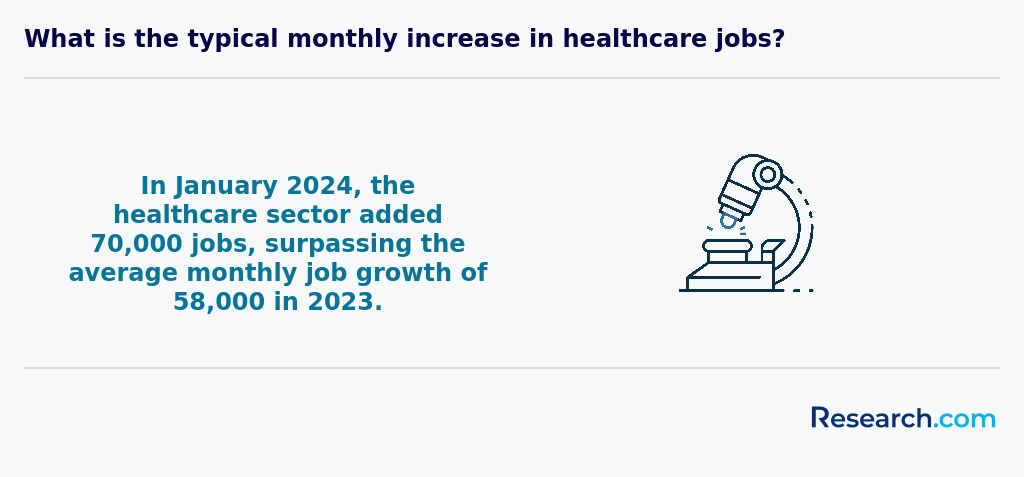
Graduates with a healthcare degree in Florida enjoy a wide range of employment opportunities across various sectors. Many find rewarding careers in hospitals, outpatient clinics, long-term care facilities, and community health centers, where they can apply both clinical and administrative skills to improve patient outcomes. Others may pursue roles in research institutions, public health organizations, or governmental agencies, contributing to health policy and data analysis that shape statewide healthcare initiatives. Additionally, private health insurers and managed care organizations routinely seek professionals who can combine technical knowledge with compassionate care to develop innovative solutions. For those who want to explore academic or teaching roles, connecting with the region's educational institutions-such as the top healthcare schools in florida-can open doors to collaborative projects and mentorship opportunities. This breadth of career paths ensures that each graduate can find a workplace that aligns with their skills, ambitions, and passion for making a meaningful impact on community health.
Healthcare students in Florida can access important financial aid like the Federal Pell Grant, which offers up to $7,395 for those with financial need. Graduates from institutions such as the University of Florida and Florida State University often mention how this grant eased tuition pressures, making their education feel achievable without overwhelming debt.
The Florida Student Assistance Grant (FSAG) is another valuable resource, providing several hundred to a few thousand dollars annually to eligible students at public colleges. For example, students at Miami Dade College pursuing nursing have found FSAG crucial in covering additional expenses.
The Benacquisto Scholarship Program stands out by offering full tuition coverage for health sciences students meeting academic standards, a lifeline shared by successful graduates from the University of Central Florida.
Aside from grants, scholarships from the Florida Department of Health and private organizations support nursing and allied health fields, often encouraging recipients to serve locally after graduation-helping both careers and communities thrive.
Work-study jobs and loan forgiveness programs like Public Service Loan Forgiveness also provide practical, real-world financial relief during and after study, reducing stress and enabling focus on career goals.
Earning a credible healthcare degree in Florida starts with verifying accreditation and meeting state licensure criteria.
- Regional accreditation (SACSCOC) ensures institutional quality.
- Programmatic accreditation (CCNE for nursing, CAAHEP for allied health) validates specialized training.
- Confirm programs meet Florida Board of Nursing or relevant board standards for licensure eligibility.
- Compare graduation rates and licensure exam pass rates to assess outcomes.
- Explore accelerated BSN tracks like the easiest bsn program accredited by CCNE to streamline your path to licensure.
To enroll in a healthcare degree program in Florida, you must first have a high school diploma or GED, a non-negotiable starting point that ensures you're ready for college-level work. For example, graduates from well-known institutions like the University of Central Florida often highlight how their strong background in science and math-courses like biology, chemistry, and sometimes anatomy-built a crucial foundation for tackling demanding healthcare subjects.
Many Florida programs have moved to a test-optional policy for standardized tests like the ACT or SAT, but competitive schools such as those in the Florida State College system may still require them or specific entrance exams, so check your program's details carefully.
Healthcare students also advise preparing for immunization records and background checks well in advance since these are essential for clinical placements. Some graduates recall how gaining practical experience through volunteering or entry-level work in hospitals or clinics helped them feel confident and connected before starting their coursework.
Finally, expect to complete prerequisite courses that are specific to your chosen field-microbiology or human anatomy for nursing, or statistics for public health-to ensure readiness for specialized challenges ahead.
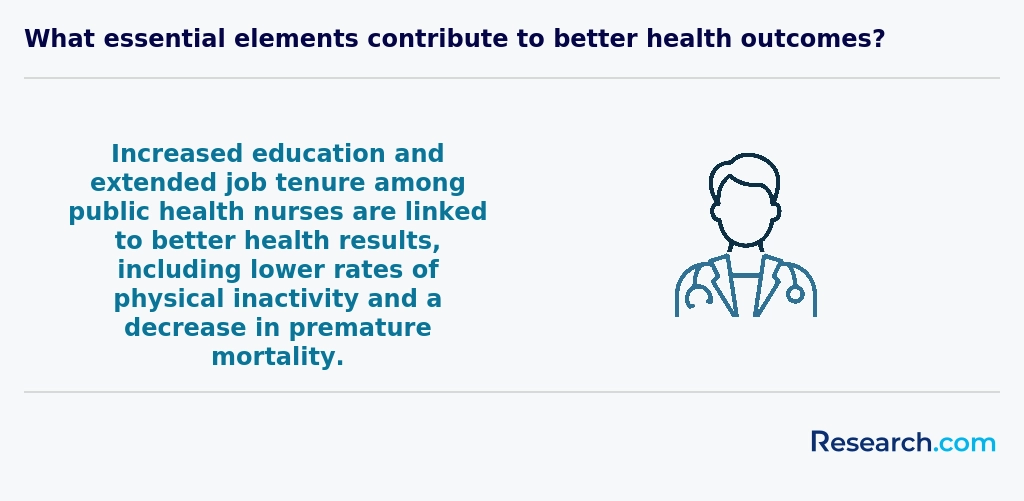
Ensuring your healthcare degree program is properly accredited is vital for eligibility to sit for licensure exams and for meeting state regulatory standards. In Florida, most healthcare programs-whether in nursing, health information technology, or allied health fields-must hold accreditation from recognized bodies such as the Commission on Accreditation of Allied Health Education Programs (CAAHEP), the Accreditation Commission for Education in Nursing (ACEN), or the Commission on Accreditation in Physical Therapy Education (CAPTE). Graduating from an accredited institution not only guarantees a quality curriculum aligned with industry benchmarks but also allows you to pursue national certification exams and obtain state licensure without delay. After completing an accredited program, graduates typically apply for licensure through the Florida Department of Health, providing official transcripts, proof of program completion, and passing scores on required examinations (e.g., the NCLEX-RN for nurses or the NPTE for physical therapy). It is important to verify that your chosen school maintains current accreditation status and offers adequate preparation for these exams, including review courses and clinical practice opportunities. For example, students seeking a career as a physical therapy assistant should consider programs featured in our list of best online associate in physical therapy assistant programs, which combine comprehensive coursework with clinical fieldwork to meet CAPTE requirements. Additionally, some specializations may require state-specific certifications or continuing education units (CEUs) for license renewal. Prospective students should consult the Florida Board of Medicine, the Board of Nursing, or other relevant regulatory boards early in their academic planning to ensure all prerequisites and post-graduation obligations are clearly understood. By choosing an accredited program and completing licensure requirements promptly, graduates can confidently enter the workforce, equipped with credentials recognized across Florida and beyond.
Healthcare degree programs in Florida typically cover essential courses like human anatomy and physiology, medical terminology, microbiology, and pharmacology. These courses build a strong foundation, helping students understand the human body and medication management, which graduates describe as eye-opening and crucial for their clinical practice.
Many Florida programs, including those at well-known institutions such as the University of Florida and Miami Dade College, integrate healthcare ethics and health informatics into their curriculum. Graduates often highlight how ethics classes prepare them to handle real-world dilemmas around patient confidentiality, an especially important skill given strict Florida healthcare regulations.
Practical experience is emphasized through clinical practicums or internships at local hospitals and community centers. Students recall these hands-on placements as confidence-boosting moments that transformed textbook knowledge into meaningful patient care skills.
Programs often include gerontology and chronic disease management, reflecting Florida's aging population. This focus equips students with specialized skills to address elder care, a growing need in the state's healthcare system.
Students pursuing a healthcare degree in Florida can select specializations that align with the state's evolving medical scene and job demands. Popular options include nursing, where graduates from institutions like the University of Florida celebrate roles as Registered Nurses or Nurse Practitioners helping Florida's elderly population. Healthcare Administration is another key specialization, preparing graduates to manage hospitals and clinics effectively within Florida's diverse healthcare system. Community-focused public health programs at colleges such as Florida State University equip students to tackle unique challenges like tropical diseases and aging demographics.
Other specializations include Physical Therapy, Medical Laboratory Science, and Health Informatics, each supported by cutting-edge training and internships at leading Florida institutions. These options provide career pathways that match workforce needs while fostering rewarding experiences. For example, many students benefit from a combination of clinical practice and academic coursework enabling them to thrive in Florida's healthcare settings.
To explore efficient pathways in medical billing and coding, consider enrolling in a 4 week online course for medical coding and billing, widely appreciated for its flexibility.
Choosing the right healthcare degree specialization in Florida allows students to focus on in-demand areas and build meaningful careers, supporting both personal goals and the state's healthcare priorities.
Focus first on the healthcare role that excites you most; for example, many graduates from the University of Florida praise their Bachelor of Science in Nursing for preparing them well in a state where nursing demand is booming. If hands-on patient care appeals to you, an Associate Degree in Nursing (ADN) or BSN offered at institutions like Florida State University could be the right path. Consider program accreditation closely-selecting degrees accredited by recognized bodies ensures your education is respected across Florida and beyond. Many students find that affordable healthcare degree programs in Florida provide solid return on investment, especially when combining tuition costs with scholarships or financial aid.
Check whether programs offer flexible options like online learning or proximity to major clinical sites such as in Miami or Tampa, which past graduates emphasize as vital for real-world experience and job networking. Also explore degrees that allow career flexibility; for instance, a Bachelor of Health Science can open doors to health administration or further study. Those interested in specialized fields should review options like the best online associate in physical therapy assistant programs for adaptable, affordable choices.

Graduates with a healthcare degree in Florida have access to diverse career paths suited to their skills and interests. Nursing remains a leading option, with many grads joining the vast workforce of registered nurses (RNs) in hospitals and outpatient centers across the state. Others pursue healthcare administration, where leadership roles in Florida's expansive healthcare system allow them to impact policy and operations directly. Allied health professions offer practical, hands-on roles such as radiologic technologists or respiratory therapists, with many students from community colleges gaining real-world experience through clinical rotations.
Public health careers also attract graduates passionate about improving community well-being, often finding roles in state health departments or nonprofits tackling Florida's unique challenges. Health informatics is growing rapidly, enabling graduates to blend IT with healthcare, a perfect fit for those from Florida universities excited by digital innovation. For practical guidance on affordable pathways to advance in healthcare, students can explore Low Cost Online Master's in Healthcare Degree Programs Ranking in Greenville, NC, which many Florida students find helpful in planning their futures with an eye on budget and career growth.
The job market for healthcare degree holders in Florida is thriving, especially for graduates from well-known institutions across the state. Many graduates find rewarding employment as Registered Nurses, Medical and Health Services Managers, or therapists, thanks to Florida's growing population and healthcare infrastructure. For instance, healthcare degree job outlook Florida shows a continued increase in demand driven by the large elderly demographic, which provides ample opportunities to apply skills immediately after graduation.
Graduates from public universities often share how completing a Bachelor of Science in Nursing felt like a solid investment, with in-state tuition around $60,000 combining affordability with strong job prospects. These graduates typically secure positions with annual wages averaging about $65,000, while specialized roles like nurse practitioners command even higher salaries, encouraging a positive and confident outlook toward career growth.
For students seeking flexibility, enrolling in accelerated associate degree programs in Florida also opens quick pathways to employment in growing fields such as home health aides. The state's geographic diversity ensures opportunities from bustling metropolitan hospitals to smaller outpatient centers, providing multiple career entry points.
Florida healthcare career opportunities make it an ideal choice for students eager to start or advance their careers with strong community ties and competitive compensation.
2027 Most Affordable Healthcare Degree Programs Ranking in Florida
Investing in your education is a significant decision that can profoundly impact your future, and the Research.com team recognizes the importance of making well-informed choices. To support prospective students seeking affordable healthcare degrees in Florida, we have carefully developed the "2027 Most Affordable Healthcare Degree Programs Ranking in Florida." Our dedication to quality, credibility, and accuracy is demonstrated through rigorous research and thorough analysis.
We utilized the following reputable data sources to ensure a comprehensive evaluation of healthcare degree programs:
By consulting this ranking, readers will receive valuable insights to identify affordable, quality healthcare programs in Florida, empowering them to make confident educational decisions. For a detailed explanation of our ranking process, please visit our Research.com methodology page.


# 3 position
Chipola College
Bachelor of Science in Nursing


# 10 position
University of Florida-Online
Bachelor of Science in Health Sciences

# 11 position
North Florida College
Bachelor of Science in Nursing

# 12 position
South Florida State College
Bachelor of Science in Health Sciences

# 13 position
Florida Agricultural and Mechanical University
Bachelor of Science in Health Care Management (bshcm)


# 15 position
Florida State College at Jacksonville
Bachelor of Science in Nursing

# 16 position
Santa Fe College
Bachelor of Science in Health Sciences


# 19 position
Indian River State College
Bachelor of Science in Healthcare Management


Frequently Asked Questions About healthcare
Healthcare degree students in Florida can maximize their learning experience by engaging deeply with both classroom instruction and practical training. Florida offers numerous accredited programs with clinical placements in leading hospitals and healthcare facilities, which are essential for hands-on learning.
Students should take advantage of internship opportunities available through partnerships with major Florida health systems such as AdventHealth and Baptist Health. According to the Florida Department of Education, programs incorporating clinical experiences increase graduate employability by over 20%.
Additionally, Florida's growing healthcare sector, expanding by 12% from 2020 to 2023 (Bureau of Labor Statistics), offers diverse fields like nursing, health informatics, and public health, enabling students to tailor their education to market demands.
Participating in local professional organizations and networking events also enhances career readiness and knowledge beyond textbooks.
The healthcare field in Florida is rapidly evolving, with several emerging niches offering promising career opportunities. One growing area is telehealth, which expanded significantly during the COVID-19 pandemic. Florida ranks among the top states adopting telemedicine, providing remote patient monitoring and virtual care services.
Another emerging niche is geriatric care, driven by Florida's large and aging population. The state has one of the highest percentages of residents over age 65 in the U.S., increasing demand for specialized healthcare professionals in elder care and chronic disease management.
Healthcare informatics also presents new opportunities. With Florida's healthcare systems investing in digital records and data analytics, trained experts who manage health information technology are highly sought after.
These sectors represent key growth areas for students pursuing healthcare degrees, aligning well with Florida's demographic and technological trends.
Preparing for the job market after completing a healthcare degree in Florida involves several strategic steps. First, graduates should obtain relevant licensure or certification, which is mandatory for many healthcare professions in the state. For example, Registered Nurses must pass the NCLEX-RN exam administered by the Florida Board of Nursing.
Networking is crucial; joining Florida-based professional organizations like the Florida Health Care Association can provide valuable contacts. Additionally, gaining practical experience through internships or clinical placements during studies enhances employability.
According to the Florida Department of Economic Opportunity, healthcare jobs are projected to grow 18% by 2030, highlighting the importance of staying updated with emerging technologies and continuing education opportunities. Job seekers should also tailor their resumes to reflect skills in high demand areas, such as geriatric care or telehealth services, which are rapidly expanding in Florida's aging population.
Employers in Florida value healthcare graduates who possess strong clinical skills and the ability to apply evidence-based practices. According to the Florida Department of Health, technical competence remains a priority, especially in patient care, infection control, and medical technology use.
Communication skills are equally important. Healthcare professionals must clearly convey information to patients and collaborate with multidisciplinary teams effectively.
Critical thinking and problem-solving abilities also top the list. Healthcare roles often require quick and accurate decision-making to improve patient outcomes in fast-paced settings.
Lastly, adaptability and cultural competence stand out because Florida's diverse population demands sensitivity to various backgrounds and health beliefs.
Finding internships in Florida related to healthcare degrees involves leveraging several key resources. Many Florida colleges and universities with healthcare programs have dedicated career services that connect students with local hospitals, clinics, and public health organizations. For example, institutions like the University of Florida and Florida State University frequently partner with healthcare providers to offer internship opportunities.
The Florida Department of Health's website provides information about local health departments and initiatives where internships may be available. According to the U.S. Bureau of Labor Statistics, Florida employs over 1.3 million healthcare workers, reflecting strong demand for practical experience in this sector.
Networking through professional associations such as the Florida Public Health Association can also help students access internships. Additionally, online platforms like Handshake and healthcare-specific job boards list many internship openings tailored for Florida-based healthcare students.
Obtaining a healthcare degree in Florida significantly enhances career mobility and advancement opportunities. Florida's healthcare sector is one of the fastest-growing in the U.S., with the Florida Department of Economic Opportunity projecting a 22% job growth in healthcare occupations from 2020 to 2030. This growth fuels demand for trained professionals, making degrees in nursing, health administration, or allied health fields highly valuable.
Graduates often gain access to a broad range of job roles, from entry-level to managerial positions. Advanced degrees can lead to higher salaries and leadership roles, as reported by the Florida Center for Nursing. Licensed professionals also benefit from Florida's licensure reciprocity agreements, facilitating mobility between states.
Studying for a healthcare degree in Florida equips students with skills essential for interdisciplinary roles, reflecting the state's diverse medical environment. Florida's healthcare programs emphasize collaboration among professionals such as nurses, therapists, and social workers. According to the Florida Department of Health, the demand for integrated care teams continues to grow, requiring graduates to understand various health disciplines.
Many Florida institutions incorporate practical training in settings like hospitals and community clinics. This hands-on experience encourages teamwork and communication across specialties. Moreover, curriculum frameworks often include courses in healthcare management, ethics, and technology, fostering a broad perspective necessary for effective collaboration.
When choosing between a thesis and a non-thesis healthcare degree program in Florida, consider your career goals and the type of learning experience you want. A thesis program requires conducting original research and writing a detailed paper, often preparing students for doctoral studies or research careers. In contrast, a non-thesis option typically focuses more on practical skills and may include internships or comprehensive exams, ideal for those aiming to enter the healthcare workforce directly.
Florida's healthcare sector is rapidly expanding, with a projected 15% job growth in healthcare occupations through 2030, according to the Florida Department of Economic Opportunity. Programs aligned with local industry needs can improve employment prospects.
Also, thesis programs may take longer and require more resources, while non-thesis tracks can be completed faster, which is a critical factor for working professionals balancing education and jobs.
Students based in Florida who wish to study healthcare abroad have several structured options through U.S. higher education institutions. Many Florida universities and colleges offer study abroad programs focused on healthcare disciplines such as nursing, public health, and pre-medical studies. These programs often provide clinical experiences or internships in countries with diverse healthcare systems.
The University of Florida and Florida State University, for example, have partnerships with institutions in Europe, Latin America, and Asia, facilitating international placements. According to the Florida Board of Governors, approximately 12% of healthcare students engage in approved study abroad opportunities, enhancing cross-cultural medical competencies.
In addition, organizations like the Global Health Education Consortium provide resources supporting healthcare students' international experiences. Students should consider accreditation and licensing implications when planning to study healthcare abroad, especially if intending to practice in the U.S. after graduation.
Students pursuing healthcare degrees in Florida have several part-time job options that can complement their education. Roles such as medical assistants, pharmacy technicians, and certified nursing assistants (CNAs) provide practical experience while earning income. According to the Florida Department of Economic Opportunity, healthcare occupations in the state are projected to grow by 20% from 2020 to 2030, creating numerous entry-level opportunities.
Part-time jobs in healthcare settings also help develop patient interaction skills, important for future careers in nursing, physical therapy, or health administration. Additionally, working in clinics or hospitals exposes students to real-world medical environments, reinforcing academic learning.
Healthcare students in Florida benefit from numerous networking opportunities that can enhance their education and career prospects. Many universities host healthcare-focused clubs and organizations, which allow students to connect with peers and professionals in medicine, nursing, and allied health fields. For instance, the Florida Public Health Association offers student memberships that facilitate networking and professional development.
Internships and clinical placements across Florida's extensive hospital networks, including major institutions in Miami and Tampa, provide valuable hands-on experience and connections. Additionally, annual conferences like the Florida Healthcare Association meetings attract thousands of healthcare professionals, presenting prime opportunities for students to meet industry leaders and potential employers.
Alumni networks offer significant benefits to healthcare degree students in Florida by providing access to professional connections and job opportunities. Many Florida healthcare programs, including those at the University of Florida and Florida State University, maintain active alumni groups that help students navigate the state's competitive healthcare job market.
In Florida, where the healthcare sector employs over 1.4 million workers, alumni networks can connect students to internships, mentoring, and career guidance, improving their chances of employment upon graduation, according to the Florida Department of Economic Opportunity.
These networks also facilitate knowledge sharing about licensure requirements and emerging healthcare trends specific to Florida's diverse population and regulatory landscape.
Customizing a healthcare degree program in Florida allows students to align their education with specific career goals. Many Florida universities offer flexible curricula with elective courses in areas like public health, nursing, health administration, or medical technology.
Students can also choose between associate, bachelor's, or advanced degrees depending on their desired role in the healthcare field. According to the Florida Department of Education, institutions frequently provide internship and clinical placement options tailored to local healthcare employers, enhancing practical experience.
Florida's growing healthcare sector, projected to add over 120,000 jobs by 2030 (Florida Dept. of Economic Opportunity), encourages programs to include emerging topics such as telehealth and health informatics.
Networking opportunities in metropolitan areas like Miami and Tampa further support career-oriented customization within degree programs.
Healthcare students in Florida often face significant challenges during their studies. One major issue is the competitive admissions process, especially for nursing and allied health programs, which limits available spots. According to the Florida Board of Nursing, demand for nursing education far exceeds capacity, causing delays in enrollment.
Additionally, many students struggle with balancing clinical hours alongside coursework. Florida requires practical training in diverse healthcare settings, which can be difficult to schedule, especially for those working part-time.
Financial strain is another common challenge. Tuition and fees for healthcare degrees in Florida vary, with some programs averaging over $10,000 annually, creating barriers for low-income students. Furthermore, rapid changes in healthcare regulations require students to stay continuously updated, adding to their academic workload.
With a healthcare degree in Florida, you can pursue several professional certifications that enhance your career opportunities. Common certifications include Certified Nursing Assistant (CNA), Licensed Practical Nurse (LPN), and Registered Nurse (RN) licenses, each requiring state-specific exams by the Florida Board of Nursing.
Beyond nursing, certifications like Medical Assistant (CMA) or Pharmacy Technician (CPhT) are available through national organizations but require compliance with Florida regulations. For advanced roles, certifications such as Certified Health Education Specialist (CHES) or Certified Medical Coder (CPC) provide specialization options.
Florida's growing healthcare sector, with over 400,000 nursing jobs projected by 2030 according to the Florida Department of Economic Opportunity, supports various certification paths that meet local demand.
To write a winning application for a healthcare program in Florida, start by carefully researching each school's requirements. Most programs prioritize a strong academic record in science and math courses, so highlight your grades in these subjects. Many Florida institutions, such as the University of Florida and Florida State University, also require relevant healthcare experience or volunteering, which demonstrates commitment and practical knowledge.
Next, craft a clear and focused personal statement. Explain your motivation for a healthcare career, addressing Florida's growing demand for healthcare professionals, driven by an aging population as reported by the Florida Department of Health. Use specific examples showing your skills and goals.
Finally, prepare strong letters of recommendation from professors or employers familiar with your dedication and abilities in healthcare-related activities.
The global perspective on a healthcare career highlights the increasing demand for skilled professionals due to aging populations and rising chronic illnesses worldwide. In the United States, including Florida, healthcare occupations are among the fastest-growing fields. According to the U.S. Bureau of Labor Statistics, healthcare jobs are expected to grow 16% from 2021 to 2031, much faster than the average for all occupations.
Florida, with its large elderly population-over 22% aged 65 and older-shows a particularly strong need for healthcare workers, making it an attractive state for degree seekers. Internationally, healthcare roles often emphasize collaboration and cultural competence, skills increasingly valued in U.S. programs.
The global context encourages Florida students to prepare for diverse workplace environments and evolving medical technologies. Many Florida institutions incorporate global health trends into their curricula to meet this demand.
Gaining practical experience while studying for a healthcare degree in Florida is essential for career readiness. Many Florida institutions integrate clinical internships or practicum placements into their curricula, allowing students to work in real healthcare settings such as hospitals, community clinics, or nursing homes.
Additionally, students often participate in simulation labs designed to mimic clinical scenarios, providing hands-on experience with modern medical technology. According to the Florida Board of Nursing, clinical hours are mandatory for nursing programs, emphasizing practical training.
Many healthcare programs also encourage volunteer opportunities and part-time work in healthcare facilities, providing valuable exposure. These experiences enhance skills and improve employment prospects after graduation.
Choosing the right concentration within a healthcare degree in Florida requires careful consideration of your career goals and the state's healthcare needs. Florida has one of the largest healthcare job markets in the US, with nursing, health administration, and allied health professions in high demand according to the Florida Department of Economic Opportunity.
Consider concentrations that align with growing fields such as gerontology due to Florida's large aging population, or public health due to ongoing community health challenges. Review program curriculums to ensure they offer relevant clinical experience and certifications recognized by Florida's healthcare boards. Salary potential and job placement rates in Florida are also crucial factors to examine when selecting a concentration.
- 2027 Most Affordable Online Healthcare Degree Programs Ranking in South Carolina
- 2027 Most Affordable Online Healthcare Degree Programs Ranking in Mississippi
- 2027 Most Affordable Online Healthcare Degree Programs Ranking in Tennessee
- 2027 Most Affordable Online Healthcare Degree Programs Ranking in North Carolina
- 2027 Most Affordable Online Healthcare Degree Programs Ranking in Louisiana
- 2027 Most Affordable Online Healthcare Degree Programs Ranking in Kentucky
- 2027 Most Affordable Online Healthcare Degree Programs Ranking in Virginia
- 2027 Most Affordable Online Healthcare Degree Programs Ranking in West Virginia
- 2027 Most Affordable Online Healthcare Degree Programs Ranking in Missouri
- 2027 Most Affordable Online Healthcare Degree Programs Ranking in Ohio
See What Experts Have To Say About Studying Healthcare
Read our interview with Healthcare experts

- Students and Alumni associations - Europubhealth https://www.europubhealth.org/students-alumni-associations/
- 1+ Healthcare Cover Letter Examples (with In-Depth Guidance) https://www.tealhq.com/cover-letter-examples/healthcare
- Healthcare Careers & Accredited Degree Programs https://www.healthcaredegree.com/
- Know more about thesis vs non- thesis: what is the difference? https://studyfans.com/en/blogs/816
- Best programs to become a medical in Florida https://clema.ai/florida/occupations/medical-and-health-services-managers
- Niche Markets in Healthcare https://ultrariskadvisors.com/niche-markets-in-healthcare/
- Niche Markets in Healthcare: How to Find & Target https://nechayadvisors.com/blog/niche-markets-in-healthcare
- Best Practices for Career Development and Advancement in the Healthcare Sector | Generation https://www.generation.org/news/best-practices-for-career-development-and-advancement-in-the-healthcare-sector/
- How to Write Your Cover Letter | NQRTH https://www.nqrth.edu.au/career-planning/how-to-write-your-cover-letter/
- Healthcare Administrator Salary https://www.publichealthdegrees.org/careers/healthcare-administrator/salary/