2027 Most Valuable Online Healthcare Degree Programs Ranking in Tyler, TX

Co-Founder and Chief Data Scientist
Choosing the right healthcare degree program can feel overwhelming, especially with so many options available. If you're a student in Tyler, TX, this article offers valuable guidance tailored just for you.
The 2027 Most Valuable Online Healthcare Degree Programs Ranking in Tyler, TX was created by the Research.com team of data scientists to help you make an informed choice. It highlights programs that provide strong career prospects and meaningful impact in healthcare.
Discovering the right program can open doors to a rewarding and stable career. This article is designed to support your journey with clear, trustworthy insights.
Key benefits of getting online healthcare degree in Tyler
- Healthcare degree graduates in Tyler can expect competitive salaries, such as $43,350 annually for Medical Assistants and Clinical Research Coordinators, and up to $103,150 for Quality Improvement Coordinators, offering great earning potential.
- Graduates from local colleges often pursue diverse roles in patient care, health information management, and clinical coordination, allowing flexibility and growth in rewarding healthcare careers.
- Completing a healthcare degree online in Tyler provides convenience and adaptability, enabling students to balance work, family, and studies while gaining the same quality education as traditional programs.
- 2027 Most Valuable Online Healthcare Degree Programs Ranking in Tyler, TX
- What can I expect from online healthcare degree in Tyler?
- Where can I work with online healthcare degree in Tyler?
What can I expect from online healthcare degree in Tyler?
The average cost of an online healthcare degree in Tyler generally ranges between $15,000 and $30,000, depending on the program length and institution. Graduates from notable local universities, such as UT Health Tyler, often highlight the advantage of in-state tuition rates, which significantly reduces expenses compared to out-of-state programs. Many students report feeling relieved by affordable pricing combined with flexible payment options that accommodate working professionals' budgets.
Students pursuing nursing or healthcare administration degrees appreciate how programs balance cost and quality, offering access to comprehensive curricula without hefty financial burdens. The financial aspect is often cited as a deciding factor, enabling learners to focus on coursework and clinical practicum requirements without overwhelming debt.
Moreover, some colleges provide scholarships and grants specifically for healthcare students in Tyler, which graduates describe as encouraging and supportive during their studies. This financial assistance, paired with practical local clinical opportunities, creates a well-rounded educational experience that feels both attainable and rewarding.
Where can I work with online healthcare degree in Tyler?
Online healthcare degree graduates in Tyler find diverse employment opportunities across the city's robust medical sector. Many graduates secure rewarding positions within major institutions such as the University of Texas Health Science Center at Tyler and CHRISTUS Trinity Mother Frances Health System. These roles range from registered nurses providing compassionate patient care to healthcare administrators managing efficient clinic operations.
Graduates often describe fulfilling experiences working directly in clinical settings or supporting healthcare delivery through health information management. For example, with an online nursing degree, students successfully pass the NCLEX exam and join local hospitals, embracing a sense of pride and achievement in their patient-centered roles.
The growing telehealth industry in Tyler also opens pathways for remote careers in case management and health education, allowing graduates to balance work-life preferences while making meaningful community health impacts. Others find themselves thriving in outpatient care centers or public health roles, energized by the ability to influence health promotion and patient advocacy in their neighborhoods.
Graduates with online healthcare degrees in Tyler often secure competitive salaries that reflect their specialized skills and education. For example, those starting as Medical Assistants can expect a mean annual wage of approximately $43,350, while Patient Care Technicians typically earn around $60,790. These roles serve as solid entry points, especially for recent graduates from local institutions like the University of Texas at Tyler or Texas College, where many students praise flexible online programs tailored to working professionals.
Advancing in the field, Health Information Technicians report mean earnings of about $43,380 per year, benefitting from the growing demand for digital record management. Clinical Research Coordinators, often graduates from regional colleges' health sciences programs, earn similar wages near $43,350 annually, reflecting stable opportunities in research support roles.
Those aiming for leadership positions, such as Quality Improvement Coordinators, achieve significantly higher salaries, with mean annual wages reaching $103,150. Graduates frequently highlight how Tyler's accessible online coursework helped them balance study with work, leading to rewarding career paths and financial growth within the regional healthcare landscape.
- Healthcare jobs in Tyler, Texas, are expected to grow by about 15% over the next ten years, outpacing the national average for all occupations.
- The cost for an online healthcare degree in Tyler ranges from $10,000 to $25,000 for the full program, often with flexible payment plans and financial aid available.
- Entry-level healthcare professionals in Tyler earn between $45,000 and $55,000 annually, with salaries rising to $70,000-$90,000 for experienced graduates.
- Online programs in Tyler include accredited courses that help prepare students for necessary healthcare certifications.
- The local job market offers roles in hospitals, clinics, long-term care, and public health, with strong demand for nursing and allied health professions.
Completing an online healthcare degree in Tyler typically depends on the degree level and enrollment status. For example, associate degrees from local community colleges offering flexible online or hybrid formats generally take about two years full-time, but many students appreciate the ability to extend this to three or four years part-time to balance work and life obligations.
Students pursuing bachelor's degrees in fields such as nursing or health information management at well-regarded Tyler institutions often experience a traditional four-year timeline. However, accelerated online pathways are increasingly available, enabling graduates with prior credits or healthcare experience to finish in 18 to 24 months. These options have empowered many working adults to advance quickly without sacrificing income.
Graduate programs, like the Master of Science in Nursing from Tyler schools, usually span 18 months to three years depending on whether students are full or part-time. Graduates frequently highlight the convenience of these programs, allowing them to maintain employment while advancing their careers on a flexible schedule tailored to local healthcare demands.
Online and on-campus healthcare degree programs in Tyler differ primarily in their mode of instruction and student experience. Graduates from institutions like the University of Texas at Tyler often highlight that on-campus learning provides hands-on training through direct access to labs and simulation centers, which is essential for mastering clinical skills and patient care.
Conversely, online programs offer unparalleled flexibility. Many Tyler residents juggling work or family responsibilities appreciate being able to study at their own pace without commuting. Online students can engage with virtual simulations and telehealth modules that replicate real-world scenarios, enabling effective learning from home.
Students attending on-campus programs also benefit from face-to-face networking with local healthcare employers such as UT Health Tyler, which often leads to valuable internships and job placements. Meanwhile, online learners leverage virtual career fairs and discussion boards, creating new opportunities despite physical distance.
Cost differences are notable; on-campus degrees typically range from $10,000 to $25,000 annually for in-state students, while online tuition may be more affordable but can include technology or clinical placement fees. Graduates consistently emphasize that choosing the right format depends on their lifestyle and career goals within Tyler's healthcare community.
The average online healthcare degree cost in Tyler TX is approximately $12,360 in total tuition fees. This figure reflects a balanced estimate for students statewide, with in-state learners typically paying slightly less, around $11,208, benefiting from local tuition rates. These costs are competitive, especially when compared to nationwide online healthcare programs, offering flexibility without sacrificing quality or accreditation.
Graduates from Tyler Junior College often share positive experiences about the affordability and accessibility of their associate degrees in health sciences, which typically cost about $7,000 per year for in-district students. Meanwhile, those pursuing bachelor's or master's online degrees from the University of Texas at Tyler report that total tuition fees for healthcare degrees Tyler Texas range between $20,000 and $40,000 for residents. Many students appreciate how the online format eliminates commuting expenses and housing costs, allowing them to focus financial resources more on tuition and learning materials.
Factors such as institution type, degree level, program length, and residency significantly influence tuition expenses. In addition, students can explore what is a quick degree that pays well to find options that balance cost and career prospects in healthcare. This flexibility enables prospective learners in Tyler to tailor their education paths efficiently, making an investment in an online healthcare degree both practical and rewarding.

Students pursuing online healthcare degrees in Tyler often rely on federal student aid by completing the FAFSA, unlocking eligibility for Pell Grants, federal work-study, and subsidized loans. For example, graduates from the University of Texas at Tyler affirm that the maximum Pell Grant of $7,395 alleviated significant tuition costs during their studies. This federal support forms the backbone of many students' financial planning.
State aid also plays a crucial role. The Texas Higher Education Coordinating Board offers the Texas Educational Opportunity Grant, which has been instrumental for local students attending Tyler Junior College's healthcare programs. These grants supplement federal funds, providing deeper financial relief tailored to Texas residents.
Many online healthcare programs in Tyler provide institutional scholarships and grants, addressing merit and need. Graduates from these programs often recount how institutional aid propelled their careers forward, easing the burden of education costs. Additionally, employer tuition reimbursement in East Texas offers working professionals a practical pathway to affordable advancement.
Other key resources include scholarships from regional healthcare organizations, veterans benefits, and local nonprofit emergency funds. These supports combine to make healthcare education in Tyler both accessible and rewarding.
Enrollment in online healthcare degree programs in Tyler requires a high school diploma or GED as the fundamental entry credential. Many graduates from Tyler's well-regarded institutions, such as Tyler Junior College and University of Texas campuses offering online coursework, recall that maintaining a GPA of around 2.5 to 3.0 was crucial for demonstrating their academic readiness. Standardized test scores like the SAT or ACT may still be requested, although some programs have adopted test-optional policies, which has eased the entry process for many working adults.
Prospective students often complete prerequisite courses in biology, chemistry, and anatomy before advancing, mirroring the experiences of past learners who found these foundations indispensable for grasping complex healthcare concepts. Graduate-level applicants typically hold bachelor's degrees and often bring healthcare work experience or GRE scores to meet the program's demands.
Many students appreciate Tyler's flexible admissions, which accommodate working professionals by offering rolling applications and adaptable schedules. This practical approach helps students balance education with personal responsibilities while pursuing career growth in a city where healthcare jobs are rapidly expanding.

Online healthcare degree programs in Tyler typically encompass a diverse curriculum that equips students with essential knowledge and practical expertise tailored to the region's healthcare needs. Graduates recall gaining a solid foundation in basic sciences such as anatomy, physiology, and microbiology, crucial for understanding the human body in clinical contexts encountered at local hospitals.
Courses in medical terminology and pathophysiology further prepare students to communicate effectively and grasp disease mechanisms, skills highly valued by healthcare employers in East Texas. Many graduates highlight the importance of health informatics classes, where they learn to manage electronic health records-an increasingly vital area as Tyler healthcare providers invest in digital systems to enhance patient care.
Public health and epidemiology courses are noted for their relevance, especially given Tyler's community health challenges, fostering a strong sense of purpose among students eager to improve local health outcomes. Students also appreciate classes in healthcare management and ethics, which empower them to navigate administrative roles confidently within regional healthcare organizations.
Students pursuing an online healthcare degree in Tyler often choose from a diverse range of specializations tailored to the region's healthcare landscape. Common options include Nursing, particularly RN to BSN or MSN tracks, which are popular among graduates balancing work and study at institutions like the University of Texas at Tyler. These programs foster advancement into roles such as nurse practitioners or educators, reflecting the demand within Tyler's established medical facilities.
Other healthcare degree concentration options in Tyler include Healthcare Administration, preparing students for pivotal leadership and operational roles in local hospitals and clinics. Public Health programs emphasize addressing regional community health challenges, an area where Tyler's graduates feel they can make a meaningful difference.
Students interested in the intersection of technology and healthcare often pursue Health Informatics, leveraging digital health trends prominent in Tyler's medical sector. Additionally, Medical Laboratory Science offers critical diagnostic training. Many find that integrating local practicum experiences enhances practical skills, contributing to their confidence and career readiness. Some students also explore options among 1 year phd programs online for advanced specialization.
Choosing the best online healthcare degree programs in Tyler TX requires prioritizing program accreditation and alignment with your career goals. Graduates from well-known institutions in Tyler often emphasize how accreditation by bodies like the Commission on Collegiate Nursing Education (CCNE) provides confidence in the quality and recognition of their degrees. Whether pursuing nursing, healthcare administration, or public health, selecting a degree that matches your professional aspirations is essential for long-term satisfaction and success.
Affordability remains a top concern; many students find that affordable healthcare degrees Tyler Texas offer manageable tuition without sacrificing educational quality. Those balancing work and study appreciate programs that provide flexible, asynchronous course formats. Graduates have shared how local clinical partnerships with Tyler hospitals enriched their learning through real-world experiences, improving job prospects significantly.
For prospective students aiming to minimize costs while maintaining quality, reviewing resources such as the cheapest online college rankings can guide decisions effectively. Understanding total expenses, including fees for exams or internships, ensures no surprises during the course of study.
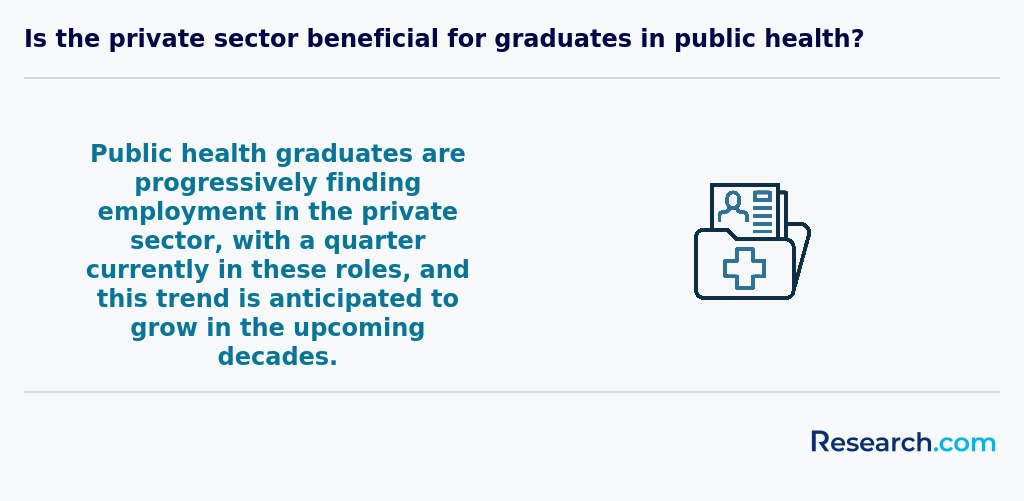
Graduates holding an online healthcare degree in Tyler have access to diverse career opportunities that align with the region's expanding medical sector. Registered Nurses (RNs) commonly find rewarding positions within Tyler's hospitals and clinics, benefiting from competitive salaries around $69,000 annually. Healthcare Administrators from local programs manage clinical operations, often moving into roles with salaries between $75,000 and $100,000, reflecting Tyler's demand for skilled leadership. Other career paths include Medical and Health Services Managers, who ensure efficient facility oversight, and Health Information Technicians, who maintain critical patient data systems-an area growing rapidly due to technological advancements. Additionally, Public Health Professionals play pivotal roles in community outreach and health education, addressing public health challenges endemic to the region.
Students enrolled at Tyler's universities and colleges frequently remark on how practical, real-world training equips them for these roles, supported by connections with institutions like Trinity Mother Frances Health System. With online healthcare degree jobs Tyler TX continuing to expand, many choose programs recognized among the best accredited non profit colleges to maximize employment prospects.
The job market for graduates with an online healthcare degree in Tyler is robust, driven by expanding local healthcare providers such as UT Health Tyler and CHRISTUS Trinity Mother Frances Health System. These institutions actively seek skilled professionals in nursing, health administration, and allied health fields, creating a spectrum of healthcare career opportunities Tyler Texas. Graduates from popular colleges in Tyler often share how completing their degrees online allowed them to balance work and study while gaining credentials valued by local employers.
Registered nurses in Tyler earn an average hourly wage near $33, competitive given the city's cost of living. Additionally, healthcare management roles are growing quickly, with projections aligning with the national 28% rise in demand for healthcare administrators. Entry-level positions in medical assisting also offer swift pathways into the workforce, favored by many online healthcare degree jobs Tyler TX seekers for their flexibility.
Many students considering an online healthcare education in Tyler explore options among accredited online colleges with no application fee, making it easier to start their journey. This affordability combined with telehealth's rise positions graduates well for both on-site and remote healthcare roles, offering promising and adaptable career trajectories.
2027 Most Valuable Online Healthcare Degree Programs Ranking in Tyler, TX
Investing in your education is a significant decision that can shape your future, and the Research.com team understands the importance of making informed choices. To assist prospective students in Tyler, TX, we have carefully developed the "2027 Most Valuable Online Healthcare Degree Programs Ranking in Tyler, TX." Our dedication to quality, credibility, and accuracy is evident in the thorough research and analysis behind this ranking.
We utilized the following reputable data sources to ensure a comprehensive evaluation of online healthcare degree programs:
By exploring this ranking, readers will gain valuable insights into the most valuable online healthcare degree programs available in Tyler, enabling them to make well-informed decisions about their educational investment. For more information on how this ranking was created, please visit our Research.com methodology page.

# 3 position
Tyler Junior College
Healthcare Technology and Medical Systems, Bachelor of Applied Technology

Frequently Asked Questions About healthcare
Online healthcare degree students in Tyler can enhance their learning by actively engaging with their course materials and instructors. Utilizing virtual office hours and discussion boards helps build a connection with faculty, which is linked to higher course completion rates according to the National Center for Education Statistics.
Tyler's healthcare sector is growing, with an increasing demand for skilled workers in hospitals and clinics, such as UT Health Tyler. Local students should seize online internship and practicum opportunities that complement their coursework, improving hands-on skills and employability.
Additionally, organizing study groups with peers in Tyler, even virtually, fosters collaboration and deeper understanding of complex subjects.
The healthcare field is rapidly evolving, and several emerging niches are gaining attention in Tyler and across the United States. One key area is telehealth, which has expanded significantly since 2020, offering remote patient care and consultation. This growth is supported by increasing internet access and new healthcare policies.
Another promising niche is healthcare informatics, where professionals use data analysis to improve patient outcomes. With Tyler's growing healthcare sector, jobs in health IT are expected to rise by over 15% by 2030, according to the U.S. Bureau of Labor Statistics.
Additionally, geriatric care is an important niche due to Texas's aging population, including Tyler's increasing elderly residents. Careers focused on elder care management and chronic disease prevention are rapidly expanding.
After completing an online healthcare degree in Tyler, preparing for the job market involves several key steps. First, graduates should obtain relevant certifications and licenses required for their specific healthcare field, such as RN or CMA credentials. According to the Texas Workforce Commission, demand for healthcare professionals in Tyler is projected to grow by over 15% through 2030.
Networking is crucial; joining local healthcare associations like the Tyler Healthcare Alliance helps build professional connections. Additionally, leveraging internships or volunteer opportunities in Tyler-area hospitals can enhance practical experience and improve hiring chances.
Finally, tailoring resumes and practicing interview skills specific to healthcare roles in East Texas increases competitiveness in this expanding job market.
Employers in Tyler value healthcare degree graduates who demonstrate strong clinical skills combined with excellent communication abilities. According to data from the Texas Workforce Commission, effective patient interaction is crucial in the region's healthcare settings.
Problem-solving and critical thinking also rank high, as healthcare professionals often face complex medical situations requiring quick, informed decisions.
Technological proficiency matters as well. With growing use of electronic health records in Tyler hospitals like Christus Trinity Mother Frances, familiarity with healthcare IT systems is essential.
Lastly, teamwork and adaptability are key, given the collaborative nature of medical environments and evolving healthcare protocols.
Finding internships in Tyler relevant to a healthcare degree involves targeting local hospitals, clinics, and health organizations that actively collaborate with educational institutions. Tyler hosts healthcare employers like Trinity Mother Frances Health System and UT Health East Texas, which often offer internship programs to support hands-on learning.
Students can also explore partnerships facilitated by online degree programs with regional providers. The Texas Workforce Commission reports healthcare as a top growth sector in the Tyler area, indicating increasing internship opportunities. Networking through local professional groups such as the East Texas Healthcare Forum can connect students with openings not widely advertised.
It is important to prepare application materials highlighting relevant coursework and skills, and early contact with healthcare facilities can improve chances of placement.
Obtaining an online healthcare degree in Tyler significantly enhances career mobility by providing flexible access to accredited programs without relocating. This flexibility allows working professionals to balance education with current job responsibilities, accelerating advancement opportunities.
Tyler's healthcare industry is growing, with a 9% increase in healthcare jobs projected through 2030 according to the Texas Workforce Commission. An advanced degree often meets the increasing demand for skilled professionals in hospitals, clinics, and outpatient centers across the region.
Additionally, an online healthcare degree from an accredited institution can qualify graduates for leadership roles, higher salaries, and specialized certifications, positioning them competitively in Tyler's evolving job market.
Studying for an online healthcare degree in Tyler equips students with skills vital for interdisciplinary roles in modern healthcare settings. Programs often incorporate courses in patient care, healthcare management, and communication, preparing graduates to collaborate effectively with diverse healthcare professionals. Tyler's growing healthcare industry, supported by centers like the University of Texas Health Science Center, emphasizes teamwork across fields such as nursing, public health, and administration.
According to data from the Texas Workforce Commission, healthcare occupations in Tyler are expected to grow by over 15% through 2030, increasing demand for professionals who can integrate knowledge from multiple disciplines.
This focus prepares students for roles that require adaptability, critical thinking, and understanding of complex healthcare systems.
Choosing between a thesis and a non-thesis online healthcare degree program in Tyler depends on your career goals and learning preferences. A thesis program typically involves conducting original research and writing a detailed paper, which suits students aiming for advanced clinical roles or academic careers. Non-thesis programs focus more on practical coursework and often appeal to professionals seeking to advance quickly in healthcare management or administration.
In Tyler, where healthcare employment grew by 8.7% from 2018 to 2023 (Bureau of Labor Statistics), practical skills are highly valued. Thesis programs may take longer but provide strong research training, while non-thesis degrees generally offer faster completion and flexible schedules.
Consider whether you prefer hands-on learning or research when making your choice, and review specific program details at local institutions offering online options.
Students in Tyler seeking healthcare degrees abroad through online programs have several pathways available. Many U.S. universities partner with international institutions, allowing Tyler students to earn credits from global campuses without leaving home. This option broadens perspectives while maintaining accredited standards recognized by U.S. healthcare employers.
Additionally, some foreign universities offer fully online healthcare degrees accessible to U.S. residents. However, students should verify program accreditation and licensure compatibility with Texas healthcare boards before enrolling. According to the Texas Higher Education Coordinating Board, such due diligence is essential for clinical practice eligibility in Tyler and statewide.
International study abroad programs with virtual clinical simulations are gaining popularity, helping Tyler students gain experience aligned with global healthcare trends. These options combine flexibility with international exposure important for careers in nursing, public health, and allied health fields.
Tyler, Texas offers several part-time job opportunities that align well with healthcare degree education. Positions such as medical assistants, pharmacy technicians, and home health aides provide practical experience while students pursue their online degrees. The U.S. Bureau of Labor Statistics projects a 19% growth for medical assistants nationally from 2022 to 2032, indicating strong local demand.
Local hospitals like UT Health Tyler and Trinity Mother Frances Health System frequently seek part-time workers, making these roles accessible for students. Jobs in healthcare administration or clinical support can also enhance a student's understanding of patient care systems. These roles often offer flexible hours, accommodating online coursework.
Online healthcare students in Tyler benefit from multiple networking opportunities that support their education and career growth. Local healthcare organizations such as UT Health East Texas and Texas Health Resources often host webinars, virtual job fairs, and professional development workshops accessible to remote students. These events allow students to connect with practitioners and peers in the region.
Additionally, Tyler's proximity to Dallas and Houston expands access to larger healthcare networks and conferences, which many online programs encourage students to attend. Students may also join professional associations like the Texas Nurses Association or the Healthcare Information and Management Systems Society (HIMSS) regional chapters to build local contacts.
According to the East Texas Workforce Development Board, healthcare employment in Tyler is expected to grow 18% through 2028, increasing networking importance for students eyeing local job markets.
Alumni networks provide vital support for online healthcare degree students in Tyler by connecting them with professionals locally and nationally. These networks often offer mentorship programs, which guide students through their studies and help navigate the healthcare job market in the Tyler area.
Many healthcare employers in Tyler value graduates linked to established alumni, as network connections often lead to job referrals. According to the Texas Workforce Commission, the healthcare sector in Tyler is projected to grow 15% by 2030, increasing the importance of strong professional ties.
Additionally, alumni associations frequently host exclusive workshops, continuing education, and networking events, which help students stay current with healthcare trends and certifications. These opportunities enhance career prospects in a competitive environment.
Customizing an online healthcare degree program in Tyler starts with selecting a specialization aligned with your career goals, such as nursing, health administration, or public health. Many Texas institutions offer flexible course options and electives that allow students to tailor their studies. For example, some programs enable you to focus on gerontology or healthcare informatics, meeting local industry demands.
Additionally, students can often choose between part-time or full-time enrollment options to balance education with work or personal commitments. Online programs frequently include practical components like virtual simulations or local clinical placements in Tyler-area healthcare facilities, enhancing relevant experience.
Advising services play a key role by helping you map courses to certification requirements or transfer credits, optimizing your path toward licensure or advancement. According to the Bureau of Labor Statistics, healthcare employment in Texas is projected to grow 17% through 2029, reinforcing the value of a customized plan focused on in-demand skills.
Online healthcare students in Tyler commonly face challenges balancing coursework with work and family commitments. According to the Texas Workforce Commission, over 60% of healthcare students in the region manage part-time or full-time jobs while studying. This dual demand often leads to time management struggles.
Technical issues also hinder progress, especially when clinical simulations and telehealth training require reliable internet and up-to-date devices. Rural areas near Tyler sometimes experience limited broadband access, further complicating learning.
Additionally, limited local opportunities for in-person clinical practica create barriers. Many programs require arranging placements independently, which can be stressful and time-consuming for students.
Finally, online learners may experience feelings of isolation without regular peer and instructor interaction, affecting motivation and retention rates.
With an online healthcare degree, students in Tyler can pursue several professional certifications that enhance career opportunities. Common options include the Certified Medical Assistant (CMA) and Registered Health Information Technician (RHIT), both recognized nationwide. These certifications validate key skills and often lead to higher salaries and job stability.
Graduates may also consider becoming a Certified Professional Coder (CPC), important for billing and coding jobs, which are in demand in Texas healthcare facilities. According to the Texas Department of State Health Services, healthcare employment in the Tyler metro area is projected to grow by over 15% by 2030, increasing demand for certified professionals.
For those with advanced degrees, certifications like the Certified Registered Nurse Anesthetist (CRNA) or Licensed Professional Counselor (LPC) are possible, depending on specialization.
To write a winning application for an online healthcare program in Tyler, focus on showcasing your relevant experience and motivation clearly. Admissions committees value applicants who demonstrate both academic readiness and a passion for the healthcare field. Highlight any healthcare-related work or volunteer experience you have gained locally, as Tyler's healthcare industry is growing, with major employers like Trinity Mother Frances Health System expanding services.
Be sure to meet all application requirements, including transcripts and standardized test scores, if applicable. Strong letters of recommendation from professionals acquainted with your skills can boost your application.
Craft a personal statement that explains why an online program fits your career goals and how you plan to contribute to Tyler's healthcare community. According to the U.S. Bureau of Labor Statistics, healthcare employment in Texas is projected to grow by 16% through 2032, making a compelling case for your readiness and commitment especially valuable.
Healthcare careers are increasingly valued worldwide due to growing demand for skilled professionals. In the United States, including Tyler, TX, healthcare is one of the fastest-growing industries, with the Bureau of Labor Statistics projecting a 16% growth in healthcare jobs through 2031. This reflects global trends where aging populations and chronic diseases push the need for qualified workers.
Online healthcare degrees offer access to education aligning with U.S. accreditation standards, which are respected internationally. For Tyler residents, earning an online degree can open doors to local hospitals and clinics that often seek professionals trained in evidence-based, global health practices.
Globally, healthcare roles emphasize cultural competence and technological literacy. Programs in Tyler increasingly incorporate these to prepare students for diverse work environments and evolving healthcare technologies.
Gaining practical experience is essential for students pursuing online healthcare degrees in Tyler. Many accredited programs partner with local hospitals and clinics to offer clinical rotations or externships. For example, healthcare facilities affiliated with the University of Texas Health Science Center at Tyler provide opportunities for hands-on learning. These experiences allow students to apply theoretical knowledge in real-world settings while adhering to COVID-19 safety protocols.
Additionally, some programs offer simulation labs that use advanced technology to mimic patient care scenarios remotely. Volunteering at healthcare organizations in Tyler is another option to build skills and network. According to the Texas Department of State Health Services, Tyler hosts multiple healthcare facilities, increasing practical opportunities.
Choosing the right concentration within an online healthcare degree program in Tyler requires understanding local job market demands and your personal interests. Tyler's healthcare sector has grown steadily, with health services accounting for about 15% of the local employment, according to the U.S. Bureau of Labor Statistics. Popular concentrations include nursing, healthcare administration, and public health, reflecting regional needs.
Consider the concentration's alignment with Tyler's leading healthcare employers, like Trinity Mother Frances Health System, to increase job prospects. Research program accreditation and make sure the curriculum covers skills sought by local employers. Evaluating practicum or internship opportunities within Tyler's healthcare facilities can also guide your decision.
- 2027 Most Valuable Online Healthcare Degree Programs Ranking in Commerce, TX
- 2027 Most Valuable Online Healthcare Degree Programs Ranking in Arlington, TX
- 2027 Most Valuable Online Healthcare Degree Programs Ranking in College Station, TX
- 2027 Most Valuable Online Healthcare Degree Programs Ranking in Prairie View, TX
- 2027 Most Valuable Online Bachelor's in Healthcare Degree Programs Ranking in Little Rock, AR
- 2027 Most Valuable Online Healthcare Degree Programs Ranking in Fayetteville, AR
- 2027 Most Valuable Online Healthcare Degree Programs Ranking in Tulsa, OK
- 2027 Most Valuable Online Healthcare Degree Programs Ranking in San Antonio, TX
- 2027 Most Valuable Online Healthcare Degree Programs Ranking in Cleveland, MS
- 2027 Most Valuable Online Healthcare Degree Programs Ranking in Jackson, MS
See What Experts Have To Say About Studying Healthcare
Read our interview with Healthcare experts

- How to Choose a Health Administration Program https://www.healthadministrationdegrees.com/articles/choosing-a-program/
- Online Healthcare Degree Programs | University of Phoenix https://www.phoenix.edu/online-healthcare-degrees.html
- How to Write Your Cover Letter | NQRTH https://www.nqrth.edu.au/career-planning/how-to-write-your-cover-letter/
- How to Set and Achieve Career Goals in Health and Social Care | Royal Open College https://royalopencollege.org/blog/health-and-social-care/how-to-set-and-achieve-career-goals/
- Pre-Med Study Abroad Programs | Go Overseas https://www.gooverseas.com/study-abroad/pre-med
- 14 Entry-Level Healthcare Certifications | San Juan College https://www.sanjuancollege.edu/blog/entry-level-healthcare-certifications/
- Top 3 Reasons to Consider a Career in Healthcare - Roseman University https://www.roseman.edu/student-experience/news/top-3-reasons-to-consider-a-career-in-healthcare/
- How Much Can I Make With an Online Bachelor's of Public Health? - MPH Online https://www.mphonline.org/salary-bachelors-public-health/
- How a Strong Alumni Network Can Benefit Students https://www.pacificu.edu/blog/how-strong-alumni-network-can-benefit-students
- How Long Does It Take to Earn a Healthcare Administration Degree Online? https://campus.edu/blog/hash-campus/how-long-does-it-take-to-earn-a-healthcare-administration-degree-online