
2027 Fastest Online Bachelor's in Healthcare Degree Programs Ranking in South Dakota

Co-Founder and Chief Data Scientist
For students in South Dakota eager to advance their careers, choosing the right healthcare degree program can be challenging. This article introduces the 2027 Fastest Online Bachelor's in Healthcare Degree Programs Ranking in South Dakota, created by Research.com's skilled data scientists to guide you toward informed decisions.
By exploring this ranking, you'll discover fast and flexible online programs designed to fit your busy life. Earning a healthcare degree opens many doors and offers a rewarding path to help others while building a stable future.
Key benefits of getting online healthcare degree in South Dakota
- Healthcare degree graduates in South Dakota can expect competitive salaries, such as Medical Assistants earning about $43,350 annually and Patient Care Technicians making around $60,790 per year, offering strong financial motivation.
- Graduates from universities like the University of South Dakota enjoy diverse career paths including roles as Health Information Technicians or Clinical Research Coordinators, providing versatility and growth opportunities.
- Completing a healthcare degree online from institutions like Dakota State University offers flexibility to balance work and study, often accelerating career advancement with the comfort of learning from home.
- Key benefits of getting online healthcare degree in South Dakota
- What can I expect from online healthcare degree in South Dakota?
- Where can I work with online healthcare degree in South Dakota?
- How much can I make with online healthcare degree in South Dakota?
- 2027 Fastest Online Bachelor's in Healthcare Degree Programs Ranking in South Dakota
- Key Findings
- How long does it take to complete online healthcare degree in South Dakota?
- Student Support and Resources
- What's the difference between online and on-campus healthcare degree?
- Accreditation and Certification Pathways
- What is the average cost of online healthcare degree in South Dakota?
- Expanding Your Healthcare Horizons: Ultrasound Technology Programs
- What financial aid is available to online healthcare degree students in South Dakota?
- Balancing Program Speed and Affordability
- What are the prerequisites for enrolling in online healthcare degree program in South Dakota?
- Online Learning Success Strategies: Maximizing Your Healthcare Education in South Dakota
- What courses are typically in online healthcare degree programs in South Dakota?
- What types of specializations are available in online healthcare degree programs in South Dakota?
- How do you choose the best online healthcare degree in South Dakota?
- What career paths are available for online healthcare degree students in South Dakota?
- What is the job market for online healthcare degree in South Dakota?
- Related Healthcare Rankings for Nearby States
- Top Trending Healthcare Rankings
- See What Experts Have To Say About Studying Healthcare
What can I expect from online healthcare degree in South Dakota?
When considering the cost of an online healthcare degree in South Dakota, many students find it surprisingly affordable compared to other states. Public universities like South Dakota State University and the University of South Dakota offer in-state tuition rates that typically range from $7,000 to $10,000 per year for online healthcare programs. Graduates often share how this balance of quality and cost gave them peace of mind, allowing them to focus wholeheartedly on their studies without overwhelming debt.
Many students also benefit from scholarships and financial aid designed specifically for healthcare learners in South Dakota. For instance, those juggling jobs and family appreciate how tuition discounts under the Midwestern Higher Education Compact sometimes apply, reducing costs even further when taking select out-of-state online courses.
Knowing that you can access top-tier healthcare education without breaking the bank-while studying flexibly from home or work-gives many aspiring healthcare professionals the confidence to pursue their dreams with enthusiasm and hope.
Where can I work with online healthcare degree in South Dakota?
Graduates with an online healthcare degree from institutions like South Dakota State University often step confidently into roles at major healthcare providers such as Sanford Health or Avera Health. These settings offer opportunities in healthcare administration, health information management, and clinical support-fields where many have found rewarding and impactful careers. Imagine working behind the scenes to streamline patient care or managing vital health records that influence treatment outcomes; these tasks bring a deep sense of fulfillment and purpose.
Others have discovered meaningful paths in outpatient centers, rural clinics, or long-term care facilities scattered across South Dakota's diverse communities. In these roles, graduates use their skills to enhance healthcare access for underserved populations, making a real difference where it matters most. Graduates from universities like the University of South Dakota have expressed pride in supporting community health initiatives alongside local government agencies, helping shape public health policies that improve lives statewide.
For many, careers in insurance companies or non-profits have been eye-opening, allowing them to advocate for patients and navigate complex healthcare systems. With South Dakota's healthcare sector growing quickly, an online healthcare degree truly opens doors to diverse, impactful career journeys that match your passion and strengths.
How much can I make with online healthcare degree in South Dakota?
Graduates with online healthcare degrees from institutions like South Dakota State University or the University of South Dakota often step into rewarding roles with competitive salaries. As a medical assistant, for example, you can expect a mean annual wage around $43,350, which allows many to comfortably start their careers while gaining valuable experience. Others who pursued specializations such as patient care technician roles earn close to $60,790 annually, reflecting the growing demand for skilled hands-on healthcare workers in South Dakota's hospitals and clinics.
Health information technicians with an online degree also find promising opportunities, earning approximately $43,380 per year. This role is perfect for graduates interested in the digital side of healthcare, especially in a state investing in health information management systems.
For those aiming higher, clinical research coordinators earn near $43,350 yearly, offering a great stepping stone into medical studies and research initiatives often housed within local universities' healthcare programs.
The most inspiring example comes from quality improvement coordinators, whose mean salary reaches an impressive $103,150, demonstrating how advanced knowledge and leadership skills gained online can open doors to well-paying management careers within South Dakota's expanding healthcare system.
2027 Fastest Online Bachelor's in Healthcare Degree Programs Ranking in South Dakota
How do we rank schools?
Investing in your education is a significant decision that can shape your future, and the Research.com team understands the importance of making informed choices. To assist prospective students in South Dakota, we have meticulously crafted the "2027 Fastest Online Bachelor's in Healthcare Degree Programs Ranking in South Dakota." Our commitment to quality, credibility, and accuracy is reflected in the extensive research and analysis conducted to compile this ranking.
We utilized the following reputable data sources to ensure a comprehensive evaluation of healthcare degree programs:
By exploring this ranking, readers will gain valuable insights into the fastest programs available in South Dakota, enabling them to select the best-fit option for their educational and career goals. For more details on our methodology, please visit our Research.com methodology page.


Key Findings
- South Dakota offers accredited online healthcare programs in nursing, health administration, and public health suitable for flexible learning.
- The average cost for a bachelor's degree ranges from $15,000 to $30,000, with public universities generally being more affordable for in-state students.
- Entry-level healthcare salaries start around $45,000 annually, while experienced bachelor's degree holders can earn about $65,000 or more.
- Healthcare jobs in the state are growing faster than average due to an aging population and expanding services, especially in critical care and mental health.
- Students need to ensure their program meets state licensure and certification requirements for their chosen healthcare specialty.
How long does it take to complete online healthcare degree in South Dakota?
Completing an online healthcare degree in South Dakota typically takes about four years when studying full-time, especially at well-regarded institutions like the University of South Dakota or Dakota State University. Graduates often share how the flexibility of online programs allowed them to balance work, family, and studies without sacrificing their goals. For those starting fresh, this timeline is realistic and keeps you on track with traditional degree pathways.
Many students choose part-time study, extending their degree to six years or more, which can ease financial and scheduling pressures. Some accelerated tracks let motivated students with prior credits or certifications finish in as little as two and a half to three years. Imagine juggling a healthcare job while advancing your education, just like many successful graduates have-proving it's not only possible but rewarding with South Dakota's accredited online programs.
Associate degrees, ideal for quick entry into healthcare roles or as stepping stones, often take about two years. The key is finding a program that fits your life while ensuring you gain valuable skills recognized nationwide.
Student Support and Resources
Prospective and current students in online healthcare degree programs in South Dakota benefit from a robust network of support services designed to foster academic success and career readiness. From orientation through graduation, institutions prioritize personalized guidance and practical tools that address both educational and professional development needs. Academic Advising and Tutoring
- Dedicated advisors help map degree plans, track progress, and navigate transfer credits.
- Online tutoring centers offer real-time assistance in subjects like anatomy, pharmacology, and statistics, ensuring concept mastery before advancing to higher-level courses. Technical and Library Services
- 24/7 technical support guarantees uninterrupted access to virtual classrooms, discussion forums, and simulation software.
- Digital libraries provide peer-reviewed journals, healthcare databases, and e-textbooks, enabling students to conduct literature reviews and evidence-based research from any location. Career Services and Networking
- Career counselors offer resume critiques, interview coaching, and job-search strategies tailored to roles such as patient care technician or health information technician.
- Alumni networking events and virtual job fairs connect students with healthcare employers across South Dakota and beyond. For students seeking budget-friendly options in related fields, consider exploring affordable online health information management degree programs in usa, which can complement your career trajectory in health informatics and administration. By leveraging these comprehensive support resources, online healthcare students in South Dakota can balance rigorous coursework with personal commitments, ultimately graduating with the confidence and practical skills necessary to excel in today’s healthcare environment.
What's the difference between online and on-campus healthcare degree?
Choosing between an online and on-campus healthcare degree in South Dakota means deciding how you want to experience learning. Graduates from the University of South Dakota often talk about the vibrant campus life and hands-on access to labs and instructors that helped them feel fully supported. In contrast, those who pursued online programs from South Dakota State University valued the freedom to study while managing jobs or family, appreciating how coursework fit around their busy schedules.
Both paths demand clinical practice in local hospitals or clinics to build essential real-world skills, ensuring you meet licensing standards. Many online students share how partnering with nearby healthcare centers made practical training accessible without daily campus visits.
Tuition differences aren't drastic in South Dakota; you'll generally find similar rates. However, online students save on commuting and housing, turning the flexibility into real financial relief.
Whether you thrive in a bustling classroom or a quiet home setup, your healthcare journey here adapts to your life while preparing you to serve your community with confidence.
Accreditation and Certification Pathways
Accreditation ensures your online healthcare degree meets regional and professional standards. Look for programs approved by these bodies:
- Commission on Accreditation of Healthcare Management Education (CAHME)
- Commission on Accreditation of Allied Health Education Programs (CAAHEP)
- Higher Learning Commission (HLC)
Graduating from an accredited program qualifies you to sit for industry certifications (e.g., Certified Medical Assistant, Health Information Technician) and state licensure exams. If you plan to advance into leadership, consider a master’s in healthcare administration-explore cheapest online mha programs to maintain quality and affordability.
What is the average cost of online healthcare degree in South Dakota?
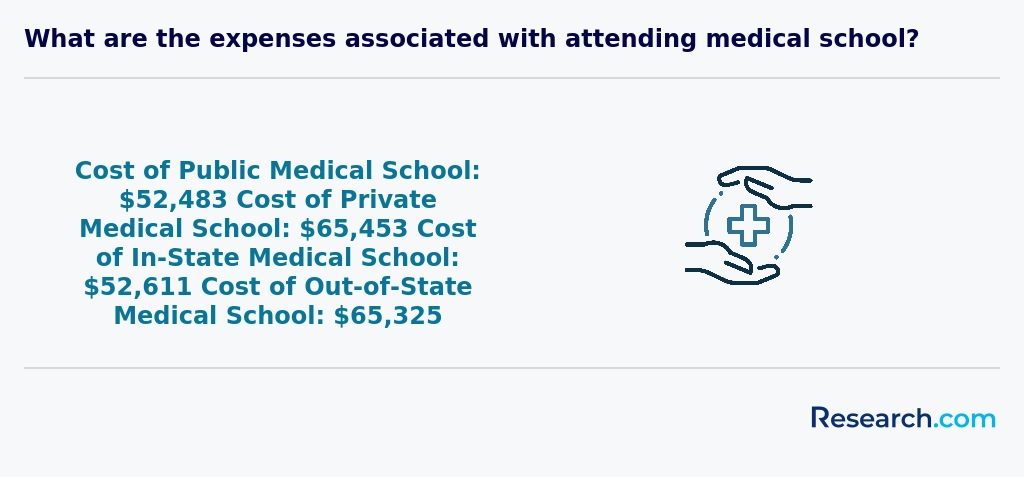
When considering the average cost of an online healthcare degree in South Dakota, expect the median total tuition to be around $42,480. This aligns closely with the median in-state total cost, which often makes studying at local public universities like South Dakota State University (SDSU) an affordable option for residents. Graduates from these programs often share how manageable tuition fees, combined with flexible online formats, allowed them to balance work and family while pursuing their healthcare education.
Out-of-state students typically face higher tuition, with costs reaching approximately $55,788, reflecting differences between in-state and out-of-state rates. Private institutions may charge even more but often provide generous scholarships or financial aid. Many healthcare students recall how these resources made their education achievable despite the sticker price, emphasizing the value of exploring all available financial aid options.
To get a better idea of value and savings, consider the practical benefits of online study-such as less commuting and reduced housing expenses-which can significantly offset tuition. For South Dakota residents seeking affordable options, examining the most affordable healthcare programs in south dakota can reveal institutions that offer excellent education without excessive costs.
The 2027 tuition and fees for healthcare degrees South Dakota-wide will vary by institution, but students consistently find that public universities' rates and available financial support make this investment in their future not only accessible but inspiring.
Expanding Your Healthcare Horizons: Ultrasound Technology Programs
In today’s competitive healthcare landscape, many students are looking beyond traditional nursing or healthcare administration degrees to find specialized paths that further enhance their career potential. One powerful option is pursuing training in ultrasound technology-a field that combines clinical expertise with cutting-edge diagnostic imaging. This specialized program not only builds on your foundational healthcare knowledge but also opens a unique door into high-demand roles within hospitals, diagnostic centers, and private practices. By integrating hands-on experience with rigorous online coursework, ultrasound technology programs offer an immersive education that emphasizes patient care, technical proficiency, and industry-standard practices. Such training is essential for those aiming to excel in diagnostic imaging, where precise skills and up-to-date knowledge directly affect patient outcomes. Students often benefit from flexible class schedules that complement practical experiences, detailed lab simulations, and up-to-date digital imaging techniques. Additionally, specialized courses in anatomy, patient safety, and clinical ethics further refine your ability to deliver reliable care in a fast-paced environment. As you explore complementary healthcare programs, consider the value of expanding your expertise with a certification in ultrasound technology. For further insight into this area, check out this list of popular online ultrasound tech schools, which outlines respected programs known for their comprehensive curricula and robust career support. Embracing specialized programs like these can be a strategic step toward building a diversified skill set that enhances both your professional credentials and long-term career growth.
What financial aid is available to online healthcare degree students in South Dakota?
When pursuing an online healthcare degree in South Dakota, numerous financial aid options can lighten your path. Graduates from universities like Dakota State or South Dakota State often emphasize how applying for the Free Application for Federal Student Aid (FAFSA) opened doors to Pell Grants, which can provide up to $7,395 annually without needing repayment. This grant was a game-changer for many balancing work and study.
South Dakota's own Opportunity Grant also plays a vital role, especially for in-state students attending schools like the University of South Dakota. It's a need-based grant that actively reduces tuition costs, offering real relief.
Many working professionals find employer tuition assistance immensely helpful, as healthcare organizations in the state promote continuing education by covering part of the costs-perfect for part-time students.
Finally, scholarships from associations such as the South Dakota Nurses Association inspire hope and reward dedication, while loan forgiveness programs for practicing in underserved areas encourage graduates to serve communities that truly need them.
Balancing Program Speed and Affordability
When selecting one of the fastest online healthcare bachelor’s programs in South Dakota, it’s essential to weigh the benefits of accelerated completion against overall cost. While shorter program durations can reduce living expenses and allow you to enter the workforce sooner, accelerated coursework often carries higher per-credit tuition rates. Prospective students should compare total tuition, additional fees, and potential savings from reduced time-to-degree to determine the best fit for their budgets and career timelines. Evaluating both state and out-of-state tuition, as well as available financial aid, can reveal opportunities to optimize your investment. For example, some schools offer discounted online rates for South Dakota residents, while others provide scholarships tailored to healthcare majors. To broaden your research on cost-effective options beyond South Dakota, consider reviewing the Most Affordable Online Master's in Healthcare Degree Programs Ranking in Michigan, which highlights programs that balance quality education with lower tuition fees. Ultimately, aligning program speed with affordability involves:
- Calculating total cost per credit versus program length
- Investigating institutional scholarships and state grants
- Assessing the impact of accelerated terms on work-study balance By conducting a comprehensive cost-benefit analysis, you can select an online healthcare program that not only propels you through your degree swiftly but also preserves your long-term financial well-being.
What are the prerequisites for enrolling in online healthcare degree program in South Dakota?
To embark on an online healthcare degree in South Dakota, you'll need a solid foundation starting with a high school diploma or GED. Many graduates from institutions like South Dakota State University reflect on how meeting this basic requirement gave them the confidence to tackle college-level challenges. Schools usually ask for a GPA around 2.5 to 3.0, ensuring you're academically prepared.
Prerequisite courses are key-think biology, chemistry, math, and English composition. These subjects build the critical thinking skills necessary to excel in healthcare fields. Students often appreciate the flexibility of completing these courses online or at nearby community colleges, which helped many balance work and study.
Because South Dakota has many rural areas, programs at universities such as the University of South Dakota emphasize real-world experience through clinical rotations or internships close to home. Past students have found these hands-on opportunities empowering, knowing they were directly impacting their communities.
Don't forget practical requirements like background checks and immunizations, which protect patients and keep your career on track. While some programs may ask for SAT or ACT scores, your professional experience or prior college credits can sometimes waive these, especially for adult learners re-entering school.

Online Learning Success Strategies: Maximizing Your Healthcare Education in South Dakota
Navigating an online healthcare degree program successfully requires a blend of self-discipline, effective time management, and active engagement with digital learning tools. Students should establish a dedicated study space and create a consistent schedule that accommodates both coursework and personal responsibilities. Equally important is leveraging virtual support networks by participating in discussion forums and reaching out to instructors or peers when challenges arise. To optimize your educational journey, consider setting clear academic goals and breaking assignments into manageable tasks. Utilize available technical resources and productivity apps to stay organized and focused. Joining online study groups or mentorship programs can also provide valuable insights and boost your overall motivation. For those seeking cost-effective and flexible options, our ranking of most affordable healthcare programs in south dakota offers further guidance on balancing quality education with financial prudence. Embracing these strategies not only enhances learning outcomes but also prepares you for a rewarding career in the dynamic healthcare industry.
What courses are typically in online healthcare degree programs in South Dakota?
If you're pursuing an online healthcare degree in South Dakota, expect a well-rounded curriculum that balances science and practical skills. Graduates from schools like South Dakota State University often share how core courses such as human anatomy and physiology gave them a clear understanding of the body's inner workings, essential for any healthcare role.
Classes in pathophysiology and microbiology deepen your grasp of diseases and infection control, which prepare you for real challenges you might face in clinics or rural health centers. These foundational sciences are vital, especially when working in communities where healthcare access can be limited.
Beyond science, many students find courses on healthcare systems and policy incredibly eye-opening. At universities like the University of Sioux Falls, learners say understanding medical ethics and healthcare laws helped them navigate the complexities of patient care and healthcare administration.
Leadership and management classes train you to be adaptable and effective-key qualities when leading health services in South Dakota's rural areas. Public health topics such as epidemiology taught students how to address community health challenges, a perfect fit for this state's unique needs.
Choosing electives like healthcare informatics or quality improvement allows you to tailor your learning to your passion, while internships give valuable real-world experience that graduates often describe as career-defining moments.
What types of specializations are available in online healthcare degree programs in South Dakota?
When exploring an online healthcare degree in South Dakota, you'll find various specializations tailored to equip you for the evolving medical field. Nursing remains a standout choice, with many graduates from local universities advancing through RN to BSN programs, ready to lead in clinical or rural care settings. Students pursuing healthcare bachelor's degree options South Dakota commonly select fields like Healthcare Administration, which prepares them for impactful management roles in hospitals or community health systems.
Other compelling paths include Health Informatics, where technology meets patient care, and Public Health, focusing on community well-being and disease prevention. Graduates from prominent South Dakota colleges often share how these programs enabled them to make a real difference in public and emergency health environments. For those seeking diverse allied health careers, Health Sciences opens doors to graduate study or broad healthcare roles.
If you're curious about related specializations, don't miss exploring the list of popular online ultrasound tech schools that complement many healthcare programs, adding valuable skills for diagnostic roles in the state.
How do you choose the best online healthcare degree in South Dakota?
Choosing the best online healthcare degree in South Dakota means focusing on programs that combine strong accreditation with practical curriculum tailored to the state's unique healthcare environment. Graduates from leading institutions like the University of South Dakota often stress how accreditation from bodies like CCNE or ACOTE assured them their education met professional standards and boosted their confidence entering the workforce. Embracing programs that address rural healthcare challenges resonates deeply here, providing not only knowledge but the ability to impact local communities effectively.
Affordability plays a big role too. Many find that exploring affordable healthcare degree programs South Dakota offers allows them to balance quality education with financial responsibility, especially when factoring in tuition averaging between $8,000 and $9,000 annually at public schools. For those balancing work and family, flexibility is key-online courses offering asynchronous learning inspired several graduates to keep pushing forward without sacrificing their responsibilities.
Don't overlook support services; academic advising and career placement have been game changers for many students at South Dakota State University. If you're also interested in health information management, consider exploring affordable online health information management degree programs in usa, which provide valuable skills and solid job prospects in the evolving healthcare landscape.

What career paths are available for online healthcare degree students in South Dakota?
Graduates with an online healthcare degree in South Dakota often find themselves stepping confidently into career paths that truly impact their communities. For instance, many become Registered Nurses (RNs), where the demand in the state consistently grows. These roles are vital in both bustling hospitals and rural clinics, and alumni from institutions like the University of South Dakota share how their online BSN programs equipped them to thrive in diverse settings.
Others pursue careers as Healthcare Administrators, managing operations at hospitals or long-term care facilities. Such roles require leadership skills that students develop through real-world case studies in South Dakota's respected healthcare management programs.
South Dakota's students also explore technical positions, like Health Information Technicians, mastering medical coding and data privacy to support the state's shift toward electronic health records. Public Health Specialists are equally essential, especially in rural areas, driving initiatives that directly improve local well-being.
For those interested in data-driven impact, Medical and Health Services Analysts analyze healthcare trends to optimize patient outcomes. All these opportunities highlight the diverse online healthcare degree jobs in South Dakota, where education meets an expanding job market.
Exploring programs or seeking options? Check out the Most Affordable Online Master's in Healthcare Degree Programs Ranking in Michigan for inspiration and ideas on where you might begin your journey.
What is the job market for online healthcare degree in South Dakota?
The job market for graduates with an online healthcare degree in South Dakota is encouraging and steadily expanding. Many graduates from well-known institutions like South Dakota State University and the University of Sioux Falls find rewarding employment in both rural and urban settings. South Dakota's focus on rural health initiatives means healthcare providers are urgently needed in smaller communities, creating strong opportunities for new professionals. Those pursuing healthcare degree employment South Dakota-wide benefit from programs designed to meet state requirements, which many employers prioritize for licensure and certification.
Graduates often share how their online nursing or health administration studies equipped them with real-world skills and flexibility to balance work and education. For example, registered nurses have seen growing demand with competitive salaries often around $63,000, making roles both sustainable and fulfilling. Health services management is another promising route, especially as hospitals adopt new technologies and adapt to changing regulations.
Students exploring options may want to learn more about what certifications make the most money to maximize their career potential in South Dakota's healthcare market.
Frequently Asked Questions About healthcare
Online healthcare degree students in South Dakota can maximize their learning by actively engaging with course materials and faculty. South Dakota offers programs accredited by recognized agencies, ensuring quality education aligned with healthcare industry standards. Utilizing virtual office hours and discussion boards enhances understanding and networking.
Practical experience is crucial; students should seek internships or clinical opportunities within local healthcare facilities, such as Sanford Health, a major employer in the state. According to the South Dakota Department of Labor, healthcare jobs are projected to grow 16% through 2030, highlighting the importance of hands-on skills.
Time management and creating a dedicated study space help maintain focus and balance responsibilities.
The healthcare field is evolving rapidly, creating new career opportunities for students pursuing online degrees in South Dakota. One emerging niche is telehealth, which has expanded due to increased demand for remote patient care. According to the South Dakota Department of Health, telehealth usage grew by over 1,000% since 2019.
Another growing area is healthcare data analytics. Professionals skilled in analyzing health data help improve patient outcomes and reduce costs. The U.S. Bureau of Labor Statistics projects a 20% growth in health information roles nationwide by 2030.
Additionally, gerontology is gaining importance as South Dakota's population ages. Specialized knowledge in elderly care is critical given the state's rising senior demographic. These emerging fields reflect shifts in healthcare needs and technology integration.
After completing an online healthcare degree in South Dakota, preparing for the job market involves several key steps. Begin by securing relevant certifications such as Certified Nursing Assistant (CNA) or Registered Health Information Technician (RHIT), depending on your specialization. South Dakota's healthcare sector is growing, with a projected 7% employment increase by 2030 according to the U.S. Bureau of Labor Statistics, making timely certification crucial.
Networking through South Dakota's healthcare associations and attending local job fairs can open doors to employment. Gaining hands-on experience through internships or volunteering enhances your resume. Additionally, tailoring your resume to highlight skills sought by regional employers improves hiring chances.
Employers in South Dakota prioritize several core skills when hiring graduates with healthcare degrees. Communication is critical, as about 65% of healthcare roles require strong patient interaction abilities, according to the South Dakota Department of Labor and Regulation. Graduates must also demonstrate clinical competence and problem-solving skills to handle diverse medical situations efficiently.
Additionally, teamwork and adaptability rank highly due to the collaborative nature of healthcare environments. Familiarity with electronic health records (EHR) systems is increasingly important, reflecting national trends emphasized by the Office of the National Coordinator for Health Information Technology. Finally, ethical judgment and cultural awareness are essential to provide quality, patient-centered care across South Dakota's diverse communities.
Finding internships in South Dakota for online healthcare degree students involves leveraging local healthcare networks and educational resources. South Dakota has a growing healthcare sector, fueled by institutions like Sanford Health and Avera Health, which often offer internship opportunities.
Contact your online program's career services or internship coordinator, as many schools maintain partnerships with South Dakota healthcare providers. Additionally, explore the South Dakota Department of Health and local hospitals' websites for posted internships. Networking through professional organizations such as the South Dakota Nurses Association can also provide leads.
According to the South Dakota Department of Labor, healthcare occupations are expected to grow 11.7% through 2030, increasing internship availability. Early outreach and local connections are key to securing relevant placements.
Online healthcare degrees in South Dakota provide flexible pathways for career advancement within the state's growing medical sector. With South Dakota's healthcare employment projected to grow by 10.4% from 2020 to 2030, earning an accredited online degree can enhance mobility by meeting increasing employer demands for qualified professionals, especially in nursing, health administration, and informatics.
Such degrees allow working adults to upskill without relocating, supporting seamless transitions into higher roles such as healthcare management or specialized clinical positions. According to the South Dakota Department of Labor, healthcare occupations offer median wages above the state average, making degree completion a valuable step for salary growth.
Accredited online programs align with state licensure requirements, ensuring graduates meet South Dakota's standards for patient care and compliance. This alignment broadens eligibility for roles across hospitals, clinics, and public health agencies, fostering long-term career progression.
Studying for a healthcare degree in South Dakota online equips students with skills to work across various health disciplines. Programs emphasize collaborative learning, integrating knowledge from nursing, public health, and health administration. This approach reflects the state's increasing demand for versatile healthcare workers able to manage diverse patient needs.
South Dakota's healthcare curriculum often includes courses on communication, ethics, and systems management, preparing students to engage professionals from multiple fields. According to the South Dakota Department of Health, interdisciplinary care improves patient outcomes, a principle embedded in degree programs.
Online formats offer flexibility while maintaining access to local clinical experiences, fostering real-world interdisciplinary teamwork unique to South Dakota's healthcare environment.
Choosing between a thesis and a non-thesis healthcare degree program in South Dakota depends on your career goals and time commitment. Thesis programs typically require original research and can prepare you for advanced study or research roles. Non-thesis programs focus more on practical skills and professional practice, which may be suitable if you aim to enter the workforce quickly.
South Dakota's healthcare sector is growing, with a 6% job increase expected by 2030, according to the Bureau of Labor Statistics. This growth often favors applied knowledge over research experience. Graduate programs in the state may also differ in cost and duration between thesis and non-thesis tracks.
Consider your long-term goals carefully, including if you plan to pursue a doctorate or work in healthcare administration, which may influence your choice.
Students based in South Dakota interested in studying healthcare abroad have diverse online options through U.S.-accredited institutions that offer global learning opportunities. Many universities provide fully online healthcare bachelor's degrees with flexible schedules designed to accommodate distant learners. These programs often include virtual internships or partnerships with international healthcare organizations, enabling students to gain exposure to global health practices without relocating.
While South Dakota itself has limited direct affiliations with foreign healthcare schools, students can enroll in programs accredited by agencies recognized by the Council for Higher Education Accreditation (CHEA) to ensure quality education.
According to the South Dakota Department of Health, the demand for healthcare professionals statewide supports pursuing degrees aligned with international standards, which may enhance career prospects both locally and abroad.
Part-time job opportunities in South Dakota that complement healthcare degree education are diverse and accessible. Many students work as medical assistants, a role that involves supporting clinical staff and improving patient care, aligning well with healthcare studies. According to the South Dakota Department of Labor, medical assistant jobs are expected to grow by 19% from 2020 to 2030 in the state.
Other common positions include home health aides and pharmacy technicians, which provide valuable hands-on experience. Additionally, some students find part-time work in administrative roles within clinics or hospitals, enhancing both healthcare knowledge and organizational skills.
These roles offer practical experience while allowing flexibility for online students balancing coursework and work.
Online healthcare students in South Dakota benefit from various networking opportunities that support career growth and professional connections. Many accredited programs include virtual events, webinars, and online forums where students can interact with faculty, alumni, and peers across the state.
South Dakota's healthcare sector is growing, with the Bureau of Labor Statistics projecting a 12% increase in healthcare jobs by 2030, making networking vital for job placement. Students can also join state-specific organizations like the South Dakota Nurses Association, which offers online membership and access to regional events.
Additionally, partnerships between universities and local hospitals provide internship and practicum placements, even for remote learners. This hybrid approach helps students gain in-person experience and build face-to-face professional relationships within South Dakota's healthcare community.
Alumni networks play a crucial role for online healthcare degree students in South Dakota by fostering professional connections beyond the virtual classroom. Graduates can access job opportunities and mentorship through these networks, which is vital in a state where healthcare employment is growing faster than the national average, according to the South Dakota Department of Labor and Regulation.
Many South Dakota online programs encourage active alumni participation, helping students navigate the local healthcare landscape. Networking through alumni often leads to internships and clinical placements at prominent regional hospitals and clinics, which can be challenging to secure independently.
Furthermore, alumni offer insights into evolving healthcare practices and continuing education options, especially important in a regulated field. These benefits collectively enhance student success and career advancement in South Dakota's expanding healthcare sector.
Customizing an online healthcare degree program in South Dakota allows students to align their education with specific career goals and emerging industry needs. Many South Dakota institutions offer flexible curricula, enabling choices in specialized tracks such as health informatics, healthcare administration, or public health. Students often select electives and capstone projects tailored to local healthcare challenges, like the state's rural health access issues. According to the South Dakota Department of Health, healthcare jobs in the state are projected to grow 15% by 2030, highlighting demand for diverse skills. Additionally, internships and practicum placements in regional hospitals or clinics enhance practical experience. This adaptability helps graduates target roles that suit their interests and the state's healthcare landscape.
Online healthcare students in South Dakota face several common challenges that affect their educational progress. One significant issue is limited access to high-speed internet in rural areas, which the FCC reports affects approximately 23% of South Dakota's population. This digital divide can impact the ability to engage with live lectures and submit assignments on time.
Another challenge is securing local clinical placements required for practical experience. South Dakota's healthcare workforce shortage, noted by the South Dakota Department of Health, means limited availability of sites for hands-on training.
Additionally, students may struggle with balancing coursework alongside work and family responsibilities, as online programs often attract non-traditional learners.
With an online healthcare degree, South Dakota students can pursue various professional certifications that enhance career prospects. Common certifications include Certified Medical Assistant (CMA), Registered Health Information Technician (RHIT), and Certified Healthcare Administrator (CHA). These certifications validate specialized skills and improve employability in healthcare settings.
South Dakota's healthcare sector values certifications linked to patient care and health information management, reflecting national trends reported by the Bureau of Labor Statistics. The state's growing demand for healthcare professionals makes these certifications valuable for career advancement.
Additionally, some certifications, like the Certified Professional in Healthcare Quality (CPHQ), are attainable after completing an online healthcare degree, helping graduates qualify for leadership roles in hospitals or clinics in South Dakota.
To write a winning application for an online healthcare program in South Dakota, begin by thoroughly researching each school's admission requirements. Highlight your academic strengths, relevant healthcare experience, and career goals clearly. South Dakota's healthcare sector is growing, with a 2023 report from the South Dakota Department of Labor noting a 13% increase in healthcare jobs over five years, so emphasize your commitment to meeting this demand.
Include strong letters of recommendation from professionals who can vouch for your skills and dedication. Craft a personal statement that explains why you chose online learning and how the program fits your ambitions. Be sure to proofread carefully and submit all documents on time.
The global perspective on a healthcare career highlights increasing demand for qualified professionals, driven by aging populations and chronic diseases. In the US, including South Dakota, healthcare jobs are expected to grow by 16% from 2021 to 2031, according to the Bureau of Labor Statistics. This growth reflects worldwide trends emphasizing healthcare access and quality improvement.
Online healthcare degrees in South Dakota offer flexibility for students to meet local needs while preparing for global challenges. The South Dakota Department of Labor reports a rising need for nurses, health educators, and administrators, reflecting broader global shifts toward preventive care and technology integration.
Gaining practical experience while studying for an online healthcare degree in South Dakota is essential for career readiness. Many programs incorporate clinical placements or internships in local healthcare facilities. These opportunities allow students to apply theoretical knowledge in real-world settings under professional supervision.
South Dakota's rural healthcare system offers numerous sites for hands-on training, including hospitals, clinics, and community health centers. According to the South Dakota Department of Health, partnerships between universities and healthcare providers help facilitate these experiences.
Additionally, some online programs offer simulation labs or virtual practicums to supplement clinical hours. Students should verify how their program meets state licensure requirements for practical experience to ensure smooth professional licensing after graduation.
Choosing the right concentration within an online healthcare degree in South Dakota involves aligning your interests with local workforce needs. Popular options include public health, health administration, and nursing, each addressing different industry demands. According to the South Dakota Department of Labor and Regulation, healthcare support and practitioner jobs are among the fastest-growing fields in the state through 2030.
Consider factors such as your career goals, the specific skills taught, and job placement rates. Research shows concentrations in health administration often lead to roles in facility management, while public health focuses on community wellness and policy.
Additionally, examine program accreditation and connections to South Dakota healthcare employers. This can improve internship opportunities and job prospects within the state's expanding healthcare sector.
Related Healthcare Rankings for Nearby States
- 2027 Fastest Online Bachelor's in Healthcare Degree Programs Ranking in Iowa
- 2027 Fastest Online Bachelor's in Healthcare Degree Programs Ranking in Colorado
- 2027 Fastest Online Bachelor's in Healthcare Degree Programs Ranking in Kansas
- 2027 Fastest Online Bachelor's in Healthcare Degree Programs Ranking in Wisconsin
- 2027 Fastest Online Bachelor's in Healthcare Degree Programs Ranking in Missouri
- 2027 Fastest Online Bachelor's in Healthcare Degree Programs Ranking in Illinois
- 2027 Fastest Online Bachelor's in Healthcare Degree Programs Ranking in Michigan
- 2027 Fastest Online Bachelor's in Healthcare Degree Programs Ranking in Arkansas
- 2027 Fastest Online Bachelor's in Healthcare Degree Programs Ranking in Texas
- 2027 Fastest Online Bachelor's in Healthcare Degree Programs Ranking in Kentucky
Top Trending Healthcare Rankings
See What Experts Have To Say About Studying Healthcare
Read our interview with Healthcare experts

References
- All South Dakota RN-BSN Programs | 2025 Guide https://www.rntomsn.org/rn-to-bsn-online/south-dakota/
- South Dakota Online Medical Assistant Certificate Program | Self-Paced Course - USCI https://www.uscareerinstitute.edu/online-medical-assistant-school/south-dakota
- Career Cluster: Health Science https://doe.sd.gov/cte/careerclusters_health.aspx
- Online Degree vs. Traditional: Choosing the Right Path https://beal.edu/online-degree-vs-traditional/
- Pursuing Your Career Goals: Strategies and Examples https://www.ultimatemedical.edu/blog/career-goals-importance-strategies-and-examples/
- 6 Tips On Networking For Medical Professionals https://aaams.net/blog/how-to-network-in-the-medical-field-nurses/
- Advancing Your Career in Healthcare: Tips and Strategies https://www.sunshinecarenetwork.com/blog/advancing-your-career-in-healthcare-tips-and-strategies
- Health Management Careers https://www.ache.org/Career-Resources/Start-Your-Career/Health-Management-Careers
- Client Challenge https://www.springerpflege.de/nursing-graduates-perceived-future-career-pathway-and-career-shi/50653658
- Trends and opportunities in healthcare across emerging markets - Inizio https://inizio.com/insights/trends-and-opportunities-in-healthcare-across-emerging-markets/


