
2027 Most Affordable Healthcare Degree Programs Ranking in South Dakota

Co-Founder and Chief Data Scientist
Choosing the right healthcare degree can be overwhelming, especially with so many programs available in South Dakota. This article introduces the 2027 Most Affordable Healthcare Degree Programs Ranking in South Dakota, carefully created by the Research.com team of data scientists. It's designed to help you make an informed choice about affordable and valuable options that fit your goals.
Whether you're starting your education journey or aiming to advance your career, a healthcare degree opens doors to meaningful work and personal growth. Explore this ranking to find programs that balance quality with cost, making your dreams within reach.
Key benefits of getting healthcare degree in South Dakota
- Salary: Healthcare degree graduates in South Dakota can expect competitive wages, such as $43,350 annually for Medical Assistants and $60,790 for Patient Care Technicians, offering financial stability and growth opportunities.
- Career Paths: Graduates from South Dakota State University often enter diverse roles including Clinical Research Coordinators and Health Information Technicians, providing fulfilling careers that impact patient care and system efficiency.
- Online Degrees: Earning a healthcare degree online from institutions like the University of South Dakota offers flexible schedules and reduced commuting costs, making education accessible without sacrificing quality.
- Key benefits of getting healthcare degree in South Dakota
- What can I expect from healthcare degree in South Dakota?
- Where can I work with healthcare degree in South Dakota?
- How much can I make with healthcare degree in South Dakota?
- 2027 Most Affordable Healthcare Degree Programs Ranking in South Dakota
- Key Findings
- How long does it take to complete healthcare degree in South Dakota?
- Continuing Education and Certification Opportunities
- What's the difference between online and on-campus healthcare degree?
- Emerging Trends and Innovations in Healthcare Education
- What is the average cost of healthcare degree in South Dakota?
- Licensing and Certification Requirements for Healthcare Degrees in South Dakota
- What financial aid is available to healthcare degree students in South Dakota?
- Tips for Success in Your Healthcare Education Journey
- What are the prerequisites for enrolling in healthcare degree program in South Dakota?
- Return on Investment of Healthcare Degrees in South Dakota
- What courses are typically in healthcare degree programs in South Dakota?
- What types of specializations are available in healthcare degree programs in South Dakota?
- How do you choose the best healthcare degree in South Dakota?
- What career paths are available for healthcare degree students in South Dakota?
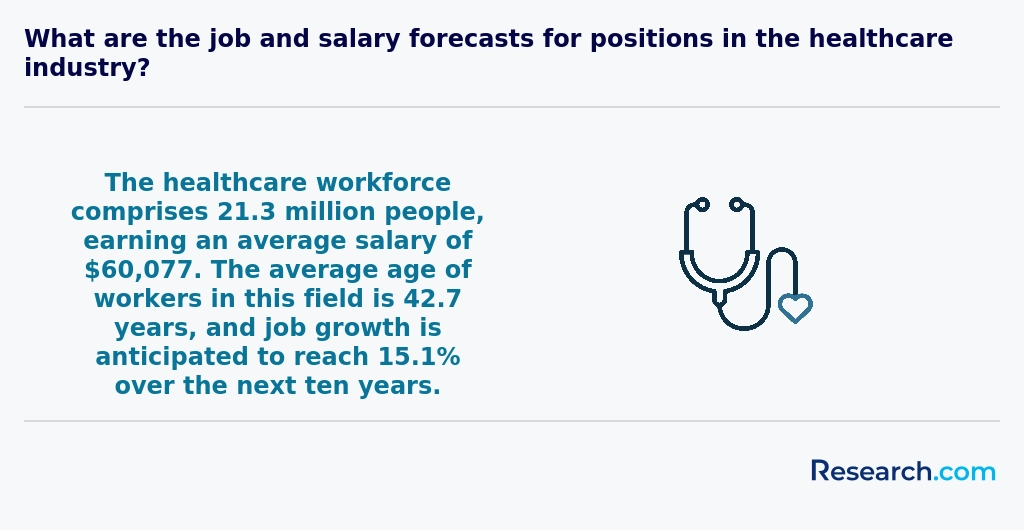
- What is the job market for healthcare degree in South Dakota?
- Related Healthcare Rankings for Nearby States
- Top Trending Healthcare Rankings
- See What Experts Have To Say About Studying Healthcare
What can I expect from healthcare degree in South Dakota?
The average cost of pursuing a healthcare degree in South Dakota is typically around $9,000 per year for in-state students at public universities. For example, graduates from South Dakota State University often highlight how this affordability made it possible to focus fully on their studies without overwhelming debt. Many students find that lower tuition rates here compared to national averages create a welcoming environment to build strong clinical skills in nursing, public health, or biomedical sciences.
These programs blend classroom learning with hands-on experiences through clinical rotations at local hospitals, helping students apply theory in real-world settings. Graduates often describe feeling confident stepping into their healthcare roles, knowing their education was tailored to address South Dakota's rural health challenges.
Financial aid and scholarships from community colleges and specialized institutions further ease the financial burden. This support ensures even more students can access quality healthcare education while gaining experience that directly prepares them for certification and employment in the state.
Where can I work with healthcare degree in South Dakota?
Graduates with healthcare degrees in South Dakota find diverse job opportunities across hospitals, clinics, and community health settings. Many who graduated from institutions like the University of South Dakota or South Dakota State University quickly secured roles in major hospitals such as Avera McKennan and Sanford USD Medical Center in Sioux Falls, where their skills as nurses, therapists, or healthcare administrators are highly valued. Working in these environments offers a rewarding daily experience of making a real difference in patients' lives.
Others leverage their degrees in rural health clinics, serving remote communities where healthcare access is critical. Graduates often share how working as physician assistants or community health workers in rural parts of South Dakota brings a deep sense of purpose and connection.
Long-term care facilities and public health departments provide stable career paths-many find fulfillment managing health programs or supporting aging populations. Additionally, healthcare research opportunities at South Dakota universities offer exciting roles for those eager to innovate in local healthcare solutions.
How much can I make with healthcare degree in South Dakota?
Graduates with healthcare degrees in South Dakota can expect competitive salaries, especially when entering roles aligned with their training from institutions like the University of South Dakota or South Dakota State University. For example, medical assistants typically earn a mean annual wage of about $43,350, which many recent graduates find encouraging as a solid starting point in healthcare careers.
Those pursuing technical positions such as health information technicians also see similar pay, averaging around $43,380 annually. Graduates working as patient care technicians can earn notably more, with an average salary near $60,790, reflecting the additional skills and responsibilities required.
For those aiming higher, quality improvement coordinators, a role often filled by professionals with advanced education and experience, enjoy median annual earnings of approximately $103,150. This serves as motivation for graduates invested in further specialization or leadership roles within healthcare.
South Dakota's healthcare economy supports steady salary growth, and graduates report feeling optimistic about their ability to build rewarding careers locally while contributing meaningfully to their communities.
2027 Most Affordable Healthcare Degree Programs Ranking in South Dakota
How do we rank schools?
Investing in your education is a significant decision that can shape your future, and the Research.com team understands the importance of making informed choices. To assist prospective students in South Dakota, we have meticulously crafted the "2027 Most Affordable Healthcare Degree Programs Ranking in South Dakota." Our commitment to quality, credibility, and accuracy is reflected in the extensive research and analysis conducted to compile this ranking.
We utilized the following reputable data sources to ensure a comprehensive evaluation of healthcare degree programs:
By exploring this ranking, readers will gain valuable insights into the most affordable healthcare degree programs available in South Dakota, helping them make informed decisions about their educational paths. For more details on our methodology, please visit our Research.com methodology page.


# 3 position
Dakota State University
Master of Science in Health Informatics and Information Management


# 8 position
Sinte Gleska University
Bachelor of Science in Health Sciences

# 10 position
National American University-Rapid City
Bachelor of Science in Healthcare

Key Findings
- Healthcare degree tuition in South Dakota typically ranges from $8,000 to $12,000 annually at public universities for in-state students.
- Private schools may charge more, but financial aid and scholarships help lower the cost.
- Healthcare jobs in South Dakota are projected to grow by 13% between 2020 and 2030 due to an aging population and expanded services.
- Entry-level salaries for healthcare professionals usually range from $40,000 to $55,000 per year, varying by role and education.
- Experienced healthcare workers with over ten years in the field can earn more than $70,000 annually.
- State licensure requires passing national exams and completing clinical hours, which are integrated into healthcare degree programs.
How long does it take to complete healthcare degree in South Dakota?
Completing a healthcare degree in South Dakota depends largely on the program you choose. For example, graduates from Southeast Technical College often share how their two-year ADN program prepared them efficiently for nursing roles. If you are aiming for quicker entry into the workforce, certificate programs like CNA or medical assistant courses take just a few months to a year, perfect for those eager to start working fast.
For those attending the University of South Dakota or South Dakota State University, a bachelor's degree usually requires four years of full-time study. Graduates often speak about how this timeframe allowed them to build strong clinical skills and open doors to better job opportunities.
Advanced degrees such as a Master's or Doctorate typically add two to four more years, but many students find flexible options like part-time or online classes to balance work and study. Considering this, planning your path early and choosing programs offered locally can help you manage your time and achieve your goals confidently.
Continuing Education and Certification Opportunities
Expanding your skillset beyond your degree is essential in today’s evolving healthcare landscape. Many graduates find that pursuing continuing education, such as specialized certifications and short-term courses, greatly enhances their career prospects and adaptability. This ongoing learning not only improves your clinical competence but also positions you as a versatile professional in the job market. For instance, supplementing your degree with targeted programs like billing and coding classes can provide an edge in administrative or technical roles, as these courses emphasize practical skills that match emerging industry demands. Additionally, industry-recognized credentials obtained through continuing education help build professional credibility and open doors to advanced career opportunities. Embracing a lifelong learning mindset by exploring various certification options, webinars, and professional workshops will ensure that you stay abreast of best practices and technological advancements in healthcare.
What's the difference between online and on-campus healthcare degree?
Online healthcare degrees in South Dakota offer the flexibility to study from anywhere, perfect for students balancing work or family. Graduates from South Dakota State University's online program often highlight the convenience of accessing lectures and assignments anytime. However, they also emphasize the importance of local clinical rotations, which are arranged near their homes to fulfill hands-on training requirements.
On the other hand, students attending the University of South Dakota's on-campus healthcare programs enjoy immediate access to labs, study groups, and face-to-face interactions with faculty. This structure helps many stay motivated and connected, especially when navigating complex topics or preparing for exams.
While tuition for both online and on-campus healthcare degrees at South Dakota public universities is similar, on-campus students appreciate the sense of community and routine. Those pursuing online paths often develop strong time-management skills, learning to independently pace their studies while still gaining essential clinical experience within their region.
Emerging Trends and Innovations in Healthcare Education
As South Dakota’s healthcare education landscape continues to evolve, students and educators are increasingly embracing new technologies and teaching methodologies to better prepare graduates for tomorrow’s demands. Programs are integrating virtual simulations and telemedicine training to offer real-world experiences in a controlled environment. Additionally, flexible and accessible learning formats are gaining prominence, enabling students to balance work, family, and study commitments more effectively. This shift is particularly evident in online programs, with institutions continuously updating their curricula to incorporate digital tools and remote learning strategies. For example, many prospective students are exploring options at the cheapest online healthcare schools in south dakota, where cutting-edge instructional methods and technology-driven coursework provide a dynamic and supportive learning experience. As the industry moves towards greater digitalization and a focus on preventive health measures, keeping pace with these emerging trends will be essential for students aiming to launch successful and future-proof careers in healthcare.
What is the average cost of healthcare degree in South Dakota?
The average total cost of a healthcare degree in South Dakota for in-state students typically hovers around $9,654, making it an accessible option compared to many other states. Graduates from institutions like the University of South Dakota often share how the manageable tuition helped ease their financial concerns while pursuing challenging nursing or health science programs. These programs require additional expenses such as specialized labs and clinical training, which contribute to the overall cost but remain reasonable within the state's pricing.
When planning your education, keep in mind that the total median cost accounts for tuition, fees, and necessary program-related expenses. Many students appreciate that community colleges and technical schools in South Dakota offer affordable paths, with yearly tuition between $4,500 and $6,000, especially for associate or certificate healthcare degrees. This affordability encourages students to start locally before advancing their careers.
In addition to tuition, students must budget for textbooks, clinical uniforms, and potential travel for on-site rotations. However, financial aid and scholarships significantly lessen this burden. Nearly 60% of healthcare students at public institutions receive support through state grants or scholarships, often targeting those committed to serving rural communities. For students seeking budget-friendly options, exploring the cheapest online healthcare schools in south dakota can provide flexible and affordable alternatives to traditional campus programs.
The combination of affordable tuition, practical financial aid, and diverse program choices makes South Dakota a smart choice for students seeking South Dakota affordable healthcare degrees without sacrificing quality or opportunity.

Licensing and Certification Requirements for Healthcare Degrees in South Dakota
Healthcare professionals in South Dakota must obtain state-specific licenses or national certifications to practice legally and ensure patient safety. The requirements vary by vocation, but generally include: • Nursing (RN/LPN): Graduates of accredited nursing programs must pass the NCLEX-RN or NCLEX-PN exam administered by the National Council of State Boards of Nursing (NCSBN). Applicants submit transcripts and fingerprint-based background checks through the South Dakota Board of Nursing. • Medical Assistants and Technicians: While not universally licensed, many employers prefer graduates who hold the Certified Medical Assistant (CMA) credential from the American Association of Medical Assistants or Registered Health Information Technician (RHIT) credential from the American Health Information Management Association. • Allied Health Roles: Specialized fields such as kinesiology often require certification exams (e.g., NASM or ACSM for exercise specialists). Prospective students may compare programs like the best online kinesiology degree to ensure coursework aligns with credentialing standards. • Advanced Practice and Administration: Nurse practitioners, physician assistants, and healthcare administrators often pursue national board certifications (AANP, NCCPA) and apply for state licensure through the South Dakota Board of Medicine or Nursing. Maintaining licensure typically requires completing continuing education units (CEUs) every two years and fulfilling specific clinical practice hours. The South Dakota Board of Nursing and Board of Medical and Osteopathic Examiners publish renewal guidelines online, including approved CEU providers and fee schedules. Understanding and planning for these steps early-during your program’s clinical practicum and capstone experiences-can streamline your transition from student to licensed professional, enhancing both employability and long-term career growth.
What financial aid is available to healthcare degree students in South Dakota?
Healthcare students in South Dakota can access multiple financial aid options to ease tuition costs, which vary widely-from around $7,000 annually at public schools to over $20,000 at some private colleges. Federal aid remains the cornerstone for many, including Pell Grants that provide need-based, no-repayment funds, making a real difference for students balancing school and life expenses.
Graduates from South Dakota State University often recall how state-specific programs like the Health Care Workforce Loan Program offered low-interest loans with forgiveness opportunities when working in rural communities. This not only reduced their debt but also motivated them to serve underserved populations.
Merit-based scholarships at institutions specializing in nursing and allied health frequently reward academic achievement and financial need, helping students focus on their studies without financial stress. Additionally, federal Work-Study jobs enable students to gain hands-on healthcare experience while earning tuition money.
Private scholarships from local nonprofits and healthcare groups further boost financial support. Many healthcare students recommend actively searching community foundations and professional associations for these valuable, targeted opportunities.
Tips for Success in Your Healthcare Education Journey
Navigating the healthcare education landscape in South Dakota can be both exciting and challenging. To set yourself up for success, it’s essential to combine academic planning, strategic financial management, and proactive career exploration. Start by researching state-accredited institutions and ensure that the programs you’re looking into are well-recognized in the healthcare community. Staying organized throughout your application process and maintaining consistent communication with admissions and financial aid offices will help you secure the best opportunities available. Additionally, leverage campus support services such as academic advising and career counseling to guide your educational journey. For students considering flexible learning options, exploring the cheapest online healthcare schools in south dakota can provide valuable insights on balancing work, study, and personal commitments. By planning ahead and tapping into available resources, you can optimize your academic efforts and enhance your career prospects in the dynamic field of healthcare.
What are the prerequisites for enrolling in healthcare degree program in South Dakota?
To enroll in a healthcare degree program in South Dakota, start by completing high school or earning a GED, which is essential for admission. Popular institutions like the University of South Dakota and South Dakota State University emphasize strong foundations in science and math. Graduates often recall taking courses such as biology, chemistry, algebra, and English composition during high school, which gave them the confidence to handle college-level material.
For degrees like nursing or physician assistant studies, expect to complete specific college prerequisites, including anatomy and physiology, microbiology, and general chemistry. Many students found this helped them feel better prepared for advanced healthcare topics and clinical work. Some programs may also require SAT or ACT scores, so check with the admissions office of your chosen school early to avoid surprises.
Applicants should also prepare letters of recommendation and personal statements. Many healthcare students reflect on how these components gave them the chance to share their passion and dedication, making their applications stand out.
Volunteering or working in healthcare settings, even informally, is highly encouraged. It provides hands-on experience and reinforces your motivation, something graduates remember fondly as they began their careers in South Dakota's healthcare environments.

Return on Investment of Healthcare Degrees in South Dakota
Graduating with a healthcare degree in South Dakota involves an investment of time and money that can be measured against long-term earnings and career growth. The average in-state tuition for a bachelor’s program at public universities, ranging from $8,000 to $10,000 per year, contrasted with mean starting salaries-around $41,260 for Health Information Technicians and $55,860 for Patient Care Technicians-yields a typical payback period of four to six years. When factoring in loan interest and living expenses, graduates can expect to break even within a decade, especially if they leverage state-sponsored scholarships and grants. To optimize ROI: • Compare total program costs-tuition, fees, and resources-with projected salaries in your specialization. • Pursue accelerated or dual-degree tracks that reduce time to completion. • Seek employer-sponsored tuition reimbursement programs in major hospital systems across Sioux Falls or Rapid City. Moreover, flexible online options can further enhance cost-effectiveness. For students seeking even more budget-friendly online pathways or wishing to diversify their program portfolio, explore our Cheapest Online Healthcare Degree Programs Ranking in Hammond, LA, which highlights accredited, low-cost online curricula that may align with South Dakota licensure requirements. By proactively managing educational expenses and targeting high-demand specialties-such as health informatics or public health-prospective students can maximize both their financial returns and impact on community health.
What courses are typically in healthcare degree programs in South Dakota?
Healthcare degree programs in South Dakota, like those at institutions such as the University of South Dakota and South Dakota State University, typically include courses that blend essential sciences with practical skills. Graduates often recall how courses in anatomy, physiology, microbiology, and chemistry laid the critical groundwork for understanding patient care in real clinical environments.
Students frequently highlight the importance of classes in medical terminology and healthcare communication, which build confidence for effective teamwork and patient interaction during internships at local hospitals. Pharmacology courses provide deep insights into medication management, an area many find fulfilling as they imagine themselves advising patients safely.
Health informatics and data management courses reflect the growing use of technology, preparing students to navigate digital health records effectively. Ethics and healthcare law instruction equips future professionals with the knowledge to manage complex legal scenarios thoughtfully. Clinical practicum experiences, integrated into these programs, allow learners to apply their knowledge firsthand in clinics, making studies feel immediately relevant and impactful.
What types of specializations are available in healthcare degree programs in South Dakota?
Healthcare programs options in South Dakota commonly include specializations in nursing, health sciences, allied health professions, and pre-medical tracks. Nursing remains a favorite due to high demand and competitive salaries; graduates from state universities describe their coursework as intensive yet rewarding, combining clinical skills with healthcare management. Health sciences students often choose concentrations like community and public health, which equip them to work on wellness initiatives and health policy within South Dakota's unique rural and urban settings.
Allied health disciplines such as medical laboratory technology and respiratory therapy provide hands-on training, preparing graduates for essential technical roles in hospitals and health centers. Those pursuing pre-med or physician assistant studies appreciate the strong foundation these programs offer for advanced medical education. Many students value South Dakota's emphasis on clinical placements that connect education with real-world experience.
For individuals interested in administrative medical roles, popular colleges also offer billing and coding classes, an efficient way to enter the healthcare workforce. Overall, these healthcare degree specializations South Dakota students choose align practically with workforce demands to maximize career opportunities.
How do you choose the best healthcare degree in South Dakota?
Focus first on the healthcare role that suits your passion and skills, such as nursing, dental hygiene, or health information technology. Graduates from South Dakota State University often highlight how aligning their choice with personal interests helped them excel in demanding healthcare settings. Considering the best affordable healthcare degrees South Dakota offers, look closely at program costs and financial aid options at public universities to avoid surprise expenses. Many students appreciate the balance of affordable tuition and quality education.
Accreditation is essential for licensure and career mobility; programs accredited by CAAHEP or nursing bodies ensure you meet professional standards. Flexible scheduling is a key factor for working students-universities like the University of South Dakota provide evening and online classes, enabling students to gain clinical experience without pausing work. Graduates mention how this flexibility boosts confidence and manages stress effectively.
Practical experience through internships in local hospitals or clinics is crucial. Hands-on training builds skills and connections that open doors after graduation. When assessing healthcare degree programs cost South Dakota, factor in the value of these clinical opportunities. For those exploring related fields, check out the best online kinesiology degree options as complementary paths to healthcare careers.
What career paths are available for healthcare degree students in South Dakota?
Graduates with a healthcare degree in South Dakota have diverse career paths that align with the state's evolving healthcare needs. Opportunities range from becoming a registered nurse (RN) in hospitals or home health agencies to specialized roles like radiologic technologists or physical therapists. Many graduates find rewarding positions as medical and health services managers, where they enhance facility operations and patient care quality. Those interested in hands-on patient care often pursue roles as physician assistants or nurse practitioners, thriving in clinical settings supported by South Dakota's strong healthcare education programs.
Universities such as those in Sioux Falls and Vermillion offer comprehensive training that prepares students well for these roles, helping them enter the workforce confidently. Graduates appreciate how their education equips them for real-world challenges, especially in rural areas requiring healthcare practitioners and community health workers. This reflects the growing demand noted in the South Dakota healthcare degree job prospects.
To explore financially smart educational options, students can consult the Cheapest Online Healthcare Degree Programs Ranking in Hammond, LA, which highlights affordable paths that complement in-state tuition.
What is the job market for healthcare degree in South Dakota?
The healthcare job market in South Dakota offers promising opportunities for graduates with healthcare degrees, reflecting steady growth driven by the region's aging population and rural healthcare needs. Graduates from institutions like South Dakota State University often find rewarding positions as registered nurses or healthcare managers, where their skills directly impact underserved communities. This practical experience is bolstered by the state's emphasis on telehealth, expanding options for flexible and remote work. For those seeking diverse career paths, allied health credentials such as respiratory therapy or radiologic technology are highly sought after, creating a broad spectrum of accessible jobs across hospitals and clinics.
Many South Dakota healthcare degree holders appreciate the balance between below-national-average wages and a lower cost of living, which makes starting a career here comfortable and financially sustainable. Students at local colleges also benefit from affordable tuition and financial aid packages, making healthcare education more attainable. Some of these students enhance their employability by exploring 6-month certificate programs for careers that pay well, providing fast-tracked entry into high-demand roles in the South Dakota healthcare degree job market.
Frequently Asked Questions About healthcare
Healthcare degree students in South Dakota can maximize their learning experience by taking advantage of clinical placements offered through local hospitals and clinics. Hands-on experience is essential in healthcare education, helping students apply theoretical knowledge. South Dakota hosts several institutions accredited for nursing, public health, and allied health programs, such as South Dakota State University and the University of South Dakota.
Students should also utilize state healthcare workforce data from the South Dakota Department of Health. This information helps identify growing fields, such as geriatric and rural health care, which are in high demand locally. Engaging in internships or volunteer opportunities in these areas can enhance employability.
Networking through professional organizations like the South Dakota State Medical Association provides access to mentors and continuing education resources. Furthermore, students benefit from staying updated with state licensing requirements and certifications relevant to their specialization to ensure smooth career entry.
Emerging niches in South Dakota's healthcare field reflect national trends, with a focus on telehealth, gerontology, and health informatics. Telehealth has grown significantly, especially after the COVID-19 pandemic, with South Dakota ranked among the top states in telemedicine adoption, according to the American Telemedicine Association. This creates demand for professionals skilled in digital health technologies.
Gerontology is another expanding area due to South Dakota's aging population; the U.S. Census Bureau reports that nearly 17% of the state's residents are over 65, increasing the need for specialized elderly care.
Health informatics, which combines data management and healthcare, offers strong career prospects as hospitals and clinics modernize their record-keeping and patient care strategies.
After completing a healthcare degree in South Dakota, preparing for the job market involves several key steps. First, obtaining relevant licensure or certification is crucial, as most healthcare roles require state-specific credentials. For example, registered nurses must pass the NCLEX-RN exam recognized by the South Dakota Board of Nursing.
Gaining practical experience through internships or clinical rotations during education improves employment prospects. South Dakota's healthcare sector is growing steadily, with a 7.5% projected job growth in healthcare occupations from 2020 to 2030, according to the U.S. Bureau of Labor Statistics.
Networking with professionals via local health organizations or job fairs in cities like Sioux Falls can also help graduates connect with employers. Additionally, developing skills in emerging healthcare technology and electronic health records is advantageous in today's market.
Employers in South Dakota's healthcare sector prioritize a combination of technical and interpersonal skills in graduates with healthcare degrees. Key skills include clinical competency, critical thinking, and proficiency with electronic health records, reflecting the state's increasing adoption of digital healthcare technologies. According to the South Dakota Department of Labor and Regulation, strong communication abilities and teamwork are essential, as many healthcare roles require collaboration in fast-paced settings.
Additionally, cultural competence is crucial due to South Dakota's diverse population, including Native American communities. Problem-solving skills and adaptability are also valued, helping graduates respond effectively to evolving patient needs and healthcare regulations.
Finding internships in South Dakota relevant to a healthcare degree involves several strategic steps. First, explore partnerships between universities and local healthcare providers. Institutions like the University of South Dakota and South Dakota State University often maintain internship listings for students.
Healthcare organizations in the state, including Sanford Health and Avera Health, are among the largest employers offering internships. These programs provide hands-on experience in fields such as nursing, public health, and medical technology.
Utilizing the South Dakota Department of Health website can help identify current openings and statewide programs designed to offer practical training. Networking through professional groups or campus career centers also enhances opportunities.
Obtaining a healthcare degree in South Dakota significantly enhances career mobility and advancement opportunities within the state's expanding healthcare sector. According to the South Dakota Department of Labor and Regulation, healthcare occupations are projected to grow by over 15% from 2020 to 2030, faster than many other fields. This growth creates a strong demand for qualified professionals holding degrees in nursing, public health, and allied health fields.
Healthcare degrees provide foundational knowledge and clinical skills necessary to qualify for licensed roles, which generally offer higher salaries and better job security. Graduates can also pursue advanced certifications or move into administrative positions, increasing their earning potential and leadership prospects.
Additionally, South Dakota's rural healthcare needs create unique opportunities for degree holders to serve underserved communities, often leading to career advancement through varied clinical experiences. Institutions like the South Dakota Board of Nursing emphasize degree completion for career progression, reflecting the state's commitment to elevating healthcare standards.
Studying for a healthcare degree in South Dakota offers strong preparation for interdisciplinary roles essential in modern healthcare. Many programs emphasize collaboration across nursing, public health, and allied health fields, reflecting real-world team dynamics. According to the South Dakota Board of Health, integrated care models are increasingly common, requiring graduates to communicate effectively with diverse professionals.
Institutions like South Dakota State University and the University of South Dakota provide curricula that include case-based learning, clinical rotations, and interprofessional education. These experiences help students develop skills in teamwork, problem-solving, and patient-centered care, aligning with national trends supported by the Interprofessional Education Collaborative.
Given South Dakota's rural healthcare challenges, graduates often engage in cross-disciplinary efforts to improve access and outcomes, preparing them for versatile roles within healthcare systems statewide.
Choosing between a thesis and a non-thesis healthcare degree program in South Dakota depends largely on your career goals. Thesis programs focus on research and are ideal if you plan to pursue a PhD, academic career, or roles in healthcare research. Non-thesis options are more practice-oriented, preparing students for immediate work in clinical or administrative healthcare settings.
The South Dakota Board of Regents notes that about 35% of healthcare master's programs in the state offer thesis options, reflecting the demand for research skills. Local healthcare employers often prefer candidates with practical experience, which non-thesis programs emphasize.
Consider your timeline too: thesis paths usually take longer due to research requirements, while non-thesis paths can be faster without a significant project.
Students based in South Dakota interested in studying healthcare abroad have several pathways to consider. Many U.S. universities, including those in South Dakota, offer exchange programs or partnerships with international institutions in countries like the United Kingdom, Canada, and Australia. These programs allow students to gain global healthcare perspectives while earning credits transferable to their U.S. degrees.
Additionally, South Dakota's proximity to nationally recognized medical schools can facilitate applying to joint or dual-degree options that include international clinical experiences. According to the South Dakota Board of Regents, participation in study abroad programs within healthcare fields has increased by 12% over the past five years, reflecting growing interest.
Students should also explore scholarships or grants specifically designated for healthcare studies overseas, supported by organizations such as the Fulbright Program. Understanding the accreditation process and licensing reciprocity in healthcare professions remains critical for those considering training outside the U.S.
Students pursuing healthcare degrees in South Dakota can benefit from part-time jobs that offer practical experience alongside their studies. Common roles include medical scribe positions, patient care technicians, and pharmacy assistants. These roles help build relevant skills while accommodating academic schedules.
South Dakota's healthcare sector employed over 67,000 people in 2023, emphasizing the demand for trained support staff in hospitals and clinics, according to the South Dakota Department of Labor and Regulation. Part-time opportunities often arise within these facilities, providing healthcare students exposure to clinical environments.
Additionally, jobs in community health outreach programs or working as Certified Nursing Assistants (CNAs) offer hands-on patient interaction, enhancing understanding of healthcare processes. These roles often provide flexible hours, ideal for balancing coursework and work.
Healthcare students in South Dakota benefit from various networking opportunities through local universities and professional organizations. Institutions like South Dakota State University and the University of South Dakota offer access to clinical partnerships with hospitals such as Avera Health and Sanford Health, two of the state's largest healthcare providers. These connections allow students to engage in internships, job shadowing, and mentorship programs.
Additionally, the South Dakota Nurses Association and similar bodies host events, conferences, and workshops that promote professional networking. Participation in statewide health forums often helps students build relationships with practicing professionals, enhancing career prospects. The South Dakota Department of Health also supports community health initiatives where students can connect with public health leaders.
Alumni networks play a significant role in supporting healthcare degree students in South Dakota by offering valuable connections and resources. These networks help students access mentorship from experienced professionals who understand the state's healthcare landscape. According to the South Dakota Department of Health, the state continues to face healthcare workforce shortages, making networking crucial for job placement.
Through alumni events and online platforms, students can discover internships, clinical opportunities, and job openings tailored to South Dakota's rural and urban health settings.
Moreover, alumni often provide guidance on licensure requirements and continuing education, aiding students' professional growth within the local healthcare system.
Customizing a healthcare degree program in South Dakota to match your career goals involves selecting specialized courses, internships, and certificates that align with your interests. Many universities in the state, such as South Dakota State University, offer flexible healthcare programs with options in nursing, public health, and healthcare management.
Students can enhance their education by choosing electives in areas like rural health, epidemiology, or health informatics-fields that are vital in South Dakota's largely rural healthcare system. According to the South Dakota Department of Health, rural healthcare needs continue to grow, creating unique career opportunities.
Practical experience is another customization tool. Seeking clinical rotations or internships at local hospitals or public health agencies allows students to gain relevant skills while networking in the state's healthcare community.
Healthcare students in South Dakota often face several challenges during their education. One major difficulty is limited clinical placement opportunities, given the rural nature of much of the state. This scarcity can delay hands-on training essential for licensure. According to the South Dakota Department of Health, rural healthcare facilities sometimes lack enough resources for student supervision.
Another challenge is balancing study with work, as many students must support themselves financially while attending programs that can be demanding in time and intensity. Tuition costs have risen steadily; even with state aid, affordability remains a concern.
Lastly, students may confront workforce shortages after graduation. The state's aging population requires more healthcare providers, creating pressure but also uncertainty about job availability in specific specialties, as noted by the South Dakota Board of Regents.
With a healthcare degree in South Dakota, students can pursue a variety of professional certifications to enhance their career opportunities. Common certifications include Certified Nursing Assistant (CNA), Registered Nurse (RN), and Licensed Practical Nurse (LPN). For those interested in allied health, certifications such as Medical Assistant (CMA) or Radiologic Technologist (ARRT) are popular choices.
South Dakota's Department of Labor reports strong demand for healthcare professionals, especially in rural areas, reinforcing the value of obtaining certifications. Moreover, certifications like Certified Coding Specialist (CCS) and Emergency Medical Technician (EMT) offer specialized skills that meet regional healthcare needs.
Certification requirements vary but typically involve passing a standardized exam and completing clinical hours, which many healthcare degree programs include as part of the curriculum.
Writing a winning application for a healthcare program in South Dakota requires clear focus and preparation. Start by thoroughly researching the specific programs you are interested in, such as those at the University of South Dakota or South Dakota State University. Tailor your personal statement to highlight your passion for healthcare and any relevant experience, such as volunteering or work in medical settings.
Ensure your academic records meet program prerequisites; many healthcare programs expect strong performance in science courses like biology and chemistry. South Dakota's healthcare industry is growing, with a projected 15% increase in health-related jobs by 2030 according to the U.S. Bureau of Labor Statistics, so emphasize your long-term commitment.
Strong letters of recommendation from healthcare professionals or instructors can significantly boost your application. Lastly, demonstrate your understanding of healthcare challenges specific to South Dakota, such as rural access to services, to show your awareness of the local context.
Healthcare careers are valued worldwide for their direct impact on community well-being and economic stability. In the United States, including South Dakota, the health sector is among the fastest-growing employment fields. According to the U.S. Bureau of Labor Statistics, healthcare occupations are projected to grow 13% from 2021 to 2031, much faster than the average for all occupations.
Globally, there is increased demand for healthcare professionals due to aging populations and rising chronic diseases. South Dakota reflects this trend with a growing need for nurses, physician assistants, and allied health workers.
South Dakota's healthcare education programs align with national standards, preparing students to compete in both local and international job markets. According to the South Dakota Department of Labor, healthcare salaries in the state are competitive, making this a promising career choice.
To gain practical experience while studying for a healthcare degree in South Dakota, students often engage in clinical rotations, internships, and volunteer work. Many accredited programs require supervised clinical hours in hospitals, clinics, or community health centers. For example, universities such as South Dakota State University coordinate placements within local healthcare facilities to ensure hands-on learning.
South Dakota's rural healthcare settings offer unique opportunities for students to work with diverse populations. According to the South Dakota Department of Health, approximately 30% of healthcare providers practice in rural areas, making these sites ideal for gaining broad clinical experience.
Additionally, students can participate in simulation labs offered by several institutions, which replicate real-life medical scenarios. These experiences complement classroom knowledge and improve critical skills before direct patient interaction.
Volunteer roles with organizations like Avera Health and Sanford Health also enrich learning and networking within the state's healthcare community.
Choosing the right concentration within a healthcare degree program in South Dakota involves several key considerations. First, assess your personal interests and strengths, whether in nursing, public health, health administration, or allied health fields. South Dakota's Department of Labor reports a 13% growth in healthcare jobs through 2030, particularly in nursing and healthcare support roles, indicating strong demand in these areas.
Next, review program offerings at institutions like South Dakota State University or the University of South Dakota, which provide diverse specializations. Consider how each concentration aligns with local workforce needs and licensure requirements. Exploring job market trends and internship opportunities within the state will also help in choosing a path that meets both your career goals and South Dakota's healthcare demands.
Related Healthcare Rankings for Nearby States
- 2027 Most Affordable Online Healthcare Degree Programs Ranking in North Dakota
- 2027 Most Affordable Online Healthcare Degree Programs Ranking in Nebraska
- 2027 Most Affordable Online Healthcare Degree Programs Ranking in Minnesota
- 2027 Most Affordable Online Healthcare Degree Programs Ranking in Wisconsin
- 2027 Most Affordable Online Healthcare Degree Programs Ranking in Missouri
- 2027 Most Affordable Online Healthcare Degree Programs Ranking in Illinois
- 2027 Most Affordable Online Healthcare Degree Programs Ranking in Michigan
- 2027 Most Affordable Online Healthcare Degree Programs Ranking in Texas
- 2027 Most Affordable Online Healthcare Degree Programs Ranking in Kentucky
- 2027 Most Affordable Online Healthcare Degree Programs Ranking in Ohio
Top Trending Healthcare Rankings
See What Experts Have To Say About Studying Healthcare
Read our interview with Healthcare experts

References
- How to Choose a Health Administration Program https://www.healthadministrationdegrees.com/articles/choosing-a-program/
- Nurse Practitioner (University) Careers - Our Dakota Dreams https://ourdakotadreams.com/career/nurse-practitioner/
- Common Healthcare Challenges Facing College Students https://www.saycampuslife.com/2024/10/21/common-healthcare-challenges-facing-college-students/
- How to Succeed in a Difficult Job Market After Graduation https://www.hospitalrecruiting.com/blog/6542/how-to-succeed-in-a-difficult-job-market-after-graduation/
- Niche Markets in Healthcare https://ultrariskadvisors.com/niche-markets-in-healthcare/
- South Dakota CME Requirements and Courses [2026] - CMEList https://www.cmelist.com/south-dakota-cme-requirements-and-courses/
- How to Write Your Cover Letter | NQRTH https://www.nqrth.edu.au/career-planning/how-to-write-your-cover-letter/
- How to Create a Healthcare Career Roadmap https://www.ihire.com/resourcecenter/jobseeker/pages/how-to-create-a-healthcare-career-roadmap
- 10 Skills Employers Are Looking for in Healthcare Management Jobs https://www.aiuniv.edu/blog/10-top-skills-for-healthcare-management-jobs
- Niche Market Opportunities Research Among Healthcare Professionals (A Decision Analyst Case History https://www.decisionanalyst.com/casestudies/nichemarketopportunities/


