2027 Fastest Online Healthcare Degree Programs Ranking in Springfield, MO

Co-Founder and Chief Data Scientist
Choosing the right healthcare degree program can shape your future career, especially when you want the fastest and most flexible options available. This article introduces the 2027 Fastest Online Healthcare Degree Programs Ranking in Springfield, MO, developed by the experienced Research.com team of data scientists.
It helps you discover quality programs that fit your lifestyle and goals. Whether you're starting a new path or advancing your skills, finding the best program is key.
Explore this ranking to make informed decisions and take confident steps toward a rewarding healthcare career.
Key benefits of getting online healthcare degree in Springfield
- Graduates with healthcare degrees in Springfield can earn competitive salaries such as $43,350 annually for Medical Assistants and Clinical Research Coordinators, up to $103,150 for Quality Improvement Coordinators, offering strong financial motivation.
- Career paths for healthcare degree holders include roles like Patient Care Technicians and Health Information Technicians, providing diverse and rewarding job opportunities within Springfield's healthcare system.
- Completing a healthcare degree online in Springfield offers flexible learning schedules and the ability to balance work and study, making education accessible without sacrificing quality or career growth.
- 2027 Fastest Online Healthcare Degree Programs Ranking in Springfield, MO
- What can I expect from online healthcare degree in Springfield?
- Where can I work with online healthcare degree in Springfield?
What can I expect from online healthcare degree in Springfield?
The average cost of an online healthcare degree in Springfield typically ranges from $15,000 to $30,000, depending on the institution and program length. Graduates from Missouri State University and Drury University often share how the affordability paired with flexible schedules helped them balance work, family, and studies with ease. Financial aid options and employer tuition reimbursements available locally make this investment feel more achievable and rewarding.
Many students appreciate that these programs not only offer competitive pricing but also provide rich clinical experience opportunities through partnerships with nearby facilities like CoxHealth. This real-world exposure, combined with interactive online classes, creates a supportive learning environment that feels both accessible and inspiring.
Prospective healthcare students in Springfield find comfort knowing they can pursue meaningful degrees without overwhelming financial stress, making the dream of advancing in nursing, health administration, or public health a reality. The positive stories from recent graduates highlight how affordable education here leads to promising careers and brighter futures.
Where can I work with online healthcare degree in Springfield?
Graduates with online healthcare degrees in Springfield step confidently into dynamic career paths at trusted local institutions like CoxHealth and Mercy Hospital Springfield. Many find fulfilling roles as registered nurses, nurse practitioners, or healthcare managers, contributing directly to patient care and hospital operations. These graduates share how their hands-on learning from Missouri State University's online programs gave them the skills needed to thrive in fast-paced clinical and administrative environments.
Others embrace public health careers working with the Springfield-Greene County Health Department, driving community wellness projects and disease prevention efforts. Their work fosters a real sense of purpose, improving lives across the region. Allied health graduates, including medical coders and respiratory therapists, appreciate the stable demand in Springfield's growing healthcare industry, often balancing licensure and certifications with their online studies.
The city's supportive infrastructure and expanding healthcare sector create a vibrant job market. Graduates report feeling empowered and optimistic, knowing their online degree opens doors to meaningful roles in hospitals, clinics, and public health agencies throughout Springfield.
Graduates from Springfield's well-regarded online healthcare programs often see promising salary outcomes that reflect the city's thriving medical sector. For instance, a recent graduate with an online degree becoming a patient care technician can expect an average annual salary of about $60,790, providing a solid foundation for building a rewarding career. Those stepping into roles such as medical assistants typically earn around $43,350 per year, which is a great starting point for gaining valuable hands-on experience in local hospitals or clinics.
Healthcare students from popular Springfield institutions find that careers as health information technicians or clinical research coordinators also offer competitive pay, averaging approximately $43,380 and $43,350, respectively. These roles allow graduates to contribute meaningfully behind the scenes while enjoying steady income.
For graduates aiming higher, positions like quality improvement coordinators command impressive salaries near $103,150, rewarding advanced skills and specialization gained through online masters or certification programs, which many local colleges encourage.
Springfield's healthcare scene is vibrant and growing, creating exciting opportunities where your online degree can translate into both meaningful work and financial stability. Numerous graduates describe the city's supportive job market as inspiring and motivating, making it an excellent place to launch your healthcare career.
- Online healthcare degrees in Springfield cost between $15,000 and $30,000, with public schools generally offering lower tuition than private ones.
- Entry-level healthcare workers earn between $38,000 and $45,000 annually, while experienced professionals can make $65,000 to $80,000 per year.
- Healthcare jobs in Springfield are expected to grow by about 15% over the next decade, exceeding growth in many other fields.
- Programs require practical experience and clinical hours, which must be completed at approved local sites to qualify for licensure.
- Major employers include CoxHealth and Mercy Hospital, both of which frequently seek graduates with healthcare degrees.
- Financial aid, scholarships, and local career services are available to support students during and after their studies.
Completing an online healthcare degree in Springfield can be an exciting and achievable goal, with timelines tailored to fit your unique journey. For undergraduate degrees like a Bachelor of Science in Nursing (BSN) from well-known institutions such as Drury University or Missouri State University, full-time students typically finish in about four years. Yet many graduates share how accelerated tracks helped them finish faster-sometimes in as little as two to three years-especially when transferring prior college credits or leveraging healthcare experience.
Associate degrees, often completed within two years, offer a quicker path for those eager to start working in the healthcare field right away. Local programs blend online coursework with hands-on clinical placements that students find fulfilling and manageable alongside their busy lives.
Graduate degrees in healthcare, such as a Master of Health Administration, often take between 18 months and three years, with flexible part-time options created for Springfield's working professionals. Many graduates appreciate how this flexibility allowed them to balance work, life, and education without sacrificing progress toward their career dreams.
In today’s fast-evolving healthcare landscape, online programs are increasingly integrating innovative technologies and trends that prepare graduates for modern challenges. Forward-thinking institutions are incorporating telehealth simulations, virtual reality clinical experiences, and artificial intelligence into their curricula, ensuring students gain hands-on familiarity with emerging digital tools. This emphasis on technology not only enriches learning but also bridges the gap between theoretical knowledge and practical application in real-world healthcare settings. Moreover, many programs are now forging partnerships with leading healthcare organizations to provide internship opportunities and real-time project experiences. These collaborations enable students to build professional networks and gain insights into industry practices, ensuring a smooth transition from online education to employment. As healthcare continues to rapidly adopt digital solutions, graduates who are well-versed in these advanced tools are better positioned for success in their careers. For candidates researching their educational options, our comprehensive ranking highlights the fastest online healthcare schools in missouri that are innovating in these areas. Embracing these emerging trends not only enhances resume appeal but also equips future healthcare professionals with the agility to address complex patient care challenges and administrative responsibilities in a digitized environment.
Choosing between online and on-campus healthcare degrees in Springfield opens exciting possibilities tailored to your lifestyle. Graduates from Missouri State University feel empowered by online programs' flexibility, allowing them to study anytime without stepping away from work or family. This convenience transforms learning into a seamless part of daily life, eliminating commuting stress and giving more time for what matters most.
On the other hand, those attending Drury University embrace the vibrant campus atmosphere, enjoying hands-on clinical experiences at local hospitals like CoxHealth and Mercy Hospital. Immersed in face-to-face collaboration, they build strong professional networks and gain immediate support from faculty. These on-campus moments spark confidence and refine practical skills through direct patient care.
Both paths in Springfield offer accredited, high-quality education that molds skilled healthcare professionals ready to thrive. Whether balancing life remotely or engaging fully in campus life, each journey reflects dedication, resilience, and a bright future in healthcare.
Navigating an online healthcare degree successfully hinges on strategic planning, robust time management, and leveraging available support resources. Students can optimize their learning experience by establishing a dedicated study space, setting a consistent schedule, and actively participating in virtual discussions and networking events. It is also crucial to build relationships with mentors and peers for both academic guidance and career advice. In addition, taking advantage of specialized courses, such as those in medical coding, can provide a competitive edge and expand career options in the healthcare field. Regular self-assessment and seeking feedback from instructors can further enhance learning outcomes and help students adapt to the evolving demands of the industry. By integrating these best practices into their daily routine, students can develop the resilience and skills needed to excel in their online healthcare programs and beyond.
The average cost of an online healthcare degree in Springfield typically centers around $32,000, making it an attainable investment for many aspiring healthcare professionals. Graduates from Missouri State University and Drury University often share how the affordable tuition helped them focus on their studies without overwhelming financial stress. These programs offer a great balance of quality education and value, especially for local students seeking accessible options.
Many affordable online healthcare programs Springfield Missouri offer flexible pacing and comprehensive curricula that prepare students for rewarding careers. In-state tuition rates generally range from $250 to $400 per credit hour, depending on the institution and program level, enabling students to tailor their path to their budget while gaining essential skills.
Financial aid and scholarships at Springfield schools also ease the burden, making it possible for students to pursue their goals with confidence. Graduates recount their satisfaction not only with the education but also the support systems that helped them succeed, turning challenges into milestones.
For those curious about the fastest paths to completing their degrees, exploring the fastest online healthcare schools in missouri provides valuable insight into accelerated options offered locally. Choosing the right program in Springfield means embracing a future where cost does not hinder passion for healthcare and community service.
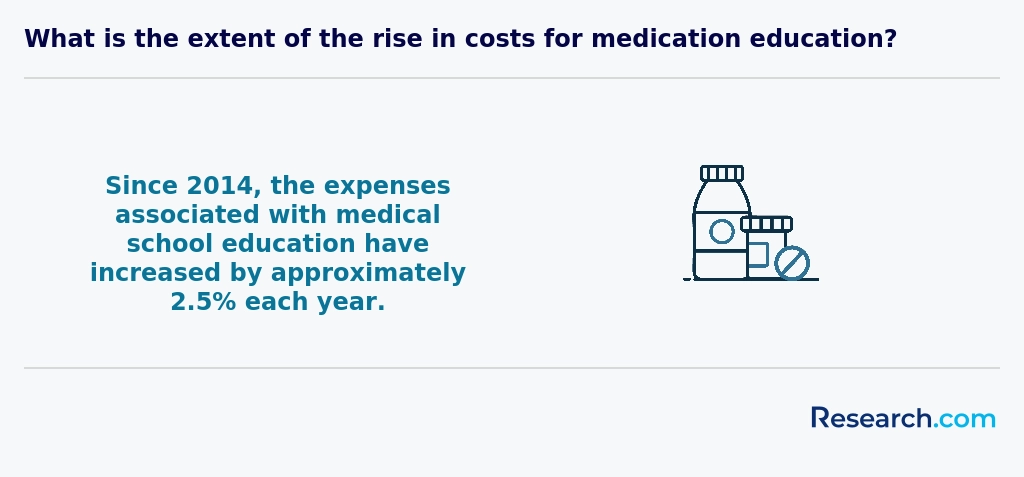
Accreditation confirms a program meets rigorous educational standards and qualifies you for licensure or certification. Prioritize:
- Higher Learning Commission (HLC) regional accreditation
- Commission on Accreditation of Allied Health Education Programs (CAAHEP)
- Commission on Collegiate Nursing Education (CCNE) or Accreditation Commission for Education in Nursing (ACEN)
- Commission on Accreditation for Health Informatics and Information Management Education (CAHIIM)
Verify each program’s status through the U.S. Department of Education’s database to ensure federal aid eligibility and broad employer recognition. For related administration roles, explore specialized pathways like medical billing and coding online schools that also meet top accreditation standards.
Many students pursuing an online healthcare degree in Springfield find encouragement through a variety of financial aid options that truly make education achievable. Graduates from Missouri State University often share how federal aid, like Pell Grants worth up to $7,395 annually, helped them focus on studies without the weight of financial stress.
Filing the FAFSA opens doors to essential financial support such as Federal Supplemental Educational Opportunity Grants and student loans with manageable repayment plans. These resources give you a solid foundation to balance learning and life with confidence.
State-level programs like the Access Missouri Financial Assistance Program and scholarships offered by local institutions provide vital support tailored for healthcare students. Many nursing and allied health graduates from Springfield colleges recall how these scholarships made their dreams feel within reach.
For working professionals, employer tuition assistance offers an uplifting path to advance education while maintaining a career-empowering you to grow without sacrificing financial stability.
Connecting early with your school's financial aid office can help you unlock these opportunities and turn your healthcare career ambitions into reality.
When budgeting for an online healthcare degree, Springfield, MO’s average cost of $32,040 is competitive, but savvy students should also explore other regions for maximum return on investment. Programs in neighboring states and beyond can sometimes offer lower tuition or state-specific grants that further reduce out-of-pocket expenses. For example, Pennsylvania institutions frequently appear on lists of most budget-friendly options, making them worthy of consideration for anyone weighing online healthcare pathways. Beyond tuition, factors such as technology fees, clinical placement costs, and required materials can vary significantly. To gain a comprehensive view of low-cost alternatives, prospective students may compare Springfield’s offerings with programs featured in our Low Cost Online Healthcare Degree Programs Ranking in Pennsylvania. This comparison not only highlights tuition disparities but also showcases differences in financial aid packages, scholarship opportunities, and state grant availability. By conducting a side-by-side analysis-evaluating both direct costs and ancillary fees-students can identify the most budget-friendly path without sacrificing accreditation or program quality. Ultimately, understanding how Springfield’s fastest online healthcare degree programs stack up against well-ranked, low-cost options elsewhere empowers learners to make data-driven decisions that align with their financial goals and career aspirations.
To enroll in an online healthcare degree program in Springfield, you'll need a high school diploma or GED to start your journey. Many graduates from popular Springfield colleges recall how this simple step opened doors to exciting careers in healthcare. Completing prerequisite science courses like biology and chemistry is often essential, building a strong foundation for more advanced studies.
Some programs may request standardized test scores, but many have adopted flexible, test-optional policies to welcome diverse learners. For those pursuing advanced degrees, having relevant work experience or certifications, such as a CNA license, can be a real advantage-graduates often say this hands-on experience gave their studies greater meaning and focus.
Financial readiness is also key. Springfield's public colleges offer affordable tuition thanks to state support, and being prepared with financial aid documentation can help ease your path. Applicants must submit transcripts and application forms, sometimes including a personal statement reflecting their passion for healthcare, making this a rewarding, reflective step in joining Springfield's vibrant online healthcare community.
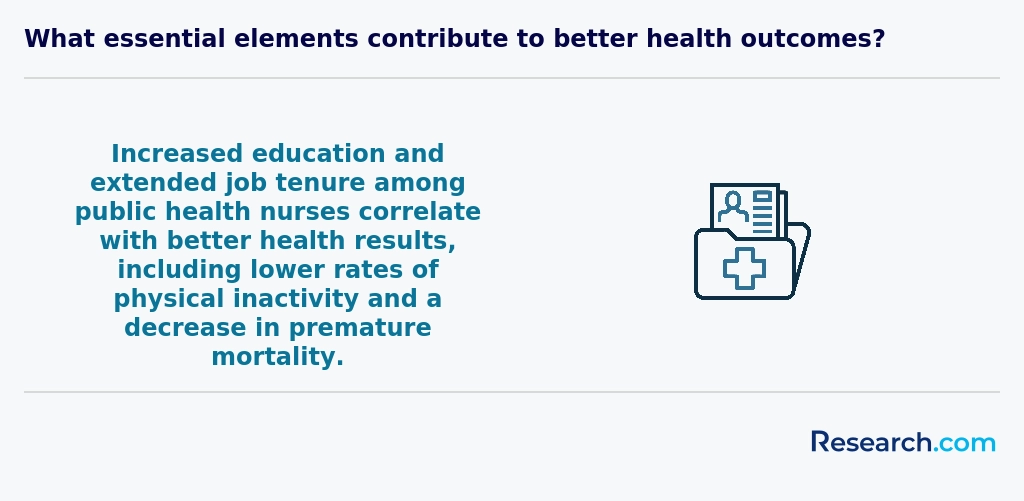
The rapid evolution of technology is reshaping online healthcare education, creating new opportunities for both students and educators. As digital transformation and telemedicine become increasingly integral to the healthcare industry, online programs are adapting curricula to include advanced simulation tools, virtual reality labs, and AI-driven learning platforms. These innovations not only enhance clinical training but also prepare students for the dynamic challenges of modern healthcare environments. Furthermore, institutions are expanding partnerships with healthcare providers to offer immersive internship and mentorship opportunities, ensuring that students gain practical experience alongside theoretical knowledge. For instance, future-focused programs are now integrating modules on telehealth practices and digital patient management, reflecting the growing importance of these skills in current healthcare settings. Prospective students seeking up-to-date information on program excellence can explore additional resources, such as the fastest online healthcare schools in missouri, to make informed decisions. By understanding and embracing these emerging trends, students can confidently navigate a career that is both progressive and resilient in the face of evolving healthcare demands.
Online healthcare degree programs in Springfield offer dynamic courses designed to build both knowledge and confidence in students. Graduates from local universities often share how mastering subjects like Anatomy and Physiology gave them a new appreciation for the human body, transforming their understanding into real-world caregiving skills. Studying Medical Terminology early on helps students communicate clearly and professionally in any clinical setting, making the transition to healthcare environments smoother.
Healthcare Ethics and Law courses inspire students to become compassionate advocates for patients, while Health Informatics equips them with vital technology skills that reflect Springfield's modern healthcare scene. Many graduates recall hands-on experiences through Clinical Practice and Patient Care courses, where theory met reality, allowing them to directly impact patient lives. Public Health and Epidemiology classes open eyes to community-wide health, fostering a purpose-driven mindset that motivates students to improve Springfield's wellness landscape.
These courses collectively empower students to thrive in diverse roles-from administration to clinical support-preparing them to meet the evolving needs of Springfield's healthcare professionals with optimism and skill.
Students pursuing online healthcare degrees in Springfield find a rich array of specializations that match the city's vibrant healthcare landscape. Many graduates from popular colleges embrace tracks like nursing, including RN to BSN and MSN programs, that prepare them to lead in renowned local hospitals such as CoxHealth. Specializing in healthcare administration empowers students to confidently manage clinics and health services, responding to Springfield's growing need for skilled leaders as local job growth exceeds 10% through 2030. Public health concentrations inspire students to tackle community health challenges head-on, supported by partnerships between Springfield institutions and the Springfield-Greene County Health Department.
Health informatics stands out as an exciting field, where students learn to improve care through innovative technology and data management, aligning with national growth trends. Some also explore less common yet impactful paths like mental health or nutrition, expanding opportunities. For those interested, affordable options like medical coding courses complement these diverse offerings, making Springfield a motivating place to launch a healthcare career focused on passion and community impact within the several online healthcare degree specializations Springfield MO provides.
Choosing the best online healthcare degree in Springfield means focusing on programs that fit your unique goals and lifestyle. Graduates from Missouri State University praise the flexibility of asynchronous classes, allowing them to balance family and work while advancing in nursing and healthcare administration. Springfield Technical Community College offers hands-on practicum opportunities close to home, making it easier to gain clinical experience without long commutes. Many students find peace of mind knowing their programs are accredited by recognized bodies like CAAHEP, ensuring quality education and solid career prospects. For affordable healthcare degrees online Springfield Missouri, researching costs and financial aid is key-several graduates highlight how scholarships and employer tuition reimbursement made their dreams possible. When exploring options, check out the Low Cost Online Healthcare Degree Programs Ranking in Pennsylvania for inspiration on finding value alongside quality. Your path to a rewarding healthcare career in Springfield starts with a program designed to empower and support your success.

Graduates with an online healthcare degree in Springfield find a wealth of exciting career paths waiting for them. Many choose nursing roles such as Registered Nurse or Nurse Practitioner, where local hospitals like CoxHealth and Mercy Springfield welcome skilled professionals eager to make a difference. These careers offer rewarding work and steady growth, inspiring graduates who aim to improve patient care every day. Others pursue healthcare administration, stepping into leadership at clinics or health organizations, managing teams and operations with confidence learned through their education.
Allied health fields also provide important opportunities. Graduates work as radiologic technologists or physical therapy assistants, gaining certifications that complement the strong foundational knowledge from reputable Springfield colleges. Additionally, health informatics and public health roles are becoming popular, as digital records and community wellness programs expand in the region. Students often discover that these various paths match their passions and lifestyle perfectly.
For those researching options, exploring the highest paying certifications can guide further specialization and career advancement in healthcare job opportunities Springfield Missouri.
The job market for online healthcare degree jobs Springfield MO is vibrant and full of opportunity, fueled by Springfield's role as a key regional healthcare hub. Graduates from local institutions such as Missouri State University often share stories of landing rewarding roles within major healthcare systems like CoxHealth and Mercy Hospital, where the demand for skilled nurses, health administrators, and allied health professionals remains strong.
These employers highly value accredited online degrees, giving graduates confidence that their education will translate into career success. The Springfield MO healthcare degree employment outlook is especially encouraging with projections showing steady growth in healthcare occupations, making it an ideal time to pursue this path.
Students appreciate that flexible online programs fit their busy lives while connecting them to a thriving local job market. Many find inspiration in learning about affordable options and real-life success stories, making even easy college degrees in healthcare a promising start to meaningful careers.
2027 Fastest Online Healthcare Degree Programs Ranking in Springfield, MO
Investing in your education is a significant decision that can shape your future, and the Research.com team understands the importance of making informed choices. To assist prospective students in Springfield, MO, we have meticulously crafted the "2027 Fastest Online Healthcare Degree Programs Ranking." Our commitment to quality, credibility, and accuracy is reflected in the extensive research and analysis conducted to compile this ranking.
We utilized the following reputable data sources to ensure a comprehensive evaluation of healthcare degree programs:
By exploring this ranking, readers will gain valuable insights into the fastest online healthcare degree programs available in Springfield, MO, empowering them to make well-informed decisions about their educational journeys. For a detailed understanding of how our rankings are created, please visit our Research.com methodology page.


Frequently Asked Questions About healthcare
Online healthcare degree students in Springfield can enhance their learning by actively engaging with virtual resources and local healthcare networks. Utilizing Springfield's healthcare hubs, such as CoxHealth and Mercy Hospital, for practical experience complements online coursework. According to the Missouri Economic Research and Information Center, healthcare jobs in Springfield are projected to grow by 16% through 2030, highlighting strong local demand.
Students should participate in online discussion forums and seek connections with peers and instructors to deepen understanding. Balancing study schedules while accessing Springfield's public libraries and digital databases can further support learning. Staying informed about regional healthcare trends also prepares students for future careers.
The healthcare field is evolving rapidly, with new specialties growing in demand. Online healthcare degrees in Springfield often highlight emerging niches such as telehealth, health informatics, and gerontology. Telehealth, boosted by advancements during the COVID-19 pandemic, allows providers to care for patients remotely, expanding access in rural Missouri areas.
Health informatics focuses on managing patient data using technology. This niche is growing as Springfield hospitals adopt electronic health records, requiring skilled professionals to analyze and secure data.
Gerontology addresses an aging population, a key concern in Springfield, where the number of residents over 65 is projected to increase significantly by 2030, according to the U.S. Census Bureau. These niches promise diverse roles and strong job growth for graduates.
After completing an online healthcare degree in Springfield, preparing for the job market involves several focused steps to enhance employability. First, gaining relevant certifications, such as CPR or healthcare administration credentials, is essential, as employers in Missouri often require them. Networking plays a key role; joining local professional healthcare organizations like the Missouri Hospital Association can connect graduates with job leads in Springfield. Additionally, Springfield's healthcare sector is growing, with projected employment growth of 15% for healthcare practitioners by 2030 according to the Missouri Economic Research and Information Center.
Practical experience matters greatly; internships or volunteer work at Springfield area clinics strengthen resumes. Online graduates should also develop strong communication and technical skills, which are highly valued by employers. Finally, utilizing Springfield-focused job boards and career services from degree programs helps target local opportunities effectively. These steps collectively improve chances of securing healthcare employment in Springfield.
Employers in Springfield seeking graduates with online healthcare degrees highly value a combination of technical and interpersonal skills. According to the Missouri Economic Research and Information Center, competencies in electronic health records (EHR) management and healthcare informatics are increasingly important due to digitalization in local medical facilities.
Strong communication skills are essential, particularly the ability to collaborate with diverse teams and effectively interact with patients. Springfield's healthcare market, centered around institutions like Mercy Hospital, often looks for candidates with problem-solving abilities and adaptability to rapidly changing environments.
Additionally, knowledge of regulatory compliance, such as HIPAA, and a solid foundation in clinical practices are frequently requested. These skills ensure graduates can contribute safely and efficiently within Springfield's healthcare settings.
Finding internships in Springfield related to healthcare degrees involves leveraging local resources and institutions. Start by contacting healthcare facilities such as CoxHealth and Mercy Hospital Springfield, the city's largest employers in healthcare, which offer internship programs annually. The Springfield Area Chamber of Commerce provides connections and job listings that often include internship opportunities in medical fields.
Online degree students should also utilize their university's career services, as many institutions maintain partnerships with Springfield healthcare providers. According to the Missouri Department of Labor, healthcare employment in Springfield is expected to grow by over 20% through 2030, increasing internship availability.
Professional associations like the Missouri Nurses Association or the American Public Health Association's local chapters often post internships. Networking through events or local healthcare job fairs can further enhance your prospects.
Obtaining an online healthcare degree in Springfield significantly enhances career mobility by providing flexible education aligned with local industry needs. Springfield's healthcare sector, which employs over 40,000 professionals according to the Missouri Economic Research and Information Center (MERIC), values degrees from accredited programs that emphasize practical skills.
Online degrees allow working professionals to upgrade qualifications without interrupting their careers, facilitating advancement into roles like healthcare management or specialized clinical positions. The flexibility of online learning also supports continuous skill development important for meeting Springfield's evolving healthcare demands.
Data from the U.S. Bureau of Labor Statistics highlights that professionals with bachelor's or higher degrees in healthcare experience faster wage growth and increased job opportunities in the region.
Studying for an online healthcare degree in Springfield offers a strong foundation for interdisciplinary roles by emphasizing collaboration across various healthcare fields. Programs often integrate coursework in nursing, public health, healthcare administration, and informatics, preparing students to work effectively in team-based environments.
Springfield's healthcare workforce needs are growing; the Missouri Economic Research and Information Center highlights a 15% increase in regional healthcare jobs since 2015. Online degrees here reflect this growth by including case studies and projects that connect clinical skills with management and technology.
Students also benefit from virtual simulations and partnerships with local hospitals, which encourage practical understanding of interdisciplinary communication. This approach aligns with industry demands for professionals who can coordinate care and adapt to complex healthcare systems.
Choosing between a thesis and a non-thesis healthcare degree program in Springfield depends on your career goals and learning preferences. Thesis programs focus on research and require students to complete an original study, which is ideal if you aim for doctoral studies or research roles.
Non-thesis programs typically emphasize practical skills and may include capstone projects instead of extensive research. These are suited for students seeking direct entry into healthcare professions or management.
In Springfield, where healthcare roles are expanding rapidly, especially in nursing and health administration, students might opt for non-thesis programs for faster workforce integration. Data from the Missouri Economic Research and Information Center highlights a 10% job growth in healthcare by 2026 locally.
Students based in Springfield seeking online healthcare degrees from abroad have limited direct options due to the predominance of U.S.-based accreditation standards. Most international programs require physical presence or may not be recognized by U.S. licensing boards, which can complicate employment prospects locally. However, several foreign universities offer online healthcare courses that focus on general healthcare knowledge rather than licensable medical practice.
Springfield residents interested in global perspectives often enroll in U.S. universities with strong international collaborations or online curricula with global health components. According to the Missouri Department of Higher Education, less than 10% of local healthcare students pursue fully online foreign credentials, highlighting a preference for U.S.-accredited programs.
Careful consideration of accreditation and transferability is essential when exploring foreign online healthcare degrees. Springfield's healthcare job market favors graduates from nationally recognized U.S. institutions for nursing, public health, and allied health professions.
Springfield offers several part-time job opportunities that align well with online healthcare degree studies. For students pursuing healthcare education, positions such as medical receptionist, pharmacy technician, or certified nursing assistant (CNA) provide practical experience while allowing flexible schedules. According to the Missouri Department of Economic Development, demand for healthcare support roles in the Springfield area is expected to grow by over 10% through 2028.
Local hospitals and clinics, including CoxHealth and Mercy Springfield, often seek part-time workers for patient care support and administrative tasks. These roles help students build skills and strengthen resumes without interfering with coursework deadlines.
Additionally, Springfield's expanding telehealth services create remote, part-time positions for healthcare students interested in digital patient interaction and data management.
Online healthcare students in Springfield have several networking opportunities despite studying remotely. Many Missouri State University programs, for example, offer virtual events where students can connect with peers and local healthcare professionals. The Springfield area also hosts healthcare-related workshops and seminars via organizations like the Springfield Area Chamber of Commerce, which online students can attend to build local professional ties.
Healthcare employment in Springfield has grown by 3.5% annually, creating ample chances to engage with industry professionals. Online students often join local chapters of national associations such as the American Nurses Association Missouri chapter to expand their networks.
Additionally, clinical placements arranged through online programs in Springfield provide direct in-person experience and networking. Such affiliations often lead to job opportunities within the city's sizable healthcare sector, including Mercy and CoxHealth systems.
Alumni networks play a vital role for students pursuing online healthcare degrees in Springfield by offering valuable professional connections. These networks provide access to experienced graduates who can share job leads, advice, and mentorship relevant to the local healthcare industry, which employs nearly 43,000 people in the Springfield metropolitan area, according to the Missouri Economic Research and Information Center (MERIC).
Membership in an active alumni network often grants students invitations to exclusive events and workshops. These opportunities help build skills and enhance employability in Springfield's growing healthcare sector. Research shows that graduates engaged in alumni associations are 20% more likely to find employment within six months.
Customizing your online healthcare degree program in Springfield allows you to align education with your specific career goals. Many local institutions offer flexible curricula, enabling choice of specialties such as nursing, healthcare administration, or public health. Springfield's growing healthcare sector, with over 30,000 jobs reported by the Missouri Economic Research and Information Center in 2023, supports diverse career paths.
Students can select electives, focus areas, or certificate options to deepen expertise in desired fields. Internship opportunities with Springfield's major health systems, like Mercy Hospital, often complement online learning and improve practical skills. Additionally, some programs provide tailored advising to help match courses with local job market demands.
Online healthcare students in Springfield often face challenges related to time management, balancing coursework with work or family duties. Since many programs demand clinical hours, arranging local healthcare placements can be difficult due to limited nearby healthcare facilities accepting remote students. According to Missouri Department of Higher Education data, about 30% of online healthcare learners cite obstacles in securing practical experience.
Technical issues also impact students, with inconsistent internet access disrupting live lectures or exams. Additionally, some students report feeling isolated from peers and instructors, which can affect motivation and academic support. These challenges highlight the need for robust online program structures tailored to Springfield learners.
With an online healthcare degree, Springfield students can pursue several professional certifications to enhance their careers. Popular options include Certified Nursing Assistant (CNA), Registered Health Information Technician (RHIT), and Certified Medical Assistant (CMA). These credentials are recognized nationwide and often required by employers in Missouri's healthcare sector.
Additionally, graduates may consider certifications such as Certified Professional Coder (CPC) or Licensed Practical Nurse (LPN), each opening doors to distinct roles within hospitals and clinics in Springfield. The Missouri Department of Health & Senior Services provides updated licensure requirements for these certifications.
Holding a certification significantly increases job prospects and salary potential in Springfield's expanding healthcare job market.
Applying to an online healthcare program in Springfield requires careful preparation. First, ensure your application highlights relevant experience, such as volunteer work at local hospitals like Mercy Hospital Springfield, which serves over 700,000 residents in the area. Admissions committees value practical exposure in healthcare settings.
Write a clear personal statement that explains your motivation for pursuing healthcare and how an online format suits your needs. Mention Springfield's growing healthcare sector, which is expected to increase job opportunities by 15% over the next decade, according to the Missouri Economic Research and Information Center.
Submit official transcripts showing strong performance in science courses, as these are key prerequisites. Finally, request professional or academic references that can attest to your commitment and skills relevant to healthcare.
Healthcare is a rapidly growing field worldwide, with increasing demand driven by aging populations and advancements in medical technology. In the United States, including Springfield, MO, healthcare jobs are expected to grow 16% from 2020 to 2030, much faster than the average for all occupations, according to the U.S. Bureau of Labor Statistics.
Globally, healthcare careers emphasize interdisciplinary skills and cultural competence to address diverse patient needs. Online healthcare degrees provide flexibility for students in Springfield to join this expanding workforce, gaining skills relevant both locally and internationally. Institutions in Springfield often align their curricula with national healthcare standards, ensuring graduates are prepared for licensure and employment across various U.S. states.
The global focus on public health challenges, such as pandemics and chronic diseases, also shapes career opportunities. Knowledge of health policy and technology is increasingly valuable, making healthcare careers both impactful and versatile. These trends reflect a strong, lasting need for qualified professionals from Springfield entering healthcare careers with a global perspective.
Gaining practical experience while pursuing an online healthcare degree in Springfield is essential for career readiness. Many programs incorporate virtual simulations and case studies to develop clinical reasoning skills remotely. Students can also seek local internships or externships at Springfield-area hospitals like Mercy Hospital or CoxHealth, which frequently partner with universities to offer hands-on experience.
Volunteer opportunities at clinics and community health centers in Springfield provide additional practical exposure. According to the Springfield Area Chamber of Commerce, 65% of healthcare employers prefer candidates with real-world experience. Additionally, some online programs facilitate local clinical placements to meet licensure requirements.
Choosing the right concentration within an online healthcare degree program in Springfield begins with considering your career goals and local job market demands. Springfield, MO, has a growing healthcare sector, especially in medical administration, nursing, and health information technology, supported by institutions like CoxHealth and Mercy Hospital.
Review program curricula to see which concentrations align with in-demand roles. The Bureau of Labor Statistics projects a 16% growth in healthcare occupations nationally through 2030, with Springfield reflecting similar trends, particularly for registered nurses and healthcare managers.
Consider certifications required in your target field. For example, nursing concentrations often lead to eligibility for the NCLEX-RN exam, while health informatics may require specific IT credentials.
Lastly, look for programs offering flexibility and support for working professionals in Springfield's time zones to balance study with other commitments.
- 2027 Fastest Online Healthcare Degree Programs Ranking in Pittsburg, KS
- 2027 Fastest Online Healthcare Degree Programs Ranking in Fayetteville, AR
- 2027 Fastest Online Healthcare Degree Programs Ranking in Columbia, MO
- 2027 Fastest Online Healthcare Degree Programs Ranking in Little Rock, AR
- 2027 Fastest Online Healthcare Degree Programs Ranking in Saint Charles, MO
- 2027 Fastest Online Healthcare Degree Programs Ranking in St. Louis, MO
- 2027 Fastest Online Healthcare Degree Programs Ranking in Lebanon, IL
- 2027 Fastest Online Healthcare Degree Programs Ranking in Wichita, KS
- 2027 Fastest Online Healthcare Degree Programs Ranking in Carbondale, IL
- 2027 Fastest Online Healthcare Degree Programs Ranking in Memphis, TN
See What Experts Have To Say About Studying Healthcare
Read our interview with Healthcare experts

- 14 Entry-Level Healthcare Certifications | San Juan College https://www.sanjuancollege.edu/blog/entry-level-healthcare-certifications/
- Online Degree vs. Traditional: Choosing the Right Path https://beal.edu/online-degree-vs-traditional/
- How to Create a Healthcare Career Roadmap https://www.ihire.com/resourcecenter/jobseeker/pages/how-to-create-a-healthcare-career-roadmap
- Top 3 Reasons to Consider a Career in Healthcare - Roseman University https://www.roseman.edu/student-experience/news/top-3-reasons-to-consider-a-career-in-healthcare/
- Know more about thesis vs non- thesis: what is the difference? https://studyfans.com/en/blogs/816
- Trends and opportunities in healthcare across emerging markets - Inizio https://inizio.com/insights/trends-and-opportunities-in-healthcare-across-emerging-markets/
- Associate of Science in Nursing https://www.alliancehce.org/programs/associate-of-science-in-nursing
- How to Set and Achieve Career Goals in Health and Social Care | Royal Open College https://royalopencollege.org/blog/health-and-social-care/how-to-set-and-achieve-career-goals/
- 2025 Most Affordable Healthcare Administration Degrees Online https://www.onlineu.com/most-affordable-colleges/healthcare-administration-degrees
- Job-Ready Healthcare Skills for 2026 https://cliniwave.in/blogs/latest-article/job-ready-healthcare-skills