
2027 Most Affordable Healthcare Degree Programs Ranking in Texas

Co-Founder and Chief Data Scientist
Choosing the right healthcare degree program in Texas can feel overwhelming, especially when budget matters. To help, the Research.com team of data scientists created the 2027 Most Affordable Healthcare Degree Programs Ranking in Texas. This ranking offers clear insights into affordable options worth considering for your education journey.
Whether you're just starting out or planning a career change, this article guides you through practical choices. A healthcare degree opens doors to meaningful, stable careers where you can truly make a difference. Exploring affordable programs lets you invest in your future with confidence and optimism.
Key benefits of getting healthcare degree in Texas
Obtaining a healthcare degree in Texas offers many rewarding opportunities:
- Graduates can earn competitive salaries such as $43,350 annually for Medical Assistants and Clinical Research Coordinators, or as high as $103,150 for Quality Improvement Coordinators, providing financial stability and growth potential.
- Career options are diverse, including roles like Patient Care Technician and Health Information Technician, allowing graduates to find paths that match their interests and skills in Texas's robust healthcare market.
- Online healthcare degrees from Texas universities offer flexibility, letting busy students balance work and study while gaining credentials that open doors for advancement without relocating.
- 2027 Most Affordable Healthcare Degree Programs Ranking in Texas
- What can I expect from healthcare degree in Texas?
- Where can I work with healthcare degree in Texas?
What can I expect from healthcare degree in Texas?
The average cost of pursuing a healthcare degree in Texas varies but generally falls between $8,000 and $15,000 per year at public universities. Many graduates from institutions like the University of Texas or Texas A&M recall balancing tuition with scholarships or financial aid, which tend to be accessible thanks to the high demand for healthcare professionals. Some found that community colleges offered a more affordable starting point, often with Associate Degrees in Nursing, before transferring to four-year programs.
Graduates often describe the investment as worthwhile, emphasizing how the blend of classroom learning and clinical experience prepared them for real-world challenges. The financial commitment may feel significant at first, but the promise of steady employment in hospitals or public health settings, coupled with a meaningful career serving diverse communities, brings a strong sense of fulfillment.
Students report that schools focus on hands-on training as much as theory, which can translate into confidence and competence when they enter the workforce. These experiences, combined with relatively moderate tuition rates for in-state students, make healthcare degrees in Texas both accessible and deeply rewarding.
Where can I work with healthcare degree in Texas?
With a healthcare degree from a respected Texas institution-like the University of Texas at Austin or Texas A&M University-graduates find themselves stepping into a realm full of meaningful career options. Many imagine working in bustling hospitals, such as those within Texas Health Resources or Baylor Scott & White Health, where registered nurses and medical technologists play vital roles in patient care. One graduate recalled the satisfaction of contributing to a large hospital's emergency department, a fast-paced setting where teamwork and skill truly shine.
Others are drawn to outpatient care centers, nursing homes, or physician offices, where nurturing long-term patient relationships brings daily fulfillment. For instance, Texas State University alumni have shared how working in outpatient rehab centers provides a chance to see steady patient progress, turning skills into real human impact.
Public health roles in agencies like the Texas Department of State Health Services attract graduates passionate about community well-being and disease prevention. Healthcare management paths, especially around hubs like the Texas Medical Center in Houston, offer challenging yet rewarding positions overseeing operations that keep entire systems running smoothly.
Completing a healthcare degree in Texas can lead to rewarding financial outcomes, especially when backed by solid training from institutions like the University of Texas or Texas A&M. Graduates entering roles such as Medical Assistants can expect a mean annual wage of around $43,350, which reflects steady demand for foundational healthcare positions.
Those pursuing careers as Patient Care Technicians often report salaries near $60,790, offering a satisfying balance between meaningful work and financial stability. Many graduates from Texas State University appreciate how this role allows immediate employment after certification with competitive wages.
Health Information Technicians, essential to managing healthcare data at facilities including Houston Community College, earn approximately $43,380 annually. Meanwhile, Clinical Research Coordinators starting their careers in Texas typically make close to $43,350, benefiting from hands-on experience that can accelerate growth.
Stepping up to administrative and coordination roles, like Quality Improvement Coordinators, shows a marked increase in earnings, with mean wages around $103,150. This progression highlights the value of advanced training and strategic career choices within Texas's healthcare landscape.
- Tuition for public universities in Texas averages $10,000 to $15,000 per year for in-state healthcare students, while private institutions can exceed $30,000 annually.
- Texas has a projected 16% growth rate in healthcare jobs from 2020 to 2030, which is higher than the national average for all occupations.
- Starting salaries for healthcare graduates range from $50,000 to $70,000 annually, with registered nurses earning about $70,000 and entry-level medical technologists around $55,000.
- Experienced healthcare professionals in Texas can earn between $80,000 and $120,000 per year, especially with advanced degrees or extensive experience.
- Texas offers diverse healthcare career options due to its large population, including bilingual services and opportunities in both rural and urban settings.
- The state provides various scholarships and financial aid programs to help reduce costs for students pursuing healthcare degrees.
Completing a healthcare degree in Texas involves clear time commitments that vary by the level pursued. Many graduates from institutions like the University of Texas at Austin or Texas Tech University report that an Associate Degree in nursing or allied health typically takes about two years. This pathway allows students to enter the workforce relatively quickly, gaining hands-on experience as registered nurses or medical assistants.
Bachelor's degrees usually require around four years. Students at Texas A&M or UT Health Science Center find this timeframe perfect for developing a solid foundation and opening doors to advanced roles. The commitment feels rewarding as the broader knowledge and opportunities emerge.
Master's programs add approximately two more years after a bachelor's, and graduates often highlight the balance between coursework and clinical practice, especially in programs at Baylor College of Medicine. While demanding, this period is seen as essential for advancing careers in fields like nurse practitioner or healthcare management.
Doctoral degrees can extend from three to eight years post-bachelor's. Graduates from Texas Medical Center emphasize that although long, the journey feels worthwhile, especially when their expertise leads to impactful healthcare roles across Texas.
In today’s dynamic healthcare landscape, obtaining your degree is just the beginning. Many professionals enhance their qualifications through targeted certifications and continuous learning, which not only bolster expertise but also open doors to specialized roles and leadership positions. Postgraduate certification courses, workshops, and short-term specialty programs provide a structured path to mastering niche areas such as healthcare informatics, patient management, and administrative excellence. For example, embracing additional training like medical billing and coding online classes can give graduates a competitive edge in managing healthcare finances and ensuring compliance with regulatory standards. These credentials help validate your skills, making you more attractive to employers looking for professionals with both theoretical knowledge and practical expertise. Moreover, continuing education cultivates a mindset of lifelong learning-a critical attribute in a field where technology and medical practices are ever-evolving. By participating in industry seminars, certification programs, and advanced workshops, you demonstrate your commitment to staying current and capable, which can drive career growth and increased earning potential over time.
Students pursuing healthcare degrees in Texas often face a meaningful choice between online and on-campus programs. Those who opt for online degrees at institutions like the University of Texas at Arlington appreciate the flexibility to balance studies with work and family, attending lectures from home or during breaks at a hospital job. This convenience enables steady progress without uprooting their lives, a critical factor for many mature learners.
Conversely, graduates from campuses such as Texas A&M highlight the value of hands-on experiences in labs and direct faculty engagement. Being physically present on campus fosters a sense of community and immediate access to clinical opportunities, which is vital given Texas's licensure rules requiring in-person clinical hours.
Financial realities also differ; online students often save on housing and commuting, though tuition rates between formats remain comparable at public universities. Ultimately, understanding personal learning preferences and professional commitments can guide Texas students toward the path that best supports their healthcare career ambitions.
Accreditation is the cornerstone of program quality and graduate eligibility for professional licensure. In Texas, reputable healthcare degrees are typically accredited by the Southern Association of Colleges and Schools Commission on Colleges (SACSCOC) and, for specialized programs, by bodies such as the Commission on Collegiate Nursing Education (CCNE), the National Accrediting Agency for Clinical Laboratory Sciences (NAACLS), or the Commission on Accreditation for Health Informatics and Information Management Education (CAHIIM). Prospective students should verify each program’s accreditation status on institution websites and consult the U.S. Department of Education’s database to ensure compliance with federal standards. Licensure examination pass rates offer a tangible measure of educational effectiveness. For example, top-ranked nursing programs in Texas often report NCLEX-RN first-time pass rates exceeding 90%, reflecting rigorous curricula and robust clinical preparation. Similarly, graduates of accredited health informatics programs achieve high certification exam success, underscoring the value of CAHIIM accreditation. When evaluating affordability, students must balance tuition costs with accreditation credentials and licensure outcomes to maximize both savings and professional readiness. For those exploring affordable online alternatives beyond Texas, our Inexpensive Online Healthcare Degree Programs Ranking in Pennsylvania provides valuable insights into accredited programs that deliver strong licensure performance at competitive price points. By prioritizing accredited institutions with proven exam pass rates, students can confidently invest in a healthcare education that meets industry standards and secures long-term career prospects.
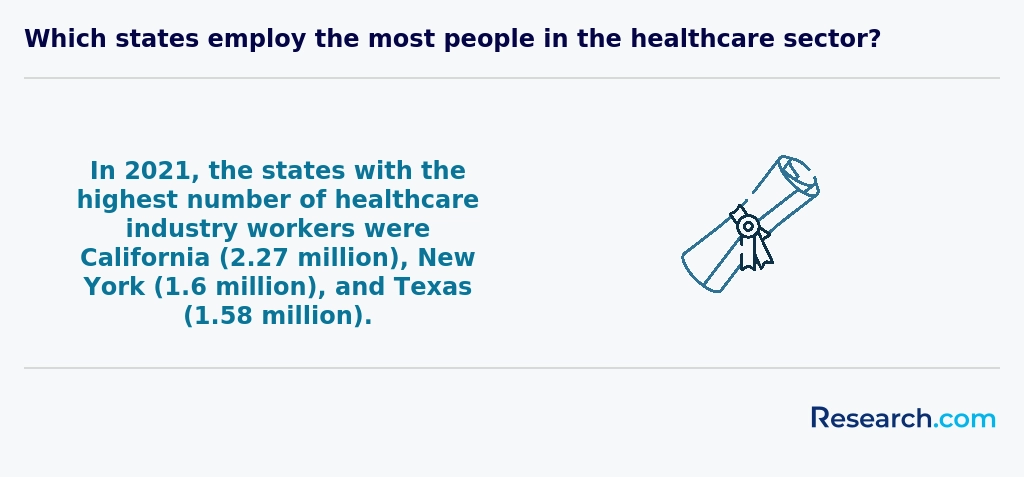
When examining the average cost of a healthcare degree in Texas, many students find that the median in-state total cost hovers around $11,309, while out-of-state students typically face a median cost near $36,655. These figures reflect the varied landscape of tuition, heavily influenced by institution type and program length. Graduates from public universities in Texas often express relief at the affordable tuition rates, which enable them to focus on their studies without overwhelming debt. For example, healthcare students at public four-year universities like the University of Texas frequently mention the manageable balance between quality education and cost, reinforcing the appeal of Texas affordable healthcare degree tuition fees.
Community colleges in Texas offer an even more budget-friendly pathway, with healthcare programs costing between $3,000 and $7,000 annually for in-district students. Many graduates share stories of beginning their healthcare education at these colleges, appreciating the financial accessibility and the strong foundation they build before transferring to universities for advanced degrees.
On the other hand, private institutions such as Baylor University involve higher fees, often reaching $35,000 to $45,000 per year. Yet, these graduates often speak of the comprehensive experience they gained, including specialized lab work and clinical placements, which justify the investment. When budgeting, it's important to also consider extra costs like textbooks, uniforms, and licensing fees that contribute to the total expenditure.
Many students looking for assistance find encouragement in financial aid and scholarships offered in Texas. Exploring opportunities like the Texas Nursing Faculty Scholarship Program can significantly ease the financial burden. For those searching for the best online healthcare programs in Texas, these options can broaden access without compromising on quality.
Prospective students often ask: “How long will it take to recoup my educational investment?” A clear ROI analysis can make that decision easier. Here’s a breakdown of average program costs, median starting salaries, and estimated payback periods for popular healthcare degrees in Texas: • Associate Degree in Medical Assisting – Average Total Tuition: $7,500 – Median Starting Salary: $35,000 – Estimated Payback Period: 2.5 years • Bachelor’s Degree in Health Information Management – Average Total Tuition: $30,000 – Median Starting Salary: $50,000 – Estimated Payback Period: 3.5 years • Bachelor’s Degree in Nursing (BSN) – Average Total Tuition: $40,000 – Median Starting Salary: $65,000 – Estimated Payback Period: 4 years • Master’s in Healthcare Administration – Average Total Tuition: $45,000 – Median Starting Salary: $75,000 – Estimated Payback Period: 3 years Beyond the numbers, factors like job security, annual salary growth (averaging 3–5% in Texas healthcare), and demand in metropolitan hubs (Houston, Dallas) accelerate ROI. Scholarships and work-study opportunities can further shorten payback timelines. Students exploring related allied-health pathways may also consider programs with strong ROI in fields like exercise science-see our guide on kinesiology degree online bachelors for a comparative cost-benefit analysis. By weighing tuition against realistic earnings and factoring in financial aid, Texas healthcare degree seekers can choose programs that maximize long-term value and career satisfaction.
Many healthcare students in Texas find that federal financial aid, especially through FAFSA, is a crucial stepping stone to affording their education. For example, graduates from the University of Texas Health Science Center often share how Pell Grants lifted a heavy financial weight, allowing them to focus fully on their studies without overwhelming debt. These grants, awarded based on need, can provide up to $7,395 annually, making a tangible difference in managing tuition and living expenses.
State aid also plays a significant role. Programs like the Texas Public Educational Grant or the Texas Armed Services Scholarship offer meaningful support, especially for those studying at institutions like Texas A&M Health Science Center. These opportunities, managed by THECB, are frequently praised by graduates who felt a strong sense of encouragement knowing the state invests in healthcare education.
- Merit-based scholarships from universities and healthcare organizations, such as the Texas Nurses Association, often reward determination and leadership, frequently experienced by students at Baylor College of Medicine.
- Work-study roles and paid internships provide hands-on experience alongside income, a common path for students navigating the bustling healthcare environments of Houston and Dallas.
Many graduates recall how loan forgiveness programs eased their transition into underserved communities, turning financial pressures into a rewarding career journey that aligns with their passion for service and healing.
After earning a healthcare degree in Texas, one of the most critical steps is obtaining the necessary licensure and certifications to practice professionally. This phase ensures that graduates meet industry standards and are prepared to deliver quality patient care. Prospective students should research specific state licensing requirements early in their academic journey, as these often include passing standardized exams, completing supervised clinical hours, and undergoing additional certification in specialized fields. For example, nurses must typically pass the NCLEX, while allied health professionals might need to obtain credentials in their respective areas of expertise. Additionally, many programs provide career services and exam preparation workshops to help graduates transition smoothly from the classroom to professional practice. Staying informed about continuing education opportunities and maintaining up-to-date certifications is also essential for long-term success in this evolving field. For those interested in further exploring convenient study options that align with licensure preparation, consider browsing our best online healthcare programs in texas for flexible learning alternatives and additional career advancement resources.
Enrolling in a healthcare degree in Texas means meeting clear prerequisites that prepare you for the demanding journey ahead. Graduates from institutions like the University of Texas Southwestern and Texas A&M often recall how strong foundations in biology, chemistry, and math eased their transition into complex medical coursework. High school diploma or equivalent is essential, but the real edge comes from completing college-level prerequisites such as anatomy, physiology, and organic chemistry.
Many students find that hands-on experience, whether volunteering at Houston Methodist Hospital or interning in Dallas clinics, not only strengthens their applications but also confirms their passion for healthcare. Standardized tests like the TEAS or HESI Admissions Assessment are common hurdles; these exams assess your readiness in science and math, helping programs identify committed and capable candidates.
Applicants at Texas universities also emphasize the value of recommendation letters and personal statements in sharing their unique stories and dedication. These aspects, combined with relevant coursework and experience, build a strong, relatable application rooted in Texas's vibrant healthcare community.
As the healthcare landscape continues to evolve, students and professionals alike are increasingly seeking programs that not only provide a solid academic foundation but also prepare them for the future. Emerging technologies, evolving patient needs, and innovative teaching methods are reshaping the way healthcare is delivered and studied in Texas. One noticeable trend is the rapid integration of telemedicine and digital health tools into the curriculum. These advancements are enabling students to gain proficiency in remote patient monitoring and virtual care techniques, which are quickly becoming essential skills in today’s healthcare environment. Furthermore, many institutions are partnering with local hospitals and health tech companies to offer experiential learning opportunities. Such collaborations enhance networking and promote a hands-on approach to tackling real-world challenges. This shift towards a more integrated learning experience is particularly evident in programs that offer flexible formats, including best online healthcare programs in texas, where technology-driven curricula continue to push the boundaries of traditional education. Another emerging innovation within Texas healthcare programs is the emphasis on interdisciplinary studies. By merging concepts from public health, data analytics, and even business management, students are equipped to adapt to a dynamic job market. This comprehensive approach not only broadens their skill sets but also positions them as leaders in driving patient-centric care initiatives. Staying informed about these trends can significantly impact decision-making, ensuring that students choose programs that are future-proof and aligned with industry advancements.
Healthcare degrees in Texas consistently blend rigorous science courses like anatomy, physiology, microbiology, and chemistry, which form the backbone of understanding the human body. Graduates from universities such as the University of Texas and Texas A&M often reflect on how these foundational classes deepened their appreciation for the intricate workings of the body, sparking enthusiasm for patient care roles.
Alongside these, courses on medical terminology and healthcare ethics prepare students for real-world communication in clinical settings. Many graduates recall how mastering medical language gave them confidence during clinical rotations and eased collaboration with multidisciplinary teams.
Practical training is a hallmark of Texas programs. At community colleges and larger universities alike, hands-on labs and simulation exercises support skills in patient care and clinical procedures. For instance, nursing students often share how these experiences helped them feel ready and competent when stepping into busy hospital environments.
Additional topics like pharmacology, pathophysiology, healthcare informatics, public health, and psychology round out the curriculum, equipping students to navigate complex healthcare challenges across Texas' diverse populations and settings.
Healthcare degree specializations in Texas offer practical pathways tailored to diverse interests and career goals. Graduates from top programs at institutions like the University of Texas and Texas A&M often share their rewarding experiences studying nursing fields, including Licensed Vocational Nurse (LVN), Registered Nurse (RN), and Nurse Practitioner (NP). These tracks fit well with Texas's high demand for nurses, making career prospects encouraging and stable.
Other graduates speak fondly of programs in Medical Laboratory Science and Radiologic Technology, where hands-on lab work and imaging technologies open doors to critical diagnostic roles. Fields like Health Information Management and Respiratory Therapy stand out for those drawn to combining technology with patient care. Meanwhile, Physical Therapy Assistant courses at well-known Texas colleges provide immersive training that graduates describe as deeply fulfilling, helping patients regain mobility.
Public health specialization is gaining momentum, reflecting statewide and national emphasis on preventive care. Those interested in management roles may explore healthcare administration or informatics, with programs designed to develop leadership skills. Additionally, prospective students curious about billing often find value in medical billing and coding online classes, which fit well alongside other healthcare degree specializations in Texas.
Choosing the best healthcare degree in Texas starts with understanding your genuine interests and career goals. Graduates from major programs at institutions like Texas A&M or the University of Texas often reflect on how focusing early on a specialized healthcare field helped them find meaningful work and satisfaction. They considered factors such as tuition affordability and program quality before committing-public universities offer more affordable healthcare degree programs in Texas compared to private schools, which many found critical in managing their financial and academic paths.
Flexibility and real-world experience also shape success stories. Several graduates appreciated programs that offered part-time or online options along with strong clinical training at connected hospitals, allowing them to balance life while gaining invaluable hands-on skills. This practical approach builds confidence for the demanding healthcare environment. Those beginning their journey might also explore options like community colleges or a kinesiology degree online bachelors to start affordable and expand later.
Reflecting on insights from healthcare students and employment trends can guide your choice. Choosing programs accredited by respected bodies ensures validity and better job placement, a priority for anyone aiming at the best healthcare degrees in Texas 2027. This blend of realistic planning, financial sense, and purposeful education leads to fulfilling careers and lasting professional growth.
Graduates holding a healthcare degree in Texas find themselves at a crossroads filled with meaningful career paths that reflect the state's expanding medical landscape. Many start as registered nurses, drawn by the steady demand reported in Texas healthcare degree job prospects, where entry-level roles from institutions like the University of Texas provide both community impact and financial stability. Others pursue healthcare administration, managing facilities and shaping patient care experience, a path often embraced by graduates from Texas A&M who appreciate its blend of leadership and healthcare knowledge.
Some choose specialized fields such as physical therapy or respiratory therapy, where Texas ranks high in job growth expectations. These roles, while requiring additional certification, come with rewarding responsibilities and strong job security, resonating deeply with those inspired by patient recovery stories. The diversity of options encourages students to consider their passions carefully, knowing that whether they start in nursing or administration, the path will be both challenging and rewarding.
For those mindful of costs, exploring programs like those highlighted in the Inexpensive Online Healthcare Degree Programs Ranking in Pennsylvania can offer guidance on affordable yet quality education choices relevant to Texas students seeking a smart investment in their future healthcare career opportunities in Texas.
The healthcare job market trends Texas show a promising landscape for graduates holding healthcare degrees. Many who studied at institutions like the University of Texas Health Science Center or Texas A&M have found themselves in strong demand, especially in major cities such as Houston, Dallas, and San Antonio. These graduates often recall the excitement of securing positions as registered nurses or medical technicians within top hospital systems, reflecting the state's robust healthcare infrastructure.
Employment outlook for Texas healthcare degree holders is supported by a 15% projected growth in healthcare occupations through 2031, outpacing many other fields. Graduates from public universities frequently benefit from more affordable tuition, making it easier to pursue paths in nursing, therapy, or healthcare administration without overwhelming debt. Many describe the balance between accessible education costs and the rewarding nature of their careers as deeply fulfilling. Exploring options like a bachelor's degree online fast can also offer flexibility and speed for those eager to enter the workforce.
2027 Most Affordable Healthcare Degree Programs Ranking in Texas
Investing in your education is a significant decision that can shape your future, and the Research.com team understands the importance of making informed choices. To support prospective students in Texas, we have carefully developed the "2027 Most Affordable Healthcare Degree Programs Ranking in Texas." Our dedication to quality, credibility, and accuracy is evident through the rigorous research and analysis applied in creating this ranking.
We utilized the following reputable data sources to ensure a comprehensive evaluation of healthcare degree programs:
By exploring this ranking, readers will gain valuable insights into the most affordable healthcare education options in Texas, assisting them in making well-informed decisions about their academic and professional futures. For more details on how this ranking was created, please visit our Research.com methodology page.

# 2 position
College of the Mainland
Bachelor of Science in Nursing

# 3 position
Laredo College
Bachelor of Science in Nursing (Rn to Bsn) Nursing

# 5 position
Tyler Junior College
Bachelor of Science in Health Administration

# 6 position
Trinity Valley Community College
Bachelor of Science in Nursing

# 7 position
Brazosport College
Bachelor of Science in Healthcare Administration

# 8 position
Del Mar College
Bachelor of Science in Health Sciences

# 9 position
Navarro College
Bachelor of Science (BS) in Nursing


# 11 position
South Texas College
Bachelor of Applied Technology in Medical and Health


# 13 position
Galveston College
Bachelor of Applied Science in Healthcare Management

# 14 position
Weatherford College
Bachelor of Science in Allied Health Sciences



Frequently Asked Questions About healthcare
Healthcare degree students in Texas can maximize their learning experience by engaging in both classroom study and practical training. Texas offers numerous clinical placement opportunities, especially within large hospital systems like the Texas Medical Center in Houston, the largest medical complex in the world. Participating in internships or externships there provides hands-on experience crucial for skill development.
In addition, students should take advantage of the state's diverse healthcare settings, from urban hospitals to rural clinics. According to the Texas Higher Education Coordinating Board, programs emphasizing interdisciplinary collaboration tend to enhance student readiness for real-world challenges.
Networking through Texas-based professional organizations, such as the Texas Nurses Association, can also support career growth.
Emerging niches in Texas healthcare reflect both technological advances and demographic shifts. One growing area is telehealth, boosted by rural populations needing remote access to medical services. According to the Texas Health and Human Services Commission, telemedicine use in Texas increased significantly after 2020.
Another expanding field is health informatics, where professionals manage and analyze electronic health records to improve patient care. The Texas Workforce Commission highlights this sector as among the fastest growing.
Additionally, gerontology and elder care specialties are in demand, responding to Texas' aging population projected to double by 2030. Mental health services also remain critical, driven by statewide efforts to increase accessibility.
Preparing for the job market after earning a healthcare degree in Texas involves strategic planning and practical experience. Graduates should prioritize obtaining relevant certifications, such as CPR, medical billing, or specific licenses depending on their specialty. Texas requires many healthcare roles to have state-specific credentials, so verifying these requirements early is crucial.
Networking within Texas healthcare communities, including joining professional associations like the Texas Hospital Association, helps build valuable connections. Internships and clinical rotations offered during study programs often lead to job opportunities in Houston, Dallas, and other major cities where healthcare is a significant employer.
Additionally, staying informed about Texas workforce data is essential: the Texas Workforce Commission reports a 12% projected growth in healthcare occupations through 2030, signaling strong demand. Graduates should also develop skills in electronic health records and telemedicine, rapidly growing fields in Texas healthcare. Employers increasingly seek candidates with both technical skills and real-world experience.
Employers in Texas highly value healthcare degree graduates who demonstrate strong clinical skills alongside effective communication. According to the Texas Workforce Commission, technical proficiency in patient care and medical technology ranks among the top abilities sought.
Interpersonal skills are crucial, as healthcare roles often require teamwork and patient interaction. The Texas Hospital Association emphasizes that adaptability and critical thinking improve outcomes in fast-paced clinical settings.
Graduates also benefit from knowledge of healthcare regulations specific to Texas, including patient privacy laws and state licensing requirements. Familiarity with electronic health records (EHR) systems is increasingly important due to widespread digitization in Texas healthcare facilities.
Overall, employers seek graduates who combine medical knowledge with strong problem-solving and empathy skills to meet the dynamic demands of healthcare in Texas.
Finding internships in Texas relevant to a healthcare degree involves several strategic steps. Start by connecting with your college's career services department, as many Texas institutions partner with local hospitals and clinics to offer placements. The Texas Workforce Commission provides resources on healthcare employment trends and internship opportunities in major cities like Houston and Dallas.
Healthcare internships often require background checks and immunizations, so prepare early. Networking through professional organizations such as the Texas Medical Association or the Texas Nurses Association can also be beneficial. Additionally, websites like HealthcareCareersINTexas.com list local internships in fields like nursing, medical technology, and public health. These experiences are crucial for practical skills and improving job prospects in Texas's growing healthcare sector.
Obtaining a healthcare degree in Texas significantly enhances career mobility and advancement opportunities. The Texas workforce faces rapid growth in healthcare positions, with the Texas Workforce Commission projecting a 22% increase in healthcare jobs between 2020 and 2030. This demand creates a favorable environment for degree holders seeking diverse roles.
Healthcare degrees provide essential credentials, often required for licensure or certification in professions like nursing, physical therapy, and medical technology. Degree completion also opens pathways to managerial and specialized clinical roles, which typically offer higher salaries and greater responsibility.
Those with healthcare degrees benefit from networking opportunities and access to continuing education, critical for career progression. According to the Texas Higher Education Coordinating Board, graduates report improved job placement rates and upward career trajectories within five years post-graduation.
Studying for a healthcare degree in Texas offers strong preparation for interdisciplinary roles, essential in today's integrated health systems. Texas universities emphasize collaborative learning, where students work alongside peers from nursing, public health, and healthcare administration programs. This approach mirrors real-world settings, where professionals must coordinate care across specialties.
Programs often include clinical rotations in diverse healthcare environments across Texas, exposing students to team-based patient care. According to the Texas Higher Education Coordinating Board, over 60% of healthcare graduates enter roles requiring cross-disciplinary communication.
This preparation enhances skills in problem-solving, communication, and cultural competence, all vital for managing complex patient needs in a dynamic healthcare landscape.
When choosing between a thesis and a non-thesis healthcare degree program in Texas, consider your career goals and learning preferences. A thesis option is research-focused, requiring you to conduct original research and write a detailed paper. It benefits students aiming for advanced practice, academia, or doctoral studies. According to the Texas Higher Education Coordinating Board, many public universities offer thesis paths that emphasize research skills, essential in healthcare innovation and policy development.
On the other hand, a non-thesis program often emphasizes practical skills and coursework, suitable for those seeking immediate industry roles or management positions. These programs typically require internships or capstone projects instead of a formal thesis. In Texas, where healthcare is a rapidly growing sector with over 1.4 million jobs reported by the Texas Workforce Commission in 2023, practical experience can improve employability significantly.
Cost and time are factors: thesis programs may take longer, while non-thesis tracks can be faster and less expensive. Review program details carefully and align them with your professional aspirations in Texas's diverse healthcare market.
Students in Texas seeking to study healthcare abroad have several avenues to consider. Many Texas universities, including the University of Texas system, offer partnership programs with international institutions that allow students to complete part of their healthcare degree overseas. These programs often combine classroom study with clinical experiences in foreign healthcare settings.
Another option is enrolling directly in accredited foreign universities recognized by U.S. credential evaluation agencies. This path may appeal to students interested in unique medical training or global health perspectives.
According to the Texas Higher Education Coordinating Board, about 10% of Texas healthcare students engage in some form of international study or clinical placement annually, emphasizing growing interest in global education.
Students must verify that foreign degrees meet Texas Medical Board or Nursing Board licensure requirements if they plan to return and practice locally. Consulting official credentialing bodies prior to enrollment is essential.
Texas offers several part-time job opportunities that complement healthcare degree education effectively. Many students work as certified nursing assistants (CNAs), a role requiring certification but allowing hands-on patient care experience. According to the Texas Workforce Commission, healthcare support roles like CNAs are projected to grow by 17% through 2030.
Other popular roles include medical assistant positions and pharmacy technician jobs, which provide valuable exposure to clinical settings. These roles often offer flexible schedules, accommodating students' academic commitments. Hospitals and clinics across Texas, especially in metropolitan areas like Houston and Dallas, frequently hire part-time staff to support increasing healthcare demands.
Additionally, research assistant roles in universities or health organizations can enhance a student's understanding of medical studies and research methodologies, strengthening their academic and professional profile.
Healthcare students in Texas have access to extensive networking opportunities that can enhance their education and career prospects. Many universities, such as the University of Texas and Texas A&M, offer student organizations and professional associations tailored to healthcare fields. These groups connect students with alumni, faculty, and local healthcare professionals.
Students can attend statewide conferences like those hosted by the Texas Organization of Nurse Executives or the Texas Public Health Association. These events provide chances to meet industry leaders and stay informed on current issues.
Clinical placements and internships, often facilitated by educational institutions, enable direct engagement with Texas hospitals and clinics, fostering valuable professional relationships. According to the Texas Higher Education Coordinating Board, over 70% of healthcare students complete practicum experiences in local facilities, boosting job opportunities post-graduation.
Alumni networks play a crucial role for healthcare degree students in Texas by providing valuable professional connections. These networks often include thousands of graduates working in diverse healthcare settings across the state, which can lead to job opportunities and mentorship.
Texas Health and Human Services reported that healthcare employment in Texas grew 16% from 2015 to 2021, highlighting a competitive job market. Alumni networks help students by offering guidance on licensure exams, clinical placements, and career advancement.
Furthermore, many Texas universities organize events and online platforms where current students can engage with alumni, enhancing their professional development and knowledge about the state's healthcare system.
Customizing a healthcare degree program in Texas begins with selecting a specialization that aligns with your career goals. Texas offers a variety of healthcare fields such as nursing, health informatics, public health, and clinical laboratory science. Many universities provide elective courses and certifications that allow students to deepen expertise in areas like telehealth, geriatrics, or healthcare administration.
Practical experience opportunities, including internships and clinical rotations, can be tailored to focus on specific populations or healthcare settings common in Texas, such as rural clinics or large urban hospitals. According to the Texas Workforce Commission, healthcare jobs in Texas are projected to grow 19.4% from 2020 to 2030, indicating strong demand for customized skills.
Additionally, some Texas schools offer flexible online or hybrid programs, enabling students to balance their studies with professional work or family commitments while focusing on relevant healthcare practices. These options help you build a degree that fits both your schedule and professional aspirations.
Healthcare students in Texas encounter several challenges that can affect their academic journey. One significant obstacle is the high demand for clinical placements, as Texas has a rapidly growing population, increasing competition for limited hands-on training sites. According to the Texas Higher Education Coordinating Board, this scarcity can delay program completion.
Financial strain is another common issue. Tuition, fees, and living expenses in Texas average higher than the national median for healthcare programs, causing stress for many students. Additionally, balancing work, study, and clinical hours can be demanding, impacting students' mental health and academic performance.
Lastly, students must navigate evolving certification requirements and licensure exams that vary by healthcare field, necessitating continuous adaptation to state and federal regulations.
With a healthcare degree in Texas, graduates can pursue various professional certifications that enhance career opportunities and credibility. Common certifications include Certified Nursing Assistant (CNA), Licensed Vocational Nurse (LVN), and Registered Nurse (RN) credentials, which are regulated by the Texas Board of Nursing.
Other popular certifications involve specialties like Medical Coding and Billing, often certified by the American Health Information Management Association (AHIMA). For those interested in therapy roles, certifications in Physical Therapy Assistant (PTA) or Respiratory Therapy are also viable paths.
The Texas Department of State Health Services reports healthcare jobs growing by 15% between 2020 and 2030, creating demand for certified professionals in diverse fields.
Applying to healthcare programs in Texas requires careful preparation and attention to detail. Start by researching the specific program's prerequisites, as many demand coursework in biology, chemistry, and anatomy. Highlight your academic achievements clearly, aiming for a strong GPA; for example, Texas medical schools often prefer applicants with GPAs above 3.5 (Texas Medical Association).
Next, craft a compelling personal statement that explains your motivation for entering healthcare. Be specific about your goals and experiences working with patients or in healthcare settings.
Include relevant volunteer or work experience, as Texas programs highly value practical exposure to healthcare environments.
Finally, request recommendation letters from professionals who know your strengths and can attest to your dedication. Meeting application deadlines is critical, as many Texas healthcare programs use rolling admissions.
Healthcare careers in Texas reflect a growing global demand for qualified professionals. Worldwide, aging populations and evolving medical technologies drive increased need for skilled workers. In the US, including Texas, the Bureau of Labor Statistics projects a 16% growth in healthcare occupations from 2021 to 2031, faster than average for all careers.
Texas, with over 29 million residents as of 2023, faces unique healthcare challenges like rural access shortages and diverse populations. The state's healthcare education programs emphasize both clinical skills and cultural competency. Globally, healthcare roles require adaptability to new technologies and cross-cultural communication, skills Texas institutions increasingly integrate into their curricula.
Overall, pursuing a healthcare degree in Texas aligns well with these worldwide trends, offering graduates broad opportunities in evolving and essential fields.
Gaining practical experience is essential when pursuing a healthcare degree in Texas. Many accredited programs incorporate clinical rotations or internships, allowing students to work directly with patients under supervision. For example, nursing programs often require students to complete a set number of clinical hours in hospitals or clinics across Texas.
Additionally, Texas hosts numerous healthcare facilities, including the Texas Medical Center in Houston, the largest medical complex in the world, offering diverse internship opportunities. Students can also engage in volunteer work or part-time positions in healthcare settings to enhance their skills and build professional networks.
Universities collaborate with local hospitals and clinics, which can help students meet the Texas Board of Nursing or other licensing requirements that mandate practical experience for graduation and certification.
Choosing the right concentration within a healthcare degree program in Texas begins with understanding local workforce demands. According to the Texas Workforce Commission, occupations in nursing, healthcare administration, and medical technology are experiencing rapid growth, reflecting Texas's expanding population and healthcare needs.
Next, consider your interests and strengths. Healthcare degrees can focus on fields like nursing, public health, radiologic technology, or health information management. Each field offers distinct career paths and certification requirements.
Research program accreditation, especially from agencies recognized by the U.S. Department of Education, to ensure your degree will be respected by Texas employers and licensing boards.
Finally, explore clinical placement opportunities within Texas hospitals or health systems, which are vital for gaining practical experience and networking in the state's healthcare market.
- 2027 Most Affordable Online Healthcare Degree Programs Ranking in Louisiana
- 2027 Most Affordable Online Healthcare Degree Programs Ranking in New Mexico
- 2027 Most Affordable Online Healthcare Degree Programs Ranking in Missouri
- 2027 Most Affordable Online Healthcare Degree Programs Ranking in Mississippi
- 2027 Most Affordable Online Healthcare Degree Programs Ranking in Tennessee
- 2027 Most Affordable Online Healthcare Degree Programs Ranking in Nebraska
- 2027 Most Affordable Online Healthcare Degree Programs Ranking in Florida
- 2027 Most Affordable Online Healthcare Degree Programs Ranking in Kentucky
- 2027 Most Affordable Online Healthcare Degree Programs Ranking in South Carolina
- 2027 Most Affordable Online Healthcare Degree Programs Ranking in North Carolina
See What Experts Have To Say About Studying Healthcare
Read our interview with Healthcare experts

- Niche Markets in Healthcare https://ultrariskadvisors.com/niche-markets-in-healthcare/
- Financial Aid https://wonderhealthtraining.com/financial-aid/
- Education requirements for the fastest-growing healthcare jobs https://www.corridorcareers.com/job-tips/blog-news-education-requirements-fastest-growing-healthcare-jobs
- The Healthcare Student’s Guide to Internships | EduMed.org https://www.edumed.org/resources/student-online-guide-to-internships/
- Texas Medical Schools-2026-2027 Guide to Acceptance | Med School Insiders https://medschoolinsiders.com/pre-med/texas-medical-schools/
- The Role of Interdisciplinary Studies in Medical Career Training https://georgia-med.com/the-role-of-interdisciplinary-studies-in-medical-career-training.html
- Course Benefits https://www.premedprojects.co.uk/hospital-work-experience-benefits
- Tuition at Every Medical School in the United States (Updated in 2025) - Shemmassian Academic Consulting https://www.shemmassianconsulting.com/blog/medical-school-tuition
- Cost and Financial Aid https://medschool.utsouthwestern.edu/admissions/cost-financial-aid.html
- What Are the Differences in Salary Level for Different Degrees in Healthcare Management? | MHA Salary https://www.healthcare-management-degree.net/faq/what-are-the-differences-in-salary-level-for-different-degrees-in-healthcare-management/


