
2027 Most Popular Healthcare Degree Programs Ranking in Champaign

Co-Founder and Chief Data Scientist
Choosing the right healthcare degree program in Champaign is an important step toward a rewarding career. To help you navigate the options, this article presents the 2027 Most Popular Healthcare Degree Programs Ranking in Champaign. Created by the Research.com team of data scientists, the ranking offers clear, data-driven insights tailored for prospective students like you.
Exploring this guide will empower you to make an informed decision and discover programs that align with your goals. A healthcare degree can open doors to meaningful work and lasting impact, and this article is here to support your journey.
Key benefits of getting healthcare degree in Champaign
- Healthcare degree graduates in Champaign can earn competitive salaries, with roles like Quality Improvement Coordinator offering a mean annual wage of $103,150 and Patient Care Technician positions averaging $60,790 per year.
- Graduates from the University of Illinois at Urbana-Champaign often find diverse career paths, including Medical Assistant, Clinical Research Coordinator, or Health Information Technician, allowing them to pursue roles that match their skills and interests.
- Completing a healthcare degree online through a Champaign-based university provides flexibility and convenience, helping students balance work and studies while gaining the same recognized qualifications as traditional programs.
- 2027 Most Popular Healthcare Degree Programs Ranking in Champaign
- What can I expect from healthcare degree in Champaign?
- Where can I work with healthcare degree in Champaign?
What can I expect from healthcare degree in Champaign?
The average cost of earning a healthcare degree in Champaign varies depending on the institution and program level but generally falls between $15,000 and $35,000 per year for in-state students at schools like the University of Illinois Urbana-Champaign (UIUC). Graduates often share how they balanced tuition expenses with part-time work or internships, which not only offset costs but also enhanced their practical skills.
Many students found that scholarships and financial aid at UIUC's College of Applied Health Sciences made a significant difference in managing costs, allowing them to focus on coursework and clinical experience. Investing in these programs opens doors to internships at local hospitals such as Carle Foundation Hospital, enabling hands-on training that boosts confidence and job readiness.
Out-of-state students or those pursuing graduate degrees should prepare for higher tuition, but the strong network and career support in Champaign often lead to quicker employment, making the initial investment worthwhile. Graduates consistently report satisfaction in balancing cost with valuable local opportunities.
Where can I work with healthcare degree in Champaign?
Graduates with healthcare degrees in Champaign find strong employment prospects across a variety of settings. Many secure positions at prominent local employers like Carle Foundation Hospital, where roles range from nursing to medical technology and healthcare administration. Those studying at the University of Illinois at Urbana-Champaign often access opportunities in advanced medical research or clinical trial coordination, gaining real-world experience that enhances career readiness.
Outpatient clinics such as Christie Clinic also hire healthcare degree holders for roles like physician assistants, radiologic technologists, and physical therapists-professions noted for their competitive wages locally. Graduates frequently describe the rewarding challenge of working directly with patients in these community-focused environments.
Public health roles with agencies like the Champaign-Urbana Public Health District appeal to degree holders interested in healthcare administration and community health education. Here, graduates actively contribute to managing health initiatives and emergency preparedness, creating a tangible impact on local well-being.
By engaging with these diverse employers, students in Champaign build fulfilling careers that combine hands-on experience and professional growth, supported by a vibrant local healthcare ecosystem.
Healthcare graduates in Champaign can expect competitive salaries across various roles. For instance, medical assistants typically earn around $43,350 annually, while patient care technicians enjoy higher pay, averaging $60,790 per year. These figures reflect entry-level to mid-career earnings, giving new graduates a realistic benchmark when entering the local job market.
Graduates from institutions like the University of Illinois at Urbana-Champaign or Parkland College often share that gaining hands-on experience during internships or clinical rotations enhances their earning potential. Health information technicians, who play a vital role in medical data management, make approximately $43,380 annually, offering a stable opportunity for those interested in technology-driven healthcare fields.
More advanced positions such as quality improvement coordinators can command salaries over $103,000, making them appealing career paths for those willing to pursue additional certifications or specialized training. These roles highlight the upward mobility possible within the Champaign healthcare sector, rewarding dedication and expertise.
Overall, healthcare degree holders in Champaign find that combining practical skills with local healthcare demand often results in fulfilling careers with strong compensation, aligning well with the cost of living in the region.
- Undergraduate healthcare tuition for in-state students at the University of Illinois Urbana-Champaign ranges from $15,000 to $20,000 annually.
- Out-of-state undergraduate tuition typically costs between $35,000 and $40,000 per year.
- Graduate healthcare programs usually cost $25,000 to $30,000 per academic year for in-state students.
- Starting salaries for healthcare graduates in Champaign range from $50,000 to $60,000 annually, with nursing and physical therapy at the higher end.
- Experienced healthcare professionals in the area earn between $70,000 and $90,000 per year.
- Healthcare jobs in Champaign have grown by over 10% in the last decade, supported by strong local demand and aging population trends.
Completing a healthcare degree in Champaign varies depending on the program chosen. For example, graduates from community colleges often finish associate degrees in about two years, enabling them to start hands-on careers like medical assisting quickly. These programs fit well for students eager to enter the workforce without a lengthy wait.
Bachelor's degree students at the University of Illinois at Urbana-Champaign typically spend around four years completing 120 to 130 credit hours. Many share how balancing general education with specialized healthcare courses gave them a strong foundation and confidence to pursue advanced roles. This timeframe is ideal for those seeking comprehensive knowledge and diverse opportunities in healthcare.
For those pursuing master's degrees, such as nursing or physician assistant programs, the journey is usually two to three years post-bachelor's. Graduates often highlight the rewarding mix of classroom learning and clinical internships offered locally, which prepare them thoroughly for licensure and real-world practice.
Doctoral programs like MD or PharmD extend study by about four years plus additional clinical residencies. Students appreciate that this thorough training ensures deep expertise and readiness for specialized fields.
Flexibility is key for many in Champaign, with part-time, evening, and online options helping students balance studies and life, making healthcare degrees achievable on varied schedules.
Navigating a healthcare degree program in Champaign, IL, comes with its unique set of challenges-from balancing rigorous coursework with personal commitments and managing financial responsibilities to securing valuable clinical placements and staying current with rapid technological advances. Recognizing and proactively addressing these obstacles can be the key to a successful educational journey. For example, students are encouraged to connect with academic advisors and alumni networks early on, as these resources can provide critical insights, career guidance, and mentorship opportunities. Additionally, exploring programs that combine theoretical knowledge with hands-on experience-like in demand healthcare programs-can be a strategic move to ensure both academic and professional growth. By developing effective time-management strategies, seeking out peer support, and engaging with community-based projects, students are better positioned to overcome common challenges and fully leverage the diverse opportunities available in the healthcare field.
Choosing between online and on-campus healthcare degrees in Champaign hinges on how you prefer to learn and manage your daily routine. On-campus programs at places like the University of Illinois at Urbana-Champaign offer hands-on experiences in labs and simulation centers, which many graduates say boosted their confidence in real clinical settings.
Students attending Parkland College appreciate the face-to-face interactions with instructors and peers, enhancing practical skills through structured clinical placements. This direct engagement is vital for fulfilling licensure requirements and feeling well-prepared for healthcare roles.
Conversely, online healthcare degrees provide flexibility that works well for those balancing work or family life. Graduates from online programs often highlight the benefit of accessing virtual simulations while fitting studies into their schedules. However, they typically arrange local clinical hours at Champaign healthcare facilities to meet essential hands-on training demands.
Understanding these formats helps you match your lifestyle with the program that best supports your career goals. On-campus offers immersive learning, while online delivers adaptable pacing without sacrificing crucial clinical experience.
The average cost of a healthcare degree in Champaign for in-state students typically centers around $16,000 per year, which includes tuition and mandatory fees. Graduates from the University of Illinois Urbana-Champaign, a leading institution in this field, often reflect positively on their investment considering the quality education and opportunities they received. For out-of-state students, costs can be considerably higher, often almost double, but many find that scholarships and financial aid help bridge this gap.
Students enrolled in healthcare programs frequently mention that beyond tuition, additional expenses such as textbooks, supplies, and clinical fees add about $2,000 to $4,000 annually. Living costs in Champaign, averaging around $11,500 per year, are manageable compared to larger cities, making the total cost of healthcare degree programs Champaign-friendly. Many healthcare students share that budgeting for these expenses early on relieves financial stress and contributes to a more successful academic experience.
Community colleges and private career schools provide alternative options with tuition ranging from $4,000 to $12,000, offering affordable pathways to enter healthcare fields. Exploring financial aid, scholarships, and employer tuition assistance is advised to reduce out-of-pocket costs. Those uncertain about costs can also consider traditional healthcare degrees which might offer more flexible financial planning opportunities.
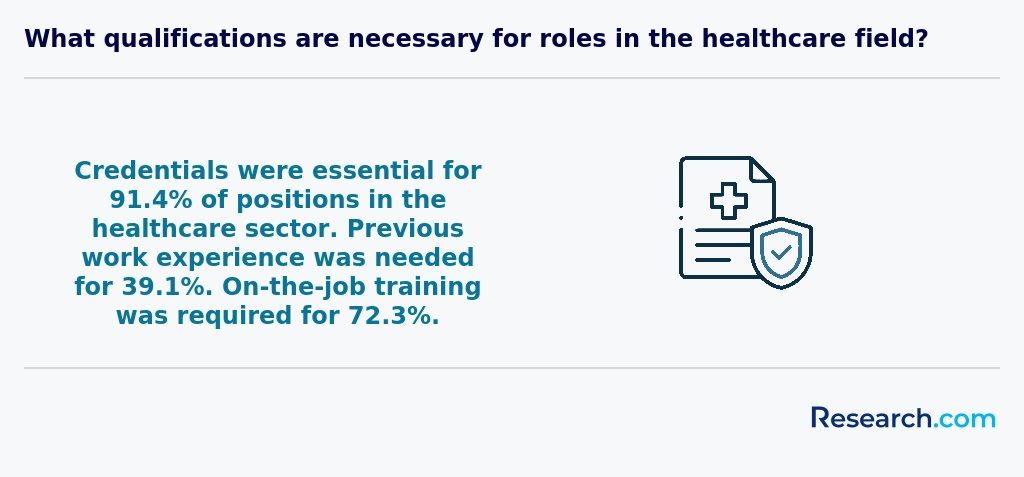
One of the most critical factors when evaluating healthcare degree programs in Champaign, IL is accreditation by recognized bodies and strong licensure exam performance. Accredited programs meet rigorous standards set by organizations such as the Higher Learning Commission (HLC), the Commission on Collegiate Nursing Education (CCNE), the Commission on Accreditation of Allied Health Education Programs (CAAHEP), and the Commission on Accreditation for Health Informatics and Information Management Education (CAHIIM). These accreditations ensure that curricula are current, faculty are qualified, and clinical experiences align with industry expectations. Equally important are licensure and certification exam pass rates, which directly reflect program quality and graduate readiness. For example, the University of Illinois Urbana-Champaign’s Bachelor of Science in Nursing boasts a 95% first-time NCLEX-RN pass rate-well above the national average of 88%. Parkland College’s Health Information Technology graduates achieve an average RHIT certification pass rate of 92%, demonstrating proficiency in medical coding, data management, and regulatory compliance. These outcomes not only signal academic excellence but also improve employability and potential salary offers upon graduation. Prospective students should prioritize programs with transparent outcome data and strong industry ties. For cost-conscious learners seeking accredited options with proven results, explore our Affordable Online Healthcare Degree Programs Ranking in Virginia to compare licensure success and program affordability.
Students pursuing healthcare degrees in Champaign at institutions like the University of Illinois Urbana-Champaign often rely on a variety of financial aid options to ease the cost of their education. Many graduates recall starting with the Free Application for Federal Student Aid (FAFSA), which opens doors to federal Pell Grants worth up to $7,395 for the 2023-2024 year-funds that don't require repayment. This aid made a real difference for those balancing tuition and living expenses.
In addition to federal aid, students benefit from state grants such as the Illinois Monetary Award Program (MAP), which helps cover tuition at public schools like UIUC. Local scholarships specifically aimed at healthcare fields are also common, often awarded by UIUC's College of Applied Health Sciences or community organizations, providing targeted support based on merit or financial need.
Work-study programs allow students to work part-time in healthcare departments on campus or with local partners. This not only offsets costs but also offers valuable hands-on experience that past graduates found rewarding and confidence-building.
The healthcare landscape is evolving rapidly, and both educators and students need to stay ahead of the curve. Today’s healthcare programs are increasingly integrating advanced technology, innovative teaching models, and interdisciplinary training to meet the demands of a continuously changing industry. Students are now exposed to digital health tools, telemedicine practices, and data-driven decision-making techniques that prepare them not only for today's challenges but also for the opportunities of tomorrow. Moreover, institutions are expanding their curriculum to include courses on emerging topics like artificial intelligence in diagnostics, patient-centric care models, and sustainable healthcare practices. These trends are driven by the need to address an aging population, evolving public health policies, and increasing demand for quality care. By understanding these shifts, prospective healthcare students can make well-informed decisions about their education and career paths. For additional insights on current program performances, explore our in demand healthcare programs that highlight market-leading institutions and cutting-edge curricula. This forward-looking approach not only boosts students' confidence when choosing a program but also positions them for success in a competitive job market.
To enroll in a healthcare degree program in Champaign, students must complete foundational science courses such as anatomy, physiology, and general chemistry. Graduates from the University of Illinois Urbana-Champaign often highlight how mastering these subjects early built their confidence for advanced coursework. Maintaining a competitive GPA, typically between 2.5 and 3.0, is crucial; it reflects your dedication and readiness for the rigorous healthcare field. Many local programs still consider standardized test scores, but several have adopted test-optional policies to reduce barriers. Hands-on experience is highly valued-volunteering at clinics or hospitals not only strengthens applications but also provides a rewarding preview of healthcare careers. Letters of recommendation from teachers or healthcare professionals can further boost your application by validating your commitment and interpersonal skills. By focusing on these prerequisites, prospective students in Champaign set themselves up for success, feeling prepared and motivated as they take the next step toward a fulfilling healthcare profession.
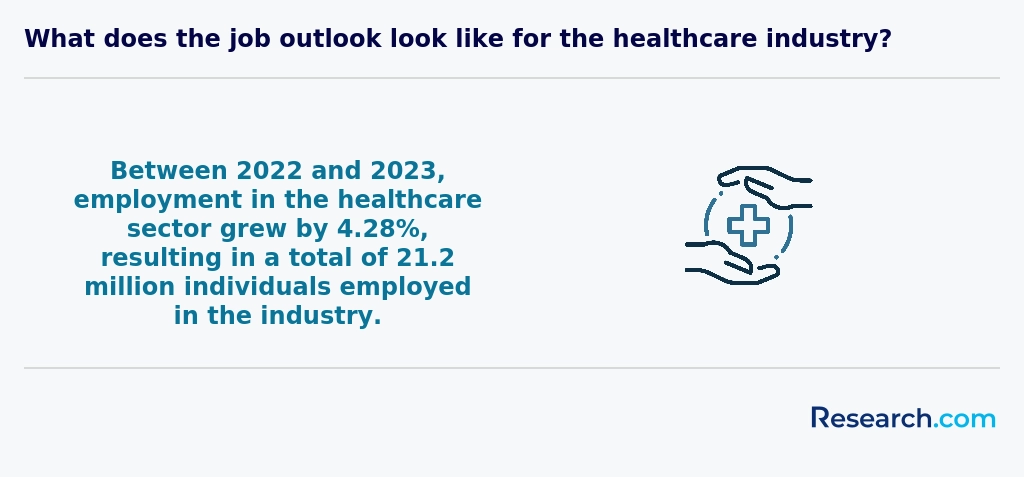
Champaign, IL offers much more than exceptional healthcare education-it provides a vibrant community where campus life, local culture, and student support work hand in hand to enrich your academic journey. In addition to rigorous coursework and hands-on experiences, students benefit from a supportive environment with student organizations, career services, and community events that facilitate real-world networking. On-campus resource centers assist with everything from tutoring and counseling to organizing internships at local clinics and hospitals, ensuring that students can balance academic rigor with personal growth. Moreover, the community’s close ties with healthcare providers enable unique volunteer opportunities and real-time learning experiences that set local programs apart from others. For students seeking flexible education options, integrating campus life with virtual learning is advantageous; exploring a list of the top online nutrition programs can provide additional perspectives and learning avenues while maintaining robust community engagement. This combination of academic excellence, personalized support, and local engagement helps create a holistic educational experience that not only prepares students for competitive careers but also instills a lifelong commitment to community health and wellbeing.
Healthcare degree programs in Champaign typically include a set of courses designed to build both practical skills and strong foundational knowledge. Graduates from institutions like the University of Illinois Urbana-Champaign often highlight how courses in human anatomy and physiology gave them a clear understanding of the body's functions, which proved invaluable during clinical rotations.
Courses in microbiology and medical terminology prepare students to communicate confidently and understand the scientific basis of diseases. Many find that learning healthcare ethics helps them face real-world challenges in patient care with empathy and professionalism.
Pharmacology and pathophysiology classes explain how medications work and how diseases develop, crucial for those looking to specialize in medical or pharmaceutical fields. Additionally, Champaign programs often integrate health informatics and technology, helping students adapt to the growing digital landscape in healthcare.
Graduates appreciate healthcare management and policy courses that prepare them for leadership roles, blending clinical knowledge with administration skills needed locally and nationwide.

Healthcare degree specializations in Champaign cover a wide range of practical fields designed to meet the region's growing medical workforce needs. Popular options at institutions like the University of Illinois at Urbana-Champaign and Parkland College include Nursing, Health Informatics, Public Health, Radiologic Technology, and Healthcare Administration. Graduates often share how Nursing programs provide hands-on clinical experiences that prepare them for immediate patient care roles in local hospitals. Others pursuing Health Informatics benefit from Champaign's expanding tech environment, learning to manage digital health records critical to modern healthcare facilities.
For students interested in system-wide impact, Public Health specializations offer opportunities to engage in community health initiatives led by local health departments. Meanwhile, Radiologic Technology students appreciate the training on diagnostic imaging equipment, applicable in many Champaign medical centers. Healthcare Administration courses offer a business-focused approach, helping graduates thrive in managing healthcare organizations efficiently. Those researching options may also consider exploring online nursing degrees colorado job prospects as an additional resource. Champaign top healthcare program options enable students to align education with their career goals confidently.
Choose a healthcare degree in Champaign by first clarifying your career goals, whether that's nursing, healthcare administration, or medical technology. Graduates from the University of Illinois at Urbana-Champaign often highlight the importance of selecting a program with proper accreditation, such as those accredited by CCNE or ACEN, ensuring strong licensure prospects. Seeking affordable healthcare degrees Champaign IL is also key; many find tuition varies widely, so reviewing current costs and exploring scholarships can ease financial burdens.
Practical experience is vital-programs that include clinical rotations or internships with local hospitals provide real-world skills and boost confidence. Flexibility matters too; some students balance jobs or family by choosing part-time or hybrid formats offered by Champaign colleges. Graduates appreciate the ability to tailor their education around life commitments while still accessing quality instruction. For those undecided, researching accredited nursing schools Cincinnati programs offers insights into well-structured curricula that may inspire similar expectations for Champaign.
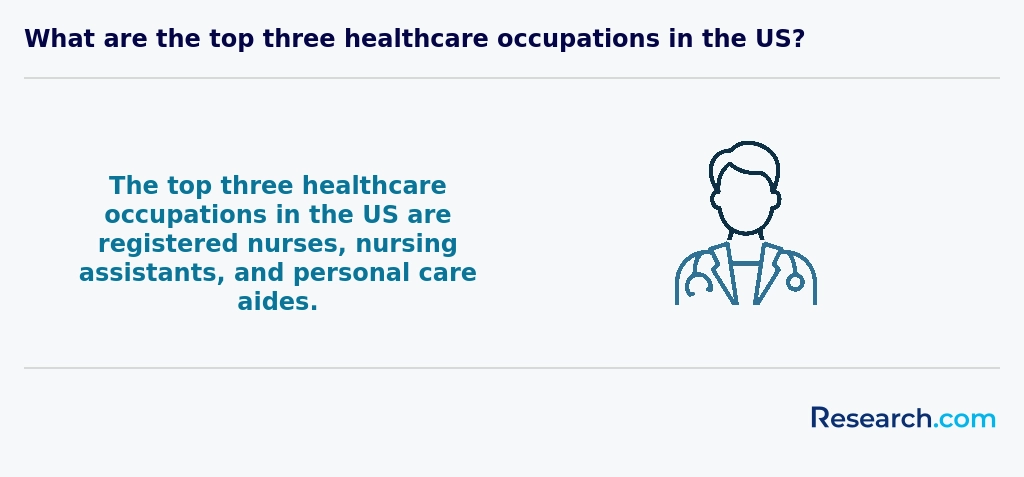
Graduates with a healthcare degree in Champaign have access to diverse career paths tailored to various interests. Many choose direct patient care roles such as registered nurses, physician assistants, or physical therapists, supported by strong job demand in the region due to an aging population. Others pursue healthcare administration, contributing to hospital management or clinic operations at local networks, gaining practical leadership experience. For those passionate about community impact, public health opportunities in Champaign involve education, epidemiology, and policy work, often collaborating with institutions like the Champaign-Urbana Public Health District.
Research-focused graduates find rewarding positions at the University of Illinois Urbana-Champaign, where hands-on biomedical and healthcare technology development projects are common. The region's healthcare degree career options Champaign are bolstered by affordable tuition and a supportive environment that encourages innovation and growth. Many students draw motivation from nearby programs emphasizing nursing education trends, which help sharpen their skills and prepare them for successful healthcare job opportunities in Champaign.
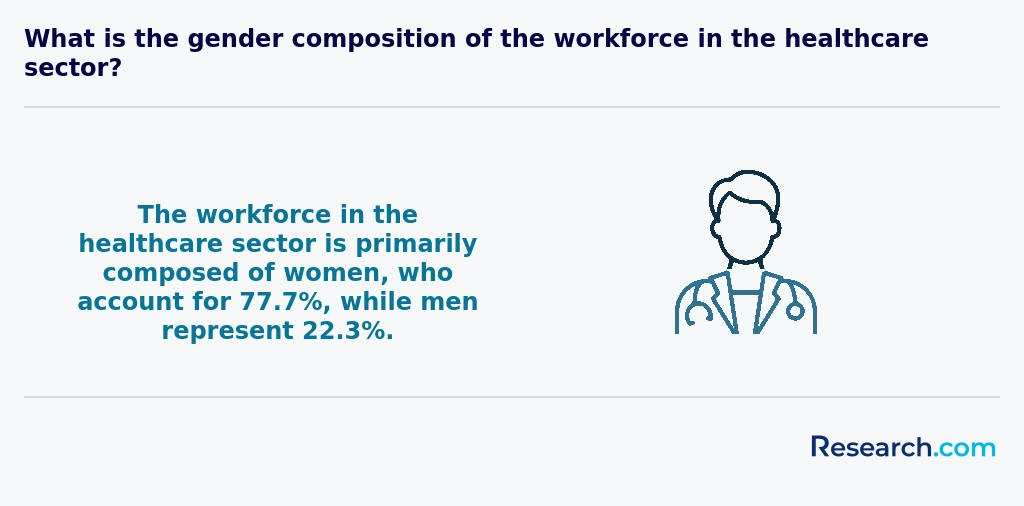
The healthcare degree job market Champaign offers is vibrant and growing, driven by strong regional employers like Carle Foundation Hospital and Christie Clinic. Graduates from local institutions such as the University of Illinois Urbana-Champaign often find rewarding positions in nursing, medical technology, and healthcare administration. Many share positive experiences about gaining valuable clinical internships directly through Champaign medical centers, which greatly enhance job readiness and professional confidence.
Champaign healthcare degree employment outlook is particularly bright due to an aging population increasing demand for health services. Entry-level and specialized roles offer competitive wages, with registered nurses earning around $30 to $35 per hour. Graduates appreciate that local salary levels align well with employment opportunities, making the investment in education worthwhile. For those balancing cost concerns, exploring quality yet affordable programs nearby is crucial, and considering options like online LPN programs in Virginia may provide flexible pathways.
2027 Most Popular Healthcare Degree Programs Ranking in Champaign
Investing in your education is a significant decision that can shape your future, and the Research.com team understands the importance of making informed choices. To assist prospective students in Champaign, we have meticulously crafted the "2027 Most Popular Healthcare Degree Programs Ranking." Our commitment to quality, credibility, and accuracy is reflected in the extensive research and analysis conducted to compile this ranking.
We utilized the following reputable data sources to ensure a comprehensive evaluation of healthcare programs:
By exploring this ranking, readers will gain valuable insights into the most popular healthcare degree programs in Champaign, empowering them to make informed decisions about their educational paths. For more details on our methodology, please visit our Research.com methodology page.

Frequently Asked Questions About healthcare
Healthcare degree students in Champaign can maximize their learning experience by engaging in hands-on clinical opportunities offered through partnerships with local hospitals such as Carle Foundation Hospital. Practical experience is essential to complement classroom learning and build professional skills.
Moreover, students should take advantage of research initiatives at the University of Illinois Urbana-Champaign, which frequently receives grants for healthcare studies. Participating in research projects can enhance understanding of current medical practices and innovations.
Networking through local healthcare events and student organizations also supports career development. Connecting with professionals and peers helps students stay informed about industry trends specific to the Champaign area.
The healthcare field in Champaign is evolving with several emerging niches gaining attention among students pursuing degrees. One notable area is telehealth, which has expanded rapidly due to advances in digital technology and the COVID-19 pandemic. According to the Illinois Department of Public Health, telehealth usage increased by over 40% regionally since 2020.
Another growing niche is gerontology, focusing on the aging population. With Champaign's median age rising slightly, healthcare providers are prioritizing services for older adults, creating demand for specialized nursing and therapy programs.
Additionally, health informatics is becoming crucial. This field integrates healthcare and IT, improving patient data management and care coordination.
Champaign healthcare institutions increasingly seek professionals skilled in these areas, making such degrees valuable for future employment opportunities.
Graduates with healthcare degrees in Champaign should begin preparing early for the job market by gaining relevant experience through internships or clinical placements. Facilities like Carle Foundation Hospital offer valuable opportunities that enhance practical skills. Networking with local healthcare professionals and attending job fairs in the Champaign-Urbana area can open doors to employment. According to the Illinois Department of Employment Security, healthcare occupations in Champaign County are projected to grow by over 10% through 2028, creating strong demand for qualified professionals. Additionally, obtaining certifications aligned with one's specialty, such as CPR or medical coding, improves employability.
Developing strong communication and technological skills is also essential, as many healthcare employers in the region seek candidates familiar with electronic health records. Graduates should utilize career services offered by local colleges like the University of Illinois Urbana-Champaign to refine resumes and practice interview techniques. Finally, staying updated on healthcare laws and best practices through continuing education will support long-term career success in Champaign's evolving medical job market.
Employers in Champaign prioritize a blend of technical and interpersonal skills in healthcare degree graduates. Clinical competence, including proficiency in patient care and medical technology, is essential given the region's growth in healthcare services. According to the Illinois Department of Employment Security, healthcare occupations in Champaign are expected to grow by 12% through 2028, emphasizing the need for well-trained professionals.
Strong communication skills are equally important, as healthcare workers must effectively interact with patients and multidisciplinary teams. Critical thinking and problem-solving abilities help graduates handle fast-paced medical environments and make informed decisions. Additionally, familiarity with electronic health records (EHR) systems is increasingly valued, reflecting the industry's digital shift.
Finding internships in Champaign relevant to a healthcare degree involves leveraging local resources and networks. Healthcare students should start by exploring opportunities at the University of Illinois Urbana-Champaign, which maintains partnerships with area hospitals and clinics for internship programs. The Carle Foundation Hospital and presence of Provena Mercy Medical Center offer practical settings for hands-on experience. According to the Illinois Department of Employment Security, healthcare occupations in Champaign are growing faster than the state average, increasing internship demand.
Students can also utilize job fairs, college career centers, and professional organizations like the Champaign County Medical Society. Early application and networking are vital due to competitive placements in this expanding local sector.
Pursuing a healthcare degree in Champaign significantly enhances career mobility and advancement opportunities within the local medical industry. Healthcare employers in the region, including Carle Foundation Hospital and OSF Heart of Mary Medical Center, often prioritize candidates with formal education and relevant certifications. According to the Illinois Department of Employment Security, healthcare occupations in Champaign have shown steady growth, with a projected 12% increase in demand by 2030.
Graduates with healthcare degrees benefit from diverse roles, ranging from clinical positions to healthcare administration. Advanced degrees or specialized credentials further boost prospects for promotions and salary increases. Additionally, local networking through university programs and healthcare institutions fosters valuable professional connections.
Studying for a healthcare degree in Champaign provides strong preparation for interdisciplinary roles by emphasizing collaborative skills and diverse clinical experiences. Local institutions often integrate coursework that merges health sciences with communication, technology, and ethics, reflecting real-world healthcare settings.
The University of Illinois at Urbana-Champaign, a key education center in the area, partners with regional hospitals and clinics, offering hands-on training with teams from various medical and social service fields. According to the Illinois Board of Higher Education, nearly 40% of healthcare programs here include interdisciplinary practicum components.
This approach equips students with the ability to work alongside nurses, social workers, and other specialists, fostering teamwork critical in today's complex healthcare environments.
Choosing between a thesis and a non-thesis healthcare degree program in Champaign depends largely on your career goals and learning preferences. Thesis programs involve conducting original research and writing a detailed paper, which can be valuable if you aim for roles in research or plan to pursue a doctoral degree. Non-thesis options generally focus on practical skills and coursework, suitable for students targeting immediate clinical or administrative positions.
In Champaign, institutions often align thesis tracks with academic careers, while non-thesis tracks cater to direct healthcare practice. According to Illinois Board of Higher Education data, about 40% of local healthcare graduate students opt for thesis programs.
Consider your long-term plans and discuss options with academic advisors at universities in Champaign.
Students based in Champaign seeking healthcare degrees abroad have a variety of opportunities, primarily through partnerships between local universities and international programs. The University of Illinois at Urbana-Champaign, a leading institution in the area, offers several study abroad exchanges and internships in healthcare fields. These programs often include clinical experience in countries such as Spain, Germany, and Australia, enabling students to gain global perspectives on healthcare delivery.
Many students also participate in semester-long study abroad options focusing on public health, nursing, or health administration. According to the university's Global Studies Office, healthcare-related study abroad enrollments have grown by 15% annually since 2019.
Financial aid and scholarships are commonly available for eligible healthcare students pursuing international studies, helping to offset costs and encourage diverse professional experiences.
Students pursuing healthcare degrees in Champaign have various part-time job opportunities that align well with their field of study. Working as a medical assistant or certified nursing assistant (CNA) at local hospitals like Carle Foundation Hospital offers practical experience and complements classroom learning. According to the Bureau of Labor Statistics, CNAs earn an average hourly wage of $14 to $16 in Illinois, providing both income and relevant skills.
Additionally, positions such as pharmacy technician or patient care technician in clinics around Champaign can help students develop patient interaction and technical skills. These roles often offer flexible hours suitable for students.
Volunteering at community health centers also enhances a resume and provides exposure to diverse healthcare settings.
Healthcare students in Champaign benefit from various networking opportunities essential for career growth. The University of Illinois at Urbana-Champaign (UIUC) hosts regular events through its College of Applied Health Sciences, allowing students to connect with healthcare professionals and alumni.
Local hospitals, such as Carle Foundation Hospital, often partner with educational institutions to provide internships and clinical rotations, fostering direct industry engagement. Additionally, professional organizations like the Illinois Public Health Association offer student memberships and networking events in the Champaign area.
These opportunities enhance practical knowledge and expand professional networks, critical for job placements in Illinois's healthcare sector, which employed over 22,000 healthcare workers in Champaign County as of 2023 (Illinois Department of Employment Security).
Alumni networks play a significant role in supporting healthcare degree students in Champaign. These networks offer valuable connections to experienced professionals working in local healthcare facilities such as Carle Foundation Hospital and Christie Clinic. Strong alumni ties can provide students with mentorship opportunities and insider knowledge about job openings in the region.
According to data from the University of Illinois at Urbana-Champaign, alumni involvement helps healthcare students secure internships and residencies at a nearly 20% higher rate than the national average. Networking events and workshops organized by alumni groups also enhance professional development and practical skill-building.
Through these connections, students gain access to industry trends and resources crucial for career growth in healthcare fields like nursing, public health, and medical technology.
Customizing a healthcare degree program in Champaign allows students to tailor their education to specific career goals. Many local institutions offer flexible curricula with electives in areas like public health, healthcare management, or clinical practices. This flexibility helps students focus on specialties such as nursing, health informatics, or healthcare administration.
Internship and practicum opportunities within Champaign's healthcare facilities also provide practical experience directly related to students' interests. Additionally, students can often engage in research projects or community health initiatives to enhance professional skills.
Advisors at local colleges guide students in selecting courses that match evolving industry demands and personal ambitions.
Healthcare students in Champaign face several common challenges rooted in the demanding nature of their studies. One key difficulty is balancing rigorous coursework with clinical hours. Many students report that managing hands-on training alongside academic responsibilities leads to high stress levels, similar to patterns observed nationally by the American Association of Colleges of Nursing.
Financial pressure is another notable issue. According to recent data from the Illinois Board of Higher Education, healthcare programs often require additional costs for certifications and equipment, creating a heavier burden on students. This partly explains why some students take longer to graduate or work part-time jobs alongside schooling.
Furthermore, the COVID-19 pandemic increased uncertainty around clinical placements in Champaign, forcing institutions to adapt and sometimes delay hands-on experience, which remains critical for degree completion and licensure.
Healthcare degree graduates in Champaign have access to various professional certifications that can enhance their careers. Common certifications include Certified Nursing Assistant (CNA), Licensed Practical Nurse (LPN), and Registered Nurse (RN) credentials, which are widely recognized in Illinois.
Additional options involve specialized certifications like the Certified Medical Assistant (CMA) or the Certified Professional Coder (CPC). These certifications often require passing exams and completing continuing education.
Locally, institutions like Parkland College and the University of Illinois Urbana-Champaign offer preparation programs aligned with these certifications. According to the Illinois Department of Public Health, professionals holding such credentials experience higher employment rates and increased salaries within the Champaign healthcare sector.
Writing a winning application for a healthcare program in Champaign requires clear demonstration of your commitment and relevant experience. Many programs, including those at the University of Illinois Urbana-Champaign, prioritize applicants with strong academic records in science and healthcare-related volunteer or work experience.
Start by crafting a concise personal statement that highlights your motivation to pursue a healthcare career and how your background aligns with program goals. Emphasize any hands-on experience in clinics, hospitals, or community health initiatives in Champaign, as local engagement is valued.
Standardized test scores, such as the ACT or SAT, remain important for undergraduate healthcare tracks. Additionally, letters of recommendation from healthcare professionals or professors familiar with your skills can strengthen your application.
According to the U.S. Department of Education, healthcare programs in Illinois have a 60-70% acceptance rate, so attention to detail in your application is critical. Make sure to meet all deadlines and tailor your essay to each program's unique focus.
The global perspective on a healthcare career highlights growing opportunities due to increasing demand for skilled professionals worldwide. In the United States, areas like Champaign reflect this trend, with healthcare jobs projected to grow 13% from 2021 to 2031, according to the Bureau of Labor Statistics. This growth is driven by aging populations and advances in medical technology.
Healthcare careers often emphasize not only clinical skills but also cultural competence, preparing graduates to work in diverse settings. International collaborations and global health initiatives further shape the skills needed for these roles. For students in Champaign, understanding these global trends can inform their education and career choices.
Gaining practical experience while studying for a healthcare degree in Champaign is essential for building relevant skills and enhancing employability. Many local institutions, including the University of Illinois at Urbana-Champaign, offer clinical placements and internships through partnerships with nearby hospitals like Carle Foundation Hospital and OSF Heart of Mary Medical Center. These opportunities allow students to work directly with patients under supervision.
Additionally, volunteering at community health organizations or joining student-run clinics can provide hands-on exposure to healthcare settings. According to the Illinois Board of Higher Education, over 60% of healthcare students in the state engage in internships before graduation, improving their practical competence.
Choosing the right concentration within a healthcare degree program in Champaign involves understanding local industry demands and your career goals. Healthcare fields like nursing, public health, and health informatics are prominent in the area due to Champaign's healthcare facilities and research institutions. For instance, Carle Foundation Hospital, a major employer, often seeks professionals with expertise in clinical care and health administration.
Review labor market data from the Illinois Department of Employment Security to see which healthcare roles show growth. Align your concentration with community needs and job availability to enhance employment chances.
Additionally, consider program accreditation and internship opportunities offered by Champaign colleges to gain practical experience relevant to your desired specialization.
- 2027 Most Popular Healthcare Degree Programs Ranking in West Lafayette
- 2027 Most Popular Healthcare Degree Programs Ranking in Saint Louis
- 2027 Most Popular Healthcare Degree Programs Ranking in Louisville
- 2027 Most Popular Healthcare Degree Programs Ranking in Milwaukee
- 2027 Most Popular Healthcare Degree Programs Ranking in Cincinnati
- 2027 Most Popular Healthcare Degree Programs Ranking in Columbia
- 2027 Most Popular Healthcare Degree Programs Ranking in Grand Rapids
- 2027 Most Popular Healthcare Degree Programs Ranking in Toledo
- 2027 Most Popular Healthcare Degree Programs Ranking in Columbus
- 2027 Most Popular Healthcare Degree Programs Ranking in Nashville
See What Experts Have To Say About Studying Healthcare
Read our interview with Healthcare experts

- Challenges of nursing students during clinical training: A nursing perspective https://www.aimspress.com/article/doi/10.3934/publichealth.2024019
- The Role of Interdisciplinary Studies in Medical Career Training https://georgia-med.com/the-role-of-interdisciplinary-studies-in-medical-career-training.html
- The impact of postgraduate education on career advancement in healthcare https://sets.com.ua/journals/vol-3-no-2-2024/the-impact-of-postgraduate-education-on-career-advancement-in-healthcare
- How Long Does It Take to Earn a Healthcare Administration Degree Online? https://campus.edu/blog/hash-campus/how-long-does-it-take-to-earn-a-healthcare-administration-degree-online
- Global Health Perspectives https://globalhealthperspectives.com/
- Best Practices for Career Development and Advancement in the Healthcare Sector | Generation https://www.generation.org/news/best-practices-for-career-development-and-advancement-in-the-healthcare-sector/
- What Are the Differences in Salary Level for Different Degrees in Healthcare Management? | MHA Salary https://www.healthcare-management-degree.net/faq/what-are-the-differences-in-salary-level-for-different-degrees-in-healthcare-management/
- How to Create a Healthcare Career Roadmap https://www.ihire.com/resourcecenter/jobseeker/pages/how-to-create-a-healthcare-career-roadmap
- What Can You Do with a Health Sciences Degree? https://www.ycp.edu/news/what-can-you-do-with-a-health-sciences-degree
- Students and Alumni associations - Europubhealth https://www.europubhealth.org/students-alumni-associations/


