2027 Fastest Online Doctorate in Healthcare Degree Programs Ranking in the South

Co-Founder and Chief Data Scientist
Exploring advanced healthcare degrees can be both exciting and overwhelming, especially when time is a factor. This article introduces the 2027 Fastest Online Doctorate in Healthcare Degree Programs Ranking in the South, thoughtfully created by the Research.com team of data scientists to guide students in making well-informed decisions.
Discover programs that offer quality education with accelerated timelines, helping you achieve your goals sooner. Pursuing an online doctorate in healthcare not only enhances your expertise but also opens doors to rewarding career opportunities.
Whether you're balancing work or family, this ranking helps you find programs designed to fit your busy lifestyle while advancing your future.
Key benefits of getting online healthcare degree in the South
- Healthcare degree graduates in the South can earn competitive salaries, such as Program Directors making an average of $129,330 annually and Healthcare Services Researchers earning around $112,380 per year.
- Graduates from institutions like the University of Alabama often pursue diverse careers, including roles as Chief Development Officers or Principal Scientists, offering multiple paths to growth and impact in healthcare.
- Completing an online healthcare degree, as with graduates from the University of Florida, provides flexibility and convenience, allowing students to balance work and study while gaining the same respected credentials as traditional programs.
- 2027 Fastest Online Doctorate in Healthcare Degree Programs Ranking in the South
- What can I expect from online healthcare degree in the South?
- Where can I work with online healthcare degree in the South?
What can I expect from online healthcare degree in the South?
In the South, the average cost of an online healthcare degree is notably affordable compared to national figures, with in-state tuition often ranging between $8,000 and $15,000 per year at prominent universities and colleges. This affordability makes it accessible for many working adults balancing family and career commitments. Graduates from these programs frequently share that competitive tuition rates, combined with flexible, asynchronous coursework, significantly reduced their financial stress while allowing them to earn their degree without uprooting their lives.
For example, a graduate from a well-regarded Southern university highlighted how local scholarship opportunities and partnerships with community clinics made it possible to complete necessary clinical hours nearby, avoiding costly travel expenses. This pragmatic approach aligns with the Southern education model, emphasizing both affordability and practical experience.
Furthermore, access to federal funding like HRSA grants often supplements tuition for students focusing on rural healthcare, making online degrees in nursing or health administration even more financially feasible. These factors contribute to a positive, empowering experience for Southern students pursuing healthcare careers online.
Where can I work with online healthcare degree in the South?
Graduates with online healthcare degrees from well-known Southern institutions such as the University of Alabama at Birmingham or the University of South Florida often find diverse employment opportunities in hospitals, outpatient clinics, and long-term care facilities across states like Texas, Florida, and Georgia. With healthcare jobs in these regions projected to grow by over 15% through 2030, many alumni secure roles as nurse practitioners, healthcare administrators, or health informatics specialists at large systems like HCA Healthcare in Tennessee.
Rural areas in the South present unique career prospects due to staffing shortages; graduates frequently report rewarding experiences working in underserved communities where their skills are in high demand. For instance, those focusing on public health have joined Florida's Department of Health to assist with disease prevention and emergency preparedness initiatives, positively impacting communities of over 22 million residents.
Additionally, telehealth has opened remote work pathways for online graduates, enabling them to deliver virtual care and health management, especially supported by state policies promoting telemedicine access in rural zones. Such roles not only offer flexibility but also meaningful contributions to expanding healthcare coverage throughout the South.
Graduates with online healthcare degrees in the South can expect diverse earning potentials tied to their specialization and degree level. For instance, Program Directors in Healthcare, commonly found among advanced degree holders from universities like the University of Texas or the University of Florida, report mean annual wages around $129,330. This reflects a strong financial incentive for those pursuing administrative leadership roles after completing their online programs.
Similarly, Chief Development Officers working at hospitals or healthcare organizations across Southern states such as Georgia or North Carolina earn approximately $95,600 annually. Graduates who focus on research-oriented roles, common among alumni from institutions like Emory University or Vanderbilt University, may pursue positions as Healthcare Services Researchers, Research Directors, or Principal Scientists, each commanding mean wages near $112,380 per year.
These salary figures align with the South's rising demand for healthcare professionals and demonstrate that completing an online healthcare degree locally can unlock rewarding career pathways. Graduates often report satisfaction in balancing work and study while seizing growing high-wage opportunities in metropolitan Southern areas.
- The Southern region offers accredited online healthcare programs from associate to doctorate levels.
- Total tuition ranges from $15,000 to $40,000, with public universities providing 20% to 40% lower costs for in-state students.
- Entry-level salaries typically range from $50,000 to $65,000 per year, increasing to $75,000-$95,000 with experience.
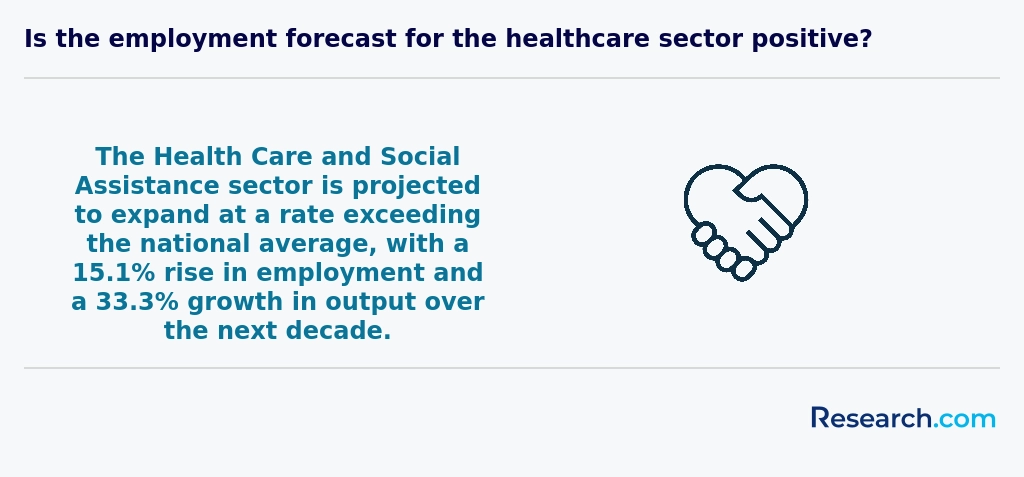
- Healthcare jobs in the South are projected to grow by nearly 15% over the next decade.
- Licensing and certification requirements vary by state, and programs usually prepare students for specific state standards.
The typical completion time for an online healthcare degree in the South varies by degree level and program structure. Undergraduate degrees, such as an Associate of Science in Healthcare or a Bachelor of Science in Nursing from popular institutions like the University of Florida or Texas A&M University, generally take two to four years. Many students leverage accelerated options, enabling completion in about three years when attending year-round, which graduates frequently find motivating as it allows faster entry into the workforce.
Graduate degrees, including master's programs like a Master of Healthcare Administration or a Master of Science in Nursing offered online by colleges such as the University of Alabama, usually require one to two years full-time. Part-time study, common among working professionals balancing jobs and families, typically extends this to three or more years.
Doctorate programs in nursing or health administration in Southern universities often require three to five years depending on the pace of study and clinical commitments. Graduates report that program flexibility and credit transfer options significantly ease timely completion, reflecting the South's focus on supporting busy healthcare students.
Online healthcare doctorate programs can be efficient and flexible, but they are not automatically easier than campus-based programs. The strongest candidates usually enter with a clear career goal, a realistic weekly study plan, and a good understanding of any clinical, practicum, residency, research, or dissertation expectations.
Key challenges to evaluate before enrolling
- Isolation and motivation: Online doctoral work often requires independent reading, research, writing, and project management. Look for programs with regular faculty access, cohort interaction, virtual seminars, and structured milestones.
- Work-life balance: Many healthcare doctoral students continue working full time. Ask how many hours students typically spend each week on coursework, research, clinical hours, or capstone work.
- Technology quality: A strong online program should provide reliable learning platforms, library access, teleconferencing tools, technical support, simulation resources where relevant, and clear communication channels.
- Hands-on requirements: Some healthcare doctorates may include practicums, clinical placements, residencies, or applied projects. Confirm whether these can be completed near your home or workplace.
- Regulatory changes: Healthcare policy, licensure rules, and professional standards can change. Make sure the curriculum is current and that the school can explain how it monitors state and industry requirements.
- Career alignment: A fast program is only useful if it supports your intended role. Compare coursework, faculty expertise, research opportunities, and employer recognition.
Prospective students should also compare program demand and institutional visibility. Reviewing the most popular healthcare programs can add useful context when evaluating how programs fit current student interest and broader online education trends.
Online healthcare degrees in the South provide unmatched flexibility, allowing students from rural areas like East Texas or Alabama to study without relocating. Graduates from institutions such as the University of Florida praise the ability to access lectures on their own schedules, balancing family and work demands effectively. In contrast, on-campus programs at places like the University of Georgia offer immersive, hands-on clinical experiences through partnerships with local hospitals, which many find invaluable for practical skill-building.
Tuition differs notably: Southern public universities typically charge $7,000 to $10,000 annually for in-state on-campus students, while online options often reduce costs by cutting facility and commuting fees. However, clinical placements in online programs can add unexpected travel expenses. Both formats require accreditation by bodies like the CCNE or CEPH, ensuring graduates qualify for licensure and employment.
Students pursuing online degrees often appreciate accelerated pathways adapting to Texas's growing healthcare demand, though they must maintain self-discipline without campus structure. Overall, these differences reflect diverse needs and lifestyles common among Southern healthcare students.
Accreditation and licensure should be verified before you apply, not after you enroll. In healthcare, a degree that is fast or affordable may still be a poor investment if it does not meet employer, certification, or state licensing expectations.
Accreditation to check
- Institutional accreditation: Regional accreditation, such as from the Southern Association of Colleges and Schools Commission on Colleges (SACSCOC), helps verify institutional quality and may affect financial aid, transfer credit, and employer recognition.
- Programmatic accreditation: Depending on the field, specialized accreditation from organizations such as the Council on Education for Public Health (CEPH) or the Commission on Accreditation of Healthcare Management Education (CAHME) may be important.
- Distance education approval: Confirm that the institution is approved to deliver online programs to students in your state.
Licensure and certification considerations
Licensure rules vary by state and specialization. Doctor of Nursing Practice (DNP) students should confirm that coursework, clinical practicum hours, and certification preparation meet the Board of Nursing criteria in their home state. Doctor of Public Health (DrPH) graduates pursuing epidemiology or health policy roles may need or benefit from certification through the National Board of Public Health Examiners (NBPHE), depending on the position.
State authorization is also important. Some Southern states require institutions to obtain approval before enrolling residents in online programs. Checking the institution’s state authorization page or the National Council for State Authorization Reciprocity Agreements (NC-SARA) directory can help prevent future issues with licensure, enrollment eligibility, or credit transfer.
Students comparing accredited and cost-conscious options can also review the Most Affordable Online Healthcare Degree Programs Ranking in North Carolina to see how affordability and accreditation can be evaluated together.
The average cost of an online healthcare degree in the South typically centers around $30,856, with in-state students often paying slightly less, near $30,636, and out-of-state students facing costs closer to $49,849. Graduates from popular universities and colleges in this region frequently remark on the value of balancing cost with program quality, especially when pursuing degrees at public institutions known for their affordability and strong healthcare curricula. For many, the financial investment aligns well with the credentials earned and the career opportunities that follow.
Public universities in the South are a common choice due to their lower tuition rates, often ranging from $4,000 to $8,000 annually for online healthcare programs. That makes total tuition fees healthcare doctorate South programs more accessible for residents studying within their state lines. These students often describe their experiences managing coursework online while maintaining personal and work commitments, appreciating the flexibility that such programs provide.
Private institutions generally charge higher tuition, sometimes exceeding $20,000 in total, which can be daunting but may offer accelerated tracks or specialized concentrations. Regardless of institution type, additional costs like technology fees and clinical practicum expenses contribute to the overall financial picture. Many prospective students researching the most popular healthcare programs benefit from financial aid and scholarships tailored to healthcare education in the South, helping reduce net expenses and improve affordability.
Students often recommend thoroughly exploring program options and costs, especially among the most popular healthcare programs available online in the South, to find the best fit for both their educational goals and budget.

Most online healthcare doctorate programs end with a dissertation, scholarly project, or applied capstone. This requirement is where students demonstrate that they can define a healthcare problem, review existing evidence, design an appropriate study or intervention, analyze results, and present findings clearly.
What the doctoral research process usually includes
- Faculty mentor and committee selection: Students typically work with a mentor and committee whose expertise aligns with the research topic.
- Proposal development: The proposal defines the problem, research questions, methodology, data sources, ethical safeguards, and expected contribution.
- IRB review: Projects involving human subjects may require Institutional Review Board approval before data collection begins.
- Data collection and analysis: Students may use quantitative, qualitative, mixed-methods, program evaluation, or practice-improvement approaches depending on the degree type.
- Writing and defense: Candidates present their work to a committee and must show command of the topic, methods, limitations, and implications for healthcare practice or policy.
Typical timelines allocate 12–18 months for proposal development and data gathering, followed by 6–9 months for analysis and writing. These timelines can vary by program structure, student pace, committee feedback, data access, and IRB requirements.
Strong programs support doctoral research through virtual seminars, peer review workshops, online library access, methodology support, and one-on-one faculty consultations. Students interested in interdisciplinary healthcare research may also examine related academic pathways, such as colleges with a diagnostic medical sonography program, to understand how imaging, diagnostics, and clinical data can connect with broader healthcare research questions.
Online healthcare students in the South benefit from multiple financial aid options that help manage tuition costs, which typically range from $8,000 to $12,000 annually for in-state public universities. Federal aid through FAFSA provides access to Pell Grants and low-interest loans, essential supports for many attending institutions like the University of Georgia or the University of North Carolina.
Southern states bolster this support with their own grants and scholarships targeting healthcare fields. For example, nursing students at Georgia State University often receive scholarships tied to commitments to serve rural communities, reflecting the region's healthcare demands. These targeted awards not only reduce financial burdens but also inspire graduates to contribute meaningfully to underserved areas.
Institutions frequently offer merit-based or need-based scholarships, sometimes linked to specialties such as public health or health administration, as seen at Texas A&M. Working professionals often supplement their funding through employer tuition reimbursement programs, enabling online graduate students to advance without significant debt.
Professional groups, including the American Association of Colleges of Nursing, also provide scholarships that promote diversity and educational advancement in healthcare careers.
Online healthcare programs reward students who are organized, proactive, and comfortable learning independently. Flexibility is valuable, but it also shifts more responsibility onto the student. Before enrolling, make sure you understand the weekly workload, technology requirements, assignment format, and any in-person components.
Common obstacles and how to handle them
- Time pressure: Build a weekly calendar that includes reading, writing, meetings, clinical or practicum hours, and recovery time. Treat coursework like a fixed professional commitment.
- Technology issues: Test your internet connection, webcam, microphone, and learning management system before classes begin. Keep backup options ready for exams, presentations, and synchronous sessions.
- Limited peer interaction: Join virtual study groups, attend live sessions when available, and use discussion forums to build academic and professional relationships.
- Unclear expectations: Ask early about grading rubrics, dissertation milestones, capstone deliverables, and faculty availability. Doctoral work becomes more manageable when expectations are explicit.
- Financial strain: Confirm tuition, fees, books, travel for residencies, clinical placement costs, and payment deadlines before committing.
Students exploring healthcare-related pathways may also benefit from comparing shorter, career-focused programs. For example, information on the best accredited medical billing and coding schools online can help learners understand lower-cost entry points into healthcare education while planning for longer-term degree goals.
Enrolling in online healthcare degree programs in the South requires meeting precise academic and experiential prerequisites designed to prepare students for rigorous study. Undergraduate applicants generally need a high school diploma or GED, with programs at Southern institutions like the University of Tennessee often recommending prerequisite courses in biology or chemistry. Test scores such as the SAT or ACT may still be requested, though the rising adoption of test-optional policies eases access for many.
Graduate-level applicants, aiming for degrees like the MSN or DHA, must hold a bachelor's degree with a minimum GPA around 3.0 in relevant subjects. Official transcripts and letters of recommendation are standard requirements, ensuring candidates demonstrate strong academic foundations. Many doctoral programs in the South, including those at Texas A&M, additionally expect at least two years of healthcare-related work experience, which graduates frequently report as pivotal in building leadership confidence and practical skills prior to advancing their education.
Financial preparedness is also crucial, with annual in-state tuition averaging between $7,000 and $15,000. Students who successfully navigate these prerequisites often express a sense of accomplishment and motivation, feeling well-supported by their institutions throughout the enrollment process.
Online healthcare degree programs in the South typically include courses that prepare students to address regional healthcare challenges with practical expertise. Graduates from well-known Southern universities often remark on how foundational courses like Introduction to Healthcare Systems helped them understand the complexities of healthcare delivery tailored to the South's unique environment. They value Healthcare Ethics and Law classes for clarifying patient rights and compliance under specific Southern state regulations.
Courses such as Health Informatics offer hands-on experience managing healthcare data, a rapidly growing field essential for advancing digital health services. Epidemiology and Public Health focus on real issues like diabetes and cardiovascular diseases, which disproportionately affect Southern populations, helping students apply their learning to community needs.
Many also highlight Healthcare Finance and Budgeting as crucial for navigating economic constraints faced by organizations in the region. Electives in telehealth or behavioral health allow students at prominent Southern colleges to customize their education toward areas where the local workforce urgently needs professionals.
Online healthcare degree specializations in the South typically include nursing, healthcare administration, public health, health informatics, and physical therapy. Graduates from universities popular in this region often share positive experiences about advancing through Nurse Practitioner tracks focused on family or pediatric care, reflecting the region's increasing demand for skilled nurses. Healthcare administration programs prepare students for leadership roles in managing facilities and policies, critical due to the expanding healthcare industry in Southern states.
Public health specializations address prevalent Southern health disparities, such as chronic disease management, providing graduates with the tools to work closely with communities on prevention efforts. Health informatics, combining health and IT expertise, equips students to improve patient outcomes in hospitals increasingly adopting electronic health records. Physical therapy programs reflect a growing need prompted by the aging population in the South, with online curricula designed for licensure preparation.
Students also explore practical options like best accredited medical billing and coding schools online, expanding career flexibility. These diverse tracks clearly demonstrate the tailored options within Southern online healthcare doctorate program options that align with workforce demands.
Choosing the best online healthcare degree in the South hinges on several data-backed criteria. Accreditation is paramount; degrees endorsed by agencies like CCNE or CEPH assure quality and are favored by employers. Graduates from universities such as the University of Florida and the University of Georgia frequently commend the affordability and value of their programs, reflecting how Southern schools offer more economical tuition compared to national averages ranging from $10,000 to $30,000 annually.
Flexibility is another critical factor. Many Southern online healthcare programs feature accelerated formats and asynchronous coursework, ideal for working students balancing careers and studies. Graduates often report that these features help them stay motivated and manage time effectively. Specializations aligned with regional labor market demands, including nursing, health administration, and healthcare informatics, further enhance career prospects. For example, Texas and Florida institutions align curricula with local employment trends, yielding higher job placement rates.
Students should also explore practical opportunities, such as partnerships with local providers offering hands-on experience. For those considering specialty tracks, reviewing colleges with a diagnostic medical sonography program can be beneficial in finding niche credentials that are in demand. This data-informed approach assures a more confident investment in obtaining one of the best online healthcare degrees in the South.

Graduates with an online healthcare degree in the South find diverse career paths aligned with the region's healthcare demands. Nursing remains a prominent choice; advanced practice nurses from programs at universities like the University of Florida often secure roles as nurse practitioners, earning between $90,000 and $110,000 annually depending on location and experience. Healthcare administration also attracts many, with professionals from Southern institutions such as Georgia State University managing facility operations and earning salaries from $75,000 to $100,000 amid projected 18% job growth.
Other graduates pursue healthcare informatics, leveraging data to enhance patient outcomes, a field forecasted to expand 15% over the next decade. Public health roles focused on chronic disease prevention are critical in Southern states, offering meaningful careers addressing regional health challenges. Prospective students can find accessible programs with tuition ranging $10,000 to $30,000. Many who aim to explore cost-effective options consult the Most Affordable Online Healthcare Degree Programs Ranking in North Carolina to plan their education within the Southern healthcare landscape.
These online healthcare careers in the South reflect real success stories of graduates from prominent Southern colleges, confirming strong employment prospects in nursing, administration, data analysis, public health, and rehabilitation services.
The job market for online healthcare degree graduates in the South shows strong growth fueled by rapid population increases and healthcare infrastructure expansion. Graduates from popular Southern universities report quick entry into clinical and management roles, benefiting from regional demand driven by chronic disease rates and an aging population. Institutions like the University of Florida and Texas A&M offer online programs that equip students with practical skills employers seek, helping graduates feel confident and prepared.
Healthcare employers in Southern metropolitan areas increasingly seek candidates with advanced online degrees, boosting opportunities in administration and telehealth. The positive job outlook fosters optimism among recent graduates, who often find roles close to home. Lower tuition costs at Southern schools also ease financial burdens, making career advancement more accessible through online study. Those exploring flexible options can supplement their education with 6-month certificate courses that lead to high paying careers, enhancing competitiveness in this evolving market.
Overall, the online healthcare degrees job outlook South reveals a promising landscape for career growth, appealing to working adults and career changers looking to meet increasing regional healthcare needs.
2027 Fastest Online Doctorate in Healthcare Degree Programs Ranking in the South
Investing in your education is a significant decision that can shape your future, and the Research.com team understands the importance of making informed choices. To help prospective students explore the fastest online doctorate programs in healthcare across the southern United States, we have carefully developed the "2027 Fastest Online Doctorate in Healthcare Degree Programs Ranking in the South." Our dedication to quality, credibility, and accuracy is demonstrated through thorough research and analysis grounded in trusted data sources.
We utilized the following reputable data sources to ensure a comprehensive evaluation of these programs:
By reviewing this ranking, readers will gain valuable insights to identify accelerated healthcare doctorate options that align with their career goals and timing needs. For more information about how this ranking was created, please visit our Research.com methodology page.





Frequently Asked Questions About healthcare
Students pursuing online healthcare degrees in the South can maximize their learning by actively engaging with program resources and regional networks. According to the Southern Regional Education Board, Southern states host some of the fastest-growing healthcare sectors, making local internships and clinical placements particularly valuable.
Leveraging virtual simulation tools and online labs enhances practical skills, especially when in-person options are limited. Participation in online study groups and professional organizations fosters collaboration and networking, which are crucial for career advancement.
Additionally, accessing financial aid tailored for Southern residents and staying informed about state-specific healthcare policies support both academic and professional success.
Emerging niches within the healthcare field are rapidly expanding, particularly in the Southern United States. One fast-growing area is telehealth, which increased by more than 50% in Southern states since 2020, driven by rural populations needing remote access to care, according to the Health Resources and Services Administration (HRSA).
Another key niche is healthcare informatics. Professionals in this field manage and interpret data to improve patient outcomes and operational efficiency, a crucial skill as Southern hospitals adopt advanced electronic health records.
Additionally, gerontology is gaining importance due to the aging population in the South. The U.S. Census Bureau reports that states like Florida and Texas are seeing significant increases in residents aged 65+, creating demand for specialists focusing on elderly care.
Preparing for the job market after completing an online healthcare degree in the South involves strategic planning and practical steps. Graduates should prioritize gaining hands-on experience through regional internships or clinical placements, as the Southern healthcare sector heavily values practical skills. According to the Bureau of Labor Statistics, healthcare jobs in Southern states like Texas and Florida are expected to grow by over 15% by 2030, highlighting the rising demand.
Networking with local healthcare organizations and joining professional groups such as the Southern Healthcare Association can improve job prospects. Additionally, obtaining certifications relevant to Southern state requirements, like state-specific nursing or administrative licenses, enhances employability. Staying informed about regional healthcare trends is essential for a successful transition into the workforce.
Employers in the Southern United States prioritize a mix of technical and interpersonal skills when hiring healthcare degree graduates. Clinical proficiency, such as patient care and medical technology competence, remains essential due to the region's growing healthcare demands, as reported by the Bureau of Labor Statistics. Communication skills are also highly valued, enabling graduates to coordinate effectively with diverse patient populations and healthcare teams.
Problem-solving abilities and adaptability are crucial, especially given the evolving healthcare landscape influenced by telemedicine and digital health trends in the South. Leadership and ethical decision-making further enhance graduates' appeal, supporting improved patient outcomes in Southern healthcare facilities.
Finding internships relevant to a healthcare degree in the South involves targeted research and networking. Start by exploring partnerships between online programs and local healthcare institutions, including hospitals, clinics, and public health organizations. Many Southern states report growing demand for healthcare professionals, supporting abundant internship opportunities. For example, the U.S. Bureau of Labor Statistics projects healthcare job growth in the South to be above the national average through 2030.
Utilize university career services and online internship databases specific to Southern healthcare providers. Joining professional associations like the Southern Nursing Research Society can also provide valuable connections. Additionally, consider state health departments and community health centers for placements. Early contact and clear communication of your degree goals improve your chances of securing meaningful internships.
Online healthcare degrees offer significant advantages for career mobility and advancement in the Southern United States. According to the U.S. Bureau of Labor Statistics, healthcare roles in the South are growing faster than the national average, creating more job opportunities for degree holders.
With an online degree, professionals can often complete programs faster and balance education with work or family obligations, which is especially important in this region where access to campus-based programs can be limited.
Graduates demonstrate higher chances of moving into leadership positions or specialized roles, as employers increasingly value the flexibility and updated skills gained through online education.
Data from the National Center for Education Statistics shows that online healthcare programs in the South often integrate regional healthcare policies and workforce needs, making graduates particularly competitive locally.
Online healthcare degree programs in the South emphasize interdisciplinary skills by integrating courses across fields such as public health, nursing, and health administration. This approach aligns with regional healthcare needs, where rural and underserved populations require professionals adept in multiple roles. According to the Southern Regional Education Board, nearly 30% of Southern states' healthcare jobs demand collaboration among varied healthcare disciplines.
Programs often include teamwork-focused projects and real-world case studies that simulate complex healthcare environments. Students gain expertise in communication, policy, and technology, preparing them to work alongside doctors, social workers, and policymakers effectively. This interdisciplinary training equips graduates to address diverse challenges in Southern healthcare systems.
When choosing between a thesis and a non-thesis healthcare degree program in the South, consider your career goals and learning style. Thesis programs require original research and are ideal for students aiming for academic or research positions. They typically take longer to complete but provide in-depth expertise.
Non-thesis options often focus on practical skills and may include internships or capstone projects instead of research. These programs tend to be shorter, appealing to professionals seeking advancement in clinical or administrative roles.
According to the Southern Regional Education Board, healthcare jobs in the South are growing by 15% annually, highlighting diverse opportunities.
Students in the South seeking online healthcare degrees with an international focus have several pathways to consider. Many accredited Southern universities partner with foreign institutions to offer joint or dual degree programs, allowing students to earn credentials recognized both in the U.S. and abroad. These collaborations often include virtual internships or study abroad opportunities in countries with advanced healthcare systems such as the UK, Canada, or Germany.
According to the Southern Regional Education Board, approximately 15% of healthcare students in Southern states participate in programs with global components, reflecting growing interest in international healthcare perspectives. Online courses also increasingly incorporate case studies from diverse healthcare environments, helping students gain a global understanding without leaving home.
Licensure requirements vary by country, so students should carefully research credential recognition. Additionally, financial aid and scholarships may support study abroad components integrated within online healthcare degrees. This hybrid approach offers Southern students flexibility while exposing them to global healthcare challenges and solutions.
Part-time job opportunities in the South that complement healthcare degree education often include roles like medical assistants, pharmacy technicians, or patient care technicians. These positions provide hands-on experience, which is crucial for online students balancing studies with work. According to the U.S. Bureau of Labor Statistics, the South has a growing demand for healthcare support occupations, with states like Texas and Florida leading job growth.
Working in community health centers or local hospitals also offers valuable exposure to healthcare settings. Additionally, roles in medical billing and coding or telehealth services are increasingly available and flexible for students.
Online healthcare students in the South benefit from numerous networking opportunities designed to enhance their professional growth. Many Southern universities offer virtual career fairs, webinars, and alumni networking events, which connect students with healthcare professionals across the region. For example, institutions like the University of Florida and the University of North Carolina provide active online platforms for student interaction and mentorship.
Additionally, Southern states have strong healthcare industries, with a growing demand for skilled workers. According to the U.S. Bureau of Labor Statistics, healthcare employment in the South is projected to increase by over 15% through 2030.
Regional professional associations, such as the Southern Healthcare Association, also host online conferences and forums that help students build valuable contacts, despite being remote learners.
Alumni networks play a crucial role for online healthcare degree students in the South by offering valuable professional connections. These networks connect graduates across various healthcare fields, helping with job placements and career advancement. According to the Southern Regional Education Board, states in the South face a growing demand for healthcare professionals, making networking essential for students seeking employment.
Many alumni networks provide mentorship programs, which guide students through the evolving healthcare landscape. They also give access to exclusive job boards and industry events, increasing exposure to regional healthcare employers. For online students, who may miss on-campus interactions, these networks create a supportive community that bridges geographical barriers.
Furthermore, alumni connections often facilitate collaborative opportunities in research and healthcare innovation, boosting students' professional growth. Overall, these networks offer lasting benefits by enhancing students' career prospects in the Southern healthcare market.
Customizing an online healthcare degree program in the South allows students to align education with specific career goals. Many Southern universities offer flexible curricula where you can choose concentrations such as health administration, nursing leadership, or public health. This approach enables focusing on in-demand skills relevant to regional healthcare needs.
Students can often select electives and internships tailored to local healthcare systems or telehealth practices, which have grown 38% in Southern states since 2020, according to the U.S. Department of Health and Human Services. Additionally, some programs provide options for accelerated tracks or part-time schedules to accommodate working professionals.
Careful review of program accreditation and state licensure requirements is vital to ensure degrees facilitate career advancement within the Southern healthcare job market.
Online healthcare students in the South often face unique challenges related to infrastructure and access. Many rural areas still experience limited broadband internet, impacting the ability to participate fully in virtual coursework. According to the Federal Communications Commission, around 22% of rural Southerners lack access to fixed high-speed internet. This digital divide can hinder timely submission of assignments and virtual collaboration.
Another challenge is balancing clinical practice requirements with online schedules. Southern states typically require in-person clinical hours, which can be difficult for remote learners to coordinate alongside work and family commitments. Additionally, students may struggle with limited local healthcare facilities willing to partner for internships.
Finally, navigating financial aid options specifically for healthcare programs in the South can be complex, with fewer resources compared to larger urban areas.
With an online healthcare degree, professionals in the South can pursue a variety of certifications that enhance career prospects. Common certifications include Certified Healthcare Administrator (CHA), Certified Professional in Healthcare Quality (CPHQ), and Registered Health Information Administrator (RHIA). These credentials are recognized nationwide, including Southern states, where healthcare demand is growing rapidly.
For example, the Southern Regional Education Board reports a 15% growth in healthcare jobs through 2030, emphasizing the value of certifications. Additionally, many online programs prepare students for licensure exams such as the Licensed Practical Nurse (LPN) or Registered Nurse (RN) certifications.
These certifications help validate expertise, increase salary potential, and open doors to leadership roles in hospitals, clinics, and public health organizations across the South.
Writing a winning application for an online healthcare program in the South requires clear demonstration of your commitment and qualifications. Start by highlighting your healthcare experience, as Southern states face ongoing shortages in healthcare workers, making relevant skills especially valuable (source: U.S. Bureau of Labor Statistics, 2023).
Strong letters of recommendation and a well-crafted personal statement explaining your career goals and why you chose an online program add significant weight. Emphasize your ability to manage online learning effectively, since many Southern universities value self-motivation in virtual settings.
Finally, ensure your academic records meet the specific GPA and prerequisite requirements common in Southern healthcare programs, typically around a 3.0 or higher.
Healthcare careers are increasingly valued worldwide due to population growth and aging societies. In the US, especially in the South, online healthcare degrees offer flexibility and access to a booming industry expecting 16% job growth through 2030, according to the Bureau of Labor Statistics.
Globally, healthcare professionals are in demand for roles that require advanced education, such as nurse practitioners and healthcare administrators. The Southern US faces unique challenges, including rural healthcare access, making locally educated practitioners crucial.
Online programs from Southern universities align with international standards, preparing students for diverse, competitive healthcare environments. Thus, a healthcare career is both a stable and globally relevant choice.
Gaining practical experience while pursuing an online healthcare degree in the South is essential for career readiness. Many programs partner with local hospitals, clinics, and healthcare facilities to offer students internships or clinical placements. These opportunities allow you to apply theoretical knowledge in real-world settings. According to the Southern Regional Education Board, nearly 75% of Southern states support clinical partnerships that enhance hands-on learning for online students.
Some online programs also incorporate simulation labs and virtual scenarios, enabling students to practice key skills remotely. Additionally, maintaining certifications and volunteering at community health centers are effective ways to build experience in high-demand areas across the region.
Choosing the right concentration in an online healthcare degree program in the South starts with evaluating regional healthcare demands. The Southern US faces shortages in nursing, public health, and healthcare administration, making these concentrations highly relevant. According to the Bureau of Labor Statistics, jobs for nurse practitioners in the South are expected to grow by over 31% through 2032, outpacing national averages.
Consider your career goals and local job market trends. Concentrations like healthcare informatics also gain traction due to increased digital health adoption. Checking accreditation and curriculum relevance ensures your degree maintains value across Southern states, where healthcare systems vary widely.
See What Experts Have To Say About Studying Healthcare
Read our interview with Healthcare experts

- Online Bachelor of Science in Health Information ... https://online.uscupstate.edu/degrees/undergraduate/bachelors-health-information/
- The Benefits of Hands-On Healthcare Experience https://www.dearne-coll.ac.uk/blog/hands-on-healthcare-experience/
- Top Healthcare Degrees and Career Paths Outside of ... https://www.southuniversity.edu/news-and-blogs/2020/07/top-healthcare-degrees-and-career-paths-outside-nursing
- Hybrid and Online Healthcare Certificates and Degrees https://www.chcp.edu/degrees-certificates/online/
- Experiential Learning to Enhance ... https://annalsofglobalhealth.org/articles/10.5334/aogh.4537
- Online Healthcare Degree Programs | ABHES Accredited https://www.ultimatemedical.edu/campuses/online/
- 7 Nursing School Tips for Studying https://www.denvercollegeofnursing.edu/blog/nursing/7-Nursing-School-Tips-for-Studying.html
- Student nurses' experiences regarding their clinical ... https://hsag.co.za/index.php/hsag/article/view/1217/1873
- How service-learning experiences can help undergraduate ... https://www.ijsed.com/article/123671-how-service-learning-experiences-can-help-undergraduate-students-choose-a-health-related-profession-a-perspective
- Online MHA Programs Ranked by Affordability (2026) https://www.mhaonline.com/blog/affordable-online-mha-programs-ranked