
2027 Most Popular Healthcare Degree Programs Ranking in Delaware

Co-Founder and Chief Data Scientist
Choosing the right healthcare degree program in Delaware can be overwhelming. To help, this article presents the 2027 Most Popular Healthcare Degree Programs Ranking in Delaware, crafted by the Research.com team of data scientists. This ranking offers clear insights into which programs stand out, making your decision easier and more confident.
Exploring these options will empower you to find a program that fits your career goals. A healthcare degree opens doors to meaningful work, stability, and growth. Discover the best paths to start your journey today.
Key benefits of getting healthcare degree in Delaware
- Healthcare degree graduates in Delaware can earn competitive salaries, such as a Medical Assistant making around $43,350 annually and a Quality Improvement Coordinator earning up to $103,150.
- Graduates from Delaware colleges often find diverse career paths, including roles like Patient Care Technician or Health Information Technician, allowing for fulfilling work in various healthcare settings.
- Online healthcare degrees from Delaware universities offer flexibility and convenience, enabling students to balance studies and work while accessing quality education tailored to busy lifestyles.
- Key benefits of getting healthcare degree in Delaware
- What can I expect from healthcare degree in Delaware?
- Where can I work with healthcare degree in Delaware?
- How much can I make with healthcare degree in Delaware?
- 2027 Most Popular Healthcare Degree Programs Ranking in Delaware
- Key Findings
- How long does it take to complete healthcare degree in Delaware?
- How to Choose the Right Healthcare Program in Delaware
- What's the difference between online and on-campus healthcare degree?
- How to Choose the Right Healthcare Degree Program in Delaware
- What is the average cost of healthcare degree in Delaware?
- How to Choose the Right Healthcare Degree Program in Delaware
- What financial aid is available to healthcare degree students in Delaware?
- Accreditation and Licensing Requirements
- What are the prerequisites for enrolling in healthcare degree program in Delaware?
- Accreditation and Program Quality
- What courses are typically in healthcare degree programs in Delaware?
- What types of specializations are available in healthcare degree programs in Delaware?
- How do you choose the best healthcare degree in Delaware?
- What career paths are available for healthcare degree students in Delaware?
- What is the job market for healthcare degree in Delaware?
- Related Healthcare Rankings for Nearby States
- Top Trending Healthcare Rankings
- See What Experts Have To Say About Studying Healthcare
What can I expect from healthcare degree in Delaware?
Delaware's healthcare degree programs present a cost spectrum shaped by institution type and degree level. Graduates from community colleges often recall manageable tuition fees for associate degrees in nursing or allied health, typically seen as a financially practical starting point. Many describe balancing work and study while appreciating these affordable options, which help ease their entry into the healthcare field without overwhelming debt.
Conversely, students pursuing bachelor's and graduate healthcare degrees at universities like the University of Delaware face higher tuition but gain access to specialized programs and resources. Graduates frequently mention the value of rigorous clinical training and partnerships with major healthcare systems like ChristianaCare, which justify the expense through enhanced job readiness and confidence.
Financial aid and scholarships significantly shape the experience, providing relief and making advanced healthcare education feel achievable. The variability in costs-ranging from affordable associate degrees to more substantial investments at the university level-reflects a conscious decision point for many Delaware students, weighing immediate affordability against long-term career potential.
Where can I work with healthcare degree in Delaware?
Graduates from Delaware's healthcare programs often find themselves stepping into roles beyond traditional expectations. For instance, those from the University of Delaware or Delaware Technical Community College frequently begin their careers in bustling hospitals like ChristianaCare or Bayhealth, where hands-on experience quickly transforms into confidence and purpose. It's not just about clinical positions-graduates share how they've thrived in administrative roles or as specialized therapists, pushing the envelope of what a healthcare degree can unlock locally.
Consider outpatient care centers, which are rapidly expanding. Many Delaware healthcare grads recall starting in urgent care clinics or physical therapy facilities, reveling in the dynamic pace and direct patient impact. These roles demand adaptability but offer rewarding interactions that challenge the typical nine-to-five mindset.
Meanwhile, long-term care settings and nursing homes offer deeply fulfilling pathways, especially given Delaware's swelling senior demographic. Graduates often express a profound sense of purpose working alongside elders, shaping healthier futures at these facilities.
Beyond traditional care, some find unexpected fulfillment working with public health agencies or private sectors like pharmaceutical firms and insurance companies, blending healthcare knowledge with policy, education, or business. These diverse career avenues illustrate that a Delaware healthcare degree widens horizons, inviting graduates to craft meaningful, community-tailored careers that evolve with the state's distinctive needs.
How much can I make with healthcare degree in Delaware?
Graduates from healthcare programs at institutions like the University of Delaware or Delaware Technical Community College often find their degrees open doors to diverse and rewarding career paths. For entry-level roles such as Medical Assistants or Clinical Research Coordinators, salaries typically start around $43,350 annually, offering a solid foundation for those beginning their professional journey. Imagine stepping out of college and immediately earning over $43,000 a year-that's a reality for many Delaware healthcare grads.
Moving beyond entry-level, positions like Patient Care Technicians provide a noticeable jump, with mean wages reaching about $60,790 annually. This kind of earning potential can inspire confidence for those who invested years mastering their skills.
For graduates aiming higher, Quality Improvement Coordinators earn a mean annual salary of $103,150, reflecting the value placed on leadership and advanced expertise in Delaware's healthcare sector. This figure highlights how further education and experience can markedly boost financial rewards.
These salary figures challenge the notion that healthcare degrees limit earnings. Instead, they show a dynamic career landscape shaped by demand, education, and local opportunities-perfect for Delaware students ready to make an impact.
2027 Most Popular Healthcare Degree Programs Ranking in Delaware
How do we rank schools?
Investing in your education is a significant decision that can shape your future, and the Research.com team understands the importance of making informed choices. To assist prospective students in Delaware, we have meticulously crafted the "2027 Most Popular Healthcare Degree Programs Ranking in Delaware." Our commitment to quality, credibility, and accuracy is reflected in the extensive research and analysis conducted to compile this ranking.
We utilized the following reputable data sources to ensure a comprehensive evaluation of healthcare degree programs:
By exploring this ranking, readers will gain valuable insights into the most popular healthcare degree programs in Delaware, helping them make well-informed decisions about their educational careers. For more details on our methodology, please visit our Research.com methodology page.


Key Findings
- In-state tuition for public healthcare programs in Delaware ranges from $8,500 to $13,000 per year, while private schools may charge over $25,000 annually.
- Healthcare employment in Delaware is projected to grow by about 15% over the next decade, surpassing the national average.
- Starting salaries for healthcare graduates typically range from $50,000 to $60,000, with specialized roles offering higher pay.
- Experienced healthcare professionals in Delaware can earn between $70,000 and $90,000 or more annually.
- Many programs include clinical placements and internships, and Delaware participates in the Nurse Licensure Compact for multi-state practice.
How long does it take to complete healthcare degree in Delaware?
Completing a healthcare degree in Delaware often takes more time and dedication than many anticipate. Graduates from the University of Delaware and Delaware State University frequently share how a bachelor's degree, typically a four-year journey, feels more like a transformative experience than just classroom hours. It's a period filled with hands-on learning, clinical rotations, and evolving personal growth.
Those pursuing associate degrees at Delaware's community colleges find themselves immersed in about two years of intensive study, frequently balancing jobs or family commitments. The reality of extended part-time programs or online courses means some students stretch their timelines, but the flexibility allows them to persevere without sacrificing income or wellbeing.
Advanced degrees add layers of complexity. Two additional years for a master's or up to six years for doctoral studies post-master's are not mere statistics-they represent milestones marked by late nights, breakthroughs, and professional evolution. For many, Delaware's in-state tuition access lightens the financial burden, sparking enthusiasm to stay the course despite challenges.
How to Choose the Right Healthcare Program in Delaware
Deciding on the ideal healthcare program in Delaware requires careful consideration of several critical factors that align with your career goals and lifestyle. Start by assessing your academic interests, professional aspirations, and financial situation while comparing features such as curriculum depth, hands-on training opportunities, accreditation status, and career support. Researching these elements can significantly simplify the decision-making process. Additionally, consider exploring resources like affordable healthcare schools in delaware to identify options that balance quality with cost-effectiveness. Look for programs that showcase transparent graduation and employment statistics, robust internship connections, and comprehensive career services. Reading reviews and talking with alumni can offer valuable insights into how well each program prepares its graduates for real-world challenges. By combining structured research with personalized priorities, prospective students can confidently choose a program that not only fits their educational needs but also sets them on the path to a rewarding healthcare career.
What's the difference between online and on-campus healthcare degree?
Choosing between online and on-campus healthcare degrees in Delaware often comes down to how you envision your learning journey. Graduates from the University of Delaware recall the invaluable hands-on experience gained through direct access to labs and clinical placements at local hospitals-a kind of immersive learning that builds not only skills but confidence.
Meanwhile, those who pursued online programs appreciate the flexibility that allowed them to juggle work and family while studying nursing or health administration. They describe virtual simulations and video lectures as powerful tools, though complemented by scheduled clinical hours at nearby approved sites, making the experience practical and tangible despite the distance.
Cost factors into these choices, too. Delaware Technical Community College's on-campus tuition averages $9,500 annually, while online programs often eliminate commuting and housing expenses, easing financial stress. The real difference lies not just in location, but in how students connect with peers, faculty, and real-world healthcare settings-elements that shape not only knowledge but enduring professional relationships.
How to Choose the Right Healthcare Degree Program in Delaware
Selecting the perfect healthcare degree program can be challenging, but understanding your priorities and the unique offerings of each institution can ease your decision-making process. Start by considering your career goals-whether you aim to work in patient care, administration, or research, each pathway has programs designed to build the necessary competencies. Look for programs that offer strong hands-on experiences, robust internship opportunities, and clear pathways to employment. Additionally, investigate the program’s accreditation, faculty expertise, and support services, such as career counseling and alumni networks, which are crucial for long-term success. Beyond these factors, timing and cost are also critical elements. Some accelerated programs, for instance, offer a streamlined path into the workforce; you might explore options like the 4-week medical assistant program free to gain a rapid entry into the field while balancing your budget and scheduling needs. Prioritize programs with transparent admission criteria and proven outcomes, and consider reaching out to current students or alumni for honest feedback. By combining thorough research with a clear vision of your career aspirations, you can choose a healthcare degree program in Delaware that not only fits your immediate needs but also sets you on the path toward a successful and fulfilling career.
What is the average cost of healthcare degree in Delaware?
The average cost of a healthcare degree in Delaware is strikingly clear when looking at in-state versus out-of-state tuition figures. In-state students often find themselves paying around $12,630 for their total healthcare degree, a number that aligns with many public university rates. Out-of-state students, however, may face costs more than double, nearing $33,732. This gap can significantly shape how students plan their education and finances, especially those pursuing degrees at well-known institutions like the University of Delaware or Delaware State University.
Graduates recall balancing the satisfaction of gaining a valuable healthcare education with the challenge of managing expenses such as books, clinical fees, and living costs. The real-life weight of these extra expenses sometimes surprises new students. Yet, many find motivation in knowing these costs shepherd them toward meaningful careers in nursing, public health, or health sciences-fields critical to Delaware's communities.
When considering Delaware healthcare degree tuition and fees, the investment feels more approachable for those who qualify for in-state rates or receive aid. Scholarship opportunities from groups like the Delaware Health Care Commission can ease this burden, allowing students to focus on learning and professional development rather than financial stress.
For those interested in exploring programs and costs more fully, it is worth investigating affordable healthcare schools in Delaware that align with your budget and career goals.
How to Choose the Right Healthcare Degree Program in Delaware
Selecting the right healthcare degree program is a critical decision that can shape your future in the industry. With so many options available-from traditional on-campus classes to innovative online offerings-prospective students should consider several key factors when making their choice. First, assess your career goals and determine if you are looking to specialize in areas such as nursing, healthcare management, or medical informatics. Next, review each institution’s curriculum, faculty expertise, and opportunities for hands-on learning through labs and clinical placements. It is also important to compare program costs, available scholarships, and financial aid resources to ensure that your investment aligns with your budget. In addition, check out rankings and reviews to understand how programs measure up in terms of graduate success and job placement rates; for instance, you can learn more about leading options at affordable healthcare schools in delaware. Finally, consider the location and flexibility of the program, as these factors will impact your overall experience and ability to balance personal commitments with academic requirements. Taking these steps will help you identify a program that meets your educational needs and sets you up for a rewarding career in healthcare.
What financial aid is available to healthcare degree students in Delaware?
Financial aid in Delaware for healthcare students goes far beyond just tuition relief, shaping futures in unexpected ways. At institutions like the University of Delaware, many graduates recall how Pell Grants erased the weight of financial worry, letting them focus fully on their studies rather than mounting bills. These grants don't require repayment, turning the dream of a healthcare career into a tangible goal without looming debt.
State-specific support, such as the Delaware SEED Scholarship, offers real incentives for in-state students to stay local and serve their communities. Imagine balancing school with a work-study role at Delaware Technical Community College's health center-earning while gaining hands-on experience, a blend that builds confidence and financial footing simultaneously.
Beyond school, graduates often describe relief and renewed purpose found in loan forgiveness programs like the National Health Service Corps. Working in underserved Delaware areas, they not only repay loans but enrich communities. This unique cycle of aid and impact challenges the notion that financing education is merely a burden; here, it becomes a strategic investment in a meaningful career.
Accreditation and Licensing Requirements
Ensuring your chosen healthcare program in Delaware holds proper accreditation is critical for quality education and eligibility for professional licensure. Most reputable institutions are accredited by regional bodies such as the Middle States Commission on Higher Education (MSCHE) and program-specific organizations like the Commission on Accreditation of Allied Health Education Programs (CAAHEP). Attending an accredited program guarantees that your curriculum meets rigorous academic and clinical standards, which employers and state boards recognize when you apply for certification or licensure. In Delaware, licensure requirements vary by profession. For example, aspiring Registered Nurses must graduate from a Delaware Board of Nursing–approved program and pass the NCLEX-RN exam, while Health Information Technicians should complete a CAHIIM-accredited program to qualify for the RHIT credential. Before enrolling, verify each program’s accreditation status on the U.S. Department of Education’s Database of Accredited Postsecondary Institutions and Programs (DAPIP) and review state board guidelines to confirm you meet all clinical hour and examination prerequisites. If you’re weighing cost-effective online alternatives, you may also explore the Cheapest Online Healthcare Degree Programs Ranking in Pennsylvania, which highlights accredited online pathways with competitive tuition rates and robust student support services.
What are the prerequisites for enrolling in healthcare degree program in Delaware?
Many aspiring healthcare students in Delaware find that the journey begins with more than just a strong desire to help others-it requires concrete academic preparation. Graduates from programs at institutions like the University of Delaware and Delaware Technical Community College often reflect on the challenge of mastering prerequisites such as biology, chemistry, and anatomy before even stepping into their first healthcare class. These courses, sometimes paired with minimum GPA standards, ensure you really understand the science behind the care you want to provide.
Beyond academics, Delaware students frequently talk about the importance of certifications like the Certified Nursing Assistant (CNA) license, which not only opens doors but also builds confidence through hands-on experience. Some also recall the nerve-wracking yet rewarding process of clinical volunteering-a step that transforms textbook knowledge into compassionate patient interaction.
Standardized tests, once a rigid barrier, are becoming more flexible in Delaware's healthcare programs, allowing those with strong practical skills to shine. However, don't overlook background checks and immunization requirements-realities reflecting the responsibility healthcare students shoulder to protect vulnerable patients from day one.
Accreditation and Program Quality
Healthcare degree programs in Delaware must meet stringent accreditation standards to ensure graduates are prepared for licensure, certification, and competitive employment. Accreditation signals that a program adheres to rigorous academic and clinical benchmarks set by recognized bodies:
- Commission on Accreditation of Allied Health Education Programs (CAAHEP): Oversees allied health fields such as surgical technology and diagnostic medical sonography.
- Commission on Accreditation in Physical Therapy Education (CAPTE): Evaluates Doctor of Physical Therapy and accredited Associate-level curricula. Prospective students researching an accredited associates degree in pta online should verify CAPTE approval to guarantee eligibility for the licensure exam and seamless credit transfers.
- Accreditation Commission for Education in Nursing (ACEN) and Commission on Collegiate Nursing Education (CCNE): Ensure nursing programs deliver current evidence-based curricula and sufficient clinical experiences.
- Council on Education for Public Health (CEPH): Validates public health degrees, ensuring core competencies in epidemiology, biostatistics, and community health are met. Accredited programs undergo periodic self-studies, site visits, and student outcome reviews. Before applying, confirm each Delaware institution’s accreditation status via the U.S. Department of Education’s Database of Accredited Postsecondary Institutions and Programs. Accreditation benefits include:
- Licensure and Certification Eligibility: Only graduates from accredited programs can sit for most state and national exams.
- Financial Aid Qualification: Accreditation is a precondition for federal grants, loans, and scholarships.
- Employer Recognition: Healthcare employers often require credentials from accredited schools, reflecting confidence in curriculum quality and clinical training.
- Transferability: Accredited degree credits are more readily accepted by other institutions for advanced study. By prioritizing accredited programs, students invest in an education that meets national standards, supports career mobility, and maximizes return on investment.
What courses are typically in healthcare degree programs in Delaware?
Courses in healthcare degrees in Delaware go far beyond textbooks, immersing students in the very fabric of patient care and scientific inquiry. At institutions like the University of Delaware and Delaware Technical Community College, graduates reflect on how Anatomy and Physiology courses revealed the intricate design of the human body, turning abstract diagrams into living, breathing systems they encountered during clinical rotations.
Microbiology and Pharmacology are not just theory here; they become lifelines for future nurses and medical technologists as they learn firsthand how pathogens affect the community and how medications can change outcomes. Graduates often recall moments in Health Assessment classes where they nervously but confidently evaluated real patients, turning classroom knowledge into critical life-saving skills.
Healthcare Ethics and Law courses challenge students to grapple with moral dilemmas that define everyday healthcare decisions, a topic that graduates say strengthened their resolve and empathy. Meanwhile, hands-on Clinical Practicums anchor all learning into authentic hospital environments, transforming academic concepts into professional confidence, a crucial leap for Delaware's growing healthcare workforce.
What types of specializations are available in healthcare degree programs in Delaware?
Healthcare degree specializations in Delaware present a diverse spectrum of paths, reflecting the state's commitment to preparing students for real-world challenges. Beyond the typical nursing track-from LPN to BSN-graduates from University of Delaware and Delaware State University share stories of transformative clinical experiences that blend compassion with critical thinking. Their journeys highlight the often overlooked but vital specializations such as Health Information Management, where students learn to securely manage electronic health records, responding to today's tech-driven healthcare environment.
The Delaware healthcare program concentration options extend into Physical Therapy, Public Health, Medical Laboratory Technology, and Healthcare Administration, each preparing students to make a tangible impact. For example, some graduates find purpose in developing community wellness programs addressing Delaware's specific health challenges, while others thrive managing hospital operations. These specialization choices allow students to tailor their education toward hands-on roles or behind-the-scenes leadership.
Moreover, students pursuing these paths, especially those aiming for quick yet impactful careers, often consider accelerated options, such as the 4-week medical assistant program free, closing the gap between study and service with impressive speed and commitment.
How do you choose the best healthcare degree in Delaware?
Choosing the best healthcare degree in Delaware isn't simply about picking a well-known program; it demands scrutinizing how each degree aligns with your real-life ambitions and circumstances. Graduates from the University of Delaware and Delaware State University often recount transforming their passion into practical skills through clinical experiences tied closely with institutions like ChristianaCare-these hands-on opportunities make all the difference. While many chase prestigious bachelor's degrees, consider how an associate's might fit your current life pace, especially with options like the associates degree in pta online, blending flexibility with solid outcomes. The debate isn't just about cost, but value-Delaware's healthcare market rewards those who select accredited programs recognized locally, balancing affordability with strong job placement. Reflect on the emotional payoff of confident preparedness, knowing your education meets real-world demand rather than just a credential. To pinpoint the best healthcare degree programs in Delaware, dive deeply into program formats, accreditation, and tangible clinical connections that truly elevate your readiness.
What career paths are available for healthcare degree students in Delaware?
Healthcare career options in Delaware extend far beyond traditional roles, providing graduates with a spectrum of possibilities shaped by the state's expanding healthcare landscape. Those completing their degrees at institutions like the University of Delaware or Delaware Technical Community College often find themselves drawn to dynamic positions such as Registered Nurses, Medical and Health Services Managers, or Physical Therapists, each offering competitive salaries and meaningful patient impact. Graduates recall gaining invaluable hands-on experience in local hospitals like ChristianaCare, which deepens their professional confidence and sparks long-term career ambition.
Delaware healthcare degree job opportunities also include emerging fields such as Health Information Technicians and Public Health Professionals, vital in managing data or leading community initiatives. Many students appreciate how the combination of state residency tuition benefits and program accessibility-highlighted in rankings like the Cheapest Online Healthcare Degree Programs Ranking in Pennsylvania-makes pursuing these careers financially manageable. Such pathways reflect a thoughtful balance between passion and pragmatism, prompting a fresh look at what a healthcare degree can truly unlock in Delaware today.
What is the job market for healthcare degree in Delaware?
Graduates holding a healthcare degree in Delaware often discover a surprisingly dynamic job market that defies the notion of limited local opportunities. The healthcare sector here is expanding rapidly, driven by statewide demand fueled by an aging population, which means healthcare degree job opportunities in Delaware are not only plentiful but varied. Graduates from institutions like the University of Delaware and Delaware State University share stories of landing roles in hospitals such as ChristianaCare or at outpatient centers, where their skills are urgently needed.
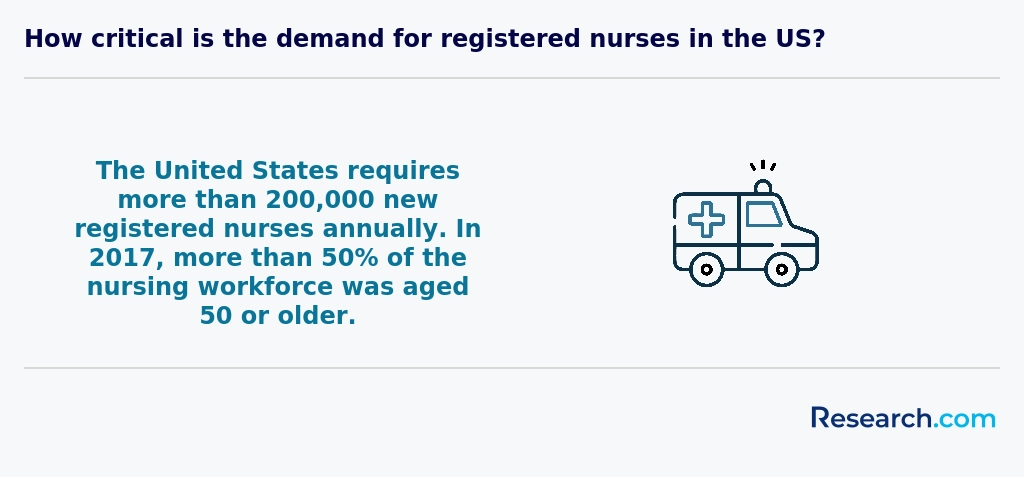
Many young professionals express a sense of fulfillment knowing their work directly impacts community health, with salaries for registered nurses in Delaware being competitive compared to national figures. However, what often surprises students is the importance of certifications-nurses must be licensed by the Delaware Board of Nursing-to open doors to these rewarding roles. Those pursuing this path often consider accelerated bachelor's degree programs to quickly adapt to the fast-changing healthcare landscape and increase their employability.
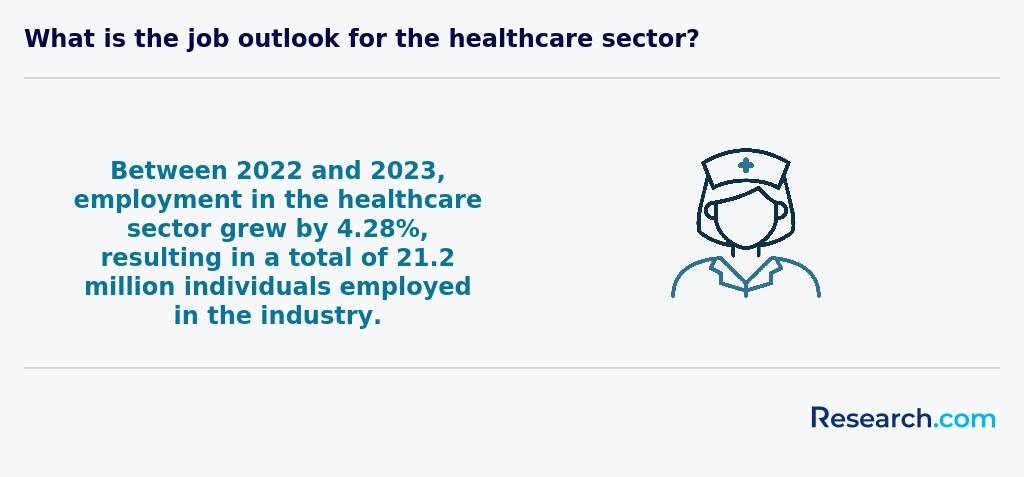
Looking forward, the Delaware healthcare employment outlook 2027 projects growth that outpaces many other industries, suggesting that healthcare degree holders here will continue to enjoy not just jobs, but meaningful careers. These prospects inspire students to view their studies as investments in both personal satisfaction and long-term stability.
Frequently Asked Questions About healthcare
Healthcare degree students in Delaware can maximize their learning by actively engaging in clinical rotations offered through partnerships with local facilities like ChristianaCare, one of the state's largest healthcare providers. Hands-on experience is crucial for building practical skills. Additionally, students should take advantage of Delaware Technical Community College's affordable programs, which align with state workforce demands.
Joining student organizations related to healthcare fields encourages networking and professional growth. According to the Delaware Department of Health and Social Services, the state expects a 15% growth in healthcare jobs by 2030, highlighting the importance of gaining diverse experiences during studies.
Finally, utilizing campus resources such as tutoring and career services can enhance academic performance and job placement opportunities.
The healthcare field in Delaware is rapidly evolving, with several emerging niches gaining traction. Telehealth, for instance, has expanded significantly due to its ability to provide remote medical services, a trend accelerated by the COVID-19 pandemic. According to the Delaware Healthcare Association, telemedicine visits increased by over 200% from 2020 to 2022.
Another growing area is geriatric care, reflecting Delaware's aging population; by 2030, over 20% of the state's residents will be 65 or older, driving demand for specialized healthcare professionals. Additionally, fields like health informatics and biotechnology are becoming more prominent, focusing on data-driven care and medical innovations.
After completing a healthcare degree in Delaware, preparing for the job market involves several strategic steps. First, obtaining relevant certifications and licenses specific to your healthcare profession is essential, as Delaware requires credentials such as Registered Nurse licensure through the Delaware Board of Nursing.
Networking plays a crucial role; joining local professional organizations like the Delaware Healthcare Association can connect graduates with employers. Internships and clinical experience gained during study are valued by Delaware healthcare employers like ChristianaCare and Bayhealth.
Finally, Delaware's healthcare sector is growing, with a projected 15% increase in health services jobs by 2030 according to the Delaware Department of Labor, highlighting strong employment prospects for well-prepared candidates.
Employers in Delaware's healthcare sector prioritize a mix of technical knowledge and interpersonal skills in graduates. Proficiency in patient care, electronic health records (EHR) management, and medical terminology are essential. According to the Delaware Department of Labor, communication skills and teamwork rank highly, reflecting the collaborative nature of healthcare environments.
Critical thinking and problem-solving abilities are also vital, as healthcare professionals must often make quick, informed decisions. Additionally, familiarity with Delaware's healthcare regulations and safety standards improves a candidate's job readiness. With healthcare jobs in Delaware expected to grow by 12% through 2030, showing adaptability and a commitment to continuing education is increasingly valuable.
Finding internships in Delaware related to healthcare degrees involves leveraging local hospitals, clinics, and educational institutions. Many healthcare employers partner with universities like the University of Delaware and Delaware State University to offer internship opportunities. These internships provide hands-on experience crucial for careers in nursing, public health, or medical technology.
Students should also explore resources such as the Delaware Healthcare Association and the Delaware Department of Health and Social Services, which occasionally list internship openings. According to Delaware Health Statistics Center, healthcare jobs in the state are growing by about 10% annually, increasing internship availability.
Networking at career fairs and using university career centers can further help students connect with internships in local healthcare settings.
Obtaining a healthcare degree in Delaware significantly enhances career mobility and advancement opportunities within the state's expanding healthcare sector. Delaware's healthcare industry employs over 68,000 workers, with projections indicating steady growth through 2030 (U.S. Bureau of Labor Statistics, 2023). A formal degree provides essential credentials recognized by local employers and state licensure boards, critical for roles such as registered nurses, physical therapists, and healthcare administrators.
Graduates benefit from access to higher-paying positions and specialized roles requiring advanced education. For example, those with a bachelor's or master's degree often qualify for supervisory or clinical specialist roles.
Additionally, healthcare degrees in Delaware support transitions between various healthcare fields, facilitating career shifts aligned with workforce demands documented by the Delaware Department of Labor.
Studying for a healthcare degree in Delaware offers students strong preparation for interdisciplinary roles due to the state's emphasis on collaborative healthcare education. Delaware's institutions often incorporate team-based learning, exposing students to multiple healthcare disciplines such as nursing, public health, and health administration.
The Delaware Health Sciences Alliance supports integration among schools and healthcare providers, ensuring students gain practical experience in diverse clinical and community settings. According to the Delaware Department of Health and Social Services, this approach aligns with state healthcare needs, where coordinated care models are increasingly important.
Additionally, Delaware's focus on serving an aging population and addressing chronic diseases encourages students to develop communication and problem-solving skills essential for interdisciplinary teamwork. These experiences help graduates become effective contributors in multidisciplinary healthcare teams across the state.
Choosing between a thesis and a non-thesis healthcare degree program in Delaware depends on your career goals and learning preferences. Thesis programs emphasize research, requiring a written thesis based on original study. This path is ideal if you aim for roles in academic research, healthcare policy, or plan to pursue a doctoral degree.
Non-thesis programs focus more on practical skills and coursework, suitable for those targeting clinical or administrative positions in Delaware's healthcare sector. According to Delaware's Department of Health and Social Services, healthcare jobs are growing 15% faster than average, highlighting the need for both research and practical expertise.
Consider program duration and faculty guidance, as thesis tracks often take longer and need close mentoring.
Students based in Delaware who wish to study healthcare abroad have several avenues to explore. Many universities in Delaware maintain exchange programs with international institutions, allowing students to earn credits overseas while completing their degree. According to EducationUSA, participation in study abroad for healthcare students is growing steadily, with programs emphasizing clinical experience and global health perspectives.
Delaware students can also consider accredited global universities offering healthcare degrees recognized by U.S. credential evaluators. Popular destinations include Canada, the United Kingdom, and Australia, where healthcare education aligns well with U.S. standards.
Moreover, financial aid and scholarships specific to Delaware residents may be available, facilitating international study. It is advisable to consult Delaware's higher education offices and institutions for tailored guidance and opportunities.
Delaware offers various part-time job opportunities that can enhance healthcare degree education. Many students find positions as medical assistants, nursing aides, or phlebotomy technicians in local hospitals and clinics. These roles provide hands-on experience with patient care and administrative tasks.
Pharmacies and senior care facilities in Delaware also frequently hire healthcare students part-time. According to the Delaware Department of Labor, healthcare support occupations are among the fastest growing in the state, with a projected 15% increase by 2030.
Additionally, internships and research assistant roles at institutions such as ChristianaCare or Bayhealth provide valuable exposure to clinical environments and healthcare management, complementing academic studies efficiently.
Healthcare students in Delaware benefit from diverse networking opportunities through local universities and health organizations. Institutions like the University of Delaware and Delaware State University offer student chapters of national healthcare associations, where students can connect with professionals and peers.
The Delaware Healthcare Association hosts regular events that provide access to industry leaders and potential employers, supporting career development. Additionally, Delaware's proximity to major medical hubs such as Philadelphia expands networking possibilities through conferences and seminars.
According to the Delaware Department of Health and Social Services, internships and clinical placements at state hospitals and clinics frequently lead to valuable professional contacts important for healthcare careers.
Alumni networks play a vital role in supporting healthcare degree students in Delaware by connecting them with experienced professionals across the state's medical sector. Delaware's healthcare industry employs over 60,000 people, making these networks valuable for job placement and career advancement.
Through alumni groups, students gain access to mentoring, internships, and professional events, which help them build practical skills and professional relationships. Many Delaware healthcare schools maintain active alumni associations that facilitate these opportunities.
Additionally, alumni often share insights on evolving healthcare trends specific to Delaware, such as the growth in telehealth services, helping students stay informed and competitive.
Customizing a healthcare degree program in Delaware allows students to align education with specific career goals. Many institutions offer flexible course options, including concentrations in nursing, health administration, or public health, enabling focused expertise.
Students can also select internships and clinical placements within Delaware's diverse healthcare system, which includes major facilities like ChristianaCare and Bayhealth. These practical experiences are essential to gaining relevant skills.
Additionally, Delaware schools often provide opportunities for online or hybrid classes, accommodating working professionals. According to the Delaware Department of Labor, healthcare jobs in the state are expected to grow 14% from 2020 to 2030, underlining the importance of tailored education.
Healthcare students in Delaware often face several notable challenges during their studies. One key issue is the high demand for clinical placement sites. Delaware's limited number of hospitals and healthcare facilities can make securing hands-on training difficult, impacting timely program completion. According to the Delaware Department of Health and Social Services, clinical availability remains a bottleneck for many students.
Financial burden is another challenge. Tuition costs alongside living expenses in areas like Wilmington can be significant, especially for students balancing work and study. Limited state scholarships and grants increase reliance on loans.
Additionally, healthcare programs require mastery of complex science and technical skills, which some students find demanding without adequate academic support. Finally, keeping pace with rapidly evolving healthcare technology and regulations adds pressure for continuous learning.
With a healthcare degree in Delaware, graduates can pursue a variety of professional certifications that enhance their career opportunities. Common certifications include Registered Nurse (RN) licensure, Certified Medical Assistant (CMA), and Emergency Medical Technician (EMT). The Delaware Board of Nursing regulates RN licensing, ensuring candidates meet education and examination requirements.
Other in-demand certifications include Certified Pharmacy Technician (CPhT) and Medical Coding Specialist credentials. According to Delaware's Department of Labor, healthcare jobs are expected to grow by 20% between 2020 and 2030, highlighting the demand for certified professionals.
Each certification requires passing standardized exams and, in some cases, continuing education to maintain credentials.
To write a winning application for a healthcare program in Delaware, start by clearly demonstrating your passion for healthcare and commitment to improving community health. Delaware universities value applicants who showcase relevant volunteer or work experience, especially in clinical or support roles.
Highlight academic achievements and make sure your GPA meets program requirements. According to the Delaware Department of Health and Social Services, healthcare occupations are growing rapidly, so showing awareness of local healthcare challenges can set your application apart.
Strong letters of recommendation from healthcare professionals enhance credibility. Finally, tailor your personal statement to reflect Delaware's healthcare environment and the specific program's mission.
Healthcare careers in the US, including Delaware, are increasingly viewed through a global lens, reflecting worldwide demand for skilled professionals. The World Health Organization highlights that the global healthcare workforce will need to grow by 40 million by 2030, emphasizing the importance of international standards in healthcare education. In Delaware, institutions align their programs with these standards to prepare graduates for diverse healthcare environments.
Delaware's healthcare sector is projected to grow by 16% through 2030, faster than the national average, according to the Delaware Department of Labor. This growth mirrors global trends showing increased investments in health services.
Understanding global health challenges-such as pandemics and aging populations-is essential, and Delaware's programs increasingly incorporate this perspective into their curricula to equip students for both local and international opportunities.
Gaining practical experience while studying for a healthcare degree in Delaware is crucial for building skills and improving employability. Many degree programs incorporate clinical rotations and internships, often in partnership with local hospitals and healthcare facilities such as ChristianaCare, the state's largest healthcare provider. These opportunities allow students to work directly with patients under professional supervision.
Delaware's community colleges and universities often coordinate internships and externships across nursing homes, clinics, and rehabilitation centers. Additionally, programs accredited by organizations like the Commission on Accreditation of Allied Health Education Programs (CAAHEP) ensure hands-on training is part of the curriculum.
Students can also engage in volunteer work or research projects at institutions like the Delaware Academy of Medicine. These experiences supplement classroom learning with real-world exposure, critical for future healthcare careers.
Choosing the right concentration within a healthcare degree program in Delaware begins with assessing your career goals and interests. Delaware's healthcare sector is growing, with the Delaware Health Care Commission noting a 12% increase in healthcare jobs since 2018. Popular concentrations include nursing, public health, and healthcare administration, each offering different career paths.
Consider labor market demands: nursing remains the largest employer, while public health focuses on community wellness, vital given Delaware's aging population. Healthcare administration may suit those seeking leadership roles. Reviewing program accreditation and internship opportunities in Delaware hospitals or clinics can also guide your decision, ensuring hands-on experience and networking within the local healthcare system.
Related Healthcare Rankings for Nearby States
- 2027 Most Popular Healthcare Degree Programs Ranking in New Jersey
- 2027 Most Popular Healthcare Degree Programs Ranking in Connecticut
- 2027 Most Popular Healthcare Degree Programs Ranking in Kentucky
- 2027 Most Popular Healthcare Degree Programs Ranking in Massachusetts
- 2027 Most Popular Healthcare Degree Programs Ranking in New Hampshire
- 2027 Most Popular Healthcare Degree Programs Ranking in Georgia
- 2027 Most Popular Healthcare Degree Programs Ranking in Maine
- 2027 Most Popular Healthcare Degree Programs Ranking in Michigan
- 2027 Most Popular Healthcare Degree Programs Ranking in Florida
- 2027 Most Popular Healthcare Degree Programs Ranking in Illinois
Top Trending Healthcare Rankings
See What Experts Have To Say About Studying Healthcare
Read our interview with Healthcare experts

References
- Global Health Perspectives https://www.denvercollegeofnursing.edu/students/global-health-perspectives.html
- Financial Aid Loan Program - Delaware Health Force https://dehealthforce.org/financial-aid-loan-program-expansion/
- University of Delaware Online Healthcare MBA Program https://www.mhaonline.com/school-profiles/university-of-delaware-online-healthcare-mba-programs-dual-specialization
- Advance Your Education and Career While Working in Healthcare https://www.hospitalrecruiting.com/blog/4236/advance-your-education-and-career-while-working-in-healthcare/
- How a Strong Alumni Network Can Benefit Students https://www.pacificu.edu/blog/how-strong-alumni-network-can-benefit-students
- Healthcare Careers & Accredited Degree Programs https://www.healthcaredegree.com/
- Global Health Perspectives https://globalhealthperspectives.com/
- Education requirements for the fastest-growing healthcare jobs https://www.corridorcareers.com/job-tips/blog-news-education-requirements-fastest-growing-healthcare-jobs
- The Role of Interdisciplinary Studies in Medical Career Training https://georgia-med.com/the-role-of-interdisciplinary-studies-in-medical-career-training.html
- How to choose a bachelor's in healthcare administration | edX https://www.edx.org/resources/how-to-choose-a-bachelors-in-healthcare-administration


