
2027 Most Popular Healthcare Degree Programs Ranking in Maine

Co-Founder and Chief Data Scientist
Choosing the right healthcare degree program can shape your future career in meaningful ways. This article introduces the 2027 Most Popular Healthcare Degree Programs Ranking in Maine, created by the Research.com team of data scientists. It's designed to help you make an informed decision about which programs stand out in the state.
By exploring this ranking, you'll gain valuable insights into reputable options that match your goals and interests. A healthcare degree opens doors to rewarding opportunities, making a positive difference in your community.
Key benefits of getting healthcare degree in Maine
- Healthcare degree graduates in Maine can expect solid salaries, such as Medical Assistants averaging $43,350 annually and Quality Improvement Coordinators earning up to $103,150, offering financial stability and rewarding careers.
- Graduates from University of New England often explore diverse careers like Patient Care Technicians or Health Information Technicians, benefiting from flexible roles in hospitals, clinics, or insurance agencies.
- Online healthcare degrees from institutions like University of Southern Maine provide convenience and accessibility, allowing students to balance studies with work while gaining skills equal to traditional programs.
- Key benefits of getting healthcare degree in Maine
- What can I expect from healthcare degree in Maine?
- Where can I work with healthcare degree in Maine?
- How much can I make with healthcare degree in Maine?
- 2027 Most Popular Healthcare Degree Programs Ranking in Maine
- Key Findings
- How long does it take to complete healthcare degree in Maine?
- Career Paths and Advancement Opportunities
- What's the difference between online and on-campus healthcare degree?
- Career Paths: Exploring Diverse Opportunities in Healthcare
- What is the average cost of healthcare degree in Maine?
- Career Paths: Mapping Success in Maine's Healthcare Field
- What financial aid is available to healthcare degree students in Maine?
- Career Paths in Healthcare
- What are the prerequisites for enrolling in healthcare degree program in Maine?
- Career Paths After a Healthcare Degree in Maine
- What courses are typically in healthcare degree programs in Maine?
- What types of specializations are available in healthcare degree programs in Maine?
- How do you choose the best healthcare degree in Maine?
- What career paths are available for healthcare degree students in Maine?
- What is the job market for healthcare degree in Maine?
- Related Healthcare Rankings for Nearby States
- Top Trending Healthcare Rankings
- See What Experts Have To Say About Studying Healthcare
What can I expect from healthcare degree in Maine?
The average cost of earning a healthcare degree in Maine varies quite a bit depending on where you study. For example, students at the University of New England or the University of Southern Maine often find tuition to be between $10,000 and $25,000 per year. This may sound steep, but many graduates say that financial aid and scholarships really help ease the burden. Plus, community colleges like Central Maine Community College offer more affordable options, often around $4,000 to $7,000 per year, which is great if you're looking to keep costs down while still getting solid training.
Graduates often mention how worthwhile the investment feels once they land internships at local hospitals or clinics-experiences that make the cost feel like an opportunity rather than just an expense. Many students get hands-on practice during their programs, which boosts their confidence and readiness for real healthcare jobs in Maine. So even if tuition can be tricky to navigate at first, the combination of quality education and actual field experience makes it worthwhile for many.
Where can I work with healthcare degree in Maine?
With a healthcare degree in Maine, you'll find plenty of doors wide open. Graduates from schools like the University of New England and Maine Medical Center's training programs often land jobs in big hospitals such as Maine Medical Center in Portland or Eastern Maine Medical Center in Bangor. Imagine being part of a team providing hands-on nursing care or managing operations where you make a real impact every day.
Many grads also thrive in long-term care places, helping elderly patients in nursing homes or assisted living centers. It's rewarding work, especially with Maine's growing senior population needing compassionate professionals.
Others find fulfilling roles in rural clinics where healthcare access is tight, tackling challenges and making a difference in smaller communities. If you're into public health, there are gigs with local health departments and CDC offices that focus on everything from disease prevention to community education.
Plus, if tech or pharmacy sounds more your style, labs, telehealth, and insurance companies are on the rise, offering cool career paths beyond the usual hospital job.
How much can I make with healthcare degree in Maine?
If you're studying healthcare in Maine, you're probably curious about what kind of paycheck to expect once you graduate. Graduates from popular schools like the University of New England or the University of Southern Maine often land jobs that pay quite well compared to many other fields in the state.
For example, a medical assistant in Maine usually earns around $43,350 a year, which feels pretty good starting out. Patient care techs, who get to work closely with patients, make about $60,790 annually, giving you a solid boost after graduation. If you're into the tech side of healthcare, health information technicians pull in about $43,380 yearly. And for those who want to step into roles with more responsibility, like quality improvement coordinators, the average salary jumps to over $100,000 - which is a huge motivator.
Many graduates from Maine's colleges share how exciting it feels to start a career with steady pay and the chance to grow. Knowing these numbers helps you picture yourself thriving in healthcare right here in Maine.
2027 Most Popular Healthcare Degree Programs Ranking in Maine
How do we rank schools?
Investing in your education is a significant decision that can shape your future, and the Research.com team recognizes the importance of making well-informed choices. To support prospective students in Maine, we have carefully developed the "2027 Most Popular Healthcare Degree Programs Ranking in Maine." Our dedication to quality, credibility, and accuracy is evident in the thorough research and analysis behind this ranking.
We utilized the following reputable data sources to ensure a comprehensive evaluation of healthcare degree programs:
By exploring this ranking, readers will gain valuable insights into the most popular and respected healthcare programs in Maine, enabling them to choose educational paths that align with their goals. For more details on our methodology, please visit our Research.com methodology page.


Key Findings
- Maine offers healthcare degree programs in nursing, medical technology, public health, and allied health at public and private institutions.
- Annual tuition for in-state students at public universities ranges from $10,000 to $15,000, while private colleges can charge over $30,000 per year.
- Starting salaries for healthcare graduates in Maine range from $45,000 to $60,000, with registered nurses starting around $55,000 annually.
- Mid-career healthcare professionals typically earn between $65,000 and $85,000 per year.
- The healthcare job market in Maine is growing faster than average, especially in nursing, home health care, and physical therapy.
- Licensing and certification requirements are state-regulated and often included in healthcare program curricula to prepare students for exams.
How long does it take to complete healthcare degree in Maine?
If you're thinking about a healthcare degree in Maine, the time it takes really depends on what kind of program you pick. Some folks go for quick certificate programs that can be wrapped up in six months to a year-perfect if you want to jump right into roles like medical assistant or certified nursing assistant. It's a great way to get your foot in the door fast.
Others aim for an associate degree, like the ADN, which usually takes about two years full-time. Graduates from programs at places like the University of Southern Maine often say this timeframe felt just right to build solid skills without feeling overwhelmed.
Going for a bachelor's, such as a BSN, typically means about four years. Many grads from Maine's colleges appreciate how that extra time prepares them for a broader range of jobs and licensure.
And if you're thinking bigger, master's degrees can tack on two years, with doctoral paths stretching anywhere from three to seven years, depending on your pace. Lots of students love that Maine schools offer flexible or part-time options, so you can study without putting life on hold.
Career Paths and Advancement Opportunities
Graduates with a Healthcare degree in Maine have a wealth of career trajectories available, from entry-level clinical roles to leadership positions within healthcare organizations. After gaining foundational experience as a Patient Care Technician or Health Information Technician, many professionals move into specialized or supervisory roles, leveraging their clinical expertise to oversee teams, manage operations, or coordinate patient services. Common advancement pathways include:
- Clinical Leadership: Transitioning from bedside care to roles such as Charge Nurse, Nurse Manager, or Clinical Coordinator, where you lead care teams and ensure quality standards.
- Health Informatics and Data Analytics: Specializing in electronic health records (EHR) management, data security, and process improvement to optimize patient outcomes.
- Healthcare Administration: Serving as Department Manager, Practice Administrator, or Operations Director, where strategic planning and regulatory compliance are key responsibilities.
- Public Health and Policy: Advancing into community health leadership, health education, or policy analysis roles to influence population health initiatives. Many graduates choose to further enhance their qualifications through graduate study or specialized certifications. For those planning to pursue a master's degree in healthcare administration, nursing, or public health, the Affordable Online Master's in Healthcare Degree Programs Ranking in Virginia provides a curated list of cost-effective programs that combine flexibility with rigorous curricula. Engaging with professional associations-such as the American Association of Healthcare Administrative Management (AAHAM) or the American Health Information Management Association (AHIMA)-and obtaining certifications like Certified Professional in Healthcare Quality (CPHQ) or Certified Healthcare Manager (CHM) can further accelerate career growth and open doors to executive-level opportunities.
What's the difference between online and on-campus healthcare degree?
If you're thinking about a healthcare degree in Maine, choosing between online and on-campus can really shape your experience. Online programs, like those offered through the University of Maine system, give you the freedom to study from home or anywhere in the state, which is a game-changer if you're juggling work or family. Graduates often say how much they loved the flexibility to create their own schedules without worrying about commuting or housing costs.
On the flip side, on-campus degrees at places like the University of New England offer more hands-on training. Students talk about the value of real-time labs and clinical practicum where they get face-to-face patient experience, which builds confidence for future healthcare roles. Being in-person also means you get that immediate support from teachers and peers, making it easier to bounce ideas around.
Both paths require clinical hours to get licensed, so whichever you pick, expect a mix of study and practical work. It's basically about figuring out what fits your life and learning style best in Maine's healthcare scene.
Career Paths: Exploring Diverse Opportunities in Healthcare
Healthcare graduates in Maine benefit from a multitude of career pathways that cater to various interests and specializations. Whether you are inclined toward direct patient care or administrative roles, the healthcare field offers dynamic opportunities that provide both professional growth and personal fulfillment. For example, many alumni find rewarding careers as Registered Nurses, Health Information Technicians, or even in emerging roles such as Telehealth Coordinators. Moreover, some graduates progress into specialized fields like public health, healthcare technology, and hospital management, ensuring that each professional can align their skills with the demands of the industry. In addition, partnering with educational programs that emphasize real-world experience can significantly enhance career prospects. Prospective students can review resources, such as the most affordable healthcare programs in maine, to identify cost-effective pathways that do not compromise on quality. By networking with experienced professionals, attending local healthcare job fairs, and seeking mentorship, graduates position themselves to thrive in Maine’s competitive job market. Adopting a proactive approach in planning your career trajectory is essential-keeping up with industry trends and continually upgrading your skills will ensure long-term success in this ever-evolving field.
What is the average cost of healthcare degree in Maine?
The average cost of a healthcare degree in Maine usually falls around $17,000 for in-state students, but the total expenses can be quite a bit higher when you factor in all the extras like books, fees, and supplies. Many people aiming for healthcare degrees at public universities in Maine find tuition to be fairly manageable compared to out-of-state rates, which tend to double the cost. Graduates from popular Maine colleges often share how focusing on public options really helped them keep expenses down without sacrificing quality.
Community colleges are a great example of affordable healthcare education options in Maine. Students pursuing associate degrees or certifications in areas like medical assisting or LPN programs pay about $7,000 a year in tuition, making it a common choice for those wanting an accessible path into healthcare careers. Plus, programs at these colleges usually come with less debt stress, which is a huge relief for many.
On the flip side, private institutions can push costs closer to $30,000 or more annually, but many students find financial aid and scholarships soften the blow, especially if they choose specialized healthcare fields. It's always smart to look into support options because almost 60% of healthcare students in Maine get some kind of aid. If you want to explore the details on costs and find the most affordable healthcare programs in Maine, there are helpful rankings and resources available for you to compare.
Thinking about the average cost of healthcare degree in Maine means balancing all these options. The goal is to find a path that fits your budget while getting you the hands-on experience and knowledge to succeed in healthcare.

Career Paths: Mapping Success in Maine's Healthcare Field
Pursuing a healthcare degree in Maine opens a wealth of career opportunities that extend far beyond traditional roles, allowing graduates to tailor their career paths to their individual strengths and interests. From clinical roles such as registered nurses, physician assistants, and medical laboratory technicians to administrative careers including healthcare management and policy, graduates have the flexibility to shape a path that aligns with both their passion and market demand. Many professionals also explore innovative fields like telehealth and health informatics that are redefining patient care in today’s digital age. Understanding each career avenue is essential, and researching programs that offer specialized training can greatly enhance residency in high-demand areas. For instance, students interested in balancing quality education with affordability should consider exploring most affordable healthcare programs in maine, which provide competitive curricula coupled with hands-on experiences. Leveraging internships, mentorships, and professional network events in Maine can also be a critical factor in discovering the perfect niche. By aligning personal goals with these opportunities, graduates can not only enter the workforce with confidence but also continuously grow their careers in a dynamic and evolving healthcare landscape.
What financial aid is available to healthcare degree students in Maine?
If you're studying healthcare in Maine, there's a good chance you'll tap into some solid financial aid options to help cover those tuition fees, which can climb up to $20,000 a year at public schools. Many students at places like the University of Maine start by filling out the FAFSA to grab federal aid-think Pell Grants that can give you up to $7,395 annually without having to pay it back. That's a real game-changer when you're juggling books and bills.
Then there's state help from MOSFA, which offers grants specifically for Maine residents. Some healthcare students have shared how the Maine State Grant shaves off up to a grand from their tuition, easing the stress. Plus, scholarships aimed just at healthcare fields-from nursing to allied health-are available both through university programs and groups like the Maine Center for Nursing. That's where you feel folks really want you to succeed.
Work-study gigs are also a popular route. Many healthcare students love landing positions related to their field while studying-it's not just extra cash but real-world experience. And if you're already working in healthcare, some local employers toss in tuition reimbursement, which is a super nice perk.
Loans are there too, mostly federal ones first since they tend to have better terms. Private loans exist but usually come with higher rates. Overall, with all these options tailored for Maine healthcare students, tackling the costs feels way more doable.
Career Paths in Healthcare
Healthcare degrees in Maine unlock a diverse array of career opportunities tailored to a wide range of interests and skills. Graduates can pursue traditional roles such as nursing, where they can work as Registered Nurses or Licensed Practical Nurses, and explore specialized fields like public health, healthcare administration, and allied health professions. Additionally, emerging career tracks in health informatics and telemedicine are reshaping how care is delivered, ensuring that graduates remain competitive in the modern job market. For those interested in hands-on patient care, opportunities abound in roles that provide direct support to medical teams-positions that range from clinical support to administrative oversight. For example, students can consider exploring accelerated programs like medical assistant classes, which deliver fast-tracked training and practical experience in key healthcare settings. Other career pathways include positions in rehabilitation services, laboratory technology, and emergency medical services. These roles not only allow graduates to provide critical care but also offer substantial growth prospects as the need for specialized healthcare professionals continues to rise. Whether aiming for patient interaction or preferring a behind-the-scenes role in healthcare management, Maine’s academic programs and local industry connections create a supportive environment for launching a successful career. This robust framework of career paths provides a clear roadmap for prospective students, ensuring that they can align their educational choices with long-term professional goals in a booming industry.
What are the prerequisites for enrolling in healthcare degree program in Maine?
If you're thinking about diving into a healthcare degree in Maine, you'll need to check off a few key prerequisites first. Most programs, like those at the University of Maine, want you to have finished high school or earned a GED with solid grades. Courses in biology, chemistry, and math really help-imagine sitting in anatomy or chemistry labs having a good grasp of the basics already.
In fact, many healthcare students I've heard about had to complete specific classes like biology with lab, chemistry with lab, anatomy and physiology, math (think college algebra or stats), and English. These set the foundation so you're ready to tackle the tougher stuff later on.
Beyond classes, volunteering or working in healthcare roles is often encouraged. One graduate shared how volunteering at a local hospital not only boosted their application but made the whole process feel real, sparking more excitement about their career path.
For advanced degrees, like nursing master's programs, having a bachelor's-preferably in science or healthcare-is usually a must. Tests like the TEAS are common too, helping schools see you're prepared for the challenge ahead. So, prepping well upfront makes studying healthcare in Maine both manageable and rewarding.
Career Paths After a Healthcare Degree in Maine
Graduates with a healthcare degree in Maine can pursue a wide array of career trajectories, from clinical roles to administrative leadership. Many begin their journey as entry-level practitioners-such as Medical Assistants, Patient Care Technicians, or Health Information Technicians-before advancing into specialized or supervisory positions. For those interested in hands-on patient care, enrolling in an online physical therapist assistant program can open doors to roles in rehabilitation clinics, hospitals, and long-term care facilities, where they work under the direction of licensed physical therapists to improve patient mobility and recovery. Nurses and allied health professionals often follow a clear progression: after obtaining certifications like CNA or LPN, they may advance to Registered Nurse (RN) status through bridge programs, and later specialize in areas such as pediatrics, critical care, or geriatrics. Public Health graduates might start as community health workers or epidemiology technicians, then move into leadership roles within state health departments or nonprofit organizations, spearheading disease prevention initiatives and policy development. For those drawn to non-clinical paths, healthcare administration offers roles like Practice Manager, Health Services Coordinator, or Quality Improvement Analyst. Professionals typically begin in support positions-such as medical billing or compliance-and, with experience and possibly a Master of Healthcare Administration (MHA), assume executive responsibilities overseeing budgets, staffing, and patient satisfaction metrics. Advancement often hinges on continuous learning: earning certifications (e.g., Certified Professional in Healthcare Quality), attending industry conferences, and networking through local associations like the Maine Healthcare Executives Forum. By mapping potential roles and aligning skills with industry needs, graduates can navigate a dynamic job market and achieve long-term career satisfaction.
What courses are typically in healthcare degree programs in Maine?
When you dive into a healthcare degree in Maine, like at the University of Maine or other local colleges, you'll quickly find yourself exploring a mix of courses that cover everything from human anatomy to healthcare law. Graduates often say getting hands-on with anatomy and physiology made it feel like they were stepping inside the human body-super cool and practical for later clinical work.
Courses in microbiology and medical terminology are common, helping you get fluent in the language doctors and nurses use every day. Alongside that, you'll learn about pharmacology, chemistry, and nutrition-basically everything you need to understand how treatments affect patient wellness.
Many students appreciate the healthcare ethics and law classes because they highlight real challenges in patient care and confidentiality, preparing you for the real-world messiness of healthcare regulations in Maine.
You'll also get a taste of healthcare management and informatics, which is great since Maine's healthcare systems are moving fast with digital tech. Plus, practical experiences like internships at Maine hospitals or clinics give students a chance to put theory into action, building confidence before jumping into the workforce.
What types of specializations are available in healthcare degree programs in Maine?
If you're looking into healthcare degree specializations in Maine, you'll find plenty of options tailored to real-world needs here. Graduates from popular colleges often talk about how nursing tracks-like pediatric care or gerontology-gave them the confidence to handle busy hospital floors or care for the elderly in local communities. Others have found a passion for health informatics, working behind the scenes to manage patient data and make healthcare smoother with tech.
Public health is another major focus, especially in Maine where supporting aging and rural populations is a big deal. You'll hear stories of grads helping their communities stay healthier by promoting disease prevention and wellness programs. Then there's healthcare administration, which is perfect if you're more into leading teams and navigating policies at clinics or hospitals.
For those who want hands-on rehab work, physical and occupational therapy programs prepare students for rewarding careers helping people regain independence. And if you want a quicker pathway, many also explore medical assistant classes as a solid start to the healthcare field.
These popular healthcare fields in Maine colleges really reflect the state's diverse and growing healthcare needs, making your degree valuable and relevant here.
How do you choose the best healthcare degree in Maine?
Picking the best healthcare degree in Maine starts with thinking about what job you want after graduation. Graduates from places like the University of Maine at Augusta often mention how helpful it was to choose programs that offer real hands-on experience, like clinical placements at local hospitals. This kind of practical training makes a huge difference when you're entering the workforce. If you're exploring options, it's smart to check out well-known healthcare career options in Maine that suit your interests, whether that's nursing, health administration, or even the physical therapist assistant program some students rave about.
Cost and program reputation matter too. Many students find that public community colleges in Maine give them a solid education without stacking up debt. Graduates say it feels good knowing their degree is accredited and will prepare them well for licensure exams. Plus, programs with strong job placement support get praise from alumni, especially since Maine's healthcare scene is growing quickly-making it easier to land a role right after school.
What career paths are available for healthcare degree students in Maine?
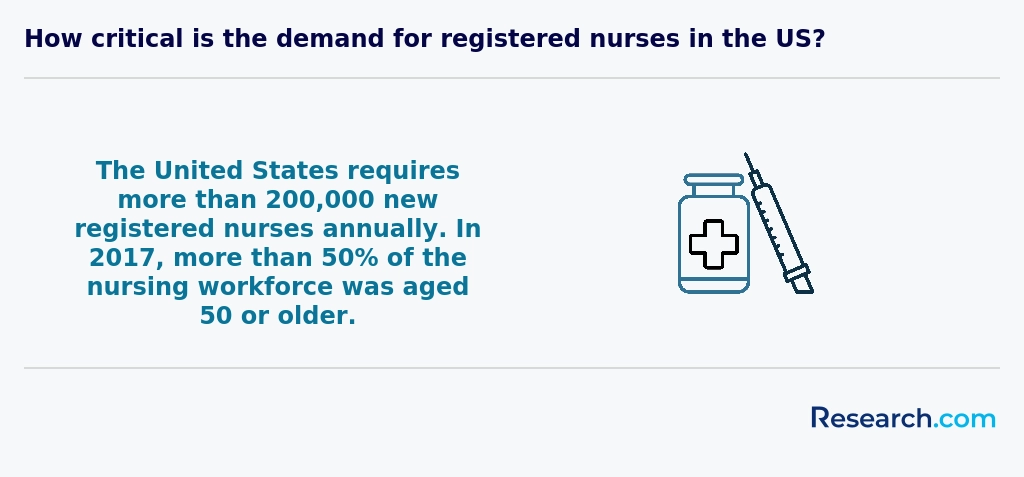
If you're thinking about healthcare degree jobs in Maine, there's actually a ton of exciting paths you can explore. Graduates from popular schools like the University of Southern Maine often step right into roles like registered nurses, where demand is solid and the job offers rewarding hands-on care. Others dive into specialized fields like respiratory therapy or radiologic technology, working in local hospitals or clinics, which means you're helping people right in your own community.
Some graduates find their sweet spot in administration-handling healthcare management or health services, which is perfect if you enjoy leadership combined with healthcare knowledge. Maine's growing healthcare landscape really values those skills.
And if you want to combine practical experience with education, many Maine programs offer clinical placements nearby, making it easier to get real-world exposure while you study. If you want to check out affordable pathways, here's a great resource: Affordable Online Master's in Healthcare Degree Programs Ranking in Virginia.
Overall, healthcare career opportunities in Maine are diverse and growing, giving you plenty of ways to turn your passion into a fulfilling profession.
What is the job market for healthcare degree in Maine?
The healthcare job outlook in Maine is pretty encouraging right now, especially if you're thinking about diving into nursing or healthcare administration. Graduates from schools like the University of Maine often share how easy it feels to find job openings in both rural and urban areas-demand seems to be everywhere. With over 18,000 licensed nurses in the state and a steady 15% growth expected through 2030, it's clear that employers are actively looking for fresh talent. For many alumni, landing a position with a starting salary near $74,000 makes the effort totally worth it.
If you're leaning toward healthcare management or public health, there are even more chances waiting, with job growth projections topping 20%. Plus, Maine's in-state tuition rates at public universities usually come in below the national average, so you won't have to break the bank. Many students find that combining local programs with available financial aid and workforce grants helps make their path smoother. Some opt for accelerated associate degrees to jump-start their careers faster-great for those eager to get working sooner.
Overall, Maine offers solid Maine healthcare degree employment opportunities that match well with the state's growing healthcare needs, making it a smart choice for anyone ready to enter this thriving field.
Frequently Asked Questions About healthcare
Healthcare degree students in Maine can maximize their learning by engaging deeply with both academic and practical experiences. Hands-on clinical placements are crucial; Maine's growing healthcare sector offers numerous internships and residency programs in hospitals such as Maine Medical Center. These experiences build essential skills and professional networks.
Additionally, students should take advantage of Maine's focus on community health, as rural and elderly populations create unique healthcare demands. Participating in public health projects or volunteering can improve cultural competence and adaptability.
Utilizing resources like the MaineHealth Institute for Research can enhance understanding of current healthcare challenges in the state. Balancing rigorous coursework with real-world application prepares students effectively for Maine's healthcare environment.
The healthcare field in Maine is evolving with several emerging niches gaining traction. One key area is geriatric care, driven by Maine having the highest percentage of residents aged 65 and older in the U.S., according to the U.S. Census Bureau. This demographic shift increases demand for specialized professionals in elder care and chronic disease management.
Another growing niche is telehealth, which expanded rapidly during the COVID-19 pandemic. Maine's rural populations benefit from telehealth services, creating opportunities for healthcare workers skilled in digital platforms and remote patient monitoring.
Additionally, behavioral health services are increasingly important, as mental health awareness rises statewide. Careers in substance abuse counseling and psychiatric nursing are expanding to meet these needs, highlighting the importance of specialized healthcare education in these areas.
After completing a healthcare degree in Maine, preparing for the job market involves several key steps. Graduates should obtain necessary licenses or certifications relevant to their field, such as CNA, LPN, or RN credentials, as mandated by the Maine State Board of Nursing or related agencies.
Networking is crucial; joining professional organizations like the Maine Hospital Association can provide valuable contacts and job listings. Maine's healthcare sector is growing, with a projected 15% increase in nursing jobs by 2030, according to the Maine Department of Labor.
Internships and clinical experience gained during education also improve employability. Tailoring resumes and practicing interview skills further support successful job placement.
Employers in Maine's healthcare sector prioritize a blend of technical knowledge and soft skills in graduates. According to the Maine Department of Labor, strong communication abilities rank highest because healthcare roles require clear interaction with patients, families, and interdisciplinary teams.
Clinical competence, such as proficiency in electronic health record (EHR) systems, is also essential, reflecting the growing digitization of healthcare services in Maine. Critical thinking and problem-solving skills enable professionals to adapt to diverse patient needs efficiently.
Additionally, cultural competence is increasingly valued given Maine's diversifying population. Employers seek graduates who demonstrate empathy, teamwork, and the ability to work under pressure, all crucial for effective patient care.
Finding internships in Maine relevant to healthcare degrees involves several strategic steps. Many students begin by contacting their college's career services office, which often partners with local hospitals and clinics. For healthcare internships, large employers such as Maine Medical Center and Northern Light Health system are key resources, offering various clinical and administrative positions.
The Maine Department of Health and Human Services also provides internship listings and guidance for healthcare students. Additionally, websites like Handshake and local job boards frequently feature paid and unpaid internship opportunities.
Networking with faculty and attending Maine healthcare career fairs can further increase chances of securing an internship. According to the Maine Center for Career Development, nearly 70% of healthcare students find positions through direct connections.
A healthcare degree in Maine can significantly enhance career mobility and opportunities for advancement within the state's growing medical and allied health sectors. According to the Maine Center for Disease Control and Prevention, healthcare occupations are projected to grow by 12% through 2030, faster than the average for all industries. This growth increases demand for qualified professionals, making a degree a valuable asset.
Graduates with healthcare degrees often access a variety of roles from clinical care to health administration, allowing for upward movement. Credentials such as a Bachelor of Science in Nursing (BSN) or healthcare management can lead to supervisory or specialized positions.
Additionally, Maine's strong network of hospitals and community health organizations prefer candidates with formal education, which fosters internal promotions and career shifts. This dynamic encourages continuous learning and skill enhancement, providing a robust pathway for those invested in long-term career success in the state.
Studying for a healthcare degree in Maine offers strong preparation for interdisciplinary roles by emphasizing collaboration across various health professions. Maine's healthcare programs integrate clinical training with teamwork skills, reflecting the state's diverse medical needs, especially in rural areas where providers often assume multiple roles. According to the Maine Department of Labor, healthcare occupations require adaptability and communication across disciplines. Many institutions include coursework and practical experiences that bring nursing, public health, and allied health students together, fostering a holistic understanding of patient care.
When choosing between a thesis and a non-thesis healthcare degree program in Maine, consider your career goals. Thesis programs require original research and are suited for those aiming for academic or research positions. Non-thesis programs often focus on practical skills, ideal for students seeking clinical or administrative roles. According to the National Center for Education Statistics, Maine's healthcare workforce is growing 12% faster than the national average, increasing demand for both research and practical professionals.
Evaluate your willingness to commit time for a research project; thesis options usually take longer. Also, review programs from Maine institutions like the University of Maine for differences in curriculum and outcomes.
Students in Maine interested in studying healthcare abroad have several pathways to consider. Many institutions in Maine, such as the University of New England, offer study abroad programs or partnerships with hospitals and universities internationally. These opportunities allow students to gain global medical experience while earning credits that count toward their degrees.
Exchange programs often focus on clinical training, public health, or research internships in countries like the United Kingdom, Australia, or Ireland, which have compatible healthcare education standards with the U.S. The American Medical Association highlights the value of such programs for broadening clinical skills and cultural competence.
Additionally, accreditation is crucial; students should ensure foreign programs meet criteria set by U.S. licensing boards to maintain eligibility for medical licensure in Maine and nationwide. According to Maine's Department of Education, over 15% of healthcare students engage in international experiences to enhance their careers.
Part-time job opportunities in Maine that complement healthcare degree education are diverse and valuable for gaining practical experience. Many students work as certified nursing assistants (CNAs) in hospitals or nursing homes, where Maine's aging population creates steady demand, according to the Maine Department of Labor.
Jobs such as medical receptionist or patient care technician also provide exposure to healthcare settings while developing administrative and clinical skills. These roles often offer flexible hours to accommodate student schedules.
Pharmacies and clinics in Maine frequently hire part-time pharmacy technicians or medical assistants, helping students understand medication management and patient care workflows.
Volunteering in local health departments or nonprofit organizations is another way to build relevant experience and expand professional networks in Maine's healthcare community.
Healthcare students in Maine benefit from several strong networking opportunities that support career growth. Many institutions partner with local hospitals, such as Maine Medical Center, providing internships and clinical rotations that connect students with healthcare professionals.
Professional organizations like the Maine Public Health Association and the Maine Nurses Association offer student memberships, workshops, and conferences. These gatherings help students build contacts and learn about job openings in the state's healthcare sector.
Additionally, Maine's relatively small healthcare community, with healthcare jobs projected to grow 12% by 2030 (Bureau of Labor Statistics), makes personal connections especially valuable. Career fairs hosted by colleges and local healthcare employers also assist students in expanding their professional networks.
Alumni networks play a crucial role for healthcare degree students in Maine by providing valuable career resources and professional connections. Many Maine institutions have active alumni communities that assist students with internships and job placement opportunities within the state's evolving healthcare sector.
Given Maine's growing demand for healthcare professionals, especially in nursing and elder care, alumni often share insights about local employers and offer mentorship. For example, the University of Southern Maine's alumni network supports students entering regional hospitals and clinics, enhancing their employment chances.
Studies show that graduates with strong alumni support are 20% more likely to secure relevant jobs within six months post-graduation, highlighting the network's impact on early career success.
Customizing a healthcare degree program in Maine allows students to align their education with specific career goals. Many Maine colleges and universities offer flexible curricula, including elective courses and specialized tracks such as nursing, public health, or health informatics. This flexibility helps students gain skills tailored to roles in Maine's healthcare industry, which is projected to grow by 14% through 2030, according to the Bureau of Labor Statistics.
Students can often participate in internships or clinical placements at Maine's hospitals and clinics, like Maine Medical Center, to gain practical experience. Additionally, some programs provide options for part-time study or online classes to accommodate working professionals.
Advising services at schools guide students in selecting classes that meet state licensing requirements, enhancing employability. Using Maine-specific health data and community health needs assessments can further help students focus on areas with strong local demand, such as gerontology or rural health.
Healthcare students in Maine often face several challenges during their education. One significant issue is the limited availability of clinical placement sites. Since Maine has many rural areas, arranging hands-on training can be difficult, which may delay program completion.
Additionally, students frequently encounter financial barriers. According to the Maine Department of Labor, healthcare programs tend to have higher tuition and associated costs compared to other fields.
Another challenge is balancing rigorous coursework with personal and family responsibilities, which is common among non-traditional students in the state.
Finally, the statewide shortage of healthcare professionals increases pressure on students to meet workforce demands quickly.
With a healthcare degree in Maine, graduates can pursue various professional certifications to enhance their careers. Common certifications include Certified Nursing Assistant (CNA), Licensed Practical Nurse (LPN), Registered Nurse (RN), and Medical Assistant credentials. These certifications often require passing exams and completing clinical training hours.
The Maine Center for Disease Control and Prevention reports a growing demand for healthcare workers, especially nurses and medical assistants. Additionally, specialized certifications such as Certified Medical Coding Specialist (CMCS) or Certified Health Education Specialist (CHES) are valuable for non-clinical roles.
Certification can improve job prospects and earning potential across Maine's healthcare facilities, including hospitals and clinics. For example, the Maine Department of Labor projects a 10% growth in healthcare jobs through 2030.
To write a winning application for a healthcare program in Maine, start by thoroughly researching each school's specific requirements. Many programs value a strong academic record, typically expecting a minimum GPA of 3.0, especially in science courses such as biology and chemistry. Highlight relevant experience, including volunteer work or employment in healthcare settings. This demonstrates your dedication and understanding of the field.
Personal statements should be clear, concise, and reflective of your motivation for pursuing healthcare. Be sure to address how your goals align with Maine's healthcare needs, which according to the Maine Department of Labor, currently focus on addressing nursing shortages and rural health disparities.
Letters of recommendation are also crucial-select individuals who can speak to your professionalism and academic abilities. Finally, prepare thoroughly for any interviews, focusing on communication skills and knowledge of local healthcare challenges.
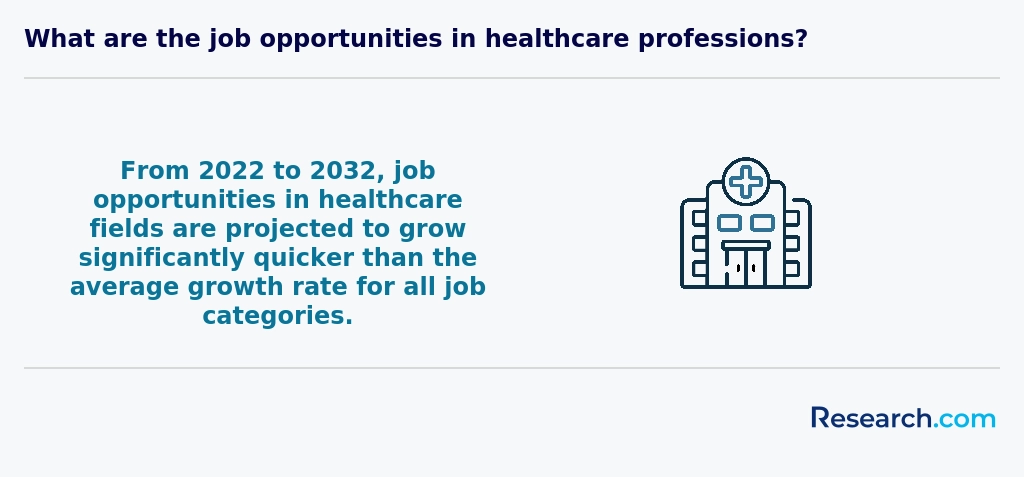
Healthcare careers are valued worldwide for their crucial role in improving public health and well-being. In the United States, including Maine, demand for healthcare professionals is growing rapidly. According to the U.S. Bureau of Labor Statistics, healthcare employment is projected to grow 16% from 2021 to 2031, much faster than average. This reflects a global trend toward expanding access to medical services and aging populations.
In Maine, healthcare occupations are among the fastest growing sectors. The Maine Department of Labor reported that registered nursing and medical assisting jobs are expected to increase significantly in the next decade. Globally, healthcare careers offer diverse opportunities, but U.S. degrees are recognized for strong clinical training and research foundations.
Students in Maine pursuing healthcare degrees gain skills that allow them to work domestically or internationally, supported by accredited programs that meet rigorous standards recognized worldwide.
Gaining practical experience while studying for a healthcare degree in Maine is a vital step toward career readiness. Many Maine colleges and universities partner with local hospitals, clinics, and long-term care facilities to offer clinical rotations. These hands-on experiences enable students to apply classroom knowledge in real healthcare settings.
Additionally, internships and externships are common components of healthcare programs, often required for certification and licensure. For example, institutions like the University of New England provide structured practicum placements that meet state and national standards.
According to the Maine Department of Health and Human Services, over 20,000 healthcare jobs require practical training, highlighting its importance. Volunteering and part-time roles in healthcare facilities can also supplement formal training and strengthen resumes.
Choosing the right concentration within a healthcare degree program in Maine involves evaluating your interests, career goals, and the local job market. Maine's healthcare sector is growing, with employment in healthcare occupations projected to increase by 12% through 2030, according to the U.S. Bureau of Labor Statistics. This growth highlights opportunities in nursing, medical assisting, and health information technology.
Consider programs that offer clinical experience or internships in Maine's major healthcare centers, such as Maine Medical Center in Portland. Research local demand for specialties; for example, gerontology is significant due to Maine's aging population, representing over 20% of residents aged 65 or older based on U.S. Census data.
Related Healthcare Rankings for Nearby States
- 2027 Most Popular Healthcare Degree Programs Ranking in New Hampshire
- 2027 Most Popular Healthcare Degree Programs Ranking in Massachusetts
- 2027 Most Popular Healthcare Degree Programs Ranking in Connecticut
- 2027 Most Popular Healthcare Degree Programs Ranking in New Jersey
- 2027 Most Popular Healthcare Degree Programs Ranking in Delaware
- 2027 Most Popular Healthcare Degree Programs Ranking in Kentucky
- 2027 Most Popular Healthcare Degree Programs Ranking in Michigan
- 2027 Most Popular Healthcare Degree Programs Ranking in Georgia
- 2027 Most Popular Healthcare Degree Programs Ranking in Illinois
- 2027 Most Popular Healthcare Degree Programs Ranking in Florida
Top Trending Healthcare Rankings
See What Experts Have To Say About Studying Healthcare
Read our interview with Healthcare experts

References
- Career Pathways – Maine Direct Service Worker Information https://mainedirectserviceworker.org/career-pathways/
- Know more about thesis vs non- thesis: what is the difference? https://studyfans.com/en/blogs/816
- Networking and Mentorship During Clinical Rotations https://rotatingroom.com/blog/medical-students-the-importance-of-networking-mentorship-during-your-clinical-rotations
- How to choose a bachelor's in healthcare administration | edX https://www.edx.org/resources/how-to-choose-a-bachelors-in-healthcare-administration
- Job-Ready Healthcare Skills for 2026 https://cliniwave.in/blogs/latest-article/job-ready-healthcare-skills
- Careers https://www.mainehealth.org/careers-job-opportunities
- Explore Healthcare Admin Degree Concentrations https://www.baypath.edu/news/bay-path-university-blogs/post/explore-healthcare-admin-degree-concentrations/
- Health Sciences - Southern Maine Community College https://www.smccme.edu/academics/pathways/health-sciences/
- Top 3 Reasons to Consider a Career in Healthcare - Roseman University https://www.roseman.edu/student-experience/news/top-3-reasons-to-consider-a-career-in-healthcare/
- 20 healthcare investment niches and 3 things to know: The evolution of ... https://blackbookmarketresearch.com/20-healthcare-investment-niches-and-3-things-to-know-the-evolution-of


