
2027 Most Popular Healthcare Degree Programs Ranking in New Jersey

Co-Founder and Chief Data Scientist
Choosing the right healthcare degree program is an important step for students in New Jersey who want to build a rewarding career. Our article presents the 2027 Most Popular Healthcare Degree Programs Ranking in New Jersey, developed by the Research.com team of data scientists to help you make informed decisions.
Explore which programs stand out based on real data, so you can focus on options that match your goals. A healthcare degree opens doors to a meaningful profession, and this guide makes the path clearer and more exciting.
Key benefits of getting healthcare degree in New Jersey
- Healthcare degree graduates in New Jersey can earn competitive salaries, such as Medical Assistants with a mean annual wage of $43,350 and Patient Care Technicians earning about $60,790 per year, offering financial stability and growth.
- Graduates from institutions like Rutgers University enjoy various career options in clinical support, health information management, and research coordination, making the degree versatile and valuable.
- Online healthcare degrees from colleges such as Thomas Edison State University provide flexible learning schedules, enabling students to balance work and study while still accessing quality education and career opportunities.
- Key benefits of getting healthcare degree in New Jersey
- What can I expect from healthcare degree in New Jersey?
- Where can I work with healthcare degree in New Jersey?
- How much can I make with healthcare degree in New Jersey?
- 2027 Most Popular Healthcare Degree Programs Ranking in New Jersey
- Key Findings
- How long does it take to complete healthcare degree in New Jersey?
- Licensing and Certification Requirements in New Jersey
- What's the difference between online and on-campus healthcare degree?
- Tips for Prospective Healthcare Students: Overcoming Common Challenges
- What is the average cost of healthcare degree in New Jersey?
- Accreditation and Licensure Requirements
- What financial aid is available to healthcare degree students in New Jersey?
- Continuing Education and Certifications: Advancing Your Healthcare Career
- What are the prerequisites for enrolling in healthcare degree program in New Jersey?
- Licensing and Certification Requirements for Healthcare Graduates in New Jersey
- What courses are typically in healthcare degree programs in New Jersey?
- What types of specializations are available in healthcare degree programs in New Jersey?
- How do you choose the best healthcare degree in New Jersey?
- What career paths are available for healthcare degree students in New Jersey?
- What is the job market for healthcare degree in New Jersey?
- Related Healthcare Rankings for Nearby States
- Top Trending Healthcare Rankings
- See What Experts Have To Say About Studying Healthcare
What can I expect from healthcare degree in New Jersey?
The average cost of a healthcare degree in New Jersey often ranges from moderate to high, with variations depending on the institution and program level. For instance, graduates from well-known programs at Rutgers University or Seton Hall University frequently share how their investment felt worthwhile given the strong clinical training and job placement support they received. Tuition for associate degrees may hover around $10,000 to $15,000 annually at community colleges, while bachelor's and advanced degrees often exceed $30,000 per year at prominent universities.
Many students describe a mix of challenge and excitement, highlighting the value of hands-on clinical experiences in local hospitals and outpatient settings, which are often woven into program fees. Some graduate stories mention scholarships from the New Jersey Health Care Talent Network significantly easing financial stress, making rigorous coursework feel more attainable.
Looking ahead, projected growth in healthcare jobs and increased demand for skilled practitioners may inspire more scholarships and flexible payment options, potentially transforming the financial landscape for future students pursuing healthcare degrees in New Jersey.
Where can I work with healthcare degree in New Jersey?
With a healthcare degree from institutions like Rutgers University or Seton Hall University, graduates in New Jersey find themselves stepping into dynamic roles across hospitals, outpatient clinics, and community health centers. Imagine working as a registered nurse in Hackensack Meridian Health, where you directly impact patient recovery, or joining a public health team shaping policy at the county level. Many graduates describe the excitement of hands-on learning translating into roles in urgent care clinics, providing immediate care to diverse populations.
Outpatient specialty clinics and nursing homes also welcome these skilled professionals, especially as New Jersey's aging population grows. Healthcare graduates often share fulfilling experiences managing chronic conditions and improving quality of life for elderly patients. Emerging trends include expanding roles in biotechnology and pharmaceutical research within New Jersey's thriving industry hubs, offering innovative career paths for those interested in clinical trials and medical technology development.
Overall, a healthcare degree here unlocks rewarding opportunities, blending patient care with advanced research, administration, and community health efforts.
How much can I make with healthcare degree in New Jersey?
Graduates with healthcare degrees from institutions like Rutgers University or Seton Hall University in New Jersey can expect promising earning potential early in their careers. For instance, medical assistants typically earn a mean annual wage of around $43,350 in the state, while health information technicians earn practically the same, near $43,380. These roles offer a solid starting point with opportunities to grow.
Some graduates who pursue patient care technician roles report salaries closer to $60,790, reflecting the critical hands-on experience they gain during clinical training in their programs. Meanwhile, those advancing to roles such as quality improvement coordinators see the potential for significant income increases, with mean annual wages exceeding $103,000, highlighting a rewarding trajectory with further specialization.
New Jersey's urban centers provide fertile ground for these roles, with schools tailoring programs to meet local healthcare needs. Graduates often feel excited and motivated by the direct impact they have on community health, appreciating both the financial rewards and meaningful work that their degrees unlock.
2027 Most Popular Healthcare Degree Programs Ranking in New Jersey
How do we rank schools?
Investing in your education is a significant decision that can shape your future, and the Research.com team understands the importance of making informed choices. In creating the "2027 Most Popular Healthcare Degree Programs Ranking in New Jersey," we have dedicated extensive effort to ensure the highest quality, credibility, and accuracy. Our thorough analysis draws on multiple trusted data sources to provide a reliable guide for prospective students.
We utilized the following reputable data sources to compile this ranking:
By exploring this ranking, readers will gain valuable insights into the most popular healthcare degree programs in New Jersey, empowering them to make well-informed decisions about their education and career paths. For a detailed explanation of how the ranking was created, please visit our Research.com methodology page.


Key Findings
- Annual tuition for public healthcare programs in New Jersey ranges from $13,000 to $21,000 for in-state students, while private institutions charge between $30,000 and $50,000.
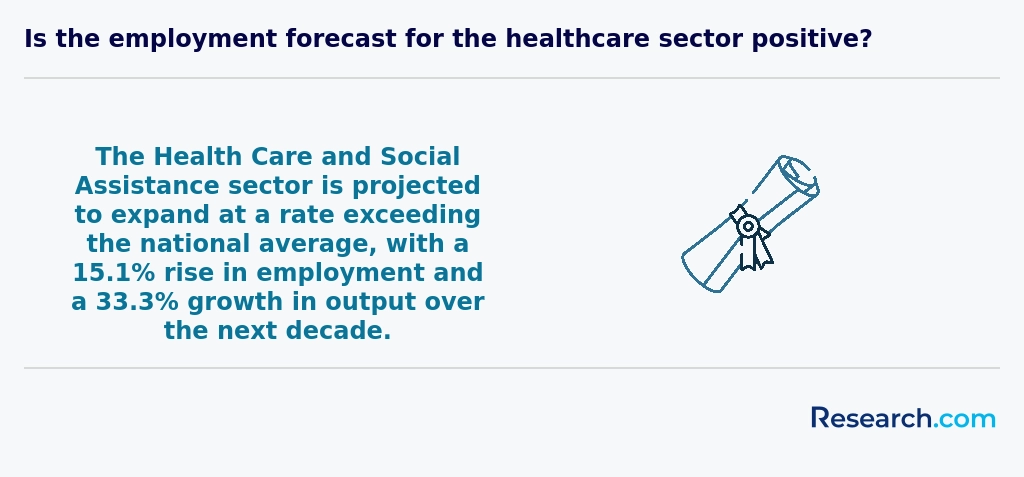
- The demand for healthcare professionals in New Jersey is expected to grow by about 15% over the next decade.
- Entry-level healthcare workers typically earn around $65,000 per year, with experienced professionals earning over $90,000 annually depending on their specialty.
- New Jersey has many hospitals and medical centers in cities like Newark and Jersey City that offer strong opportunities for internships and employment.
- Licensure and certification in New Jersey require meeting national standards plus state-specific exams or clinical hours.
How long does it take to complete healthcare degree in New Jersey?
Completing a healthcare degree in New Jersey can vary broadly, but many students experience a clear, structured pathway that matches their career goals. For instance, a graduate from Bergen Community College might share how a two-year Associate Degree in Nursing (ADN) provided a swift yet thorough entry into the nursing field, balancing hands-on clinical practice with classroom learning. Similarly, students enrolled in Rutgers University's Bachelor of Science in Nursing (BSN) often find the four-year program intense but rewarding, opening doors to advanced roles with greater responsibility.
Emerging trends suggest that accelerated and part-time options, especially at institutions like Camden County College, are becoming more popular. These formats let students manage work, family, or other commitments while steadily advancing through certificate or degree programs in under a year to several years. Graduates often express pride and confidence from gaining practical skills quickly and entering New Jersey's bustling healthcare workforce with readiness and optimism.
Looking ahead, flexible scheduling combined with robust clinical experiences will likely continue to shorten time-to-degree while maintaining quality, benefiting those who want to swiftly make a difference in healthcare within New Jersey's diverse communities.
Licensing and Certification Requirements in New Jersey
After completing your healthcare degree, securing the proper license or certification is crucial to begin practicing in New Jersey. Each profession has its own regulatory board and exam requirements that ensure you meet state standards for safe, effective patient care. Most healthcare graduates must:
- Pass a national or state-specific licensure exam (e.g., NCLEX for registered nurses, RRT exam for respiratory therapists).
- Apply to the New Jersey Board of Nursing, Board of Medical Examiners, or other relevant boards, submitting official transcripts and background checks.
- Complete any required clinical hours or supervised practice within an accredited facility.
- Maintain certification through continuing education units (CEUs), typically 10–30 credits every renewal cycle. For aspiring physical therapy assistants, choosing an accredited program is the first step. You can explore top-ranked options to prepare for the national PTA exam and New Jersey licensure by reviewing our guide to the best pta associates degree online. Graduates from these programs often report a seamless transition into clinical settings and higher first-time pass rates on licensure exams. Understanding the timeline and costs associated with licensure is vital: exam fees range from $200 to $400, application fees from $75 to $150, and renewal fees vary by board. Planning for these expenses and deadlines ensures you remain compliant and ready to launch your healthcare career in New Jersey.
What's the difference between online and on-campus healthcare degree?
Online and on-campus healthcare degrees in New Jersey differ notably in their approach to learning and student experience. Graduates from Rutgers University often describe online programs as empowering for balancing family or work commitments, thanks to the flexibility of remote coursework combined with local clinical placements. This hybrid model allows students to gain essential hands-on skills without sacrificing their personal schedules.
On the other hand, students attending Seton Hall University appreciate the immersive environment of on-campus programs, where direct access to simulation labs and faculty fosters confidence and teamwork. The face-to-face interactions help build interpersonal skills vital for healthcare careers, giving a sense of community and immediate support.
Looking ahead, as technology advances, New Jersey's institutions may expand virtual reality and simulation tools, blurring lines between online and campus learning. Such innovations promise to enhance clinical training flexibility while preserving rich, experiential learning-offering students multiple pathways tailored to their lifestyles and career goals.
Tips for Prospective Healthcare Students: Overcoming Common Challenges
Prospective healthcare students often face hurdles such as navigating the complex admissions process, managing financial concerns, and balancing work with study commitments. One effective strategy is to break down the journey into manageable steps-start by conducting thorough research on potential programs, connecting with current students or alumni, and attending virtual information sessions. Additionally, creating a detailed plan for budgeting and timeline management can significantly reduce stress and boost confidence as you move forward. Remember to leverage available online resources and tools, such as checking out the most affordable healthcare programs in new jersey, to explore cost-effective options without compromising on education quality. Embracing these proactive measures not only enhances your application but also sets the stage for long-term success in the competitive healthcare landscape of New Jersey.
What is the average cost of healthcare degree in New Jersey?
For students pursuing a healthcare degree in New Jersey, the average total cost typically falls around $19,632 for in-state attendees and can reach upwards of $50,812 for out-of-state students. Graduates from institutions like Rutgers University or the New Jersey Institute of Technology often share stories of balancing tuition expenses with part-time jobs and financial aid, which helps make the investment feel more manageable despite the steep price tags. This average healthcare degree cost in New Jersey reflects an evolving landscape where tuition fees continue to rise, but so do opportunities for funding and scholarships.
Community colleges provide an accessible pathway for many, with associate degrees costing significantly less, allowing students to start their careers without the high debt burden. These affordable routes make healthcare education more inclusive, inspiring graduates to build rewarding careers in nursing or medical assisting. Students at private universities, while facing higher tuition, often report a stronger sense of community and enhanced clinical placement opportunities enhancing the value of their education despite the cost.
Exploring the most affordable healthcare programs in New Jersey can help prospective students develop a realistic financial plan. Many students leverage state and federal aid programs that cover 30% to 50% of tuition expenses, making the pursuit of a healthcare degree more attainable. Funding options paired with the state's diverse educational institutions create layered possibilities to complete healthcare education without overwhelming financial strain.
Accreditation and Licensure Requirements
Accreditation ensures your healthcare degree meets quality standards and qualifies you for state licensure. Before enrolling:
- Confirm program accreditation by agencies such as the Commission on Collegiate Nursing Education (CCNE) or the Accreditation Council for Occupational Therapy Education (ACOTE).
- Check New Jersey Board of Nursing, Board of Medical Examiners, or relevant state board requirements for clinical hours, exams, and background checks.
- Verify that clinical affiliates (hospitals, labs) hold proper certifications to guarantee supervised practical training.
- Explore financial-friendly options like the low cost medical coding and billing online program for accredited training aligned with national certification exams.
Completing an accredited program and satisfying state licensing criteria protects your eligibility for certifications such as RN, CMA, or administrative credentials and ensures seamless entry into New Jersey’s healthcare workforce.
What financial aid is available to healthcare degree students in New Jersey?
Financial aid options for healthcare students in New Jersey are evolving rapidly, creating exciting opportunities for aspiring professionals. Graduates from institutions like Rutgers or Seton Hall often share how federal Pell Grants eased their tuition burdens, allowing them to focus fully on demanding nursing or physical therapy programs without overwhelming debt stress.
State-specific programs, such as NJHESAA's tuition aid grants, are increasingly tailored to encourage service in underserved communities, fostering a rewarding cycle where financial support and career purpose intersect. Many students reflect positively on how loan redemption initiatives motivated them to commit to healthcare roles in critical areas, blending financial relief with impactful work.
Looking ahead, employer-based tuition assistance from New Jersey healthcare systems may grow as they invest more in staff development. Graduates recall feeling empowered knowing their hospitals supported advanced certifications, making career progression more accessible.
Meanwhile, scholarships targeting diversity and merit at schools like Rowan University offer hopeful healthcare students a path fueled by recognition of their unique contributions and potential. This multifaceted aid landscape is increasingly designed not only to fund education but to inspire lasting professional fulfillment.
Continuing Education and Certifications: Advancing Your Healthcare Career
While a formal degree lays a strong foundation, continuously honing your skills through certifications and specialized training can set you apart in the competitive healthcare landscape. In today’s ever-evolving field, additional credentials-ranging from clinical certifications to short-term, hands-on training programs-ensure that graduates remain adaptable and ready for future challenges. For instance, many aspiring professionals begin their journey with an accelerated medical assistant program to quickly gain practical experience and enter the job market. This proactive approach not only enhances your resume but also aligns closely with industry trends that favor professionals who blend academic knowledge with real-world capabilities. Moreover, pursuing continuing education opportunities such as workshops, online courses, and advanced certifications can foster professional growth, broaden your career prospects, and ensure long-term success in a field that values both expertise and innovation.
What are the prerequisites for enrolling in healthcare degree program in New Jersey?
Enrolling in a healthcare degree in New Jersey typically demands a solid academic foundation, often starting with a high school diploma or GED. Graduates from Rutgers University and Montclair State University recall early challenges mastering prerequisite courses like human anatomy, physiology, and microbiology, which are key to building confidence for future clinical work. As test-optional policies become widespread, applicants increasingly focus on hands-on experiences instead of standardized scores.
Many find that volunteering in hospitals or caregiving roles not only enriches their applications but also sparks a genuine passion for patient care, making their journey rewarding and meaningful. Background checks and immunization records are standard steps, helping students prepare for real-world healthcare settings safely. Writing compelling personal statements has also allowed students to express their motivation vividly, connecting their academic aspirations to real-life healthcare impacts.
The evolving landscape suggests that future candidates may benefit from more personalized learning paths and expanded experiential opportunities within New Jersey's vibrant healthcare education community.
Licensing and Certification Requirements for Healthcare Graduates in New Jersey
After earning a healthcare degree in New Jersey, securing the appropriate state licensure or national certification is essential for practicing legally and advancing your career. Most roles-such as registered nurse, health information technician, or clinical laboratory scientist-require you to pass a standardized exam and apply through the New Jersey Division of Consumer Affairs or relevant certifying body. For nursing graduates, the NCLEX-RN or NCLEX-PN exam is mandatory. You must complete an accredited program, submit fingerprints for a background check, and apply online via the New Jersey Board of Nursing portal. Upon passing, you’ll receive your RN or LPN license, which must be renewed every two years with proof of continuing education units (CEUs). Health information professionals often pursue RHIT or RHIA certification from the American Health Information Management Association (AHIMA). To qualify, complete an accredited Health Information Management program, register for the RHIT/RHIA exam, and maintain credentials through ongoing professional development. Similarly, laboratory scientists may seek ASCP certification, requiring degree verification and successful completion of the board exam. Other specialized certifications include Certified Medical Assistant (CMA) through the American Association of Medical Assistants (AAMA) and Certified Professional in Healthcare Quality (CPHQ). Each credential demands documented education hours, exam fees, and periodic renewal via CEUs or professional activities. To further enhance your qualifications, consider supplementing your undergraduate degree with a master’s pathway. Research shows that advanced credentials can improve salary potential and leadership opportunities-explore programs like Inexpensive Online Master’s in Healthcare Degree Programs Ranking in Columbia, SC to find cost-effective graduate options. Proper licensure and certification not only validate your expertise but also open doors to competitive roles across hospitals, clinics, and public health agencies throughout New Jersey.
What courses are typically in healthcare degree programs in New Jersey?
Healthcare degree programs in New Jersey typically include courses like anatomy and physiology, microbiology, and chemistry that build a solid scientific foundation. Graduates from well-known institutions like Rutgers University often recall how hands-on labs made complex topics feel tangible, such as examining human tissue samples or understanding infectious disease mechanisms directly related to New Jersey's public health needs.
Alongside these, medical terminology and healthcare ethics courses prepare students to navigate real-world clinical environments with confidence and professionalism. Many students from Rowan College of South Jersey appreciate how ethics discussions helped them face challenging patient-care scenarios during clinical rotations.
Health informatics courses are increasingly prominent, equipping students to manage electronic health records and digital data systems-skills vital as New Jersey expands its healthcare technology landscape. Clinical practicums within state hospitals bring all these lessons to life, offering supervised patient care experiences that graduates describe as both demanding and deeply rewarding, especially when working with diverse local communities.
Courses in health policy and public health highlight New Jersey's unique healthcare delivery systems, helping students prepare for future roles influencing policy and community health interventions amidst evolving challenges.
What types of specializations are available in healthcare degree programs in New Jersey?
Healthcare degree specializations in New Jersey continue to evolve, reflecting the state's dynamic healthcare landscape. Graduates from popular colleges often highlight Nursing as a rewarding path, with programs offering RN to NP tracks that combine rigorous academics and hands-on clinical work. Allied Health Sciences remain vital, with students gaining skills in medical laboratory and radiologic technologies, preparing them for competitive careers with salaries that frequently exceed $60,000.
Students pursuing Healthcare Administration in New Jersey often share positive experiences managing real-world scenarios in hospitals, developing leadership skills that align with the sector's projected 28% growth. Exploring New Jersey healthcare program concentration options, public health degrees focusing on epidemiology and health education resonate deeply with those passionate about community impact, especially given the state's diverse demographics.
Innovative learners explore specialized Pharmacy and Occupational Therapy graduate paths, preparing for licensure and advanced roles through rigorous curricula. For those seeking quicker entry, an accelerated medical assistant program offers an exciting, fast-tracked alternative that many New Jersey students find motivating and practical.
How do you choose the best healthcare degree in New Jersey?
Choosing the best healthcare degree in New Jersey means considering how programs align with future job market growth and personal flexibility needs. Graduates from Rutgers University often share how hybrid formats allowed them to balance work and study, while building confidence through clinical placements at Hackensack Meridian Health fueled their enthusiasm for patient care. The landscape is evolving, with healthcare degrees increasingly integrating online learning and hands-on experiences to prepare students for growing demands.
Affordability also shapes decisions. Many students seek affordable healthcare degrees in New Jersey knowing costs vary widely; some specialized training calls for extra investment but is balanced by scholarships and financial aid. Others explore practical options like pta associates degree online, blending remote classes with essential clinical skills.
Ultimately, envisioning your future in healthcare means looking beyond just the curriculum: consider how your program connects with local hospitals, the expertise of faculty, and support services that make learning enjoyable and rewarding. These qualities turn challenges into proud milestones, inspiring confidence as you step into New Jersey's thriving healthcare sector.
What career paths are available for healthcare degree students in New Jersey?
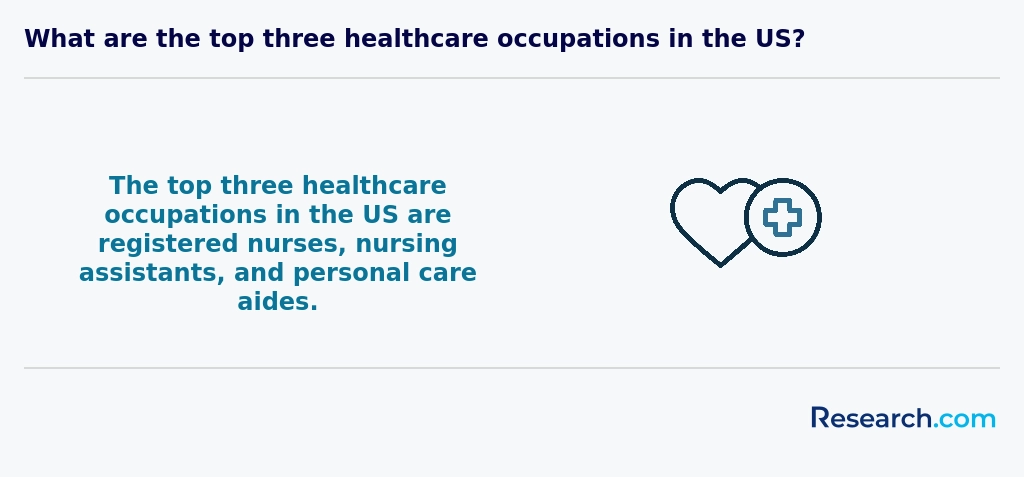
Graduates with a healthcare degree in New Jersey are stepping into a dynamic workforce filled with diverse career opportunities. From becoming registered nurses employed across urban hubs like Newark to specializing as radiologic technologists supporting vital diagnostic services, the variety is impressive. Many graduates from well-known New Jersey institutions find themselves thriving in healthcare administration roles, overseeing critical hospital operations and community clinics, where they contribute to improving patient care experiences. The state's evolving healthcare landscape, bolstered by expanding infrastructure, offers new possibilities in emerging fields such as telehealth coordination and healthcare informatics.
For those seeking hands-on patient support, careers as physical therapists, EMTs, or home health aides are expanding, particularly given New Jersey's ageing population. Recent graduates often share how their programs equipped them for real-life scenarios in local hospitals and clinics, fueling both confidence and passion. Exploring these Inexpensive Online Master's in Healthcare Degree Programs Ranking in Columbia, SC can further enhance career prospects. With a healthcare degree career opportunities in New Jersey continuing to grow, the outlook is bright for motivated students ready to make a difference.
What is the job market for healthcare degree in New Jersey?
The healthcare job opportunities in New Jersey are expected to continue expanding as the population ages and demand for medical services rises. Graduates from healthcare programs at institutions like Rutgers University and Seton Hall University often share how their degrees opened doors in hospitals and outpatient clinics across the state. These settings provide real-world experience that strengthens skills and builds confidence, helping new professionals secure roles with competitive salaries matched to New Jersey's higher-than-average wage levels. Many report feeling optimistic about career growth prospects, especially in nursing and allied health fields where hands-on training is highly valued.
Looking ahead, the New Jersey healthcare degree employment outlook remains promising, particularly for those willing to specialize. Advanced programs and certifications can unlock opportunities in emerging areas such as home health care and physical therapy. Financially, students can weigh costs against future earnings, and many find support through scholarships or programs geared toward workforce shortages. Those balancing work and study often explore fast adult degree programs online to accelerate entry into these in-demand roles.
Frequently Asked Questions About healthcare
Healthcare degree students in New Jersey can maximize their learning by engaging in hands-on clinical experiences offered through partnerships between educational institutions and local hospitals. For example, Rutgers University and other colleges collaborate with top-ranked healthcare facilities like Hackensack Meridian Health. According to the New Jersey Department of Labor, the healthcare sector is one of the fastest-growing industries in the state, creating ample internship and job-shadowing opportunities.
Students should also take advantage of the state's continuing education programs and certifications. These complement traditional degrees and increase employability. Utilizing resources such as the New Jersey Center for Health Workforce Planning can provide insights into high-demand healthcare roles, enhancing career preparation.
Additionally, participating in healthcare research projects and joining student healthcare organizations can develop practical skills and professional networking. Time management and balancing coursework with experiential learning are also critical for success in this competitive field.
The healthcare field in New Jersey is evolving with emerging niches that reflect national trends and local demands. One growing area is telehealth, which expanded significantly during the COVID-19 pandemic and continues to offer new opportunities for healthcare professionals interested in remote patient care and digital health technologies. According to the New Jersey Department of Labor, telehealth jobs are expected to grow by over 20% through 2030.
Another niche gaining attention is geriatric care, driven by New Jersey's aging population. The state has one of the highest percentages of residents over 65, creating increased demand for specialists in elder care and chronic disease management. Additionally, healthcare data analytics is becoming essential, as providers seek to improve outcomes and reduce costs using data-driven strategies.
Graduates with healthcare degrees in New Jersey can enhance their job prospects by gaining relevant clinical experience through internships or externships, which are often part of academic programs. According to the New Jersey Department of Labor, healthcare employment is projected to grow by 15% from 2020 to 2030, signaling strong demand. Networking with local healthcare providers and joining professional organizations, such as the New Jersey Hospital Association, can provide valuable connections. Obtaining state-specific licenses or certifications is essential, particularly for nursing and allied health roles. Additionally, staying updated with continuing education improves skills and adaptability in this evolving sector.
Employers in New Jersey's healthcare sector prioritize a combination of technical knowledge and interpersonal skills when hiring graduates. Strong clinical competencies, including patient care and familiarity with electronic health record (EHR) systems, are essential. According to the New Jersey Department of Labor, healthcare employers also highly value communication skills, as effective interaction with patients and team members improves outcomes and satisfaction.
Critical thinking and problem-solving abilities are crucial in fast-paced medical environments. Additionally, adaptability and proficiency in teamwork are frequently cited, given the dynamic nature of healthcare settings. Data from the National Healthcareer Association highlights that employers often seek candidates with strong ethical standards and cultural competence to serve New Jersey's diverse population.
Finding internships relevant to a healthcare degree in New Jersey involves a strategic approach focused on local healthcare institutions and educational resources. New Jersey hosts numerous hospitals, clinics, and research centers, such as Hackensack Meridian Health and RWJBarnabas Health, which offer internship opportunities to students pursuing healthcare careers.
Students should start by contacting their college's career services, which often maintain partnerships with these providers. Networking through professional organizations like the New Jersey Hospital Association can be beneficial as well.
Online platforms such as the New Jersey Health Care Career Network provide updated listings of healthcare internships statewide. Additionally, government agencies including the New Jersey Department of Health occasionally post internships focused on public health practices.
In New Jersey, obtaining a healthcare degree significantly enhances career mobility and advancement opportunities. The state's growing healthcare sector, which employs over 350,000 workers, values advanced education for leadership and specialized roles, according to the New Jersey Department of Labor.
A degree in healthcare opens doors to diverse professions such as nursing, health administration, and allied health fields. Graduates often move more quickly into higher-paying positions compared to those with only a high school diploma or certificate.
Moreover, healthcare organizations in New Jersey increasingly prefer candidates with accredited degrees to meet state licensing requirements and federal standards, improving chances for promotions and salary increases.
Studying for a healthcare degree in New Jersey offers unique preparation for interdisciplinary roles by emphasizing collaboration across various healthcare professions. Many programs incorporate practical experiences in hospitals, clinics, and community health settings, exposing students to diverse medical teams. According to the New Jersey Department of Health, the state's healthcare workforce increasingly demands professionals skilled in teamwork and communication.
Institutions often include coursework in leadership, ethics, and healthcare technology, fostering a broad understanding beyond a single specialty. This approach aligns with trends in integrated care models, especially relevant in New Jersey's high-density urban and suburban areas. The collaborative training equips graduates to effectively address complex patient needs in real-world environments.
Choosing between a thesis and a non-thesis healthcare degree program in New Jersey depends largely on your career goals. A thesis program involves conducting original research, which is ideal for those aiming for academic or research positions. New Jersey universities often support healthcare research through partnerships with local hospitals and the NJ Department of Health.
Non-thesis programs focus more on coursework and practical skills, suitable for students targeting clinical or administrative roles. According to the New Jersey Higher Education Research and Development Survey, 60% of healthcare grad students favor non-thesis routes for faster program completion.
Consider accreditation and availability of mentors in your specialization. Also, think about whether you plan to pursue a doctoral degree later, as thesis experience is often essential for PhD programs.
Students in New Jersey interested in healthcare degrees who want to study abroad have several pathways through US higher education partnerships and exchange programs. Many New Jersey institutions, including Rutgers University, offer study abroad programs with credit transfer options in healthcare fields like nursing, public health, and biomedical sciences.
Programs are available in countries with advanced healthcare systems, such as the United Kingdom and Ireland, where clinical and research experience can complement New Jersey healthcare education standards. According to the Institute of International Education, approximately 4,000 US health science students study abroad each year, reflecting growing interest.
Additionally, New Jersey students can pursue joint degrees or clinical rotations abroad through formal university collaborations, enhancing global competency critical in healthcare careers.
Students pursuing healthcare degrees in New Jersey often seek part-time jobs that enhance their education while providing practical experience. Common opportunities include roles as medical assistants, pharmacy technicians, and nursing aides. These positions allow students to apply classroom knowledge in real healthcare settings, gaining valuable patient interaction skills.
New Jersey's vibrant healthcare sector, with over 390 hospitals statewide according to the New Jersey Hospital Association, offers diverse work environments. Part-time jobs in clinics and long-term care facilities are also popular for hands-on learning.
Additionally, some students engage in medical research assistant roles at local universities or healthcare centers, gaining exposure to clinical studies and healthcare data analysis.
Healthcare students in New Jersey benefit from diverse networking opportunities that connect them with industry professionals and peers. Many colleges and universities in the state host healthcare-focused events, career fairs, and workshops. For example, Rutgers University, a leading institution, frequently organizes networking sessions and alumni meetups to support student career growth.
Additionally, students can join professional organizations such as the New Jersey Hospital Association and the New Jersey Nurses Association, which often offer conferences, seminars, and mentoring programs tailored to healthcare professionals.
Internships and clinical placements in New Jersey's extensive healthcare system provide practical exposure and valuable professional connections. According to the New Jersey Department of Labor, the healthcare sector is one of the fastest-growing industries, making these opportunities essential for career development.
Alumni networks play a crucial role for healthcare degree students in New Jersey by offering professional connections that can lead to internships, job opportunities, and mentorship. Given that New Jersey hosts over 650 healthcare organizations, strong networks help students navigate this competitive field effectively. According to the New Jersey Department of Labor, healthcare jobs are projected to grow by 15% by 2030, making these connections even more valuable.
Through alumni events and online platforms, students gain insights into industry trends and practical advice on licensure and certifications. Moreover, alumni often provide scholarships and support, enhancing student success and career readiness.
Customizing your healthcare degree program in New Jersey is achievable through careful selection of specializations, elective courses, and clinical experiences. Many New Jersey institutions offer healthcare degrees with options in nursing, public health, health informatics, and allied health fields. By choosing coursework aligned with your career goals, such as gerontology or health administration, you tailor your education to meet specific job market demands in the state.
New Jersey's diverse healthcare industry, which employs over 300,000 people according to the New Jersey Department of Labor, requires professionals with specialized skills. Internships and clinical placements within local hospitals and healthcare organizations enable students to gain hands-on experience relevant to their interests and regional needs.
Additionally, some programs provide flexible scheduling or part-time study, accommodating working professionals aiming to advance their careers without interrupting employment. Consulting academic advisors in New Jersey colleges can help ensure your degree path aligns with licensure or certification requirements for your desired role.
Healthcare students in New Jersey face several challenges during their education. One major issue is the high cost of tuition and fees, which can exceed $20,000 per year at many institutions, according to the New Jersey Commission on Higher Education. This financial burden often forces students to balance part-time jobs with demanding coursework.
Another challenge is securing clinical placement opportunities. The state's competitive healthcare market means limited spots at hospitals and clinics, delaying practical experience.
Additionally, students encounter intense academic pressure, as healthcare programs require mastery of complex subjects like anatomy and pharmacology.
A healthcare degree in New Jersey opens doors to various professional certifications. Graduates often pursue certifications such as Certified Medical Assistant (CMA), Registered Health Information Technician (RHIT), and Licensed Practical Nurse (LPN). These credentials enhance employability in hospitals, clinics, and specialized care centers.
New Jersey's healthcare sector employs over 350,000 people, with continual demand for certified professionals. According to the New Jersey Department of Labor, Certified Nurse Assistants (CNAs) and Medical Coders are among the fastest-growing roles.
Advanced certifications like Certified Professional in Healthcare Quality (CPHQ) are also popular for those focusing on healthcare management and administration.
To write a winning application for a healthcare program in New Jersey, start by carefully researching the specific program requirements for schools such as Rutgers or Kean University. Many New Jersey healthcare programs emphasize strong academic performance, especially in biology, chemistry, and math. Highlight relevant healthcare experience, whether through volunteering, internships, or work in medical settings.
Personal statements should clearly communicate your passion for healthcare and future goals. Include examples that demonstrate your commitment and understanding of New Jersey's diverse patient populations. According to the New Jersey Department of Health, the state faces a growing demand for healthcare professionals, so programs look for applicants aware of local health challenges.
Lastly, ensure all application materials are error-free and submitted before deadlines to improve your chances significantly.
The global perspective on a healthcare career highlights its increasing importance due to worldwide aging populations and rising chronic diseases. In the United States, including New Jersey, the healthcare sector is among the fastest-growing industries. According to the New Jersey Department of Labor, healthcare jobs are expected to grow by 19% from 2020 to 2030, faster than the national average. This growth reflects broader trends seen globally, where demand for skilled healthcare professionals is surging. A degree in healthcare opens doors internationally, as many skills are transferable and in demand across borders.
Gaining practical experience while studying for a healthcare degree in New Jersey is essential for career readiness. Many accredited institutions require clinical rotations or internships as part of their curriculum, offering hands-on training in hospitals, clinics, and community health centers. For example, Rutgers University collaborates with over 250 healthcare facilities statewide, providing diverse placement options.
Students can also participate in volunteer programs and part-time jobs at medical centers such as Hackensack Meridian Health or RWJBarnabas Health, both major healthcare providers in New Jersey. These opportunities enhance skills in patient care and healthcare operations.
Additionally, New Jersey's Department of Health supports internships in public health agencies, giving students exposure to epidemiology and health policy. Practical experience gained through these avenues is crucial for licensure exams and employment after graduation.
Choosing the right concentration within a healthcare degree program in New Jersey involves considering personal interests and local workforce demands. Key concentrations include nursing, public health, health informatics, and healthcare administration.
The New Jersey Department of Labor highlights strong growth in nursing and allied health careers, with a projected 15% increase in demand by 2028. This suggests job security in clinical roles. Public health concentrations address community needs, relevant in densely populated areas like Newark and Jersey City.
Additionally, students should assess available clinical training opportunities at New Jersey's many hospitals and research centers. Accreditation and alignment with licensure requirements also influence concentration choices.
Related Healthcare Rankings for Nearby States
- 2027 Most Popular Healthcare Degree Programs Ranking in Delaware
- 2027 Most Popular Healthcare Degree Programs Ranking in Connecticut
- 2027 Most Popular Healthcare Degree Programs Ranking in Massachusetts
- 2027 Most Popular Healthcare Degree Programs Ranking in Kentucky
- 2027 Most Popular Healthcare Degree Programs Ranking in New Hampshire
- 2027 Most Popular Healthcare Degree Programs Ranking in Maine
- 2027 Most Popular Healthcare Degree Programs Ranking in Georgia
- 2027 Most Popular Healthcare Degree Programs Ranking in Michigan
- 2027 Most Popular Healthcare Degree Programs Ranking in Florida
- 2027 Most Popular Healthcare Degree Programs Ranking in Illinois
Top Trending Healthcare Rankings
See What Experts Have To Say About Studying Healthcare
Read our interview with Healthcare experts

References
- Niche Market Opportunities Research Among Healthcare Professionals (A Decision Analyst Case History https://www.decisionanalyst.com/casestudies/nichemarketopportunities/
- Two-Year Health Science Degree NJ | Eastwick Education https://eastwick.edu/news/how-to-get-a-degree-in-health-science-in-less-than-two-years/
- Health Sciences https://www.saintpeters.edu/academics/undergraduate-programs/health-sciences/career-paths/
- Know more about thesis vs non- thesis: what is the difference? https://studyfans.com/en/blogs/816
- myCME | Continuing Medical Education https://www.mycme.com/pages/new-jersey-medical-license-cme-requirements-courses
- 6 Tips On Networking For Medical Professionals https://aaams.net/blog/how-to-network-in-the-medical-field-nurses/
- Advancing Your Career in Healthcare: Tips and Strategies https://www.sunshinecarenetwork.com/blog/advancing-your-career-in-healthcare-tips-and-strategies
- Alumni Reconnect - Poznan University of Medical Sciences https://pums.edu.pl/alumni-friends/alumni-reconnect/
- Health Sciences-Public Health Education, B.S. https://catalog.njcu.edu/undergraduate/professional-studies/health-sciences/health-sciences-public-health-education-bs/
- HEALTH MANAGEMENT (THESIS / NON-THESIS) - Lisansüstü Eğitim Enstitüsü https://lee.nisantasi.edu.tr/en/health-management-thesis-non-thesis/








