
2027 Most Valuable Online Master's in Healthcare Degree Programs Ranking in the West

Co-Founder and Chief Data Scientist
Choosing the right online master's program in healthcare can feel overwhelming, especially with so many options available in the West. This article introduces the 2027 Most Valuable Online Master's in Healthcare Degree Programs Ranking in the West, created by the Research.com team of data scientists to help guide your decision.
By exploring this ranking, you'll gain insight into programs that offer real value, balancing quality education and career potential. Pursuing a healthcare degree is a rewarding step toward making a meaningful impact while advancing your future. Let this guide empower your journey with confidence and clarity.
Key benefits of getting online healthcare degree in the West
- Healthcare degree graduates can earn competitive salaries, such as Healthcare Consultants making an average of $115,530 annually and Healthcare Compliance Managers around $80,190 yearly, showing strong financial potential.
- Graduates from popular Western universities often pursue diverse careers in healthcare consulting, compliance, and administration, offering flexibility and growth in rewarding fields.
- Online healthcare degrees provide convenient learning for busy students, allowing graduates from respected programs to balance work and study while gaining skills that quickly advance their careers.
- Key benefits of getting online healthcare degree in the West
- What can I expect from online healthcare degree in the West?
- Where can I work with online healthcare degree in the West?
- How much can I make with online healthcare degree in the West?
- 2027 Most Valuable Online Master's in Healthcare Degree Programs Ranking in the West
- Key Findings
- How long does it take to complete online healthcare degree in the West?
- Accreditation and Licensing
- What's the difference between online and on-campus healthcare degree?
- Student Support Services and Alumni Network
- What is the average cost of online healthcare degree in the West?
- Accelerated Healthcare Administration Programs: Fast-Tracking Your Future
- What financial aid is available to online healthcare degree students in the West?
- Return on Investment (ROI)
- What are the prerequisites for enrolling in online healthcare degree program in the West?
- Maximizing Your Online Learning Experience
- What courses are typically in online healthcare degree programs in the West?
- What types of specializations are available in online healthcare degree programs in the West?
- How do you choose the best online healthcare degree in the West?
- What career paths are available for online healthcare degree students in the West?
- What is the job market for online healthcare degree in the West?
- Top Trending Healthcare Rankings
- See What Experts Have To Say About Studying Healthcare
What can I expect from online healthcare degree in the West?
When considering the average cost of an online healthcare degree in the Western United States, many students find the tuition surprisingly manageable compared to traditional campus-based programs. Graduates from universities like Oregon State or California State report tuition costs typically ranging from moderate to competitive, often less than $20,000 per year. These figures reflect not only affordability but also the emphasis these institutions place on accessibility for working adults and those balancing family commitments.
Importantly, students frequently share how scholarships and financial aid targeting online healthcare learners help alleviate financial pressures, making the investment feel more attainable. One graduate recalled how flexible payment plans and remote access to academic advising transformed their experience, allowing them to focus on learning without constant worry over costs.
Such cost structures challenge the misconception that quality education demands prohibitive expense, especially in regions like Washington or Nevada, where healthcare programs blend practical experience with interactive online coursework. This balance contributes to a sense of empowerment and optimism among students pursuing their degrees.
Where can I work with online healthcare degree in the West?
Graduates from online healthcare programs at institutions like the University of Washington or Arizona State University often find themselves stepping into the dynamic healthcare landscape of the West with confidence. Far from the stereotype that online degrees limit opportunities, many are thriving as healthcare administrators in bustling Californian hospitals or as vital clinical managers overseeing patient care in Oregon's innovative clinics. These roles require not only healthcare knowledge but also leadership and adaptability-skills honed through rigorous online coursework paired with real-world practicum experiences.
Others channel their education into public health roles within Seattle or Denver's health departments, where they actively contribute to community wellness initiatives and policy planning. Imagine working alongside seasoned professionals to design programs that improve the health outcomes of diverse populations-this is a common reality for many Western graduates.
Meanwhile, graduates with a passion for technology find themselves at the forefront of digital health innovation, analyzing clinical data or managing telemedicine projects for health tech companies in Silicon Valley or Colorado. These career paths highlight how an online healthcare degree opens doors to versatility and growth in regions rich with healthcare demand and inventive spirit.
How much can I make with online healthcare degree in the West?
Graduates from online healthcare programs in the West often find their earnings reflecting the vibrant regional market. For example, healthcare consultants-roles frequently pursued by those with advanced healthcare degrees-earn an average annual wage of $115,530, highlighting the lucrative potential of combining healthcare expertise with strategic insight. This figure, well above national averages, underscores the value of pursuing online degrees offered by institutions near urban hubs like the University of Washington or the University of California system.
Meanwhile, healthcare compliance managers typically see mean wages around $80,190 annually, a solid income that balances responsibility with accessibility. Graduates working in this capacity often share stories of advancement in prestigious Western healthcare organizations, where their education and certification open doors to dynamic, stable careers.
These salary ranges challenge the notion that online healthcare degrees lead only to entry-level earnings. Instead, they illuminate a path toward financial reward fueled by the West's demand for qualified professionals and the flexible learning models provided by its universities.
2027 Most Valuable Online Master's in Healthcare Degree Programs Ranking in the West
How do we rank schools?
Investing in your education is a significant decision that can shape your future, and the Research.com team understands the importance of making informed choices. To assist prospective students seeking the best online master's degrees in healthcare in the Western United States, we have meticulously developed the "2027 Most Valuable Online Master's in Healthcare Degree Programs Ranking in the West." Our commitment to quality, credibility, and accuracy is demonstrated through rigorous research and thorough analysis. We utilized the following reputable data sources to ensure a comprehensive and reliable evaluation of programs:
By consulting this ranking, readers will gain valuable insights that simplify the decision-making process and help them identify programs that align with their career goals and educational needs. For more information about how this ranking was created, please visit our
Research.com methodology page
.

# 2 position
Aspen University
Master of Nursing


# 6 position
Oregon Health & Science University
Master of Nursing Education


# 10 position
Samuel Merritt University
Master of Nursing - Family Nurse Practitioner


# 19 position
Western Governors University
Master of Healthcare Management


Key Findings
- Tuition for full online healthcare master's degrees in the Western US typically ranges from $15,000 to $40,000, with public universities generally more affordable, especially for in-state residents.
- The healthcare job market in the Western US is growing about 15%, faster than the national average for all occupations over the next decade.
- Entry-level salaries for healthcare graduates vary between $50,000 and $70,000 annually, with potential to exceed $100,000 for experienced professionals in management or specialized roles.
- Regionally accredited online programs are available in fields like nursing, public health, and health informatics, which is important for quality and eligibility for federal aid.
- Many programs offer flexible schedules and digital resources, but some may require on-site clinical or practicum components depending on state rules.
How long does it take to complete online healthcare degree in the West?
Completing an online healthcare degree in the Western United States varies widely, often challenging assumptions about pace and flexibility. Graduates from institutions like the University of Washington or Arizona State University report that associate degrees in fields such as medical assisting typically wrap up in about two years when studying full time. However, bachelor's degrees-whether in nursing or health administration-often take around four years, mirroring traditional timelines but with a freedom that suits busy schedules.
Many graduates pursuing master's degrees, like the MSN or Healthcare Administration at respected Western colleges, highlight how part-time study options extend completion to two or three years. This flexibility is a game changer for working professionals navigating family, jobs, and classes simultaneously, reflecting a reality where quality and timing are personalized rather than fixed.
Factors like accelerated courses or transfer credits sometimes compress this timeline, painting a picture where your program is truly tailored to your life. Students balancing work and study find motivation in this adaptability, often feeling empowered rather than pressured as they progress at their own best pace.
Accreditation and Licensing
Accreditation and licensing ensure your online master’s in healthcare is recognized by employers, certification bodies, and state boards. Before applying, verify both institutional and programmatic credentials to protect your investment and career prospects.
- Regional accreditation confirms overall institutional quality and eligibility for federal financial aid.
- Programmatic accreditation (for example, CCNE for nursing or CAHME for healthcare management) validates specialized curriculum standards.
- State board approval is essential for clinical roles-check your target state’s licensing requirements before enrolling.
Always confirm accreditation status through the U.S. Department of Education’s database and review school disclosures carefully. For insights on accredited programs in related fields, see accredited medical billing and coding schools online with financial aid.
What's the difference between online and on-campus healthcare degree?
Graduates from well-known Western universities often describe their online healthcare degree experience as a balancing act between flexibility and immersion. Imagine a working professional enrolled in an online nursing program through a California public university, who can join lectures from home but still must arrange local clinical hours. This hybrid setup challenges the notion that online means purely remote learning-it's about combining convenience with essential hands-on practice.
By contrast, on-campus students at institutions like the University of Washington speak of immersive days filled with lab simulations and face-to-face mentorship, moments that foster confidence and camaraderie. Yet, the rigidity of fixed schedules and daily commutes can wear on those juggling multiple responsibilities.
Cost considerations complicate the choice further. While online programs may promise savings on housing and travel, tuition fees for prestigious online healthcare degrees in the West sometimes match on-campus costs, dispelling myths of affordability. Students reveal that understanding local licensure rules-especially for online grads-is crucial, as some Western states require specific in-person clinical components before granting licenses.
Student Support Services and Alumni Network
One of the defining advantages of top online master’s in healthcare programs in the West is the comprehensive support ecosystem designed to foster student success from enrollment through career placement. Most institutions offer dedicated academic advising, with advisors guiding students on course selection, program milestones, and professional development. Robust technical support teams ensure seamless access to learning management systems, virtual simulations, and digital libraries 24/7. Additionally, career services provide tailored resources-resume reviews, mock interviews, and job fairs-to help graduates transition smoothly into roles such as healthcare administrators, clinical managers, or informatics specialists. Beyond immediate educational support, the alumni network serves as a powerful engine for mentorship and networking. Graduates gain exclusive access to regional chapters, virtual meetups, and industry panels where seasoned professionals share insights on emerging trends in telehealth, policy reform, and data-driven care models. These connections often yield internship opportunities, collaborative research projects, and referrals, reinforcing long-term career growth. For prospective students weighing program costs alongside support infrastructure, our Most Affordable Online Master’s in Healthcare Degree Programs Ranking in Fort Lauderdale, FL offers a detailed look at budget-friendly options without compromising on student services.
What is the average cost of online healthcare degree in the West?
The average cost of an online healthcare degree in the West varies notably depending on your residency status and choice of institution. For in-state students at public universities in California, Oregon, and Washington, total tuition fees for online healthcare master's programs in the West typically hover around $21,000, making these options feel more attainable for many. Graduates from these programs often share how they balanced quality education without breaking the bank, appreciating the accessibility of renowned schools like California State University.
Conversely, out-of-state students or those opting for private universities face significantly higher costs, with median tuition around $30,815 to $31,905. Graduates from prestigious programs located at West Coast private universities frequently reflect on the trade-off they made for a brand-name degree, emphasizing the value of extensive resources and networking opportunities despite the hefty price tags.
Many students recount navigating additional expenses such as technology fees, course materials, and sometimes clinical placement costs, which can add $500 to $1,200 or more. Yet, the financial aid landscape is encouraging, with approximately 85% of students receiving support through scholarships or employer assistance, softening the impact of tuition costs.
Those weighing their options in the Western United States often find themselves exploring detailed program comparisons and financial aid packages, realizing that the average cost of an online healthcare degree in the West is more than a number-it's a critical factor that shapes their educational journey and future career. For students focused on the most valuable healthcare programs in Washington, resources like valuable healthcare programs in washington can provide clarity in decision-making.

Accelerated Healthcare Administration Programs: Fast-Tracking Your Future
As demand for quick career advancement grows in the healthcare sector, accelerated healthcare administration programs have emerged as a dynamic solution for busy professionals. These fast-track programs are designed to deliver rigorous, industry-focused curriculum in a condensed timeframe while still meeting accreditation standards and preparing graduates for leadership roles. By streamlining coursework and leveraging digital learning tools, students can gain critical management and operational skills more efficiently, ultimately translating to a faster return on investment. For those eager to explore innovative pathways in career progression, check out what are the popular online accelerated healthcare administration degree programs, a curated selection of programs that blend academic excellence with the flexibility required for today's fast-paced healthcare landscape. Embracing these accelerated options not only shortens the road to professional success but also positions graduates to meet emerging industry challenges with confidence and agility.
What financial aid is available to online healthcare degree students in the West?
Many students pursuing online healthcare degrees at institutions like the University of Washington or San Diego State University often find themselves surprised by the breadth of financial aid available in the West. Federal aid, particularly Pell Grants, can cover a sizable portion of tuition-up to $7,395 for undergraduates-making the cost feel far less daunting. Graduates frequently recount how this funding combined with federal loans eased their financial burdens without trapping them in overwhelming debt.
State programs in California, Oregon, and Washington target local residents committed to serving their communities, providing grants and scholarships that align with real workforce needs. This connection between aid and community impact transforms financial support into a motivating force rather than just a handout.
Moreover, regional scholarships from organizations tied to the healthcare industry and employer tuition reimbursements often turn the pursuit of advanced degrees at schools like Oregon Health & Science University into achievable goals. Students share how work-study opportunities integrated into their programs not only pay bills but also build crucial experience in healthcare settings across the West.
Return on Investment (ROI)
Understanding ROI is key to selecting a program that balances cost with career rewards.
- Compare total tuition, fees and living expenses to post-graduation salary gains
- Estimate payback period: many programs recoup costs in 2–5 years
- Factor in salary growth curves for administration, informatics, and public health roles
To maximize ROI:
- Apply early for scholarships, grants and employer reimbursement
- Calculate net costs after aid, including options like accredited medical billing and coding schools online with financial aid
- Prioritize specializations aligned with high-demand Western markets
What are the prerequisites for enrolling in online healthcare degree program in the West?
Envision starting your journey in online healthcare education in the West-universities like the University of Washington or Oregon State University expect you to arrive well-prepared. Most graduates recall first securing a high school diploma or its equivalent to qualify for undergraduate programs. For those pursuing master's degrees, the path is steeper: a relevant bachelor's degree often in health sciences or nursing is indispensable.
Many returning students reflect on how their prior clinical experience or healthcare work, whether volunteering at a local clinic or assisting in hospital settings, strengthened their applications. These real-world hours aren't just boxes to check; they bring confidence and relevance to the intense coursework ahead.
While standardized tests like the GRE were once a universal hurdle, recent graduates share relief as many Western programs have relaxed this requirement, especially after COVID-19 disruptions. Yet English proficiency and safety measures like background checks remain critical, underscoring the importance of patient trust and communication.
Finally, the climb is as much financial as academic-knowing that tuition ranges between $15,000 and $25,000 annually, plus technology fees, helps students realistically prepare. Those who embrace these prerequisites feel empowered moving forward, ready to contribute meaningfully to healthcare in their communities.
Maximizing Your Online Learning Experience
Embracing an online healthcare degree requires deliberate strategies to bridge the gap between remote learning and real-world success. Start by establishing a well-organized schedule, setting clear academic and career objectives, and making the most of virtual interaction through discussion boards and online study groups. Utilizing digital tools-such as learning management systems, webinars, and career planning resources-can further enhance your educational journey, making it both efficient and rewarding. For instance, tapping into platforms that highlight valuable healthcare programs in washington can keep you abreast of emerging trends and networking opportunities. Additionally, seek out mentorship from experienced professionals, participate in virtual workshops, and take advantage of career support services offered by your institution to build a dynamic, interactive learning environment that prepares you for a successful transition from online studies to the competitive healthcare field.
What courses are typically in online healthcare degree programs in the West?
Online healthcare degrees in the Western United States consistently include courses that push beyond textbook definitions-courses like Healthcare Ethics and Law challenge students to wrestle with real patient dilemmas, much like graduates from the University of Washington have shared about navigating ethical policies in Seattle's diverse healthcare settings. Health Informatics courses bring data to life, transforming abstract electronic records into stories of patient care that Oregon State University alumni recall using to improve outcomes in remote clinics.
Healthcare Administration teaches leadership in dynamic environments, a skill often praised by graduates who now manage teams in busy California hospitals where policy meets practice daily. Epidemiology and Public Health immerse students in the pulse of community health issues unique to the West Coast, preparing them to confront outbreaks like the wildfires' respiratory impacts firsthand.
Graduates from these programs frequently reflect on how Healthcare Finance and Biostatistics courses gave them confidence to translate complex budgets and research into actionable health improvements, fueling their passion to innovate rather than just follow established protocols.
What types of specializations are available in online healthcare degree programs in the West?
Choosing an online healthcare degree in the West means navigating a landscape rich with diverse specializations that challenge traditional healthcare roles. Graduates from regional institutions often highlight how specializations like Healthcare Administration or Health Informatics reshape their understanding of patient care beyond bedside medicine, steering them into leadership and technology-driven positions. Imagine managing a hospital's operations in bustling Seattle or optimizing patient data systems in San Francisco's tech hubs-these aren't distant possibilities but tangible career paths.
Many students pursuing Western region healthcare master's program options find themselves drawn to fields such as Public Health, where addressing community-specific needs drives not only policy but genuine social impact. Others appreciate the focus on Healthcare Quality and Patient Safety, which resonates deeply with those eager to reduce errors in fast-paced clinical environments. Those enrolling at places like Oregon State University often report a renewed sense of purpose, empowered by online formats that balance ambition with personal life.
For those wondering what are the popular online accelerated healthcare administration degree programs, the answer lies in programs that emphasize versatility across sectors, catering to the West's expansive healthcare demands. This spectrum of specializations illustrates that an online healthcare degree is not one-size-fits-all but a gateway to roles where leadership meets innovation.
How do you choose the best online healthcare degree in the West?
Choosing the best online healthcare degree in the West demands more than just scanning tuition prices or program lengths. Graduates from top institutions in California and Washington often share that the true differentiator lies in how well the program aligns with regional healthcare challenges, like rural shortages or public health needs. For these students, selecting a curriculum that tackles such real-world issues felt empowering and deeply relevant to their future roles.
Affordability matters, but many who enrolled in affordable online healthcare programs West found that understanding total costs-including technology fees or required clinical placements-is vital. One graduate noted that programs offering flexible clinical scheduling made balancing work, life, and study not only possible but inspiring.
Faculty expertise and active student support also reshape the experience. Alumni from leading Western universities praise having access to virtual labs and career counseling, which turned their online degree into a dynamic, interactive journey rather than a purely remote chore.
Finally, check licensure preparation carefully. Graduates emphasize completing clinical hours locally to avoid unexpected delays. For a comprehensive perspective on balancing cost and quality, review the Most Affordable Online Master's in Healthcare Degree Programs Ranking in Fort Lauderdale, FL.
What career paths are available for online healthcare degree students in the West?
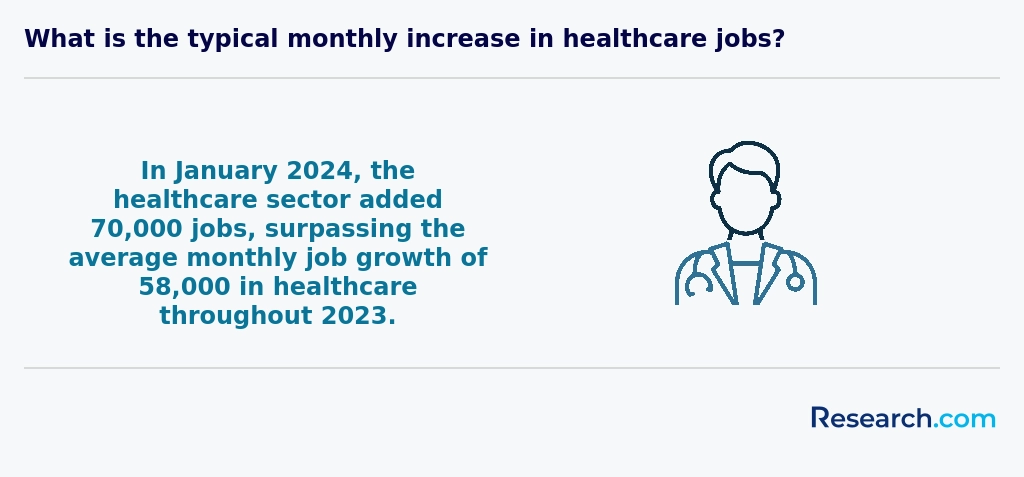
Graduates from online healthcare degree programs in the West find themselves at a crossroads of opportunity, far beyond traditional clinical roles. Many pursue advanced nursing careers, transitioning from registered nurses to nurse practitioners or educators, especially celebrated through programs at California's prominent universities. These paths are buoyed by a rapidly growing job market, blending passion for patient care with leadership potential. Others dive into health administration, driven by facilities expanding in states like Oregon and Colorado, where graduates lead innovative healthcare systems, turning knowledge into impactful community health strategies-demonstrating how healthcare job opportunities for West graduates extend well outside hospital beds.
For those who envision a hands-on role in rehabilitation or public health, physical and occupational therapy degrees from respected Western colleges unlock rewarding futures serving aging populations. Meanwhile, health informatics careers attract graduates embracing technology to improve patient outcomes across the West's digital healthcare landscape. Many healthcare students recount how earning an online accelerated bachelor's degree first empowered them, enabling smooth transitions into these diverse healthcare arenas while balancing life's demands.
What is the job market for online healthcare degree in the West?
The landscape for online healthcare degree graduates in the West defies the outdated notion that remote education limits career potential. Graduates from renowned Western institutions often share stories of swiftly landing roles in diverse healthcare settings, from dynamic hospital administrations in Los Angeles to innovative telehealth startups in Seattle. The ongoing growth of healthcare degree employment opportunities in the western US reflects this reality, fueled by a regional population surge and technological advances.
Consider a graduate balancing family while enrolled in an online master's program from a well-known university in California. Their investment did not stall their career; instead, it paved the way towards roles with median salaries exceeding $110,000, underscoring the value employers place on accredited online degrees. These stories challenge skeptics, showing how flexible education models expand access without compromising quality, especially when traditional campus attendance is unfeasible.
For those weighing options, understanding what is the easiest 2 year degree to get? may also reveal pathways into allied health fields that complement advanced online studies, broadening employment prospects. The West's healthcare sector is vibrant and welcoming to those driven enough to adapt and grow.
Frequently Asked Questions About healthcare
Students pursuing online healthcare degrees in the Western US can maximize their learning by actively engaging with virtual resources and practical experiences. Healthcare education often requires applied skills; therefore, seeking local internships or clinical placements is crucial. According to the California Healthcare Foundation, California offers over 1,500 healthcare training facilities, providing ample opportunities for hands-on learning.
Additionally, active participation in online discussions and study groups helps deepen comprehension and retention. Using accredited programs recognized by the Western Association of Schools and Colleges (WASC) ensures quality education aligned with regional standards. Time management and consistent study schedules are also essential, helping students balance professional and academic commitments effectively in this demanding field.
The healthcare field in the Western United States is rapidly evolving, with several emerging niches gaining prominence. One key area is telehealth, which expanded by over 150% during the pandemic, according to the California Telehealth Resource Center. This growth has created a demand for professionals skilled in virtual patient care and remote diagnostics.
Another rising specialty is healthcare informatics, focusing on managing electronic health records and data analytics. The Oregon Health Authority reports that jobs in this sector are expected to grow by 20% through 2028.
Additionally, mental health services and geriatric care are seeing increased needs, driven by aging populations in states like Washington and Colorado. These niches offer exciting opportunities for online degree seekers aiming to address future healthcare challenges.
After earning an online healthcare degree in the Western US, graduates should focus on gaining relevant experience to improve job prospects. Internships, voluntary clinical hours, or remote healthcare projects demonstrate practical skills and commitment. According to the California Employment Development Department, healthcare roles in the state are expected to grow 15% by 2030, highlighting the increasing demand for well-prepared professionals.
Networking is crucial. Joining professional associations, attending virtual healthcare conferences, and connecting with alumni can open doors. Additionally, securing appropriate licenses or certifications specific to your state is necessary, as healthcare regulations vary across the West. Familiarizing yourself with these requirements early ensures smoother transitions into the workforce.
Employers in the Western US healthcare sector prioritize both clinical and interpersonal skills in graduates with online healthcare degrees. Critical thinking and problem-solving abilities are essential, enabling professionals to adapt quickly to evolving medical technologies and patient needs. According to the California Healthcare Foundation, teamwork and communication rank highly, as multidisciplinary collaboration is standard in Western healthcare settings.
Technical proficiency, especially with electronic health records (EHR) systems, is increasingly demanded. The US Bureau of Labor Statistics projects a 16% growth in healthcare employment in the West from 2020 to 2030, emphasizing the need for graduates skilled in digital health tools.
Empathy and cultural competence are crucial as well, reflecting the diverse populations across Western states. Employers seek graduates who can provide patient-centered care respectfully and effectively.
Finding internships in the Western United States as a healthcare degree student involves strategic research and networking. Many universities with online healthcare programs have partnerships with local hospitals, clinics, and public health organizations, particularly in states like California, Washington, and Oregon, which have strong healthcare industries.
Students should explore resources such as the National Association of Healthcare Internships and specific hospital internship portals. According to the California Employment Development Department, healthcare internships grew by 15% from 2019 to 2023, reflecting increased opportunities.
Additionally, contacting state health departments and professional organizations like the American Public Health Association's Western regional chapters can connect students to relevant internships.
Utilizing university career services and attending regional healthcare job fairs also enhance chances to secure practical experience crucial for licensing and employment.
Online healthcare degrees in the Western United States play a significant role in improving career mobility and advancement. According to the Bureau of Labor Statistics, healthcare employment in states like California, Washington, and Oregon is projected to grow by over 15% between 2021 and 2031, creating new opportunities for degree holders.
These degrees offer flexible learning options that enable working professionals to upskill without pausing their careers. Graduates often qualify for higher-level roles such as healthcare administration, nurse practitioner, or health informatics specialist, which typically offer increased salaries and leadership responsibilities.
Employers in the West frequently recognize accredited online degrees, especially from regionally accredited institutions, as valid credentials. This recognition helps graduates compete effectively for promotions and specialized roles within growing healthcare organizations.
Studying for an online healthcare degree in the Western US equips students with skills needed for interdisciplinary collaboration. Programs emphasize teamwork among professions such as nursing, public health, and health administration.
Curricula often include courses on communication, ethics, and healthcare policy. These subjects help students understand different perspectives and work effectively with diverse teams.
According to the Western Interstate Commission for Higher Education, healthcare jobs requiring interdisciplinary abilities are growing faster than average in states like California and Washington.
This regional focus prepares graduates to meet the demands of complex healthcare environments, where collaboration improves patient outcomes.
When choosing between a thesis and a non-thesis online healthcare degree program in the Western US, consider your career goals. A thesis program emphasizes research and is ideal for those aiming for doctoral studies or research roles. According to the Western Interstate Commission for Higher Education, thesis programs often require 6-12 months dedicated to research and writing.
Non-thesis programs focus on practical skills and coursework, catering to professionals seeking advancement in clinical or administrative roles. State workforce data from California and Washington show higher demand for applied healthcare management skills, which non-thesis paths typically emphasize.
Additionally, thesis options may offer greater eligibility for academic funding, while non-thesis paths provide faster completion times, often within 1.5 to 2 years.
Students based in the Western United States interested in studying healthcare abroad have several options through online degree programs offered by accredited US institutions. Many universities provide fully online master's degrees in healthcare administration, public health, nursing, and related fields, allowing students to gain international perspectives while remaining in the West.
These programs often include virtual internships or global case studies, helping students understand healthcare systems worldwide without relocating. According to the Western Interstate Commission for Higher Education (WICHE) report (2023), over 40% of Western students enrolled in online healthcare degrees explore international healthcare topics.
Some institutions partner with foreign universities, enriching curricula with cross-cultural knowledge and broadening career opportunities.
Part-time job opportunities in the Western US that complement online healthcare degrees are diverse and practical. Many students find work as medical assistants, offering hands-on experience with patient care and clinical procedures. According to the U.S. Bureau of Labor Statistics, California and Washington report high demand in this role, with median hourly wages around $16-$18.
Additionally, roles such as healthcare administrative assistants provide exposure to medical records and billing, valuable for those interested in healthcare management. Telehealth support positions have grown rapidly, reflecting increased virtual care adoption in Western states.
These jobs provide flexible hours suitable for online students, enhancing skills directly related to their studies.
Networking opportunities for online healthcare students in the Western US are increasingly robust. Many Western universities offering online programs integrate virtual events, webinars, and discussion boards to connect students with faculty and peers. For example, the University of Washington and Arizona State University provide dedicated platforms for collaborative projects and alumni engagement.
Local healthcare conferences and workshops in states like California and Colorado often welcome online students, fostering regional professional connections. According to the National Board of Public Health Examiners, Western states account for nearly 30% of the nation's healthcare workforce growth, making these networks valuable for career advancement.
Professional organizations such as the California Association of Healthcare Executives also offer discounted memberships for students, facilitating access to mentors and job opportunities.
Alumni networks play an important role for online healthcare degree students in the Western United States. They offer valuable connections with professionals working in various healthcare fields, which can help with job placement and career advancement. According to a 2023 report by the Western Interstate Commission for Higher Education (WICHE), 68% of graduates found that alumni networks improved their access to internships and mentorship opportunities.
These networks often provide exclusive invitations to webinars, workshops, and local meetups, enabling ongoing professional development. Additionally, alumni support can help students navigate licensing exams and credentialing required in Western states such as California and Washington.
Customizing your online healthcare degree in the Western US involves selecting specializations that align with your career goals. Many universities offer elective courses or focus areas such as healthcare management, informatics, public health, or nursing leadership. According to the Western Interstate Commission for Higher Education (WICHE), over 60% of healthcare master's programs in the West provide flexible curricula enabling students to tailor studies to workforce needs.
Additionally, students can pursue internships, capstone projects, or research opportunities with local healthcare providers to gain relevant experience. These practical components help build connections and skills tailored to specific career paths in regions like California and Washington, where healthcare employment is growing fastest.
Online healthcare students in the Western US face several distinct challenges. A primary issue is gaining sufficient clinical experience remotely, as many programs require in-person practicums that can be hard to coordinate. According to a 2023 survey by the National League for Nursing, 42% of online nursing students reported difficulties securing clinical placements locally.
Connectivity and technology access also impact learning; rural areas in states like Montana and Idaho still report broadband gaps affecting educational quality.
Additionally, students must navigate complex state licensing regulations, which vary widely and often delay career progression. Financial strain and balancing work-life commitments remain ongoing hurdles for many adults pursuing healthcare degrees online.
An online healthcare degree can open the door to several professional certifications relevant in the Western US healthcare market. Graduates often pursue credentials such as Certified Professional in Healthcare Quality (CPHQ), offered by the National Association for Healthcare Quality, or Registered Health Information Administrator (RHIA) through the American Health Information Management Association. Both certifications are highly regarded in states like California and Washington, where healthcare industries are robust.
Additionally, many students seek credentials like Certified Case Manager (CCM) or Licensed Clinical Social Worker (LCSW), depending on their specialization. These certifications enhance job prospects and salary potential, as highlighted by the Bureau of Labor Statistics.
National certification requirements generally include a combination of accredited education, work experience, and passing standardized exams.
Writing a winning application for an online healthcare program in the West requires clear demonstration of your motivation and relevant experience. Admissions committees look for candidates with a strong academic record, practical healthcare exposure, and a genuine commitment to improving patient outcomes. It is essential to highlight any clinical or research experience, including internships or volunteer work.
Personal statements should be concise, focused, and tailored to the specific program. Mention your career goals and how the degree will help achieve them. According to the Western Interstate Commission for Higher Education, online healthcare degrees in the West have grown by over 20% since 2018, increasing competition.
Strong letters of recommendation from professionals in healthcare or academia add weight to your application. Also, ensure your resume or CV is up-to-date, emphasizing relevant skills like data analysis or patient care. Finally, carefully follow application instructions and meet all deadlines to avoid disqualification.
Healthcare careers are viewed globally as vital and growing fields, especially in Western countries like the United States. According to the U.S. Bureau of Labor Statistics, healthcare occupations in the U.S. are projected to grow 13% from 2021 to 2031, much faster than the average for all jobs. This highlights the increasing demand for qualified healthcare professionals driven by an aging population and advances in medical technology.
The global perspective also emphasizes interprofessional collaboration and cultural competence, skills valued in Western healthcare systems. Online degrees in healthcare offer flexible pathways to meet these evolving needs, enabling students to gain recognized credentials and practical skills for diverse roles.
Gaining practical experience is crucial for students pursuing online healthcare degrees in the Western United States. Many programs incorporate clinical placements or internships at local healthcare facilities, allowing students to complete hands-on training near their residence. Partnerships between universities and regional hospitals or clinics help facilitate these opportunities.
Additionally, some programs use simulation labs and virtual patient scenarios to supplement real-world practice. According to the Western Interstate Commission for Higher Education, students in the West benefit from healthcare institutions eager to collaborate with educational programs.
National statistics show that 85% of online healthcare students find practical placements within six months of starting their program, reflecting strong regional support for clinical training.
Choosing the right concentration within an online healthcare degree program in the Western United States depends on your career goals and the regional healthcare demands. The West has a growing need for professionals in public health, health informatics, and nursing leadership, according to the US Bureau of Labor Statistics. Research local employment trends and salary data to align your studies with high-demand fields.
Consider program flexibility and accreditation, ensuring the concentration matches your professional license requirements. Programs accredited by the Commission on Collegiate Nursing Education (CCNE) or the Council on Education for Public Health (CEPH) are widely recognized in the West.
Lastly, explore concentrations that offer practical skills through online simulations or partnerships with regional healthcare providers.
Top Trending Healthcare Rankings
See What Experts Have To Say About Studying Healthcare
Read our interview with Healthcare experts

References
- Your Guide to Online Public Health Degrees with Financial Aid https://www.edumed.org/online-schools/public-health-degrees/financial-aid/
- Students and Alumni associations - Europubhealth https://www.europubhealth.org/students-alumni-associations/
- How to Succeed in a Difficult Job Market After Graduation https://www.hospitalrecruiting.com/blog/6542/how-to-succeed-in-a-difficult-job-market-after-graduation/
- Online Healthcare & Medical Certification Training Programs https://medcerts.com/programs/healthcare/
- Benefits of Online Healthcare Courses for Professionals | ILC https://inspirelondoncollege.com/blog/healthcare-courses-for-professionals/
- The impact of postgraduate education on career advancement in healthcare https://sets.com.ua/journals/vol-3-no-2-2024/the-impact-of-postgraduate-education-on-career-advancement-in-healthcare
- Health Sciences Study Abroad Programs - Healthcare Abroad https://www.ceastudyabroad.com/academic-discipline/health-sciences
- Online Medical Assistant Program With Financial Aid https://www.stepful.com/post/online-medical-assistant-program-with-financial-aid
- Global Perspectives – Healthcare Beyond Borders https://www.cedars-sinai.org/international-stories/healthcare-beyond-borders.html
- Healthcare Degrees https://teach.com/online-ed/healthcare-degrees/


