
2027 Most Affordable Healthcare Degree Programs Ranking in Dover

Co-Founder and Chief Data Scientist
Choosing the right healthcare degree program in Dover can feel overwhelming. To help, this article presents the 2027 Most Affordable Healthcare Degree Programs Ranking in Dover, developed by Research.com's team of expert data scientists. It's designed to guide you toward cost-effective options that don't compromise quality.
By exploring this ranking, you'll gain insights to make confident decisions about your education. Earning a healthcare degree opens many rewarding career paths, offering personal growth and the chance to make a real difference in your community.
Take the first step toward a fulfilling future today.
Key benefits of getting healthcare degree in Dover
- Healthcare degree graduates in Dover can expect strong earning potential, with roles like Patient Care Technicians earning around $60,790 annually and Quality Improvement Coordinators making up to $103,150 per year.
- Graduates from local colleges often find diverse career paths, including Medical Assistant, Health Information Technician, or Clinical Research Coordinator, offering satisfying work in both clinical and administrative settings.
- Choosing an online healthcare degree in Dover provides flexibility and convenience, allowing graduates to balance work and study while gaining skills that employers value in today's healthcare environment.
- Key benefits of getting healthcare degree in Dover
- What can I expect from healthcare degree in Dover?
- Where can I work with healthcare degree in Dover?
- How much can I make with healthcare degree in Dover?
- 2027 Most Affordable Healthcare Degree Programs Ranking in Dover
- Key Findings
- How long does it take to complete healthcare degree in Dover?
- Next Steps for Prospective Students in Dover, DE
- What's the difference between online and on-campus healthcare degree?
- Emerging Trends and Certification Opportunities in Healthcare
- What is the average cost of healthcare degree in Dover?
- Accreditation and Licensing Requirements
- What financial aid is available to healthcare degree students in Dover?
- Internship and Clinical Experience Opportunities
- What are the prerequisites for enrolling in healthcare degree program in Dover?
- Licensing and Certification Requirements for Healthcare Graduates in Dover, DE
- What courses are typically in healthcare degree programs in Dover?
- What types of specializations are available in healthcare degree programs in Dover?
- How do you choose the best healthcare degree in Dover?
- What career paths are available for healthcare degree students in Dover?
- What is the job market for healthcare degree in Dover?
- Top Trending Healthcare Rankings
- See What Experts Have To Say About Studying Healthcare
What can I expect from healthcare degree in Dover?
Determining the average cost of a healthcare degree in Dover is not straightforward, as expenses can vary significantly depending on the program type and institution. Graduates from healthcare programs at Delaware State University, a key local provider, often recount tuition and fees falling in the range typical for public universities-generally between $8,000 and $15,000 per year for in-state students. However, this can increase for private or specialized programs, or for out-of-state enrollees.
Students frequently mention additional costs such as textbooks, clinical supplies, and licensing exam fees, which can add several hundred to a few thousand dollars overall. One graduate recalled budgeting carefully for clinical rotations at Bayhealth Kent General Hospital, where travel and materials were necessary. Yet, many find these expenses manageable, especially with the availability of scholarships and state financial aid targeting healthcare fields.
While online or hybrid program formats might reduce some costs-particularly in commuting or housing-students also emphasize the value of hands-on clinical experiences, which remain essential despite potential cost differences.
Where can I work with healthcare degree in Dover?
Graduates with healthcare degrees in Dover frequently find employment at major regional employers like ChristianaCare, a healthcare system known for employing thousands of professionals including nurses and health administrators. Those coming from institutions such as Delaware State University, popular among local students, often highlight the rewarding experience of joining teams where patient care and community health intersect daily.
Outpatient clinics and rehabilitation centers in Dover also offer diverse opportunities. Graduates report fulfilling roles in therapy services and health informatics, appreciating positions that emphasize preventive care over emergency intervention. This shift reflects broader healthcare trends but may require adaptability as job responsibilities evolve.
Hospitals such as Bayhealth Medical Center expand their workforce regularly, providing entry points for careers ranging from nursing to radiologic technology. Graduates feel a strong sense of purpose when contributing to chronic disease management in these settings, though some also note that high patient demands can challenge work-life balance.
Beyond clinical roles, healthcare administration and public health positions at Duke University's local affiliates or government agencies in Dover attract graduates eager to affect policy and community programs. Additionally, emerging fields like healthcare technology engage students who enjoy data-driven work, recognizing the growing value of these skills in the future job market.
How much can I make with healthcare degree in Dover?
Graduates with healthcare degrees in Dover can expect a wide salary range depending on their chosen role and education level. For instance, medical assistants typically earn a mean annual wage of around $43,350, while patient care technicians can expect about $60,790 per year. These figures come from recent data reflecting local market trends.
Health information technicians earn comparably to medical assistants, with annual wages near $43,380. More specialized roles such as clinical research coordinators start at similar salaries but may increase with experience and certifications. Notably, quality improvement coordinators stand out, earning a significantly higher mean wage of $103,150 annually, reflecting their advanced responsibilities.
Graduates from popular institutions in Dover report feeling optimistic about their financial prospects, especially knowing these numbers align with real data rather than broad national estimates. Many highlight that securing positions in local hospitals or research facilities boosts earnings potential. The proximity to metropolitan job markets also offers hope for advancement, making a healthcare degree in Dover both a valuable and practical investment.
2027 Most Affordable Healthcare Degree Programs Ranking in Dover
How do we rank schools?
Investing in your education is a significant decision that can shape your future, and the Research.com team understands the importance of making informed choices. To assist prospective students in Dover, we have meticulously crafted the "2027 Most Affordable Healthcare Degree Programs Ranking in Dover." Our commitment to quality, credibility, and accuracy is reflected in the extensive research and analysis conducted to compile this ranking.
We utilized the following reputable data sources to ensure a comprehensive evaluation of healthcare degree programs:
By exploring this ranking, readers will gain valuable insights into the most affordable healthcare degree options available in Dover, enabling them to make well-informed decisions about their educational investments. For more details on our methodology, please visit our Research.com methodology page.

# 3 position
Delaware Technical Community College-Terry
Bachelor of Science in Health Sciences

Key Findings
- Annual tuition for public healthcare degree programs in Dover ranges from $8,000 to $15,000, while private institutions may charge over $20,000.
- Financial aid options include scholarships, grants, federal student loans, and some local hospitals offer tuition reimbursement or internships.
- Healthcare jobs in Dover are expected to grow by about 15% over the next decade, outpacing many other sectors.
- Entry-level salaries for healthcare graduates average between $45,000 and $60,000 annually, with mid-career professionals earning $75,000 to $90,000 or more.
- Programs that include clinical experiences or internships are favored by employers and help with job placement after graduation.
How long does it take to complete healthcare degree in Dover?
Completing a healthcare degree in Dover depends significantly on the chosen path and pace. Many students at Delaware Technical Community College, for instance, find that associate degree programs take about two years, offering a practical route into healthcare roles. Graduates often share how this timeframe allowed them to quickly start working in hospitals or clinics, gaining real-world experience while balancing other responsibilities.
For those pursuing a bachelor's degree, such as a BSN, the typical duration is closer to four years. Students at local institutions appreciate the balance of general education with intensive clinical training, aligning with licensing needs. Some graduates report that the steady, well-structured program helped them build confidence and deeper knowledge, preparing them well for nursing careers in Dover's healthcare facilities.
Advanced degrees add complexity. Master's programs typically require two additional years post-bachelor's, and doctoral studies can range from three to six years depending on whether students study full-time or part-time. Accelerated BSN tracks offer an alternative, condensing the bachelor's experience to as little as 12 to 18 months for those with a prior degree, which many find both challenging and rewarding.
Next Steps for Prospective Students in Dover, DE
If you’re ready to take the leap and pursue a healthcare degree in Dover, DE, now is the perfect time to act on the wealth of information presented above. Begin by outlining your career objectives, budget, and learning preferences to make an informed decision that aligns with your professional goals. Reach out directly to the admissions offices of your chosen schools to inquire about application deadlines, program-specific details, and available support services. Additionally, consider leveraging comprehensive resources like affordable healthcare schools in delaware to compare tuition costs, financial aid options, and curriculum highlights across programs. Don’t hesitate to attend college fairs, virtual webinars, and campus tours to get a first-hand glimpse of student life and academic culture. Taking these actionable steps will not only simplify your decision-making process but also enhance your confidence as you plan a fulfilling and sustainable career in the healthcare field.
What's the difference between online and on-campus healthcare degree?
Online and on-campus healthcare degree programs in Dover cater to different student needs, each offering distinct experiences. Graduates from local universities often recall how online programs provided them the flexibility to juggle healthcare shifts and family commitments, allowing access to lectures anytime without the stress of commuting. This convenience suits many working adults in Dover seeking to advance their careers without pausing their jobs.
Conversely, on-campus students at popular Dover colleges emphasize the value of in-person interaction and hands-on learning. They highlight how being on campus made accessing clinical labs and participating in group activities more immediate and engaging, which boosted their confidence and practical skills. The structure of fixed class times also helped others to maintain steady study habits.
Financial considerations also differ; while online options may reduce commuting and housing expenses, on-campus programs sometimes offer streamlined connections to local clinical placements, easing the logistics of completing required practicum hours. Both pathways invite students to balance flexibility, cost, and learning style when choosing their route in Dover's healthcare education.
Emerging Trends and Certification Opportunities in Healthcare
As the healthcare landscape rapidly evolves, staying ahead means embracing emerging trends and pursuing advanced certifications post-graduation. Increasingly, healthcare professionals are expected not only to excel in clinical skills but also to adapt to technological solutions that drive efficiency and better patient outcomes. For instance, specialized training in areas such as health informatics, telemedicine, or medical coding is becoming essential in meeting the dynamic demands of modern healthcare institutions. One high-demand specialty is medical coding, where professionals benefit from targeted certifications that considerably enhance their marketability-learn more about the medical coder job outlook 2025 and future prospects in this field. Additionally, many hospitals and clinics now offer continuing education programs and career advancement workshops, which enable graduates to refine their expertise, improve patient care quality, and secure leadership roles. By investing in these professional development opportunities, graduates not only expand their skill set but also cement their position as vital contributors to the future of healthcare.
What is the average cost of healthcare degree in Dover?
The average cost of a healthcare degree in Dover typically centers around $10,670 for in-state students, reflecting a more affordable option compared to the national median total cost near $36,424. This difference plays a crucial role for many local students who must carefully consider their educational investments. Graduates from popular colleges in Dover often recall balancing tuition with other expenses such as textbooks and clinical placement fees, which can add up but are essential for hands-on training.
Those exploring Dover affordable healthcare degree tuition find that community colleges and technical schools offer attractive alternatives, sometimes costing between $5,000 and $10,000 for certificate or associate degrees. These programs enable students to enter the workforce quickly and experience early career satisfaction, although they typically prepare for entry-level roles rather than advanced healthcare positions. Students at universities offering bachelor's or master's degrees in healthcare fields also highlight the benefit of financial aid options and scholarships in easing these costs.
One graduate describes the challenge of navigating additional fees for lab work and health insurance, which are often required but overlooked when calculating the overall investment. Another emphasizes how local institutions provide transparency through annual tuition rate publications, helping students plan better. Students interested in specialized certifications often explore how to get ekg technician experience as part of their pathway to a healthcare career, blending practical training with reasonable expenses.
Accreditation and Licensing Requirements
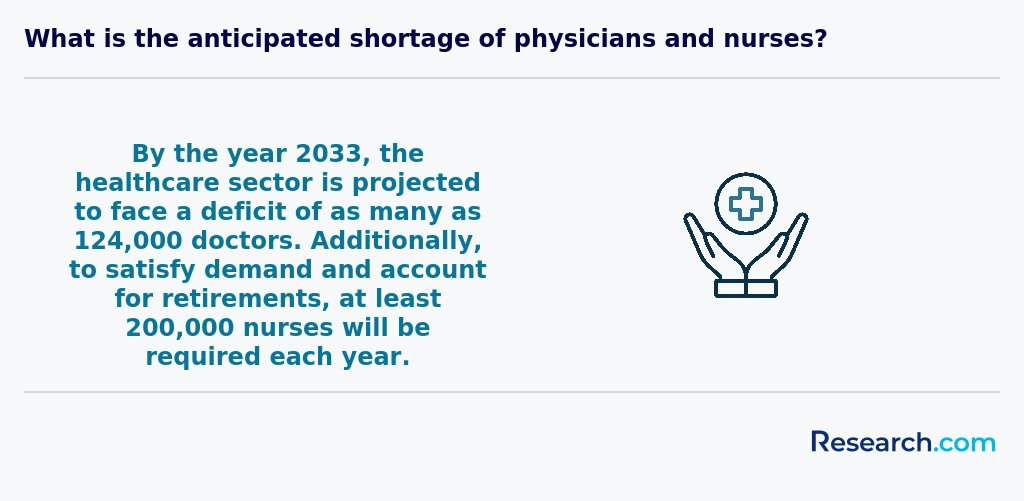
To ensure your degree leads to a valid professional credential, verify that your chosen program holds accreditation from a recognized agency. In Delaware, nursing programs should be accredited by the Commission on Collegiate Nursing Education (CCNE) or the Accreditation Commission for Education in Nursing (ACEN), which qualifies graduates to sit for the NCLEX-RN licensure exam. Health information management programs must carry CAHIIM accreditation to prepare students for RHIA or RHIT certification, while medical assistant programs benefit from CAAHEP or ABHES recognition if you plan to earn the CMA (AAMA) designation. Before enrolling, consult the U.S. Department of Education’s Database of Accredited Postsecondary Institutions and Programs and the Delaware Division of Professional Regulation to confirm both institutional and programmatic accreditation. Graduates from accredited programs meet state educational requirements for licensure and often enjoy higher employer confidence. For those seeking advanced credentials, students interested in leadership or specialized clinical roles can explore our Most Affordable Online Master's in Healthcare Degree Programs Ranking in the South to find accredited online master’s options that align with Delaware’s licensing pathways.
What financial aid is available to healthcare degree students in Dover?
Students pursuing healthcare degrees in Dover often rely on a mix of financial aid to manage costs that can range from $15,000 to $35,000 annually. Federal aid, accessed through FAFSA, remains crucial; many graduates share how Pell Grants, capped at $7,395 in 2023, provided essential relief without adding debt. Yet, Pell Grants alone rarely cover full tuition, making federal loans a common supplement, despite concerns about future repayment burdens.
State programs like the Delaware Health Care Scholarship have been a game-changer for local students committed to working in the state's healthcare system. Graduates from Delaware State University and Wilmington University frequently mention how this aid not only eased immediate expenses but also strengthened their ties to the Dover healthcare community.
Institutional scholarships vary widely, reflecting differences among healthcare programs. Some students report receiving partial merit-based awards, while others benefited from full scholarships tied to financial need. Additionally, employer tuition assistance programs offered by regional hospitals often provide practical support, especially for those balancing work and studies.
Internship and Clinical Experience Opportunities
One of the most valuable aspects of healthcare education in Dover, DE, is the emphasis on real-world clinical training. Many institutions have established robust partnerships with local hospitals, community clinics, and public health organizations to provide students with hands-on internship placements before graduation. These practical experiences not only enrich classroom learning but also empower students with the confidence and skills needed to excel in today’s competitive healthcare landscape. Programs often integrate structured mentorship, clinical rotations, and networking events to ensure that every student benefits from both academic and practical exposure. If you're researching pathways that combine quality education with real-world training, consider exploring programs offered by affordable healthcare schools in delaware for a well-rounded approach to your future career.
What are the prerequisites for enrolling in healthcare degree program in Dover?
Enrolling in a healthcare degree program in Dover typically involves meeting several core prerequisites that reflect both academic readiness and practical exposure. Most Dover institutions expect applicants to hold a high school diploma or equivalent, with a strong emphasis on science coursework such as biology and chemistry. Graduates from popular colleges here often recall how their solid background in these subjects helped them grasp complex concepts early on, fueling a sense of achievement and confidence.
Standardized test requirements vary-some schools still request SAT or ACT scores, while others have adopted test-optional policies to widen access, especially post-2020. This flexibility allows many hopeful students to pursue healthcare studies without the stress of high-stakes testing, which many celebrate as a more equitable approach.
Hands-on experience is highly valued. Many programs in Dover ask for volunteer work or shadowing healthcare professionals-activities that former students describe as eye-opening, reinforcing their passion through real-world encounters. Letters of recommendation from supervisors or educators further demonstrate commitment.
Some specialized degrees, like nursing at local colleges, require college-level courses before admission, adding layers of preparation. Finally, background checks and immunization records are essential, ensuring a safe environment during clinical rotations.
Licensing and Certification Requirements for Healthcare Graduates in Dover, DE
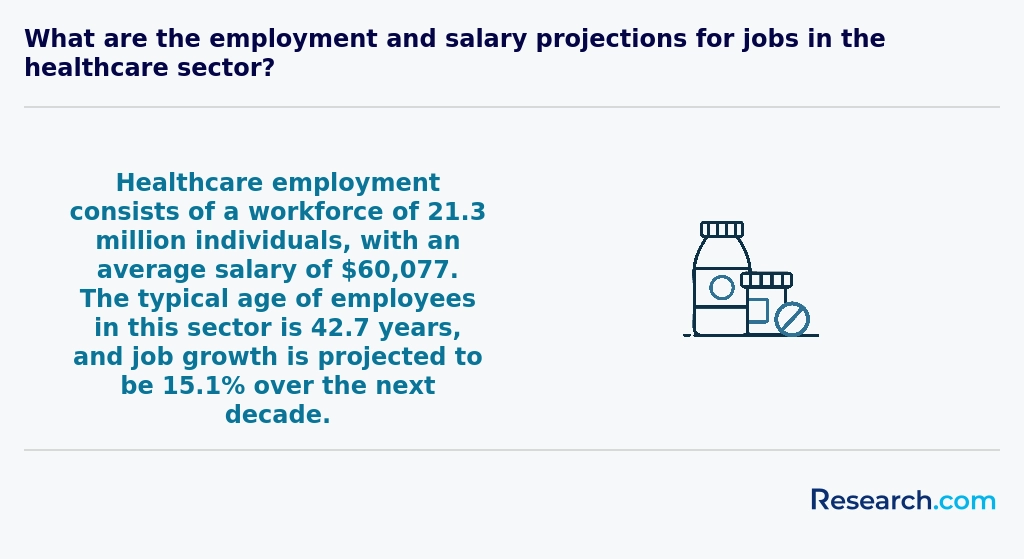
Graduates of healthcare degree programs in Dover, DE must obtain the appropriate licenses and certifications to practice legally and competitively. Here’s what you need to know: • Nursing (RN/LPN): After earning your associate or bachelor’s degree, apply to the Delaware Board of Nursing for licensure. You must pass the NCLEX-RN (for registered nurses) or NCLEX-PN (for practical nurses). Delaware offers endorsement for nurses already licensed in other states, but you’ll need to submit verification and fingerprints. • Medical Assistants: While Maryland and Pennsylvania offer voluntary Certified Medical Assistant (CMA) credentials through the AAMA, Delaware employers often prefer CMAs or RMA (Registered Medical Assistant). Graduates from accredited programs can sit for the CMA exam. To balance certification prep with studies, consider exploring our Most Affordable Online Medical Assistant Programs. • Health Information Technicians: To earn the RHIT (Registered Health Information Technician) credential from AHIMA, complete a CAHIIM-accredited associate degree and pass the RHIT exam. Certification boosts job prospects and demonstrates mastery of medical coding, data analytics, and compliance standards. • Allied Health Professionals: Roles such as respiratory therapists, radiologic technologists, and surgical technologists require state licensure or national certification. Check the Delaware Division of Professional Regulation website for specific exam requirements, application fees, and continuing education mandates. Maintaining licenses often involves renewing every 1–2 years and completing continuing education units (CEUs). Stay informed of renewal deadlines by subscribing to state board newsletters. Early preparation-reviewing test blueprints, joining study groups, and using practice exams-will increase your pass rates and shorten the path from graduation to gainful employment.
What courses are typically in healthcare degree programs in Dover?
Healthcare degree programs in Dover typically include core courses such as Anatomy and Physiology, Microbiology, Medical Terminology, Healthcare Ethics and Law, Pharmacology, Health Assessment, and Biostatistics and Research Methods. Graduates from popular local colleges often reflect on how Anatomy classes allowed them to connect textbook knowledge with real patient interactions during clinicals, making the human body's complexity both fascinating and tangible.
Similarly, Microbiology and Pharmacology provide crucial understanding of diseases and medications, often reinforcing the importance of patient safety in everyday practice, as recalled by students during hands-on lab sessions at Dover's healthcare facilities.
Ethics and law courses frequently spark reflective discussions among students, helping them navigate challenging scenarios they might face in the field.
While many appreciate the blend of theory and practical learning, some graduates note that the intensity of courses like Biostatistics can feel daunting but ultimately strengthens critical thinking for research-driven healthcare roles.
Ultimately, these courses are designed with Dover's growing healthcare demands in mind, encouraging students to engage deeply with both academic and real-world challenges.

What types of specializations are available in healthcare degree programs in Dover?
Healthcare degree specializations in Dover often reflect the city's diverse medical needs and workforce demands. Popular programs include nursing, health administration, allied health professions, public health, and pharmacy. Graduates from well-known local colleges frequently share how nursing specializations-like pediatric or geriatric nursing-offer rewarding patient interactions and clear career pathways. These healthcare degree specializations in Dover help meet the rising demand for skilled nurses, especially with Delaware's aging population.
Students pursuing health administration find value in programs that blend healthcare policy with operational skills, preparing them for management roles that improve hospital efficiency. Allied health tracks, such as respiratory and physical therapy, connect graduates with hands-on roles in patient recovery, which many describe as highly fulfilling. Public health degrees lead students to community-focused roles, addressing regional health issues through education and disease prevention.
Pharmacy programs, while fewer, still draw students intent on medication management careers. Some Dover graduates note that exploring nurse practitioner roles locally motivated them to research nurse practitioner degrees illinois state licensure, reflecting how specialization choices can extend beyond Dover to optimize licensure and opportunities.
How do you choose the best healthcare degree in Dover?
Choosing the best healthcare degree in Dover requires balancing multiple factors with a clear understanding of personal and professional goals. Graduates from popular colleges often emphasize how accreditation impacted their confidence in employer recognition, noting institutions accredited by well-known bodies provide a stronger foundation. Given the wide variation in tuition-typically $7,500 to $20,000 per year in Dover-students focused on affordable healthcare degrees Dover 2027 often weigh cost against program flexibility, favoring schools with evening or weekend courses that fit working schedules.
Hands-on clinical training is frequently highlighted by students who appreciated partnerships with local hospitals and clinics, which enriched their learning beyond the classroom. Graduates recall feeling more prepared entering the job market thanks to these real-world experiences. For those uncertain between nursing and other fields, referring to resources such as Miami nursing courses can provide insight on similar healthcare tracks in nearby regions. Carefully considering graduation rates and job placement helps ensure a degree aligns with growing healthcare demands in Dover and beyond.

What career paths are available for healthcare degree students in Dover?
Graduates holding a healthcare degree in Dover find a variety of career paths reflecting the city's robust medical landscape. Popular local institutions like Delaware State University and Delaware Tech prepare students for roles such as registered nurses, healthcare administrators, and medical technologists, offering real-world exposure through partnerships with Bayhealth Medical Center. Although many students begin with associate degrees qualifying them for positions like licensed practical nurses or medical assistants, those aiming for advanced roles often pursue bachelor's or higher degrees.
One graduate from a well-known Dover college shared enthusiasm about working as a healthcare administrator, a path praised for both its demand and salary potential, with median wages around $101,000 nationwide. For students weighing healthcare degree career options in Dover, this role stands out amid growing healthcare system complexities.
Other viable options include clinical laboratory technologists and community health workers who impact public health directly. Some students also find fulfillment in emerging specialties such as health informatics, merging technology with healthcare. Additionally, interested students might explore forensic nursing meaningful work, connecting healthcare skills with legal investigation to offer unique professional satisfaction.
While these paths offer promise, the diversity of opportunities means students should critically assess their own skills and interests, as well as program quality, to navigate job opportunities with healthcare degree Dover effectively.
What is the job market for healthcare degree in Dover?
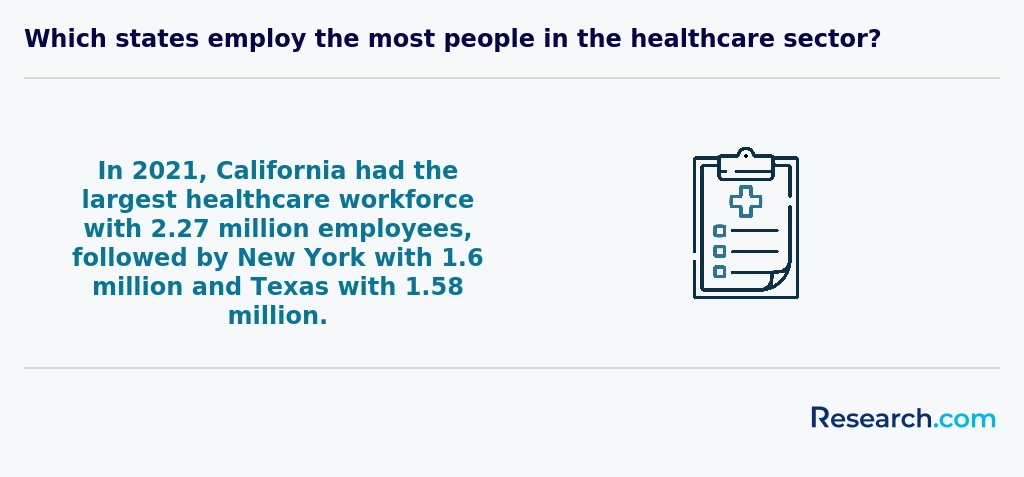
The healthcare job market in Dover offers promising opportunities for graduates holding healthcare degrees, supported by a regional growth rate faster than the national average. Local hospitals, outpatient centers, and nursing facilities frequently seek registered nurses and health services managers, reflecting a robust employment outlook for healthcare degrees Dover. Graduates from prominent institutions in Dover often share positive experiences, emphasizing access to internships that lead to strong job placement rates within months after completing their studies.
While entry-level registered nurses can expect salaries ranging from $60,000 to $75,000, healthcare administration roles boast median wages near $105,000 annually, particularly in centers like Bayhealth Medical Center. Students also appreciate financial aid options that alleviate tuition costs, enhancing the overall value of pursuing healthcare education here. Those interested in mastering complex vocabularies benefit from courses emphasizing medical terminology in healthcare, equipping students for diverse career paths.
Despite these positives, graduates are advised to consider market competition and evolving healthcare demands, ensuring continuous skills development. Understanding local employment trends enables candidates to position themselves effectively in this dynamic sector focused on healthcare job opportunities in Dover.
Frequently Asked Questions About healthcare
Healthcare degree students in Dover can maximize their learning by engaging deeply with both classroom and practical experiences. Dover offers access to several medical facilities where students can pursue internships, enhancing clinical skills crucial for healthcare careers. According to Delaware Health Statistics Center, hands-on training in local hospitals improves job placement rates by up to 20% for nursing and allied health graduates. Additionally, students should utilize campus resources like tutoring centers and study groups to strengthen their understanding of complex subjects.
Networking with local healthcare professionals and attending seminars hosted by medical institutions in Dover can expose students to current industry trends. Combining theoretical knowledge with real-world experience is key for success in the US healthcare sector.
Emerging niches within the healthcare field in Dover reflect broader national trends driven by technological advances and changing patient needs. One key area is telehealth, which has grown rapidly; according to the Delaware Division of Public Health, telemedicine usage increased by over 50% in recent years. This growth creates demand for professionals skilled in digital health technologies and remote patient care.
Another growing niche is geriatric care, as Dover's aging population requires more specialized support. The U.S. Census Bureau projects a 20% increase in residents aged 65 and older by 2030, intensifying the need for trained gerontologists and elder care nurses.
Additionally, behavioral health careers are expanding due to rising mental health awareness-local health initiatives have focused on this since 2020.
Preparing for the job market after completing a healthcare degree in Dover involves several key steps. Graduates should prioritize obtaining relevant certifications like CPR or medical coding credentials, which enhance job prospects. Networking within local healthcare institutions, such as Bayhealth Medical Center, is crucial since Dover's healthcare sector is growing steadily, with employment expected to increase by 15% over the next decade according to Delaware's Department of Labor.
Gaining practical experience through internships or clinical rotations offered during studies can provide a competitive edge. Additionally, utilizing career services at colleges in Dover can help connect graduates with job openings in nursing, allied health, or healthcare administration fields.
Employers in Dover's healthcare sector prioritize a blend of technical and interpersonal skills when hiring graduates with healthcare degrees. Critical thinking and clinical competence top the list, enabling new professionals to deliver safe and effective patient care. According to the Delaware Department of Labor, strong communication skills are essential, as nearly 65% of healthcare roles require collaboration across multidisciplinary teams.
Additionally, proficiency in electronic health records (EHR) systems is increasingly important, reflecting the nationwide trend toward digital documentation. Time management and adaptability also rate highly, especially given the fast-paced nature of healthcare environments in Dover's hospitals and clinics.
Finally, ethical judgment and cultural sensitivity remain vital, supporting respectful patient interactions within the region's diverse population.
Finding internships in Dover relevant to healthcare degrees involves leveraging local healthcare facilities and educational institutions. Begin by contacting hospitals such as Bayhealth Medical Center, which frequently offer internship programs for nursing and allied health students. These practical experiences are essential for gaining real-world skills and meeting licensure requirements.
Additionally, check with Delaware Technical Community College and University of Delaware's healthcare departments, as they provide resources and partnerships for students seeking clinical placements. Use online internship portals and Dover's workforce development centers to discover additional opportunities. Networking through local healthcare events and professional associations in Delaware can further enhance your search.
A healthcare degree in Dover significantly enhances career mobility and advancement opportunities. According to the Delaware Department of Labor, healthcare occupations in Dover are projected to grow by 18% through 2030, which outpaces many other sectors. This growth creates demand for qualified professionals at multiple levels, from nursing to healthcare administration.
Possessing a healthcare degree can open doors to higher-paying roles and leadership positions within hospitals, clinics, and public health agencies. Graduates often benefit from employer tuition reimbursement programs and certifications that further accelerate promotion possibilities. The structured educational foundation also prepares individuals for specialized certifications, providing a competitive edge in Dover's evolving healthcare market.
Studying for a healthcare degree in Dover equips students with skills needed for interdisciplinary roles by focusing on collaborative learning and practical experiences. Many local programs emphasize teamwork among nursing, public health, and allied health students, reflecting real-world healthcare settings. According to Delaware's Department of Health and Social Services, healthcare jobs requiring interdisciplinary knowledge are growing faster than average, with a 12% increase projected by 2030.
Students engage in simulations and clinical rotations across various specialties, enhancing their communication and problem-solving skills. Dover's institutions often partner with local hospitals and clinics, providing exposure to diverse healthcare teams. This preparation is vital as integrated care models become more common in U.S. healthcare.
Choosing between a thesis and a non-thesis healthcare degree program in Dover depends largely on your career goals and time commitment. Thesis programs emphasize research, requiring students to conduct original studies and write a detailed report, which can be ideal for those aiming for clinical research or academic careers.
Non-thesis programs focus on practical skills and coursework, appealing to professionals who want to enter or advance in healthcare administration, policy, or practice without dedicating extra time to research.
In Dover, with growing healthcare job opportunities, reported at an 8% increase by the Bureau of Labor Statistics for nearby Delaware regions over the next decade, the choice may depend on whether you prefer direct patient care or administrative roles.
Local institutions often offer flexible options, but thesis tracks may extend degree completion by 6 to 12 months.
Students based in Dover who wish to study healthcare abroad have several US-centric options that combine international experience with accredited healthcare education. Many American universities offer study abroad programs specifically in healthcare fields such as nursing, public health, and medical technology. Such programs allow students to gain clinical experience overseas while earning credits transferable to their home institutions.
According to the Institute of International Education, over 15% of US healthcare students participate in study abroad programs, with popular destinations including Canada, the UK, and Australia. These countries often provide compatible healthcare frameworks, easing professional certification upon return.
Moreover, some universities in the US, including those serving Dover residents, host partnerships with foreign medical schools or hospitals, supporting internships and research projects abroad. This approach enriches the learning experience and enhances employability in diverse healthcare environments.
Students pursuing healthcare degrees in Dover have access to several part-time job opportunities that enhance their education. Common roles include medical scribe positions, which provide experience documenting patient interactions in clinical settings. According to the Delaware Health and Social Services department, healthcare support occupations in Dover have grown by 8% over the past five years, indicating steady demand.
Additionally, part-time work as pharmacy technicians or certified nursing assistants (CNAs) offers practical skills relevant to many healthcare fields. These jobs often allow flexible schedules to accommodate class hours.
Volunteer opportunities in local hospitals and community health clinics can also complement formal studies by expanding professional networks and clinical knowledge.
Healthcare students in Dover benefit from multiple networking opportunities through local colleges and healthcare institutions. Delaware State University, located nearby, offers student organizations and health-related clubs that connect students with practicing professionals. These groups often host guest lectures, workshops, and career fairs focused on healthcare careers.
The ChristianaCare Health System, one of the largest employers in the area, provides internships, mentorships, and volunteer programs. These experiences allow students to gain hands-on exposure and build valuable contacts in the industry. According to the Delaware Department of Labor, healthcare is among the fastest-growing sectors in the Dover area, increasing the demand for well-connected graduates.
Regional healthcare conferences and seminars, sometimes held in Dover or Wilmington, also offer networking platforms for students to meet experts and recruiters. These events highlight innovations and career trends in nursing, public health, and allied health professions.
Alumni networks play a crucial role for healthcare degree students in Dover by providing access to professional connections and local job opportunities. Many healthcare employers in Delaware value recommendations from trusted graduates, making these networks a valuable resource for internships and employment. According to the Delaware Healthcare Association, over 60% of local healthcare hires come through personal referrals and alumni contacts.
Active alumni groups also offer mentorship programs, guiding current students through licensing processes and career decisions in nursing, public health, and allied health fields. This support can improve students' professional development and confidence.
Networking events in Dover increase students' chances of meeting healthcare leaders and gaining insights into the region's growing medical sectors.
Customizing a healthcare degree program in Dover allows students to align their education with specific career goals. Many local institutions offer flexible curricula with elective courses in fields like nursing, health administration, or medical technology. Enrolling in internships or clinical experiences at Dover-area hospitals and clinics can provide practical skills and networking opportunities.
Students might also choose part-time or online classes to balance work and study. According to the Delaware Department of Labor, healthcare occupations in Dover are expected to grow by 12% through 2030, emphasizing the benefit of specialized training. Tailoring your degree by focusing on in-demand specialties improves job prospects and career advancement potential.
Healthcare students in Dover often face multiple challenges during their studies. One common issue is managing a demanding curriculum that includes both theoretical knowledge and practical skills. Many programs require extensive clinical hours, which can be difficult to balance with personal and work commitments. According to Delaware's Department of Health data (2023), healthcare education programs in Dover have seen a 15% increase in enrollment, intensifying competition for clinical placements.
Additionally, the rising cost of tuition and related expenses poses a financial challenge for many students. Limited local scholarships and grants make funding education more difficult compared to larger metropolitan areas. Students also report stress related to high-stakes testing and preparation for licensure exams, critical for career advancement in healthcare fields.
Healthcare degrees in Dover open doors to various professional certifications that enhance career opportunities. Common certifications include Certified Nursing Assistant (CNA), Registered Nurse (RN), and Licensed Practical Nurse (LPN), with many local hospitals recognizing these credentials.
Additionally, certifications such as Certified Medical Assistant (CMA) and Emergency Medical Technician (EMT) are available for those focusing on allied health roles. According to Delaware's Department of Health and Social Services, the demand for certified healthcare workers in Dover is growing by 10% annually.
Advanced degrees can lead to certifications like Certified Health Educator (CHES) or Project Management Professional (PMP) for healthcare administrators, further expanding career potential within Dover's healthcare sector.
Applying to healthcare programs in Dover requires clear focus and preparation. Start by thoroughly researching local institutions, such as Delaware Technical Community College, which offers well-regarded nursing and allied health degrees. Emphasize your commitment to healthcare through relevant volunteer or work experience, as Dover programs prioritize applicants with practical exposure.
Strong academic performance in science courses is crucial, especially biology and chemistry. Many programs require prerequisite courses, so ensure you meet these before applying.
Craft a compelling personal statement highlighting your motivation and understanding of healthcare challenges specific to Delaware, referencing data from the Delaware Health Care Commission when possible.
Finally, obtaining solid recommendations from healthcare professionals can strengthen your application. Attention to detail and early submission improves your chances of acceptance.
A healthcare career is increasingly viewed through a global lens, reflecting the interconnected nature of health challenges worldwide. In the US, including Dover, healthcare professionals are trained to address issues influenced by global trends such as pandemics and aging populations. According to the Bureau of Labor Statistics, healthcare occupations are expected to grow 13% from 2021 to 2031, faster than the average for all occupations, driven by higher demand for healthcare services.
Programs in Dover often emphasize both local and international health perspectives, preparing students to work in diverse environments. This global approach enhances cultural competence and adaptability.
The integration of technology in healthcare, seen globally, shapes curricula in Dover, focusing on telehealth and digital records. This prepares graduates for a dynamic, worldwide healthcare market.
Gaining practical experience while studying for a healthcare degree in Dover is essential for career readiness. Many local colleges and universities partner with nearby hospitals, clinics, and long-term care facilities to provide internships and clinical rotations. These hands-on opportunities let students apply theoretical knowledge in real-world settings.
Additionally, students can pursue volunteer roles at Dover community health centers, which often welcome assistance and provide exposure to patient care. According to the Delaware Department of Health data, participation in clinical internships significantly increases employment rates after graduation.
Students should also explore campus resources like career services for guidance on local externships and healthcare job shadowing.
Choosing the right concentration within a healthcare degree program in Dover requires understanding both your interests and local job market trends. Common concentrations include nursing, healthcare administration, public health, and medical technology. According to the Delaware Department of Labor, healthcare support occupations in Dover are projected to grow 12% by 2030, especially in nursing and administrative roles.
Consider your preferred work environment and long-term career goals when selecting a focus. For example, nursing programs often lead to steady employment with competitive salaries, while public health concentrations may suit those interested in community wellness initiatives. Research the curriculum and available clinical experiences at local institutions, as practical training is crucial.
Additionally, check certification requirements for specialties in Delaware, as they can affect job eligibility. Consulting with academic advisors and reviewing employment data from the Bureau of Labor Statistics can guide informed decisions suitable for Dover's healthcare landscape.
Related Healthcare Rankings for Nearby Cities
- 2027 Most Affordable Healthcare Degree Programs Ranking in New Castle
- 2027 Most Affordable Healthcare Degree Programs Ranking in Philadelphia
- 2027 Most Affordable Healthcare Degree Programs Ranking in Chester
- 2027 Most Affordable Healthcare Degree Programs Ranking in Baltimore
- 2027 Most Affordable Healthcare Degree Programs Ranking in Villanova
- 2027 Most Affordable Healthcare Degree Programs Ranking in Lancaster
- 2027 Most Affordable Healthcare Degree Programs Ranking in College Park
- 2027 Most Affordable Healthcare Degree Programs Ranking in Washington
- 2027 Most Affordable Healthcare Degree Programs Ranking in Arlington
- 2027 Most Affordable Healthcare Degree Programs Ranking in Fairfax
Top Trending Healthcare Rankings
See What Experts Have To Say About Studying Healthcare
Read our interview with Healthcare experts

References
- Health Science Degree Requirements in CT https://www.bridgeport.edu/news/health-science-degree-requirements/
- The Most Affordable Medical Schools in Europe 2026 https://medhead.eu/the-most-affordable-medical-schools-in-europe/
- How to Create a Healthcare Career Roadmap https://www.ihire.com/resourcecenter/jobseeker/pages/how-to-create-a-healthcare-career-roadmap
- The Role of Interdisciplinary Studies in Medical Career Training https://georgia-med.com/the-role-of-interdisciplinary-studies-in-medical-career-training.html
- Niche Markets in Healthcare https://ultrariskadvisors.com/niche-markets-in-healthcare/
- Healthcare Careers & Accredited Degree Programs https://www.healthcaredegree.com/
- Student Financial Aid https://delamed.org/student-financial-aid/
- The Healthcare Student’s Guide to Internships | EduMed.org https://www.edumed.org/resources/student-online-guide-to-internships/
- How to Find Healthcare Internships: A Step-by-Step Guide for Students and New Graduates https://hipaatraining.net/how-to-find-healthcare-internships-a-step-by-step-guide-for-students-and-new-graduates
- Networking and Mentorship During Clinical Rotations https://rotatingroom.com/blog/medical-students-the-importance-of-networking-mentorship-during-your-clinical-rotations


