
2027 Most Valuable Healthcare Degree Programs Ranking in Fairfax

Co-Founder and Chief Data Scientist
Choosing the right healthcare degree program is an important step toward a rewarding and meaningful career. For students in Fairfax, understanding which programs offer the best value can make all the difference.
This article features the 2027 Most Valuable Healthcare Degree Programs Ranking in Fairfax, created by the Research.com team of data scientists. It's designed to guide you in making informed decisions about your education and future.
By exploring these rankings, you'll discover programs that balance quality, cost, and career outcomes-helping you invest wisely in your passion for healthcare.
Key benefits of getting healthcare degree in Fairfax
- Healthcare degree graduates in Fairfax can earn competitive salaries, such as Medical Assistants averaging $43,350 annually and Patient Care Technicians earning around $60,790, ensuring financial stability.
- Graduates often pursue diverse careers like Clinical Research Coordinators or Quality Improvement Coordinators, opening doors to rewarding healthcare roles with meaningful impact.
- Online healthcare degrees offer flexible learning options, allowing students to balance work and study while gaining the same valuable skills as traditional programs, as shown by successful Fairfax online graduates.
- Key benefits of getting healthcare degree in Fairfax
- What can I expect from healthcare degree in Fairfax?
- Where can I work with healthcare degree in Fairfax?
- How much can I make with healthcare degree in Fairfax?
- 2027 Most Valuable Healthcare Degree Programs Ranking in Fairfax
- Key Findings
- How long does it take to complete healthcare degree in Fairfax?
- Emerging Trends Shaping Healthcare Education in Fairfax, VA
- What's the difference between online and on-campus healthcare degree?
- Student Life and Campus Resources
- What is the average cost of healthcare degree in Fairfax?
- Return on Investment (ROI) for Healthcare Degrees in Fairfax, VA
- What financial aid is available to healthcare degree students in Fairfax?
- Campus Life and Student Experience in Healthcare Programs
- What are the prerequisites for enrolling in healthcare degree program in Fairfax?
- Advanced and Specialized Healthcare Degrees in Fairfax, VA
- What courses are typically in healthcare degree programs in Fairfax?
- What types of specializations are available in healthcare degree programs in Fairfax?
- How do you choose the best healthcare degree in Fairfax?
- What career paths are available for healthcare degree students in Fairfax?
- What is the job market for healthcare degree in Fairfax?
- Top Trending Healthcare Rankings
- See What Experts Have To Say About Studying Healthcare
What can I expect from healthcare degree in Fairfax?
The average cost of earning a healthcare degree in Fairfax hovers around a blend of dedication and investment, typically ranging from $20,000 to $50,000 per year depending on the institution and program level. Graduates from Fairfax's respected colleges often describe the tuition as a gateway to unparalleled clinical experiences-imagine juggling textbooks while shadowing nurses at Inova Fairfax Hospital, one of the nation's busiest facilities.
These students recall how the costs felt less like a burden and more like a stepping stone toward securing a future in a booming healthcare economy. Beyond tuition, expenses for hands-on labs and tech-driven classes paint a realistic picture of what it means to train in a region defined by cutting-edge health services and rich federal agency connections.
Financial aid and scholarships ease the path for many, making this investment feel like a tangible leap into a career buzzing with opportunity and purpose-far from just numbers on a bill but a ticket to joining a meaningful, fast-growing field right in their hometown.
Where can I work with healthcare degree in Fairfax?
Healthcare graduates from Fairfax's vibrant universities often find themselves stepping into dynamic roles that pulse with purpose. Imagine starting your day at Inova Fairfax Hospital, where you could be a registered nurse coordinating care or a healthcare administrator steering critical decisions. The thrill of being part of one of Northern Virginia's largest medical hubs is a common story among alumni.
Others relish the hands-on vibe of outpatient centers and specialized clinics across Fairfax. Picture yourself as a diagnostic technician or a physician assistant, serving an ever-growing, diverse community. The sense of directly impacting patient lives here is both empowering and deeply fulfilling.
Graduates passionate about public health channel their energy into Fairfax County's Health Department programs, turning knowledge into action by educating the community and preparing for emergencies. For some, the quiet strength of long-term care centers becomes their career stage, supporting the elderly with empathy and skill.
Then there are those who dive into healthcare tech or pharmaceutical firms right in Northern Virginia, innovating behind the scenes. Through real experiences at Fairfax's colleges, students learn that a healthcare degree in this region unlocks a spectrum of rewarding, impactful career paths.
How much can I make with healthcare degree in Fairfax?
Graduates from healthcare programs in Fairfax often step into roles where their paychecks reflect both hard-earned skills and local economic vitality. Picture a recent Health Information Technician emerging from one of Fairfax's respected colleges, entering the workforce with an average annual salary around $43,380. Not bad for a first real taste of independence!
Medical Assistants and Clinical Research Coordinators, closely tied to practical healthcare degrees, draw nearly identical earnings, typically around $43,350 per year-enough to fuel that new apartment lease or weekend unwind after late-night studies.
Meanwhile, Patient Care Technicians, those hands-on champions of patient comfort, earn closer to $60,790 annually, adding a reassuring layer of financial stability to their meaningful work.
Then there's the ambitious Quality Improvement Coordinator, a role that often entices Fairfax graduates with a significant leap in income-an average of $103,150 a year-rewarding leadership and precision in healthcare systems.
These numbers blend seamlessly with stories of Fairfax students-who balance coursework at local universities with clinical hours-finding both financial reward and personal fulfillment brewing in the vibrant health sector nearby.
2027 Most Valuable Healthcare Degree Programs Ranking in Fairfax
How do we rank schools?
Investing in your education is a significant decision that can shape your future, and the Research.com team understands the importance of making informed choices. To support prospective students in Fairfax, we have meticulously developed the "2027 Most Valuable Healthcare Degree Programs Ranking in Fairfax." Our commitment to quality, credibility, and accuracy is demonstrated through the extensive research and careful analysis behind this ranking.
We utilized the following reputable data sources to ensure a comprehensive evaluation of healthcare degree programs:
By exploring this ranking, readers will gain valuable insights into the most valuable healthcare degree programs available in Fairfax, empowering them to make well-informed decisions about their educational and professional futures. For more information on how this ranking was created, please visit our Research.com methodology page.

Key Findings
- In-state tuition for undergraduate healthcare programs at public institutions like George Mason University averages around $12,000 per year.
- Private schools in Fairfax often charge tuition exceeding $30,000 annually, with additional costs for supplies, lab fees, and clinical placements.
- Entry-level healthcare professionals in Fairfax earn an average annual salary of approximately $57,000, with experienced workers making over $90,000 per year.
- The healthcare job market in Fairfax is growing steadily, with employment projected to increase by 10-15% over the next decade.
- Many healthcare degree programs include clinical rotations in local hospitals, providing essential hands-on experience.
How long does it take to complete healthcare degree in Fairfax?
Imagine stepping onto the Northern Virginia Community College campus, eager to dive into a healthcare career. For many, the journey to an associate degree takes about two years, a blend of hands-on clinical experiences and dedicated classroom time. Graduates often describe this period as a whirlwind of discovery, where each day feels like a stride closer to becoming a vital part of Fairfax's healthcare workforce.
Those aiming higher, like pursuing a Bachelor of Science in Nursing at George Mason University, typically face a four-year full-time commitment. Yet, many students appreciate the flexibility offered through part-time or accelerated paths, balancing life while chasing their dreams. It's not uncommon to hear tales of resilience where students juggle work and study, cherishing each milestone as a personal victory.
For the brave souls advancing to master's programs-encompassing specialties like nurse practitioner or physician assistant-expect two to three more years of immersive learning. Fairfax's universities provide nurturing environments where professional growth feels tangible, and the pace adapts to personal rhythms.
Emerging Trends Shaping Healthcare Education in Fairfax, VA
As the healthcare landscape rapidly evolves, educational programs in Fairfax, VA are adapting to prepare students for an increasingly digital and interconnected future. Institutions are integrating advanced technologies-ranging from telemedicine and digital diagnostics to data analytics and artificial intelligence-into their curricula, ensuring that graduates are equipped with both foundational medical knowledge and modern tech skills. This forward-thinking approach not only enhances the learning experience through simulated clinical environments and virtual labs but also positions students to meet the demands of a healthcare system that values innovation and agility. For those interested in supplementing their education with online learning options, exploring programs like what are the easiest mph online programs to get into can offer the flexibility and specialized training necessary to succeed in digital public health roles. Furthermore, as industry partnerships and research collaborations expand, students benefit from experiential learning opportunities that bridge the gap between classroom theories and real-world applications. This integration of emerging trends not only provides a competitive edge in the job market but also fosters a dynamic environment where continuous improvement and adaptability are key to long-term success in healthcare.
What's the difference between online and on-campus healthcare degree?
Imagine juggling lectures while sipping coffee at a cozy Fairfax café-an online healthcare student from George Mason University doing just that feels the freedom of learning without the 45-minute commute. Online programs here slice costs by up to 20%, sparing wallets from campus parking and gas. Technology becomes a trusty sidekick, with virtual labs simulating hospital vibes, though sometimes missing the pulse of real clinical hustle.
Contrast that with an on-campus student at Northern Virginia Community College, walking briskly to a local clinic for hands-on shifts, swapping stories with mentors face-to-face, and forging bonds that textbooks can't replicate. The buzz of campus corridors and lively study groups offer a sense of belonging difficult to capture behind a screen.
Both paths demand grit-whether managing flexible schedules online or navigating busy clinical rotations in Fairfax's healthcare hubs-yet they paint distinctly personal journeys through the diverse landscapes of healthcare education.
Student Life and Campus Resources
Fairfax, VA’s healthcare programs offer more than rigorous academics-they create a vibrant community where student life and support systems enhance the educational journey. Beyond the classroom, students benefit from state-of-the-art simulation labs, wellness centers, and extracurricular clubs that foster teamwork and leadership. Campus events and networking opportunities allow future healthcare professionals to engage with industry experts, while career services and mentoring initiatives ensure they are well-prepared for real-world challenges. These on-campus resources help alleviate the pressures of a demanding program, making it easier to balance studies with personal well-being. For example, many programs host regular workshops and peer-led study groups that build confidence and create a culture of continuous feedback. Prospective students are encouraged to explore the array of support services available-from academic advising to mental health counseling-which play a crucial role in shaping a well-rounded professional mindset. To learn more about institutions that excel in both academic quality and student support, visit valuable healthcare schools in virginia and discover programs that offer not just a degree, but a holistic educational experience. By integrating robust campus facilities and a thriving student community, healthcare programs in Fairfax, VA, ensure that graduates are not only knowledgeable but also confident, compassionate, and fully prepared to contribute to the evolving healthcare landscape.
What is the average cost of healthcare degree in Fairfax?
In Fairfax, the average cost of a healthcare degree attracts a blend of optimism and careful budgeting. Graduates from George Mason University often recount balancing tuition fees of around $14,220 for in-state students while embracing a vibrant campus life. Out-of-state friends facing the same courses see a steeper climb, with sums potentially soaring close to $55,701. These costs reflect not just a financial figure but an investment in their future roles in healthcare, sparking motivation amid challenges.
Meanwhile, those starting at Northern Virginia Community College enjoy a gentler financial slope, where healthcare degree tuition fees Fairfax hover lower, offering a practical gateway into the field without an overwhelming monetary burden. These students often cherish the chance to build foundational knowledge affordably, ready to transfer onward with zeal.
Private healthcare schools in Fairfax paint a different picture, where tuition can range widely between $25,000 and $50,000 per year. Despite the cost, many graduates highlight the rich, specialized training and personal connections that made every dollar worth the experience. They describe their journey as a leap into rigorous but rewarding healthcare careers, fueled by passion and guided by expert faculty.
Adding to tuition, students factor in extra expenses such as lab fees, books, and clinical supplies, which can push totals higher. Many foresee an extra $3,000 to $5,000 annually, a small price for the hands-on practice that turns theory into lifesaving skills. Accessing support through financial aid for nursing programs often helps ease this pressure, weaving a safety net of scholarships and grants that empower healthcare dreamers in Fairfax.
Return on Investment (ROI) for Healthcare Degrees in Fairfax, VA
Evaluating the true value of a healthcare degree requires more than just comparing tuition rates-it means understanding how quickly you can recoup your investment through earnings and career progression. In Fairfax, VA, the average annual cost of a bachelor’s healthcare program sits around $58,968, while graduates report early-career salaries ranging from $41,260 for Health Information Technicians to $55,860 for Patient Care Technicians. By calculating the payback period-total cost divided by annual income-you’ll find that most graduates can offset their educational expenses within two to four years of full-time work. Key factors driving ROI in Fairfax include:
- Consistently high local demand: With healthcare employment growing at 13% nationally and even higher regionally, job offers often come with signing bonuses and relocation assistance.
- Salary growth trajectory: Mid-career healthcare professionals in Fairfax can see wages increase by 30–40% over their first decade, thanks to specializations and advanced certifications.
- Debt-to-income ratio: Fairfax graduates typically graduate with $202,453 in average medical debt; however, robust institutional financial aid and manageable living costs help keep monthly repayments below 15% of take-home pay. For students seeking a more budget-friendly path without sacrificing quality, it’s worth comparing Fairfax options with other online programs. For example, the Cheapest Online Healthcare Degree Programs Ranking in Morgantown, WV highlights institutions where total tuition and fees can be up to 40% lower, while still maintaining accredited curriculum and solid graduate outcomes. By weighing salary projections against program costs, you can make a data-driven choice that maximizes both your professional impact and financial well-being.
What financial aid is available to healthcare degree students in Fairfax?
Imagine a healthcare student at George Mason University, eyes bright with hope, clutching a FAFSA confirmation that unlocks a cascade of federal grants and loans. The Pell Grant alone is a beacon, offering up to $7,495 annually, turning daunting tuition bills into manageable stepping stones. Fairfax residents tap into Virginia-specific treasures too-scholarships like the Virginia Commonwealth Award and the Tuition Assistance Grant act as secret keys to reduce costs, especially for nursing and allied health hopefuls.
Picture a recent graduate sighing relief after federal loans ease the weight of payment while an employer's tuition reimbursement program covers courses taken during night shifts. Many local community colleges add their own sparkle, awarding institutional scholarships that feel like personalized cheers for hard work and need.
And for those willing to serve in underserved corners of Fairfax, the Virginia Department of Health offers loan forgiveness, transforming commitment into financial freedom. This patchwork of support turns the dream of a healthcare career into a living, breathing reality right here in Fairfax.
Campus Life and Student Experience in Healthcare Programs
Students pursuing healthcare degrees in Fairfax, VA, don’t just gain academic knowledge-they also immerse themselves in a vibrant campus life that enriches their overall experience. Beyond classrooms and labs, many institutions offer state-of-the-art simulation centers, dedicated study spaces, and extracurricular clubs that focus on healthcare innovation and community service. These environments foster networking opportunities with experienced professionals, patient-care workshops, and career fairs that help bridge the gap between education and employment. Students often highlight the strong sense of community and mentorship provided by faculty and peers alike, which proves essential in navigating the challenges of rigorous healthcare programs. Moreover, campus-based career services and alumni networks frequently organize events that connect emerging professionals with leaders in the industry, ensuring that graduates are well-prepared for future roles. For further insights into how top institutions support student life and career readiness, consider exploring valuable healthcare schools in virginia that not only excel academically but also create an engaging and supportive environment for future healthcare professionals.
What are the prerequisites for enrolling in healthcare degree program in Fairfax?
Imagine stepping into the vibrant halls of a Fairfax college like Northern Virginia Community College or George Mason University, where healthcare dreams take shape. Before joining the ranks, graduates often recall the hurdle of showcasing strong foundations-think biology dissected in high school labs and chemistry experiments that made the periodic table come alive. A high school diploma or GED is just the ticket in, but it's the coursework in sciences and math that sets the stage.
Many students tell of polishing their SAT or ACT scores, though some found relief through test-optional policies, sparking hope that every pathway is uniquely theirs. Letters of recommendation shared heartfelt stories of dedication, while personal statements revealed that spark driving them toward healing professions.
In Fairfax's healthcare programs, a GPA hovering around 2.5 to 3.0 proves your academic grit. Prerequisite college courses in anatomy or introductory chem add layers to the classroom experience. Plus, real-world readiness shines through immunization proof and background checks-reminders that empathy pairs with responsibility in patient care.
Advanced and Specialized Healthcare Degrees in Fairfax, VA
As healthcare evolves, many graduates seek advanced and specialized degree paths to maximize impact and career growth. Beyond traditional bachelor’s and master’s programs, Fairfax institutions offer a variety of postgraduate tracks-ranging from clinical doctorates to leadership-focused certifications-that cater to specific interests and emerging industry demands. Whether you aim to lead a multidisciplinary team, conduct groundbreaking research, or specialize in pharmaceutical care, these pathways can elevate your expertise and marketability. Prospective pharmacists may explore direct entry pharmd programs, which combine undergraduate prerequisites with professional pharmacy training in an accelerated format. These cohorts emphasize early immersion in pharmacotherapy, interprofessional teamwork, and experiential rotations at leading healthcare facilities in Fairfax and beyond. Graduates of such programs report above-average licensure exam pass rates and robust placement in retail, hospital, and clinical trial settings, underscoring the value of streamlined PharmD curricula. For nurses and allied health professionals, advanced degrees like the Doctor of Nursing Practice (DNP) or Master of Science in Physician Assistant Studies (MSPAS) provide deep clinical immersion and leadership development. DNP programs focus on evidence-based practice, health policy advocacy, and quality improvement initiatives, preparing graduates to shape care delivery at the organizational level. Physician assistant master’s degrees, on the other hand, balance didactic coursework with extensive rotations across specialties-from emergency medicine to pediatrics-ensuring competency in diverse care environments. By selecting an accredited, outcome-driven program, Fairfax students can secure the advanced credentials needed to excel in an increasingly complex healthcare landscape.
What courses are typically in healthcare degree programs in Fairfax?
Imagine diving into the mysteries of the human body through anatomy and physiology, where Fairfax healthcare students at local colleges marvel at how each heartbeat and breath tie directly into their future roles. Then there's the intriguing world of microbiology and chemistry, where graduates recall their fascination studying tiny organisms that can heal or harm, making every lab session an adventure.
To truly thrive in Fairfax's bustling healthcare market-home to giants like Inova Health System-students grasp medical terminology early on, feeling empowered as they decode clinical language and connect with patients seamlessly. Ethical dilemmas sparkle to life in healthcare ethics and legal issues, where learners imagine real situations navigating complex medical decisions.
Many reflect on the excitement of public health courses, where they envision themselves crafting community-wide wellness campaigns right in Fairfax neighborhoods. Practical experience sinks in during clinical practicums or internships, moments they describe as transformative, blending book knowledge with hands-on patient care. Specialized paths, like health informatics, invite students into the dynamic realm of electronic records, bridging technology and compassion in this thriving region.
What types of specializations are available in healthcare degree programs in Fairfax?
Imagine walking the leafy campuses of Fairfax's top colleges, where healthcare degree specializations bloom like a vibrant garden, catering to every student's passion and career dream. From the heartbeat of Nursing-encompassing both Registered Nurse and Nurse Practitioner pathways-to the strategic hubs of Health Administration and Management, the choices open doors to hands-on healing or leading healthcare systems. Graduates often share the thrill of clinical rotations at Inova Fairfax Hospital, where skills sharpen against real-world challenges.
Public Health students dive into community wellness projects, fueling Fairfax's bold population health initiatives with energy and innovation. Meanwhile, Medical Laboratory Science and Healthcare Informatics learners revel in the data-driven pulse that defines modern care, merging technology and medicine in ways that spark excitement. Those curious about specialized practice can find inspiration through nurse practitioner degrees wisconsin internships, offering a glimpse beyond local borders.
Any Fairfax healthcare student today explores a kaleidoscope of options, driven by curiosity, compassion, and ambition-the true essence of healthcare degree specializations in Fairfax.
How do you choose the best healthcare degree in Fairfax?
Imagine walking the halls of a bustling Fairfax college, where nursing graduates recall how choosing accredited programs meant they were ready to take on real-world challenges without the stress of accreditation doubts. When hunting for the best healthcare degree programs Fairfax offers, think like these grads-prioritize programs recognized by bodies like CCNE or ACEN to unlock financial aid and licensure pathways. One graduate shared that balancing clinical training costs with the surprisingly affordable tuition kept their journey on track, reflecting the reality of affordable healthcare degrees Fairfax 2027 can provide.
Picture sitting in a lively evening class at George Mason University or Northern Virginia Community College, where flexible schedules empower students with day jobs or family duties to thrive alongside studies. Another key insight from graduates is the value of programs connected to local hospitals, offering smooth transitions into jobs in a region where healthcare careers are booming. For those eager to pivot within nursing, exploring career advancement in nursing options can be a game changer, adding zest and direction to your ambitions.
What career paths are available for healthcare degree students in Fairfax?
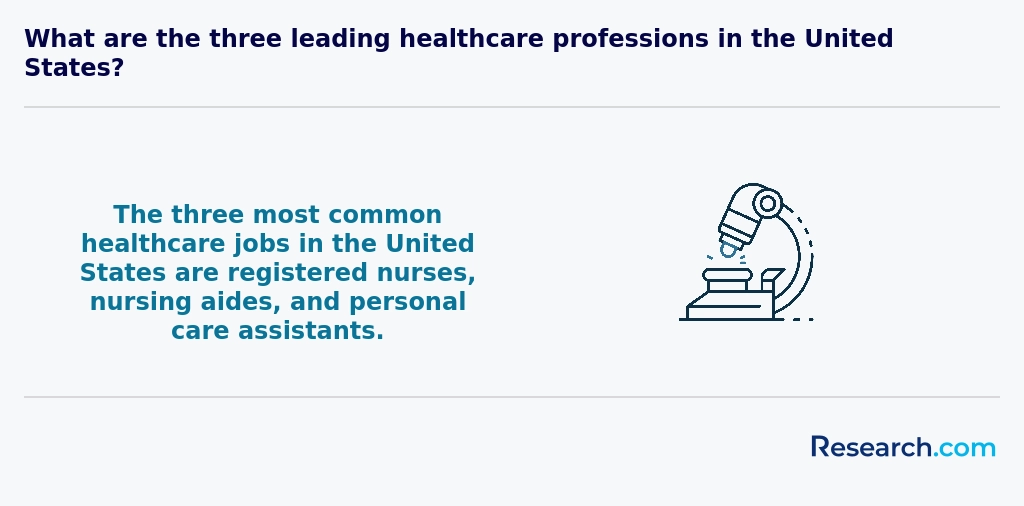
Graduates stepping into healthcare career opportunities in Fairfax discover a vibrant mosaic of pathways that blend compassion, science, and leadership. Imagine a nurse who started at a Fairfax college, now thriving as a Nurse Practitioner, navigating patient care with empathy and expertise, earning well above the national average thanks to local demand. Others find themselves orchestrating hospital operations or community clinics, embodying the critical roles health administrators play in Fairfax's expansive medical network.
Several grads feel the pulse of allied health careers-becoming physical therapists or radiologic technologists-where hands-on healing meets cutting-edge technology. These roles, deeply rooted in Fairfax's healthcare ecosystem, reward specialized skills with competitive salaries and personal fulfillment. Some dive into public health, weaving wellness programs that resonate with Fairfax's diverse communities, while a growing number harness the power of healthcare informatics, turning data into life-saving insights.
Students at top Fairfax institutions share stories of transformation, highlighting how programs foreground real-world practice. For those curious about advancing through specialized nursing careers, Fairfax stands as a beacon of opportunity and innovation in healthcare.

What is the job market for healthcare degree in Fairfax?
Graduates stepping into Fairfax's healthcare job market discover a landscape that feels more like an exciting frontier than a mere career path. The city pulses with opportunities, from bustling Inova Health System corridors to specialized outpatient clinics where hands-on skills meet cutting-edge technology. Fairfax's close ties to Washington, D.C., amplify employment opportunities for healthcare degrees Fairfax, welcoming those whose hearts beat for nursing, medical technology, or healthcare administration.
Among stories shared by graduates of popular local universities, many highlight the ease of securing roles where their education transforms into impactful patient care. This vibrancy is fueled by steady demand and a 15% growth rate projected by the Virginia Employment Commission. Students find that financial challenges melt away, thanks to scholarships and aid tailored to healthcare fields. To deepen experience, some seek medical assistant externships Colorado, a gateway to practical skills beyond textbooks.
These employment opportunities for healthcare degrees Fairfax unfold across government agencies, private practices, and emerging fields like telehealth, where technology and compassion entwine. For those eager to write their own healthcare story, Fairfax is a nurturing stage alive with promise and purpose.
Frequently Asked Questions About healthcare
Healthcare degree students in Fairfax can maximize their learning by engaging in both academic and practical experiences. Fairfax County offers proximity to renowned medical centers such as Inova Health System, where students can pursue internships and clinical rotations. These hands-on opportunities are crucial for applying theoretical knowledge.
Participating in local healthcare conferences and workshops, often hosted by Fairfax-based organizations, provides networking and up-to-date industry insights. Students should also take advantage of university resources like tutoring and study groups to reinforce core concepts.
Finally, Fairfax's diverse population offers a unique setting for cultural competence development, an essential skill in healthcare careers.
The healthcare field in Fairfax is rapidly evolving, with several emerging niches gaining importance due to technological advancements and demographic shifts. One notable area is telehealth, driven by increased demand for remote patient care and digital health monitoring tools. According to the Fairfax County Economic Development Authority, telehealth services in the region have grown by over 30% since 2020.
Another expanding niche is health informatics, which integrates data science with healthcare to improve patient outcomes and operational efficiency. Additionally, precision medicine, focusing on personalized treatment, is attracting more academic and clinical interest locally.
Mental health specialties, particularly those addressing the consequences of the COVID-19 pandemic, are also on the rise, reflecting a national trend validated by Fairfax health reports.
After completing a healthcare degree in Fairfax, preparing for the job market requires strategic planning. Start by gaining hands-on experience through internships or clinical practicum, which are often part of healthcare programs in Fairfax institutions. According to the Virginia Employment Commission, healthcare occupations in Fairfax are projected to grow by 12% through 2030, making practical experience highly valuable to employers.
Networking is also crucial. Engage with local healthcare organizations like Inova Health System, a major employer in Fairfax, and attend career fairs hosted by area colleges. This helps build connections that can lead to job opportunities.
Finally, consider relevant certifications and licenses required in your healthcare field, such as the Registered Nurse (RN) or Certified Medical Assistant (CMA) credentials, which increase employability in Fairfax's competitive healthcare sector.
Employers in Fairfax highly value healthcare degree graduates who demonstrate strong clinical skills combined with effective communication. According to the Fairfax County Health Department, about 75% of healthcare employers prioritize candidates who can collaborate across multidisciplinary teams. Technical proficiency with electronic health records (EHR) systems is also crucial, as Fairfax healthcare facilities increasingly rely on digital tools for patient care. Critical thinking and problem-solving abilities are emphasized to ensure quality care in fast-paced environments. Additionally, cultural competence and empathy are essential, given Fairfax's diverse population and the need for sensitive patient interactions. These skills significantly enhance job prospects in the local healthcare market.
Finding internships in Fairfax relevant to healthcare degrees involves several strategic steps. Start by exploring local hospitals and healthcare facilities, such as Inova Health System, which is a major employer offering clinical internship opportunities. Fairfax County's Department of Family Services and public health offices occasionally provide internships focused on community health programs.
Many colleges in Fairfax have career centers that maintain lists of vetted internship openings. For instance, George Mason University's healthcare programs often connect students with local medical offices and research projects.
Additionally, healthcare job boards like Handshake and Indeed regularly feature internships in Fairfax. Networking at local healthcare events and volunteering can also enhance access to internships.
Holding a healthcare degree in Fairfax significantly enhances career mobility and advancement opportunities. Fairfax's healthcare sector is expanding rapidly, with employment projected to grow 15% over the next decade, according to the U.S. Bureau of Labor Statistics. This growth demands skilled professionals, making degree holders highly sought after.
Healthcare degrees provide foundational knowledge and clinical skills necessary for various roles, from nursing to health administration. Graduates often qualify for specialized certifications, increasing their earning potential and eligibility for leadership positions. Educational credentials also facilitate transfers between healthcare facilities within Fairfax and the broader Northern Virginia region.
Furthermore, Fairfax's proximity to renowned medical research institutions offers ongoing professional development and networking opportunities, which support continuous career growth. According to the Fairfax County Economic Development Authority, healthcare professionals with advanced degrees experience faster promotion rates and higher job stability locally.
Studying for a healthcare degree in Fairfax offers strong preparation for interdisciplinary roles by emphasizing collaborative skills and diverse healthcare knowledge. Many local programs align with standards from accrediting bodies like the Commission on Collegiate Nursing Education (CCNE) and the Accreditation Council for Pharmacy Education (ACPE), ensuring comprehensive curricula.
Fairfax's proximity to major hospitals and health systems, such as Inova Health System, allows students to gain real-world experience working alongside professionals from various specialties. This exposure fosters teamwork essential in roles bridging nursing, public health, and medical technology.
According to data from the Fairfax County Health Department, there is growing demand for healthcare workers with interdisciplinary training, reflecting the area's focus on integrated care models.
Choosing between a thesis and a non-thesis healthcare degree program in Fairfax depends largely on your career goals and learning preferences. Thesis programs emphasize research, requiring students to design and complete an original study, which benefits those aiming for careers in academia or research-intensive roles.
Non-thesis programs typically focus on practical skills and coursework, appealing to students targeting clinical practice or administrative positions in healthcare settings. According to the National Center for Education Statistics, about 60% of healthcare graduate students nationwide opt for non-thesis tracks due to their quicker completion times and direct applicability.
Local healthcare employers in Fairfax often value practical experience, but advanced research skills can open doors to specialized roles in public health and policy.
Students in Fairfax interested in studying healthcare abroad have several pathways to consider. Many universities in Fairfax offer exchange programs or partnerships with foreign institutions, allowing students to gain international experience while earning credits toward their US degrees. For example, George Mason University, a leading Fairfax institution, has collaborations with healthcare schools in Europe and Asia.
Another option involves enrolling in accredited international healthcare programs that are recognized by US licensing boards, important for professions like nursing or physical therapy. Students should verify accreditation through organizations such as the Commission on Collegiate Nursing Education (CCNE) or the Accreditation Council for Pharmacy Education (ACPE).
Financial aid and scholarships for studying abroad may be available through Fairfax county initiatives or university resources, helping to offset costs. According to the National Center for Education Statistics, about 6% of US healthcare students participate in some form of study abroad annually, reflecting growing interest in global health perspectives.
Fairfax offers various part-time job opportunities that complement healthcare degree education by providing practical experience alongside academic learning. Positions such as medical assistants, pharmacy technicians, and certified nursing assistants are common. These roles allow students to gain hands-on skills in clinical settings, often within Fairfax's extensive healthcare facilities like Inova Health System.
According to the U.S. Bureau of Labor Statistics, Fairfax County has a higher-than-average concentration of healthcare jobs, making local experience valuable. Additionally, jobs in medical billing or health information technology provide relevant administrative exposure for students interested in healthcare management.
Such part-time roles help students build professional networks and improve employability upon graduation.
Healthcare students in Fairfax have access to numerous networking opportunities designed to enhance their academic and professional growth. Local institutions such as George Mason University offer student organizations like the Health Professions Student Association, which connect students with peers and healthcare professionals. Fairfax's proximity to Washington, D.C., also provides access to regional healthcare conferences and seminars where students can meet experts and potential employers.
Clinical placements in local hospitals, such as Inova Health System, serve as valuable networking platforms by allowing students to work alongside experienced clinicians. Data from Fairfax County Economic Development Authority indicates a growing healthcare sector, boosting internship prospects.
Alumni networks offer significant advantages for healthcare degree students in Fairfax. These networks provide valuable connections to local healthcare employers, clinics, and hospitals, which is crucial in a competitive job market. According to the Virginia Hospital & Healthcare Association, Fairfax has over 20 major healthcare facilities, creating ample job opportunities.
Through alumni events and mentorship programs, students gain insights into industry trends and career paths. Networking with graduates who hold positions in institutions like Inova Health System can enhance job prospects and internships.
Additionally, alumni often share resources such as study materials and professional development workshops, strengthening student preparedness for certification exams.
Customizing a healthcare degree program in Fairfax involves selecting courses and practical experiences aligned with your career goals. Local institutions often offer flexible curricula, allowing students to focus on specialties such as nursing, health administration, or public health. Many programs include electives, internships, and clinical rotations designed to fit diverse career paths. Fairfax's proximity to major healthcare employers and research centers provides valuable opportunities for hands-on learning and networking.
Students can also tailor their studies through certifications and dual-degree options, enhancing skills relevant to specific roles. According to the Virginia Employment Commission, Fairfax County's healthcare sector grew by 15% from 2018 to 2023, increasing demand for skilled professionals.
Healthcare students in Fairfax face several challenges common to rigorous medical education programs across the US. One significant difficulty is managing intensive coursework and clinical rotations, which demand both strong time management and resilience. The competitive nature of healthcare fields in Northern Virginia compounds stress, as students often compete for limited internships and residency placements.
Financial strain is another concern. According to the Association of American Medical Colleges, average debt for healthcare graduates can exceed $200,000, and Fairfax's higher cost of living intensifies this burden. Additionally, the COVID-19 pandemic has disrupted hands-on training and placed extra pressure on mental health.
Access to local healthcare facilities for clinical exposure can also be limited due to Fairfax's suburban structure, which affects practical learning opportunities.
With a healthcare degree in Fairfax, you can pursue several professional certifications that enhance your career opportunities. Common certifications include Certified Nursing Assistant (CNA), Licensed Practical Nurse (LPN), and Registered Nurse (RN), each with specific education and exam requirements.
Beyond nursing, certifications like Medical Assistant (CMA), Emergency Medical Technician (EMT), and Health Information Technician (RHIT) are popular. These credentials often require passing national exams and completing accredited programs.
In Fairfax, healthcare job growth exceeds the national average, making certifications valuable. According to the Virginia Employment Commission, demand for certified healthcare professionals is expected to grow by over 15% through 2030.
Certifications can lead to higher pay and better job security within local hospitals and clinics, a crucial consideration for those studying in this region.
To write a winning application for a healthcare program in Fairfax, start by thoroughly researching the specific requirements of each school. Fairfax healthcare programs often emphasize clinical experience, so highlight any volunteer or work experience in medical settings. A strong personal statement is essential; focus on your motivation for healthcare, your understanding of patient care, and how you plan to contribute to the community.
Include academic transcripts showcasing your proficiency in science courses like biology and chemistry, as these are crucial for healthcare success. Fairfax ranks highly in healthcare job growth, with a 16% increase projected by 2030 according to the Bureau of Labor Statistics, making your commitment to this field relevant and timely.
Letters of recommendation from healthcare professionals or professors who know your skills well can significantly boost your application's credibility. Finally, tailor each application to the program's mission and values, demonstrating both your knowledge of Fairfax's healthcare landscape and your readiness to meet its demands.
Healthcare careers offer significant opportunities worldwide, and the U.S. system-especially in regions like Fairfax-is recognized for its advanced education and training standards. Globally, the demand for healthcare professionals is growing due to aging populations and rising chronic illnesses. In Fairfax, the healthcare sector employs over 25,000 people, reflecting robust local opportunities (Fairfax County Economic Development Authority, 2023).
U.S. healthcare degrees combine theoretical knowledge with practical experience, emphasizing clinical exposure and technology use. This approach aligns with international trends prioritizing evidence-based practices and interprofessional collaboration. Many Fairfax institutions also support global health initiatives and research partnerships, preparing students for diverse healthcare environments.
Gaining practical experience while studying for a healthcare degree in Fairfax is essential for career readiness. Many local colleges in Fairfax collaborate with nearby hospitals and clinics, providing students with clinical rotations and internships.
These real-world settings let students apply classroom knowledge to patient care, improving both skills and confidence. Fairfax is home to major healthcare facilities like Inova Health System, which often partners with educational institutions for student placements.
Additionally, volunteering at community health centers or participating in simulation labs available on campus offers hands-on learning.
Students should consult their program advisors early to identify opportunities tailored to their specialization and goals.
Choosing the right concentration within a healthcare degree program in Fairfax begins with understanding your career goals and the local job market. Fairfax County has a growing healthcare sector, with a 7% employment increase projected by 2030 according to the Virginia Employment Commission. Popular concentrations include nursing, public health, healthcare administration, and medical technology. Researching which roles are in demand locally can guide your decision.
Consider your interests and strengths in clinical versus administrative work. Additionally, Fairfax hosts several accredited institutions offering specialized tracks aligning with regional healthcare needs. Reviewing program curricula and seeking advice from academic advisors can provide clarity.
Related Healthcare Rankings for Nearby Cities
- 2027 Most Valuable Healthcare Degree Programs Ranking in Arlington
- 2027 Most Valuable Healthcare Degree Programs Ranking in Washington
- 2027 Most Valuable Healthcare Degree Programs Ranking in College Park
- 2027 Most Valuable Healthcare Degree Programs Ranking in Baltimore
- 2027 Most Valuable Healthcare Degree Programs Ranking in Winchester
- 2027 Most Valuable Healthcare Degree Programs Ranking in Charlottesville
- 2027 Most Valuable Healthcare Degree Programs Ranking in Richmond
- 2027 Most Valuable Healthcare Degree Programs Ranking in Harrisonburg
- 2027 Most Valuable Healthcare Degree Programs Ranking in Dover
- 2027 Most Valuable Healthcare Degree Programs Ranking in New Castle
Top Trending Healthcare Rankings
See What Experts Have To Say About Studying Healthcare
Read our interview with Healthcare experts

References
- Online Degree vs. Traditional: Choosing the Right Path https://beal.edu/online-degree-vs-traditional/
- Course Benefits https://www.premedprojects.co.uk/hospital-work-experience-benefits
- Current Health Plans https://www.fairfaxcounty.gov/hr/current-health-plans
- Know more about thesis vs non- thesis: what is the difference? https://studyfans.com/en/blogs/816
- Client Challenge https://www.springerpflege.de/nursing-graduates-perceived-future-career-pathway-and-career-shi/50653658
- Unlocking potential: Expanding experiential learning through simulation https://www.pagethink.com/insights/unlocking-potential-expanding-experiential-learning-through-simulation
- What are the top 10 skills that'll get you a job when you graduate? https://targetjobs.co.uk/careers-advice/skills-for-getting-a-job/what-are-top-10-skills-thatll-get-you-job-when-you-graduate
- Healthcare | FFX NOVA https://workinffxnova.com/move-here/healthcare/
- How to Choose a Health Administration Program https://www.healthadministrationdegrees.com/articles/choosing-a-program/
- Home - Standard Healthcare Services, Inc. https://www.standardcollege.edu/


