
2027 Most Valuable Healthcare Degree Programs Ranking in Charlottesville

Co-Founder and Chief Data Scientist
Choosing the right healthcare degree program in Charlottesville can shape your future career and personal growth. Our article offers a clear look at the 2027 Most Valuable Healthcare Degree Programs Ranking in Charlottesville, crafted by Research.com's expert data scientists to guide your decision.
By exploring this ranking, you'll gain valuable insights into local programs that stand out for quality and career potential. Earning a healthcare degree opens doors to meaningful work, stability, and opportunities to make a real difference in people's lives.
Take the first step toward a rewarding healthcare career today.
Key benefits of getting healthcare degree in Charlottesville
- Healthcare degree graduates in Charlottesville can expect competitive salaries; for example, Medical Assistants earn a mean annual wage of $43,350, while Quality Improvement Coordinators earn as much as $103,150, showing strong financial opportunities.
- Graduates from local schools often pursue diverse careers such as Patient Care Technicians or Health Information Technicians, offering various paths to find a fulfilling and rewarding job in healthcare.
- Completing a healthcare degree online from nearby institutions provides flexible learning schedules and accessibility, making it easier to balance work and study compared to traditional programs.
- Key benefits of getting healthcare degree in Charlottesville
- What can I expect from healthcare degree in Charlottesville?
- Where can I work with healthcare degree in Charlottesville?
- How much can I make with healthcare degree in Charlottesville?
- 2027 Most Valuable Healthcare Degree Programs Ranking in Charlottesville
- Key Findings
- How long does it take to complete healthcare degree in Charlottesville?
- Accreditation, Licensure Pass Rates, and Career Placement
- What's the difference between online and on-campus healthcare degree?
- Return on Investment for Healthcare Degrees in Charlottesville, VA
- What is the average cost of healthcare degree in Charlottesville?
- What financial aid is available to healthcare degree students in Charlottesville?
- Future Trends in Healthcare and Education
- What are the prerequisites for enrolling in healthcare degree program in Charlottesville?
- Return on Investment Analysis for Healthcare Degrees in Charlottesville, VA
- What courses are typically in healthcare degree programs in Charlottesville?
- What types of specializations are available in healthcare degree programs in Charlottesville?
- How do you choose the best healthcare degree in Charlottesville?
- What career paths are available for healthcare degree students in Charlottesville?
- What is the job market for healthcare degree in Charlottesville?
- Top Trending Healthcare Rankings
- See What Experts Have To Say About Studying Healthcare
What can I expect from healthcare degree in Charlottesville?
When diving into healthcare degrees in Charlottesville, many students discover that the average cost varies widely depending on the program and degree level. At the University of Virginia, for instance, tuition for undergraduate nursing programs can range around $20,000 to $30,000 per year for in-state students. Graduates often share how this investment felt like a door to exciting hands-on experiences-clinical rotations at UVA Health System and Sentara Martha Jefferson Hospital were highlights that blended rigorous study with tangible community impact.
Graduate degrees, such as the Master of Public Health or Doctor of Nursing Practice, tend to be pricier, sometimes approaching $40,000 annually, but many students find the value reflected in top-tier faculty mentorship and cutting-edge research opportunities. Those who've walked these halls describe a thrilling journey of discovery, balancing coursework with real-world practice in Charlottesville's vibrant healthcare setting.
Financial aid and scholarships help many ease the cost, making the dream of joining Virginia's growing healthcare workforce more accessible. Students often express a mix of pride and excitement as they face the challenge head-on, ready to contribute to a dynamic and expanding community.
Where can I work with healthcare degree in Charlottesville?
Graduates with a healthcare degree in Charlottesville find exciting career paths waiting right in their backyard. Imagine stepping into the University of Virginia Health System, a bustling hub where nurses, physical therapists, and medical technologists come together to make a real impact. Many healthcare students from UVA recount hands-on experiences shadowing clinicians, fueling their passion for patient care.
Beyond hospitals, graduates explore outpatient clinics and specialty centers in Charlottesville, thriving in roles like radiologic or respiratory therapy. These diverse settings bring daily challenges that sharpen skills and build confidence.
Some alumni share how public health roles at the Charlottesville-Albemarle Public Health Department let them shape community wellness, tackling real issues in collaboration with local schools and agencies.
Others dive into healthcare administration or health IT, managing electronic records and operations behind the scenes-thrilling for those who love blending healthcare knowledge with technology.
With local colleges offering robust programs, many graduates also find fulfilling careers teaching the next wave of healthcare heroes, making Charlottesville an adventurous place to launch diverse healthcare careers.
How much can I make with healthcare degree in Charlottesville?
Graduates with healthcare degrees from Charlottesville's universities often find themselves stepping into jobs that pay well and offer clear growth paths. Take medical assistants, for example-they start around $43,350 annually and quickly gain valuable experience that opens doors to higher wages or specialized roles. Similarly, patient care technicians enjoy a mean annual wage of about $60,790, making their hard work in hospitals and clinics both rewarding and financially stable.
For those fascinated by the behind-the-scenes work, health information technicians earn roughly $43,380 per year, balancing technical skills and healthcare knowledge. Graduates becoming clinical research coordinators start with a mean wage around $43,350, diving into crucial studies that shape medical advancements.
The peak of this salary adventure might be the quality improvement coordinator role, with salaries soaring to approximately $103,150 annually. Charlottesville's healthcare graduates from institutions like the University of Virginia benefit from competitive regional salaries, blending academic excellence with real-world impacts in the city's bustling medical sector.
2027 Most Valuable Healthcare Degree Programs Ranking in Charlottesville
How do we rank schools?
Investing in your education is a significant decision that can profoundly impact your career and future, and the Research.com team fully recognizes the importance of making well-informed choices. To guide prospective students in Charlottesville, we have carefully developed the "2027 Most Valuable Healthcare Degree Programs Ranking in Charlottesville." Our dedication to quality, credibility, and accuracy is evident through the rigorous research and analysis we conducted to produce this ranking.
We utilized the following reputable data sources to ensure a comprehensive evaluation of healthcare degree programs:
By reviewing this ranking, readers will obtain valuable insights into the highest-value healthcare degree programs in Charlottesville, empowering them to make strategic and confident decisions about their educational paths. For more information about how this ranking was created, please visit our Research.com methodology page.

Key Findings
- Tuition for healthcare degrees in Charlottesville ranges from $15,000 to $35,000 per year at public schools, with private institutions charging over $40,000 annually.
- The healthcare job market in Charlottesville is growing by more than 10% over the next decade, supported by major centers like the University of Virginia Health System.
- Entry-level salaries for healthcare graduates typically start between $50,000 and $65,000 per year.
- Experienced healthcare professionals in the area earn median salaries around $90,000 or higher, depending on specialization.
- Degree options include associate, bachelor's, master's, and doctoral programs with strong emphasis on internships and practical experience.
How long does it take to complete healthcare degree in Charlottesville?
Wondering how long it takes to complete a healthcare degree in Charlottesville? Picture yourself walking through the University of Virginia's vibrant campus, where most undergraduates dive into a Bachelor of Science in Health Sciences or nursing fields, typically wrapping up their studies in about four fulfilling years. Many graduates describe this journey as a mix of excitement and discovery, balancing rigorous coursework with hands-on clinical experiences that prepare them for real-world challenges.
Feeling adventurous? If you aim higher with a master's or professional degree in nursing or public health, you're looking at an additional 2 to 3 years of rewarding, focused study. UVA's Nursing Master's programs, for example, often inspire students with opportunities to deepen their skills in just two years of full-time dedication.
For those who crave deeper expertise, doctoral paths like the MD or PhD open doors to groundbreaking work but come with longer commitments-around 4 years for medical school, and even more for research-intensive PhDs. Graduates often recall late nights fueled by passion and curiosity, all within Charlottesville's supportive academic communities.
Accreditation, Licensure Pass Rates, and Career Placement
All top healthcare degree programs in Charlottesville, VA, maintain rigorous accreditation and deliver strong outcomes in licensure and employment-key metrics that reflect program quality and graduate success. For example, the University of Virginia’s BSN program holds accreditation from the Commission on Collegiate Nursing Education (CCNE) and boasts a 95% NCLEX-RN first-time pass rate, while Piedmont Virginia Community College’s Associate Degree in Nursing (ADN) program reports an 88% pass rate. These figures exceed national averages and demonstrate the programs’ effectiveness in preparing students for licensure exams. Beyond exam success, career placement rates offer critical insight into post-graduation prospects. Data shows that over 90% of UVA nursing graduates secure employment or enroll in advanced degrees within six months of graduation. PVCC reports an 85% job placement rate for its healthcare administration alumni, with many securing positions at local hospitals, clinics, or government health agencies. Such high placement rates underscore the value of Charlottesville programs in meeting employer demand. Prospective students should also verify institutional accreditation through recognized bodies-such as the Southern Association of Colleges and Schools Commission on Colleges (SACSCOC) or CCNE-to ensure eligibility for federal financial aid and professional licensure. Additionally, consider program partnerships with healthcare facilities that offer clinical rotations and internships, which often translate into full-time employment offers upon graduation. For those weighing program costs against outcomes, exploring affordable alternatives can be beneficial. You may also find our analysis of the Cheapest Online Healthcare Degree Programs Ranking in Wisconsin helpful when comparing tuition, accreditation, and post-graduate success.
What's the difference between online and on-campus healthcare degree?
Choosing between online and on-campus healthcare degrees in Charlottesville feels like stepping into two distinct adventures. On-campus study, like at the University of Virginia, immerses you in traditional classrooms where hands-on labs and lively discussions fuel your learning. Graduates often recall the excitement of working directly with local hospitals during clinical rotations, soaking up real-world experience and building valuable connections face to face.
On the flip side, online programs offer the thrill of flexibility-perfect for those balancing work or family life. Imagine completing coursework from your favorite coffee spot or home office while still arranging local clinical hours nearby. Many students appreciate how this setup fits their pace without sacrificing quality, thanks to accredited programs that ensure strong preparation.
Both paths have unique strengths: in-person networking thrills versus online freedom. Tuition might be similar at public institutions, but the overall cost shifts with commuting and housing. The journey you choose shapes how you live your healthcare education in vibrant Charlottesville.
Return on Investment for Healthcare Degrees in Charlottesville, VA
Evaluating the return on investment (ROI) of healthcare degrees helps students balance upfront costs against long-term career benefits. Key ROI metrics include:
- Debt-to-Earnings Ratio: University of Virginia graduates borrow an average of $28,000 and start with median salaries of $65,000-yielding a payback period of under 3 years, compared to the national healthcare average of 5 years.
- Payback Period by Degree Level: • Associate Degree – ~2.5 years • Bachelor’s Degree – ~4.8 years • Master’s Degree – ~6 years
- Lifetime Earnings Premium: Healthcare degree holders in Charlottesville earn roughly 18% more over a 20-year career than peers without degrees, adding over $200,000 in lifetime income.
- Scholarship and Aid Impact: Leveraging local and federal aid can slash borrowing by up to 40%. For example, exploring affordable mph programs reduces tuition burdens and accelerates ROI.
- Career Satisfaction Yield: Beyond financial gains, 87% of graduates report high career satisfaction-attributed to stable job placements, meaningful patient interactions, and opportunities for advancement. By analyzing these ROI factors, prospective students can choose healthcare degree programs in Charlottesville that deliver both financial security and professional fulfillment.
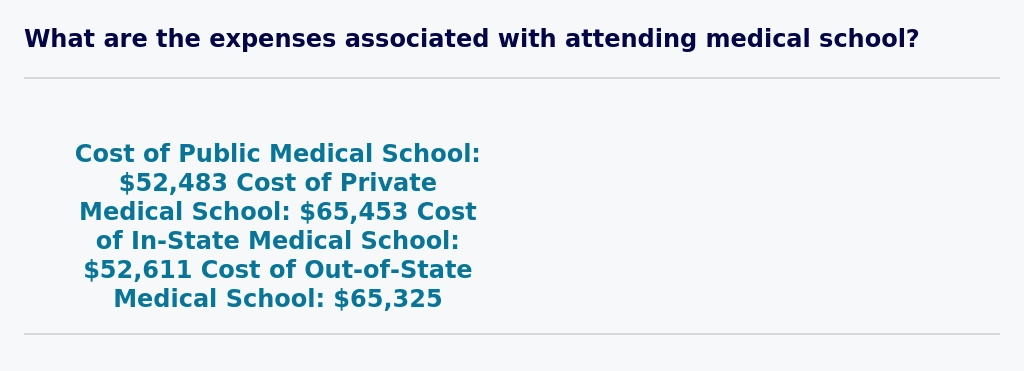
What is the average cost of healthcare degree in Charlottesville?
The average cost of a healthcare degree in Charlottesville offers a practical glimpse into what students might expect when enrolling at local institutions like the University of Virginia. Graduates often reflect on the reality that in-state tuition and fees hover around $21,800, making it a manageable investment compared to many coastal universities. This figure captures the essential expenses for those immersing themselves in healthcare programs, and it's a helpful benchmark for those curious about the average cost of healthcare degree in Charlottesville.
Students pursuing healthcare degrees in Charlottesville frequently describe how financial aid and scholarships play a pivotal role in alleviating tuition costs. With tuition and fees for out-of-state learners potentially doubling this amount, budgeting becomes an adventure in itself. Yet many find the journey rewarding, balancing costs with the vibrant academic community and hands-on experiences found on campuses. The healthcare degree tuition and fees Charlottesville scene remains competitive, often mirroring other state universities, yet with a unique sense of accessibility thanks to the region's moderate living expenses.
Picture a healthcare student exploring interdisciplinary options, maybe even enhancing their path through an online kinesiology degree accreditation program. This flexibility opens doors to combining knowledge while managing costs effectively. For anyone ready to embrace what's next, understanding these costs helps chart the course for a fulfilling career in healthcare, right here in Charlottesville.
What financial aid is available to healthcare degree students in Charlottesville?
Imagine starting your healthcare journey at the University of Virginia or Piedmont Virginia Community College, knowing that financial aid options are ready to ease the path. Many graduates in Charlottesville have found relief through federal aid, especially via FAFSA, unlocking Pell Grants that don't need repayment and low-interest federal loans tailored for long training periods. Picture a nursing student balancing classes confidently, thanks to these supports.
State grants from Virginia's Department of Education add another layer of support, lessening tuition worries in local public schools. Scholarships feel like personal victories-like those from the Virginia Healthcare Foundation, which celebrates students passionate about serving Virginia's medical communities. Graduates recall receiving funds from local hospitals or the Virginia Nurses Association, which fuel their specialized certifications and bring dreams closer.
Then there's the incentive of staying local: loan forgiveness through the National Health Service Corps for those working in underserved areas around Charlottesville. This means more than money; it's a chance to build a career with community impact and less financial strain.
Future Trends in Healthcare and Education
In today’s rapidly evolving healthcare environment, staying ahead means understanding the trends that will shape both patient care and professional development. Emerging technologies-such as telemedicine, artificial intelligence, and advanced data analytics-are transforming clinical practices and administrative operations, offering new opportunities and challenges for healthcare professionals. As curricula continue to adapt to these innovations, students benefit from hands-on experience with digital tools and techniques that prepare them for future roles in a dynamic industry. Furthermore, interdisciplinary programs that blend clinical studies with technology and business management are gaining traction, ensuring graduates are well-rounded and adaptable. For those considering a broader scope of study, exploring options like a nutrition science degree online can provide additional insights into the preventive and holistic aspects of healthcare. Staying informed about these trends not only enhances career prospects but also empowers students to lead in reshaping the future of healthcare education and delivery.
What are the prerequisites for enrolling in healthcare degree program in Charlottesville?
To embark on a healthcare degree journey in Charlottesville, you'll first need a high school diploma or equivalent-this is the key that many graduates from local universities treasure as their starting point. Picture walking into a bustling lab at UVA, where thriving students prove their solid foundation in biology, chemistry, and math opens doors to exciting clinical adventures.
For those dreaming bigger-a Master's in Public Health or Physician Assistant program-the path demands a relevant undergraduate degree paired with prerequisite courses like anatomy and microbiology. Graduates often recall how mastering these subjects became their ticket to hands-on experiences that felt both challenging and rewarding.
Many healthcare programs here value real-world exposure. Charlottesville students share stories of volunteering at nearby clinics, where every moment outside the classroom shaped their passion and grit. Some even gathered documented clinical hours, which admissions committees eagerly seek as proof of commitment.
Tests like the SAT or GRE might still appear on the checklist, depending on your program, but many local schools embrace flexibility. Finally, background checks and immunization records are essential, ensuring a safe, trusted environment-another stepping stone to your meaningful future in healthcare.

Return on Investment Analysis for Healthcare Degrees in Charlottesville, VA
Prospective students often weigh tuition costs against potential earnings to gauge the return on investment (ROI) of a healthcare degree in Charlottesville. On average, completing a Bachelor of Science in Nursing (BSN) at the University of Virginia costs around $210,444 in total tuition and fees over four years. With a median starting salary of $74,191 per year for Registered Nurses in Virginia, graduates can recoup their investment in under three years, assuming a conservative annual salary growth rate of 3%. Financial modeling shows that Patient Care Technicians, whose associate degree programs cost approximately $40,000, break even within two years of full-time employment at an average wage of $55,860. Health Information Technicians, paying roughly $30,000 for their credential, see a payback period of just 1.5 years given a mean salary of $41,260. These projections highlight the strong value proposition of healthcare programs in Charlottesville compared to the national average payback period of four to five years. To optimize ROI, many students explore more affordable online pathways. For instance, the Cheapest Online Healthcare Degree Programs Ranking in Wisconsin showcases accredited institutions where total program costs can be 20–30% lower than local on-campus options. By combining online coursework with on-site clinical rotations at Charlottesville-area healthcare facilities, students benefit from reduced tuition and the same accreditation standards, further shortening their break-even timeline. Long-term ROI also factors in career advancement. Graduates who pursue advanced certifications-such as becoming a Nurse Practitioner or Health Services Manager-see median salaries rise to $120,000 and above. Even after accounting for two additional years of graduate‐level tuition, the cumulative ROI remains positive within five to six years post-graduation, thanks to elevated earning potential and leadership opportunities. Conducting a detailed ROI analysis empowers prospective students to make data-driven decisions about their healthcare education in Charlottesville, VA, ensuring they select programs that balance cost, career goals, and long-term financial wellness.
What courses are typically in healthcare degree programs in Charlottesville?
Diving into healthcare degrees in Charlottesville feels like embarking on a journey through both science and heart. Students at UVA and nearby colleges often find themselves immersed in courses like Human Anatomy and Physiology, where understanding the human body becomes a captivating puzzle. One graduate described the thrill of mastering Microbiology, crucial for tackling real-world infections during clinical rotations.
Imagining days spent learning Medical Terminology, students quickly discover it's the language of care-unlocking clear communication in fast-paced hospital halls. Healthcare Ethics and Law classes bring eye-opening debates on patient rights and responsibilities, preparing learners for the complex decisions they'll face. Those intrigued by community impact often find themselves energized by the Introduction to Public Health course, connecting classroom knowledge to local health initiatives.
Pharmacology and Patient Care courses bring hands-on excitement, where theory meets bedside skills. Graduates frequently recall how Healthcare Management classes offered a window into running systems that support the critical work of health professionals in Charlottesville's busy medical centers. This blend of knowledge and experience truly sets students up for success in the ever-evolving world of healthcare.

What types of specializations are available in healthcare degree programs in Charlottesville?
Exploring healthcare degree specializations in Charlottesville feels like unlocking a treasure chest of opportunities. Graduates often share how nursing programs at the University of Virginia connect them directly with real patients, especially in geriatric and pediatric care, making each day an exciting challenge. Meanwhile, students diving into public health engage with community projects tackling chronic disease, blending classroom theory with meaningful local impact. Charlottesville healthcare program specialization options also extend to healthcare administration, where future managers learn the ins and outs of hospital operations within bustling health networks in the city.
For those interested in rehabilitation, physical therapy and occupational therapy programs stand out, preparing students to guide patients through recovery journeys. And emerging fields like health informatics capture the adventurous spirit as students adopt cutting-edge data tools and get hands-on with electronic health records.
Alongside traditional paths, prospective learners curious about certification requirements for sonographers can discover clear guidance through linked resources that illuminate this specialized path in healthcare education.
How do you choose the best healthcare degree in Charlottesville?
Choosing the best healthcare degree in Charlottesville is a thrilling journey of discovery, starting with your own career dreams. Imagine walking through the halls of the University of Virginia, where many graduates recall how their choices between nursing, public health, or health administration shaped their futures. Some found that the associate degrees offered quick entry into care roles, while others embraced bachelor's programs to unlock broader opportunities in hospitals or clinics nearby.
Financial reality is another exciting chapter. With tuition around $14,000 annually at public schools like UVA, many students uncover creative ways to fund their education through scholarships or financial aid tailored for healthcare fields. This makes affordable healthcare degrees in Charlottesville truly attainable, blending passion with practicality.
Hands-on experiences add vibrant color to your education. Graduates often highlight the value of clinical placements with UVA Health, where real patient care meets classroom knowledge. Exploring the local healthcare landscape taps into a growing job market, making each step an adventure toward a fulfilling career.
For a deeper dive into healthcare learning, many explore nursing education trends, enriching their choices as they map out a path in Charlottesville's dynamic health sector.
What career paths are available for healthcare degree students in Charlottesville?
Graduates with a healthcare degree in Charlottesville discover a rich tapestry of career paths waiting to be explored. Many dive into nursing and nurse practitioner roles, benefiting from UVA Health's vibrant hospital networks and outpatient clinics that serve as real-world classrooms and vibrant workplaces. Others find their passion in healthcare administration, steering the complex operations of medical centers or shaping health policies, fueled by the city's growing demand for visionary leaders.
Charlottesville healthcare career opportunities also shine in public health, where graduates focus on community health education and tackling both rural and urban health disparities-work that feels meaningful and impactful daily. Some graduates find excitement in medical technology, working behind the scenes with diagnostics in labs spread throughout the region. Then there are the physical therapists and rehab professionals, rising to meet the needs of Virginia's aging population with personalized care and recovery plans.
For those still exploring options, many students in Charlottesville use resources like nursing colleges louisiana campus visits to compare programs and find the perfect fit for their aspirations in healthcare degree jobs in Charlottesville.

What is the job market for healthcare degree in Charlottesville?
The healthcare job market in Charlottesville buzzes with opportunity, especially for those holding a healthcare degree. Graduates from local institutions often find themselves stepping into diverse roles across hospitals, outpatient care centers, and home healthcare services, each providing a hands-on, meaningful career path. For many, the connection to the University of Virginia Health System opens doors to dynamic clinical research positions, adding an adventurous dimension to typical healthcare roles.
Many students share how their internships, often secured through partnerships with local providers, gave them a front-row seat to the evolving healthcare landscape. This vibrant environment fosters a sense of purpose and excitement about the future, making Charlottesville a promising spot for healthcare degree employment outlook. The average annual wage aligns with Virginia's statewide median near $70,000, encouraging graduates to dream big about their career and lifestyle.
For those weighing educational investments, finding affordable programs nearby makes pursuing a healthcare degree more accessible. Exploring the valuable healthcare schools in virginia helps students unlock options that balance quality and cost, fueling their journey into this rewarding field.
Frequently Asked Questions About healthcare
Healthcare degree students in Charlottesville can maximize their learning by engaging actively in local clinical internships and community health initiatives. The University of Virginia Health System offers over 2,000 annual clinical placements, providing hands-on experience crucial for skill development. Participating in interdisciplinary workshops and simulation labs helps students apply theoretical knowledge in real-world scenarios, a method proven to increase competency.
Networking with professionals in Charlottesville's growing healthcare sector also enhances learning. Joining local chapters of national healthcare organizations allows access to mentorship and current industry trends. Additionally, leveraging UVA's research facilities can strengthen critical thinking and evidence-based practice, vital for advancing in healthcare careers.
The healthcare field in Charlottesville is rapidly evolving with new specialties gaining attention. Emerging niches like telehealth and health informatics are expanding due to technological advances and growing patient demand for remote care. According to the Virginia Employment Commission, jobs in healthcare IT are expected to grow by 25% over the next decade locally.
Another growing area is gerontology, reflecting an aging population in Charlottesville and Albemarle County. Specialized care for seniors, including chronic disease management and palliative care, is becoming increasingly important.
Additionally, precision medicine and genetic counseling are gaining ground as personalized treatment options increase nationwide.
Graduates with healthcare degrees in Charlottesville should begin preparing for the job market by gaining practical experience through internships and clinical rotations. These opportunities, often offered by local hospitals such as UVA Health, enhance both skills and professional networks. According to the Virginia Employment Commission, healthcare jobs in Charlottesville are projected to grow by 15% over the next decade, signaling strong demand.
Building a professional resume and obtaining relevant certifications, like CPR or specialized licenses, are crucial steps. Engaging with local healthcare job fairs and professional organizations also helps to connect with potential employers and stay updated on sector trends.
Developing strong communication and teamwork skills is equally important, as healthcare roles often require collaboration and patient interaction.
Employers in Charlottesville value healthcare degree graduates who demonstrate strong clinical skills paired with effective communication. According to the Charlottesville Albemarle Chamber of Commerce, teamwork and patient interaction abilities rank highly among hiring criteria.
Technical proficiency, including familiarity with electronic health records (EHR) systems, is increasingly important due to the digitization of healthcare services. Graduates who can adapt quickly to new technologies are preferred.
Critical thinking and problem-solving skills are essential, especially in fast-paced environments like the University of Virginia Health System, one of the region's largest employers in healthcare.
Cultural competence is also crucial, as Charlottesville serves a diverse population requiring sensitivity and personalized care approaches.
Finding healthcare internships in Charlottesville involves leveraging multiple local resources geared toward students and professionals. The University of Virginia Health System, one of the top employers in the area, offers a range of internship programs in nursing, public health, and biomedical sciences. Students should regularly check UVA's official career services and health system internship pages for openings.
Local healthcare facilities such as Martha Jefferson Hospital and Sentara Albemarle Medical Center also provide internships, often announced on their websites or through partnerships with nearby colleges.
Networking events and career fairs hosted by Charlottesville's higher education institutions are valuable for connecting directly with employers offering healthcare internships.
In addition, registered databases like Handshake and USAJobs occasionally list internships in the region, tailored to healthcare students. Utilizing these platforms broadens access to opportunities beyond campus.
A healthcare degree significantly enhances career mobility and advancement opportunities in Charlottesville. Local healthcare employers such as the University of Virginia Health System emphasize hiring candidates with formal education due to the region's competitive job market. According to the Charlottesville Regional Chamber of Commerce, healthcare jobs are projected to grow by 15% through 2030, outpacing many other sectors.
Possessing a degree allows professionals to qualify for specialized roles, including nursing, healthcare administration, and medical technology. Advanced degrees often lead to leadership positions, higher salaries, and improved job stability.
Educational institutions in Charlottesville, like UVA, offer accredited healthcare programs that are well-regarded by local employers, further supporting career advancement.
Studying for a healthcare degree in Charlottesville offers strong preparation for interdisciplinary roles essential in modern healthcare settings. Many local institutions emphasize collaborative learning through integrated curricula combining nursing, public health, and allied health sciences.
Students benefit from partnerships with University of Virginia Health System, where interactive clinical experiences allow them to work alongside professionals from diverse specialties. This exposure fosters teamwork, communication, and problem-solving skills vital for interdisciplinary practice.
According to the Virginia Employment Commission, healthcare occupations in Charlottesville are expected to grow by 15% through 2030, increasing demand for versatile professionals able to coordinate care across fields.
Choosing between a thesis and a non-thesis healthcare degree program in Charlottesville depends on your career goals and learning preferences. Thesis programs typically focus on research, requiring students to complete a substantial thesis project, which is ideal if you want to pursue a PhD, engage in academic research, or work in policy development.
Non-thesis options emphasize coursework and practical skills, preparing students more directly for clinical or administrative roles in healthcare.
At the University of Virginia, for example, many healthcare master's programs offer both tracks. Data from the UVA Health System shows that students in research-focused tracks often contribute to innovations in patient care and treatment.
Consider your long-term ambitions and whether you prefer a research-heavy experience or hands-on learning.
Students in Charlottesville interested in studying healthcare abroad have several pathways through U.S. institutions that offer international immersion experiences. The University of Virginia, a key local institution, participates in exchange programs and study abroad opportunities emphasizing global health, allowing students to gain exposure to healthcare systems in countries like South Africa, Guatemala, and Thailand.
These programs typically last from a few weeks to a full semester and often include clinical observation, public health projects, or research components. According to the Institute of International Education, over 60% of healthcare-related study abroad participants engage in clinical or research experiences, enhancing practical skills.
Beyond UVA, students may pursue joint degree options or summer programs endorsed by partner universities worldwide, expanding their global perspective in healthcare delivery and policy. Scholarships and funding for these programs are frequently available to Charlottesville students to support international study expenses.
Charlottesville offers a variety of part-time job opportunities that complement healthcare degree education. Positions such as medical assistants, patient care technicians, and pharmacy aides provide hands-on experience while accommodating student schedules. These roles enhance clinical skills vital for future healthcare professionals.
Local hospitals like UVA Health System employ many part-time healthcare workers, benefiting students with exposure to diverse medical settings. According to UVA Health, over 20% of their workforce consists of students in training roles.
Additionally, research assistant positions at the University of Virginia's medical departments offer valuable insights into healthcare studies, aligning well with academic goals.
These opportunities not only support financial needs but also reinforce practical learning, essential for career advancement in healthcare fields.
Healthcare students in Charlottesville benefit from a range of networking opportunities supported by local institutions and organizations. The University of Virginia's School of Medicine, a leading institution in the area, offers numerous events such as career fairs, seminars, and student organization meetings that connect students with healthcare professionals and alumni.
Local hospitals like UVA Health and Sentara Martha Jefferson Hospital provide clinical rotations and internships, facilitating direct connections with practicing providers. Networking groups such as the Charlottesville Medical and Health Professionals Association also host regular meetings and workshops for emerging healthcare workers.
Additionally, Charlottesville's growing biotech and research sectors create opportunities for students to engage with professionals in healthcare innovation and public health policy. According to the Charlottesville Regional Chamber of Commerce, these collaborations have expanded steadily over recent years, enhancing professional growth prospects for students.
Alumni networks provide significant advantages for healthcare degree students in Charlottesville by connecting them to experienced professionals and job opportunities. Graduates of local institutions, such as the University of Virginia, often stay engaged, creating a supportive community that aids in career development.
These networks facilitate mentorship, helping students navigate challenges in healthcare fields like nursing, public health, and medical technology. According to data from the UVA Health System, nearly 70% of recent healthcare graduates found employment through alumni referrals or networking events in the past five years.
In addition, alumni events and online groups provide platforms to share insights on evolving healthcare trends in Charlottesville, enriching students' educational experience with real-world perspectives.
Customizing a healthcare degree program in Charlottesville often begins with selecting a school that offers flexible curricula tailored to various healthcare careers. Many local institutions provide options to specialize in areas such as nursing, public health, or healthcare administration.
Students can often choose electives aligned with their career goals, participate in internships at renowned healthcare facilities like the University of Virginia Health System, and engage in research projects. According to the Charlottesville Albemarle Metropolitan Planning Organization, the healthcare sector is a leading employer locally, influencing program offerings and practical training opportunities.
Advising services also play a crucial role, helping students map courses and certifications, such as EMT or health informatics, that best fit their desired path.
Healthcare students in Charlottesville commonly face intense academic pressure due to the rigorous nature of medical and allied health programs. Balancing demanding coursework with clinical rotations requires strong time management skills. Financial burdens also pose challenges; while in-state tuition helps, additional costs like certifications and equipment increase expenses. According to the University of Virginia Health System, clinical placement opportunities in the region can be competitive, adding stress to students seeking practical experience. Furthermore, adapting to rapidly evolving healthcare technologies demands continuous learning. Mental health concerns are rising among students nationwide, and Charlottesville is no exception, with support services striving to meet increased demand.
With a healthcare degree in Charlottesville, graduates can pursue a variety of professional certifications to enhance their careers. Common certifications include Certified Nursing Assistant (CNA), Registered Nurse (RN), and Licensed Practical Nurse (LPN), which are essential for nursing professionals. For those interested in administrative roles, the Certified Healthcare Administrative Professional (cHAP) is available. Additionally, certifications in specialized fields, like Medical Billing and Coding or Certified Medical Assistant (CMA), are popular options.
Charlottesville's healthcare market is supported by institutions such as the University of Virginia Health System, which values certified healthcare professionals. According to the U.S. Bureau of Labor Statistics, healthcare occupations in Virginia are projected to grow 15% from 2021 to 2031, reflecting strong chances for certified professionals locally.
Applying for a healthcare program in Charlottesville requires careful preparation to stand out in a competitive field. Start by researching the specific programs offered by local institutions such as the University of Virginia, known for its strong healthcare curriculum and emphasis on clinical experience. Admissions committees typically value applicants with a solid academic record, particularly in science courses like biology and chemistry.
Highlight relevant healthcare experience, whether through internships, volunteering, or employment, to demonstrate commitment and practical knowledge. Including letters of recommendation from healthcare professionals or academic mentors can strengthen your application.
Craft a clear, focused personal statement that explains your motivation for choosing healthcare and how Charlottesville's programs align with your career goals. According to UVA Health data, programs often seek candidates who show both academic excellence and a passion for community service.
A healthcare career holds significant value worldwide, including in the United States and cities like Charlottesville. Globally, healthcare professions are recognized for their essential role in improving public health and social welfare. In the U.S., healthcare is one of the fastest-growing sectors, with employment projected to grow 13% from 2021 to 2031, much faster than average, according to the Bureau of Labor Statistics. Charlottesville benefits from this trend, hosting institutions that support education and research in fields like nursing, public health, and medical technology.
Internationally, healthcare roles often emphasize cultural competence and adaptability, skills increasingly important in diverse American communities. Students in Charlottesville pursuing healthcare degrees gain access to training programs aligned with U.S. healthcare regulations, preparing graduates to meet rigorous professional standards both nationally and globally.
According to the Virginia Department of Health Professions, the demand for qualified healthcare workers in the Charlottesville region is growing steadily, reflecting broader global health workforce trends. This demonstrates that a healthcare degree earned locally can provide opportunities in a worldwide context, thanks to shared principles in patient care, medical ethics, and science.
Gaining practical experience is essential for healthcare students in Charlottesville. Many local institutions, such as the University of Virginia Health System, offer clinical internships and rotations that provide hands-on training. These experiences help students develop skills in real-world medical settings under professional supervision.
Additionally, Charlottesville's network of community health clinics offers volunteering opportunities for students to engage with diverse patient populations. According to the Charlottesville Albemarle Health Department, involvement in these settings can improve a student's patient communication and care abilities.
Healthcare programs in the area often integrate service-learning components, allowing students to balance coursework with field experience. This approach enhances both knowledge and practical skills, optimizing readiness for licensure and employment.
Choosing the right concentration within a healthcare degree program in Charlottesville involves evaluating your career goals alongside local industry demand. Areas such as nursing, public health, and healthcare administration are popular due to the presence of major employers like the University of Virginia Health System. According to the Charlottesville Albemarle Economic Development office, healthcare jobs grew by 12% over the last five years, emphasizing demand for specialized skills.
Consider your interests in patient care, research, or management, and align them with concentrations offered by local institutions. Additionally, research job placement rates for graduates in each specialty to ensure promising employment opportunities.
Related Healthcare Rankings for Nearby Cities
- 2027 Most Valuable Healthcare Degree Programs Ranking in Harrisonburg
- 2027 Most Valuable Healthcare Degree Programs Ranking in Lynchburg
- 2027 Most Valuable Healthcare Degree Programs Ranking in Richmond
- 2027 Most Valuable Healthcare Degree Programs Ranking in Winchester
- 2027 Most Valuable Healthcare Degree Programs Ranking in Fairfax
- 2027 Most Valuable Healthcare Degree Programs Ranking in Arlington
- 2027 Most Valuable Healthcare Degree Programs Ranking in Washington
- 2027 Most Valuable Healthcare Degree Programs Ranking in College Park
- 2027 Most Valuable Healthcare Degree Programs Ranking in Baltimore
- 2027 Most Valuable Healthcare Degree Programs Ranking in Morgantown
Top Trending Healthcare Rankings
See What Experts Have To Say About Studying Healthcare
Read our interview with Healthcare experts

References
- Trends and opportunities in healthcare across emerging markets - Inizio https://inizio.com/insights/trends-and-opportunities-in-healthcare-across-emerging-markets/
- Employability Skills Matrix for the Health Sector https://www.skillsforhealth.org.uk/resources/employability-skills-matrix/
- What Are the Differences in Salary Level for Different Degrees in Healthcare Management? | MHA Salary https://www.healthcare-management-degree.net/faq/what-are-the-differences-in-salary-level-for-different-degrees-in-healthcare-management/
- 6 key healthcare challenges affecting students and how to address them - Wellfleet Student https://wellfleetstudent.com/engaging-empowering-student-members/6-key-healthcare-challenges-affecting-students-and-how-to-address-them/
- Unlocking potential: Expanding experiential learning through simulation https://www.pagethink.com/insights/unlocking-potential-expanding-experiential-learning-through-simulation
- Pre-Med Study Abroad Programs | Go Overseas https://www.gooverseas.com/study-abroad/pre-med
- Community Resources | VISAS at UVA https://visasatuva.org/community-resources/
- Top 5 Part-Time Healthcare Jobs For Students https://www.sumnercollege.edu/blog/top-5-part-time-healthcare-jobs-for-students/
- What can I do with a healthcare studies degree, and how can I start? https://mrcollege.ac.uk/what-can-i-do-with-a-healthcare-studies-degree-and-how-can-i-start/
- Global Health Perspectives https://www.denvercollegeofnursing.edu/students/global-health-perspectives.html


