
2027 Best Healthcare Degree Programs Ranking in Villanova

Co-Founder and Chief Data Scientist
Choosing the right healthcare degree program in Villanova is an important step toward a rewarding career. This article introduces the 2027 Best Healthcare Degree Programs Ranking in Villanova, carefully developed by the Research.com team of data scientists. Their in-depth analysis helps you discover which programs stand out, making it easier to find the perfect fit for your goals.
Exploring these rankings can guide you confidently in your decision, opening doors to meaningful opportunities in healthcare. Investing in your education today can lead to a fulfilling future making a real difference in people's lives.
Key benefits of getting healthcare degree in Villanova
- Healthcare degree graduates in Villanova can expect competitive salaries, such as Medical Assistants earning around $43,350 annually and Patient Care Technicians about $60,790, offering strong financial stability.
- Graduates often pursue diverse career paths, like Clinical Research Coordinators or Quality Improvement Coordinators, reflecting Villanova's broad healthcare education opportunities and growing local demand.
- Online healthcare degrees provide flexibility and convenience, enabling students to balance work and study, as seen with many Villanova alumni who successfully launched careers without campus restrictions.
- Key benefits of getting healthcare degree in Villanova
- What can I expect from healthcare degree in Villanova?
- Where can I work with healthcare degree in Villanova?
- How much can I make with healthcare degree in Villanova?
- 2027 Best Healthcare Degree Programs Ranking in Villanova
- Key Findings
- How long does it take to complete healthcare degree in Villanova?
- Emerging Trends in Healthcare and Nutrition
- What's the difference between online and on-campus healthcare degree?
- Expert Tips for Aspiring Healthcare Professionals
- What is the average cost of healthcare degree in Villanova?
- Emerging Trends in Healthcare Education and Career Opportunities
- What financial aid is available to healthcare degree students in Villanova?
- Return on Investment for Healthcare Degrees in Villanova, PA
- What are the prerequisites for enrolling in healthcare degree program in Villanova?
- Accreditation and Program Quality
- What courses are typically in healthcare degree programs in Villanova?
- What types of specializations are available in healthcare degree programs in Villanova?
- How do you choose the best healthcare degree in Villanova?
- What career paths are available for healthcare degree students in Villanova?
- What is the job market for healthcare degree in Villanova?
- Top Trending Healthcare Rankings
- See What Experts Have To Say About Studying Healthcare
What can I expect from healthcare degree in Villanova?
The average cost of pursuing a healthcare degree in Villanova can vary widely depending on the institution and program level, but many students find the investment well worth it for the quality education and opportunities available. For example, graduates from Villanova University often speak about the strong support they received through the Pre-Health program, linking classroom learning with valuable clinical internships, all within a cost range that reflects both tuition and hands-on experience fees. Nearby Drexel University and Thomas Jefferson University, known for their healthcare degrees, also offer competitive pricing that balances rigorous training with access to top medical facilities.
Students pursuing nursing, health sciences, or healthcare administration can expect costs roughly between $25,000 to $50,000 per year for tuition, depending on whether they attend private or public institutions and the specific program. Many graduates emphasize how scholarships, financial aid, and part-time work make these programs accessible, allowing them to focus on their passion for health and patient care.
Investing in a healthcare degree here means not just paying fees, but gaining unmatched preparation for a fulfilling career in a thriving healthcare market, where graduates feel empowered and ready to make a real difference.
Where can I work with healthcare degree in Villanova?
Graduates with a healthcare degree from Villanova's well-regarded universities often find rewarding careers at leading institutions like the Main Line Health system, which includes Lankenau Medical Center and Riddle Hospital. Many alumni share how working in these vibrant settings as nurses, medical technologists, or healthcare administrators connects them directly to their community and fulfills their passion for helping others.
Beyond hospitals, Villanova healthcare graduates frequently land positions in outpatient care centers and rehabilitation clinics, where they engage in hands-on patient care in dynamic environments. Some find joy in specialized roles at urgent care clinics or physical therapy offices, putting their skills to work every day and building close relationships with patients.
Others pursue exciting careers in healthcare administration or public health organizations, leveraging their degree to lead impactful community health projects or innovate within healthcare consulting firms near Philadelphia. Many feel inspired knowing their work improves patient services and outcomes regionally.
Careers in emerging sectors like health informatics and telehealth are also becoming popular among Villanova graduates. They embrace technology-driven healthcare roles that expand their reach beyond local borders, making a real difference in modern medicine.
How much can I make with healthcare degree in Villanova?
Graduates with healthcare degrees from Villanova's well-regarded universities often find themselves stepping into rewarding careers with competitive salaries. For instance, medical assistants typically earn around $43,350 annually, an encouraging start that reflects their valued role in patient care. Patient care technicians see higher wages, averaging about $60,790 per year, as they apply critical hands-on skills in busy clinical settings.
Health information technicians, essential for managing medical records and data, earn approximately $43,380 yearly, demonstrating strong demand for tech-savvy healthcare professionals. Graduates entering clinical research coordination, frequently supported by Villanova's research-focused programs, can also expect starting salaries near $43,350, blending science and healthcare for impactful work.
Ambitious graduates aiming for managerial roles, such as quality improvement coordinators, can look forward to even greater financial rewards, with median earnings exceeding $103,000. Villanova's proximity to major hospitals and healthcare institutions provides students with valuable internships and networking opportunities that elevate both experience and salary potential.
2027 Best Healthcare Degree Programs Ranking in Villanova
How do we rank schools?
Investing in your education is a significant decision that can shape your future, and the Research.com team understands the importance of making informed choices. To assist prospective students in Villanova, we have meticulously crafted the "2027 Best Healthcare Degree Programs Ranking in Villanova." Our commitment to quality, credibility, and accuracy is reflected in the extensive research and analysis conducted to compile this ranking.
We utilized the following reputable data sources to ensure a comprehensive evaluation of healthcare degree programs:
By exploring this ranking, readers will gain valuable insights into the best healthcare degree programs available in Villanova, helping them make informed decisions about their educational paths. For more details on our methodology, please visit our Research.com methodology page.

Key Findings
- Villanova University offers healthcare programs including nursing, health administration, and allied health fields in the Philadelphia metropolitan area.
- Undergraduate tuition at Villanova University is approximately $60,000 per year, with potentially lower costs at nearby community colleges.
- The Philadelphia region has strong healthcare employment opportunities with high demand for nursing, medical technology, and healthcare administration roles.
- Entry-level salaries for healthcare graduates range from $55,000 to $70,000 annually, with experienced professionals earning over $100,000.
- Healthcare degrees in Villanova often include clinical internships with local hospitals to improve hands-on experience and job prospects.
How long does it take to complete healthcare degree in Villanova?
Completing a healthcare degree in Villanova is an achievable and rewarding journey, often tailored to fit your individual goals and lifestyle. Most students pursuing a Bachelor of Science in Nursing (BSN) or Health Sciences at Villanova University's College of Nursing find themselves immersed in about four years of full-time study, balancing coursework with energizing clinical experiences that prepare them for real-world impact.
Many graduates describe feeling energized by the hands-on learning and supportive community around them, encouraging persistence through challenges. For those aiming higher, advanced degrees like a Master of Science in Nursing (MSN) typically take an extra 1.5 to 3 years. Specialized pathways, such as nurse practitioner tracks, bring deeper clinical practice, allowing learners to grow confidence alongside competence.
Doctoral programs, whether a DNP or PhD, inspire students with their focused research and practice integration, usually completed within 3 to 5 years post-master's. Flexible options also empower busy individuals to study part-time, making the dream of healthcare leadership accessible and manageable.
Graduates often reflect on how Villanova's well-structured curriculum combined with local healthcare partnerships creates both a clear timeline and a vibrant educational journey full of purpose and promise.
Emerging Trends in Healthcare and Nutrition
In today’s rapidly evolving healthcare landscape, integrating nutrition with traditional healthcare studies is emerging as a pivotal trend. As future professionals in Villanova, PA, look to maximize their impact, understanding the interplay between clinical care and nutritional science can lead to more comprehensive patient treatment and preventive care strategies. Institutions increasingly recognize that a well-rounded healthcare education benefits from a focus on nutrition, reinforcing its role in disease prevention and long-term wellness. For students eager to broaden their expertise, pursuing an online nutrition science degree can provide valuable insights into how dietary habits and biomedical advances work together to improve patient outcomes. This added emphasis on nutrition not only enhances clinical skills but also aligns with the latest industry demands, ensuring that graduates are well-equipped to navigate an integrated, holistic approach to healthcare.
What's the difference between online and on-campus healthcare degree?
Choosing between online and on-campus healthcare degrees in Villanova opens exciting paths tailored to your lifestyle and goals. Online programs, offered by institutions like Villanova University, empower busy adults to learn at their own pace, accessing lectures and assignments anytime. Many graduates value this flexibility, balancing family life and work while pursuing their dreams.
On-campus degrees, common at Villanova-area community colleges, bring energy and connection. Imagine walking into lively classrooms, collaborating face-to-face with professors and peers, and gaining hands-on clinical experience at places like Main Line Health. Graduates often highlight how these direct interactions deepen their confidence and skills.
Both paths require clinical hours, but online students benefit from partnerships that arrange local hospital placements, ensuring real-world practice. Costs vary, with online study sometimes reducing commuting expenses but still investing in digital learning tools.
Expert Tips for Aspiring Healthcare Professionals
Prospective students can benefit greatly from actionable advice that goes beyond program rankings and course details. Industry insiders recommend that applicants immerse themselves in campus life early, actively network with professionals, and take advantage of internship opportunities that provide real-world exposure. For example, getting involved in student-run health clinics or working with faculty on research projects can not only sharpen clinical skills but also open doors to future job prospects. To further enhance your educational journey, consider regularly reviewing resources that compare program affordability and quality. This can be particularly useful when evaluating options such as an affordable healthcare school in pennsylvania that offers a robust curriculum alongside strong financial support. Moreover, setting clear career goals and seeking mentorship can play a crucial role in your success. Attend informational webinars, join professional associations, and participate in local healthcare events to gain insights into emerging trends and job market demands. These proactive steps not only help in making an informed decision about which degree program to pursue but also position you to succeed in a competitive healthcare landscape.
What is the average cost of healthcare degree in Villanova?
The average cost of a healthcare degree in Villanova typically centers around $86,180, reflecting the overall investment students make when choosing Villanova's renowned programs. Graduates from healthcare fields at Villanova University often share how this investment pays off through exceptional training and career opportunities. Whether you're pursuing nursing, health administration, or physician assistant studies, this cost includes a comprehensive education that prepares you for a meaningful future in healthcare.
For many students, understanding the average healthcare degree cost Villanova is a motivating factor in their journey. While tuition represents the largest portion, additional living expenses contribute to the total cost. However, countless healthcare students from Villanova have found ways to manage these expenses through scholarships, financial aid, and part-time work, turning challenges into stepping stones toward success.
Choosing a healthcare degree in Villanova means joining a supportive community where practical experience enriches learning. Some graduates recall balancing studies with hands-on clinical work, which deepened their passion and prepared them for diverse fields, such as the neonatal nursing role diversity. This real-world exposure brings vibrancy to the learning experience and fuels a rewarding career path.
With the cost of healthcare degree programs Villanova remains a worthy investment for those dedicated to making a difference, the experience and education received here equip students to excel in healthcare careers across the nation.
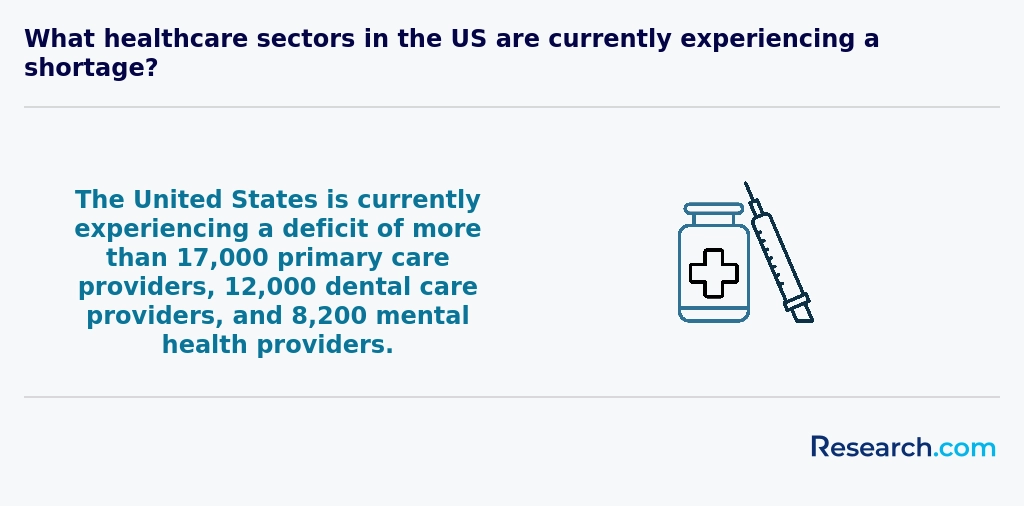
Emerging Trends in Healthcare Education and Career Opportunities
As the healthcare landscape evolves, prospective students in Villanova, PA, must stay informed about emerging trends that are reshaping both education and career opportunities. Technological advancements such as telemedicine, artificial intelligence in diagnostics, and digital health records are not only transforming patient care but also influencing curriculum development across healthcare programs. Institutions are increasingly integrating real-world digital competencies into their coursework, ensuring that graduates are well-prepared to navigate future challenges. For example, programs now offer specialized training in health informatics and data analytics, which are vital in today’s rapidly evolving medical field. Staying ahead in these areas can provide a competitive edge, allowing students to pursue innovative roles in various healthcare settings, from hospitals to tech-enabled startups. Additionally, budget-conscious learners may want to explore options that balance quality with cost efficiency-such as an affordable healthcare school in pennsylvania-which underscores the importance of both academic rigor and financial accessibility when choosing a program. Understanding these trends not only empowers students to select a forward-thinking institution but also guides them toward a successful and sustainable career path in healthcare.
What financial aid is available to healthcare degree students in Villanova?
Healthcare students in Villanova have access to a variety of financial aid options that can make their educational journey more affordable and attainable. For example, many graduates from Villanova University share how Pell Grants, which do not require repayment, helped ease their tuition costs, providing up to $7,395 annually. This vital support, combined with other federal aid like work-study programs and low-interest loans, forms a strong financial foundation for their studies.
State-specific aid from the Pennsylvania Higher Education Assistance Agency (PHEAA) also plays a crucial role for local residents. Grants from PHEAA can reduce costs by up to $5,000 per year, empowering students at Villanova and nearby community colleges to focus more on their studies and less on financial stress.
Many students highlight the encouragement they received to apply early for scholarships through organizations like the American Association of Colleges of Nursing (AACN) and the Health Resources and Services Administration (HRSA). These scholarships, along with institutional awards offered by Villanova's healthcare programs, transform dreams into realities by making education more accessible.
Additionally, employer-sponsored aid and loan repayment programs uniquely support those committed to healthcare careers in Villanova, turning financial challenges into opportunities to serve with confidence and passion.
Return on Investment for Healthcare Degrees in Villanova, PA
Investing in a healthcare degree in Villanova, PA, requires careful consideration of both upfront costs and long-term earning potential. On average, bachelor’s graduates incur $120,000 in tuition and fees, while master’s candidates may invest an additional $40,000–$60,000. However, with entry-level salaries for registered nurses starting around $70,000 and health information managers earning upwards of $85,000 annually, many graduates see a payback period of just 2–4 years. Factoring in state grants, work-study earnings, and targeted scholarships, the effective cost can drop significantly-improving your break-even timeline and net lifetime earnings. To further enhance ROI, consider flexible delivery formats that reduce living expenses and accelerate completion times. For example, students balancing full-time work often find the most cost-effective online mph program offers competitive tuition rates, streamlined curricula, and robust career support-all of which contribute to lower debt burdens and faster entry into higher-paying public health roles. Finally, leveraging campus resources-such as resume workshops, alumni mentorship networks, and on-site career fairs-can boost salary offers by 5–10% at graduation. By combining strategic financial planning with targeted program selection and professional development, prospective healthcare students in Villanova can maximize their return on investment and secure a rewarding, sustainable career path.
What are the prerequisites for enrolling in healthcare degree program in Villanova?
Enrolling in a healthcare degree program in Villanova is an exciting step that begins with clear and attainable prerequisites. Most programs at Villanova University and nearby colleges require a high school diploma or GED, with a strong emphasis on science and math courses like biology, chemistry, and algebra. Graduates often share how mastering these subjects early on boosted their confidence when entering rigorous healthcare studies.
For graduate programs, holding a bachelor's degree is essential, often in health sciences or biology, building a solid foundation for advanced clinical skills. Many students recall how their undergraduate coursework prepared them for immersive hands-on training that Villanova's healthcare programs are known for.
Additional prerequisites like maintaining a minimum GPA around 3.0, submitting strong letters of recommendation, and completing prerequisite science courses are standard. Graduates highlight how writing personal essays helped them express their passion for healthcare, turning application steps into meaningful reflections.
Hands-on readiness plays a huge role too, as clinical experiences form the heart of Villanova healthcare education, inspiring students to engage fully with practical learning.

Accreditation and Program Quality
Ensuring that your healthcare degree in Villanova, PA, comes from an accredited institution is pivotal for licensure eligibility, credit transferability, and employer recognition. Regional accreditation by bodies such as the Middle States Commission on Higher Education (MSCHE) confirms that an institution meets broad quality standards, while specialized accreditation-like CCNE for nursing or CAAHEP for allied health programs-verifies that specific curricula align with industry best practices. Before enrolling, verify each program’s status via the U.S. Department of Education’s database and review accreditation disclosures on university websites. Accreditation not only safeguards academic rigor but also impacts financial aid eligibility and graduate outcomes. Employers and licensing boards prioritize graduates from accredited programs, recognizing their training has been benchmarked against national competencies. For those balancing cost concerns with quality, prospective students can explore our Low Cost Online Master's in Healthcare Degree Programs Ranking in New York to compare affordable, fully accredited online master's pathways that uphold the same rigorous standards as on-campus offerings. Key considerations when evaluating accreditation:
- Accreditation type (regional vs. programmatic) and accrediting agency reputation
- Frequency of accreditation reviews and any placed conditions or sanctions
- Alignment of accredited program outcomes with state licensure requirements By prioritizing accredited programs, students in Villanova secure the assurance of high-quality education, smoother progression toward licensure, and stronger competitiveness in the healthcare job market.
What courses are typically in healthcare degree programs in Villanova?
Villanova healthcare degree programs immerse students in a dynamic mix of courses designed to build both knowledge and confidence. Graduates from well-known Villanova colleges often recall how courses like Human Anatomy and Physiology gave them a clear, hands-on understanding of the human body, crucial for their clinical work. Imagine mastering Medical Terminology early on-it unlocks the language of healthcare, allowing you to communicate like a pro in hospital settings.
Classes in Microbiology and Chemistry sharpen analytical skills and deepen insight into diseases and treatments, preparing students to face real-world challenges. For those inspired to lead and innovate, Healthcare Management and Policy courses explore how to improve systems that impact millions. Students thrive as they connect theory with practice in healthcare ethics, public health fundamentals, and healthcare informatics, gaining tools to navigate today's complex healthcare landscape with integrity and agility.
Hands-on Clinical Practicum or Internship experiences in Villanova bring all these elements together, fostering teamwork, empathy, and professional communication-qualities graduates cherish throughout their rewarding careers.
What types of specializations are available in healthcare degree programs in Villanova?
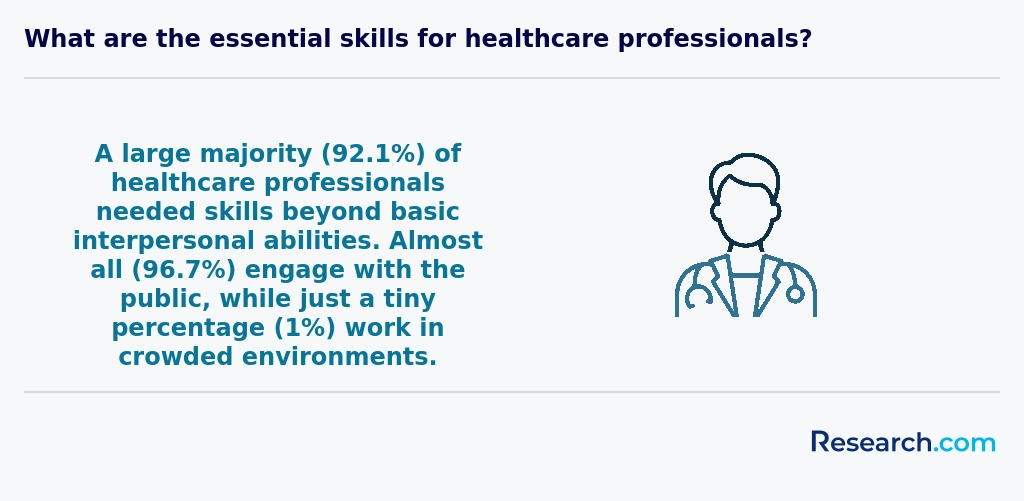
Healthcare degree specializations in Villanova offer exciting paths tailored to your passion and career goals. Many students embrace nursing, where programs provide hands-on experiences in acute care, pediatrics, or geriatrics. Graduates from Villanova's nursing programs often share how their clinical rotations in local hospitals gave them the confidence to thrive in fast-paced healthcare settings. Others are drawn to health administration, developing leadership skills to manage hospitals or clinics efficiently-vital as the healthcare system grows more complex.
Public health is a powerful choice for those eager to impact communities by preventing diseases and promoting wellness on a large scale. Students attracted to rehab enjoy physical therapy, where they support patients on their journey to recovery, inspired by success stories within Pennsylvania's healthcare network. Villanova also pioneers healthcare informatics, blending technology and care to improve patient outcomes.
Experience at popular institutions in Villanova equips you with practical skills and a supportive community. For those inspired to become nurses, exploring RN programs Las Vegas can provide additional insights into top nursing educations nationwide.
How do you choose the best healthcare degree in Villanova?
Choosing the best healthcare degree in Villanova means focusing on programs that align with your passion and career goals. Graduates from Villanova University often share how the university's emphasis on hands-on clinical experience and strong accreditation gave them confidence and led to rewarding jobs. Exploring the broad range of healthcare degrees-from nursing and public health to health administration-ensures you select a path that fits your aspirations perfectly. Affordable healthcare degrees in Villanova also include options with flexible schedules, such as part-time or online programs, which make balancing study with life's demands easier.
Many students have found success by considering tuition costs carefully while taking advantage of scholarships and financial aid opportunities. You can also explore clinical partnerships offered locally to gain real-world experience. For those interested in advanced practice, looking at affordable NP programs Florida can provide inspiration and alternative pathways that widen your options beyond Villanova. This holistic approach to selecting the best healthcare degree programs Villanova ensures a journey full of growth and achievement.
What career paths are available for healthcare degree students in Villanova?
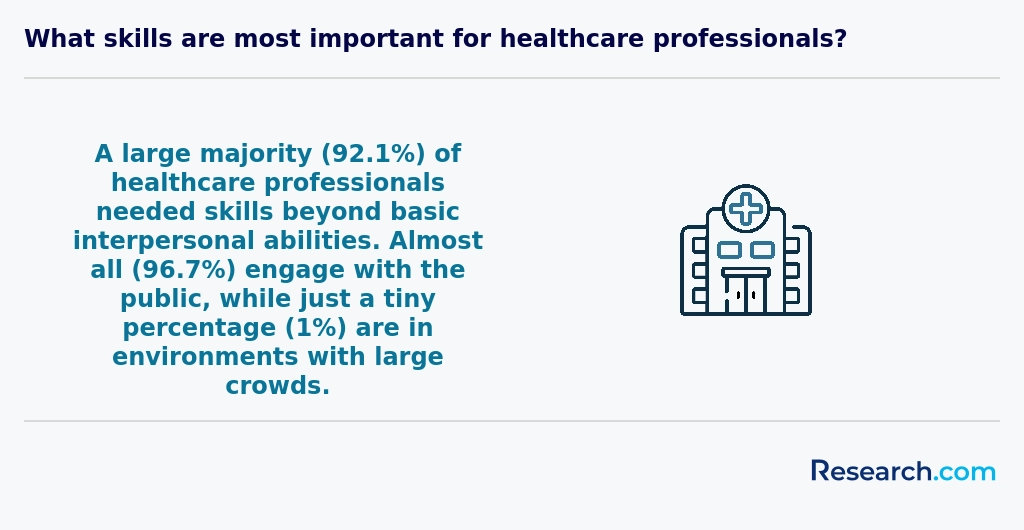
Graduates who earn a healthcare degree in Villanova find themselves stepping into rewarding careers that make a genuine difference every day. Many become Registered Nurses, embracing the vital role of providing compassionate, hands-on patient care in bustling hospitals and community clinics. Others pursue paths as Healthcare Administrators, skillfully managing operations and improving healthcare delivery at well-known Villanova colleges. Physical Therapists contribute by helping patients regain mobility, especially important in the area's aging communities where rehabilitation services are in growing demand.
Villanova healthcare degree job prospects are also strong for Medical Technologists and Laboratory Technicians who support critical diagnostics at Philadelphia's cutting-edge research hospitals. Public Health Professionals, passionate about community well-being, actively engage in local health initiatives near Villanova and gain valuable experience through internships with agencies such as the Pennsylvania Department of Health. Students often learn how to interpret patient care data, a skill vital across these roles.
These diverse career paths not only offer personal fulfillment but also showcase how a healthcare education in Villanova empowers graduates to thrive in a dynamic and impactful field.

What is the job market for healthcare degree in Villanova?
The healthcare job market in Villanova is vibrant and full of promise, especially for graduates holding healthcare degrees. Students from local universities often share how the region's proximity to Philadelphia's vast healthcare network opens doors to meaningful careers in nursing, healthcare administration, and therapy fields. This strong local demand makes Villanova a hotspot for healthcare job opportunities in Villanova, offering graduates numerous pathways to launch fulfilling roles close to home.
Many graduates find rewarding positions as registered nurses or healthcare administrators managing bustling medical facilities, while others step into roles as physical or occupational therapists serving an aging population. These graduates often speak of the excitement and confidence gained through hands-on experiences in nearby hospitals and clinics, preparing them well for their careers.
For students exploring future options, programs such as Villanova's private institutions and nearby community colleges provide a solid foundation without compromising on quality or access. Those interested can also explore online msn to dnp programs job prospects, which further enhance career growth and flexibility within the field.
Villanova healthcare degree career outlook shines brightly due to these factors, inspiring students to pursue their goals knowing that strong employment prospects await within this supportive and dynamic regional healthcare community.
Frequently Asked Questions About healthcare
Healthcare degree students in Villanova can maximize their learning by engaging actively in clinical internships offered through local hospitals and health centers. Practical experience is crucial, as the healthcare sector in Pennsylvania is growing rapidly, with a projected 15% increase in employment by 2030 according to the Bureau of Labor Statistics.
Students should also take advantage of Villanova University's strong connections with regional healthcare providers. Participating in research projects or healthcare seminars helps deepen understanding of current medical practices and innovations. Networking with professionals during these activities can open doors to future career opportunities.
Additionally, combining coursework with certifications such as CPR or phlebotomy enhances both skills and employability in a competitive job market. Staying updated on industry trends through resources like the Pennsylvania Department of Health website further supports academic and professional growth.
Emerging niches within the healthcare field in Villanova reflect nationwide trends, focusing on specialized and technology-driven roles. Precision medicine, which uses genetic information to tailor treatments, is rapidly growing, supported by research institutions in Pennsylvania. Telehealth has expanded significantly, especially since 2020, providing remote care options that improve access for diverse communities.
Another rising area is healthcare informatics, where professionals analyze data to improve patient outcomes and system efficiency. The aging population in the region increases demand for geriatric care specialists and chronic disease management experts. Behavioral health also remains a critical focus, with growing need for professionals trained in mental health services.
Graduates with healthcare degrees in Villanova should begin preparing for the job market early by gaining relevant experience through internships or clinical placements. Local hospitals and healthcare facilities, such as Main Line Health, often collaborate with universities to offer these opportunities. Networking is also crucial; joining professional associations like the Pennsylvania Society of Healthcare Human Resources Administration can open doors.
Developing strong communication and technical skills is important, as healthcare employers seek candidates proficient in both patient interaction and healthcare technology. According to the Bureau of Labor Statistics, healthcare jobs in Pennsylvania are projected to grow 15% by 2030, indicating strong demand.
Additionally, obtaining certifications relevant to one's specialty can enhance employment prospects.
Healthcare employers in Villanova highly value graduates who demonstrate strong clinical skills combined with effective communication. According to industry reports, over 70% of hiring managers in the Philadelphia metropolitan area prioritize patient-centered care abilities. Critical thinking and problem-solving are also essential, as healthcare professionals must adapt to rapidly changing environments and technologies.
Additionally, teamwork and collaboration skills are crucial, given the multidisciplinary nature of healthcare settings. Familiarity with electronic health record (EHR) systems is increasingly demanded, reflecting the digitalization of medical data. Finally, cultural competence is emphasized to serve Villanova's diverse population effectively, as noted by the Pennsylvania Department of Health.
Finding internships relevant to a healthcare degree in Villanova involves exploring multiple local resources. Villanova University's Career Center offers dedicated support for healthcare students, including internship listings tailored to nursing, public health, and allied health programs. Many students secure placements at facilities such as Main Line Health hospitals, one of the region's largest healthcare providers.
Additionally, the Philadelphia metropolitan area surrounding Villanova has a strong healthcare job market, with over 20% employment growth projected in healthcare occupations through 2030 (Bureau of Labor Statistics). Networking through local healthcare associations and attending university-sponsored job fairs can increase internship opportunities.
Students should also consider contacting community clinics and nonprofit organizations in Delaware County to gain diverse practical experience.
Obtaining a healthcare degree in Villanova significantly enhances career mobility and advancement opportunities. The local healthcare sector is growing steadily, with the Bureau of Labor Statistics projecting a 13% increase in healthcare jobs in Pennsylvania through 2031. This growth creates demand for qualified professionals, making degree holders more competitive.
Employers in Villanova and nearby Philadelphia often prioritize candidates with formal education and certifications. Advanced degrees can lead to higher salaries and leadership roles, such as healthcare administration or specialized clinical positions. According to local workforce reports, healthcare professionals with degrees earn 20-30% more on average than those without.
Villanova's proximity to major hospitals and research centers provides networking and internship opportunities, further aiding career advancement after earning a healthcare degree.
Studying for a healthcare degree in Villanova offers a strong foundation for interdisciplinary roles by emphasizing collaboration across multiple healthcare fields. Programs often integrate coursework from nursing, public health, and health administration, reflecting the real-world need for teamwork in patient care.
Villanova's healthcare curriculum includes practical experiences in local hospitals and clinics, allowing students to work alongside professionals like physicians, pharmacists, and social workers. This exposure cultivates communication and problem-solving skills essential for interdisciplinary environments.
According to data from the Pennsylvania Department of Health, Villanova graduates are well-positioned for diverse healthcare roles, benefiting from the region's growing demand for coordinated care teams. The university's partnerships with regional health systems further enhance these opportunities.
Choosing between a thesis and a non-thesis healthcare degree program in Villanova depends on your career goals and learning preferences. A thesis option focuses on research, requiring original work and a written document, ideal for those aiming at academic or research careers. This path often extends study duration by several months, demanding strong analytical skills.
The non-thesis route typically emphasizes practical experience and coursework, appealing to students who prefer applied skills and quicker graduation. In Villanova, where healthcare roles are growing-projected 15% job growth by 2029 according to the Bureau of Labor Statistics-practical skills can be highly valuable.
Consider your future plans carefully and consult academic advisors before deciding.
Students based in Villanova interested in studying healthcare abroad have several pathways to consider. Many universities in Villanova, such as Villanova University, offer established study abroad programs with partner institutions in Europe, Asia, and Australia, allowing students to earn credits toward their healthcare degrees while gaining international experience.
The U.S. Department of Education highlights that participating in such programs can enhance cultural competence, an essential skill in healthcare careers. Villanova students often access programs in countries like Ireland, the UK, and Spain, where healthcare systems provide diverse learning opportunities.
Additionally, some students may pursue international clinical internships or research projects, coordinated through Villanova's College of Nursing or Health Sciences. This hands-on experience abroad supports the development of global healthcare perspectives and practical skills.
The National Center for Education Statistics reports that nearly 5% of undergraduate students nationwide engage in study abroad, with healthcare fields increasingly represented. Villanova's strong emphasis on healthcare and global education facilitates these opportunities for motivated students.
Students pursuing healthcare degrees in Villanova can benefit from a variety of part-time job opportunities that enhance their education and professional skills. Local hospitals like Main Line Health offer roles such as medical assistants, patient care technicians, and administrative assistants. These positions provide hands-on experience in clinical settings, crucial for applying classroom knowledge.
Additionally, Villanova's community clinics often seek volunteers and paid workers to support health screenings, which helps build patient interaction skills. According to the U.S. Bureau of Labor Statistics, healthcare support roles in Pennsylvania are expected to grow by 15% through 2030, indicating robust job availability.
Pharmacies and rehabilitation centers around Villanova also offer part-time roles ideal for healthcare students aiming to understand pharmaceutical care and physical therapy basics.
Healthcare students in Villanova benefit from a variety of networking opportunities that enhance their career prospects. Villanova University, known for its strong healthcare programs, offers active student organizations such as the Student Nurses Association and Health Sciences Club. These groups frequently host events and invite professionals for guest lectures and workshops.
The university's proximity to Philadelphia, a major medical hub, allows students to connect with hospitals and research centers, including the University of Pennsylvania Health System. These partnerships provide access to internships and clinical placements, critical for real-world experience and professional networking.
Additionally, career fairs and alumni networking events held by Villanova facilitate direct contact with healthcare providers and recruiters, supporting job placement after graduation.
Alumni networks offer significant advantages to healthcare degree students in Villanova by connecting them to experienced professionals and recent graduates in the local healthcare field. These networks provide access to mentorship opportunities, helping students navigate career paths and clinical placements effectively. According to data from the National Association of Colleges and Employers, alumni referrals often increase the chance of employment for healthcare students, which is vital in a competitive job market.
In Villanova specifically, strong ties between alumni and regional hospitals, such as the Main Line Health system, facilitate valuable internships and job placements. Networking events and workshops led by alumni enhance students' professional skills and industry knowledge, making these connections essential to academic and career success.
Students pursuing healthcare degrees in Villanova have several ways to tailor their education to match their career goals. Many local institutions offer flexible curriculum options, including electives and concentrations in areas like nursing, public health, and healthcare administration. This allows students to specialize based on their interests and the demands of the healthcare job market.
Additionally, Villanova's proximity to diverse medical centers and research institutions provides ample opportunities for internships, clinical placements, and hands-on experience. These practical engagements help students build relevant skills and professional networks.
Advisors typically assist students in selecting courses that align with certification requirements or graduate program prerequisites. According to the Pennsylvania Department of Education, healthcare employment in the region is expected to grow by nearly 15% through 2030, underscoring the value of a customized approach to education.
Healthcare students in Villanova face several common challenges throughout their studies. One significant hurdle is managing the demanding coursework, which often involves complex subjects like anatomy, pharmacology, and patient care ethics. Balancing clinical hours with academic responsibilities can be stressful, as many programs require over 1,000 hours of practical experience.
Another challenge is the financial burden. According to the National Center for Education Statistics, healthcare programs generally have higher tuition costs compared to other fields, and students may need to secure scholarships or loans. Additionally, students must navigate competitive admission processes and maintain rigorous academic standards to progress.
Finally, adapting to evolving healthcare technologies and staying updated with changing regulations requires continuous learning, which can overwhelm some students early in their careers.
With a healthcare degree in Villanova, students can pursue a variety of professional certifications to enhance their careers. Common certifications include Certified Nursing Assistant (CNA), Licensed Practical Nurse (LPN), and Registered Nurse (RN) credentials for nursing professionals. Additionally, credentials like Certified Health Education Specialist (CHES) and Certified Medical Assistant (CMA) are popular choices.
For those interested in specialized fields, certifications such as the Certified Professional in Healthcare Quality (CPHQ) or the Registered Health Information Technician (RHIT) provide valuable credentials. These certifications improve job prospects in the growing healthcare sector in Pennsylvania.
Local job market trends show an increasing demand for credentialed professionals, with Pennsylvania's Department of Labor reporting healthcare as one of the fastest-growing employment sectors through 2030.
Writing a winning application for a healthcare program in Villanova requires careful preparation and attention to detail. Start by researching the specific program's prerequisites and admission criteria, as healthcare programs often have strict GPA and course requirements.
Strong clinical experience or volunteer work in healthcare settings is highly valued. According to the Bureau of Labor Statistics, practical experience significantly improves admission chances in medical-related fields.
Craft a clear personal statement that highlights your passion for healthcare, relevant skills, and long-term career goals. Villanova University emphasizes applicants' commitment to service and community involvement.
Don't overlook letters of recommendation from professionals who can attest to your aptitude and character. Submitting a well-organized application before deadlines is essential to stand out in this competitive field.
Healthcare careers are increasingly viewed through a global lens, as health challenges transcend national borders. In the United States, including Villanova, the emphasis on cultural competence and global health awareness in healthcare education is growing. According to the Association of American Medical Colleges, over 30% of healthcare programs now include international health or global health topics.
For students in Villanova, pursuing a healthcare degree means gaining skills relevant both locally and worldwide. The U.S. healthcare system collaborates on global initiatives addressing pandemics, chronic diseases, and health equity, which influences curriculum and career opportunities.
Research from the National Center for Education Statistics shows that healthcare professions in the U.S. are expected to grow 13% from 2021 to 2031, reflecting global healthcare demand trends that impact job stability and growth.
Gaining practical experience while studying for a healthcare degree in Villanova is essential for career readiness. Many local universities offer clinical placements, internships, and volunteer opportunities in nearby hospitals and healthcare facilities. For example, Villanova University's College of Nursing collaborates with healthcare providers in the Philadelphia region to provide hands-on clinical training.
Students can also join research projects or participate in simulation labs designed to mimic real-world medical scenarios. According to the Bureau of Labor Statistics, practical experience significantly improves employment prospects and skills development in healthcare fields.
Networking with professionals during internships in Villanova-area hospitals can enhance job opportunities upon graduation.
Choosing the right concentration within a healthcare degree program in Villanova requires careful consideration of your career goals and local job market trends. Villanova, located near Philadelphia, benefits from a strong healthcare sector with numerous hospitals and research centers. According to the Pennsylvania Department of Labor & Industry, healthcare occupations in this region are projected to grow by 15% through 2030, particularly in nursing, public health, and healthcare administration.
Evaluate concentrations based on your interests, such as clinical care, health informatics, or health policy. Research programs that offer practical experience through partnerships with local hospitals. Additionally, consider accreditation of the specialty and alignment with licensing requirements in Pennsylvania.
Related Healthcare Rankings for Nearby Cities
- 2027 Best Healthcare Degree Programs Ranking in Philadelphia
- 2027 Best Healthcare Degree Programs Ranking in Jersey City
- 2027 Best Healthcare Degree Programs Ranking in New York
- 2027 Best Healthcare Degree Programs Ranking in Brooklyn
- 2027 Best Healthcare Degree Programs Ranking in Wilkes-Barre
- 2027 Best Healthcare Degree Programs Ranking in Queens
- 2027 Best Healthcare Degree Programs Ranking in Bronx
- 2027 Best Healthcare Degree Programs Ranking in Scranton
- 2027 Best Healthcare Degree Programs Ranking in Washington
- 2027 Best Healthcare Degree Programs Ranking in New Haven
Top Trending Healthcare Rankings
See What Experts Have To Say About Studying Healthcare
Read our interview with Healthcare experts

References
- Challenges for Medical Students - Health Action Research Group https://www.healthactionresearch.org.uk/mental-health/challenges-for-medical-student/
- How to Get Into Villanova Nursing (Direct-Entry BSN) https://orieladmissions.com/how-to-get-into-villanova-nursing/
- PRE-HEALTH PROFESSIONS SCIENCE CERTIFICATE https://www.villanova.edu/university/professional-studies/academics/degrees-certificates/pre-health-professions-certificate.html
- Courses https://live-villanova-catalog.cleancatalog.io/classes
- Career Opportunities in Healthcare Without a Medical Degree https://www.just-medical.ch/en/blog/medical-careers-without-formal-education
- Explore Healthcare Admin Degree Concentrations https://www.baypath.edu/news/bay-path-university-blogs/post/explore-healthcare-admin-degree-concentrations/
- Welcome to the Upstate Nursing Alumni Association! https://www.upstatefoundation.org/NursingAlumni
- Niche Markets in Healthcare https://ultrariskadvisors.com/niche-markets-in-healthcare/
- Top 5 Part-Time Healthcare Jobs For Students https://www.sumnercollege.edu/blog/top-5-part-time-healthcare-jobs-for-students/
- Networking and Mentorship During Clinical Rotations https://rotatingroom.com/blog/medical-students-the-importance-of-networking-mentorship-during-your-clinical-rotations


