
2027 Most Popular Healthcare Degree Programs Ranking in Union

Co-Founder and Chief Data Scientist
Choosing the right healthcare degree program is a big step toward a rewarding career in Union's growing medical field. Our article introduces the 2027 Most Popular Healthcare Degree Programs Ranking in Union, developed by the Research.com team of data scientists. This ranking helps you identify which programs stand out based on data and trends.
By exploring this ranking, you'll gain clear insights, making it easier to find the program that fits your goals. A healthcare degree opens doors to meaningful work, stability, and personal growth. Let's help you make an informed choice that inspires your future.
Key benefits of getting healthcare degree in Union
- Healthcare degree graduates in Union can expect competitive salaries, such as Medical Assistants earning around $43,350 annually and Patient Care Technicians making about $60,790 per year, offering strong financial stability.
- Graduates from popular local colleges often find diverse career paths, including roles like Clinical Research Coordinator or Health Information Technician, allowing for growth in clinical and administrative healthcare fields.
- Online healthcare degrees from reputable Union institutions provide flexibility and convenience, helping students balance work and studies while accessing quality education that boosts career opportunities.
- Key benefits of getting healthcare degree in Union
- What can I expect from healthcare degree in Union?
- Where can I work with healthcare degree in Union?
- How much can I make with healthcare degree in Union?
- 2027 Most Popular Healthcare Degree Programs Ranking in Union
- Key Findings
- How long does it take to complete healthcare degree in Union?
- Licensure and Certification Requirements
- What's the difference between online and on-campus healthcare degree?
- Expert Advice for Navigating Your Healthcare Career Path
- What is the average cost of healthcare degree in Union?
- Tips for Success in Your Healthcare Education and Career
- What financial aid is available to healthcare degree students in Union?
- Tips for Maximizing Your Healthcare Degree Experience
- What are the prerequisites for enrolling in healthcare degree program in Union?
- What courses are typically in healthcare degree programs in Union?
- What types of specializations are available in healthcare degree programs in Union?
- How do you choose the best healthcare degree in Union?
- What career paths are available for healthcare degree students in Union?
- What is the job market for healthcare degree in Union?
- Top Trending Healthcare Rankings
- See What Experts Have To Say About Studying Healthcare
What can I expect from healthcare degree in Union?
The average cost of a healthcare degree in Union varies significantly depending on the institution and program level. Graduates from popular local universities often recount balancing tuition fees with financial aid and scholarships, which are commonly offered to ease the financial burden. For instance, associate degrees at community colleges tend to be more affordable than bachelor's or advanced degrees at four-year universities, but both come with opportunities for funding support that students actively seek out.
Many students share how navigating tuition expenses felt daunting initially, yet the availability of scholarships specific to healthcare programs helped reduce stress and allowed them to focus on their studies. Those pursuing nursing or healthcare administration degrees at well-known Union colleges found that timely consultation with financial aid offices made a real difference in managing costs.
While exact tuition costs fluctuate each academic year, prospective students in Union are encouraged to connect directly with the institutions to explore current pricing and aid options. This proactive approach has helped countless graduates embark on rewarding healthcare careers without overwhelming debt, making the investment in their education feel worthwhile and hopeful.
Where can I work with healthcare degree in Union?
Graduates with healthcare degrees from institutions like Kean University or Union County College often find rewarding careers in local hospitals where their skills truly make a difference. Many speak of the fulfillment gained while working as nurses or medical technologists, directly impacting patient recovery in bustling medical centers near Union.
Others embrace roles in outpatient clinics, using their training to support preventive care and rehabilitation. These environments offer graduates the chance to build close relationships with patients, fostering a sense of community health that aligns with the evolving focus on cost-effective treatment.
Public health graduates frequently find meaningful work with Union's health departments or nonprofit groups, tackling real-world challenges like disease prevention. These roles allow them to influence policy and improve lives on a broader scale, a purpose many speak passionately about after their studies.
Careers in long-term care facilities also attract those driven to support the area's aging population, providing comfort and specialized care. Meanwhile, health insurance and pharmaceutical sectors in and around Union invite graduates to apply their knowledge in business and clinical research settings, offering diverse pathways beyond direct patient care.
How much can I make with healthcare degree in Union?
Graduates from healthcare programs in Union often find promising salary prospects that reflect their dedication and training. For instance, a graduate working as a Medical Assistant can expect a mean annual wage of around $43,350, which aligns with entry-level earnings and offers a practical starting point for many in the healthcare field. Similarly, those stepping into roles like Patient Care Technicians earn closer to $60,790 a year, balancing rewarding responsibilities with steady income.
Health Information Technicians also have earnings near $43,380 annually, demonstrating the value of specialized technical skills taught at institutions such as Union County College or Kean University. Graduates report feeling confident transitioning into these roles, appreciating the real-world experience from clinical placements that help bridge classroom learning with hands-on patient care.
More advanced positions, like Quality Improvement Coordinators, showcase the potential for growth with salaries averaging $103,150. This reflects how pursuing additional certifications or experience can significantly impact one's financial outlook in the local healthcare market.
Overall, healthcare degree graduates in Union benefit from competitive wages that increase as they gain expertise, providing both financial stability and personal fulfillment in meaningful careers.
2027 Most Popular Healthcare Degree Programs Ranking in Union
How do we rank schools?
Investing in your education is a significant decision that can shape your future, and the Research.com team understands the importance of making informed choices. To assist prospective students in Union, we have meticulously crafted the "2027 Most Popular Healthcare Degree Programs Ranking in Union." Our commitment to quality, credibility, and accuracy is reflected in the extensive research and analysis conducted to compile this ranking.
We utilized the following reputable data sources to ensure a comprehensive evaluation of healthcare degree programs:
By exploring this ranking, readers will gain valuable insights into the most popular healthcare degree programs in Union, enabling them to make well-informed decisions about their educational paths. For more details on our methodology, please visit our Research.com methodology page.

Key Findings
- Tuition for healthcare programs in Union ranges from $12,000 to $28,000 per year at public schools, with private institutions sometimes charging over $35,000 annually.
- Healthcare degrees include nursing, health administration, medical technology, and public health, with options for associate, bachelor's, and master's levels.
- Healthcare jobs in Union are expected to grow by about 15% over the next decade, driven by an aging population and higher demand for medical services.
- Starting salaries for entry-level healthcare graduates range from $50,000 to $60,000 per year, increasing to $75,000-$90,000 for mid-career professionals.
- Specialized roles like nurse practitioners and healthcare managers can earn more than $100,000 annually in Union.
- Clinical placements and internships in local hospitals and clinics are important for gaining practical experience during healthcare studies.
How long does it take to complete healthcare degree in Union?
Completing a healthcare degree in Union involves a clear but varied timeline, shaped by the level of education and program intensity. Graduates from Union County College often share how the two-year associate degree opened doors quickly, enabling them to step confidently into roles like medical assisting or nursing aides.
For those aiming higher, enrolling in bachelor's programs at institutions like Kean University means committing to about four years of study. Many alumni recall the blend of general education and intensive healthcare courses as a rewarding challenge that prepared them well for the dynamic healthcare landscape.
Graduate degrees bring additional time but also deeper expertise. Master's programs, commonly completed in two years after a bachelor's at local universities, have empowered practitioners to advance as Nurse Practitioners or Physician Assistants. Some students appreciate accelerated options that reduce duration to 12-18 months, acknowledging the trade-off of demanding full-time focus.
Doctoral paths, such as MD or DNP programs pursued nearby, extend from three to seven years post-bachelor's. Those who've walked this path describe a rigorous journey, balanced by the profound fulfillment of attaining advanced clinical roles.
Most importantly, part-time and hybrid options in Union help students balance life and study, allowing flexibility without sacrificing progress.
Licensure and Certification Requirements
To practice legally and advance your career, graduates of healthcare programs in Union, NJ, must obtain the appropriate state licenses and national certifications. Understanding these requirements early helps you tailor your education and clinical experiences to meet all criteria:
- Registered Nurse (RN) Licensure: After earning a BSN from an accredited institution, candidates must pass the NCLEX-RN exam administered by the New Jersey Board of Nursing. Applications require official transcripts, fingerprinting, and a background check.
- Licensed Practical Nurse (LPN) Licensure: LPN graduates complete the NCLEX-PN and submit proof of completion from a New Jersey Board of Nursing–approved program. Clinical hours must align with state-mandated minimums.
- Licensed Health Information Technician (RHIT): Graduates should sit for the RHIT exam offered by the American Health Information Management Association (AHIMA). Eligibility hinges on completing a CAHIIM-accredited associate degree in health information technology.
- Advanced Practice Certifications: Nurse practitioners, clinical nurse specialists, and other advanced roles require master’s or doctoral degrees plus national board certifications (e.g., ANCC or AANP). New Jersey also mandates collaborative practice agreements or supervisory protocols depending on specialty.
- Continuing Education and Renewal: Most New Jersey healthcare licenses renew every two years, requiring proof of continuing education units (CEUs). For example, RNs must complete 30 contact hours, including ethics and patient safety topics, before renewal.
- Specialty Credentials: Additional credentials-such as Certified Registered Health Information Administrator (RHIA), Certified Medical Assistant (CMA), or Certified Public Health (CPH)-can boost employability and may require separate examinations and clinical hour documentation. Aligning your coursework and clinicals with these standards not only ensures compliance but also positions you competitively in the job market. For those exploring online programs nationwide, consider the Inexpensive Online Healthcare Degree Programs Ranking in North Dakota as an affordable alternative.
What's the difference between online and on-campus healthcare degree?
Choosing between online and on-campus healthcare degrees in Union often comes down to learning style and daily life demands. Graduates from local universities recall how on-campus programs offered vibrant, face-to-face exchanges that sparked immediate questions during clinical labs or simulation exercises. These hands-on moments, especially when training in nearby hospitals, made the complexities of patient care feel more tangible and real.
Conversely, alumni from online tracks appreciate the flexibility to balance studies with work or family, especially when lecture recordings and assignments fit around busy schedules. Yet, they emphasize the unique challenge-and reward-of coordinating local clinical hours in Union's healthcare facilities to meet licensing requirements. This blend boosts self-discipline and simulates telehealth communication skills growing in the region.
Both paths carry valuable experiences: on-campus programs excel in immersive peer interaction and resource access like study groups, while online students cultivate autonomy and digital fluency, preparing them well for evolving healthcare landscapes in Union.
Expert Advice for Navigating Your Healthcare Career Path
As you embark on your journey toward a fulfilling healthcare career in Union, NJ, expert insights can be invaluable in turning your educational investment into long-term success. In this section, seasoned professionals share actionable strategies to help you make informed decisions-from selecting a program that aligns with your career goals to leveraging internships, networking, and mentoring opportunities for rapid career advancement. Experts recommend starting by researching your chosen field thoroughly; for instance, exploring options like the best popular healthcare degree can provide a clear picture of which programs combine academic rigor with real-world experiences. Key pointers include: • Assess the institution’s industry connections and career support services, which can dramatically influence your job placement upon graduation. • Consider shadowing healthcare professionals or enrolling in short-term certificate courses that allow you to explore different specialties before committing to a full degree program. • Stay updated on emerging trends in healthcare technology, patient care, and regulatory requirements to ensure that your skills remain relevant. • Network with alumni and current students through professional events and social platforms to gain firsthand insights and discover hidden opportunities. Implementing these expert recommendations can not only guide you toward selecting a program that fits your ambitions and circumstances but also empower you to build a robust professional network that opens doors throughout your career. Embrace continuous learning and proactive planning to transform challenges into stepping stones toward a successful future in healthcare.
What is the average cost of healthcare degree in Union?
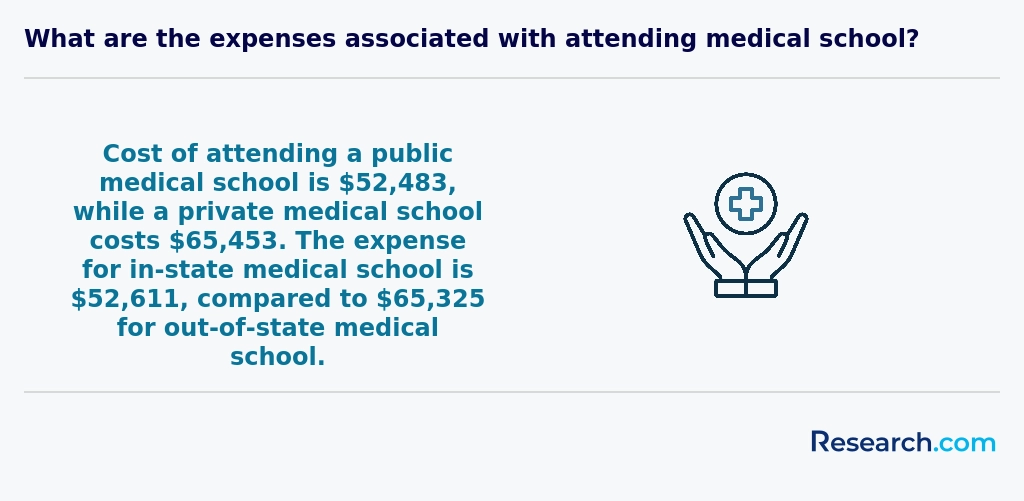
The average cost of a healthcare degree in Union typically centers around a median total of $40,302, with in-state students benefiting from significantly lower median costs near $14,299. Graduates from popular institutions like Union State University often reflect on the balance between tuition and the enriching experiences they gained through hands-on clinical training and community engagement. This median cost encompasses tuition and fees but does not fully capture additional expenses such as textbooks, supplies, or licensure preparation, which are important considerations for students planning their budgets.
For many pursuing healthcare degrees, especially those aiming for advanced fields like nursing or health administration, these costs feel like a meaningful investment in a rewarding career. Community colleges in Union offer more affordable healthcare education alternatives, usually ranging from $4,000 to $8,000 annually, providing practical stepping stones through associate degrees or certificates. This layered pathway reflects the diverse opportunities students have depending on their financial situation and career goals, illustrating the flexibility found within healthcare degree tuition and fees Union 2027.
Some graduates share how financial aid and scholarships helped reduce their debt burden, making the journey less daunting. Those interested in graduate education often explore options like an inexpensive master's in healthcare administration to make advanced qualifications more attainable without compromising quality. Understanding this cost landscape empowers future healthcare professionals in Union to make informed choices aligning education expenses with their personal ambitions and financial capacities.
Tips for Success in Your Healthcare Education and Career
Navigating your healthcare education journey requires not only selecting the ideal program but also adopting proven strategies to excel both inside and outside the classroom. Successful students often create structured study schedules, actively participate in hands-on learning opportunities, and build strong professional networks by engaging with faculty and local healthcare leaders. Additionally, seeking internships, volunteering in clinical settings, and attending career workshops can significantly enhance your practical skills and job readiness. A key aspect of success is staying informed about the latest industry trends and leveraging academic resources. For instance, students can review comprehensive program rankings and gain insights into innovative curricula to ensure they are making a sound investment in their future; you can learn more details by exploring the best popular healthcare degree. Furthermore, maintaining an updated resume and practicing interview techniques early on can provide a competitive edge when entering the job market. Fostering a positive mindset, seeking guidance from mentors, and participating in peer study groups are additional tips that contribute to both academic achievement and long-term career success in the thriving healthcare field.
What financial aid is available to healthcare degree students in Union?
Many students pursuing healthcare degrees in Union find financial aid indispensable to turning their aspirations into reality. Graduates from respected local institutions often reflect on how Pell Grants lifted a significant portion of their tuition burden, allowing them to focus deeply on studies rather than finances. These grants, available through FAFSA, provide up to $7,395 annually without the weight of repayment, making them a lifeline for those demonstrating need.
State scholarships, especially those offered by the Union State Department of Higher Education, have supported nursing and allied health students who commit to serving the community post-graduation. One graduate from a well-known Union college shared how maintaining a strong GPA secured such a scholarship, reducing debt and fostering a sense of responsibility toward local healthcare.
Working professionals also benefit immensely from employer tuition assistance programs offered by Union hospitals and clinics. Many found these reimbursements pivotal in advancing their careers without halting income flow. Coupled with work-study jobs, healthcare students gain practical experience while easing everyday expenses, creating a balanced, rewarding educational journey.
Tips for Maximizing Your Healthcare Degree Experience
Achieving success in a healthcare degree program extends beyond classroom learning-it involves taking proactive steps to enhance your practical knowledge and professional profile. Engaging in local internships, participating in mentorship programs, and building networks with professionals in the field are essential strategies. Students are encouraged to attend career fairs and join student organizations where real-world clinical experiences and industry insights merge with academic studies. Being active in these areas not only fosters personal growth, but it also prepares you for a competitive job market by refining your skills and soft skills, such as communication and teamwork. Additionally, integrating online learning resources can broaden your understanding of various healthcare disciplines. For instance, exploring complementary fields like nutrition can offer a holistic perspective on patient care. When aiming to diversify your expertise, you might also consider checking out what is the top online nutrition program to learn about innovative approaches that can complement your primary healthcare studies. Combining these strategies with thorough research on program offerings and accreditation will position you well for both academic success and long-term career advancement.
What are the prerequisites for enrolling in healthcare degree program in Union?
To enroll in a healthcare degree program in Union, students typically need a high school diploma or an equivalent credential like a GED. Graduates from popular local institutions often reflect on how foundational courses in biology, chemistry, and math equipped them with the confidence to tackle complex healthcare topics. For example, many healthcare programs at Union's community colleges and universities require completion of science prerequisites such as biology with labs, general chemistry, physics, and algebra or statistics, preparing students for real-world clinical challenges.
Some schools may also ask for standardized test scores like the SAT or ACT, although this is becoming less common as admissions focus more holistically on the entire applicant. Many students recall that background checks and immunization records were mandatory, especially when clinical internships at Union hospitals began, emphasizing safety and professionalism.
For those aiming higher, like a BSN or allied health program, prior healthcare experience-such as CNA certification-can greatly strengthen applications. This experience often transforms nervous applicants into confident caregivers, ready to excel in Union's demanding healthcare environments.

What courses are typically in healthcare degree programs in Union?
Healthcare degree programs in Union typically immerse students in a blend of foundational sciences and specialized healthcare topics essential to thriving in the field. Graduates from well-known Union institutions often recount how courses like human anatomy and physiology, microbiology, and medical terminology provided clear, practical insight into the human body, making clinical concepts easier to grasp during their hands-on training.
Students also value the inclusion of healthcare ethics and law, which seemed abstract at first but soon revealed their critical role in patient advocacy and decision-making within Union's evolving healthcare system. Many recall case studies from their coursework that brought these principles vividly to life, preparing them for real-world dilemmas.
The specialized training-ranging from pharmacology and nutrition to healthcare management and clinical skills-often feels immediately relevant, especially in programs emphasizing direct patient care. Experiences with healthcare technology and informatics further empower students to confidently navigate the digital tools ubiquitous in Union's modern medical settings.

What types of specializations are available in healthcare degree programs in Union?
Healthcare degrees in Union often include a variety of specializations that reflect both the needs of the local healthcare system and national trends. Graduates from well-regarded institutions here frequently speak of their experiences in nursing, public health, and health administration programs, which prepare them to take on roles that range from hands-on patient care to leading hospital operations. For example, nursing students report feeling empowered by their training, which aligns with the robust demand for nurses in Union communities. Specializations like health informatics and medical laboratory science illustrate the evolving nature of these degrees, blending technology and diagnostics to improve patient outcomes.
Students pursuing top healthcare programs Union-wide also find value in rehabilitation-focused tracks such as physical therapy and occupational therapy. These paths offer fulfilling careers helping patients regain mobility and independence. Many graduates mention the opportunities to transfer from flexible rn to bsn programs for working nurses as a stepping stone in their educational journey, highlighting the supportive pathways available in Union's healthcare education landscape.
How do you choose the best healthcare degree in Union?
Choosing the best healthcare degree in Union often starts with identifying your true passion within the field. Graduates from popular local institutions share how focusing on specialties like nursing or public health helped them thrive. Many recommend exploring programs at community colleges or universities known for strong clinical training, which align with local job demands and provide practical experience. Cost is a big consideration too; affordable healthcare degrees in Union ranking tend to favor community colleges, making quality education accessible without overwhelming debt.
Accreditation is another vital point. Programs recognized by bodies like the CCNE give graduates confidence that their training meets high standards, which employers in Union respect. One graduate found that joining a program with flexible, hybrid classes allowed balancing work and study seamlessly. Also, understanding local healthcare trends is crucial-Union's sector is expanding, creating opportunities for those who choose wisely. Students often benefit from internships and job placements tied to local healthcare providers.
For those uncertain about path specifics, it helps to start exploring by becoming a nurse, which opens doors to many roles. This suggests how hands-on experience early in your education guides your focus, enjoyment, and success. Reflecting on these factors ensures your choice matches your goals amid Union's dynamic healthcare landscape in the upcoming years.

What career paths are available for healthcare degree students in Union?
Graduates with a healthcare degree in Union find themselves at the crossroads of diverse career opportunities that truly reflect their passions and skills. Many pursue clinical paths such as becoming registered nurses, a role growing rapidly due to regional demands and the aging population. Those who studied at popular colleges in Union often share how working in hospitals or outpatient centers brings a profound sense of fulfillment, knowing they contribute directly to patient care. Besides nursing, careers as medical laboratory technicians or radiologic technologists allow graduates to engage with cutting-edge medical technology daily, turning theoretical knowledge into impactful results.
For those drawn to administrative roles, healthcare administration represents a thriving avenue. Managing hospital operations or healthcare policies in Union offers a dynamic environment where graduates from well-known local programs apply their education to solve practical challenges. Many express pride in shaping efficient, patient-centered systems that support clinical teams.
Exploring the best popular healthcare degree programs in the region helps students align with these top healthcare professions in Union region and feel confident pursuing paths matched to their ambitions.

What is the job market for healthcare degree in Union?
The healthcare job opportunities in Union remain promising, supported by steady growth in demand across various sectors. Graduates from well-known colleges here often find themselves quickly absorbed into roles such as registered nurses, healthcare administrators, and physical therapists. From the perspective of recent alumni, these positions offer both stability and rewarding day-to-day experiences, with opportunities to impact patient care directly in hospitals and outpatient centers. For those attending local universities, the combination of practical clinical training and academic knowledge tends to build confidence for entering the workforce.
Union healthcare degree employment outlook benefits from a dynamic environment where medical technology advancements and an aging population drive strong job creation. One graduate recalled how securing a role in a long-term care facility was possible due to hands-on internships facilitated by their institution. The median salaries here align closely with national figures, making the investment in education worthwhile. Students exploring options should also consider the cost aspect; many find competitive tuition rates along with scholarships for healthcare fields, which eases financial burdens while pursuing their degrees.
Furthermore, those interested in specialized nutrition roles may want to explore what is the top online nutrition program available to complement their healthcare studies, expanding career pathways in this growing sector.
Frequently Asked Questions About healthcare
Healthcare degree students in Union can maximize their learning experience by combining classroom study with practical experience. Engaging in internships or clinical rotations at local hospitals and clinics provides real-world insight into patient care and healthcare operations. According to the National Center for Education Statistics, hands-on training significantly improves skill retention and job readiness.
Students should also leverage resources offered by Union's community colleges and universities, such as tutoring centers and study groups, to reinforce challenging concepts. Networking with professionals through local healthcare organizations can open opportunities for mentorship and career guidance.
In addition, utilizing online platforms that offer updated medical research and continuing education helps students stay current with healthcare advancements. This approach aligns with recommendations from the American Association of Colleges of Nursing for continuous learning in healthcare education.
Emerging niches within the healthcare field are expanding rapidly, especially in growing regions like Union. One notable area is telehealth, which saw a 70% increase in usage nationwide by 2023, driven by improved digital infrastructure and patient demand. This niche offers opportunities for healthcare professionals skilled in remote patient monitoring and virtual care coordination.
Another promising field is healthcare data analytics. As Union's hospitals invest more in electronic health records, specialists who can interpret big data to improve patient outcomes are in high demand. According to the Bureau of Labor Statistics, health informatics roles are expected to grow 16% nationally through 2030.
Finally, geriatric care is becoming crucial due to Union's aging population, with demand rising for professionals trained in elder care management and chronic disease treatment.
Preparing for the job market after completing a healthcare degree in Union involves strategic planning and gaining relevant experience. Union's healthcare sector continues to grow, with employment projected to increase by 15% through 2030, according to the U.S. Bureau of Labor Statistics. Graduates should seek internships or clinical rotations to develop hands-on skills valued by employers. Networking with professionals in local hospitals, clinics, and public health organizations can open doors to job opportunities.
Certifications and licenses specific to your healthcare field are crucial before applying for jobs. Maintaining updated knowledge through continuing education is also recommended. Job seekers can use Union's state workforce resources and healthcare job boards to find openings that match their skills and interests.
Employers in Union prioritize healthcare graduates who demonstrate strong clinical skills combined with effective communication. According to the New Jersey Department of Labor, teamwork and interpersonal abilities are essential as many healthcare roles require collaboration across diverse professional teams.
Technical proficiency, particularly in electronic health records (EHR) systems, is increasingly demanded. A 2023 survey by the Union County Workforce Investment Board found over 70% of healthcare employers seek candidates familiar with digital patient management tools.
Critical thinking and problem-solving are also key, enabling professionals to make timely decisions in high-pressure environments. Additionally, cultural competence is valued due to Union's diverse population, enhancing patient care quality and outcomes.
Finding internships in Union relevant to a healthcare degree involves several strategic steps. Start by contacting local hospitals, clinics, and public health organizations, as these institutions commonly offer internships to students. According to the New Jersey Department of Labor, healthcare remains one of the state's fastest-growing sectors, increasing internship availability.
Many colleges in Union County have partnerships with healthcare providers, providing direct internship pathways. It's important to check your school's career services or internship office for listings. Additionally, websites like the New Jersey Health Careers Resource Center offer updated internship and job postings.
Networking through healthcare events and professional associations such as the New Jersey Hospital Association can also uncover opportunities. Applying early and tailoring your application to healthcare roles improves your chances significantly.
Obtaining a healthcare degree significantly enhances career mobility and advancement opportunities in Union. According to the U.S. Bureau of Labor Statistics, healthcare occupations in New Jersey, including Union County, are projected to grow 13% from 2021 to 2031, faster than the average for all occupations. This growth creates strong demand for qualified professionals with degrees in nursing, health administration, or allied health fields.
Having a formal healthcare degree increases eligibility for higher-paying roles such as nurse practitioner, healthcare manager, or clinical specialist. Employers in Union often prefer candidates with accredited degrees due to rigorous training. Additionally, advanced degrees can lead to leadership positions, improving both salary prospects and job security.
Studying for a healthcare degree in Union equips students with skills necessary for interdisciplinary roles by emphasizing collaboration across health professions. Programs often incorporate team-based learning and case studies involving multiple healthcare disciplines, mirroring real-world clinical settings. According to the Union State Department of Education, over 65% of healthcare programs in 2023 included interdisciplinary coursework.
Students gain exposure to nursing, public health, health administration, and allied health fields, promoting understanding of varied professional perspectives. This broad knowledge prepares graduates to participate effectively in diverse healthcare teams addressing complex patient needs.
The emphasis on communication, ethics, and integrated care models aligns with national healthcare trends encouraging holistic patient treatment. Union's healthcare education aligns with these trends, contributing to workforce readiness in evolving healthcare environments.
Choosing between a thesis and a non-thesis healthcare degree program in Union depends largely on your career goals and learning preferences. Thesis programs typically require original research and a formal written document, ideal for students considering further study or research roles. Non-thesis tracks focus on practical training and coursework, suited for students aiming to enter the workforce quickly.
In Union, healthcare employers value both types, but research-intensive roles often prefer candidates with thesis experience. According to the Union Department of Health Education (2023), 65% of advanced practice positions favor thesis graduates.
Consider your timeline: thesis programs may take longer due to research demands, while non-thesis options usually complete faster.
Students based in Union interested in studying healthcare abroad have several pathways through US universities offering international exchange programs. Many institutions partner with global medical schools, enabling students to spend a semester or more overseas while earning credits toward their degrees. According to the Institute of International Education, over 15% of healthcare students participate in study-abroad programs annually. Additionally, Union students can pursue specialized healthcare degrees in countries known for advanced medical training, such as the UK or Canada, through accredited online or hybrid programs recognized by US licensing boards. These opportunities help build global competencies crucial for modern healthcare careers.
Part-time job opportunities in Union that complement healthcare degree education are varied and support practical learning. Common roles include medical scribe positions, pharmacy technician jobs, and Certified Nursing Assistant (CNA) roles. These jobs provide hands-on experience with patient care and healthcare documentation, essential for building skills relevant to many healthcare careers.
According to the New Jersey Department of Labor, healthcare support occupations in the state are projected to grow by 15% through 2030, indicating robust job availability. Working in hospitals or outpatient clinics in Union County allows students to apply theoretical knowledge while managing real-world challenges, enhancing employability post-graduation.
Additionally, volunteering or working part-time in local public health programs or community clinics can expose students to preventative care and health education efforts. These experiences help develop communication skills crucial for patient interaction in professional healthcare roles.
Healthcare students in Union have access to a variety of networking opportunities designed to enhance their professional growth. Universities and colleges often host career fairs and industry panels, connecting students with local hospitals, clinics, and healthcare organizations. These events allow students to meet potential employers and mentors, expanding their professional contacts.
Many institutions also sponsor student chapters of national healthcare associations, such as the American Medical Association or the National Student Nurses' Association, which promote networking and leadership development.
Clinical rotations and internships further provide real-world experiences and valuable connections within Union's healthcare community, which is essential given the region's growing demand for healthcare professionals.
Alumni networks play a crucial role in supporting healthcare degree students in Union by offering valuable connections within the local medical community. In Union, where healthcare growth is steady, these networks provide access to mentorship opportunities, internships, and job placements.
According to data from the New Jersey Department of Labor, the healthcare sector in Union County is expected to grow by 15% through 2028, increasing demand for well-connected graduates. Alumni can guide students through career pathways, share insights on local hospitals, and recommend positions based on firsthand experience.
Engaging with alumni also fosters professional development through workshops and networking events designed to enhance students' skills and industry knowledge.
Customizing a healthcare degree program in Union allows students to align their education with specific career goals. Many institutions offer flexible curricula, enabling learners to choose concentrations such as public health, healthcare administration, or clinical practice. Elective courses and practical internships provide opportunities to gain relevant experience tailored to your interests.
Union's healthcare industry is growing, with employment projected to increase by 15% through 2030 according to the Bureau of Labor Statistics. Students can leverage this growth by selecting programs with strong local partnerships, enhancing job placement chances post-graduation.
Additionally, some programs support dual degrees or certificate add-ons in areas like health informatics or mental health counseling. These options help create a uniquely personalized educational path that meets emerging healthcare demands in Union.
Healthcare students in Union face several key challenges throughout their education. One major difficulty is balancing rigorous coursework with clinical responsibilities, which often results in high stress levels. According to the Union Board of Higher Education, about 65% of healthcare students report feeling overwhelmed during their clinical rotations.
Another common issue is financial strain. Healthcare programs can be costly, and many students struggle with tuition and associated expenses despite available financial aid options. Additionally, there is a local shortage of clinical placement opportunities, making it harder for students to gain practical experience.
Lastly, adapting to rapid changes in healthcare technology and regulations requires constant learning, which adds to the workload and pressure on students in Union.
With a healthcare degree in Union, graduates can pursue various professional certifications that enhance career prospects and expertise. Popular certifications include the Certified Nursing Assistant (CNA), Registered Health Information Technician (RHIT), and Medical Laboratory Technician (MLT). These credentials often require passing an exam and meeting state-specific education and training criteria.
Other advanced options include certifications such as Certified Professional in Healthcare Quality (CPHQ) or Certified Medical Assistant (CMA), recognized nationally and appreciated by employers in Union's healthcare sector. According to the Union Department of Labor, healthcare occupations are expected to grow by 15% through 2030, increasing demand for certified professionals.
Certifications can significantly increase earning potential and open career pathways in nursing, administration, diagnostics, and therapy. Pursuing recognized credentials ensures compliance with industry standards and helps professionals maintain up-to-date knowledge in a rapidly evolving field.
To write a winning application for a healthcare program in Union, start by carefully reviewing the program's prerequisites and admission requirements. Highlight relevant academic achievements, especially science and math coursework, as these are critical in healthcare fields.
Include a well-crafted personal statement that clearly explains your motivation for a healthcare career, any volunteer or work experience, and your long-term goals. Admission officers value applicants who demonstrate both passion and practical exposure.
Strong letters of recommendation from healthcare professionals or educators can significantly boost your application. Union healthcare employers often seek candidates with proven commitment and understanding of local healthcare challenges, as noted by the Union Department of Health statistics.
Lastly, ensure your application is free of errors and submitted before deadlines, reflecting professionalism and attention to detail.
Healthcare careers in the United States, including Union, are increasingly influenced by global trends such as rising demand for skilled professionals and technological advancements. The U.S. Bureau of Labor Statistics projects a 16% growth in healthcare occupations from 2021 to 2031, reflecting strong job opportunities. Union benefits from this trend with numerous local hospitals and clinics expanding services.
Internationally, there is a focus on interdisciplinary skills, cultural competence, and telehealth technologies. U.S. healthcare education incorporates these global perspectives, preparing students for diverse patient populations. According to the American Association of Colleges of Nursing, programs emphasize studying global health to meet worldwide standards and improve outcomes.
Such exposure allows students in Union to pursue careers that are highly adaptable and in demand both domestically and abroad.
Gaining practical experience while studying for a healthcare degree in Union is essential for preparing for the workforce. Many programs integrate clinical rotations or internships, allowing students to work under supervision in hospitals, clinics, or healthcare facilities. These hands-on opportunities develop critical skills and improve employability.
Union also has partnerships with local healthcare providers, creating accessible practicum placements for students. According to the Union Department of Education, over 75% of healthcare students complete at least one clinical experience before graduation.
Additionally, volunteering at healthcare centers or joining simulation labs offered by universities can expand practical knowledge. Such experiences complement coursework and enhance understanding of patient care.
Choosing the right concentration within a healthcare degree program in Union requires careful consideration of local job market demands and personal interests. According to the New Jersey Department of Labor, healthcare roles such as registered nurses, medical technologists, and health information technicians show steady growth in the Union area. Researching these trends can help align your concentration with employment opportunities.
Evaluate your strengths and interests, whether in clinical settings, technology, or administration. Programs often offer concentrations like nursing, public health, or health informatics, each leading to different career paths.
Visiting Union-based institutions and speaking with academic advisors can provide insight into program specifics and local internships, enhancing your practical experience.
Related Healthcare Rankings for Nearby Cities
- 2027 Most Popular Healthcare Degree Programs Ranking in Jersey City
- 2027 Most Popular Healthcare Degree Programs Ranking in New York
- 2027 Most Popular Healthcare Degree Programs Ranking in Brooklyn
- 2027 Most Popular Healthcare Degree Programs Ranking in Bronx
- 2027 Most Popular Healthcare Degree Programs Ranking in Queens
- 2027 Most Popular Healthcare Degree Programs Ranking in Philadelphia
- 2027 Most Popular Healthcare Degree Programs Ranking in Scranton
- 2027 Most Popular Healthcare Degree Programs Ranking in Wilkes-Barre
- 2027 Most Popular Healthcare Degree Programs Ranking in Springfield
- 2027 Most Popular Healthcare Degree Programs Ranking in Albany
Top Trending Healthcare Rankings
See What Experts Have To Say About Studying Healthcare
Read our interview with Healthcare experts

References
- Global Health Perspectives https://globalhealthperspectives.com/
- The impact of postgraduate education on career advancement in healthcare https://sets.com.ua/journals/vol-3-no-2-2024/the-impact-of-postgraduate-education-on-career-advancement-in-healthcare
- Top 3 Reasons to Consider a Career in Healthcare - Roseman University https://www.roseman.edu/student-experience/news/top-3-reasons-to-consider-a-career-in-healthcare/
- 20 healthcare investment niches and 3 things to know: The evolution of ... https://blackbookmarketresearch.com/20-healthcare-investment-niches-and-3-things-to-know-the-evolution-of
- Know more about thesis vs non- thesis: what is the difference? https://studyfans.com/en/blogs/816
- Career Planning https://westernmasshealthcareers.org/career-planning/
- Benefits for union members: What can you expect? | Sword Health https://swordhealth.com/articles/union-member-benefits
- Welcome to the Upstate Nursing Alumni Association! https://www.upstatefoundation.org/NursingAlumni
- Enhancing Clinical Education: Evidence-Based Strategies - European Society of Medicine https://esmed.org/enhancing-clinical-education-evidence-based-strategies/
- Niche Market Opportunities Research Among Healthcare Professionals (A Decision Analyst Case History https://www.decisionanalyst.com/casestudies/nichemarketopportunities/


