
2027 Most Valuable Online Bachelor's in Healthcare Degree Programs Ranking in the Northeast

Co-Founder and Chief Data Scientist
Choosing the right healthcare degree program is a big step toward a rewarding career. For students in the Northeast, finding programs that offer value and flexibility is essential.
This article introduces the 2027 Most Valuable Online Bachelor's in Healthcare Degree Programs Ranking in the Northeast, created by the Research.com team of data scientists. It aims to guide you through top online options that balance quality and affordability.
By exploring this ranking, you'll gain insights to make confident decisions about your education and future. A healthcare degree opens many doors, and this article helps you find the best path forward.
Key benefits of getting online healthcare degree in the Northeast
- Healthcare graduates in the Northeast can expect strong salaries, such as a Quality Improvement Coordinator earning about $103,150 annually or a Patient Care Technician making around $60,790 per year, reflecting rewarding financial benefits.
- Graduates from popular institutions like Northeastern University often find diverse career opportunities ranging from clinical roles like Medical Assistants to administrative positions such as Health Information Technicians.
- Completing a healthcare degree online, for example through programs at University of Massachusetts, offers flexibility to balance work and study, often leading to successful careers without the commute and at a pace that suits busy lifestyles.
- Key benefits of getting online healthcare degree in the Northeast
- What can I expect from online healthcare degree in the Northeast?
- Where can I work with online healthcare degree in the Northeast?
- How much can I make with online healthcare degree in the Northeast?
- 2027 Most Valuable Online Bachelor's in Healthcare Degree Programs Ranking in the Northeast
- Key Findings
- How long does it take to complete online healthcare degree in the Northeast?
- Clinical Placement and Practicum Requirements
- What's the difference between online and on-campus healthcare degree?
- Emerging Trends and Future Considerations in Online Healthcare Education
- What is the average cost of online healthcare degree in the Northeast?
- Career Advancement & Professional Development
- What financial aid is available to online healthcare degree students in the Northeast?
- Certification and Licensure
- What are the prerequisites for enrolling in online healthcare degree program in the Northeast?
- Continuing Education and Graduate Pathways
- What courses are typically in online healthcare degree programs in the Northeast?
- What types of specializations are available in online healthcare degree programs in the Northeast?
- How do you choose the best online healthcare degree in the Northeast?
- What career paths are available for online healthcare degree students in the Northeast?
- What is the job market for online healthcare degree in the Northeast?
- Top Trending Healthcare Rankings
- See What Experts Have To Say About Studying Healthcare
What can I expect from online healthcare degree in the Northeast?
The average cost of an online healthcare degree in the Northeast varies, but many students find it manageable thanks to the region's commitment to accessible education. Public universities like those in the SUNY system often offer tuition rates ranging from $10,000 to $20,000 per year for in-state students, and increasingly, these rates extend to online learners regardless of residency. Graduates frequently share how this affordability made pursuing their nursing or healthcare administration degrees possible without overwhelming debt.
One common experience involves balancing coursework with a full-time job, taking advantage of the online format's flexible scheduling. When a graduate studies at a renowned institution near Boston or Philadelphia, they benefit from strong partnerships with top local hospitals for clinical practice, enhancing real-world skills at reduced travel costs.
This cost-effectiveness combined with high-quality education opens doors for many aspiring healthcare professionals in the Northeast, making the dream of a rewarding healthcare career feel within reach.
Where can I work with online healthcare degree in the Northeast?
Graduates from online healthcare degree programs at well-known Northeast institutions often find themselves stepping into dynamic roles across vibrant cities like Boston, New York City, and Philadelphia. Imagine a graduate from a large public university navigating hospital departments as a healthcare manager or clinical coordinator, contributing directly to patient care improvements in bustling metropolitan centers.
Many find rewarding careers in outpatient clinics and physician offices, where they handle patient flow or billing processes-a perfect fit for graduates who enjoy fast-paced environments and making healthcare more efficient. Others have been drawn to long-term care facilities in New Jersey or Connecticut, working to support aging populations through facility administration and rehabilitation programs.
Graduates also thrive in public health roles within state departments, where they combine data analysis skills learned online with real-world health education initiatives. Some have taken exciting paths in Boston's tech hubs, applying their healthcare knowledge to project management and compliance in healthcare technology companies, blending innovation with care delivery.
These career paths showcase the Northeast's rich healthcare landscape, offering you meaningful opportunities close to home where your online degree can truly make a difference.
How much can I make with online healthcare degree in the Northeast?
Graduates holding online healthcare degrees in the Northeast can expect rewarding salary prospects that reflect both their expertise and the region's strong healthcare market. For instance, medical assistants earn a mean annual wage of about $43,350, while patient care technicians see average salaries near $60,790. These roles often serve as vital stepping stones for emerging professionals from well-regarded programs at schools like Northeastern University or the University of Pennsylvania.
For those advancing into specialized fields, the earning potential grows significantly. Health information technicians typically make around $43,380 annually, but with growing demand in digital health records, these graduates find exciting opportunities in cities like Boston and Philadelphia.
Ambitious graduates aiming for leadership roles can look toward positions such as quality improvement coordinators, where mean salaries reach an impressive $103,150. Alumni from online public health or healthcare administration programs at institutions like Boston University have shared success stories, feeling empowered by their ability to impact healthcare systems while securing financial stability.
This range of salaries illustrates the tangible benefits of completing your healthcare education online in the Northeast - combining flexibility with access to some of the country's highest-paying healthcare jobs.
2027 Most Valuable Online Bachelor's in Healthcare Degree Programs Ranking in the Northeast
How do we rank schools?
Investing in your education is a significant decision that can shape your future, and the Research.com team understands the importance of making informed choices. To assist prospective students in the Northeast, we have meticulously crafted the "2027 Most Valuable Online Bachelor's in Healthcare Degree Programs Ranking in the Northeast." Our commitment to quality, credibility, and accuracy is reflected in the extensive research and analysis conducted to compile this ranking.
We utilized the following reputable data sources to ensure a comprehensive evaluation of healthcare degree programs:
By exploring this ranking, readers will gain valuable insights into the most valuable online healthcare bachelor's degree programs in the Northeast, empowering them to make well-informed educational choices. For a detailed explanation of how the ranking was created, please visit our Research.com methodology page.



# 10 position
SUNY Empire State College
RN to Bachelor of Science in Nursing


# 13 position
Penn State University Park
Nursing, RN to BSN


# 15 position
State University of New York Polytechnic Institute
Bachelor of Health Information Management


# 17 position
Charter Oak State College
Bachelor of Healthcare Administration


# 20 position
Peirce College
Bachelor of Healthcare Administration

Key Findings
- Online healthcare degrees in the Northeast typically cost between $20,000 and $50,000 in total tuition, with public schools usually being more affordable than private ones.
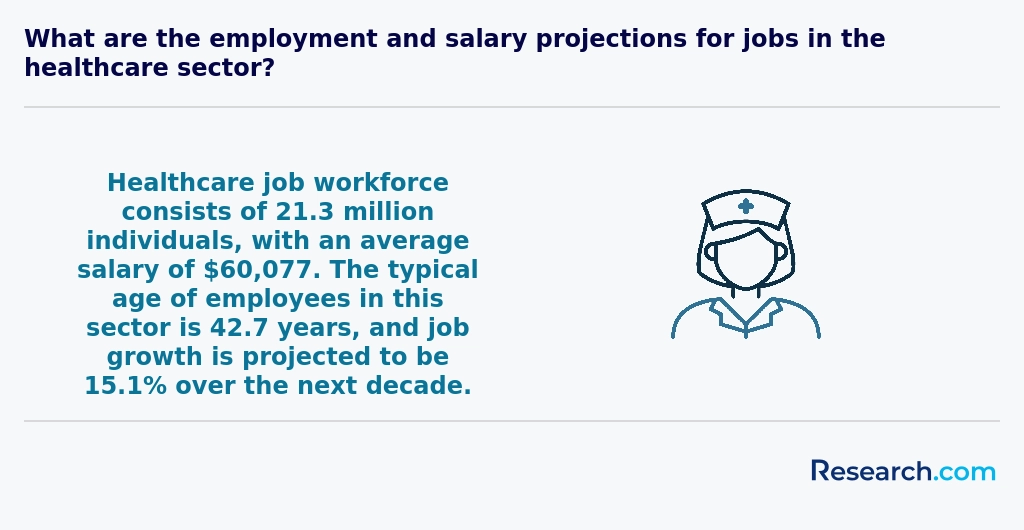
- The healthcare job market in the Northeast is expected to grow by about 15% over the next decade, which is faster than the national average.
- Starting salaries for healthcare graduates with a bachelor's degree range from $50,000 to $65,000 annually, with experienced professionals earning up to $100,000 or more.
- Accreditation by bodies like CAHME or ACEN is crucial for program credibility and eligibility for licensure and employment.
- Many programs offer flexible schedules but may require some in-person clinical or practicum work at approved local healthcare facilities.
- The Northeast's large population and healthcare institutions provide strong opportunities for internships, mentorships, and jobs near where students live.
How long does it take to complete online healthcare degree in the Northeast?
Completing an online healthcare degree in the Northeast often takes around four years for full-time students, especially at well-regarded schools like Northeastern University or the University of Massachusetts system. Many graduates share how balancing work and study motivated them to choose flexible pacing options, making the journey both manageable and rewarding.
Some students with prior credits or healthcare experience have accelerated their degree, finishing in as little as two to three years. Imagine progressing quickly because you've already built foundational knowledge-this path can make your goal feel truly within reach.
Part-time enrollment is another great option, often extending completion to five or six years or more, but allowing you to keep your job and life commitments steady. One graduate recalled how taking a lighter course load eased stress while still steadily advancing their career ambitions.
Keep in mind, programs may require clinical hours that must be completed in person, which can influence timing. Still, with dedication and the flexible structures offered by Northeast institutions, your healthcare degree is an achievable milestone on your professional journey.
Clinical Placement and Practicum Requirements
Hands-on training bridges theory and practice, ensuring you meet accreditation and licensure standards. Most online bachelor’s programs require 400–600 supervised clinical hours, arranged through program-approved sites.
- State licensure: Confirm local clinical hour and immunization mandates before applying.
- Site partnerships: Schools coordinate placements at nearby hospitals, clinics, or public health agencies.
- Scheduling: Evening, weekend, and part-time slots help balance work and coursework.
- Documentation: Use e-logs or paper forms to record hours and supervisor sign-offs.
- Support: Clinical coordinators assist with site approvals, compliance checks, and problem resolution.
- Resource: accredited medical billing and coding schools online with financial aid
What's the difference between online and on-campus healthcare degree?
Choosing between online and on-campus healthcare degrees in the Northeast means balancing flexibility with hands-on experience. Graduates from universities in Boston often praise online programs for letting them juggle demanding jobs and family life while advancing their careers. The remote format fits perfectly into the bustling schedules of those living in metropolitan hubs like New York City, where commuting alone can be a major hurdle.
On-campus students at well-known healthcare colleges in the region often highlight the rich, face-to-face interactions they enjoy. Labs, clinical placements, and direct mentorship from faculty at these schools foster a strong, immersive learning environment. These experiences are invaluable, especially when linked to local hospitals and clinics, offering immediate real-world training that's harder to replicate online.
Financially, online tuition tends to be more budget-friendly, removing certain campus fees and travel costs. However, students undertaking online studies should prepare for occasional travel to complete essential clinical work in their local communities, which can be a rewarding challenge, especially outside urban centers. Understanding these differences helps you shape your path wisely.
Emerging Trends and Future Considerations in Online Healthcare Education
Online healthcare education is rapidly evolving to meet the demands of an industry driven by technological innovations and shifting patient needs. As virtual learning environments continue to grow, institutions are integrating advanced simulation tools, immersive virtual reality experiences, and AI-driven feedback systems to better replicate clinical scenarios. This transition not only enhances the quality of education but also prepares graduates for a tech-savvy healthcare landscape where digital proficiency is as critical as clinical knowledge. In addition, partnerships between educational institutions and healthcare providers are expanding opportunities for remote clinical experiences, ensuring that students can apply their learning in real-world settings regardless of location. Staying informed about these emerging trends can empower prospective students to select programs that are on the cutting edge of both education and patient care. For further insights into innovative offerings and program excellence, explore the valuable healthcare schools in massachusetts that are setting new standards.
What is the average cost of online healthcare degree in the Northeast?
The average cost of an online healthcare degree in the Northeast typically ranges around $36,580 for in-state students, with out-of-state tuition averaging closer to $43,772. Graduates from well-known regional institutions often share how the investment felt manageable when compared to the career opportunities that opened after completing their degrees. For many students, this cost reflects the combination of high-quality education and the vibrant healthcare networks present in the region.
When exploring northeast online bachelor's healthcare tuition fees, it helps to consider the program type and institution. For example, nursing degrees-such as RN to BSN programs-often fall within a moderate cost range, yet provide the skills for rewarding healthcare careers. Some students appreciate how schools like those in Massachusetts provide accessible options to advance in healthcare without relocating, which adds to the overall value. These experiences highlight why students prioritize total costs beyond just tuition, including fees and course materials.
Many healthcare students discover that scholarships, employer tuition assistance, and financial aid make earning an online degree financially achievable. Those pursuing degrees in allied health or health administration report tuition costs somewhat higher but balanced by flexible scheduling and strong support from their universities. To find the best fit, students should explore cost transparency and program features carefully.
For those looking to learn from a comprehensive resource on affordable education, exploring the valuable healthcare schools in Massachusetts can be a great starting point for making informed decisions on online healthcare degrees in the Northeast.

Career Advancement & Professional Development
Graduating with an online healthcare degree is just the beginning of a lifelong professional journey. Many graduates find that the skills gained during their studies serve as a strong foundation for continued growth and specialization. Beyond entry-level positions, alumni often pursue advanced certifications, industry-specific training, and even graduate education to sharpen their expertise and boost their credentials. For instance, transitioning into roles that require strong leadership and strategic planning can be further supported by additional certifications and professional development courses. Building a robust professional network is also a key component of career advancement. Participating in industry conferences, joining professional associations, and engaging in mentorship programs can open doors to higher-level opportunities and collaborative projects. It’s not uncommon for graduates to explore new roles, such as healthcare consulting or senior administrative positions, once they have garnered both academic credentials and real-world experiences. Additionally, resources like what can you do with healthcare administration degree offer insights into diverse career trajectories within the healthcare sector, further guiding professionals on how to capitalize on their degree for long-term success. This continuous focus on professional growth not only enhances employability but also reinforces confidence in navigating the dynamic healthcare landscape. Embracing initiatives like ongoing education, targeted certifications, and active networking ensures that graduates remain competitive and are well-equipped to meet future industry challenges.
What financial aid is available to online healthcare degree students in the Northeast?
Many students pursuing online healthcare degrees at institutions like Northeastern University or Boston College find that federal student aid provides a solid foundation for managing tuition costs. By completing the FAFSA, students unlock access to Pell Grants-no-repayment scholarships that can cover a large portion of expenses, sometimes up to $7,395 per year. Federal loans and work-study options also offer flexible ways to finance your education while gaining valuable healthcare experience.
State-specific programs offer additional support, especially for those committed to working locally after graduation. For example, New York's Excelsior Scholarship can cover full public university tuition for qualifying residents, which has been a game-changer for many healthcare students balancing work and study.
From personal accounts of graduates, private scholarships from organizations like the American Association of Colleges of Nursing have been pivotal. Many Northeast colleges also tailor merit or need-based aid specifically for online learners, allowing you to focus on your studies without constant financial worry.
- Veterans benefit greatly from GI Bill education benefits applied toward online degrees.
- Institutional aid packages often reward leadership and dedication in the healthcare field.
Certification and Licensure
Graduating with an online healthcare bachelor’s is a crucial milestone, but many careers require professional credentials. Familiarize yourself with these steps to launch your career successfully.
- Identify your career path’s required credential (e.g., NCLEX-RN for nurses, RHIT for health information technicians).
- Confirm state licensure prerequisites: clinical hours, background checks and application fees vary by state.
- Prepare for certification exams: enroll in review courses, schedule test dates and gather required documentation.
- Maintain and renew credentials: track continuing education units (CEUs) and renewal deadlines to stay compliant.
- Explore specialized coding credentials if you plan to focus on billing: consider programs like online medical billing and coding with financial aid to streamline certification preparation and funding.
What are the prerequisites for enrolling in online healthcare degree program in the Northeast?
To enroll in an online healthcare degree program in the Northeast, you'll generally need a high school diploma or its equivalent. Graduates from schools like Northeastern University or the University of Vermont often share how meeting a GPA threshold-typically around 2.5 to 3.0-helped them stay motivated during the application process. Some programs may ask for SAT or ACT scores, but many schools are moving toward test-optional policies, making it more accessible for students from diverse backgrounds.
It's common to encounter prerequisites in foundational sciences such as biology or chemistry. I've known students who balanced work and online classes while completing these essential courses, which strengthened their confidence when tackling more advanced healthcare topics.
Prior healthcare experience isn't always required but can really set you apart. Many Northeastern graduates credit volunteer work or clinical exposure in local hospitals with helping them feel prepared and passionate about their studies.
If you're already a licensed nurse or technician, look for bridge programs offered by colleges in the region; these often let you accelerate your degree by building on your existing skills and licenses.
Continuing Education and Graduate Pathways
Building on your online bachelor’s in healthcare, pursuing advanced credentials can accelerate career growth and open doors to leadership roles. Many graduates opt for master’s programs in healthcare administration, public health, or health informatics to deepen their expertise, increase earning potential, and enhance strategic decision-making skills. For those seeking cost-effective options, the Inexpensive Online Master's in Healthcare Degree Programs Ranking in California offers a detailed comparison of affordable graduate pathways tailored to diverse professional goals. Professional certifications, such as Certified Healthcare Administrative Professional (cHAP) or Registered Health Information Administrator (RHIA), complement graduate studies by validating specialized competencies. Certificate programs in telehealth, healthcare quality, and data analytics can be completed alongside work, allowing you to apply new skills immediately and demonstrate value to employers. When evaluating graduate programs, consider accreditation, curriculum relevance, faculty expertise, and networking opportunities. Look for institutions that offer flexible schedules, interactive learning platforms, and dedicated career services. By strategically combining advanced degrees and certifications, you’ll position yourself for roles in executive leadership, policy development, or cutting-edge healthcare technology.
What courses are typically in online healthcare degree programs in the Northeast?
When you dive into an online healthcare degree in the Northeast, you'll quickly find yourself navigating a rich mix of courses designed to build your expertise from the ground up. Graduates from renowned institutions in New York and Massachusetts often describe their anatomy and physiology classes as eye-opening, helping them truly understand the human body's complexities-crucial knowledge whether you're working in a busy hospital or a community clinic.
Courses in healthcare ethics challenge you to think deeply about patient rights and professional responsibility, skills that Northeast healthcare environments demand daily. Imagine analyzing real-world dilemmas faced by healthcare professionals in cities like Boston or Philadelphia, where diverse populations shape ethical decisions.
Many learners praise health information management and informatics modules for teaching how to harness digital tools to improve patient care-essential in regions dense with cutting-edge hospitals and research centers.
Public health and epidemiology classes bring the bigger picture into focus, training you to tackle urban health challenges that you might witness firsthand if studying near institutions known for community engagement. These programs often include hands-on practicum experiences or virtual simulations that empower you to translate theory into meaningful practice.
What types of specializations are available in online healthcare degree programs in the Northeast?
In the Northeast, online healthcare degree programs offer rich specializations that cater to a variety of career paths. Nursing remains a top choice, with graduates from institutions in New York and Massachusetts sharing how RN to BSN and Nurse Practitioner tracks boosted their confidence and opened doors locally, where demand is notably 15% higher than the national average. Many also explore healthcare program concentrations in Northeast online degrees, such as Health Informatics, which taps into the region's investment in electronic health records-perfect for students fascinated by the blend of tech and medicine.
Graduates from well-known Northeastern colleges often highlight how Healthcare Administration and Management tracks prepared them for leadership roles; you can learn what can you do with healthcare administration degree through these focused courses. Public Health and Health Sciences programs appeal to those passionate about community impact and broad healthcare foundations, especially vital in urban centers like Philadelphia and Boston. These specializations offer versatile, practical skills that align well with regional healthcare needs and licensing requirements.
How do you choose the best online healthcare degree in the Northeast?
When choosing the best online healthcare degree in the Northeast, start by focusing on accreditation and program quality. Graduates from well-known institutions in this region often highlight how regional accreditation, such as from the Middle States Commission, assured them of their degree's value in job markets. Look for healthcare programs that offer hands-on clinical placements, an essential feature many students say boosted their confidence for licensure and real-world practice.
Cost plays a big role too. Public universities typically provide more affordable options, with tuition ranging between $10,000 and $15,000 annually, while private colleges might charge more. Many graduates found that researching scholarships and employer tuition reimbursement helped ease financial stress. Flexibility is another factor-choosing asynchronous courses means you can balance family, work, and study, a common experience among busy professionals in the Northeast.
To explore affordable programs with strong outcomes, consider browsing the Inexpensive Online Master's in Healthcare Degree Programs Ranking in California as a model for what to seek. This practical approach complements selecting curriculum breadth and career support, which Northeast students recommend for greater success in their healthcare careers.
For those pursuing the best online healthcare degree programs Northeast offers, prioritize programs that blend solid academics with real-world readiness. This strategy aligns perfectly with the region's rising demand and competitive wages, making every effort you put in worthwhile.
What career paths are available for online healthcare degree students in the Northeast?
Graduates earning an online healthcare degree in the Northeast find a wealth of career options that match their passion and goals. Many pursue roles as registered nurses (RN) or advanced practice registered nurses (APRN), especially in states like New York and Massachusetts where demand is high. A graduate from a well-known program in Boston, for example, shared how the flexible online format allowed them to balance family while stepping into a rewarding nursing role within months. Others choose healthcare administration, managing hospitals or clinics in urban hubs such as Philadelphia, where growth is accelerating.
For those interested in research or public health, the Northeast offers opportunities in renowned biotech companies and research hospitals. Graduates often find themselves contributing to health informatics or policy improvement efforts, applying their knowledge to real-world challenges. A popular pathway includes certification opportunities, and some students even explore the quickest online bachelor's degree for working adults to launch their careers without delay. These varied career paths highlight the vibrant landscape for online healthcare degree jobs in the Northeast.
What is the job market for online healthcare degree in the Northeast?
The job market for graduates holding an online healthcare degree in the Northeast is vibrant and full of opportunity. Graduates from online programs at well-known institutions, such as those in New York and Massachusetts, often share stories of quickly finding roles in hospitals and healthcare systems that appreciate the flexibility and tech-savviness that online education cultivates. The Northeast's healthcare industry, driven by urban centers like Boston and Philadelphia, actively seeks professionals skilled in telehealth and health informatics, areas emphasized in many online curricula.
Those pursuing healthcare management or public health degrees online in this region experience strong demand, supported by a growing healthcare ecosystem and an aging population. A common reflection among graduates is the advantage of balancing work while studying-allowing them to apply their knowledge immediately. If you're looking to explore diverse health careers, this region's outlook encourages investing in your education wisely.
Keep in mind licensure specifics and evolving job trends when selecting programs; some students have benefited from choices tailored to local needs. For guidance on advanced educational paths, consider exploring the easiest subject for phd that complements your healthcare goals. This strategic approach reinforces why the online healthcare degree job outlook Northeast is extremely promising.
Frequently Asked Questions About healthcare
Students pursuing online healthcare degrees in the Northeast can maximize their learning by actively engaging with their coursework and utilizing available resources. Many regional universities offer dedicated virtual labs and simulation tools that enhance practical skills, crucial for healthcare careers. According to the U.S. Bureau of Labor Statistics, employment for healthcare occupations in the Northeast is expected to grow by 12% from 2022 to 2032, underscoring the value of strong clinical competencies.
Networking through virtual study groups and local healthcare organizations also helps students connect theory with real-world practice. Additionally, accessing student support services like online tutoring and career counseling can boost success rates. Staying informed about regional healthcare trends, such as the growth in elder care needs noted by the AARP Northeast office, further prepares students for local job markets.
The healthcare field is rapidly evolving, with several emerging niches attracting attention in the Northeast. One promising area is telehealth, which expanded by over 50% in usage during the pandemic, according to the New England Journal of Medicine. This growth creates demand for professionals skilled in remote patient monitoring and virtual care coordination.
Another niche is healthcare informatics, which involves managing and analyzing patient data. The U.S. Bureau of Labor Statistics projects a 15% job growth in health informatics jobs nationally through 2032, with strong demand in Northeastern urban centers like Boston and New York City.
Additionally, geriatric healthcare is expanding due to the region's aging population, requiring expertise in elder care management and chronic disease prevention. These niches offer exciting opportunities for students pursuing online healthcare degrees in the Northeast.
After completing an online healthcare degree in the Northeast, job market preparation begins with gaining relevant certifications. Many healthcare roles, such as medical coding or health administration, require state-recognized licenses or certifications to enhance employability.
Networking is crucial; consider joining regional professional associations like the New England Healthcare Employers Association. This helps graduates connect with local employers and learn about job openings.
Internships or practicum experiences, often part of online programs, provide hands-on skills. According to the U.S. Bureau of Labor Statistics, healthcare jobs in the Northeast are expected to grow by 12% through 2030, so timely job application and interview preparation matter.
Utilizing university career services and local job fairs focused on healthcare can improve hiring prospects significantly.
Employers in the Northeast seek healthcare degree graduates with strong clinical knowledge and critical thinking skills. According to the Massachusetts Department of Higher Education, healthcare employers emphasize proficiency in patient care, medical technology, and data management. Communication skills also rank highly, as professionals must effectively interact with patients and multidisciplinary teams.
Additionally, adaptability and problem-solving abilities are crucial due to rapid changes in healthcare regulations and technology. The New York State Department of Labor reports that graduates familiar with electronic health records (EHR) systems have a considerable advantage. Soft skills such as empathy, teamwork, and cultural competence are also valued for delivering quality care in diverse communities.
Finding internships in the Northeast related to healthcare degrees involves leveraging regional resources and networks. Many hospitals and healthcare systems in states like Massachusetts, New York, and Pennsylvania offer structured internship programs for students. According to the Massachusetts Health & Hospital Association, nearly 70% of healthcare facilities provide internships annually.
Students should use university career services and online platforms like Handshake or internships.com specifically filtering for healthcare roles in the Northeast. Additionally, professional associations such as the New England Public Health Association provide local internship listings.
Networking through virtual career fairs and contacting institutions directly can also improve chances of securing relevant opportunities.
Online healthcare degrees in the Northeast significantly enhance career mobility and advancement by offering flexible education aligned with regional healthcare demands. According to the U.S. Bureau of Labor Statistics, healthcare jobs in Northeast states like New York and Massachusetts are expected to grow by over 15% through 2030, outpacing national averages.
Graduates of accredited online programs gain relevant skills and credentials, improving eligibility for promotions and higher-paying roles. Many employers in hospitals and health systems in this region recognize online degrees from reputable institutions, especially when paired with clinical experience.
Additionally, online degrees facilitate career shifts within healthcare fields, allowing professionals to specialize or move into management roles without geographical constraints.
Studying for a healthcare degree in the Northeast offers unique preparation for interdisciplinary roles due to the region's concentration of diverse healthcare systems and academic collaborations. Many programs emphasize teamwork across nursing, public health, and clinical disciplines, reflecting real-world settings. According to the New England Board of Higher Education, over 60% of healthcare graduates in this area enter roles requiring coordination with professionals from varying backgrounds.
Online programs often integrate case studies and simulations involving multiple healthcare sectors, which fosters critical skills such as communication and problem-solving. This interdisciplinary approach aligns with growing industry demands, especially in urban centers like Boston and New York.
Choosing between a thesis and a non-thesis healthcare degree program in the Northeast depends on your career goals and learning preferences. Thesis programs typically involve extensive research and a final project, ideal for students considering advanced study or roles in research and academia.
Non-thesis programs focus more on coursework and practical skills, suitable for those aiming to enter the healthcare workforce quickly. According to U.S. Department of Education data, many Northeastern universities offer these flexible options to accommodate working professionals.
Consider if you want to develop research skills or prioritize hands-on experience when selecting a program.
Students based in the Northeast seeking to study healthcare abroad have several pathways to consider through online programs offered by U.S. institutions with international components. Many accredited universities in states like New York, Massachusetts, and Pennsylvania provide hybrid or fully online bachelor's degrees in healthcare, incorporating global health topics and optional study abroad opportunities.
Online healthcare degrees often offer international practicum placements or virtual exchanges, enabling students to gain cross-cultural experience without leaving the region initially. For example, institutions such as the University of Massachusetts emphasize global health in their curriculum, preparing students for diverse healthcare environments.
According to the National Center for Education Statistics, nearly 40% of higher education enrollment in the Northeast includes online learners, indicating strong support for remote education models.
This regional emphasis on flexible, internationally focused healthcare education allows students to blend local study with global insights, supporting careers in an increasingly interconnected health sector.
Part-time jobs in the Northeast can effectively complement healthcare degree education by providing relevant practical experience. Positions such as certified nursing assistants (CNAs), medical assistants, or pharmacy technicians are common choices. According to the U.S. Bureau of Labor Statistics (2023), healthcare support jobs in the Northeast are projected to grow by 15%, reflecting strong demand.
Hospitals, clinics, and long-term care facilities in states like New York and Massachusetts frequently hire part-time workers, often accommodating online students' schedules. These roles help students develop clinical skills and understand patient care within diverse urban settings. Additionally, administrative roles in healthcare offices offer insight into healthcare management, supporting broader educational goals.
Volunteering in health organizations or participating in telehealth services also enhances practical knowledge without full-time commitments, aligning well with flexible online study options.
Online healthcare students in the Northeast have diverse networking opportunities that can enhance their academic and professional growth. Many accredited schools offer virtual events, such as webinars and career fairs, allowing students to connect with healthcare professionals and alumni across the region. Institutions often partner with prominent healthcare organizations in states like New York, Massachusetts, and Pennsylvania, which is home to over 120,000 healthcare workers collectively, according to the Bureau of Labor Statistics (2023).
Students may also join regional chapters of national healthcare associations, like the American Public Health Association or the Healthcare Information and Management Systems Society. These groups frequently host online meetings and local networking events. Furthermore, some programs incorporate practical internships or clinical placements in nearby hospitals and clinics, providing valuable real-world connections.
Alumni networks offer significant advantages to online healthcare degree students in the Northeast by providing access to professional connections and career opportunities. These networks often include thousands of graduates working in hospitals, clinics, and research centers throughout states like New York, Massachusetts, and Pennsylvania.
According to the National Center for Education Statistics, over 60% of healthcare graduates in the Northeast find jobs through alumni referrals. This local network helps students gain insights into regional healthcare trends and licensing requirements, which vary across states.
Additionally, many universities host virtual events and webinars exclusively for alumni, fostering mentorship and continuous learning. Access to these resources can enhance job placement rates and increase salary potential for graduates entering the competitive Northeast healthcare market.
Customizing an online healthcare degree program in the Northeast allows students to align their education with specific career goals. Many universities in the region offer flexible curricula where students choose electives in areas like public health, healthcare administration, or nursing. Specialized certificate options can complement core courses and increase job marketability.
Students should consider programs accredited by recognized bodies such as the Commission on Collegiate Nursing Education (CCNE) or the Council on Education for Public Health (CEPH), ensuring quality and employer recognition. According to the New England Board of Higher Education, nearly 70% of healthcare employers in the Northeast prefer graduates with tailored skill sets.
Engaging in internships or practicums included in online programs further enhances practical experience relevant to regional healthcare needs. Moreover, some schools offer career counseling to help students map course choices to local healthcare industry demands and licensure requirements.
Online healthcare students in the Northeast often face several key challenges. One common issue is balancing rigorous coursework with work and family obligations, especially in a region where healthcare jobs are highly demanding. According to the National Center for Education Statistics, time management remains a significant struggle for nearly 40% of online learners nationwide.
Another difficulty is gaining access to local clinical placements. Many programs require in-person practicums, which can be limited by healthcare facility availability and geographic constraints in rural parts of the Northeast, such as upstate New York and Maine.
Lastly, some students report technological barriers, including inconsistent internet access in certain areas and adapting to online learning platforms. These challenges highlight the need for strong support services within regional online programs.
With an online healthcare degree, students in the Northeast can pursue various professional certifications that enhance career prospects. Popular certifications include Certified Nursing Assistant (CNA), Registered Health Information Technician (RHIT), and Certified Professional in Healthcare Quality (CPHQ). These certifications are widely recognized across healthcare settings in states like New York, Massachusetts, and Pennsylvania.
For example, according to the Massachusetts Department of Public Health, certified professionals often see improved job placement and salary opportunities. Online degree holders can also prepare for licensure exams such as the Registered Nurse (RN) license, critical for nursing roles throughout the region. These credentials validate expertise, helping graduates meet the growing healthcare workforce demands in the Northeast.
Writing a winning application for an online healthcare program in the Northeast requires clarity and preparation. Begin by researching accredited institutions recognized by the New England Commission of Higher Education or the Middle States Commission on Higher Education, as these accreditations ensure program quality. Highlight relevant healthcare experience or volunteer work to demonstrate your commitment to the field.
Use your personal statement to explain why you chose the healthcare sector and how an online program fits your career goals. According to the U.S. Bureau of Labor Statistics, healthcare jobs in the Northeast are growing faster than the national average, so emphasize your awareness of regional healthcare needs.
Also, submit strong letters of recommendation from professionals familiar with your healthcare skills or academic abilities. Finally, ensure all application materials are error-free and submitted before deadlines to improve your chances.
Globally, healthcare careers are increasingly valued due to rising demand for skilled professionals. In the United States, and specifically in the Northeast, this trend aligns with an aging population and expanded healthcare access. According to the U.S. Bureau of Labor Statistics, healthcare occupations are projected to grow 16% from 2021 to 2031, faster than the average for all jobs.
Internationally, healthcare roles are viewed as essential for societal well-being, encouraging cross-border collaboration and standards improvement. Many online healthcare programs in the Northeast incorporate global health perspectives to prepare students for diverse challenges.
The Northeast, home to leading medical centers and universities, offers online degrees that emphasize evidence-based practices grounded in both local and worldwide contexts.
Gaining practical experience while earning an online healthcare degree in the Northeast is essential for career readiness. Many accredited programs require clinical placements or internships, which students can complete at local hospitals, clinics, or healthcare facilities near their residence. The Northeast has a dense network of medical centers, such as those affiliated with Harvard Medical School and Mount Sinai Health System, facilitating access to quality practicum sites.
Students often coordinate with their university's fieldwork offices to secure placements that match their study focus. This hands-on work complements online coursework and enhances skills.
According to the Massachusetts Department of Higher Education, 70% of healthcare students complete clinical hours within the state, underscoring regional opportunities.
Choosing the right concentration in an online healthcare degree in the Northeast requires understanding regional job markets and healthcare demands. The Bureau of Labor Statistics reports that healthcare employment in states like New York, Massachusetts, and Pennsylvania is growing faster than the national average, especially in nursing, health administration, and public health fields.
Consider your career goals and local industry needs. For example, Massachusetts has a strong biotech and research sector, making health informatics a promising concentration there. In contrast, public health focuses are valuable in urban Northeastern areas managing diverse populations.
Check program accreditation and course relevance to ensure your education meets regional licensing or certification requirements. Research state-specific healthcare trends via trusted sources like the Northeast Healthcare Workforce Network to guide your decision effectively.
Top Trending Healthcare Rankings
See What Experts Have To Say About Studying Healthcare
Read our interview with Healthcare experts

References
- How Long to Get a Doctor of Health Science? https://www.bridgeport.edu/news/doctor-of-health-science-online-length-of-program/
- Online Healthcare Degree Programs https://www.phoenix.edu/online-healthcare-degrees.html
- How Long is an MHA Program? MHA Programs One Year ... https://www.onlineeducation.com/healthcare/faqs/length-of-online-mha-programs
- Online Healthcare Degree Programs https://nursinglicensemap.com/resources/healthcare-degree-programs/
- 2026 Most Affordable Online Healthcare Administration ... https://www.onlineu.com/most-affordable-colleges/healthcare-administration-degrees
- Choose the Right Healthcare Degree for You https://www.northeastcollege.edu/learn/choose-the-right-natural-healthcare-degree-for-you
- Online Healthcare Degree Programs | ABHES Accredited https://www.ultimatemedical.edu/campuses/online/
- Health Information Management Systems https://northeast.edu/degrees-and-programs/health-information-management-systems
- Online MHA Programs Ranked by Affordability (2026) https://www.mhaonline.com/blog/affordable-online-mha-programs-ranked
- Health Information Technology (HIT) https://www.nicc.edu/academics/programs/health-information-technology/




