2027 Most Affordable Online Bachelor's in Healthcare Degree Programs Ranking in Missouri

Co-Founder and Chief Data Scientist
Are you considering a healthcare degree but want to find an affordable online option in Missouri? This article introduces the 2027 Most Affordable Online Bachelor's in Healthcare Degree Programs Ranking in Missouri, carefully developed by the Research.com team of data scientists. It aims to guide you in choosing the best healthcare programs that balance quality and cost.
By exploring this ranking, you'll gain valuable insights to make smart decisions for your education and future career. A healthcare degree opens doors to meaningful work and personal growth-this guide is here to help you get started.
Key benefits of getting online healthcare degree in Missouri
- Healthcare degree graduates in Missouri can earn competitive salaries, such as Medical Assistants making around $43,350 annually and Quality Improvement Coordinators earning up to $103,150 per year, offering strong financial motivation.
- Graduates from Missouri universities often pursue roles like Patient Care Technician or Health Information Technician, providing diverse career options in hospitals, clinics, and health organizations.
- Online healthcare degrees from institutions like the University of Missouri offer flexible schedules and the ability to balance work and study, making education more accessible without sacrificing quality.
- Key benefits of getting online healthcare degree in Missouri
- What can I expect from online healthcare degree in Missouri?
- Where can I work with online healthcare degree in Missouri?
- How much can I make with online healthcare degree in Missouri?
- 2027 Most Affordable Online Bachelor's in Healthcare Degree Programs Ranking in Missouri
- Key Findings
- How long does it take to complete online healthcare degree in Missouri?
- Accreditation and Licensure Considerations
- What's the difference between online and on-campus healthcare degree?
- Tips for Student Success in Online Healthcare Education
- What is the average cost of online healthcare degree in Missouri?
- Overcoming Challenges in Pursuing Your Online Healthcare Degree in Missouri
- What financial aid is available to online healthcare degree students in Missouri?
- Certification and Licensure Pathways
- What are the prerequisites for enrolling in online healthcare degree program in Missouri?
- Tips for Success in Your Online Healthcare Degree Journey
- What courses are typically in online healthcare degree programs in Missouri?
- What types of specializations are available in online healthcare degree programs in Missouri?
- How do you choose the best online healthcare degree in Missouri?
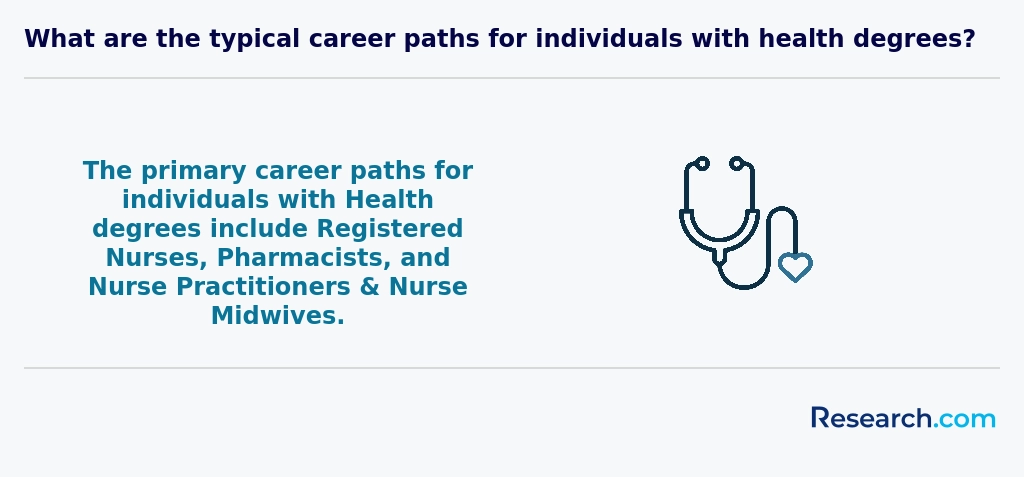
- What career paths are available for online healthcare degree students in Missouri?
- What is the job market for online healthcare degree in Missouri?
- Related Healthcare Rankings for Nearby States
- Top Trending Healthcare Rankings
- See What Experts Have To Say About Studying Healthcare
What can I expect from online healthcare degree in Missouri?
Curious about the cost of pursuing an online healthcare degree in Missouri? On average, students enrolling in popular programs at universities like the University of Missouri or Missouri State University encounter tuition fees ranging from $8,000 to $12,000 per year for in-state online learners. This investment often surprises many, balancing well with the quality of education and flexible scheduling these schools offer.
Imagine a graduate navigating through anatomy lectures, healthcare ethics classes, and virtual clinicals, all from home while managing work or family. They often share how affordable tuition paired with scholarships or state financial aid made their dreams feel within reach. The combination encourages adventurous learners to dive into healthcare without the looming fear of overwhelming debt.
This cost spectrum reflects a welcoming opportunity for Missouri residents eager to contribute to the booming healthcare sector, with programs carefully structured to prepare students for certification and licensure specific to the state.
Where can I work with online healthcare degree in Missouri?
Graduates from Missouri's online healthcare programs often find themselves stepping confidently into bustling hospital environments like those of BJC HealthCare or Mercy Health, where nursing and healthcare management roles abound. Imagine joining a dynamic team at a major St. Louis hospital, directly contributing to patient care or streamlining operations after earning your degree from a school like the University of Missouri or Maryville University.
Others explore rewarding paths in outpatient clinics or physician offices, where their skills in healthcare administration or health IT help improve everyday patient experiences. The fast-growing eldercare sector beckons, too, especially with Missouri's aging population, offering chances to impact lives at assisted living centers or nursing homes-real, tangible ways to make a difference.
Graduates also discover exciting opportunities in public health, supporting community programs or shaping policies that advance wellness statewide. Some with a passion for technology dive into healthcare informatics, collaborating with insurance providers or tech firms to harness data for better patient outcomes and compliance.
Each path reflects a unique adventure shaped by practical learning and the vibrant healthcare landscape of Missouri.
How much can I make with online healthcare degree in Missouri?
Imagine graduating from an online healthcare program at a well-known Missouri university, like the University of Missouri or Saint Louis University, and stepping into your first healthcare role with excitement. What might your paycheck look like? For many graduates, roles like Medical Assistant or Clinical Research Coordinator offer a mean annual wage around $43,350, providing a solid foundation to launch your career.
Some graduates find themselves thriving as Patient Care Technicians, earning a mean wage near $60,790 per year, enjoying both rewarding work and a paycheck that reflects their dedication. Others with a knack for technology and data dive into health information roles, where paychecks average about $43,380 annually.
If you're ready to level up into leadership or quality-focused roles, such as a Quality Improvement Coordinator, Missouri grads are seeing salaries surpassing $100,000. This leap often comes from combining online coursework with on-the-job experience, making career advancement a real possibility.
Many graduates feel empowered knowing their hard work translates into a competitive salary right here in Missouri's growing healthcare landscape, where opportunities abound and your skills truly matter.
2027 Most Affordable Online Bachelor's in Healthcare Degree Programs Ranking in Missouri
How do we rank schools?
Investing in your education is a significant decision that can shape your future, and the Research.com team understands the importance of making well-informed choices. To support prospective students seeking affordable healthcare education in Missouri, we have carefully developed the "2027 Most Affordable Online Bachelor's in Healthcare Degree Programs Ranking in Missouri." Our dedication to quality, credibility, and accuracy is reflected in the thorough research and analysis underpinning this ranking.
We utilized the following reputable data sources to ensure a comprehensive evaluation of healthcare degree programs:
By exploring this ranking, readers will gain valuable insights into the most affordable online healthcare degree options in Missouri, empowering them to make confident decisions about their educational investments. For more information on how this ranking was created, please visit our Research.com methodology page.

# 2 position
Chamberlain University - St. Louis
Nursing, RN to BSN degree completion program


Key Findings
- The average cost for a bachelor's healthcare degree in Missouri ranges from $25,000 to $40,000 for in-state students, with online programs often lowering expenses like commuting and housing.
- The healthcare sector in Missouri is expected to grow by about 15% over the next decade, which is faster than the national average for all jobs.
- Early-career salaries for healthcare graduates in Missouri generally fall between $50,000 and $60,000 annually, depending on the specific field and location.
- Experienced healthcare professionals in Missouri can earn median salaries over $75,000, with some roles reaching $85,000 to $90,000 per year.
- Online healthcare programs in Missouri must meet regional and healthcare-specific accreditation to ensure degrees are recognized for licensure and certification.
How long does it take to complete online healthcare degree in Missouri?
Associate degrees also beckon exploration, often wrapped up in two years, opening doors quickly either to employment or to continue toward a bachelor's. Along the way, clinical hours must be completed locally-providing real-world experience that transforms online learning into tangible community impact across Missouri's hospitals and clinics.
Accreditation and Licensure Considerations
Ensuring your online healthcare degree in Missouri is accredited is vital for both educational quality and professional licensure. Accredited programs meet standards set by recognized bodies such as the Commission on Collegiate Nursing Education (CCNE), the Accreditation Council for Education in Nutrition and Dietetics (ACEND), or the Commission on Accreditation of Allied Health Education Programs (CAAHEP). Before enrolling, verify that your chosen program holds accreditation from an agency recognized by the U.S. Department of Education and the Council for Higher Education Accreditation (CHEA). This ensures eligibility for federal financial aid, transfer of credits, and acceptance by state licensing boards. State licensure requirements vary by profession in Missouri. For roles such as registered nurse, health information technician, or radiologic technologist, you must complete a program accredited by the appropriate board and pass national certification exams. Consult the Missouri State Board of Nursing or the Missouri Department of Health and Senior Services for up-to-date licensure regulations. Failure to graduate from an accredited program can delay or prevent licensing, impacting your ability to secure employment. When comparing program affordability, accreditation, and licensure support, also explore how other regions structure similar offerings. For example, the Affordable Online Healthcare Degree Programs Ranking in Orange Beach, AL highlights accredited options with robust licensure preparation. By prioritizing accreditation and licensure from the outset, you’ll streamline your journey to a rewarding healthcare career in Missouri.
What's the difference between online and on-campus healthcare degree?
Choosing between online and on-campus healthcare degrees in Missouri feels like deciding how you want to shape your learning adventure. Imagine a graduate from the University of Missouri who juggled a busy work schedule while pursuing nursing online-accessing lectures whenever and wherever convenient. This flexibility lets many students weave education into their hectic lives without sacrificing career or family time.
On the flip side, someone studying on-campus at Saint Louis University encounters the vibrant buzz of face-to-face labs and hands-on clinical practice in state-of-the-art facilities. They thrive amid real-time interactions with professors and peers, building lasting professional networks during events and study groups.
Cost-wise, online pathways often ease the burden with fewer commuting and housing expenses, although Missouri public universities like Missouri State University keep their tuition relatively accessible across both formats. Still, both routes honor rigorous clinical experiences, partnering with local healthcare centers to ensure students meet necessary certification standards.
Ultimately, Missouri students discover that whether logging in from home or walking campus halls, their healthcare degree is crafted with dedication, flexibility, and connection in mind.
Tips for Student Success in Online Healthcare Education
Navigating an online healthcare degree program requires more than just academic commitment-it demands a strategic approach to balancing coursework, practical experience, and personal responsibilities. Students who succeed in these programs employ effective time management techniques, engage actively with virtual learning communities, and take advantage of available support services. For example, setting up a dedicated study schedule and utilizing digital tools like calendars and task managers can help maintain focus and organize deadlines. Additionally, students are encouraged to seek out mentorship opportunities and leverage online resources to enhance their learning experience. Regular participation in virtual discussion boards and collaborative projects can not only deepen understanding of course material but also build a professional network that proves invaluable as careers progress. It’s equally important to explore specialized resources that align with your career interests; for instance, those considering administrative roles in healthcare might benefit from insights available at best medical billing and coding schools. By integrating these strategies, students not only excel academically but also prepare themselves to meet the evolving demands of the healthcare industry with confidence and resilience.
What is the average cost of online healthcare degree in Missouri?
The average cost of an online healthcare degree in Missouri hovers around $35,000 in total, making it a realistic investment for many aspiring healthcare professionals. In-state students pursuing degrees at public universities can expect tuition closer to $40,000 for the entirety of their program, while out-of-state learners may see costs closer to $45,000. These numbers reflect a balance between affordability and quality, especially compared to national rates.
Imagine a graduate from the University of Missouri, where tuition runs about $9,000 per year for in-state residents, feeling the thrill of advancing their healthcare career without overwhelming debt. Their experience showcases how accessible healthcare education is here, especially when combined with financial aid and scholarships.
Others might choose private schools in Missouri, which often range from $12,000 to $18,000 yearly but offer specialized programs that many find enriching. Community colleges also present an exciting, budget-friendly path, often costing under $5,000 annually for associate degrees that can lead to healthcare careers. If you're scouting for affordable online bachelor's healthcare programs Missouri offers a variety of options tailored to different budgets and goals.
For those eager for more guidance, exploring the cheapest healthcare programs in missouri is a smart way to map out a practical and inspiring educational journey.

Overcoming Challenges in Pursuing Your Online Healthcare Degree in Missouri
While the affordability and flexibility of online healthcare programs in Missouri present significant advantages, students may also face unique challenges in navigating remote learning environments. It is important to recognize potential hurdles-such as managing time effectively, adapting to digital tools, and combating feelings of isolation-and proactively address them to ensure academic and career success. Successful online students often implement clear schedules, utilize academic support services, and actively engage in virtual study groups to foster a sense of community and accountability. In addition, regularly consulting available resources such as technical assistance and career advising can make a substantial difference in overcoming these challenges. For instance, exploring cheapest healthcare programs in missouri can provide valuable insights into program structures that offer exceptional support systems tailored to student needs. Emphasizing an open mindset, resilience, and self-discipline will empower prospective healthcare professionals to maximize the benefits of online learning while turning obstacles into stepping stones for success.
What financial aid is available to online healthcare degree students in Missouri?
Imagine starting your journey toward a healthcare degree online at a popular Missouri university, like the University of Missouri or Missouri State University, and discovering a world of financial aid opportunities ready to support you. Many graduates recall how filling out the FAFSA unlocked access to Pell Grants, often covering thousands without the headache of repayment. These grants, with a cap near $7,395 for 2023-2024, eased the burden significantly.
State programs such as the Missouri Access to Education Grant (MAEG) also made a difference, especially for in-state students attending public institutions. Some graduates proudly shared how the Missouri Bright Flight Scholarship rewarded their academic efforts with funds they used toward health-related programs.
Healthcare scholarships from professional organizations and nursing associations provided extra boosts, while working students often benefited from employer tuition reimbursements, lightening their financial load. Many credit their college's tailored aid packages and payment plans as crucial in turning daunting costs into manageable steps.
Certification and Licensure Pathways
After completing an online healthcare bachelor’s degree in Missouri, graduates must navigate professional certification and state licensure requirements to practice legally and confidently. Most clinical roles-such as nursing, radiology, and diagnostic medical sonography-require candidates to pass standardized exams and satisfy Missouri Board of Nursing or Department of Health regulations. For example, registered nurse (RN) aspirants prepare for and pass the NCLEX-RN, while healthcare administrators often pursue credentials such as the Certified Healthcare Administrative Professional (cHAP) to demonstrate leadership competence. Specialized fields like diagnostic medical sonography combine academic coursework with hands-on training and require certification by the American Registry for Diagnostic Medical Sonography (ARDMS). Candidates complete accredited classes, log supervised clinical hours and then sit for the Sonography Principles & Instrumentation exam followed by a specialty-specific assessment. To find programs aligned with ARDMS prerequisites, students can explore a curated list of colleges that offer diagnostic medical sonography programs. In Missouri, state licensure typically involves submitting official transcripts, passing background checks, and paying licensing fees. Licenses must be renewed biennially, often requiring proof of continuing education units (CEUs) to ensure professionals stay current with evolving patient care standards. By selecting an online program that integrates licensure preparation and CEU guidance, students can streamline their path from graduation to professional practice, enhancing their competitiveness in Missouri’s dynamic healthcare sector.
What are the prerequisites for enrolling in online healthcare degree program in Missouri?
Diving into an online healthcare degree in Missouri begins with a solid foundation-graduates from popular institutions like the University of Missouri often recall their journey starting with a high school diploma or GED, coupled with essential courses such as biology and chemistry. Imagine preparing for your first anatomy class feeling confident because you already mastered these basics.
Many students share that maintaining a GPA around 2.5 to 3.0, especially for specialized programs at places like Saint Louis University, was key to advancing in their studies. This academic preparation feels like unlocking the next level in your healthcare adventure.
Before or during the program, you might need to tackle prerequisite classes like medical terminology or physiology-think of it as assembling your toolkit to excel in complex healthcare topics.
- While SAT or ACT scores aren't usually mandatory, some colleges may request them.
- Letters of recommendation and personal statements often tell your unique story, making your application shine.
- Hands-on healthcare experience is prized, especially for accelerated tracks.
These requirements shape a thrilling path for Missouri students eager to meet the growing healthcare workforce's demand and thrive in their careers.
Tips for Success in Your Online Healthcare Degree Journey
Succeeding in an online healthcare degree program in Missouri requires a combination of strategic planning, discipline, and leveraging available resources. Begin by establishing a dedicated study schedule that accommodates both your personal and professional commitments, ensuring you maintain a healthy work-life balance. Regularly engage with your instructors and peers through virtual discussion boards and video conferences to foster a collaborative learning environment. Additionally, take advantage of academic support services such as tutoring, career counseling, and technical assistance provided by your institution. To further enhance your learning experience, explore extracurricular webinars and online workshops that focus on current industry trends and technological advancements. When selecting a program, consider resources that offer flexible payment options and detailed guidance on course selection; for more affordable alternatives, you might want to check out cheapest healthcare programs in missouri. By implementing these actionable strategies, online healthcare students can maximize their educational outcomes and confidently transition into rewarding careers within the dynamic healthcare field.
What courses are typically in online healthcare degree programs in Missouri?
Imagine diving into courses like Human Anatomy and Physiology at a Missouri university, where graduates often recall feeling amazed as they connected textbook knowledge to real bodies during their clinical practicum. Online students here don't just memorize; they explore the intricacies of the human body in vivid detail, often sharing how this deep understanding sparked their passion for patient care.
Medical Terminology and Microbiology open doors to the language and science behind health and disease, making communication with healthcare teams feel less like jargon and more like a shared mission to heal. Ethics and Healthcare Law courses bring real-world dilemmas to life, with Missouri learners appreciating how these classes prepare them for complex decisions in busy clinical settings.
At colleges popular among Missouri healthcare students, classes in Healthcare Management introduce the challenge and excitement of running a medical facility. Graduates describe these lessons as eye-opening journeys into leadership and policy, shaping their vision of improving healthcare systems across the state.
Public and Community Health courses highlight the adventure of tackling social determinants of health, inspiring students to become advocates who empower communities. Health Informatics, a growing field, is often praised for turning data into life-saving tools, a skill many Missouri students find thrilling as they prepare for future challenges.
Clinical Practicum or Fieldwork completes this exploration, allowing students to step beyond screens and virtual lectures into real Missouri hospitals and clinics-experiences graduates say are unforgettable, grounding their learning in genuine care and connection.
What types of specializations are available in online healthcare degree programs in Missouri?
If you're diving into online healthcare degrees in Missouri, the variety of specializations feels like unlocking different pathways to exciting careers. Graduates from top institutions across the state often find themselves thriving in fields like healthcare administration, where managing bustling hospitals or clinics becomes second nature as they respond to Missouri's growing demand for healthcare services.
Others explore nursing through RN to BSN programs, perfect for those eager to climb the professional ladder amid ongoing nursing shortages. Imagine going from bedside care to leading units with confidence, a transformation many Missouri students experience firsthand.
Then there's health informatics, a thrilling blend of tech and healthcare where working with patient data helps modernize Missouri's hospitals-graduates often describe this specialty as a perfect fit for curious minds who love problem-solving.
Public health attracts those passionate about community wellness, tackling rural health disparities unique to Missouri. Plus, versatile health sciences tracks open doors to diverse roles, including clinical support or research adventures. For students hunting affordable healthcare programs with specialization Missouri has unique options to match every curiosity and career dream.best medical billing and coding schools
How do you choose the best online healthcare degree in Missouri?
Choosing the best online healthcare degree in Missouri means diving into details that really matter-like accreditation. Graduates from Missouri public universities often highlight how regional accreditation and program-specific approval, for instance by the Commission on Accreditation of Allied Health Education Programs, gave their degrees true weight in the job market.
Cost can feel like an adventure on its own. While some students found the affordable online healthcare bachelor's degrees Missouri offer a perfect balance of quality and price, others at private colleges discovered the extra fees for clinical placements and textbooks added up. Considering total expenses early keeps surprises at bay.
Flexibility and clinical experience make a huge difference too. Graduates who juggled life and school appreciated programs that offered part-time or accelerated tracks while arranging local internships. For example, those exploring colleges that offer diagnostic medical sonography programs enjoyed hands-on practice without long commutes. This blend of convenience and real-world training fuels confidence and readiness for Missouri's growing healthcare field.
What career paths are available for online healthcare degree students in Missouri?
Imagine stepping into the vibrant world of healthcare in Missouri armed with an online degree that unlocks a spectrum of exciting job opportunities. Graduates from popular schools like the University of Missouri thrive as registered nurses or nurse practitioners, where the state's nursing demand surges over 12% by 2030. These roles let you connect directly with patients in hospitals or community clinics, making a tangible difference every day-a journey many alumni find deeply rewarding.
For those intrigued by technology and data, health informatics offers a dynamic path. Many graduates harness skills gained from online programs at Missouri State University, managing electronic health records and pushing healthcare forward in cutting-edge ways. This field is a treasure trove for problem-solvers eager to improve patient outcomes through smart data use.
Healthcare administration also beckons adventurous professionals who enjoy leadership and operational challenges. Managing budgets and staff at facilities across the state, graduates from colleges such as Saint Louis University navigate complex regulations while crafting smooth-running institutions. If you seek variety, additional career options include public health and health education, making this an expansive world full of promise for anyone pursuing online healthcare degree jobs Missouri.
Explore flexible paths and discover programs suited to you by checking out Affordable Online Healthcare Degree Programs Ranking in Orange Beach, AL.
What is the job market for online healthcare degree in Missouri?
The job market for online healthcare degree graduates in Missouri is thriving, fueled by a rapidly growing healthcare sector and increasing demand across the state. Graduates from well-known Missouri institutions often share stories of landing rewarding roles in healthcare administration, nursing, or health information management, enjoying a sense of purpose while navigating the evolving landscape. Missouri healthcare job market outlook reflects opportunities in both urban centers and underserved rural areas, making it an exciting time to explore careers fueled by compassion and technology.
Imagine joining the workforce in a hospital or clinic energized by telehealth innovations, where your digital skills complement your healthcare knowledge. With Missouri's aging population and governmental initiatives to expand rural healthcare, these changes open doors wide. Many students find that earning an online healthcare degree from Missouri's respected universities allows them to balance life commitments while preparing for careers that offer competitive salaries and meaningful impact.
For those curious about financial considerations, online healthcare degrees in Missouri often come with more affordable tuition than traditional college paths. It's worth exploring various programs and comparing costs with the highest paying college majors to make informed decisions.
Overall, this dynamic environment provides a solid foundation for those eager to launch fulfilling careers in healthcare within Missouri's diverse job market.
Frequently Asked Questions About healthcare
Online healthcare degree students in Missouri can maximize their learning by actively engaging with digital coursework and resources. Utilizing virtual labs, interactive modules, and timely communication with instructors improves understanding of complex healthcare concepts. Missouri's growing healthcare industry, which employed over 280,000 people in 2023 according to the Missouri Economic Research and Information Center, offers valuable practical insights students should seek through virtual internships or local clinical placements.
Joining online study groups and healthcare forums enables peer collaboration, which enhances critical thinking and problem-solving skills. Additionally, taking advantage of Missouri institutions' academic advising and career services helps tailor education to specific healthcare sectors in demand, such as nursing and health administration.
Emerging niches within the healthcare field reflect the evolving needs of patients and advancements in technology. In Missouri, telehealth services have grown significantly, driven by rural populations seeking improved access to care. According to the Missouri Department of Health and Senior Services, telehealth usage increased by over 220% between 2019 and 2023.
Another promising area is healthcare informatics, which focuses on managing patient data to improve outcomes. The growing demand for professionals skilled in electronic health records aligns with national trends reported by the U.S. Bureau of Labor Statistics projecting 15% job growth through 2032.
Genomic and personalized medicine also present new opportunities. Missouri universities increasingly offer programs blending biology with healthcare, addressing the need for specialists in genetic counseling and precision therapies.
Preparing for the job market after completing an online healthcare degree in Missouri requires targeted strategies to stand out to local employers. Start by securing relevant internships or practicums during your studies, which are often required and highly valued. Missouri's healthcare sector is growing, with employment expected to increase by 12% from 2020 to 2030 according to the U.S. Bureau of Labor Statistics, signaling strong demand for qualified graduates.
Networking is crucial; join professional associations such as the Missouri Hospital Association or healthcare-specific LinkedIn groups to connect with potential employers. Additionally, obtaining certifications aligned with your specialization can increase your marketability. Missouri also requires licensure for many healthcare roles, so ensure you understand state-specific requirements early in your schooling.
Employers in Missouri's healthcare sector prioritize both technical and interpersonal skills when hiring graduates from online healthcare degree programs. Critical thinking and clinical reasoning are essential, enabling professionals to make informed decisions in dynamic medical settings. According to the Missouri Economic Research and Information Center (MERIC), communication skills consistently rank high due to the collaborative nature of healthcare teams and patient interaction.
Additionally, proficiency with healthcare technology and electronic health records (EHR) is increasingly sought after, reflecting the digitization trend in Missouri's medical facilities. Employers also value adaptability, cultural competence, and a strong ethical foundation, all vital for addressing Missouri's diverse patient populations.
Finding internships in Missouri relevant to a healthcare degree requires a strategic approach. Start by exploring partnerships between your online program and local healthcare facilities, such as Mercy Health or BJC HealthCare, which are Missouri's largest healthcare employers. Many universities offer internship placement assistance or maintain relationships with hospitals and clinics to help students gain practical experience.
Utilize resources like the Missouri Hospital Association's website, which lists internship and job openings. Additionally, networking through professional groups such as the Missouri Center for Patient Safety can open doors to opportunities. According to the Missouri Department of Labor, healthcare remains one of the fastest-growing sectors, increasing internship availability.
Applying early and tailoring your resume to highlight relevant coursework and skills is essential. Consider connecting with advisors or career centers at your online institution, which can sometimes facilitate regional internships.
Obtaining an online healthcare degree in Missouri can significantly enhance career mobility and advancement. As the healthcare industry in Missouri grows - with healthcare jobs expected to increase by 16% from 2020 to 2030 according to the Missouri Economic Research and Information Center - higher education boosts qualifications for more specialized roles.
Online degrees allow working professionals to earn credentials without relocating, making it easier to gain skills while maintaining current employment. Graduates with a bachelor's in healthcare often qualify for supervisory, administrative, or clinical roles, which offer higher salaries and leadership opportunities.
The flexibility of online programs also supports ongoing professional development, important in Missouri's competitive healthcare market.
Studying for a healthcare degree in Missouri online offers a strong foundation for interdisciplinary roles by emphasizing collaboration across healthcare fields. Many Missouri programs incorporate courses in management, ethics, and technology alongside clinical knowledge, preparing students to work with diverse teams. According to the Missouri Department of Health and Senior Services, the state's healthcare workforce is growing, requiring professionals who understand different healthcare sectors and can coordinate patient care efficiently.
Online degrees often use case studies and simulated scenarios to build communication and problem-solving skills critical for teamwork. This approach aligns with Missouri's emphasis on integrated care models in both urban and rural settings.
When choosing between a thesis and a non-thesis healthcare degree program in Missouri, consider your career goals. A thesis track involves conducting original research, which is ideal if you aim to enter research roles or pursue graduate studies. According to the Missouri Department of Higher Education, about 40% of healthcare degrees offered online include a thesis option, primarily in public universities.
Non-thesis programs focus on practical knowledge and coursework, suited for those targeting immediate entry into healthcare professions or administrative positions. Many online programs, especially in community colleges, offer this path.
Additionally, assess your time availability. Thesis programs typically require more time and commitment, while non-thesis tracks may be completed faster.
Students based in Missouri who wish to study healthcare abroad through online programs have limited direct options due to the regulation of foreign institutions and accreditation requirements. Most Missouri residents seeking global exposure often choose U.S.-based universities with international partnerships or study abroad opportunities integrated into their healthcare degree pathways. According to the Missouri Department of Higher Education & Workforce Development, healthcare programs must meet regional accreditation standards, which can restrict credit transfer from some foreign institutions.
Missouri students can complement their online degree studies with global clinical experiences via affiliated hospitals internationally. However, fully online international healthcare degrees are rare and may not fulfill Missouri licensing requirements for healthcare professions.
Part-time job opportunities in Missouri that complement healthcare degree education are diverse and valuable for gaining practical experience. Many students work as certified nursing assistants (CNAs), medical assistants, or pharmacy technicians. These roles provide hands-on patient care and insight into clinical environments, essential for healthcare studies.
According to the Missouri Economic Research and Information Center, healthcare support roles have grown by 12% over the past five years, highlighting strong demand in the state. Additionally, jobs in healthcare administration or billing are common for students interested in non-clinical tracks, offering experience with healthcare systems and insurance processes.
Positions in home health aide services and rehabilitation centers are also frequently available, supporting both patient care and flexible hours suitable for students. Overall, these jobs help build professional networks while reinforcing academic knowledge.
Online healthcare students in Missouri can access various networking opportunities through their institutions and statewide professional organizations. Many universities offering online programs encourage participation in virtual events, webinars, and healthcare forums focused on Missouri's healthcare landscape. This allows students to connect with faculty, alumni, and peers across the state.
Missouri's strong presence of healthcare employers, including major hospital systems like Mercy and BJC HealthCare, offers internship and job placement programs that facilitate networking. The Missouri Nurses Association and the Missouri Hospital Association provide events and resources that students can leverage, especially as Missouri ranked 27th in healthcare employment growth from 2019 to 2023, according to the Bureau of Labor Statistics.
Additionally, some programs offer local clinical experiences and meetups to help online students build in-person connections without relocating. These hybrid approaches enhance professional networks tailored to Missouri's healthcare markets.
Alumni networks play a crucial role for online healthcare degree students in Missouri by providing valuable professional connections. Graduates often gain access to local healthcare employers through these networks, improving job placement chances in a state with a growing demand for healthcare workers. According to the Missouri Economic Research and Information Center, healthcare occupations are projected to grow faster than average from 2022 to 2032.
In addition, alumni associations offer mentorship opportunities, which can help students navigate licensure processes and clinical placements. Networking events and online forums facilitated by these groups enhance collaboration and knowledge sharing among healthcare professionals statewide.
Customizing an online healthcare degree program in Missouri allows students to align their studies with specific career goals. Many Missouri institutions offer flexible curricula where you can choose specialized tracks, such as health administration, nursing, or public health. You might select electives focusing on local healthcare challenges, like rural health or chronic disease management, reflecting Missouri's unique needs identified by the Missouri Department of Health and Senior Services.
Advisors often help students design plans combining core healthcare courses with practical skills. Some programs include internships or practicum options in Missouri healthcare settings, enhancing real-world experience. This tailored approach helps graduates meet regional workforce demands and pursue roles where Missouri is experiencing growth, such as healthcare management or community health.
Online healthcare students in Missouri face several common challenges as they pursue their degrees. Access to quality clinical placements can be difficult because many programs require in-person practicum hours, and local healthcare facilities may have limited availability. According to the Missouri Department of Higher Education, coordinating these site placements while balancing remote coursework is often a significant hurdle.
Another challenge involves maintaining motivation and time management. Without the structure of traditional classes, students must be disciplined to keep up with rigorous healthcare curriculum demands. Technical issues and uneven internet access in rural areas further complicate online learning experiences for some Missouri residents.
Finally, staying connected with faculty and peers is often more difficult online, which can affect students' sense of support and networking opportunities essential in healthcare careers.
With an online healthcare degree in Missouri, you can pursue several key professional certifications that enhance your career prospects. Common certifications include Certified Medical Assistant (CMA), Registered Health Information Technician (RHIT), and Certified Professional in Healthcare Quality (CPHQ). These credentials are recognized nationally and can be earned after meeting educational and exam requirements.
Missouri's healthcare sector supports certification by employers, especially in hospitals and clinics across St. Louis and Kansas City areas. According to the Missouri Economic Research and Information Center, jobs in healthcare occupations are projected to grow by over 15% through 2030, increasing demand for certified professionals.
Certifications often require continuing education, so an online degree's flexible structure helps maintain licensure. Additionally, Missouri offers state-specific credentials for nursing and health administration that complement national certifications.
Writing a winning application for an online healthcare program in Missouri requires careful preparation and clear communication. Start by thoroughly researching the program to highlight how your goals align with its curriculum and values. Missouri's healthcare industry is growing, with a 17% projected job increase by 2030 according to the Missouri Economic Research and Information Center. This makes it important to demonstrate your commitment to supporting local healthcare needs.
Include relevant experience or volunteer work to showcase practical skills and dedication. Missouri institutions often value applicants who understand the state's specific healthcare challenges, such as rural access issues and a rising demand for healthcare professionals.
Strong letters of recommendation and a well-written personal statement that reflects your passion for healthcare can also improve your chances. Some Missouri universities may require you to detail how you plan to balance the demands of online learning with other responsibilities, so address this clearly in your application.
Healthcare careers are valued globally for their critical role in improving public well-being. In Missouri and across the U.S., the healthcare industry continues to grow, driven by aging populations and advances in medical technology. According to the Missouri Economic Research and Information Center, healthcare employment in Missouri is projected to increase by 12% from 2020 to 2030, reflecting national trends.
Globally, healthcare professionals often face similar challenges such as workforce shortages and the need for cultural competence. However, the U.S. healthcare system, including Missouri, emphasizes specialized education and licensure, which is reflected in the rising number of online healthcare degree programs aimed at broadening access for students in diverse locations.
These programs prepare graduates for a competitive, evolving job market where technical skills and ethical patient care remain paramount. Understanding healthcare within this global and local context helps Missouri students appreciate their future role in both community health and broader international developments.
Students pursuing online healthcare degrees in Missouri can gain practical experience through clinical placements, internships, and volunteer opportunities. Many accredited programs partner with local hospitals and healthcare facilities to provide supervised hands-on training.
The Missouri Department of Health and Senior Services reports that over 400 healthcare employers participate in student training annually, supporting experiential learning. These experiences enable students to apply their knowledge in real-world settings while complying with state licensing requirements.
Additionally, students may seek externships in urban centers like St. Louis and Kansas City, where the demand for healthcare professionals is growing rapidly. Combining online coursework with local clinical practice helps meet Missouri's workforce needs and enhances graduate employability.
Choosing the right concentration within an online healthcare degree program in Missouri starts with assessing your career goals and industry demand. Missouri's healthcare sector is growing steadily, with jobs in nursing, health administration, and public health expected to increase by over 10% through 2030, according to the Missouri Department of Economic Development. Students should consider concentrations aligned with these high-demand fields to maximize employment opportunities.
Researching specific program curricula is also important, ensuring the concentration covers skills relevant to your desired role. For example, public health focuses on community wellness, while health informatics deals with healthcare technology.
Additionally, look for programs with proper accreditation to guarantee quality education recognized by Missouri employers.
Related Healthcare Rankings for Nearby States
- 2027 Most Affordable Online Bachelor's in Healthcare Degree Programs Ranking in Kansas
- 2027 Most Affordable Online Bachelor's in Healthcare Degree Programs Ranking in Iowa
- 2027 Most Affordable Online Bachelor's in Healthcare Degree Programs Ranking in Arkansas
- 2027 Most Affordable Online Bachelor's in Healthcare Degree Programs Ranking in Illinois
- 2027 Most Affordable Online Bachelor's in Healthcare Degree Programs Ranking in Kentucky
- 2027 Most Affordable Online Bachelor's in Healthcare Degree Programs Ranking in Tennessee
- 2027 Most Affordable Online Bachelor's in Healthcare Degree Programs Ranking in South Dakota
- 2027 Most Affordable Online Bachelor's in Healthcare Degree Programs Ranking in Minnesota
- 2027 Most Affordable Online Bachelor's in Healthcare Degree Programs Ranking in Wisconsin
- 2027 Most Affordable Online Bachelor's in Healthcare Degree Programs Ranking in Colorado
Top Trending Healthcare Rankings
See What Experts Have To Say About Studying Healthcare
Read our interview with Healthcare experts

References
- Healthcare Administration Degree https://slchc.edu/healthcare-administrator/healthcare-administration-degree/
- Online Degree Programs - Joplin https://www.mssu.edu/academics/online-programs/index.php
- Online Healthcare Degrees https://teach.com/online-ed/healthcare-degrees/
- MU Health Care Careers https://careers.muhealth.org/us/en/home
- Highest-Paying Healthcare Degrees Online https://www.edumed.org/articles/highest-paying-healthcare-degrees/
- Financial Aid https://missourihealthcareers.com/financial-aid/
- What is the Salary Level That Corresponds With Each ... https://www.healthcare-management-degree.net/faq/what-is-the-salary-level-that-corresponds-with-each-educational-level-of-healthcare-management/
- Online Colleges in Missouri https://www.oedb.org/missouri/
- Online Healthcare Degree Programs | ABHES Accredited https://www.ultimatemedical.edu/campuses/online/
- Student Experiences| CMH in Bolivar, Missouri https://citizensmemorial.com/professionals/careers/students/index.html